STILL APPLYING. STILL HEARING NOTHING?BUILD YOUR RESUME

STILL APPLYING. STILL HEARING NOTHING?BUILD YOUR RESUME
Choose from a wide range of NEWCV resume templates and customize your NEWCV design with a single click.
FAQ

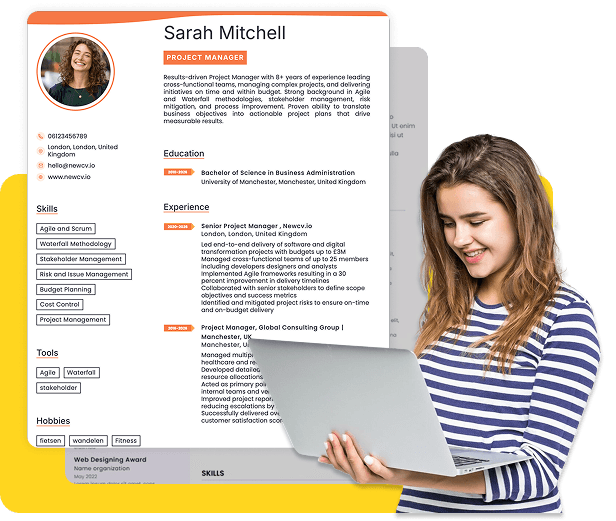
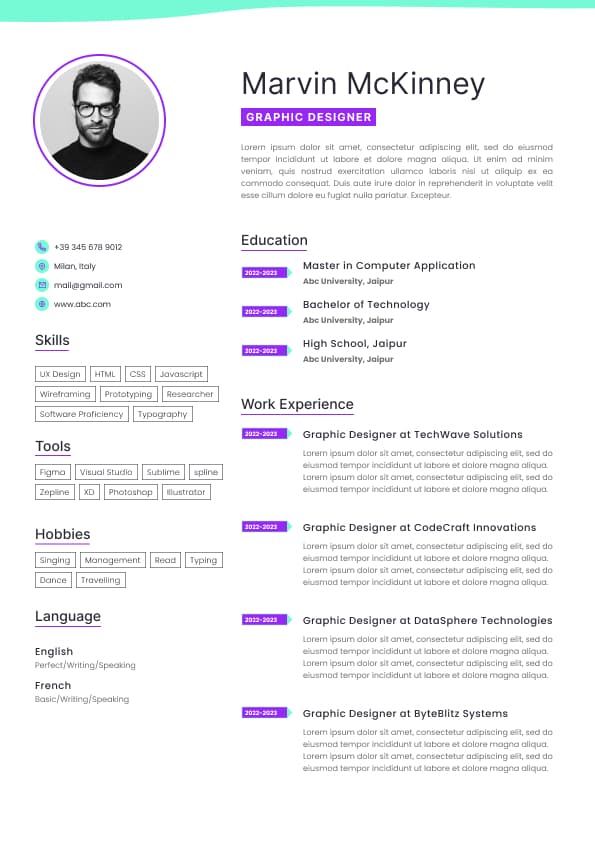
Use professional field-tested resume templates that follow the exact Resume rules employers look for.
Create ResumeIf your Android developer resume gets ignored, rejected, or produces very few interview requests, the problem is usually not your coding ability. It is almost always positioning, technical proof, ATS alignment, or lack of production-level evidence.
Recruiters and hiring managers screen Android resumes fast. Most resumes fail because they sound generic, list technologies without proof, or do not demonstrate measurable mobile impact. Companies want evidence that you can build, ship, maintain, debug, and improve Android applications in real environments.
A strong Android developer resume clearly shows:
Kotlin or Java expertise tied to shipped features
Android SDK and Jetpack experience used in production
Performance improvements and business outcomes
MVVM, APIs, Firebase, Room, Retrofit, Hilt, CI/CD, and testing experience
Collaboration with product, design, QA, and backend teams
App scale, crash reduction, retention impact, release ownership, or Play Store success
This guide breaks down exactly why Android developer resumes get rejected and how to fix the issues recruiters actually care about.
The biggest mistake Android developers make is treating the resume like a technology inventory instead of a proof-of-impact document.
Hiring managers are not looking for someone who “knows Android.” They are looking for someone who can contribute to a production mobile team with minimal risk.
Most rejected resumes have one or more of these problems:
Generic bullets with no technical depth
No measurable mobile outcomes
Weak ATS keyword alignment
No evidence of shipped Android apps
Missing modern Android stack experience
Poor formatting or unreadable structure
No differentiation between Kotlin and Java experience
No testing or debugging experience
Skills section disconnected from work history
Resume tailored too broadly instead of matching the role
Recruiters often decide within seconds whether an Android resume moves forward. If the resume looks vague, outdated, or generic, it gets filtered out quickly.
Most candidates misunderstand how Android resumes are evaluated.
The first reviewer is often:
A recruiter
A technical recruiter
An ATS system
An engineering manager scanning quickly
A lead Android engineer reviewing fit
Each person evaluates differently.
Recruiters primarily check:
Relevant Android experience
Matching keywords
Seniority alignment
Resume clarity
Tech stack compatibility
Stability and progression
They are not deeply evaluating architecture quality. They are checking whether your resume appears relevant enough to pass forward.
Hiring managers care about:
Production Android experience
Kotlin depth
Architecture patterns
Feature ownership
Mobile scalability
App quality
Performance optimization
Team collaboration
Technical maturity
They want proof you can operate in a real mobile engineering environment.
This is the most common rejection reason.
“Worked on Android application development.”
This tells the reviewer nothing.
“Developed Kotlin-based Android features for a fintech app serving 1.2M+ users, reducing app startup time by 32% and improving Play Store rating from 3.8 to 4.4.”
The second version proves:
Scale
Technology
Business impact
Ownership
Performance contribution
That is what gets interviews.
Many Android resumes never reach a human reviewer because the ATS cannot match them correctly.
Modern ATS systems heavily evaluate keyword alignment between the resume and job description.
If the employer needs Kotlin + Jetpack Compose + MVVM experience and your resume only says “Android development,” your match score drops immediately.
Your resume should naturally include technologies you genuinely used, including:
Kotlin
Java
Android SDK
Jetpack Compose
XML
Android Studio
MVVM
MVI
Retrofit
Room
Hilt
Dagger
Firebase
REST API
GraphQL
Coroutines
Flow
LiveData
Git
CI/CD
JUnit
Espresso
Mockito
Unit testing
UI testing
Crashlytics
Gradle
Play Store deployment
Many candidates list these only in the skills section. That is not enough.
The technologies must also appear naturally inside experience bullets.
Your bullets should answer four questions:
What did you build?
What technologies did you use?
What problem did you solve?
What measurable outcome improved?
A strong Android bullet combines all four.
“Built Android screens using Kotlin.”
“Built Jetpack Compose onboarding flows in Kotlin, increasing user activation rates by 18% and reducing onboarding drop-off by 24%.”
The second version demonstrates:
Technical implementation
Business awareness
Product impact
Measurable contribution
That is significantly more competitive.
One of the fastest rejection triggers is when the resume does not prove real-world Android delivery.
Hiring managers want evidence you have worked with:
Production releases
App maintenance
Debugging
QA collaboration
Play Store deployments
Performance monitoring
Crash reduction
API integrations
Version control
Agile development
If your experience sounds academic or theoretical, recruiters assume you are junior regardless of years worked.
Entry-level Android resumes fail for different reasons.
The biggest issue is lack of proof.
If you do not have professional Android experience, you must compensate with:
GitHub projects
Play Store apps
Open-source contributions
Technical portfolio
Real app architecture
API integrations
Firebase implementation
Testing examples
Without visible coding proof, recruiters struggle to assess ability.
Strong junior candidates show:
Real Android applications
Kotlin-first development
Modern architecture patterns
Clean GitHub repositories
README documentation
Play Store publishing
Technical initiative
A candidate with two strong public Android projects often outperforms someone with vague internship bullets.
This matters more than many candidates realize.
Some companies still maintain legacy Java Android systems. Others are heavily Kotlin-first.
Your resume should reflect the employer’s stack.
Emphasize:
Coroutines
Flow
Jetpack Compose
Modern Android architecture
Dependency injection
Reactive patterns
Emphasize:
Java Android maintenance
XML UI systems
Legacy modernization
Performance optimization
SDK compatibility work
A generic “Android developer” resume weakens positioning.
One Android resume is rarely enough anymore.
Different employers prioritize different mobile environments.
Usually prioritize:
Security
Scalability
Performance
API integration
Authentication
Reliability
Often prioritize:
HIPAA awareness
Stability
Accessibility
Secure data handling
Compliance-sensitive development
Often prioritize:
Architecture
Maintainability
Team collaboration
CI/CD
Modularization
Typically prioritize:
User engagement
Retention
UI/UX performance
Crash reduction
App ratings
Tailoring your resume to the environment dramatically improves response rates.
Recruiters spend the majority of their time reviewing these sections:
Professional summary
Technical skills
Most recent experience
Project relevance
Metrics and outcomes
Everything else is secondary.
Your summary should position you quickly and specifically.
“Experienced Android developer with strong technical skills.”
This says nothing meaningful.
“Android developer with 5+ years building Kotlin-based mobile applications using Jetpack Compose, MVVM, Firebase, and REST APIs for fintech and healthcare platforms supporting over 2M users.”
This works because it immediately establishes:
Seniority
Technical stack
Industry alignment
Scale
Relevance
Metrics create credibility.
High-performing Android resumes often include:
Crash reduction percentages
App performance improvements
Startup time improvements
User growth
Retention increases
App ratings
Bug reduction
Test coverage improvements
Release frequency
API response optimization
Conversion improvements
Reduced crash rate by 41% using Firebase Crashlytics analysis
Improved app startup speed by 28%
Increased test coverage from 35% to 78%
Supported Android app used by 3M+ monthly active users
Reduced API latency by 22% through Retrofit optimization
Improved Play Store rating from 3.9 to 4.6
These instantly strengthen credibility.
Many Android skills sections are poorly structured.
Avoid giant keyword dumps.
“Kotlin, Java, Android, APIs, Firebase, Git.”
Too vague and low quality.
Languages: Kotlin, Java
Android: Android SDK, Jetpack Compose, XML, Android Studio
Architecture: MVVM, Clean Architecture, Repository Pattern
Networking: Retrofit, REST APIs, GraphQL
Databases: Room, SQLite, Firebase Firestore
Dependency Injection: Hilt, Dagger
Testing: JUnit, Espresso, Mockito
Tools: Git, Gradle, CI/CD, Firebase Crashlytics
This improves:
ATS parsing
Recruiter readability
Technical credibility
For Android developers, visible proof matters more than in many other engineering disciplines.
Recruiters and hiring managers increasingly check:
GitHub repositories
Play Store apps
Technical portfolios
Open-source contributions
This is especially important for:
Entry-level developers
Career switchers
Self-taught Android developers
Freelancers
Contractors
A clean GitHub profile can significantly improve interview rates.
Not all projects help.
Strong Android projects demonstrate:
Real architecture
API integration
Authentication
State management
Error handling
Testing
Modern Android practices
Real UI implementation
Weak calculator or to-do list apps rarely help anymore unless they demonstrate advanced architecture.
Formatting alone can destroy ATS performance.
Avoid:
Multiple columns
Icons
Graphics
Skill bars
Tables
Excessive colors
Header/footer contact information
PDF export issues
ATS systems parse simple formatting more reliably.
Use:
Clear section headings
Standard fonts
Simple layouts
Consistent spacing
Reverse chronological order
Many technically strong candidates still struggle because they undersell impact.
A recruiter cannot assume your contribution.
You must explicitly communicate:
Ownership
Technical complexity
User scale
Product contribution
Performance impact
Collaboration level
The resume must translate engineering work into hiring value.
Senior Android resumes should emphasize:
Architecture leadership
Scalability
Mentorship
Technical decision-making
Release ownership
Performance optimization
Cross-functional collaboration
Mobile strategy contribution
Senior candidates who still write task-based bullets often look mid-level.
“Worked with Android team to develop app features.”
“Led migration from XML-based UI to Jetpack Compose architecture across a healthcare Android platform serving 800K+ users, improving developer velocity and reducing UI defects by 34%.”
That demonstrates senior-level ownership.
If your Android resume is getting rejected, prioritize these fixes first:
Add measurable technical outcomes
Match the exact Android stack in the job posting
Replace vague bullets with impact-driven examples
Include Kotlin, Java, Android SDK, and architecture keywords naturally
Show production Android experience clearly
Add GitHub or Play Store links
Tailor resume versions for different Android environments
Align skills section with actual experience bullets
Include testing, debugging, CI/CD, and release experience
Simplify formatting for ATS compatibility
These changes alone can dramatically improve interview response rates.
The best Android resumes feel specific.
Recruiters immediately notice:
Real mobile scale
Modern Android stack usage
Business impact
Technical maturity
Clear ownership
Strong architecture understanding
Practical engineering depth
Strong resumes do not try to sound impressive. They prove relevance quickly and clearly.
Use ATS-optimised Resume and resume templates that pass applicant tracking systems. Our Resume builder helps recruiters read, scan, and shortlist your Resume faster.

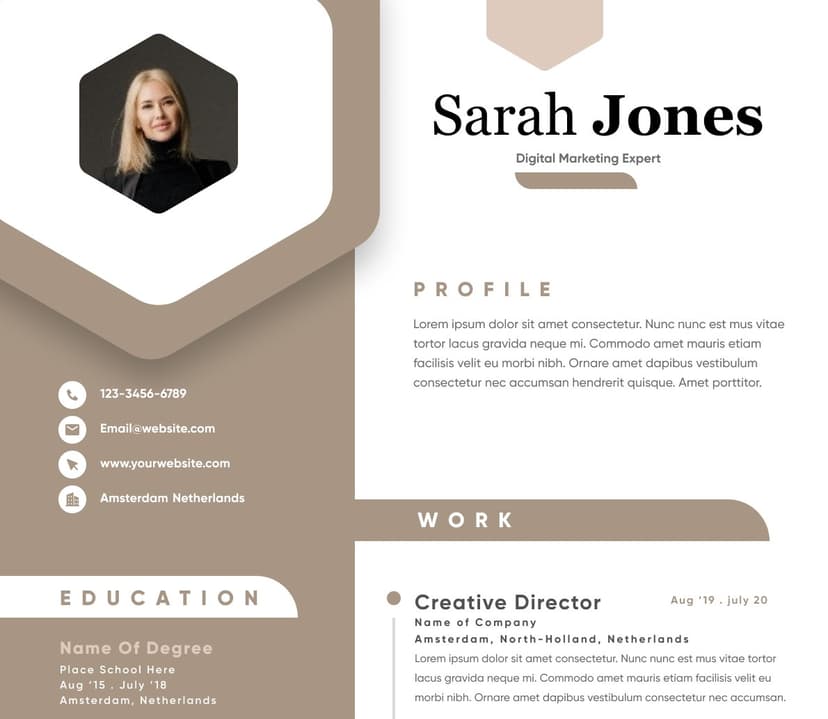
Use professional field-tested resume templates that follow the exact Resume rules employers look for.
Create Resume


 Upload Resume
 Import from Linkedin