STILL APPLYING. STILL HEARING NOTHING?BUILD YOUR RESUME

STILL APPLYING. STILL HEARING NOTHING?BUILD YOUR RESUME
Choose from a wide range of NEWCV resume templates and customize your NEWCV design with a single click.
FAQ

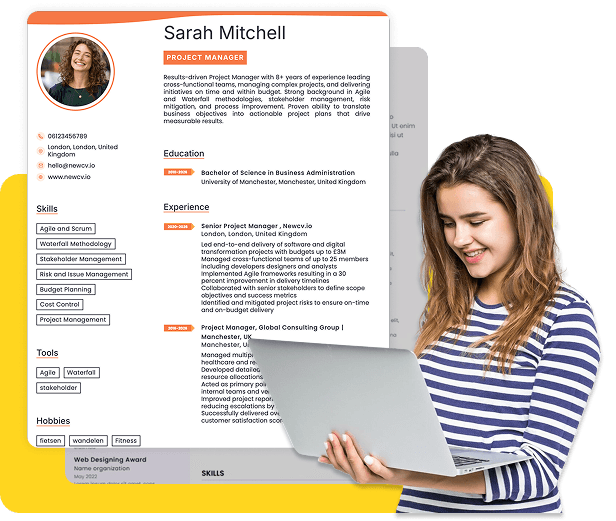
An Android developer resume template should do two things extremely well: pass ATS screening and make technical hiring managers immediately understand your Android expertise. Most Android developer resumes fail because they either look visually impressive but break ATS parsing, or they list technologies without showing real app impact, architecture decisions, or measurable outcomes.
The best Android developer resume format depends on your experience level. Reverse chronological resumes work best for experienced Android engineers with strong work history. Combination resumes work better for Android developers with significant projects, freelance apps, GitHub contributions, or cross-functional mobile experience. Functional resumes should only be used carefully, mainly for career changers or bootcamp graduates with limited professional Android experience.
For most US tech companies, recruiters scan an Android resume in under 10 seconds before deciding whether to continue reading. Your layout, technical keywords, architecture knowledge, and app impact matter far more than fancy design elements.
Most Android developers underestimate how resumes are evaluated in real hiring pipelines.
Recruiters are not trying to verify whether you “know Android.” They are trying to determine whether you are likely to succeed in a specific engineering environment.
That means your resume is evaluated on:
Technical stack relevance
Android architecture maturity
Product-scale experience
App performance impact
Collaboration with product and backend teams
Modern Android ecosystem knowledge
Ability to ship production apps
Stability and maintainability mindset
Testing and CI/CD exposure
Communication clarity
A strong Android developer resume immediately answers questions like:
Have you worked on production Android apps?
Do you understand modern Android development standards?
Have you used Kotlin professionally?
Do you understand Jetpack architecture?
Can you scale apps and improve performance?
Have you shipped features used by real users?
Can you collaborate in Agile engineering teams?
Weak Android resumes usually fail because they focus too heavily on generic skill lists instead of engineering outcomes.
Choosing the right Android developer resume format directly affects interview rates.
This is the strongest format for most Android developers in the US market.
Best for:
Mid-level Android developers
Senior Android engineers
Lead Android developers
Candidates with stable work history
Engineers with recognizable companies or shipped apps
Why recruiters prefer it:
Easy ATS parsing
Fast technical scanning
Clear career progression
Easy evaluation of Android stack evolution
Strong alignment with engineering hiring workflows
Contact information
Professional summary
Technical skills
Professional experience
Android projects
Certifications
Education
This format works especially well if your Android experience shows progression from Java to Kotlin, XML to Jetpack Compose, monolithic apps to modular architecture, or legacy Android to modern Android development.
This format is highly effective for project-heavy Android developers.
Best for:
Freelance Android developers
Android consultants
Mobile engineers with extensive side projects
Candidates with strong GitHub portfolios
Developers transitioning from other software fields
Engineers with significant open-source contributions
Why it works:
Balances technical depth with experience
Highlights Android projects earlier
Allows stronger visibility for architecture expertise
Helps candidates with nontraditional career paths
Combination resumes are particularly effective for Android engineers whose strongest value comes from apps, architecture, or technical complexity rather than employer brand names.
Use this carefully.
Best for:
Bootcamp graduates
Career changers
Entry-level Android developers
Candidates with employment gaps
Junior developers with strong project portfolios
Risks:
Many recruiters dislike functional resumes
Some hiring managers assume experience gaps are being hidden
Technical progression becomes less clear
If you use a functional format, your Android projects must be extremely strong.
An ATS-friendly Android developer resume layout should prioritize readability over design.
Include:
Full name
Phone number
Professional email
GitHub
Portfolio website
Play Store links when relevant
Avoid:
Full mailing address
Photos
Personal details unrelated to hiring
Decorative icons
This section matters more than many Android developers realize.
Recruiters often decide whether to continue reading based on this section alone.
“Experienced Android developer skilled in mobile app development and problem solving.”
Why it fails:
Generic
No Android specialization depth
No technical positioning
No measurable credibility
“Android Developer with 5+ years of experience building scalable Kotlin-based mobile applications for fintech and healthcare platforms. Experienced with Jetpack Compose, MVVM architecture, Firebase, REST APIs, and CI/CD automation. Improved app startup performance by 38% and contributed to applications serving over 2 million active users.”
Why it works:
Specific Android ecosystem positioning
Modern stack relevance
Architecture credibility
Quantified impact
Product-scale signals
This is one of the most important sections for ATS optimization.
Recruiters scan this section extremely quickly.
Group skills logically.
Kotlin
Java
Dart when relevant
Android SDK
Jetpack Compose
XML
Android Studio
Coroutines
Flow
LiveData
Room
Navigation Component
MVVM
MVI
Clean Architecture
Repository Pattern
Dependency Injection
REST APIs
Retrofit
GraphQL
WebSockets
Room
SQLite
Firebase Realtime Database
Firestore
Firebase Authentication
Crashlytics
Analytics
Cloud Messaging
JUnit
Espresso
Mockito
UI Testing
GitHub Actions
Jenkins
Bitrise
Fastlane
Git
Jira
Figma
Postman
Below is the structure recruiters expect from modern Android resumes.
Full Name
Phone Number | Professional Email | LinkedIn | GitHub | Portfolio
2 to 4 lines summarizing:
Years of Android experience
Core Android technologies
Industry/domain exposure
Architecture strengths
Product-scale impact
Use categorized technical sections.
Each role should include:
Job title
Company name
Location
Employment dates
4 to 6 achievement-driven bullet points
Include:
Android app purpose
Technical stack
Architecture used
Performance optimization
User metrics when possible
GitHub or Play Store links
Examples:
Associate Android Developer
Google certifications
Kotlin certifications
Firebase certifications
Keep concise.
Most Android bullet points are too vague.
Recruiters want engineering impact.
“Worked on Android application development.”
Why it fails:
No scope
No stack
No ownership
No measurable value
“Developed and maintained Kotlin-based Android features for a fintech app with 1.5M+ users, reducing crash rates by 32% through improved exception handling and lifecycle management.”
Why it works:
Specific stack
Product scale
Ownership
Quantified improvement
Engineering relevance
“Implemented Jetpack Compose migration for core UI components, reducing UI rendering complexity and improving developer velocity across feature teams.”
This demonstrates:
Modern Android expertise
Architecture evolution
Team-level impact
Technical maturity
ATS systems do not rank resumes based on “design quality.”
They match technical relevance.
Include keywords naturally throughout the resume.
Kotlin
Android SDK
Jetpack Compose
MVVM
Coroutines
Android Studio
REST API
Firebase
Room
Retrofit
Clean Architecture
Dependency Injection
Hilt
Dagger
CI/CD
Modularization
Offline caching
Performance optimization
Unit testing
Agile development
Cross-functional collaboration
Product requirements
Feature delivery
User experience
Code reviews
Technical documentation
The key is integration, not keyword stuffing.
Both formats matter.
Best for:
Final job applications
Preserving formatting
Recruiter sharing
Most online applications
PDF prevents layout shifting.
Best for:
Recruiters specifically requesting DOCX
Internal staffing systems
Editable master resume versions
Always keep both versions.
Use simple ATS-friendly fonts.
Recommended:
Arial
Calibri
Aptos
Helvetica
Avoid:
Decorative fonts
Script fonts
Narrow fonts
Highly stylized typography
Best for:
Internships
Junior Android developers
Entry-level candidates
Bootcamp graduates
Under 3 years experience
Best for:
Mid-level developers
Senior Android engineers
Technical leads
Engineers with multiple shipped apps
Candidates with substantial project depth
For experienced Android engineers, cutting important technical depth just to stay on one page is often a mistake.
Many Android resumes look interchangeable with backend or frontend resumes.
Hiring managers want Android specialization.
Mention:
Android lifecycle management
Compose
Offline-first architecture
Mobile performance
App startup optimization
Play Store deployment
Device fragmentation handling
Long technology dumps hurt readability.
Focus on:
Technologies actually used professionally
Technologies relevant to target jobs
Technologies you can discuss confidently in interviews
Android engineering is business-impact engineering.
Include:
Crash reduction
Performance improvements
App ratings
User growth
Load time improvements
Feature adoption
Retention improvements
Weak Android projects usually:
Describe features only
Ignore architecture
Lack technical depth
Omit engineering decisions
Strong Android projects explain:
Why architectural choices were made
Scalability considerations
State management
Networking strategy
Performance optimizations
US Android hiring has shifted significantly toward modern Android development standards.
Recruiters increasingly expect exposure to:
Kotlin-first development
Jetpack Compose
Coroutines and Flow
Clean architecture
Dependency injection
Testing automation
CI/CD workflows
Firebase ecosystem
Agile collaboration
Older Android-only stacks using mainly Java and XML without modern architecture exposure may reduce competitiveness for stronger Android roles.
Usually yes.
Especially for:
Junior developers
Freelancers
Self-taught Android developers
Open-source contributors
Candidates with limited professional Android experience
Recruiters and hiring managers often review:
Code quality
Architecture patterns
README quality
Project consistency
Commit history
App complexity
A strong GitHub profile can materially improve interview chances.
Strong Android project sections often outperform weak professional experience sections.
Each project should include:
App purpose
Technical stack
Architecture used
APIs integrated
Performance optimization
Testing approach
Deployment status
GitHub or Play Store links
“Built a Kotlin-based fitness tracking app using Jetpack Compose, Room, and Firebase Authentication. Implemented offline caching and background sync, improving user retention for low-connectivity users. Published beta version on Google Play with 4.7-star rating.”
This demonstrates:
Technical depth
Architecture understanding
Real deployment
Product thinking
User impact
ATS parsing failures still eliminate qualified candidates.
Avoid:
Multi-column layouts
Graphics
Icons
Skill bars
Tables
Text boxes
Headers and footers with critical information
Excessive color usage
Many ATS systems still parse simple layouts more reliably.
Many candidates assume modern design equals stronger resume performance.
That is often false in engineering hiring.
Technical hiring managers care more about:
Clarity
Stack relevance
Architecture maturity
Product impact
Readability
Simple resumes usually scan faster and perform better in ATS systems.
Senior Android resumes are evaluated differently.
Senior candidates are assessed for:
Architecture leadership
Scalability decisions
Mentorship
System thinking
Cross-team collaboration
Technical ownership
Mobile platform strategy
Junior resumes are assessed more for:
Technical foundation
Learning ability
Project quality
Android fundamentals
Initiative
Senior Android resumes should emphasize decision-making and engineering influence, not just feature implementation.
Use ATS-optimised Resume and resume templates that pass applicant tracking systems. Our Resume builder helps recruiters read, scan, and shortlist your Resume faster.

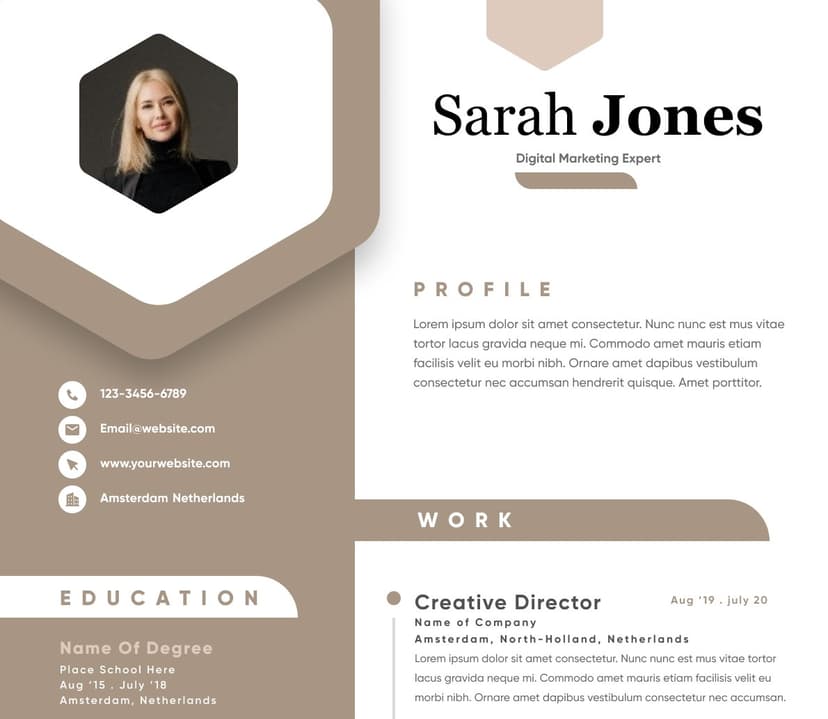
Use professional field-tested resume templates that follow the exact Resume rules employers look for.
Create Resume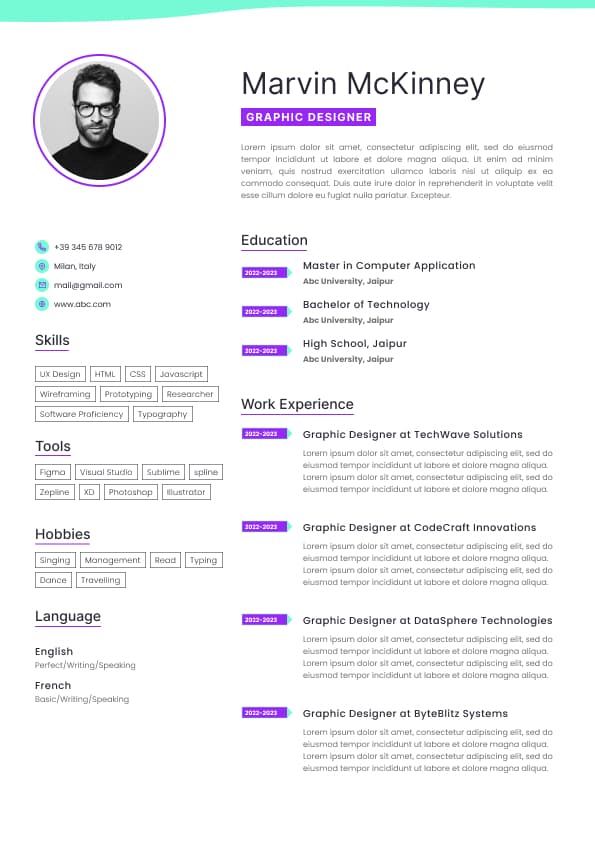
Use professional field-tested resume templates that follow the exact Resume rules employers look for.
Create Resume


 Upload Resume
 Import from Linkedin