STILL APPLYING. STILL HEARING NOTHING?BUILD YOUR RESUME

STILL APPLYING. STILL HEARING NOTHING?BUILD YOUR RESUME
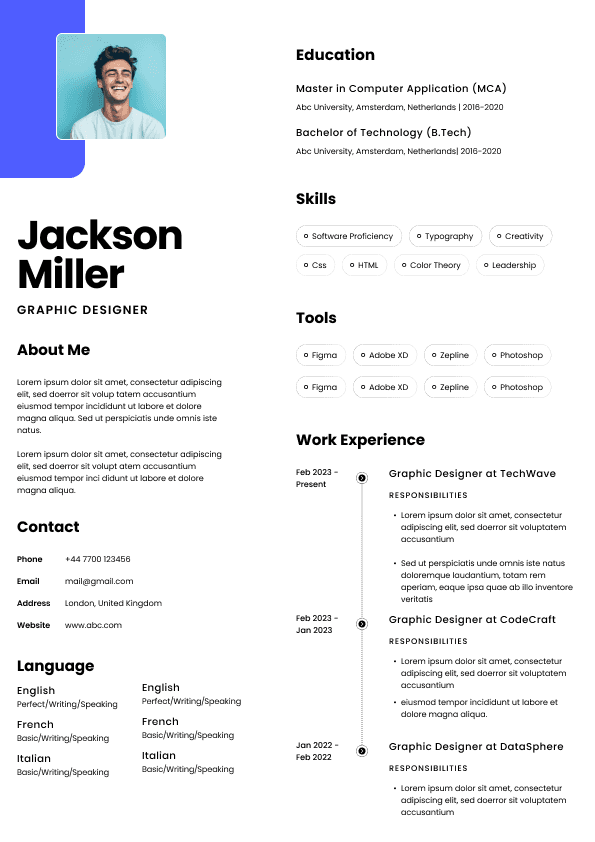
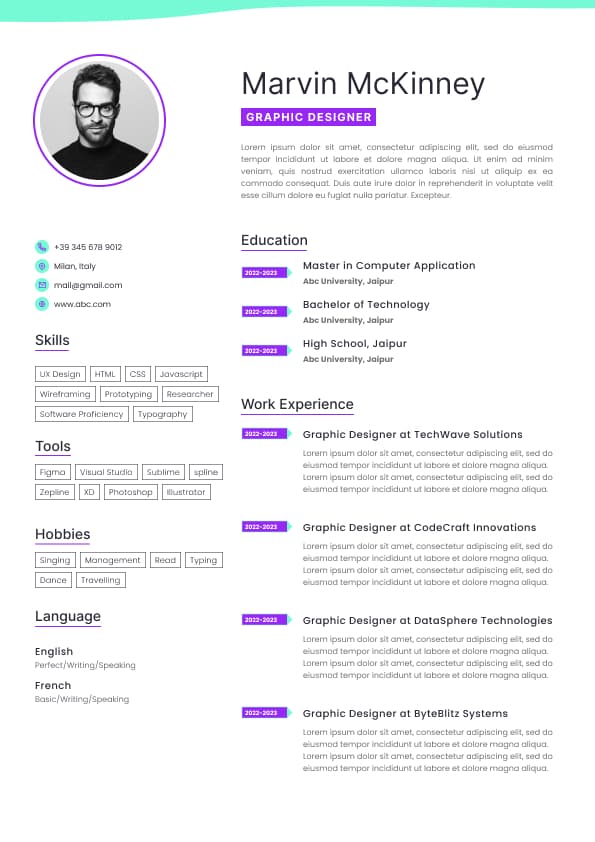
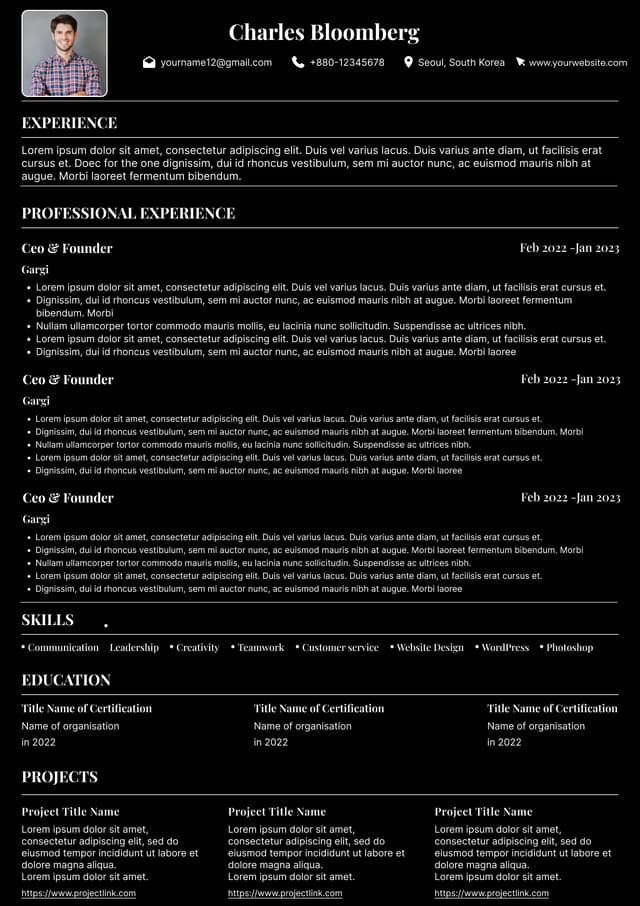
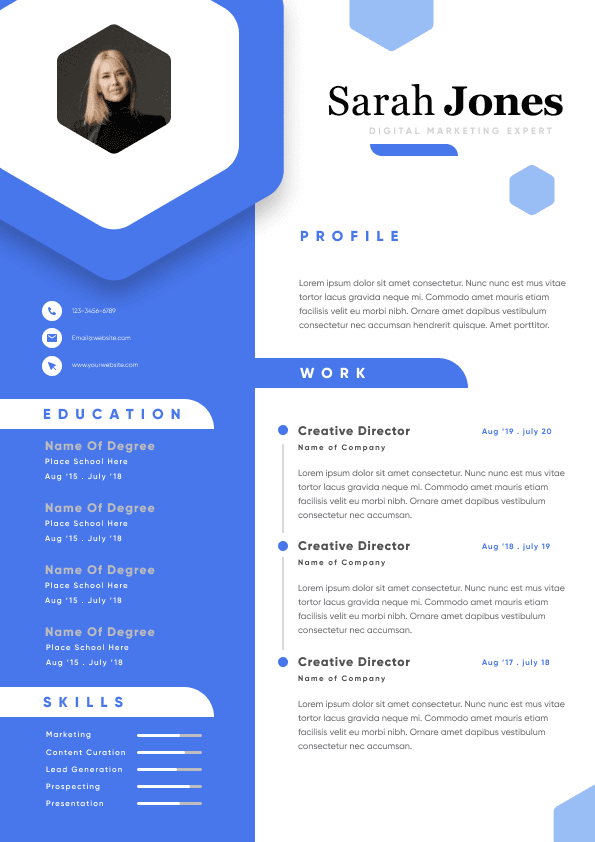
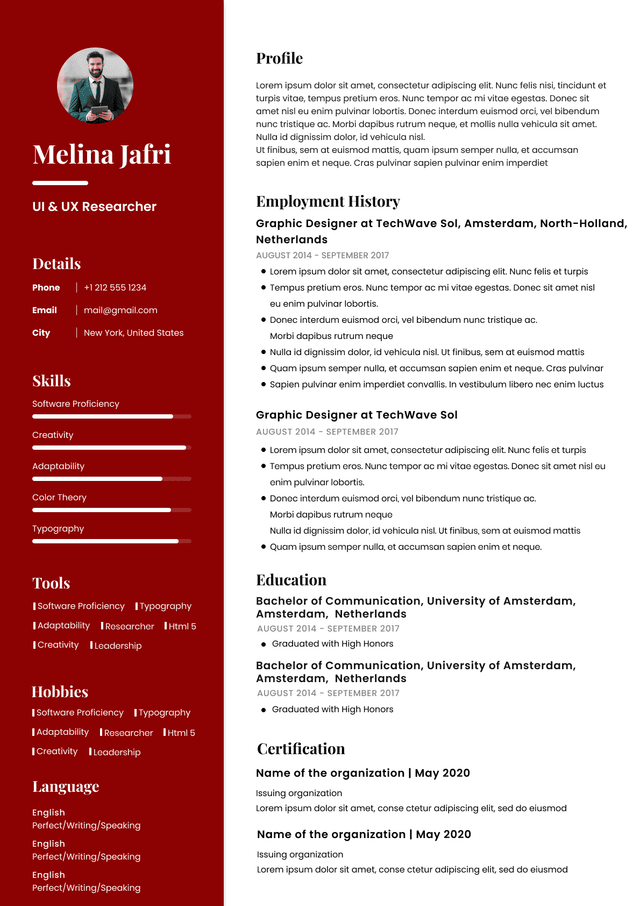
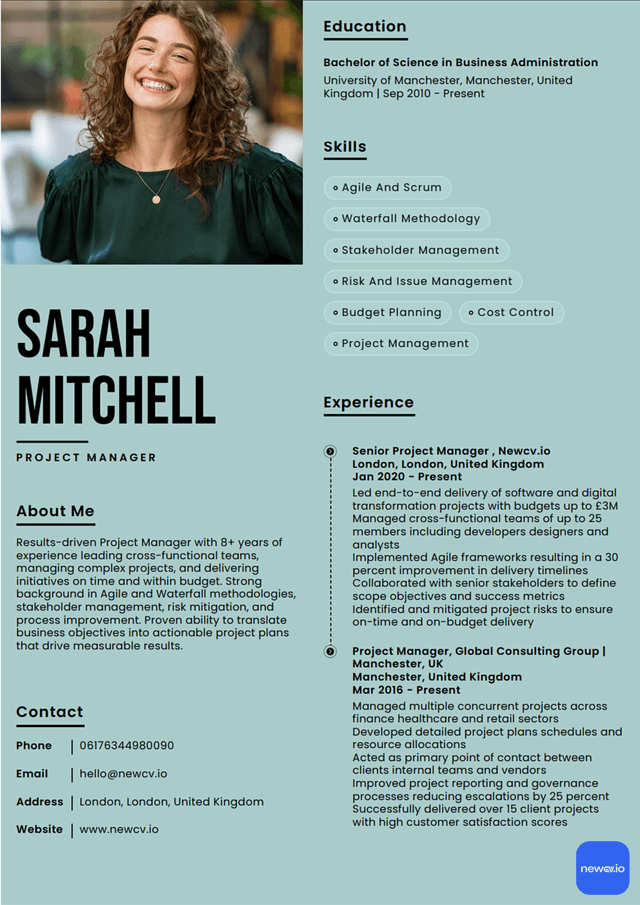
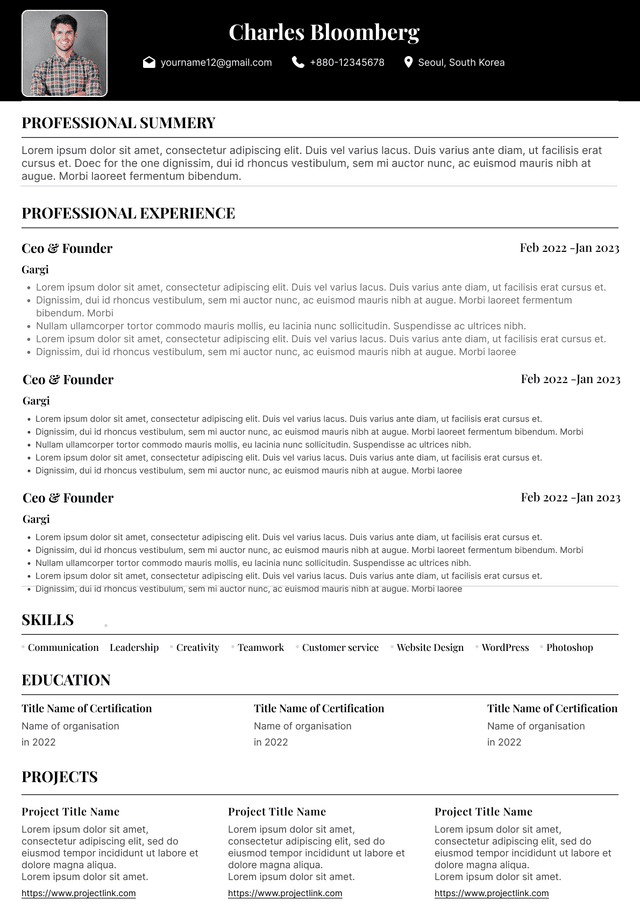
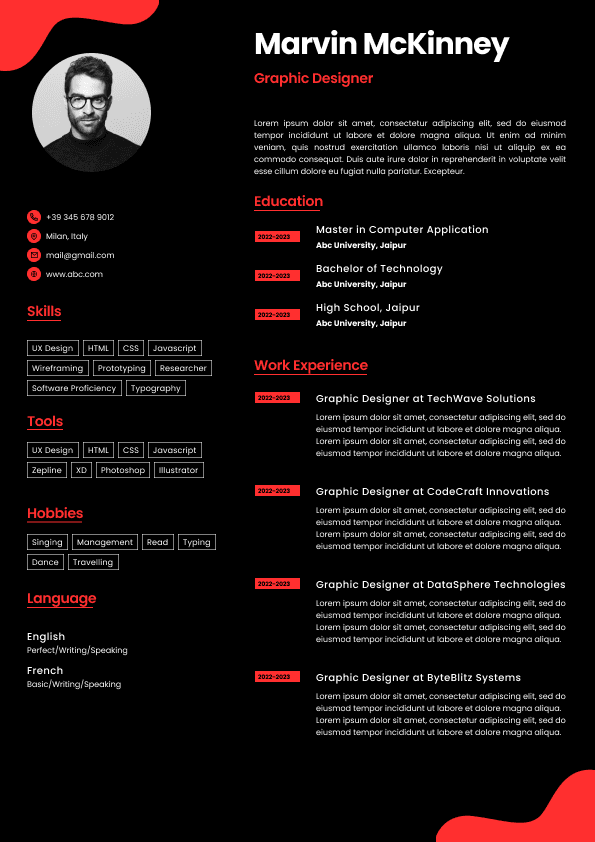
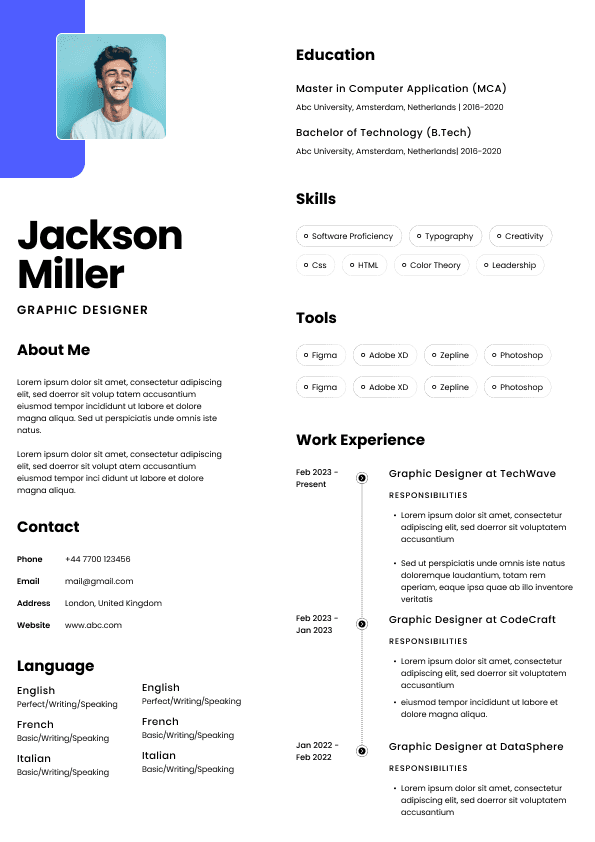
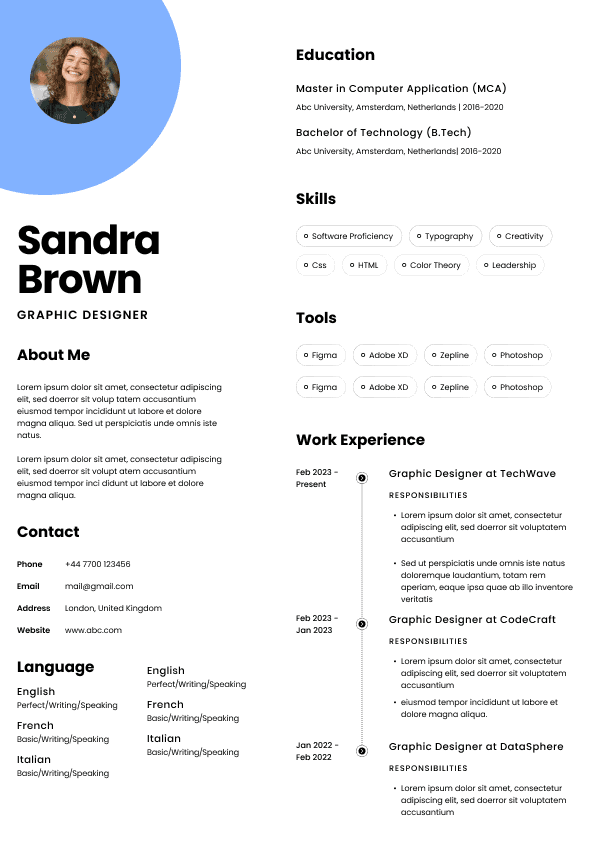
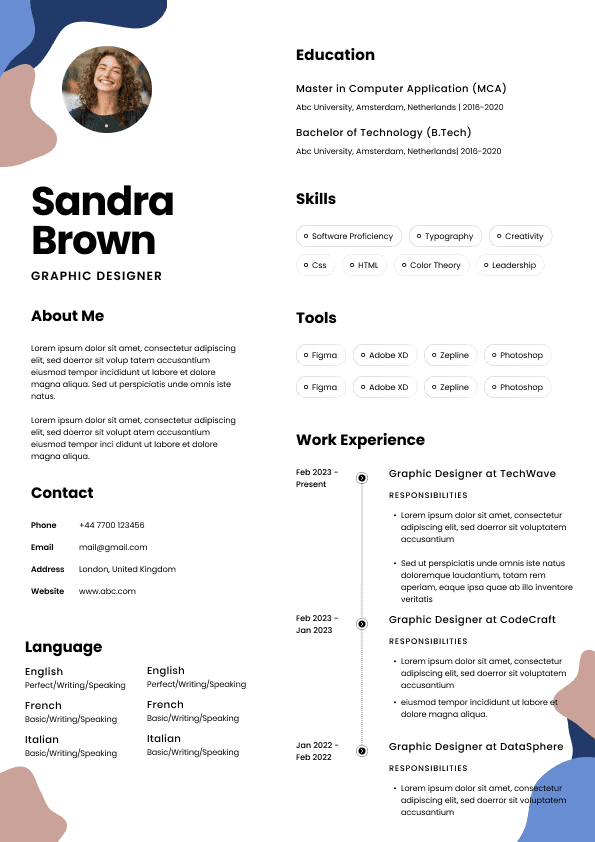
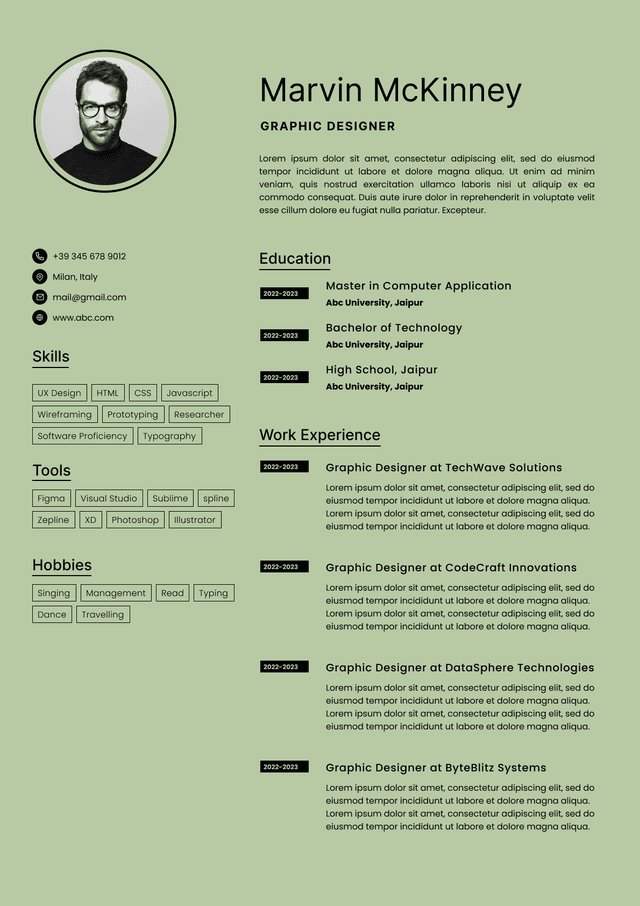
Choose from a wide range of NEWCV resume templates and customize your NEWCV design with a single click.
FAQ
An Android developer resume needs to do more than list Kotlin, Java, or Android Studio. In the U.S. hiring market, recruiters and engineering managers look for evidence that you can ship stable production apps, solve mobile performance problems, collaborate across teams, and contribute to product outcomes.
The strongest Android developer resumes show measurable engineering impact, not just technical familiarity. Employers want to see proof of native Android expertise, modern architecture knowledge, release ownership, debugging ability, and product thinking. That includes Kotlin development, Jetpack Compose, MVVM or Clean Architecture, API integration, CI/CD workflows, Play Store deployment, crash reduction, and app performance optimization.
Weak resumes read like technology inventories. Strong resumes explain what you built, how you built it, why it mattered, and what business or product results it delivered. If your resume does not quickly demonstrate production-level Android engineering capability, most recruiters will move on within seconds.
Most Android resumes fail because they focus on responsibilities instead of engineering outcomes.
Hiring managers are not trying to verify whether you have “worked with Android.” They are evaluating whether you can contribute to a modern mobile engineering team with minimal risk.
In practice, recruiters and engineering leaders screen Android resumes for five things immediately:
Native Android development depth
Modern Kotlin and Jetpack experience
Real production app ownership
Mobile architecture and scalability knowledge
Business or product impact
The biggest differentiator is usually production credibility.
A candidate who says:
Weak Example
“Worked on Android applications using Kotlin and Android SDK.”
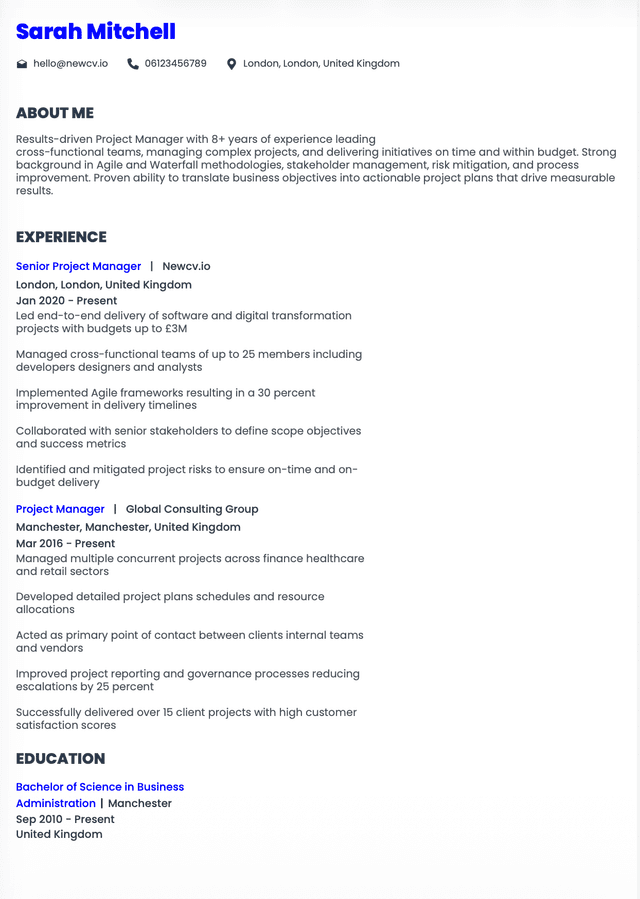
For nearly all Android developer roles in the U.S., the best format is:
Reverse chronological
One page for junior to mid-level candidates
Two pages maximum for senior engineers
ATS-friendly structure
Clear technical specialization
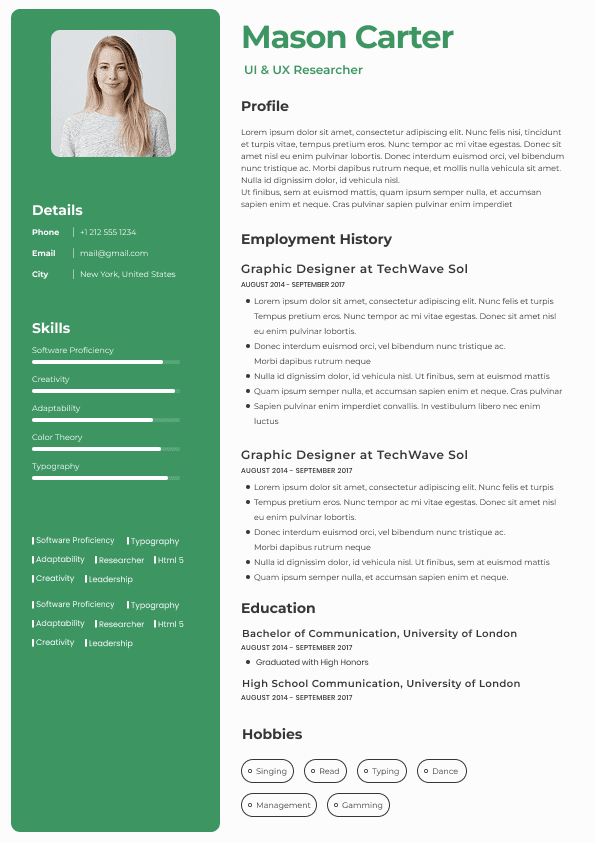
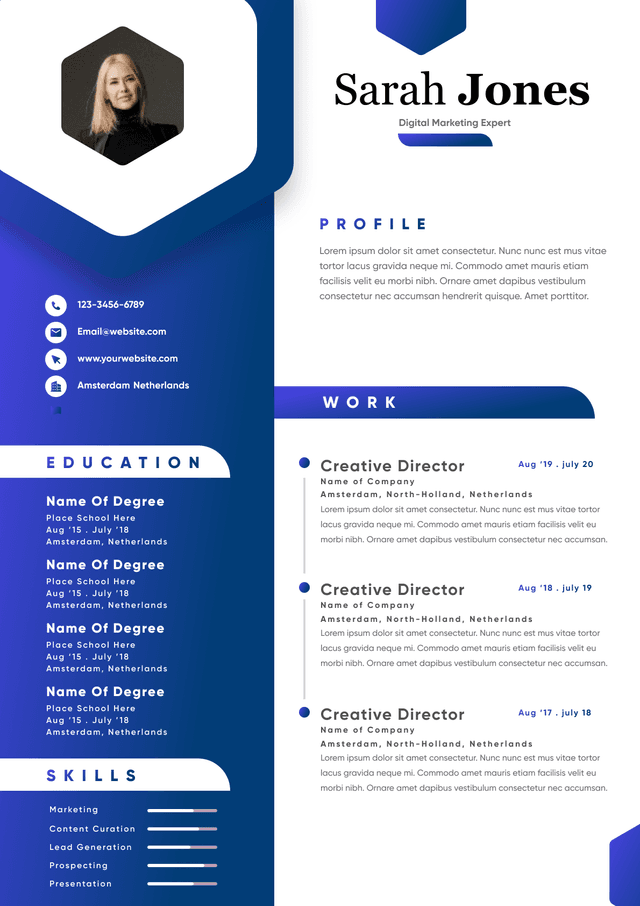
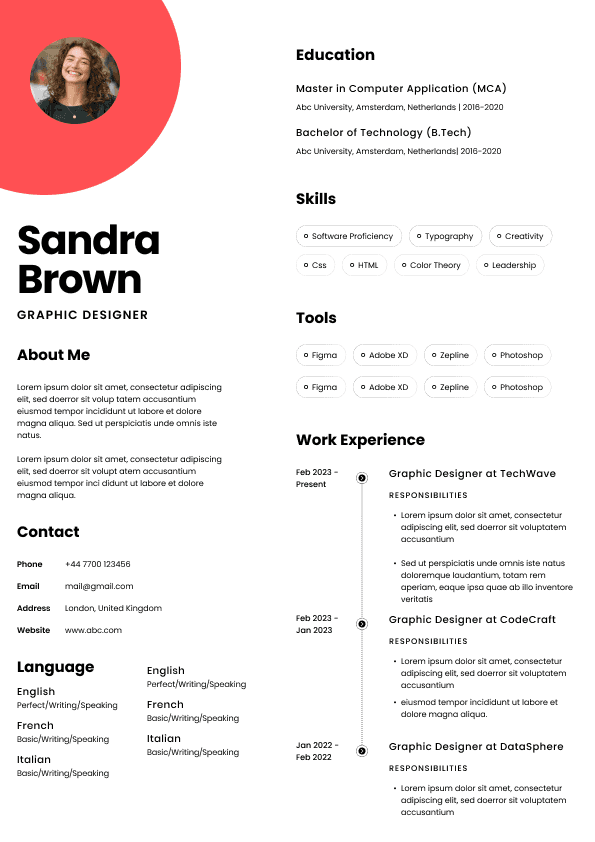
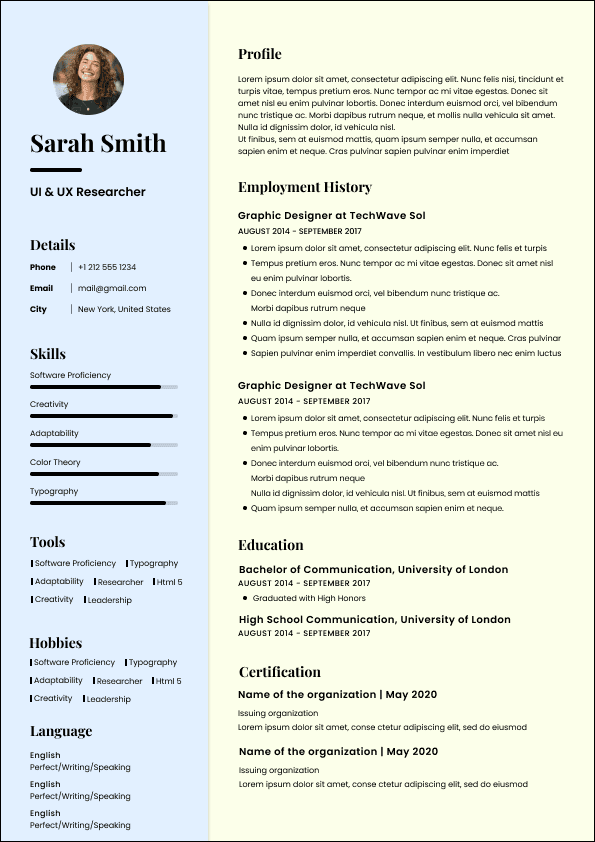
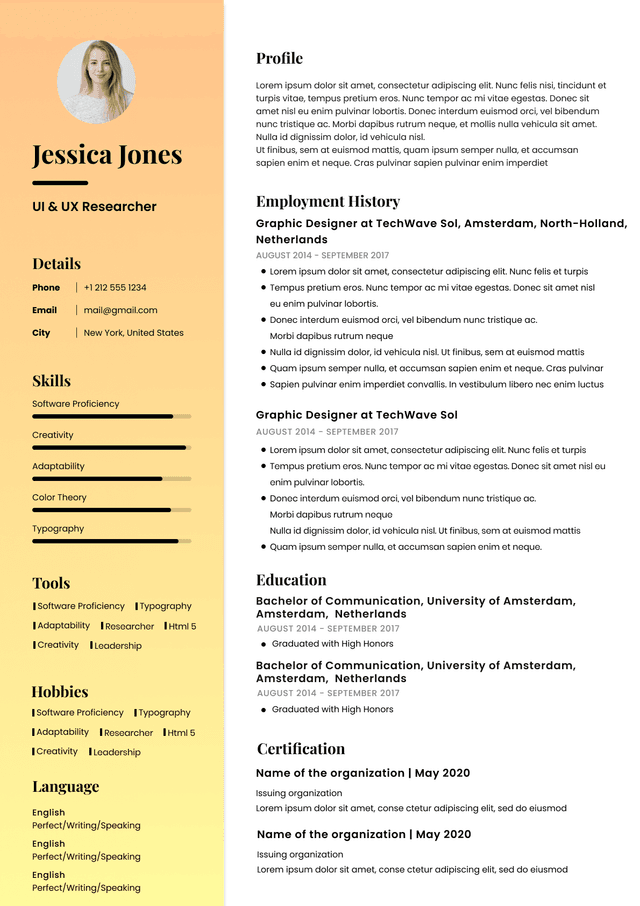
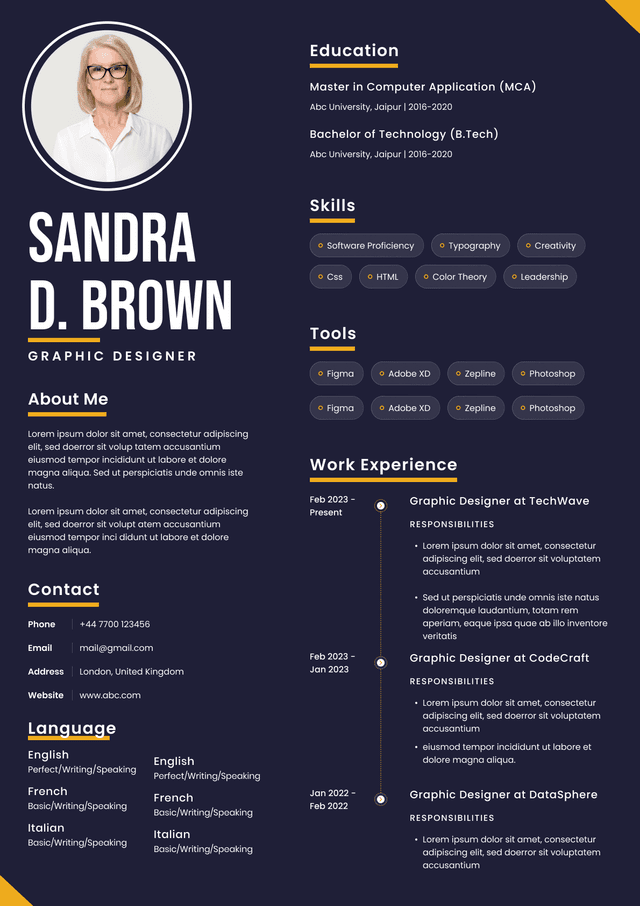
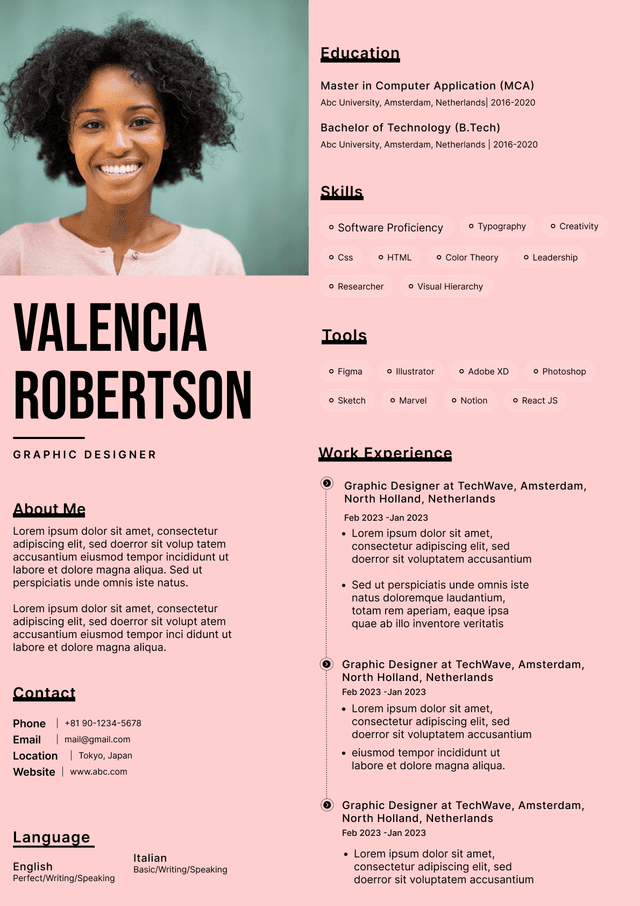
Avoid overly designed resumes with graphics, columns, rating bars, or excessive visual styling. Many ATS systems still parse these poorly.
Your resume should follow this structure:
Include:
Name
Many Android candidates either overload their skills section or make it too generic.
Recruiters scan for alignment with job requirements extremely fast.
A strong Android developer skills section should group technologies logically.
Include technologies like:
Kotlin
Java
Android SDK
Android Studio
Jetpack Compose
XML Layouts
Your experience section determines whether you get interviews.
Most Android developer resumes fail because the bullets are task-based instead of impact-driven.
Hiring managers want to understand:
Technical complexity
Ownership level
Product scale
Engineering quality
Measurable results
The best bullet structure is:
Action + Technical Detail + Business Impact
Entry-level Android resumes are evaluated differently.
Recruiters know junior candidates may not have enterprise experience yet. What they look for instead is proof of technical capability and learning potential.
If you are entry-level, prioritize:
Personal Android projects
GitHub activity
Internship experience
Published apps
Kotlin proficiency
Android architecture understanding
Problem-solving ability
Senior Android resumes are judged less on tool familiarity and more on engineering leadership and architectural influence.
At senior level, employers expect evidence of:
System design ownership
Architecture decisions
Cross-team leadership
Scalability improvements
Mobile platform strategy
Mentorship
Delivery leadership
Senior candidates must demonstrate impact beyond coding.
In the current U.S. Android hiring market, Kotlin is now the default expectation for most modern Android teams.
A Java-only Android resume can still get interviews, but many employers see it as outdated unless supported by strong production experience.
If you have Kotlin experience, surface it prominently.
Resume headline
Summary
Skills section
Experience bullets
Project descriptions
Employers increasingly expect:
Coroutines
Jetpack Compose has become one of the biggest differentiators in Android hiring.
Many companies are actively modernizing Android UI architecture.
Candidates with real Compose experience often receive more recruiter attention because teams want engineers who can help modernize legacy codebases.
Do not just write:
“Used Jetpack Compose.”
Instead explain:
Reusable component development
State management
UI architecture
Performance optimization
Migration initiatives
These mistakes eliminate otherwise qualified candidates constantly.
A long list of tools without context creates weak positioning.
Recruiters care about application, not memorization.
If your resume contains no measurable outcomes, it appears lower impact.
Use metrics whenever possible:
Crash reduction
Performance gains
User growth
Retention improvements
Revenue contribution
Modern ATS systems do not “hire” candidates, but they do influence visibility.
Your resume should naturally include role-relevant Android keywords without stuffing.
Include relevant terms naturally throughout your resume:
Android SDK
Kotlin
Java
Jetpack Compose
MVVM
Android Studio
REST API
Different industries prioritize different Android engineering strengths.
Fintech employers prioritize:
Security
Authentication flows
Encryption
Compliance awareness
Transaction reliability
Relevant resume signals:
OAuth
JWT
Projects matter most when they demonstrate engineering depth.
Weak projects:
Basic to-do apps
Tutorial clones
Generic weather apps
Strong projects demonstrate:
Architecture complexity
API integration
State management
Scalability
Certain resume signals instantly elevate perceived seniority.
Architecture ownership
Migration leadership
Mentoring engineers
CI/CD optimization
Performance tuning
Cross-functional leadership
Mobile platform strategy

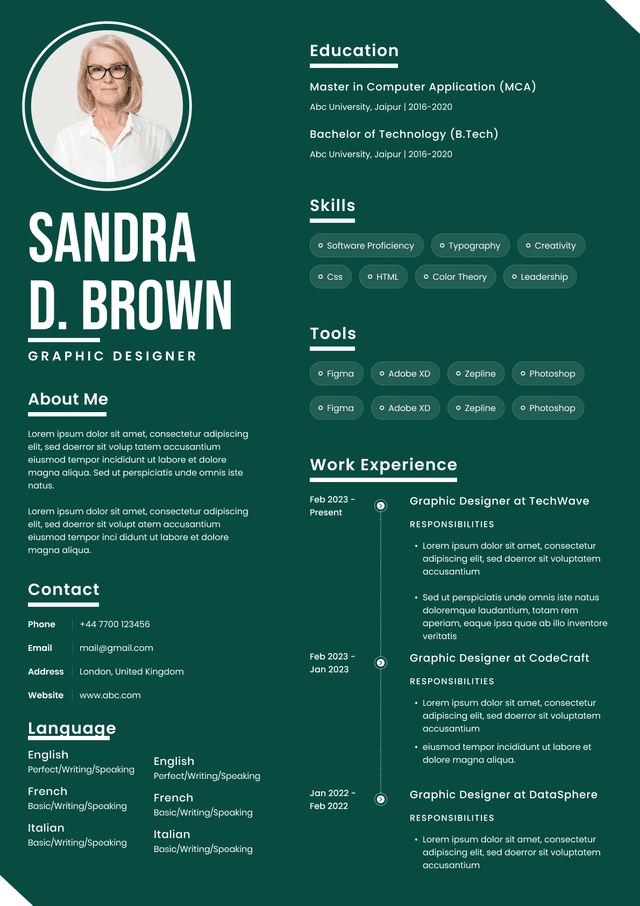
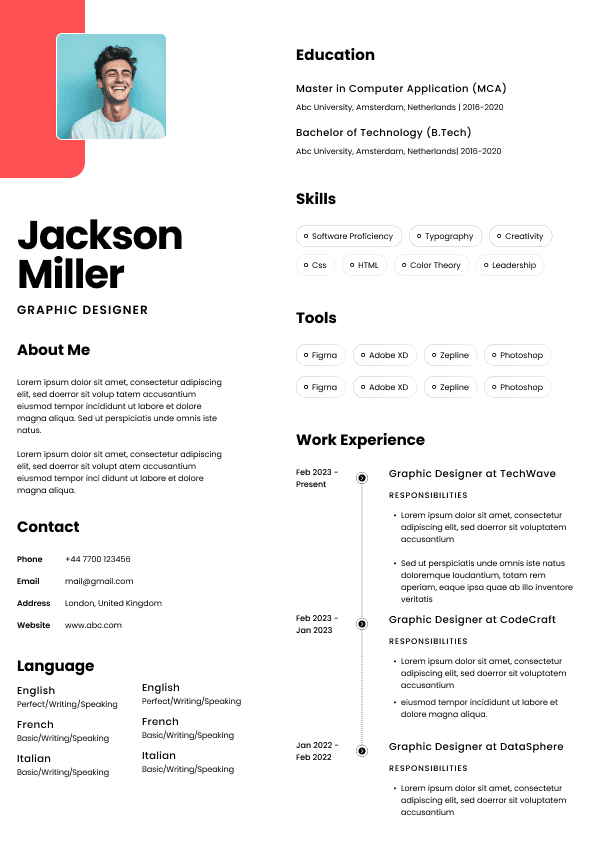
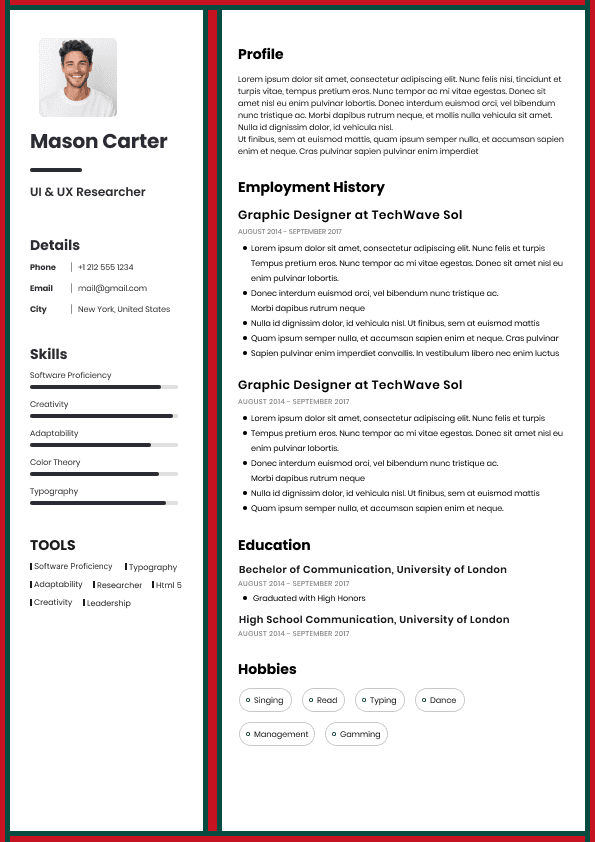
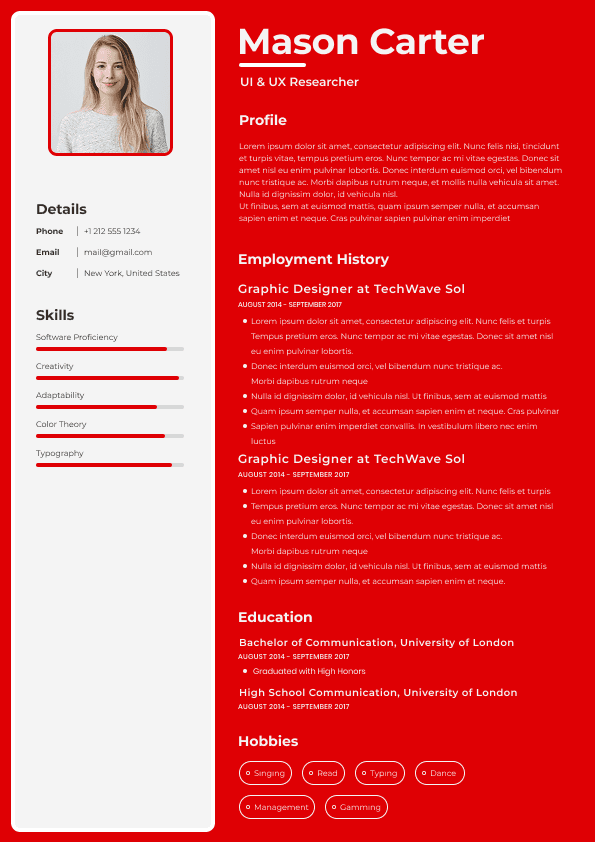
Use ATS-optimised Resume and resume templates that pass applicant tracking systems. Our Resume builder helps recruiters read, scan, and shortlist your Resume faster.

Use professional field-tested resume templates that follow the exact Resume rules employers look for.
Create Resume
Use professional field-tested resume templates that follow the exact Resume rules employers look for.
Create Resumesounds junior and generic.
A candidate who says:
Good Example
“Built and maintained Kotlin-based Android applications serving 2M+ monthly active users, reducing crash rates by 38% through coroutine optimization, memory leak remediation, and lifecycle-aware architecture improvements.”
sounds like someone trusted in production environments.
That difference dramatically changes callback rates.
Phone number
Professional email
GitHub
Portfolio or Play Store links if relevant
If you have shipped apps publicly, showing real products immediately increases credibility.
Your summary should position you strategically for the exact role.
Do not write vague summaries like:
“Motivated Android developer seeking growth opportunities.”
That provides no hiring signal.
Instead:
Good Example
“Android developer with 5+ years of experience building scalable native mobile applications using Kotlin, Jetpack Compose, MVVM architecture, and RESTful APIs. Proven track record reducing app crashes, improving performance, and delivering production Android applications across fintech and e-commerce environments.”
This immediately communicates:
Experience level
Core stack
Architecture knowledge
Product environment
Business value
Material Design
Coroutines
Flow
LiveData
ViewModel
Include:
MVVM
MVI
Clean Architecture
Repository Pattern
Modular Architecture
Dependency Injection
Hilt
Dagger
Include:
Retrofit
OkHttp
REST APIs
GraphQL
JSON parsing
OAuth
JWT authentication
Include:
Room
SQLite
DataStore
Offline-first architecture
Include:
Git
GitHub Actions
Bitrise
Firebase
CI/CD
Play Store deployment
Include:
JUnit
Espresso
Mockito
UI testing
Unit testing
Do not list technologies you cannot discuss confidently in interviews.
Senior engineering managers often probe deeply into architecture, threading, lifecycle handling, or state management. Inflated skills sections create risk.
Developed Kotlin-based Android applications supporting 1.5M+ users with Jetpack Compose and MVVM architecture, improving UI rendering performance by 28%
Reduced app crash rates by 41% through memory leak remediation, lifecycle-aware component refactoring, and proactive Firebase Crashlytics monitoring
Implemented offline-first synchronization architecture using Room, WorkManager, and coroutines, improving app reliability in low-connectivity environments
Integrated REST and GraphQL APIs with Retrofit and OkHttp, decreasing API response handling errors by 32%
Led migration from Java to Kotlin across 60% of the Android codebase, improving maintainability and reducing development time for new feature releases
Optimized app startup time by 2.1 seconds through lazy loading, dependency injection restructuring, and background initialization improvements
Built reusable Jetpack Compose UI components adopted across multiple Android product teams
Collaborated with product managers, designers, and backend engineers in Agile sprint cycles to deliver biweekly production releases
Notice the pattern:
Technical depth
Real engineering problems
Scale
Quantifiable outcomes
Production ownership
That is what employers want.
A published Android app is significantly more valuable than generic coursework.
Even small projects demonstrate:
App lifecycle understanding
API integration
UI development
Navigation handling
State management
Debugging experience
Hiring managers often review GitHub for junior candidates.
Poorly structured repositories create negative signals.
Strong repositories show:
Clear architecture
Documentation
Commit quality
Readable Kotlin code
Proper package structure
Many junior candidates still build outdated XML-heavy projects without modern architecture.
Today, employers increasingly expect familiarity with:
Kotlin
Jetpack Compose
Coroutines
MVVM
Hilt
Room
Even for entry-level roles.
Hiring managers want to know:
Did you design scalable systems?
Did you improve maintainability?
Did you reduce technical debt?
Did you influence engineering standards?
Senior engineers are evaluated partly on business outcomes.
Strong examples include:
Revenue impact
Retention improvements
Engagement growth
Performance optimization
Crash reduction
Release stability
Senior Android engineers should show:
Mentorship
Code review leadership
Engineering standards ownership
Collaboration across functions
Without leadership signals, many “senior” resumes get interpreted as mid-level.
Flow
Jetpack Compose
Modern asynchronous handling
Kotlin-first architecture
Java still matters in:
Legacy enterprise environments
Migration projects
Android SDK maintenance
Financial systems
Older Android platforms
But Kotlin is now the stronger market signal.
That communicates modernization value.
Release velocity
Many candidates fail to show:
Architecture knowledge
Lifecycle understanding
Debugging capability
Performance optimization
Production delivery
Those are critical Android hiring signals.
Employers want engineers who can ship and maintain applications in real environments.
Show:
Play Store releases
CI/CD involvement
Monitoring
Crash remediation
Maintenance ownership
Resumes focused entirely on:
Java
AsyncTask
Legacy support libraries
without modern Android technologies often struggle in competitive hiring pipelines.
Coroutines
Firebase
Hilt
Retrofit
CI/CD
Room
GraphQL
Mobile architecture
Unit testing
Agile
Play Store deployment
Avoid keyword spam.
Recruiters still read the document manually after ATS filtering.
Secure storage
PCI-related environments
Fraud prevention
Healthcare companies prioritize:
HIPAA awareness
Data privacy
Accessibility
Reliability
Secure integrations
Retail and e-commerce employers prioritize:
Checkout optimization
Performance
Push notifications
Subscription flows
Analytics
Automotive Android teams prioritize:
Embedded systems familiarity
Android Automotive OS
Hardware integration
Performance reliability
Tailoring your experience to the industry materially improves interview rates.
Offline handling
Authentication
Testing
Real-time messaging app
Fintech budgeting application
Offline-first task platform
Streaming or media application
E-commerce mobile app
Fitness tracking platform
Wear OS integration app
The key is demonstrating production-style engineering decisions.
Scalability improvements
Only listing tasks
No metrics
No ownership language
No system complexity
No engineering influence
The difference between mid-level and senior resumes is usually impact scope, not years of experience.



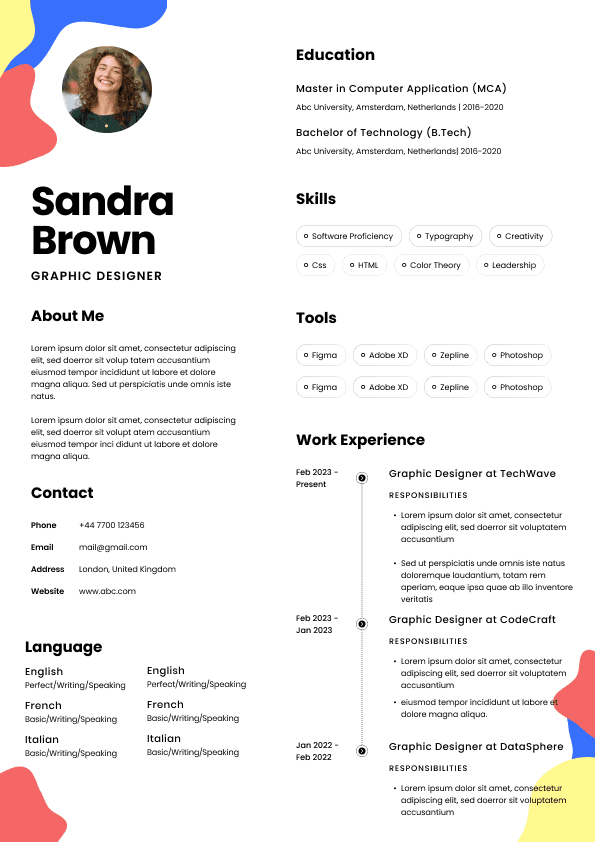
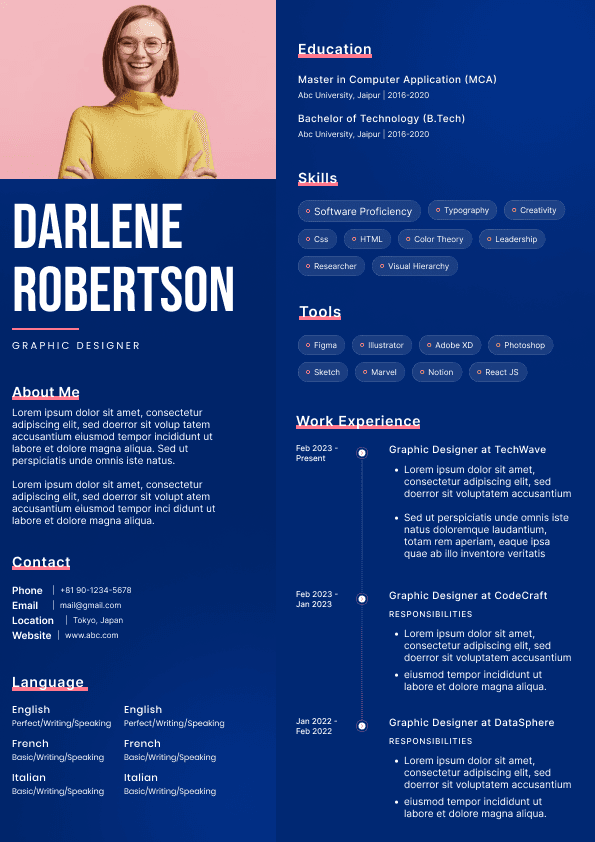
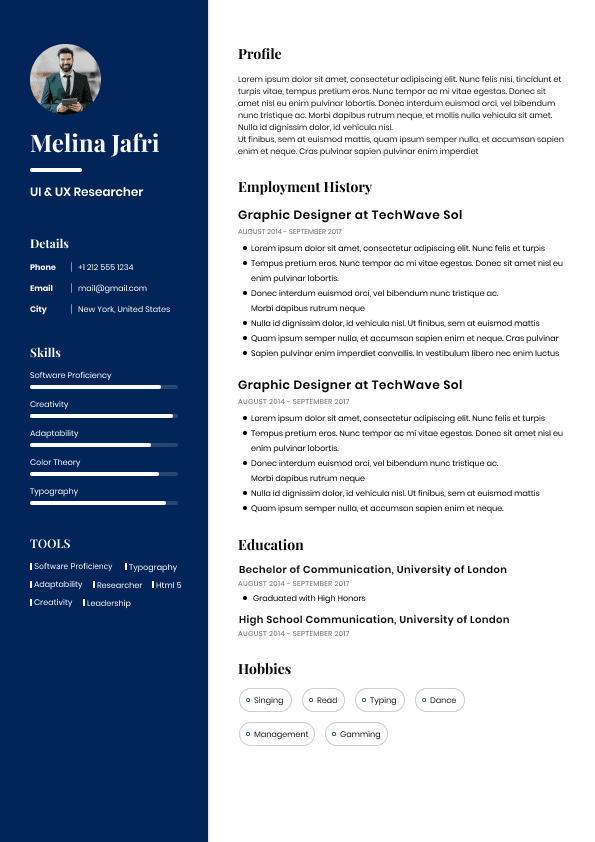
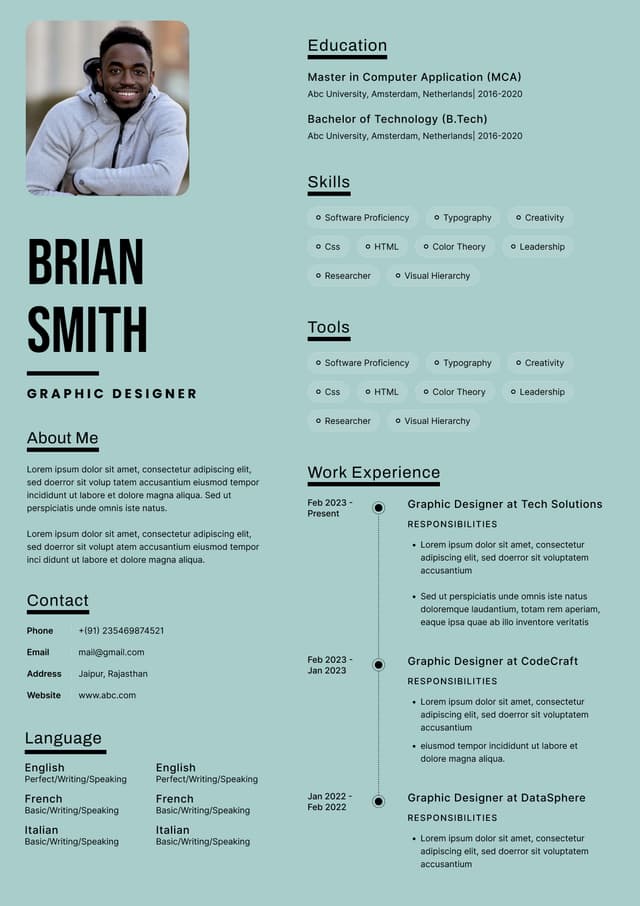
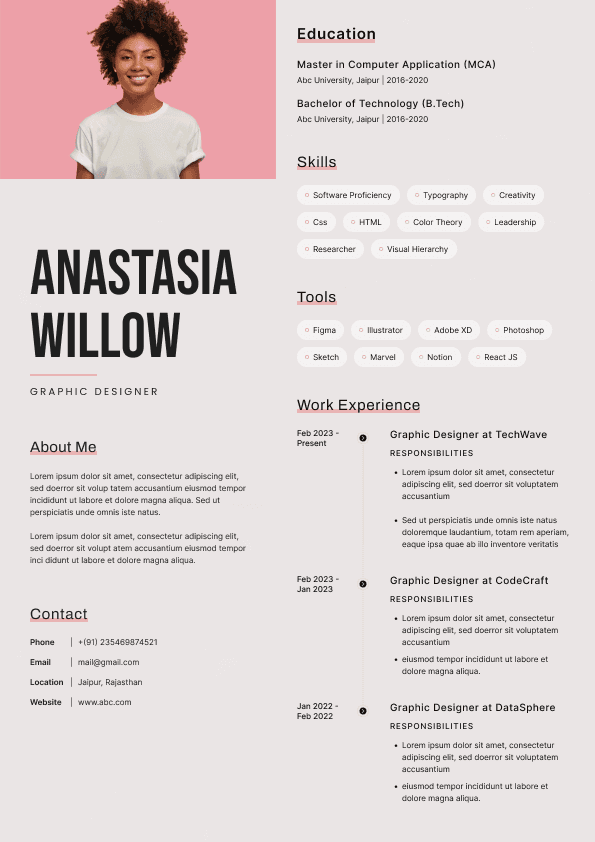
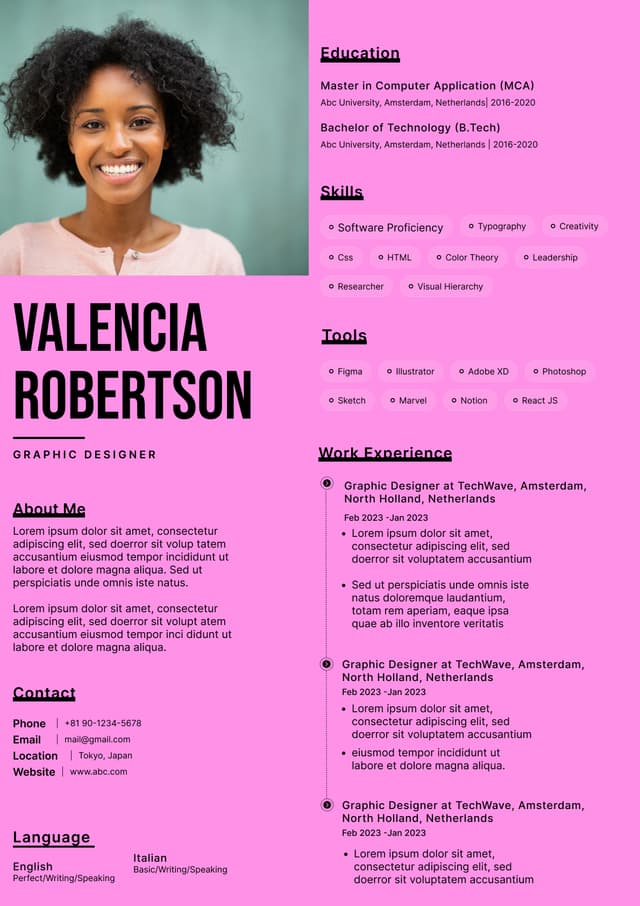
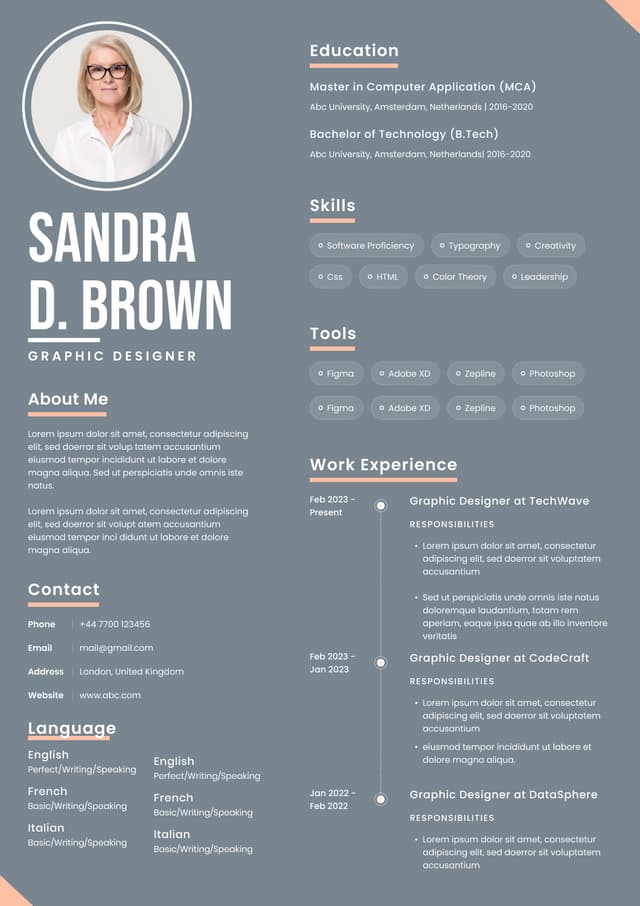
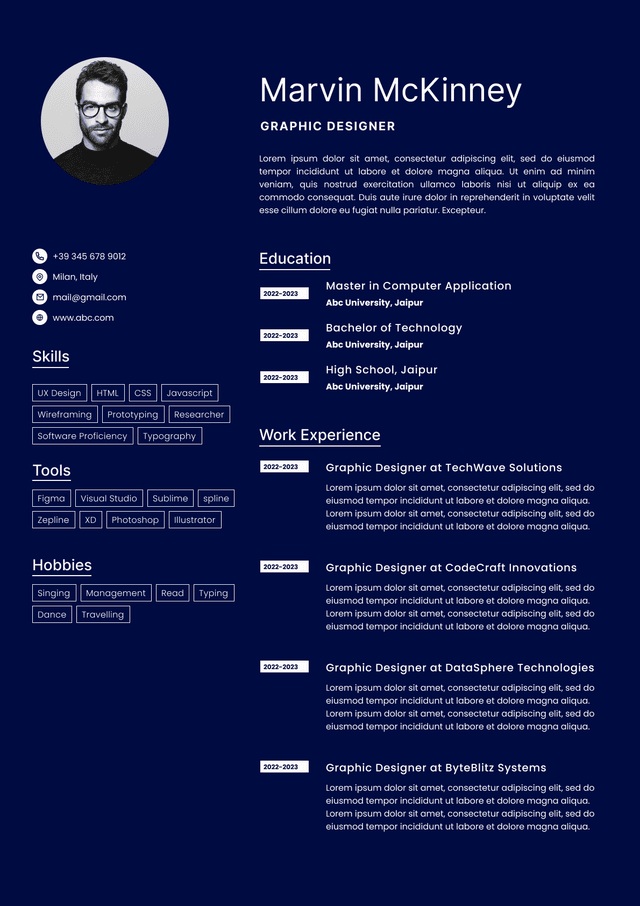
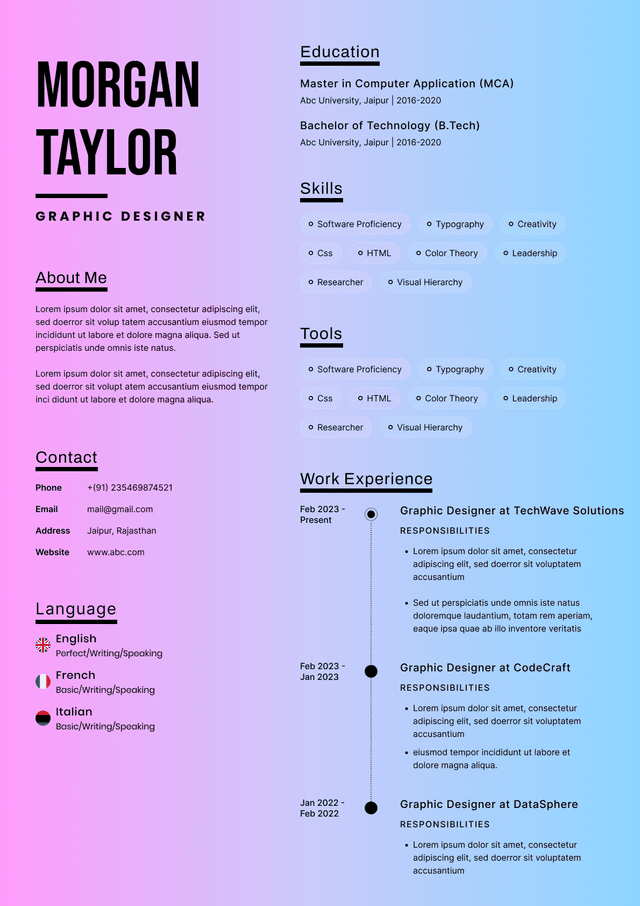
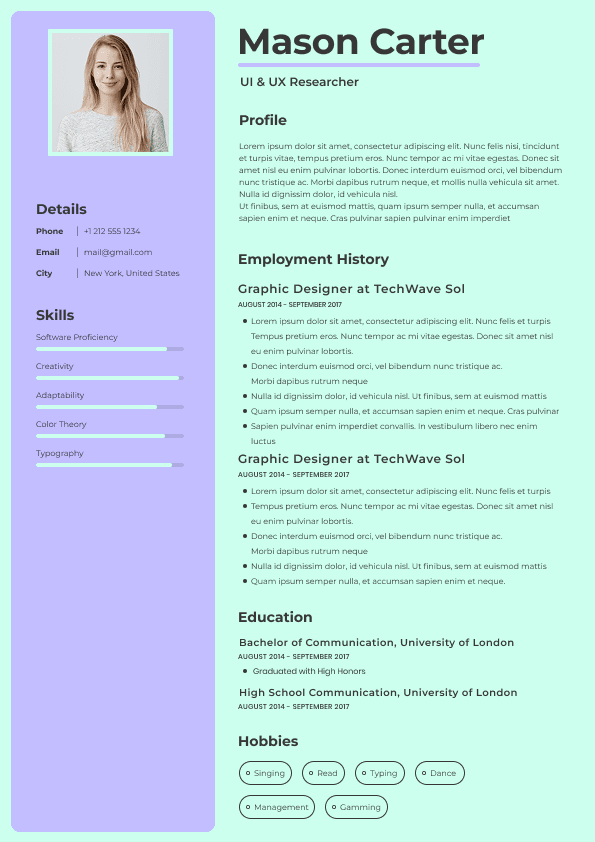
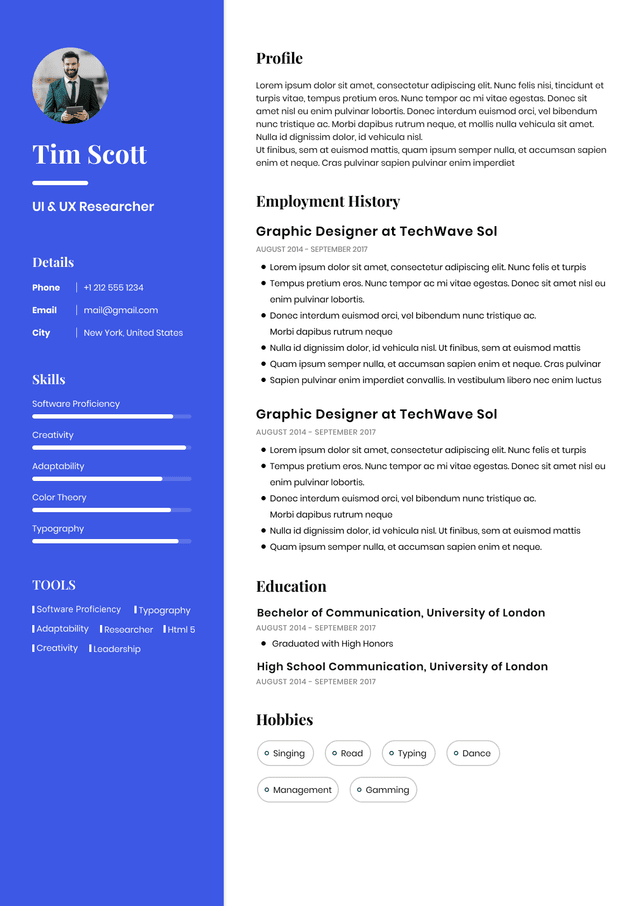
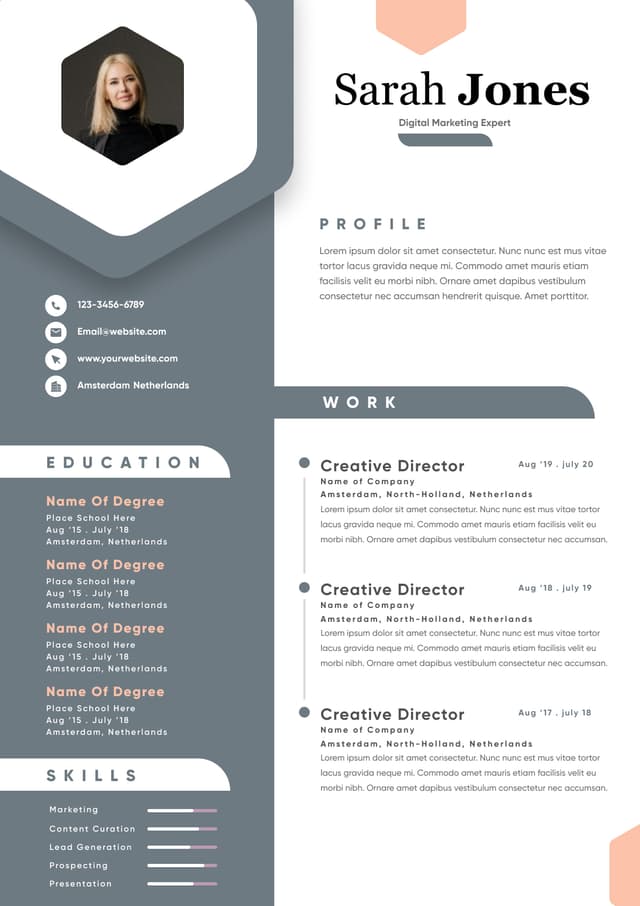
 Upload Resume
 Import from Linkedin