STILL APPLYING. STILL HEARING NOTHING?BUILD YOUR RESUME

STILL APPLYING. STILL HEARING NOTHING?BUILD YOUR RESUME
FAQ
Hiring managers do not trust vague ASP.NET developer resumes anymore. Statements like “worked on web applications” or “responsible for backend development” fail because they do not prove impact, technical ownership, or business value.
What gets interviews in today’s .NET job market are measurable outcomes tied to performance, scalability, reliability, delivery speed, cloud optimization, and engineering efficiency.
Strong ASP.NET resume achievements show:
What you improved
How you improved it
Which technologies you used
What measurable result you delivered
The best ASP.NET developer resumes combine technical depth with business impact. Recruiters want evidence that you can improve systems, reduce operational risk, accelerate releases, optimize Azure costs, scale APIs, improve uptime, and contribute to engineering velocity.
Most ASP.NET resumes look technically similar on paper.
Hiring managers routinely review resumes listing:
ASP.NET Core
C#
SQL Server
Azure
REST APIs
Entity Framework
Azure DevOps
MVC
Engineering leaders typically evaluate ASP.NET resume accomplishments across five areas:
Did the candidate solve difficult engineering problems?
Examples:
Performance bottlenecks
Legacy modernization
Distributed systems
Cloud migration
Database optimization
CI/CD automation
Did the work create measurable value?
These examples reflect the types of accomplishments that consistently perform well during recruiter screening and technical hiring review.
Performance metrics immediately signal engineering capability because they demonstrate problem-solving under real production conditions.
Improved ASP.NET Core API response time by 42% through async programming, Redis caching, SQL indexing, and Entity Framework query optimization
Reduced SQL Server query execution time by 58% using indexing strategies, stored procedure tuning, and Query Store analysis
Improved page load speed by 37% through Razor View optimization, frontend asset bundling, caching, and JavaScript cleanup
Reduced application memory usage by 29% by optimizing dependency injection lifetimes and eliminating inefficient object allocations
Increased backend throughput by 46% after redesigning synchronous services into asynchronous processing pipelines
Optimized Entity Framework LINQ queries, reducing database calls by 61% across customer-facing applications
Scalability metrics help hiring managers evaluate whether you can support enterprise-grade systems.
Supported high-volume ASP.NET systems processing over 1M requests per day across customer and internal enterprise platforms
Built ASP.NET applications used by 250,000+ monthly users across ecommerce, reporting, and customer service portals
Scaled distributed .NET services to support 4x traffic growth without infrastructure downtime
Designed load-balanced ASP.NET Core microservices supporting peak transaction volumes exceeding 18,000 requests per minute
Improved application concurrency handling by implementing asynchronous service patterns and distributed caching
Reduced server resource consumption by 31% while supporting increased production traffic growth
Cloud optimization metrics perform exceptionally well because companies aggressively monitor Azure spending and infrastructure efficiency.
Reduced Azure hosting costs by 19% through App Service optimization, storage cleanup, and resource scaling improvements
Automated Azure DevOps CI/CD workflows, reducing deployment time from 50 minutes to 14 minutes
Migrated legacy .NET Framework applications to Azure-based ASP.NET Core environments, improving deployment flexibility and scalability
Implemented Azure Application Insights monitoring, reducing production incident resolution time by 43%
Improved deployment reliability by standardizing Infrastructure as Code templates and release pipelines
Reduced failed deployments by 36% through automated validation and rollback procedures
Testing metrics demonstrate engineering discipline and long-term maintainability.
Increased automated test coverage from 50% to 86% across C# services, APIs, and ASP.NET Core controllers
Reduced production defects by 33% by expanding xUnit, NUnit, integration, and API testing coverage
Reduced manual QA regression time by 34% through automated UI and API test implementation
Improved production stability by implementing integration testing pipelines within Azure DevOps
Reduced customer-reported bugs by 24% after improving validation logic, exception handling, and centralized logging
Implemented automated smoke testing procedures that reduced post-release incidents by 41%
Delivery metrics help demonstrate productivity and execution consistency.
Delivered 18+ ASP.NET features across 7 Agile release cycles while maintaining production stability
Reduced deployment rollback incidents by 27% through release validation improvements and automated testing
Accelerated feature delivery timelines by streamlining backend service integration workflows
Completed modernization of 25,000+ lines of legacy ASP.NET MVC code to improve maintainability and deployment speed
Coordinated cross-functional development efforts that improved sprint completion rates by 22%
Delivered critical production hotfixes under tight release windows with zero customer downtime
API integration experience is highly valuable because enterprise systems rely heavily on integrations.
Integrated 12+ third-party APIs for payments, CRM, identity management, reporting, analytics, and messaging platforms
Developed secure RESTful APIs using ASP.NET Core supporting mobile, web, and partner integrations
Reduced external API latency by 32% through request batching and response caching strategies
Implemented OAuth and JWT authentication across enterprise ASP.NET applications to improve API security
Built reusable API integration frameworks adopted across multiple development teams
Reduced integration-related production issues by improving API monitoring and retry handling mechanisms
Legacy modernization is one of the most valuable enterprise engineering skills.
Migrated legacy .NET Framework modules to ASP.NET Core, improving maintainability and deployment flexibility
Refactored 25,000+ lines of legacy C# and ASP.NET MVC code to improve scalability and reduce technical debt
Modernized monolithic ASP.NET applications into modular service-based architectures
Reduced production incidents by replacing deprecated legacy components with modern ASP.NET Core services
Improved developer productivity by standardizing reusable architecture patterns across legacy applications
Many organizations operate large legacy .NET environments.
Candidates who can modernize systems safely are extremely valuable because modernization projects directly impact:
Efficiency metrics help show operational impact beyond coding alone.
Built 30+ reusable C# services, controllers, and shared data access components adopted across engineering teams
Improved developer onboarding time by 28% by creating deployment documentation, API references, and setup guides
Automated recurring administrative tasks using PowerShell and Azure DevOps workflows, reducing manual engineering effort
Standardized backend architecture patterns that improved team development consistency
Reduced debugging time by implementing centralized structured logging and monitoring practices
Streamlined pull request review workflows, reducing average code review turnaround time by 21%
Many ASP.NET resumes fail because they describe responsibilities instead of outcomes.
“Responsible for developing APIs using ASP.NET Core.”
“Developed ASP.NET Core APIs supporting 500K+ monthly requests while reducing average response time by 38% through caching and async optimization.”
The stronger version demonstrates:
Scale
Ownership
Technical strategy
Performance improvement
Production relevance
The most effective ASP.NET bullet points typically follow this structure:
Action + Technical Work + Technologies + Measurable Result
Optimized ASP.NET Core API performance using Redis caching and async processing, reducing average response time by 42%
Automated Azure DevOps CI/CD pipelines, reducing deployment time from 50 minutes to 14 minutes
Refactored legacy ASP.NET MVC modules into reusable .NET Core services, improving maintainability and scalability
This formula works because it balances:
Technical detail
Business impact
Candidates often underestimate how many measurable achievements they already have.
Good metrics include:
API response time
Query speed
Page load time
Throughput
Resource usage
Latency reduction
Even experienced developers make predictable mistakes.
Experienced engineering managers can usually detect exaggerated claims quickly.
Avoid:
Unrealistic percentages
Massive impact claims without context
Impossible scale metrics
Credibility matters more than dramatic numbers.
Weak resumes describe tasks.
Strong resumes describe impact.
“Worked with SQL Server and Entity Framework.”
“Reduced SQL Server query execution time by 58% through indexing, stored procedure tuning, and Entity Framework optimization.”
Technical density without outcomes weakens readability.
Hiring managers want:
Clarity
Impact
Business relevance
Production value
Not keyword stuffing.
Purely technical bullets often underperform.
Compare these:
“Implemented Azure monitoring tools.”
“Implemented Azure Application Insights monitoring, reducing production troubleshooting time by 43%.”
The second version connects engineering work to operational value.
Senior-level ASP.NET resumes should emphasize:
Architecture decisions
Scalability
Technical leadership
Reliability
System modernization
Operational ownership
Engineering process improvements
Metrics improve ATS performance when paired naturally with relevant technical keywords.
Important entities commonly scanned include:
ASP.NET Core
C#
.NET
Azure
Azure DevOps
SQL Server
Entity Framework
REST API
Choose from a wide range of NEWCV resume templates and customize your NEWCV design with a single click.


Use ATS-optimised Resume and resume templates that pass applicant tracking systems. Our Resume builder helps recruiters read, scan, and shortlist your Resume faster.

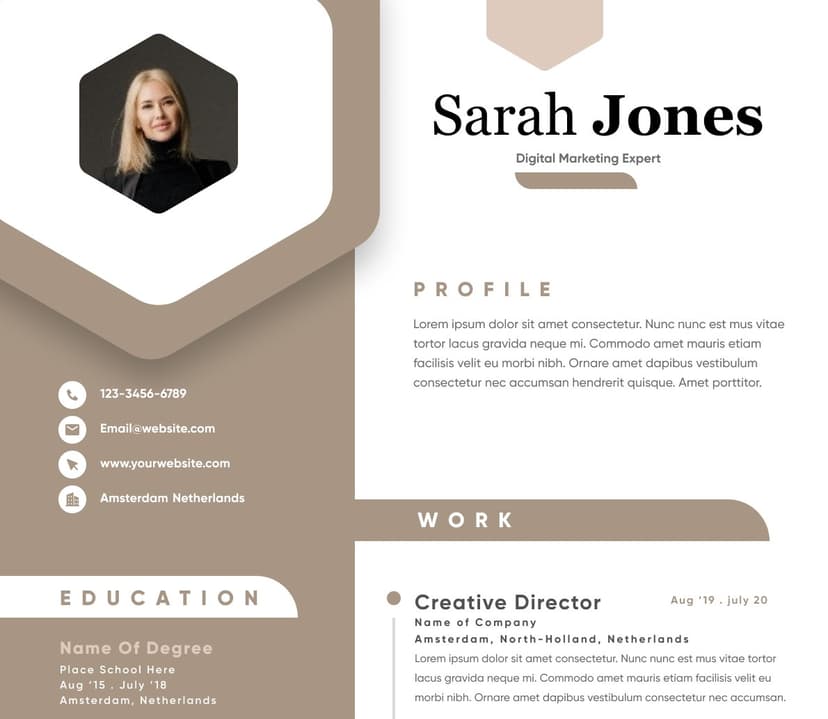
Use professional field-tested resume templates that follow the exact Resume rules employers look for.
Create Resume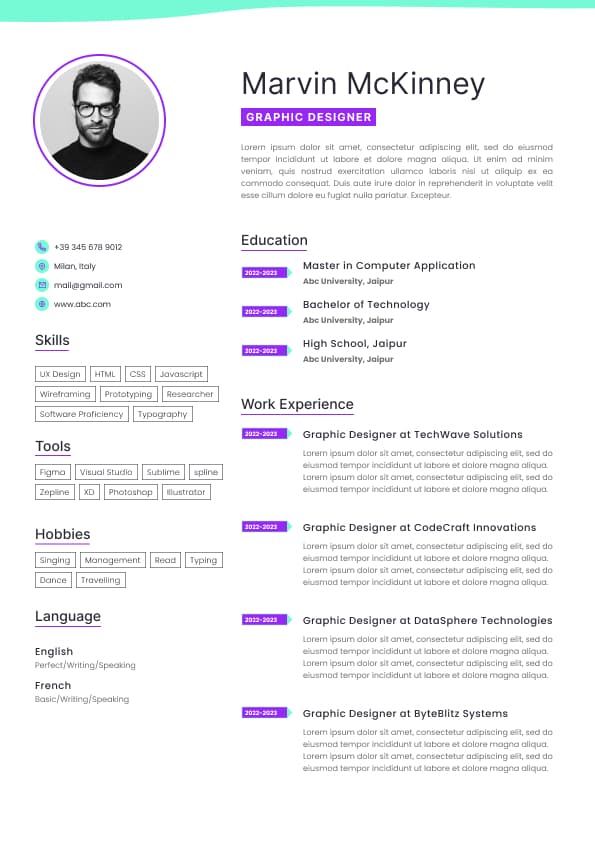
Use professional field-tested resume templates that follow the exact Resume rules employers look for.
Create ResumeThis guide provides recruiter-approved ASP.NET developer resume metrics examples, categorized by real hiring priorities so you can write stronger, more credible resume accomplishments that survive technical screening and ATS filtering.
Microservices
Those skills alone do not differentiate candidates anymore.
Metrics create differentiation because they demonstrate:
Scope
Ownership
Technical effectiveness
Business impact
Scale
Seniority level
Engineering maturity
A developer who writes:
“Built REST APIs using ASP.NET Core”
sounds average.
A developer who writes:
“Improved ASP.NET Core API response time by 42% through async programming, caching, SQL indexing, and Entity Framework optimization”
sounds like someone who understands performance engineering and production systems.
That difference heavily influences whether a recruiter moves you into technical interviews.
Examples:
Faster deployments
Reduced downtime
Lower cloud costs
Improved customer experience
Higher scalability
Faster release cycles
How large were the systems or environments?
Examples:
Number of users
Request volume
Application size
Transaction throughput
Team size
Enterprise adoption
Did the candidate merely contribute or actually lead outcomes?
Strong resumes emphasize:
Initiated
Designed
Refactored
Automated
Optimized
Migrated
Implemented
Weak resumes overuse:
Assisted
Helped
Participated
Supported
Modern hiring managers also evaluate operational awareness.
Strong ASP.NET developers understand:
Monitoring
Observability
Reliability
CI/CD
Automated testing
Infrastructure efficiency
Security
Scalability
That is why measurable operational achievements perform extremely well on resumes.
These examples succeed because they include:
The technical issue
The optimization method
Specific technologies
Quantifiable improvement
That combination creates credibility.
Scalability achievements strongly influence senior-level hiring decisions because they indicate production experience.
Many developers know syntax. Far fewer understand real-world operational scale.
Increased release frequency from monthly to biweekly through Azure DevOps pipeline modernization
These achievements communicate:
DevOps maturity
Cloud familiarity
Operational ownership
Modern engineering practices
This is especially valuable for mid-level and senior ASP.NET developers.
Engineering leaders care deeply about stability and maintainability.
Candidates who demonstrate quality engineering practices are often viewed as lower-risk hires.
Hiring managers are evaluating:
Reliability
Consistency
Team contribution
Ability to execute in production environments
Delivery metrics help validate all four.
Operational risk
Scalability
Hiring flexibility
Infrastructure costs
Release speed
That creates a far stronger hiring signal.
Readability
ATS relevance
Hiring-manager clarity
Users
Transactions
Requests
Records processed
Application size
Deployment environments
Features delivered
Release frequency
Deployment speed
Sprint velocity
Automation improvements
Bug reduction
Test coverage
Incident reduction
Stability improvements
Uptime improvements
Azure savings
Infrastructure optimization
Licensing reductions
Operational efficiency improvements
Led migration from legacy ASP.NET MVC applications to ASP.NET Core microservices architecture supporting 3x traffic growth
Improved deployment reliability and reduced release failures by implementing automated CI/CD governance standards
Designed reusable backend architecture patterns adopted across multiple enterprise applications
Reduced cloud infrastructure costs by optimizing Azure App Service scaling strategies and resource allocation
Senior engineers are evaluated differently.
Hiring managers want evidence that you can:
Improve engineering organizations
Reduce operational risk
Scale systems safely
Mentor teams
Drive technical decisions
Not simply write code.
MVC
Microservices
CI/CD
xUnit
NUnit
Redis
Docker
Kubernetes
Application Insights
The goal is not keyword stuffing.
The goal is contextual relevance tied to measurable outcomes.


 Upload Resume
 Import from Linkedin