STILL APPLYING. STILL HEARING NOTHING?BUILD YOUR RESUME

STILL APPLYING. STILL HEARING NOTHING?BUILD YOUR RESUME
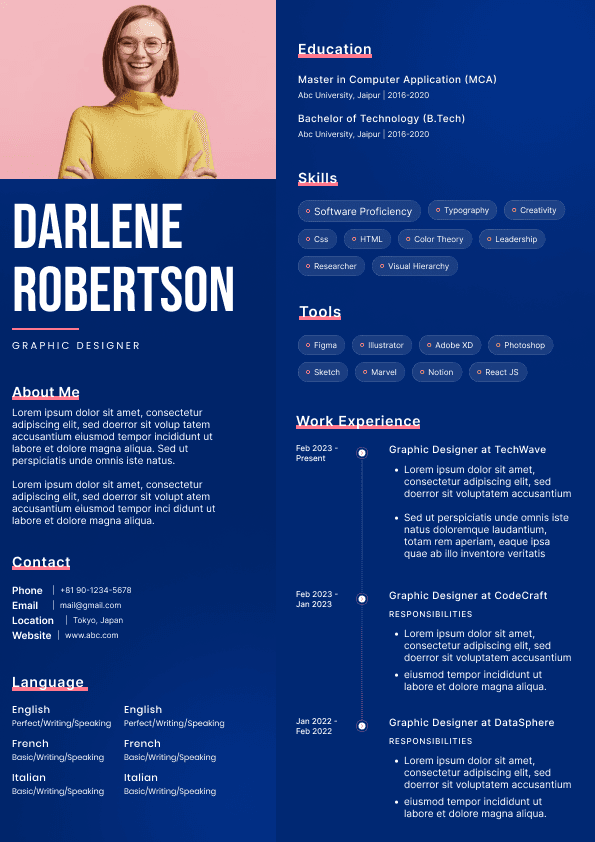
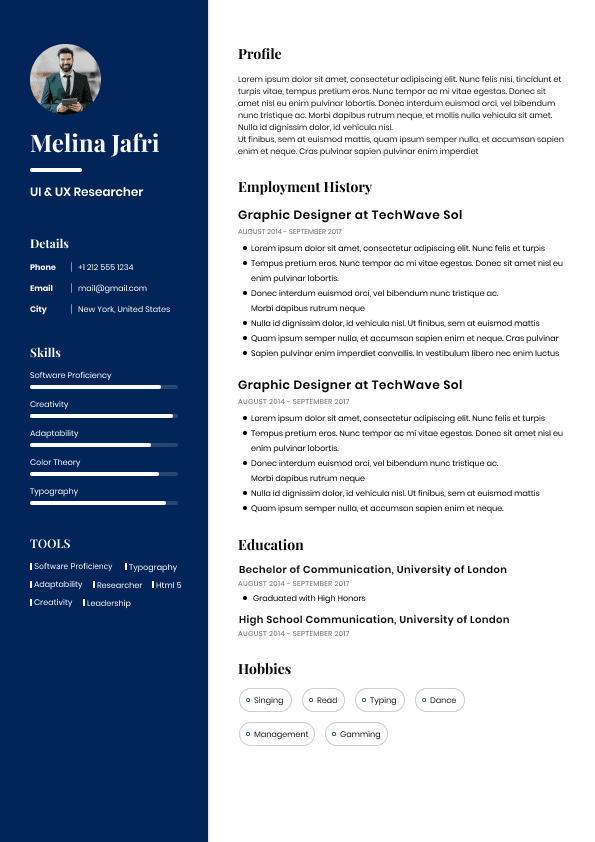
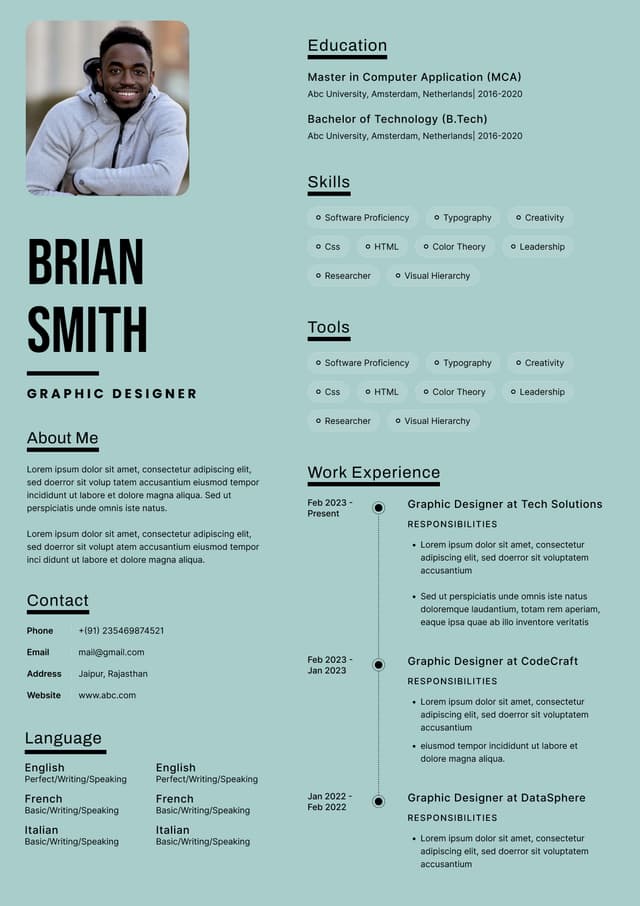
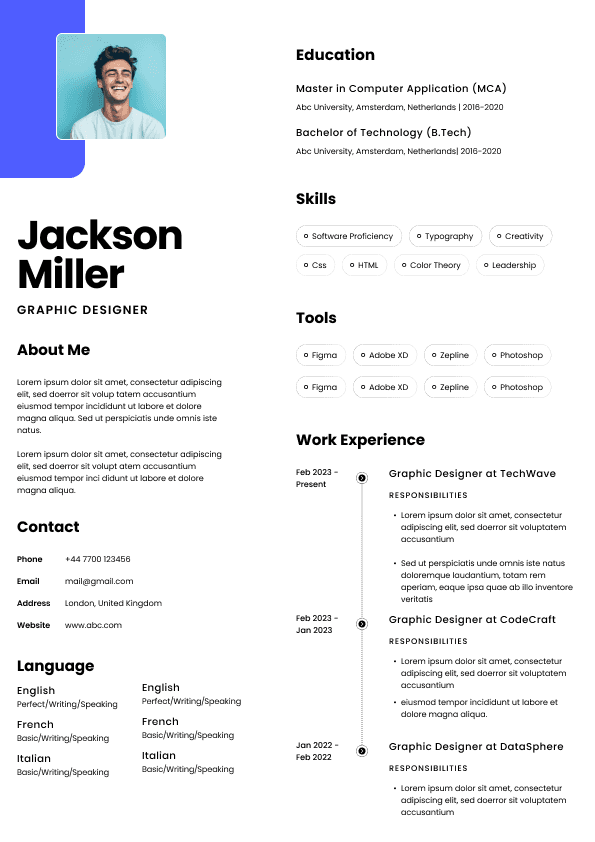
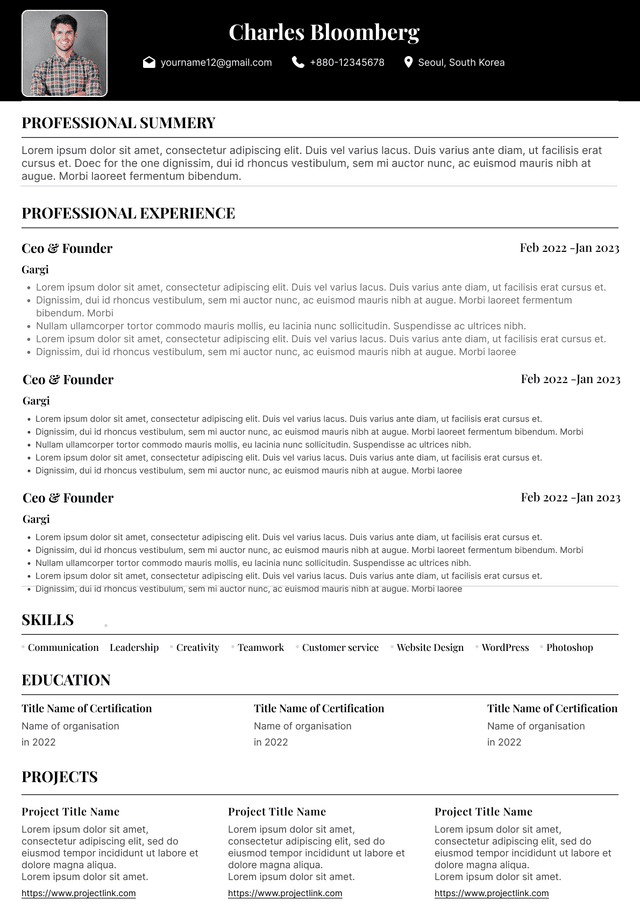
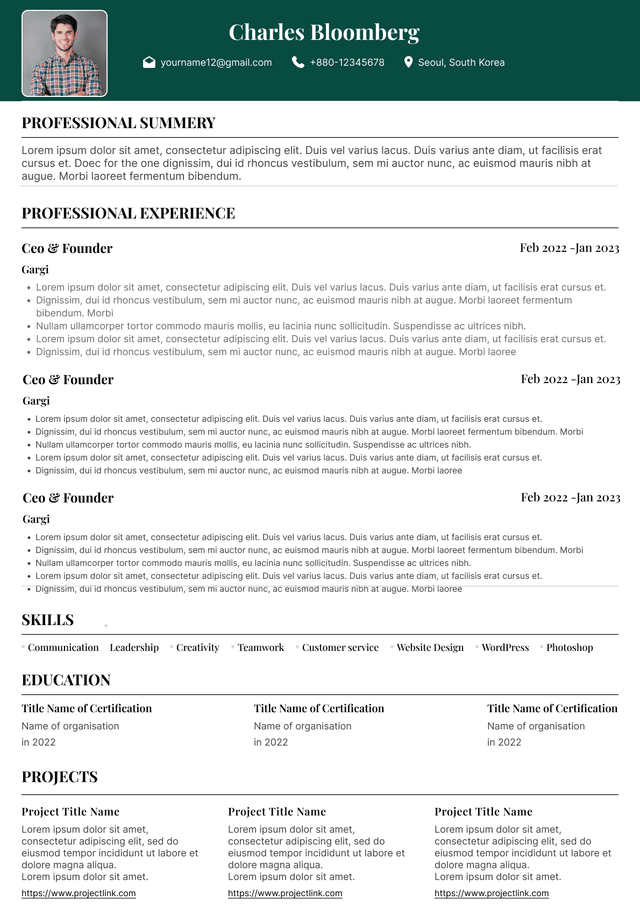
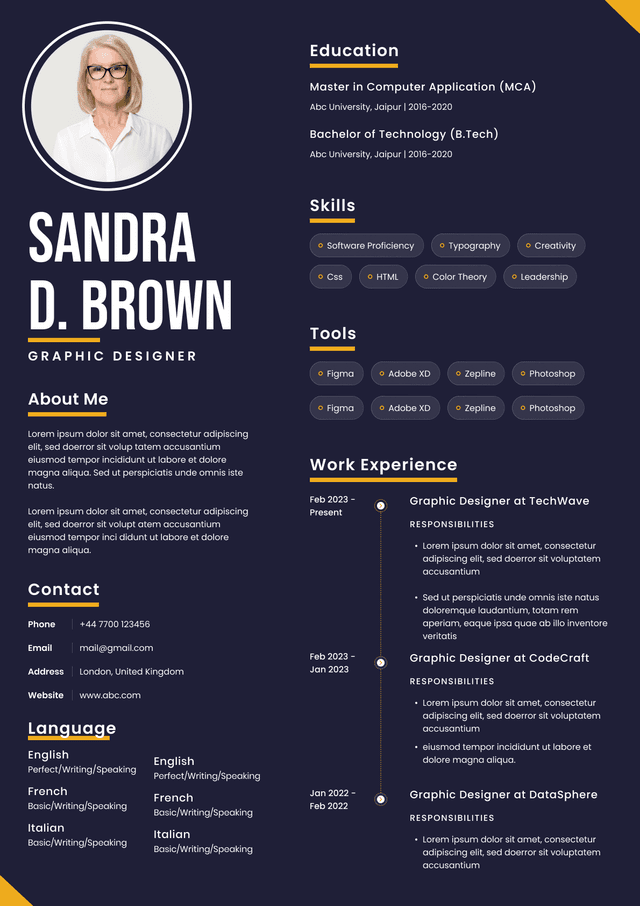
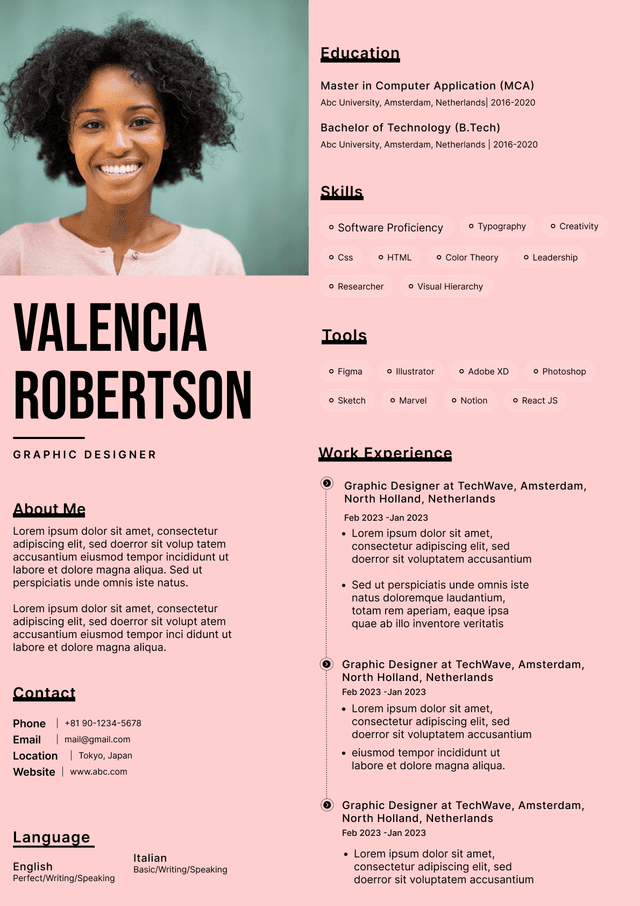
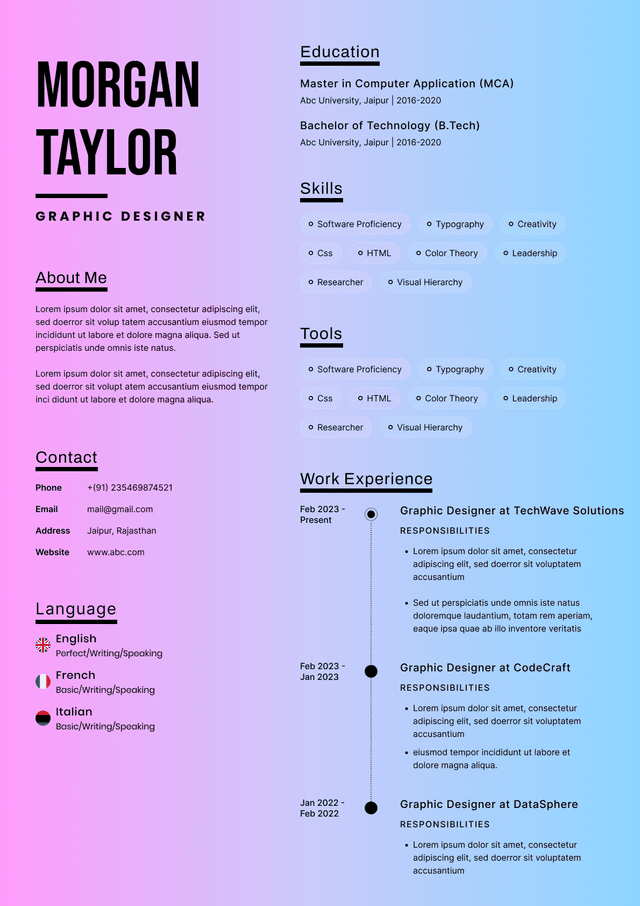
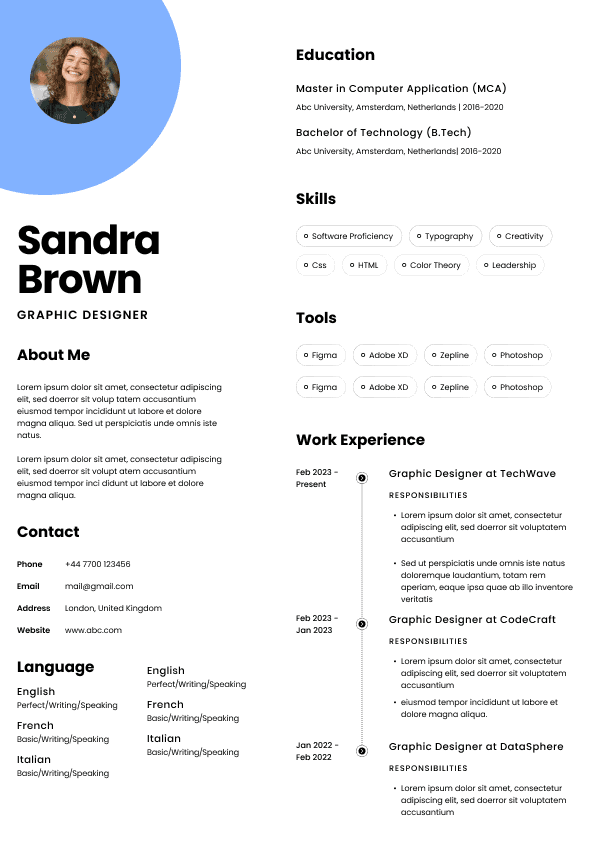
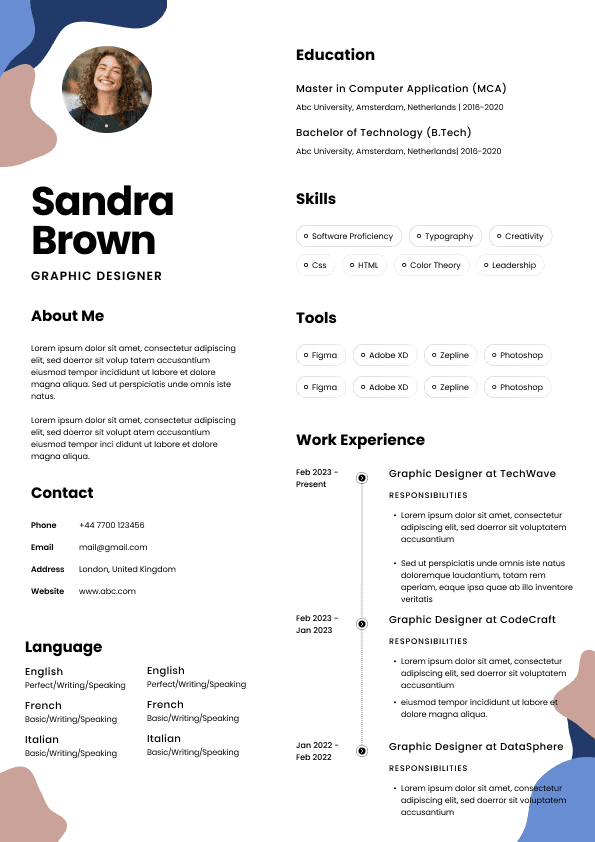
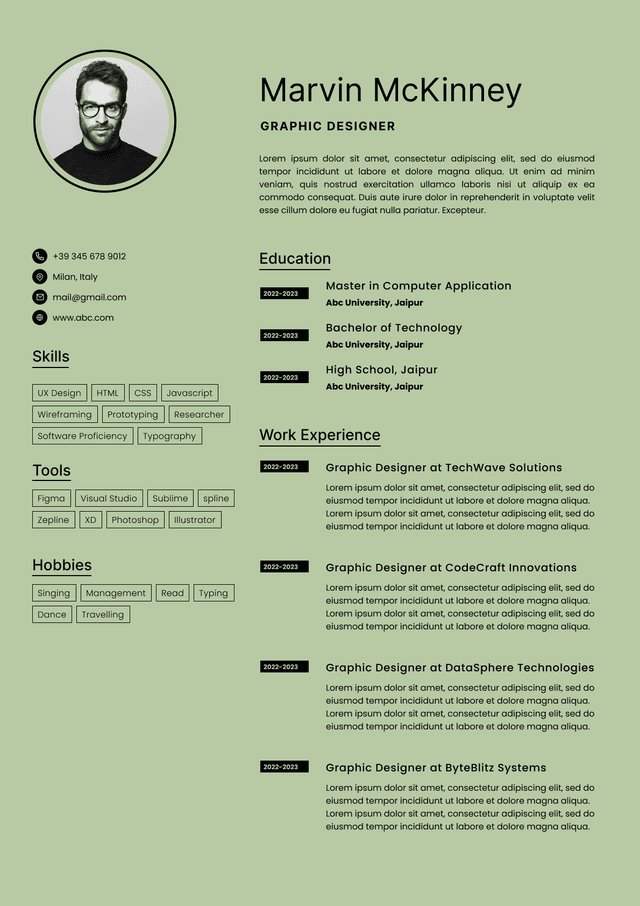
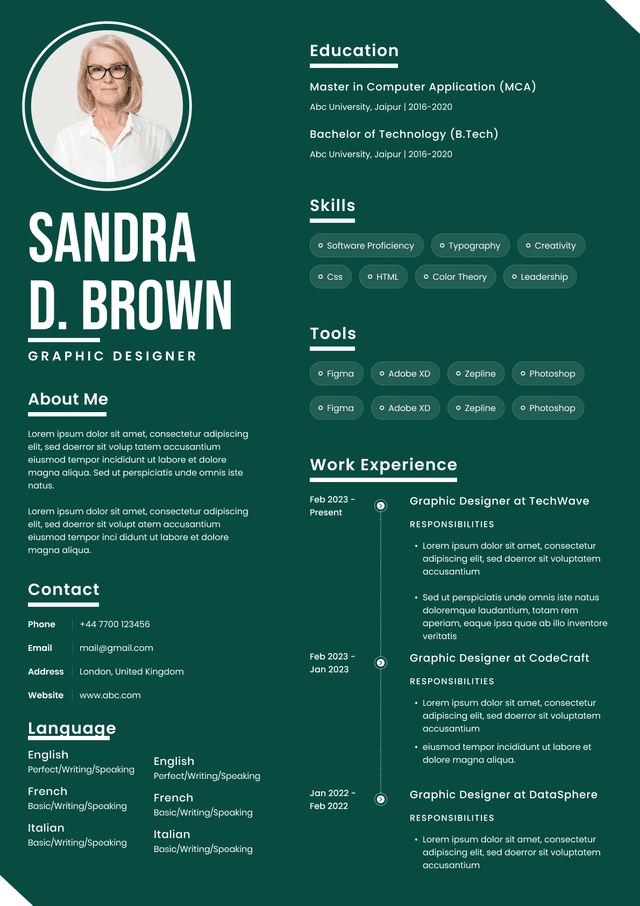
Choose from a wide range of NEWCV resume templates and customize your NEWCV design with a single click.
FAQ


Most ASP.NET developer resumes fail for one reason: they describe technologies instead of proving engineering impact. Recruiters and hiring managers are not looking for a list of tools. They are looking for evidence that you can build, optimize, deploy, troubleshoot, and support production-grade .NET applications.
A weak ASP.NET resume usually contains vague bullet points, outdated .NET stacks, keyword gaps, or generic claims with no measurable outcomes. In competitive hiring markets, especially for ASP.NET Core, backend API, Azure, and enterprise engineering roles, those mistakes often lead to immediate rejection before a technical interview even happens.
The strongest ASP.NET resumes clearly show:
What systems were built
Which Microsoft technologies were used
How performance, scalability, uptime, or business outcomes improved
Experience with modern .NET ecosystems
Production-level engineering responsibilities
ATS-friendly keyword alignment with the target role
This guide breaks down the biggest ASP.NET developer resume mistakes, why recruiters reject resumes because of them, and how to fix them strategically.
Recruiters typically spend less than 10 seconds scanning a resume during the first pass. For ASP.NET roles, they are looking for fast validation of four things:
Technical relevance
Modern Microsoft stack alignment
Business impact
Role-level depth
Most resumes fail because they force the recruiter to “interpret” the candidate’s experience instead of making value obvious.
A hiring manager reviewing ASP.NET resumes is usually asking:
Can this developer work on production systems?
Have they built APIs, enterprise apps, or scalable backend systems?
Do they understand ASP.NET Core and modern architecture patterns?
Can they support deployments and production environments?
Are they likely to pass technical interviews?
If your resume creates uncertainty in any of those areas, your chances drop fast.
This is one of the most damaging ASP.NET resume mistakes.
Many candidates write bullets like:
Weak Example
Worked on .NET applications
Responsible for backend development
Involved in API development
Worked with SQL Server
These bullets communicate almost nothing.
They fail because recruiters cannot determine:
System complexity
Technical ownership
Architecture involvement
Scale of work
Engineering impact
Business contribution
Strong ASP.NET resumes explain:
What was built
Which technologies were used
What problems were solved
What measurable results were achieved
Good Example
Built and maintained ASP.NET Core REST APIs supporting 250K+ daily requests for an enterprise healthcare platform
Reduced SQL Server query execution time by 42% through indexing optimization and Entity Framework query refactoring
Developed role-based authentication and authorization using ASP.NET Identity and JWT authentication
Improved application uptime from 97.8% to 99.95% through production monitoring, IIS optimization, and deployment automation
Notice the difference:
Specific technologies
Specific engineering work
Quantified outcomes
Clear production impact
That is what moves candidates into interview pipelines.
Many ASP.NET resumes include massive skill sections filled with buzzwords:
ASP.NET
Azure
SQL Server
Docker
Kubernetes
React
Redis
CI/CD
Microservices
But nowhere in the experience section do those tools appear in actual implementation context.
This is a major recruiter red flag.
Hiring managers immediately question:
Did the candidate truly use these tools?
Was exposure superficial?
Are they keyword stuffing for ATS systems?
Will they fail technical interviews?
If a technology matters enough to include, it should appear naturally in project or work experience bullets.
Weak Example
Skills: ASP.NET Core, Azure, SQL Server, Docker, Redis
Good Example
Containerized ASP.NET Core microservices using Docker and deployed workloads to Azure App Services
Integrated Redis caching layer that reduced API response latency by 35%
Built CI/CD pipelines in Azure DevOps for automated testing and production deployments
This proves practical engineering experience instead of theoretical familiarity.
One of the fastest ways to weaken an ASP.NET resume is writing task-based bullets instead of outcome-based bullets.
Recruiters care about impact because impact reduces hiring risk.
Developed APIs using ASP.NET Core
Worked with SQL Server databases
Fixed bugs and supported applications
Participated in deployments
These bullets describe activity, not value.
Developed ASP.NET Core APIs that reduced third-party integration response times by 48%
Optimized SQL Server stored procedures, lowering report generation time from 18 seconds to under 5 seconds
Resolved high-priority production issues with average incident response time under 30 minutes
Automated deployment workflows, reducing release downtime by 60%
Metrics do not need to be massive. They just need to demonstrate engineering effectiveness.
Useful metrics include:
API throughput
Query performance
Uptime improvements
Deployment frequency
Bug reduction
Incident response time
System scalability
Concurrent users supported
Cloud cost optimization
One of the most common resume rejection patterns is seeing resumes heavily focused on outdated technologies with little evidence of modern .NET development.
For most current ASP.NET roles, employers expect familiarity with:
ASP.NET Core
REST APIs
Entity Framework Core
Azure services
CI/CD pipelines
Cloud deployments
Authentication/authorization
Microservices or modular architecture
Git workflows
Containerization basics
SQL optimization
A resume focused entirely on:
Web Forms
Legacy ASP.NET
WCF only
Outdated frameworks
Old IIS-only maintenance work
can create the impression that the candidate is behind modern engineering practices.
Older technologies are not automatically bad.
The problem happens when:
They dominate the resume
No modernization work is shown
No current .NET stack appears
No transition to ASP.NET Core is visible
If you have legacy experience:
Show modernization initiatives
Include migration projects
Demonstrate current tooling
Highlight recent .NET work first
Good Example
Led migration of legacy ASP.NET MVC applications to ASP.NET Core 8 architecture, reducing deployment complexity and improving maintainability
Refactored monolithic services into modular APIs using .NET Core and Azure App Services
This reframes older experience as modernization leadership instead of outdated skill dependency.
Many qualified developers get filtered out before human review because their resumes lack expected ATS keywords.
ASP.NET hiring pipelines often involve:
ATS parsing
Recruiter keyword filtering
Hiring manager technical scanning
If the right terminology is missing, your resume may never reach engineering leadership.
The exact keywords vary by role, but these frequently matter:
ASP.NET Core
C#
.NET
REST API
Web API
MVC
Entity Framework
SQL Server
Azure
Azure DevOps
CI/CD
IIS
Microservices
JWT Authentication
LINQ
Dependency Injection
Git
Agile
Docker
Redis
Unit Testing
xUnit
OAuth
Blazor
Bad ATS strategy includes:
Keyword stuffing
Hiding keywords unnaturally
Giant skill lists with no evidence
Using graphics or columns that break parsing
Using inconsistent terminology
Use keywords naturally inside:
Experience bullets
Project descriptions
Technical summaries
Skills sections
ATS systems increasingly evaluate context, not just raw keyword frequency.
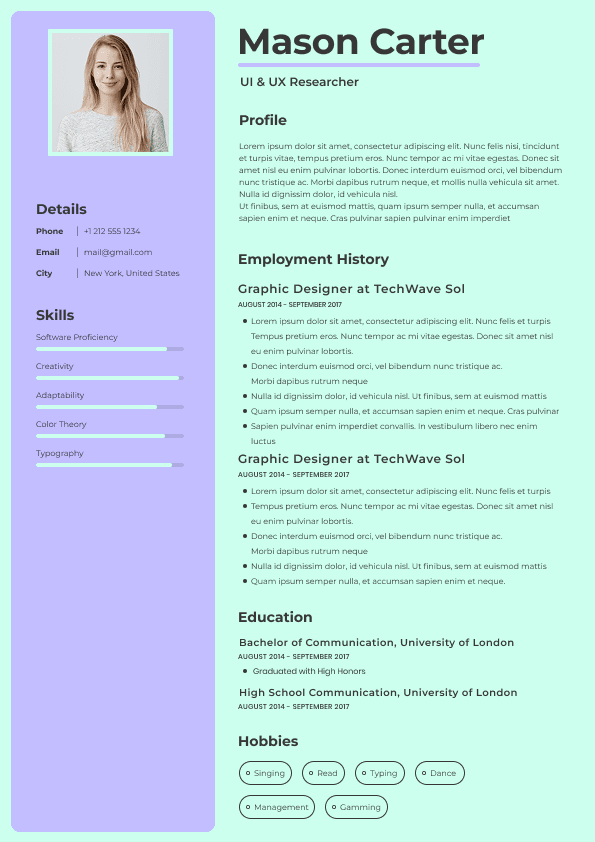
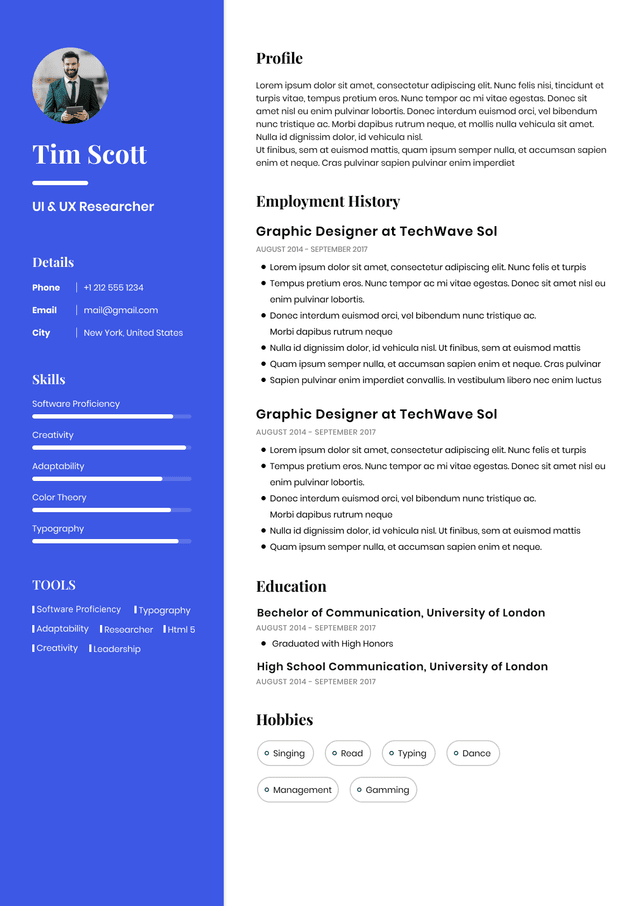
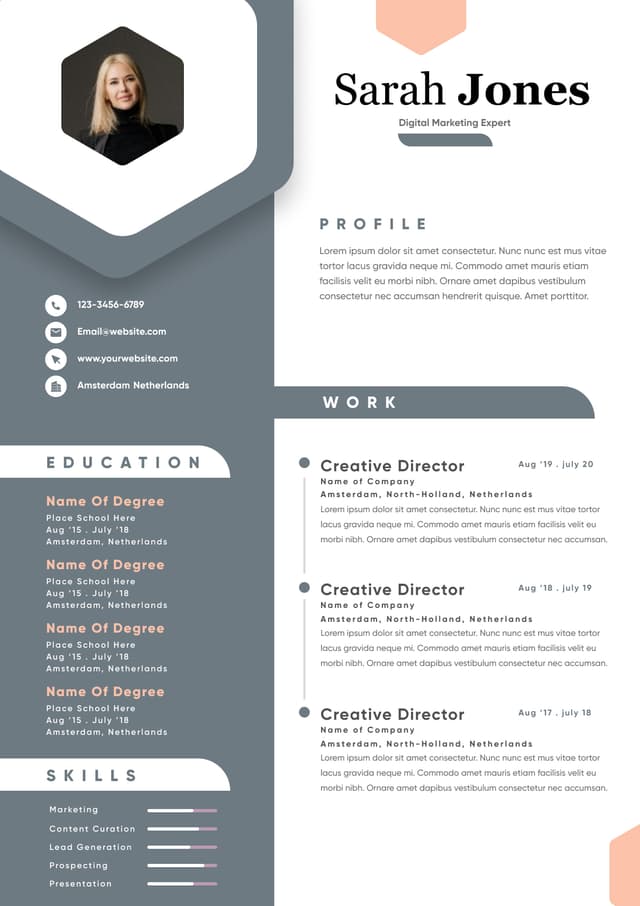
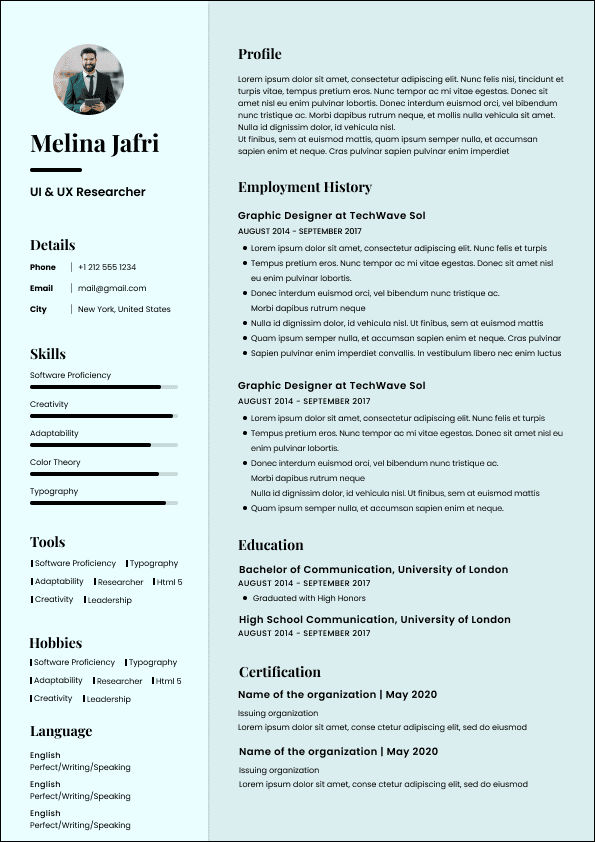
Technical candidates sometimes over-design resumes trying to “stand out.”
This often backfires.
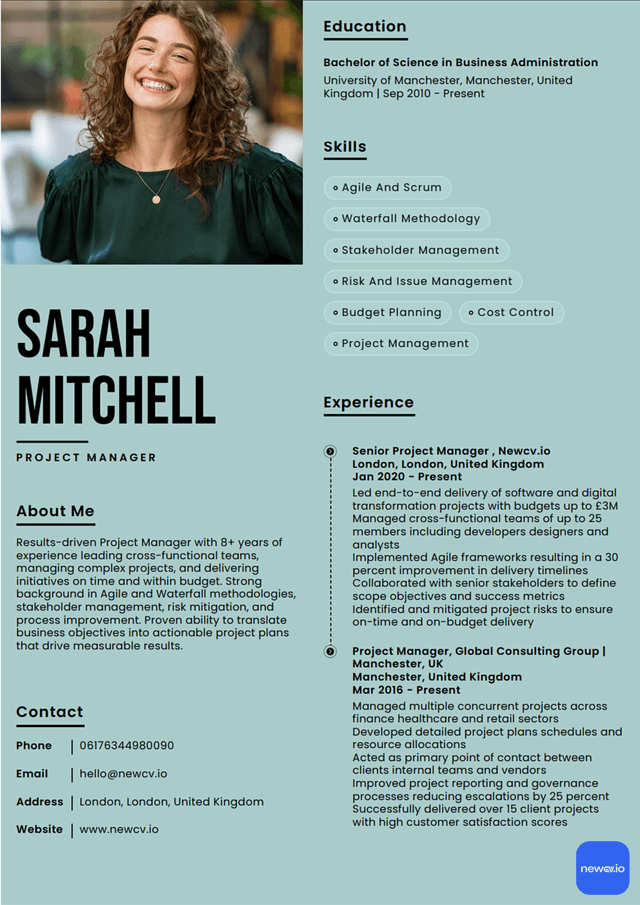
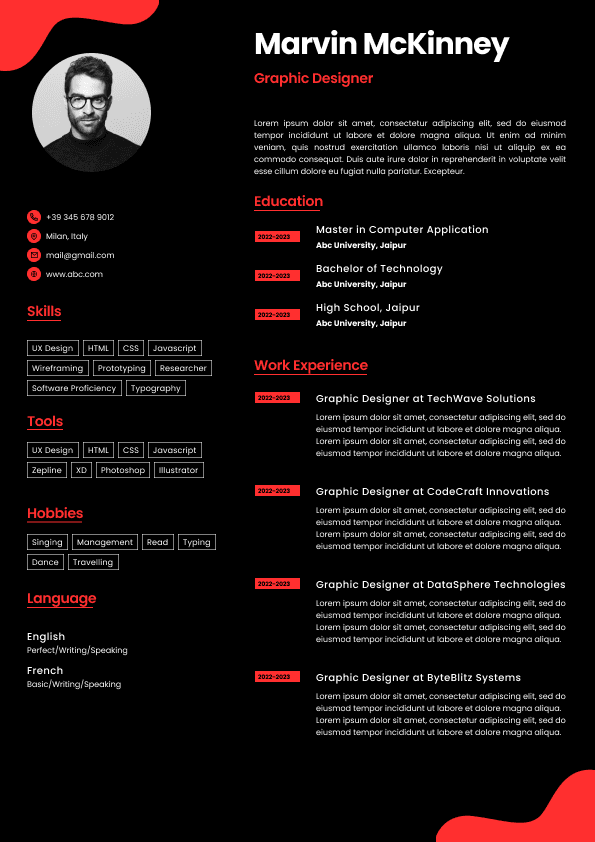
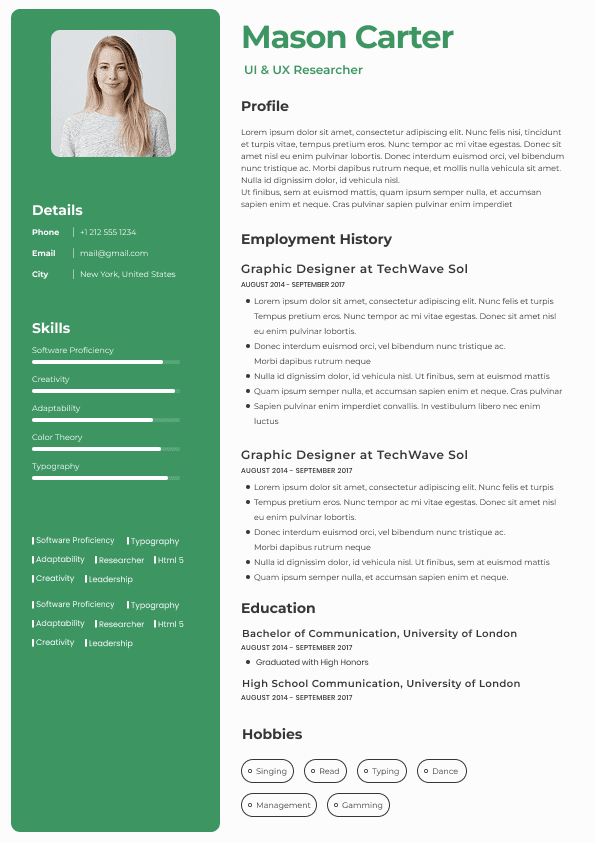
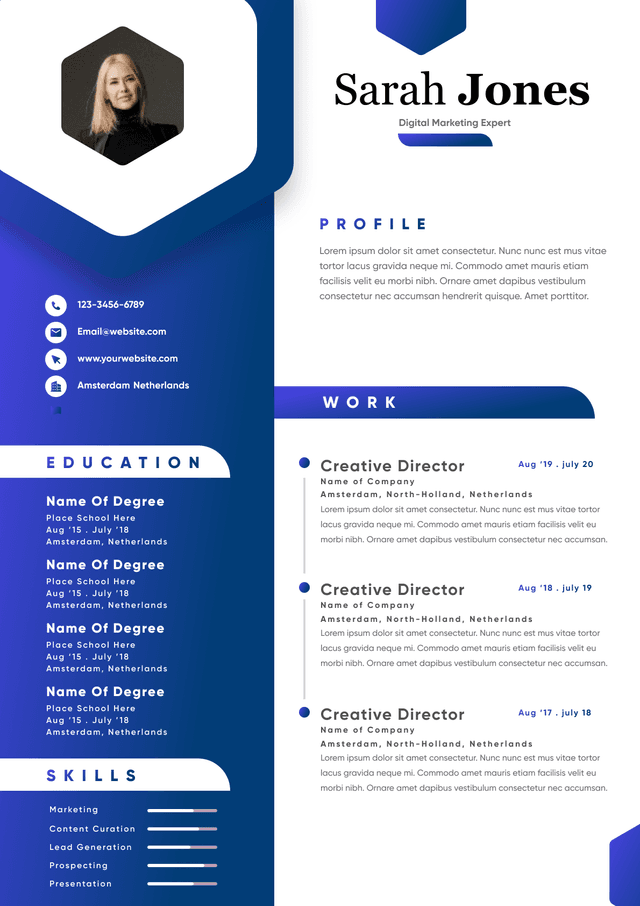
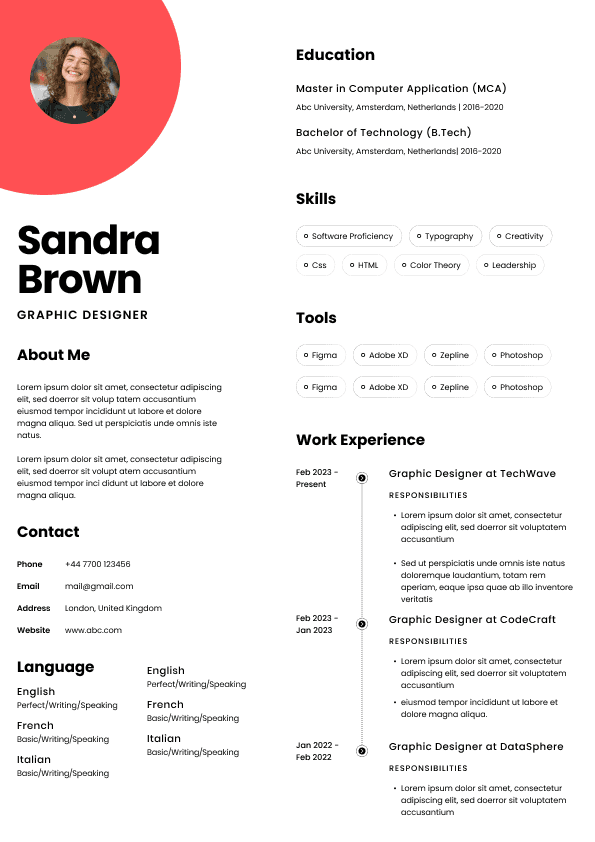
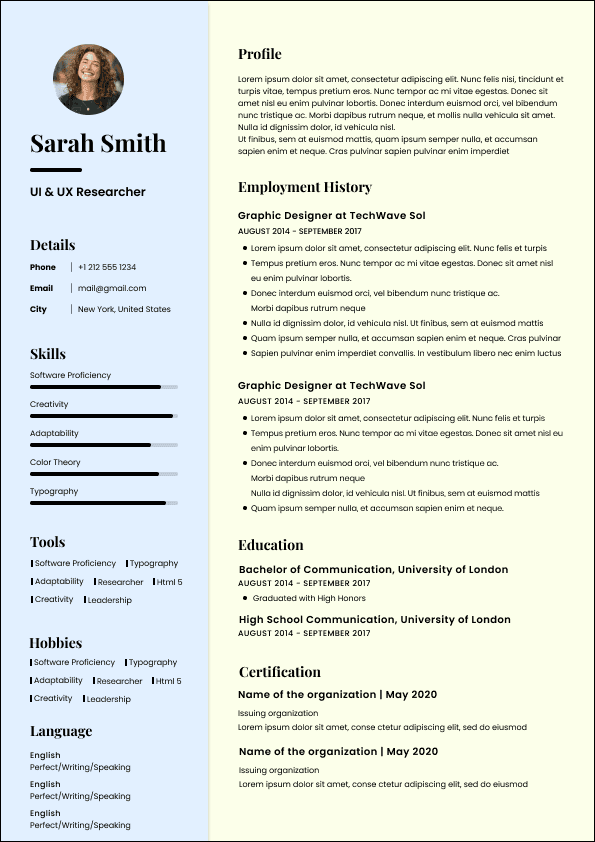
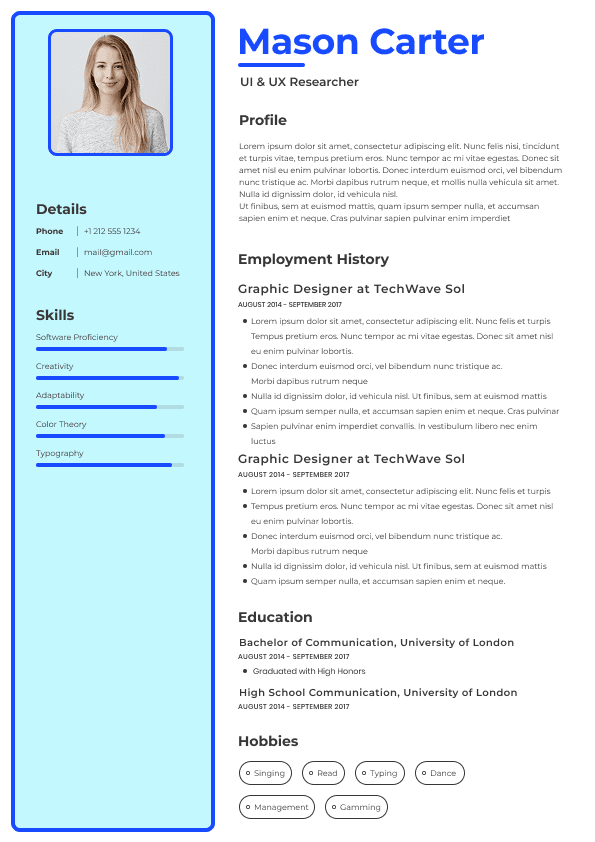
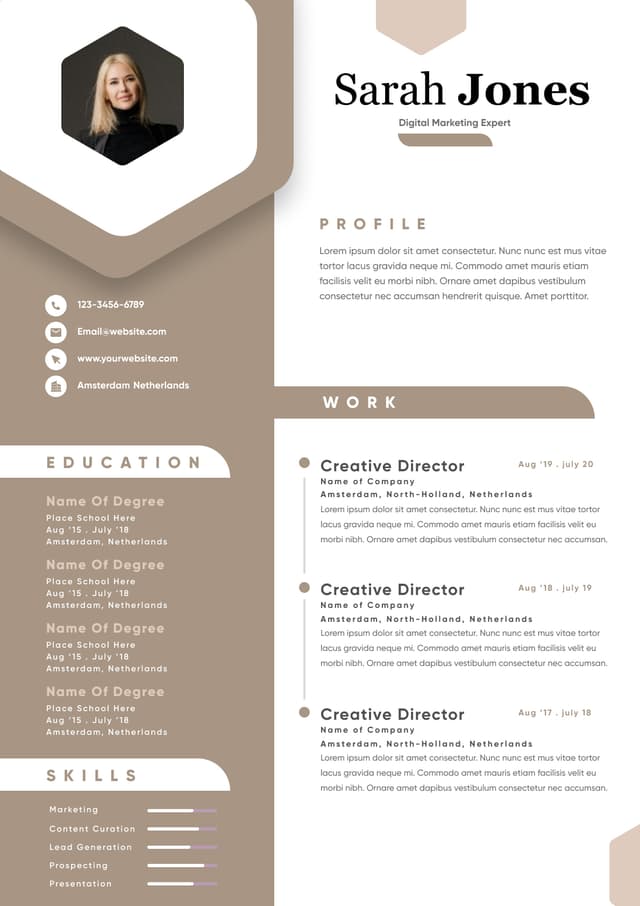
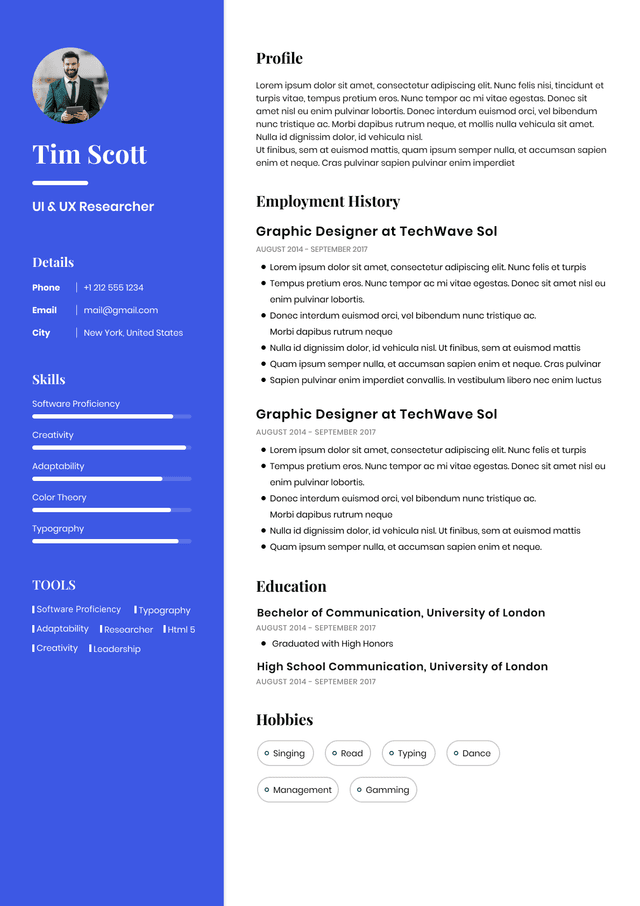
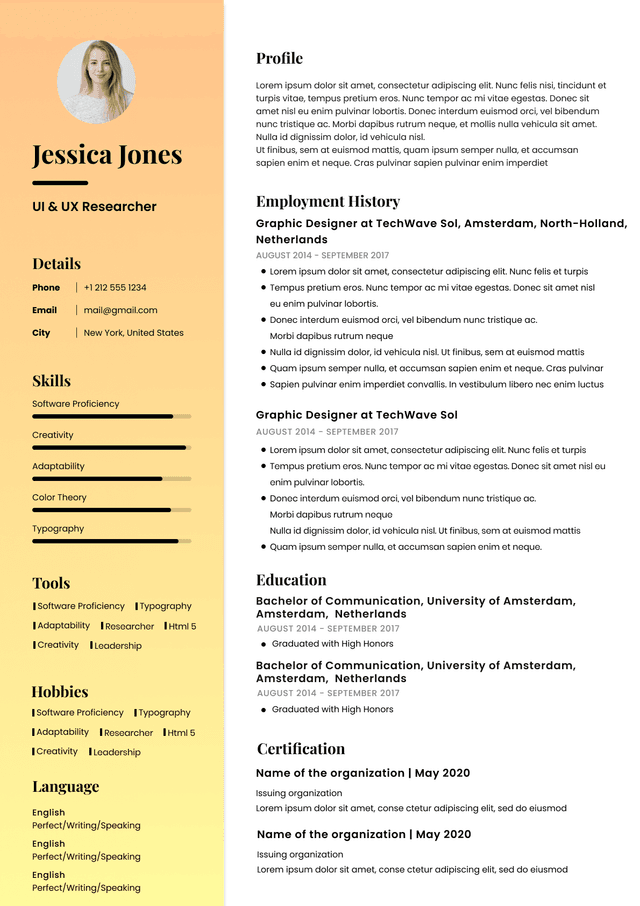
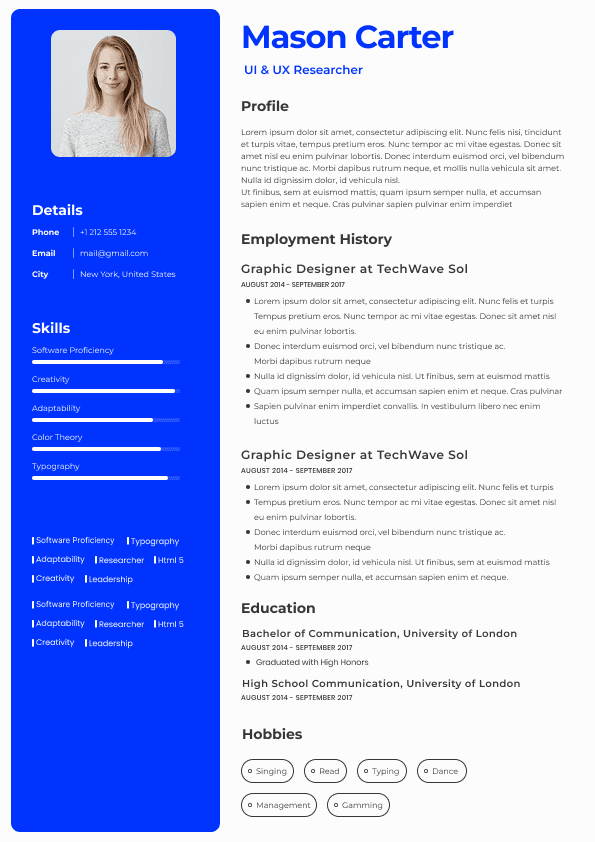
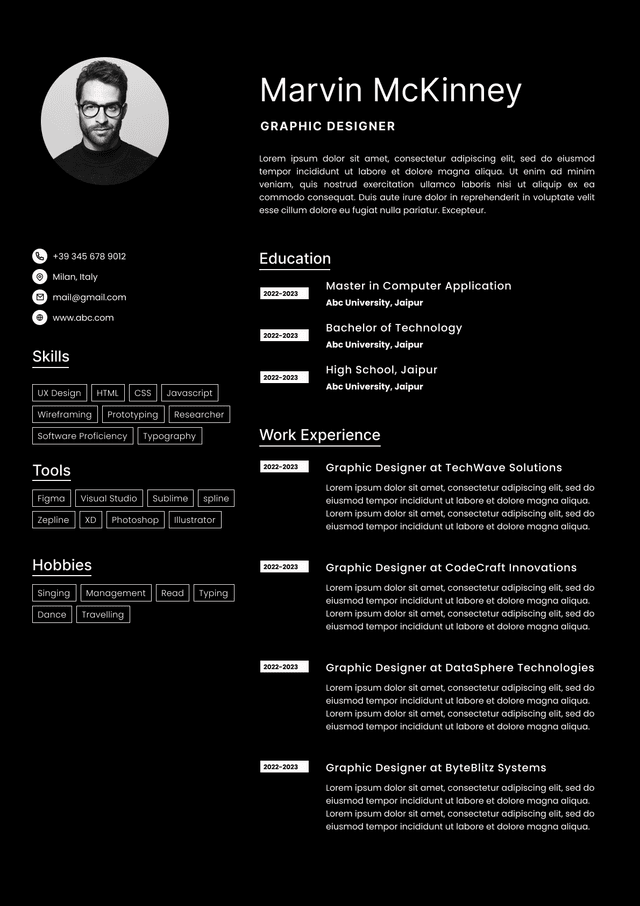
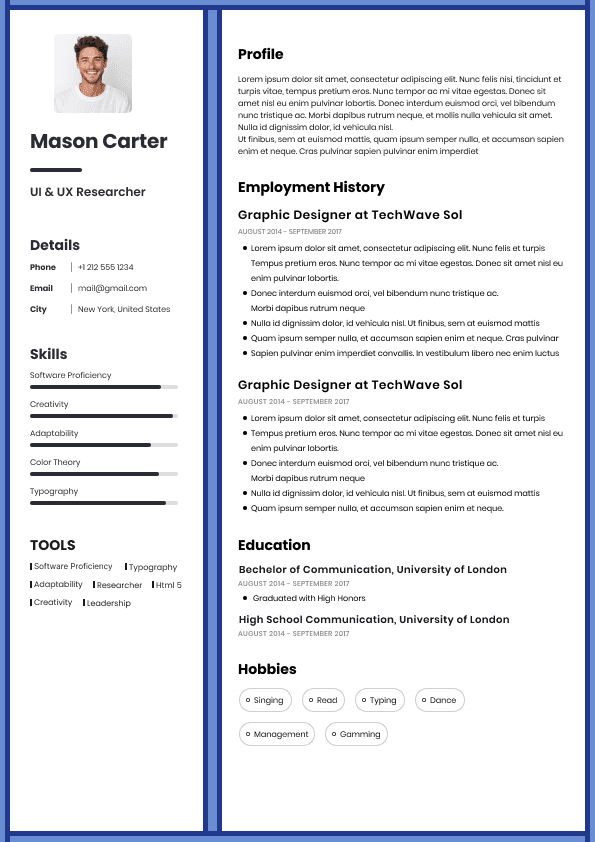
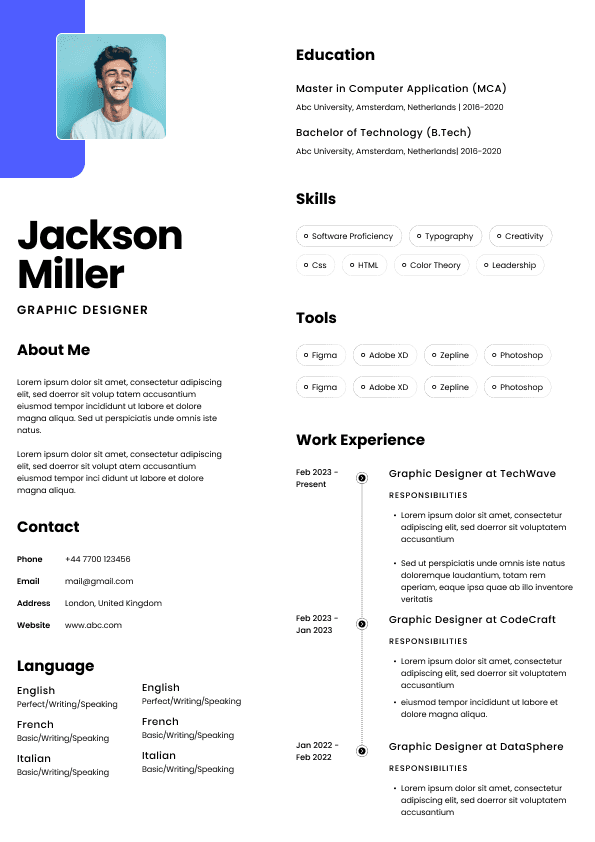
Multi-column layouts
Graphic skill bars
Icons everywhere
Complex tables
Charts and visual ratings
Header/footer overload
Fancy templates from Canva
Text embedded in graphics
ATS systems can struggle to parse these correctly.
Even worse:
Recruiters may find them harder to scan quickly
Technical hiring managers usually prefer clarity over design
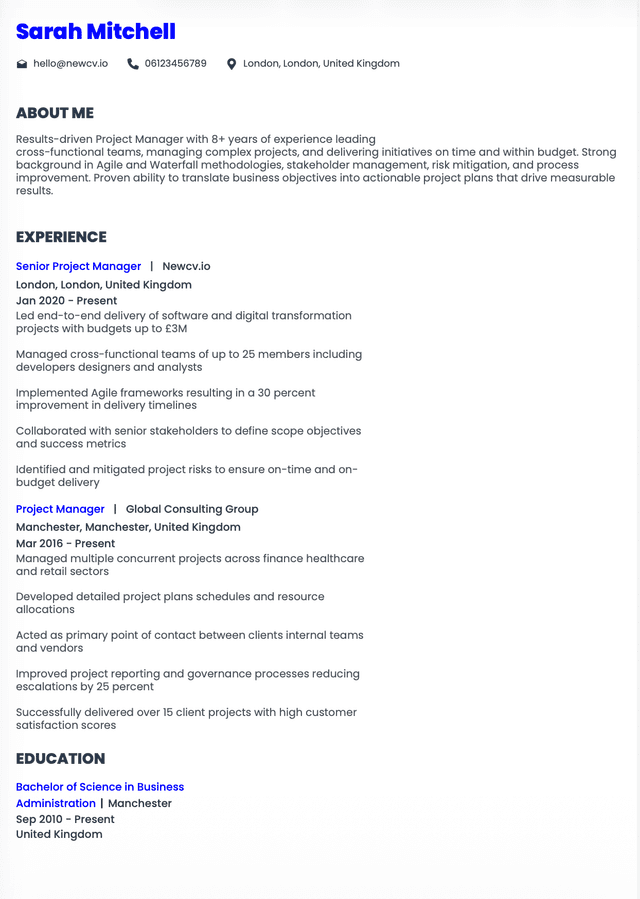
The best ASP.NET resumes are:
Clean
Structured
Simple
Highly scannable
Easy to parse
A strong technical resume prioritizes:
Readability
Technical clarity
Bullet quality
Logical organization
Not visual creativity.
This mistake destroys credibility during interviews.
Some candidates add every technology they have touched once:
Kubernetes
Kafka
RabbitMQ
Terraform
Elasticsearch
GraphQL
Azure Functions
SignalR
Docker Swarm
But when interviewers ask implementation questions, the candidate struggles.
Experienced interviewers quickly identify inflated resumes.
Once they detect exaggeration:
Trust drops immediately
Technical credibility weakens
Interview scoring becomes harsher
Only include technologies you can:
Explain confidently
Discuss architecturally
Troubleshoot in conversation
Defend with implementation examples
Depth beats breadth in technical hiring.
A major hidden mistake is treating all ASP.NET jobs as identical.
Different ASP.NET positions prioritize different capabilities.
Usually prioritize:
ASP.NET Core APIs
Authentication
Performance
Database optimization
Distributed systems
Cloud services
Often prioritize:
Large-scale business systems
SQL Server
IIS
Production support
Stability
Security
Internal tooling
Usually emphasize:
Azure App Services
Azure Functions
Azure DevOps
CI/CD
Monitoring
Cloud architecture
Often prioritize:
ASP.NET MVC
Razor Pages
Frontend integration
User workflows
Session management
Hiring managers subconsciously reject resumes that feel “generic.”
The strongest resumes mirror the technical priorities of the target role.
Many ASP.NET developers underestimate how valuable operational experience is.
Companies want engineers who can support real production environments, not just write code locally.
IIS configuration
Deployment pipelines
Monitoring and logging
Production incident response
Release coordination
Performance troubleshooting
Database optimization
Environment configuration
Azure deployment workflows
These skills often separate mid-level and senior engineers from junior developers.
Managed IIS application deployments across staging and production environments with zero-downtime release processes
Diagnosed production memory leaks using application monitoring and performance profiling tools
Implemented structured logging and monitoring to reduce production issue resolution time by 45%
This signals real-world engineering maturity.
Entry-level ASP.NET candidates often lack professional experience. That is expected.
What hurts them is failing to demonstrate practical capability outside formal employment.
Without projects, recruiters cannot determine:
Whether the candidate can actually build applications
Whether they understand architecture basics
Whether they can complete technical work independently
Include:
GitHub repositories
ASP.NET Core API projects
Authentication systems
CRUD applications
Azure deployment projects
SQL Server integration
Portfolio applications
Unit testing examples
Weak projects:
Tutorial clones
Extremely basic CRUD apps
No deployment
No documentation
Stronger projects:
Authentication and authorization
API integrations
Cloud deployment
Database optimization
Role-based access
Logging and exception handling
CI/CD workflows
That sounds significantly stronger than:
Recruiters scan resumes visually before reading deeply.
Dense paragraphs create friction.
They:
Slow scanning speed
Hide technical keywords
Reduce readability
Make impact harder to identify
Strong ASP.NET resumes use:
Short bullet points
Clear technical language
Quantified outcomes
Fast visual scanning
Good bullets are typically:
1–2 lines
Technically specific
Outcome-oriented
The strongest ASP.NET resumes usually share these characteristics:
The recruiter immediately understands:
Seniority level
Technical focus
Primary stack
Engineering depth
Each bullet typically contains:
Action
Technology
System or problem
Measurable result
Strong resumes show:
ASP.NET Core
APIs
Cloud exposure
SQL optimization
Deployment workflows
Production support
Good candidates explain:
Cost reduction
Scalability improvements
Performance optimization
Reliability gains
Operational efficiency
Not just coding activity.
A reliable formula is:
Action + Technology + Scope + Result
This works because it instantly communicates:
What was done
Which technology was used
System scale
Engineering outcome
That is exactly how hiring managers evaluate technical resumes.
The biggest issue is not lack of technical ability.
It is weak positioning.
Many ASP.NET developers have stronger experience than their resumes communicate. But resumes fail because they:
Undersell technical ownership
Hide impact behind generic language
Lack measurable outcomes
Ignore modern stack expectations
Fail ATS alignment
Do not explain production-level engineering work
Hiring managers are not trying to guess your value.
Your resume must make your engineering impact obvious within seconds.
The best ASP.NET resumes are not the most creative.
They are the clearest, most specific, and most credible.
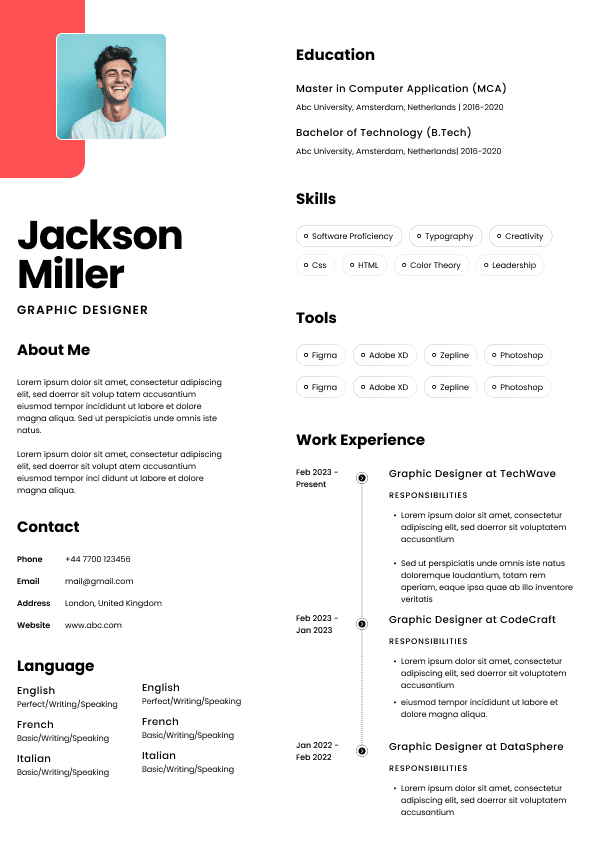
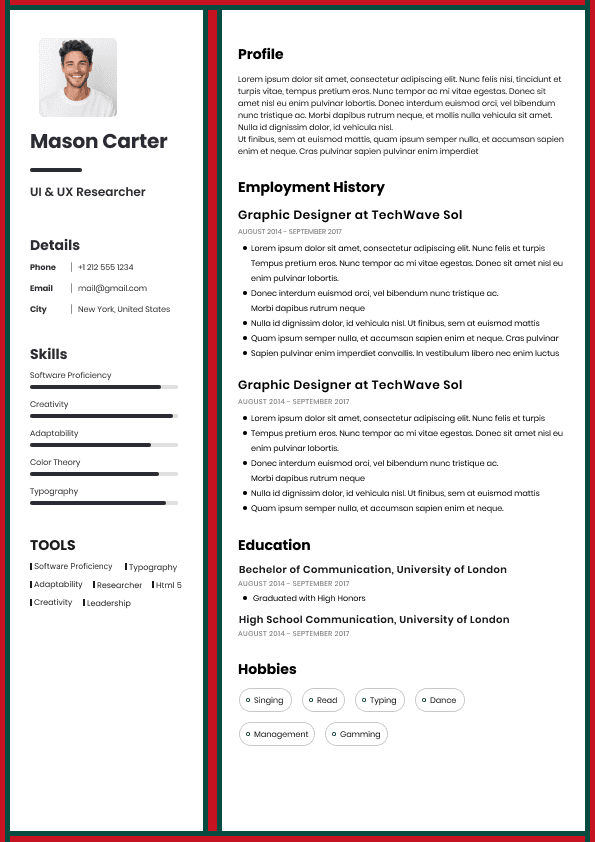
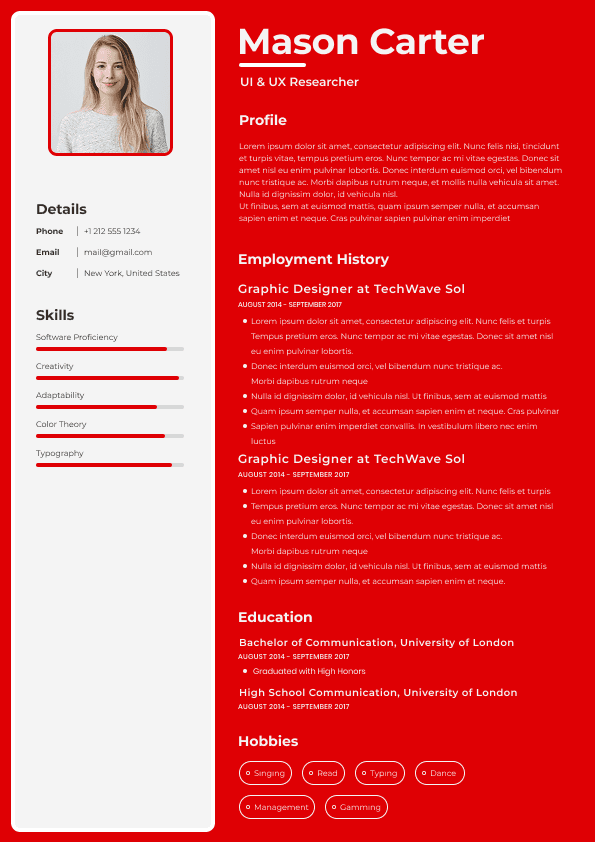
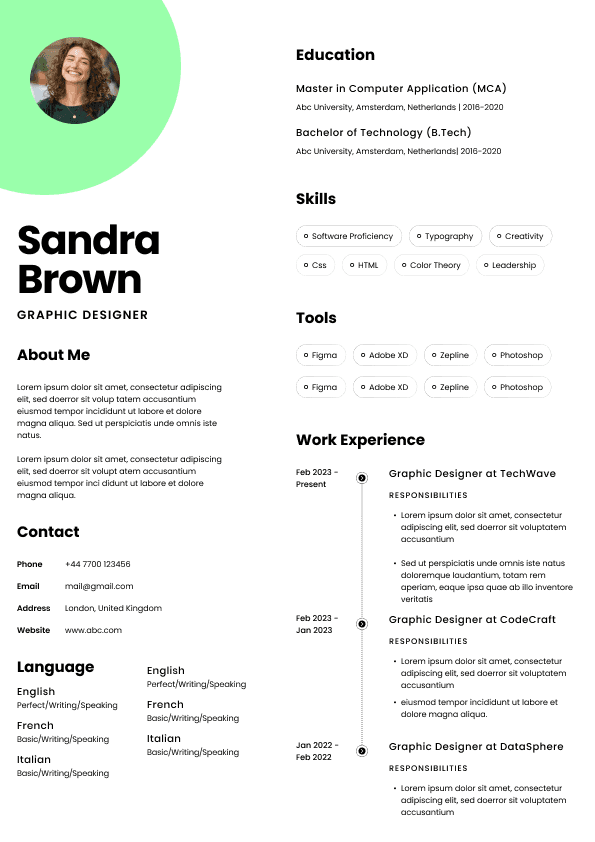
Use ATS-optimised Resume and resume templates that pass applicant tracking systems. Our Resume builder helps recruiters read, scan, and shortlist your Resume faster.

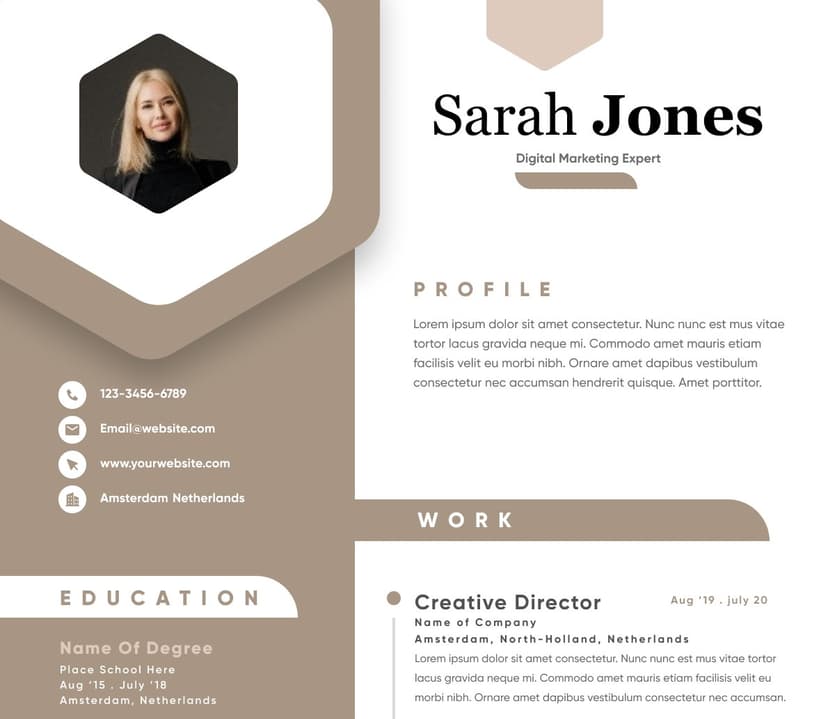
Use professional field-tested resume templates that follow the exact Resume rules employers look for.
Create Resume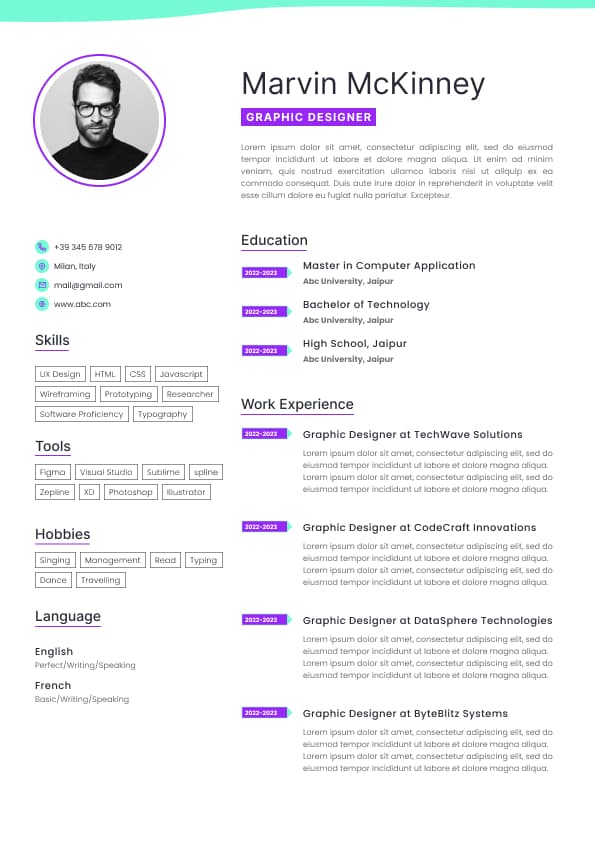
Use professional field-tested resume templates that follow the exact Resume rules employers look for.
Create ResumeBuild/release speed



 Upload Resume
 Import from Linkedin