STILL APPLYING. STILL HEARING NOTHING?BUILD YOUR RESUME

STILL APPLYING. STILL HEARING NOTHING?BUILD YOUR RESUME
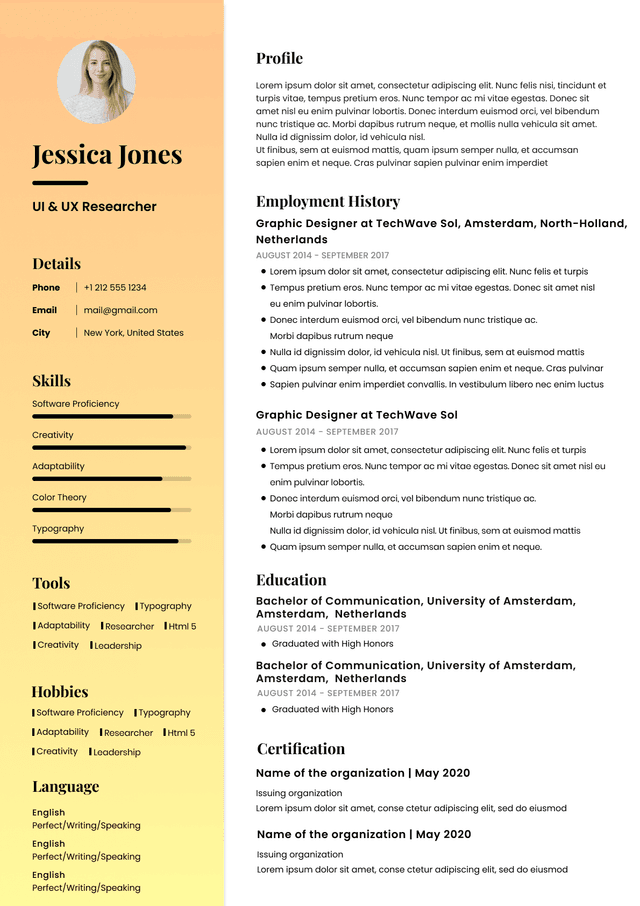
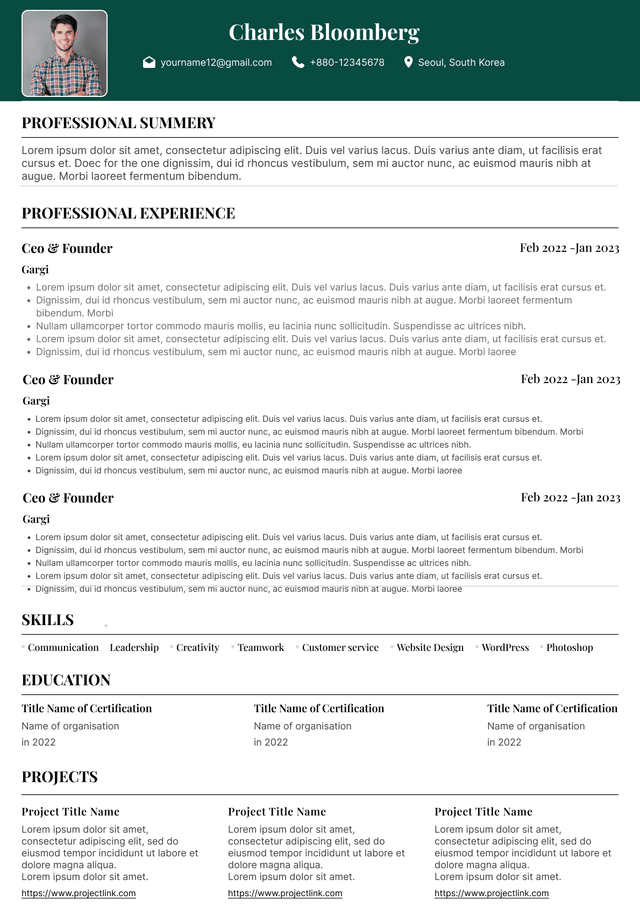
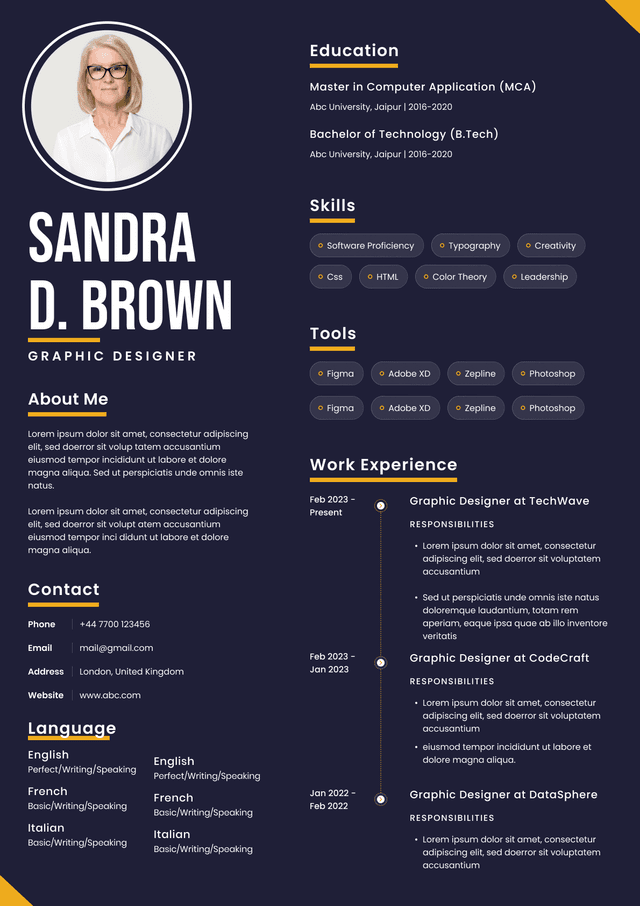
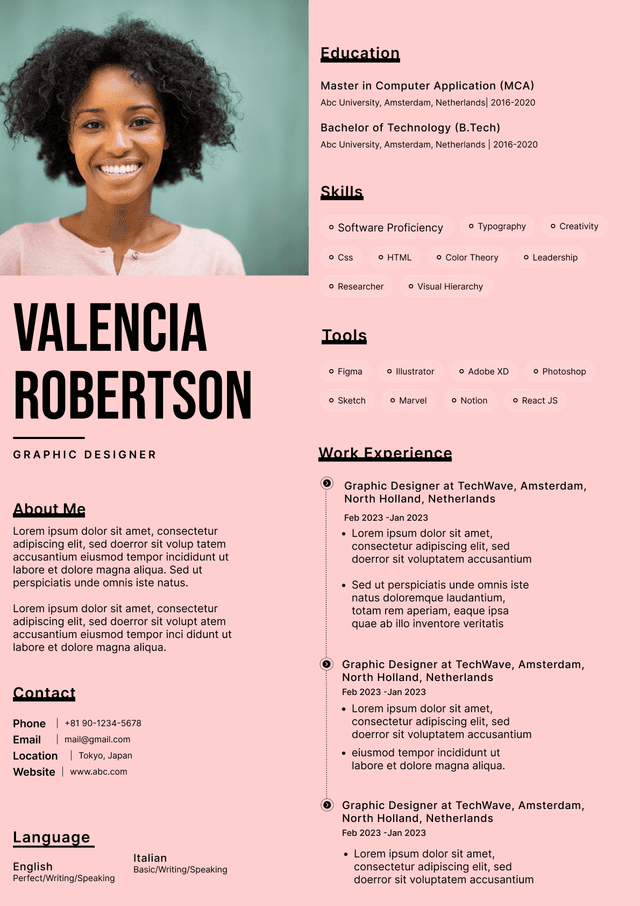
Choose from a wide range of NEWCV resume templates and customize your NEWCV design with a single click.
FAQ

An ASP.NET Developer resume skills section is not just a keyword list for ATS scanners. It is one of the fastest ways recruiters decide whether you are technically credible for the role. Most hiring managers scan the skills section before reading your experience bullets in detail. If the technical stack, architecture exposure, and operational workflow skills do not align with the job requirements, the resume often gets filtered out within seconds.
The strongest ASP.NET Developer resumes combine three categories of skills:
Core technical development skills
Operational and delivery workflow skills
Business-facing and collaboration skills
Candidates who only list programming languages usually look junior or incomplete. Candidates who combine ASP.NET Core, API architecture, Azure deployment, CI/CD, database optimization, security practices, and Agile delivery experience position themselves as production-ready engineers instead of just coders.
This guide breaks down the exact ASP.NET Developer resume skills recruiters expect to see, how to structure them, which keywords matter most for ATS systems, and which mistakes reduce interview callbacks.
Hiring managers evaluating ASP.NET Developers are usually screening for four things immediately:
Can this candidate build scalable web applications?
Can this candidate work within a modern enterprise stack?
Can this candidate support production systems reliably?
Can this candidate collaborate inside a real engineering workflow?
That means your resume skills section should not look like a random technology dump.
A weak skills section looks outdated, unfocused, or disconnected from modern enterprise development.
Weak Example
C#
ASP.NET
HTML
SQL
Team player
This tells recruiters almost nothing about your actual engineering capabilities.
A strong skills section shows stack depth, architecture exposure, deployment knowledge, and operational maturity.
Good Example
ASP.NET Core, ASP.NET MVC, Razor Pages, Blazor
REST API development, microservices, dependency injection
SQL Server, Entity Framework Core, LINQ, query optimization
Azure App Service, Azure Functions, Azure DevOps CI/CD
Docker, Kubernetes, GitHub Actions, IIS deployment
JWT authentication, OAuth2, OWASP secure coding practices
This immediately signals enterprise-level development experience.
The best ASP.NET Developer resumes balance backend engineering, cloud deployment, frontend integration, and production support.
Most enterprise hiring teams now expect ASP.NET Developers to operate across multiple layers of the application stack, even if the official title is backend-focused.
These are foundational technical skills employers expect on nearly every ASP.NET Developer resume.
ASP.NET Core
ASP.NET MVC
ASP.NET Web API
Razor Pages
Blazor
Minimal APIs
C#
.NET Framework
.NET 6/7/8
Dependency Injection
Middleware
Authentication and Authorization
RESTful API Development
Session Management
Web Application Architecture
API Versioning
Async Programming
If you lack modern ASP.NET Core experience, recruiters may immediately classify your background as outdated unless you clearly show migration or modernization work.
Technical skills should reflect real production engineering work, not just theoretical exposure.
The strongest resumes show capability across architecture, data, APIs, cloud infrastructure, testing, and deployment.
Backend engineering skills are usually the highest-priority evaluation category for ASP.NET roles.
Top backend resume skills include:
REST APIs
Microservices architecture
Clean Architecture
SOLID principles
Event-driven systems
Repository pattern
CQRS
Middleware development
API integration
Third-party service integration
SOAP services
Payment gateway integration
ERP and CRM integrations
Background services
Message queues
Recruiters especially value developers who can build maintainable systems, not just individual features.
Database capabilities are heavily evaluated because many ASP.NET applications are enterprise systems with complex relational data.
Strong database skills include:
SQL Server
T-SQL
Entity Framework Core
LINQ
Stored procedures
Query optimization
Database indexing
Performance tuning
Database migrations
Transaction management
Data modeling
Azure SQL
ORM optimization
Candidates who understand database performance usually stand out quickly during technical screening.
Many resumes fail because developers simply list “SQL” without showing depth.
Weak Example
Good Example
The second version signals production-level experience instead of beginner familiarity.
Modern ASP.NET Developer roles increasingly expect frontend integration skills, especially in enterprise full stack environments.
Even backend-focused teams often prefer developers who can work across the UI layer when needed.
Important frontend skills include:
Angular
React
JavaScript
TypeScript
HTML5
CSS3
Bootstrap
jQuery
AJAX
Responsive UI integration
API consumption
Component-based frontend development
If you are applying for full stack ASP.NET positions, failing to include frontend technologies can significantly reduce interview opportunities.
Cloud engineering is now one of the most valuable differentiators for ASP.NET Developers.
Many employers prioritize candidates with Azure experience because Microsoft enterprise environments dominate the .NET ecosystem.
Microsoft Azure
Azure App Service
Azure Functions
Azure SQL
Azure Storage
Azure Key Vault
Azure API Management
Azure Monitor
Application Insights
Azure deployment pipelines
Cloud-native application development
Candidates with cloud deployment experience are often viewed as more senior because they can support modern infrastructure environments.
One major gap in many ASP.NET Developer resumes is missing DevOps and deployment workflow experience.
Modern engineering teams want developers who understand the full delivery lifecycle.
Azure DevOps
GitHub Actions
CI/CD pipelines
Docker
Kubernetes
IIS deployment
Git workflows
Pull request workflows
Release management
Build automation
Deployment troubleshooting
Infrastructure collaboration
Recruiters often use DevOps exposure as a proxy for engineering maturity.
A candidate who understands deployment pipelines usually adapts faster inside enterprise teams.
Security awareness is increasingly important in hiring decisions, especially for enterprise and SaaS environments.
Many resumes completely omit security skills, which creates a credibility gap.
OWASP Top 10
JWT authentication
OAuth2
OpenID Connect
Role-based access control
Secure coding practices
API security
Authentication workflows
Authorization policies
Secure session management
Input validation
Data encryption
Security skills are especially important for financial services, healthcare, insurance, and government-related ASP.NET roles.
Testing skills help recruiters identify developers who write maintainable and production-safe code.
Candidates who omit testing experience often appear less experienced in enterprise environments.
xUnit
NUnit
MSTest
Integration testing
API testing
Selenium
Playwright
Unit testing
Automated testing
Regression testing
Mocking frameworks
Test-driven development
Hiring managers often associate testing discipline with stronger engineering standards overall.
Operational skills are one of the biggest differentiators between average developers and enterprise-ready engineers.
These skills show whether you can operate effectively inside a real software delivery environment.
Agile/Scrum delivery
Sprint planning
Backlog refinement
Code reviews
Pull request workflows
Production support
Incident response
Root cause analysis
Technical estimation
Bug tracking
Release management
Application monitoring
Change management
Technical documentation
Cross-functional collaboration
Many technically strong resumes fail because they do not demonstrate operational maturity.
Companies do not just hire developers to write code. They hire engineers who can contribute reliably inside delivery teams.
Soft skills only matter when they support engineering effectiveness.
Generic phrases like “hardworking” or “motivated” add almost no value.
Instead, focus on soft skills directly tied to engineering collaboration and delivery outcomes.
Problem-solving
Analytical thinking
Communication
Ownership
Collaboration
Attention to detail
Adaptability
Troubleshooting mindset
Time management
Documentation
Stakeholder communication
Mentoring
Business logic understanding
Client-facing communication
Recruiters usually validate soft skills indirectly through experience bullets and project impact, not just through keyword lists.
The strongest ASP.NET Developer resumes organize skills into categories instead of one giant block.
This improves readability for both recruiters and ATS systems.
C#
SQL
T-SQL
JavaScript
TypeScript
HTML5
CSS3
PowerShell
ASP.NET Core
ASP.NET MVC
Razor Pages
Blazor
ASP.NET Web API
Minimal APIs
SQL Server
Entity Framework Core
LINQ
Stored procedures
Query optimization
Microsoft Azure
Azure DevOps
Docker
Kubernetes
GitHub Actions
CI/CD pipelines
Angular
React
Bootstrap
jQuery
Responsive UI integration
xUnit
NUnit
JWT authentication
OAuth2
OWASP secure coding
This structure makes technical depth easier to evaluate quickly.
Applicant Tracking Systems scan for keyword alignment before recruiters even see the resume.
That does not mean keyword stuffing works.
Modern ATS systems and recruiters both prioritize contextual relevance.
ASP.NET Core
C# Developer
REST API
Microservices
Azure DevOps
SQL Server
Entity Framework Core
Blazor
ASP.NET MVC
Azure Functions
CI/CD pipelines
Docker
Kubernetes
OAuth2
JWT authentication
Clean Architecture
Full stack development
Azure deployment
Performance optimization
Secure coding
The best approach is integrating keywords naturally across:
Skills section
Experience bullets
Project descriptions
Technical summaries
Repeating keywords unnaturally can actually weaken credibility with recruiters.
One common mistake is listing outdated or low-value technologies without context.
That can unintentionally position you as legacy-focused.
ASP.NET Web Forms
VB.NET only
Classic ASP
Silverlight
Manual deployment only
Basic HTML knowledge
MS Access
If you include legacy technologies, frame them strategically.
Weak Example
Good Example
The second version positions you as a modernization engineer instead of an outdated developer.
Large keyword dumps reduce clarity and credibility.
Recruiters prefer focused, relevant technical stacks.
Modern .NET hiring strongly favors Azure and CI/CD exposure.
Resumes without deployment knowledge often appear incomplete.
Engineering teams care about collaboration, delivery processes, and production ownership.
Candidates who emphasize only older frameworks may struggle unless they show modernization experience.
Senior ASP.NET Developers are expected to understand maintainability, scalability, and system design.
Many developers underestimate how quickly recruiters make technical judgments.
Here is what recruiters often infer immediately:
ASP.NET Core + Azure + CI/CD usually signals modern enterprise experience
Docker + Kubernetes often signals scalable cloud-native exposure
Entity Framework Core + SQL optimization signals backend depth
JWT + OAuth2 signals security awareness
Angular or React signals full stack flexibility
Production support + root cause analysis signals operational maturity
Clean Architecture + SOLID principles signals senior engineering capability
The highest-performing resumes do not just show technologies.
They show engineering responsibility.
That distinction is what separates interview-worthy candidates from keyword-heavy resumes that feel shallow.
Senior candidates typically position themselves differently from mid-level developers.
Instead of only listing tools, they emphasize engineering outcomes and architectural ownership.
Designed scalable ASP.NET Core microservices supporting 500K+ monthly users
Implemented Azure DevOps CI/CD pipelines reducing deployment failures by 40%
Optimized SQL Server indexing and query execution, improving API response times by 60%
Led migration from .NET Framework to ASP.NET Core for enterprise modernization initiative
Implemented JWT authentication and role-based authorization across distributed APIs
These examples demonstrate impact, ownership, and system-level thinking.
That is what hiring managers actually evaluate at senior levels.
Use ATS-optimised Resume and resume templates that pass applicant tracking systems. Our Resume builder helps recruiters read, scan, and shortlist your Resume faster.

Use professional field-tested resume templates that follow the exact Resume rules employers look for.
Create Resume
Use professional field-tested resume templates that follow the exact Resume rules employers look for.
Create Resume


 Upload Resume
 Import from Linkedin