STILL APPLYING. STILL HEARING NOTHING?BUILD YOUR RESUME

STILL APPLYING. STILL HEARING NOTHING?BUILD YOUR RESUME
Choose from a wide range of NEWCV resume templates and customize your NEWCV design with a single click.
FAQ

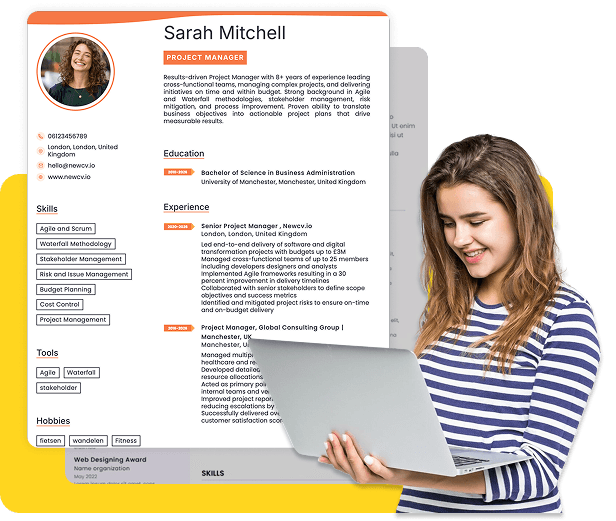
An ASP.NET developer resume is not evaluated like a general software engineering resume. Recruiters and hiring managers scan specifically for the Microsoft ecosystem, backend architecture depth, cloud deployment experience, API development, database expertise, and DevOps maturity. The tools section is often one of the first areas reviewed because it quickly signals whether a candidate can contribute to a modern .NET stack without extensive onboarding.
The strongest ASP.NET developer resumes do not dump random technologies into a giant keyword list. They group tools strategically, align them with real-world development workflows, and demonstrate practical usage through experience bullets. Hiring teams want proof that you can build, deploy, secure, monitor, and maintain production-grade applications using modern ASP.NET technologies.
This guide breaks down exactly which technical tools belong on an ASP.NET developer resume, how recruiters interpret them, what to prioritize by experience level, and which mistakes immediately weaken technical credibility.
Hiring managers typically evaluate ASP.NET developer resumes in this order:
Core .NET stack alignment
Backend architecture capability
Cloud and deployment experience
Database and ORM proficiency
API development skills
DevOps maturity
Testing and debugging capability
Modern frontend integration
Security and scalability awareness
The tools section acts as a technical qualification filter. In many companies, recruiters perform the initial screening before the resume ever reaches an engineering lead. If the resume lacks the expected ecosystem terminology, it may never move forward.
For example, an ASP.NET Core developer resume that lists only “C#, SQL, and Git” looks underqualified for modern enterprise environments, even if the candidate has strong experience.
By contrast, a resume that clearly communicates stack depth instantly improves interview probability.
The most effective ASP.NET developer resumes organize technical skills into logical engineering categories rather than one massive keyword block.
These are the foundational technologies recruiters expect to see for most ASP.NET development roles.
Common backend technologies include:
ASP.NET Core
ASP.NET MVC
ASP.NET Web API
ASP.NET Web Forms
Razor Pages
Blazor Server
Blazor WebAssembly
SignalR
Minimal APIs
gRPC
.NET Framework
.NET 6/7/8
C#
LINQ
Dependency Injection
Middleware architecture
Microservices architecture
This category tells employers whether your experience is modern, legacy-focused, enterprise-oriented, or cloud-native.
For example:
ASP.NET MVC + .NET Framework often signals legacy enterprise support
ASP.NET Core + Minimal APIs + Docker suggests modern backend engineering
SignalR implies real-time application experience
Blazor indicates full-stack Microsoft ecosystem capability
Recruiters use these distinctions heavily when matching resumes to technical teams.
Most hiring managers expect developers to work comfortably within Microsoft-centered development environments.
Include tools such as:
Visual Studio
Visual Studio Code
JetBrains Rider
SQL Server Management Studio
Azure Data Studio
NuGet Package Manager
ReSharper
Roslyn Analyzers
StyleCop
BenchmarkDotNet
Many resumes fail because candidates only mention programming languages while ignoring development tooling.
That creates uncertainty around workflow familiarity.
For example, enterprise .NET teams heavily rely on:
Visual Studio debugging
NuGet dependency management
ReSharper productivity workflows
SQL Server tooling
Integrated profiling tools
Candidates who mention these tools signal immediate operational readiness.
Modern ASP.NET development is deeply collaborative. Recruiters expect developers to understand branch management, pull requests, code reviews, and CI/CD integration.
Include:
Git
GitHub
GitLab
Bitbucket
Azure Repos
Also include:
Azure DevOps
Jira
Confluence
Notion
Slack
Microsoft Teams
Trello
Linear
Asana
Miro
These tools communicate more than collaboration.
They indicate experience with:
Agile development
Sprint workflows
Enterprise engineering processes
Pull request reviews
CI/CD pipelines
Team-based software delivery
A resume missing collaboration tooling can make a candidate appear isolated or inexperienced with production engineering environments.
Database expertise is one of the biggest differentiators for ASP.NET developers.
Strong backend candidates are expected to understand both data access and database optimization.
Include:
SQL Server
Azure SQL Database
PostgreSQL
MySQL
Oracle
SQLite
MongoDB
Redis
Cosmos DB
Also include:
Entity Framework Core
Entity Framework
Dapper
ADO.NET
LINQ
Stored Procedures
Recruiters are not simply checking whether you know SQL.
They want evidence of production-level backend capability.
For example:
Entity Framework Core suggests modern ORM usage
Dapper may imply performance optimization awareness
Redis indicates caching and scalability knowledge
Cosmos DB suggests cloud-native architecture exposure
The strongest resumes connect these tools to business outcomes inside experience bullets.
Weak Example
“Used SQL Server and Entity Framework.”
Good Example
“Optimized ASP.NET Core API database performance using Entity Framework Core, Redis caching, and SQL query tuning, reducing response times by 42%.”
The second version demonstrates engineering impact rather than simple tool familiarity.
API development is now central to most ASP.NET roles.
Even companies hiring “full-stack developers” usually prioritize backend API competency.
Include:
REST APIs
ASP.NET Web API
OpenAPI
Swagger
GraphQL
Postman
Insomnia
REST Client
High-level backend resumes may also include:
OAuth2
OpenID Connect
JWT Authentication
IdentityServer
API Gateway integrations
Rate limiting
API versioning
Service-to-service authentication
Hiring managers increasingly evaluate ASP.NET developers based on backend integration capability.
Modern enterprise applications depend on:
External integrations
Internal microservices
Secure APIs
Event-driven communication
Mobile app backends
Third-party authentication systems
A resume without API tooling often appears outdated.
Cloud experience dramatically increases interview opportunities for ASP.NET developers.
Microsoft-centric organizations strongly prioritize Azure expertise.
Include:
Microsoft Azure
Azure App Service
Azure Functions
Azure SQL
Azure Storage
Azure Service Bus
Azure Key Vault
Azure Monitor
Azure Event Grid
Azure Event Hubs
Azure Kubernetes Service (AKS)
Also valuable:
Docker
Kubernetes
Terraform
Bicep
ARM Templates
CI/CD pipelines
Infrastructure as Code (IaC)
Many recruiters now separate ASP.NET developers into three categories:
Traditional on-prem developers
Hybrid cloud developers
Cloud-native engineers
Cloud-native ASP.NET developers command significantly higher salaries because they can support scalable modern architectures.
If you have Azure experience, it should never be buried deep in the resume.
ASP.NET developers are increasingly expected to understand deployment pipelines and release workflows.
Even non-DevOps roles now require operational awareness.
Include:
Azure DevOps
Azure Pipelines
GitHub Actions
Jenkins
TeamCity
Octopus Deploy
Docker
Kubernetes
IIS
Nginx
Kestrel
These tools indicate that the candidate understands:
Automated deployment
Continuous integration
Environment management
Containerization
Production releases
Infrastructure coordination
Developers who understand deployment pipelines are viewed as lower-risk hires because they require less operational support.
Testing experience is one of the most overlooked resume differentiators.
Most applicants mention development tools but ignore quality assurance tooling entirely.
Include:
xUnit
NUnit
MSTest
Moq
FluentAssertions
Selenium
Playwright
SpecFlow
Postman testing
Hiring managers associate testing experience with:
Code reliability
Engineering maturity
Lower production risk
Maintainable applications
Team scalability
Candidates without testing experience often appear junior, even when they have years of development experience.
Senior ASP.NET developers are increasingly expected to understand observability and application monitoring.
Include:
Application Insights
Azure Monitor
Serilog
Seq
ELK Stack
Splunk
Datadog
New Relic
Advanced candidates may also include:
JMeter
k6
dotTrace
dotMemory
SQL Server Profiler
Query Store
Most resumes focus only on coding.
Senior engineering teams care about production performance, scalability, diagnostics, and uptime.
Monitoring tools communicate operational ownership.
That distinction becomes critical for:
Senior ASP.NET developers
Lead developers
Backend architects
Platform engineers
Security skills have become increasingly valuable in enterprise .NET hiring.
Include:
OWASP ZAP
SonarQube
Snyk
Dependabot
Microsoft Defender for Cloud
Azure Key Vault
OAuth2
OpenID Connect
JWT
Microsoft Entra ID
Azure AD B2C
IdentityServer
Security-aware developers are significantly more attractive because secure coding has become a core engineering expectation, not a specialized niche.
These tools signal awareness of:
Vulnerability management
Secure authentication
Identity systems
Dependency security
Application hardening
Many ASP.NET positions are effectively full-stack roles.
Frontend technologies should be included when they are genuinely part of your production experience.
Include:
Angular
React
TypeScript
JavaScript
jQuery
Bootstrap
HTML5
CSS3
Sass
Tailwind CSS
Frontend tools should support your backend positioning, not overpower it.
For example:
A resume targeting senior ASP.NET backend roles should emphasize:
APIs
Azure
architecture
databases
DevOps
The frontend stack should appear as supporting capability.
Overloading the resume with frontend frameworks can accidentally reposition you as a UI-heavy candidate.
AI-assisted development tools are increasingly accepted in engineering workflows.
However, they must be positioned correctly.
Include:
GitHub Copilot
ChatGPT
Cursor
Visual Studio IntelliCode
AI-assisted code review tools
Hiring managers do not care whether you have “used ChatGPT.”
They care whether you can use AI tools responsibly inside real engineering workflows.
Strong positioning includes:
automated documentation generation
unit test acceleration
refactoring assistance
debugging support
code review optimization
Avoid making AI tools appear like substitutes for engineering competency.
The best ASP.NET resumes avoid giant unreadable keyword blocks.
Instead, use grouped technical categories.
Technical Skills
Languages: C#, SQL, JavaScript, TypeScript
Frameworks: ASP.NET Core, ASP.NET MVC, Blazor, Entity Framework Core
Frontend: React, Angular, Bootstrap, HTML5, CSS3
Databases: SQL Server, PostgreSQL, Redis, Cosmos DB
Cloud & DevOps: Azure, Docker, Kubernetes, Azure DevOps, GitHub Actions
Testing: xUnit, NUnit, Selenium, Moq
Monitoring: Application Insights, Serilog, Azure Monitor
Tools: Visual Studio, Rider, Postman, Swagger, Jira
This format improves:
ATS parsing
recruiter scanning speed
technical readability
perceived engineering organization
Massive technology dumps reduce credibility.
Recruiters assume many listed tools are exaggerated if the stack appears unrealistic.
A resume listing both:
ASP.NET Web Forms
Kubernetes
Azure Functions
jQuery
Blazor
VB.NET
without explanation creates confusion about actual specialization.
Modern ASP.NET hiring heavily prioritizes deployment capability.
A resume with only coding technologies often feels incomplete.
Many candidates use static technical skills sections across all applications.
Strong candidates customize:
cloud tooling
databases
frameworks
CI/CD technologies
authentication systems
to align with the specific role.
Most valuable skills:
ASP.NET Core
C#
SQL Server
Entity Framework Core
Git
REST APIs
Visual Studio
HTML/CSS/JavaScript
Most valuable additions:
Azure
Docker
CI/CD pipelines
authentication systems
testing frameworks
API integrations
caching systems
Most valuable differentiators:
microservices architecture
Kubernetes
observability tooling
infrastructure as code
performance optimization
distributed systems
event-driven architecture
security architecture
Hiring managers do not just check whether a technology appears on the resume.
They evaluate:
Recency
Depth
Production usage
Scale
Complexity
Business impact
For example:
“Used Azure” is weak.
“Designed and deployed containerized ASP.NET Core microservices on Azure Kubernetes Service with automated CI/CD pipelines” demonstrates genuine architectural capability.
The strongest resumes connect tools directly to engineering outcomes.
Use ATS-optimised Resume and resume templates that pass applicant tracking systems. Our Resume builder helps recruiters read, scan, and shortlist your Resume faster.

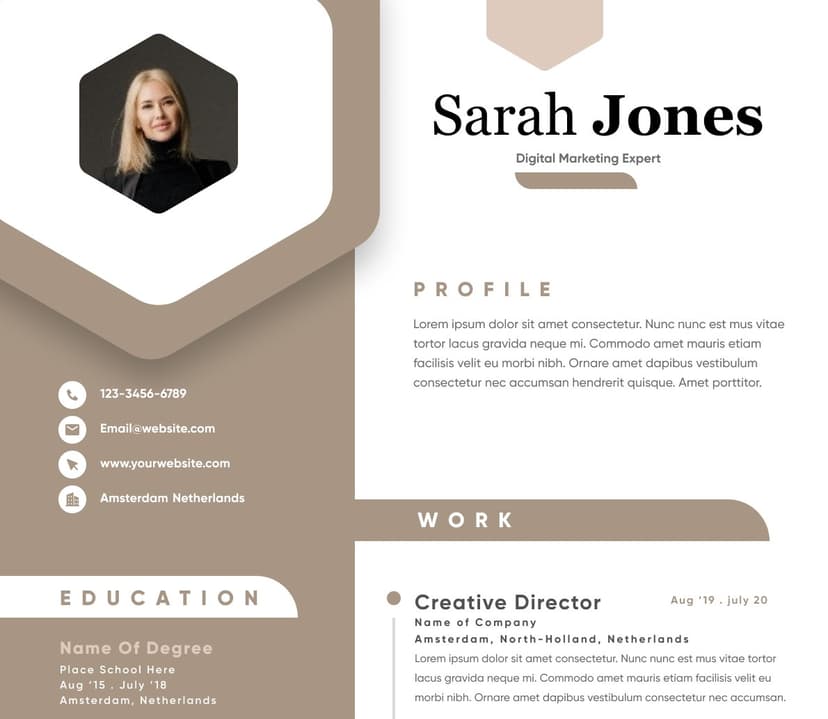
Use professional field-tested resume templates that follow the exact Resume rules employers look for.
Create Resume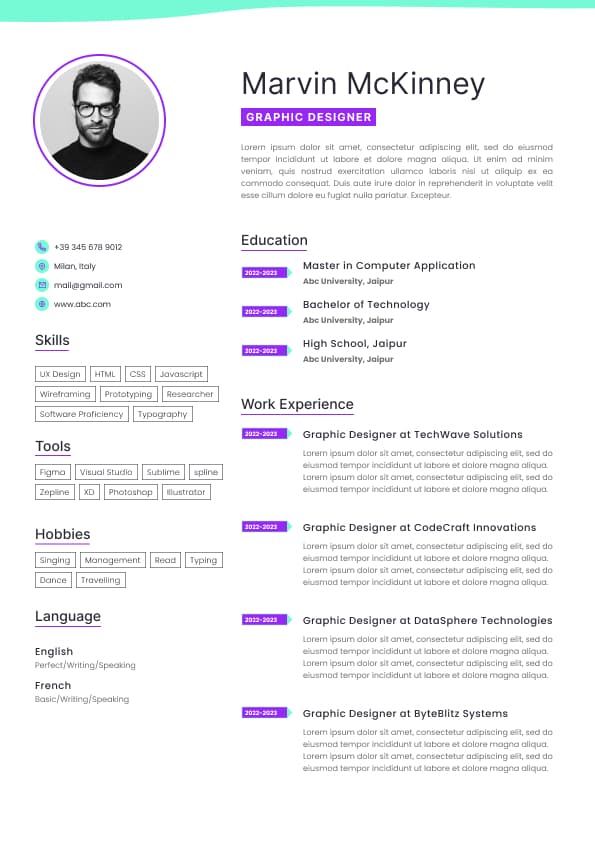
Use professional field-tested resume templates that follow the exact Resume rules employers look for.
Create Resume


 Upload Resume
 Import from Linkedin