STILL APPLYING. STILL HEARING NOTHING?BUILD YOUR RESUME

STILL APPLYING. STILL HEARING NOTHING?BUILD YOUR RESUME
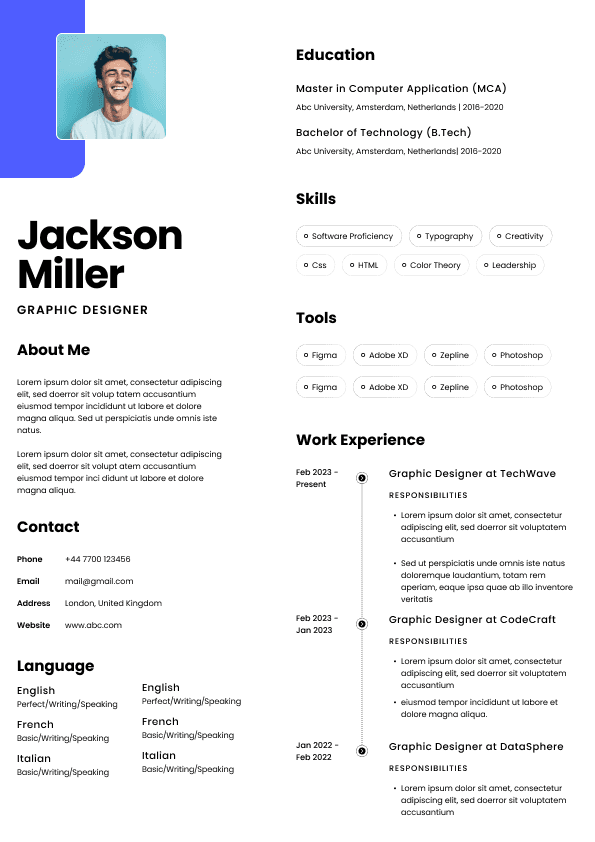
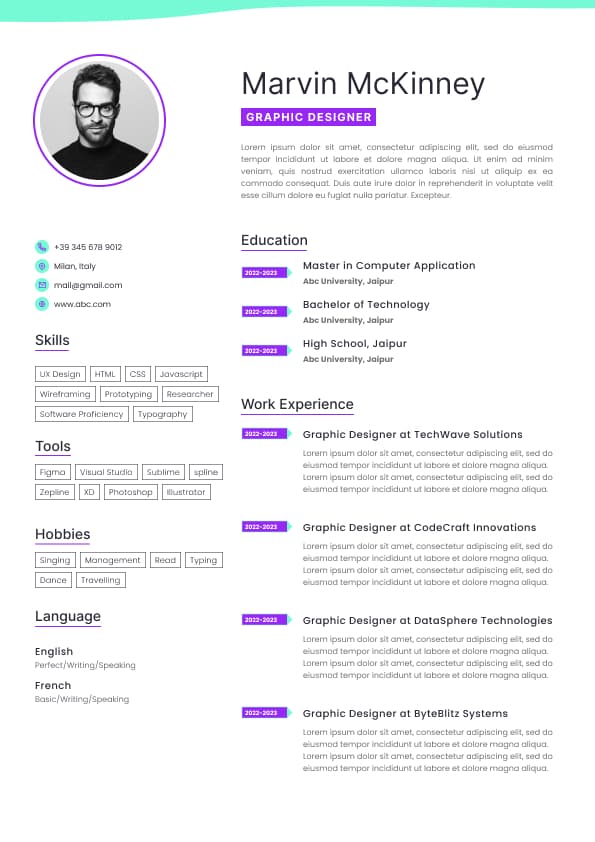
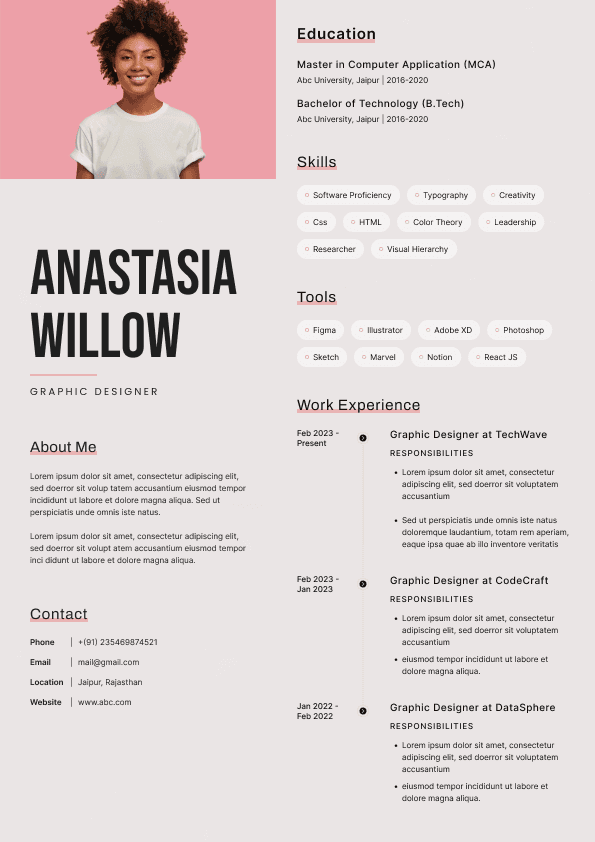
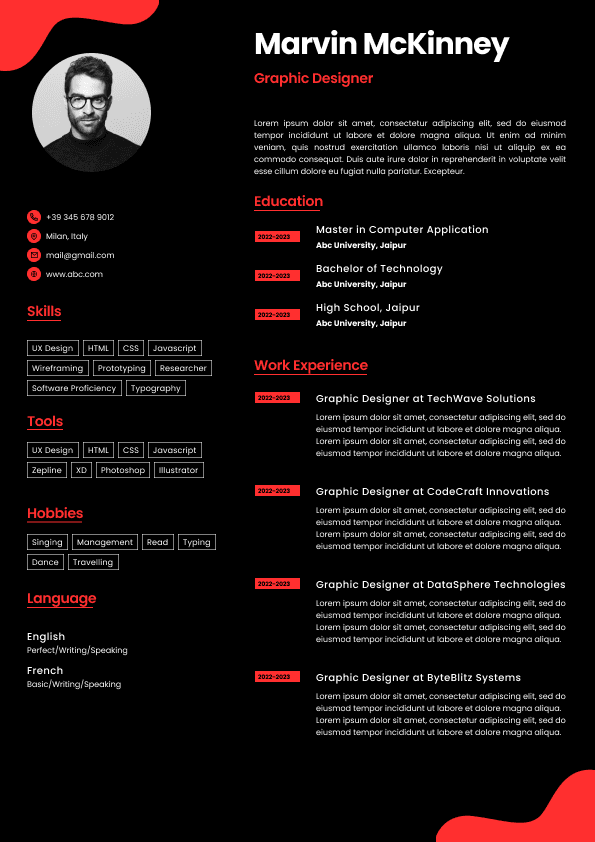
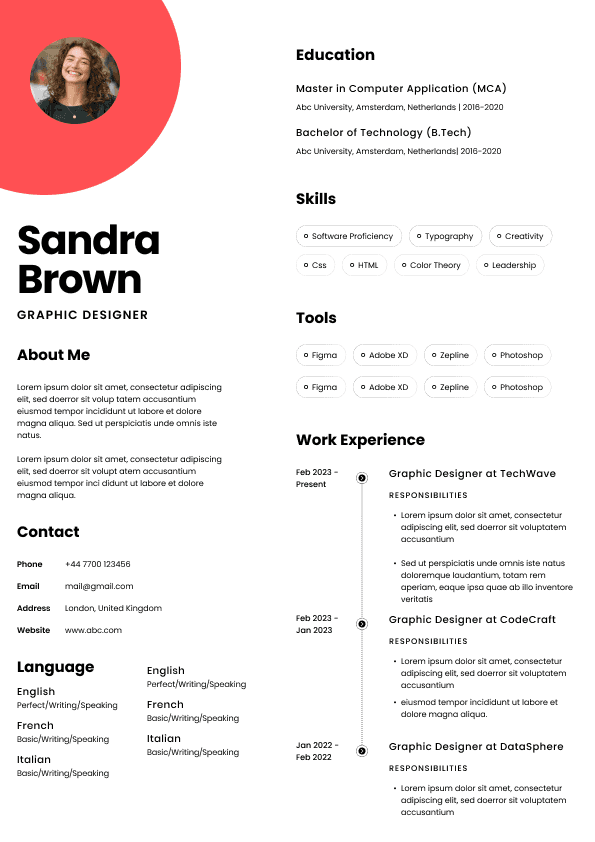
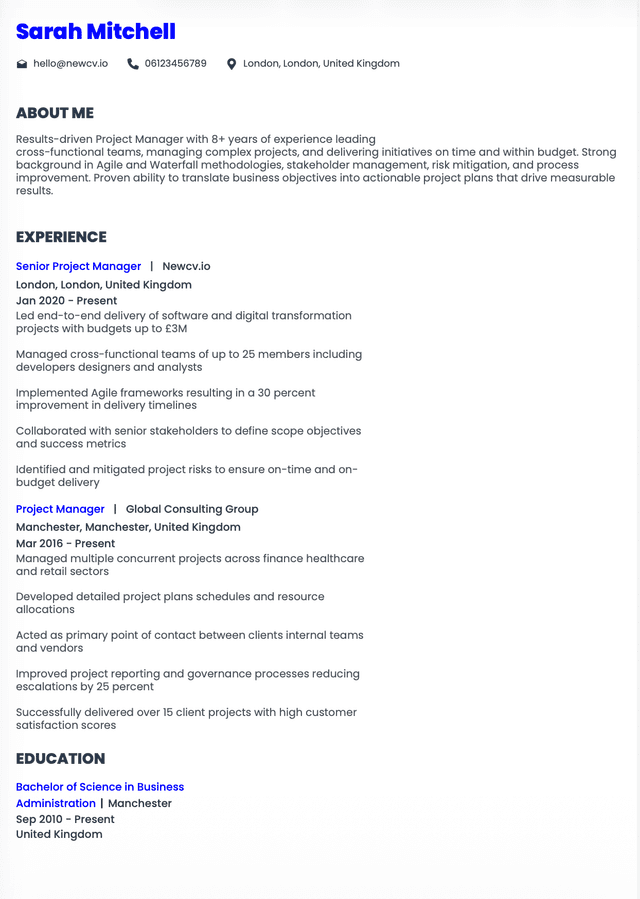
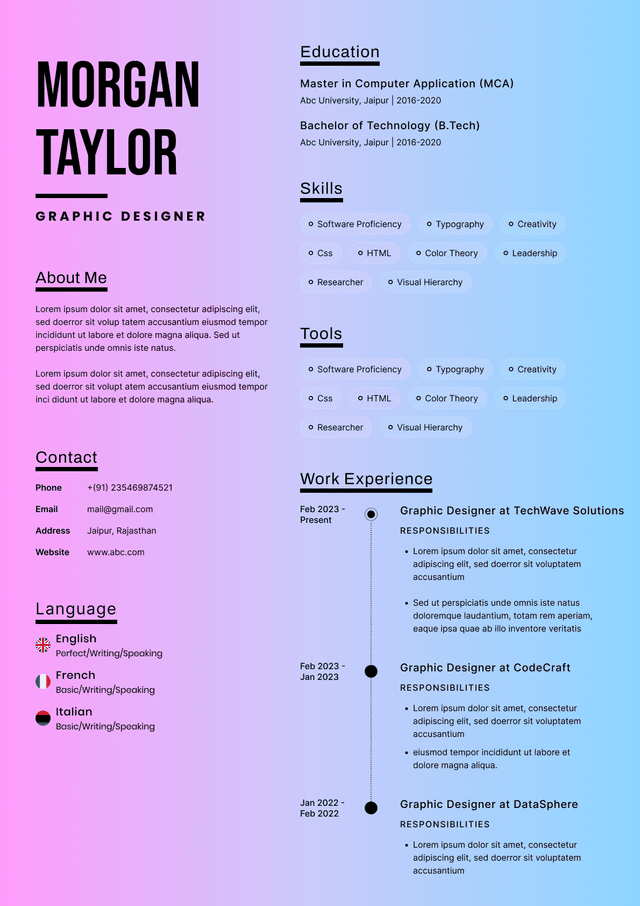
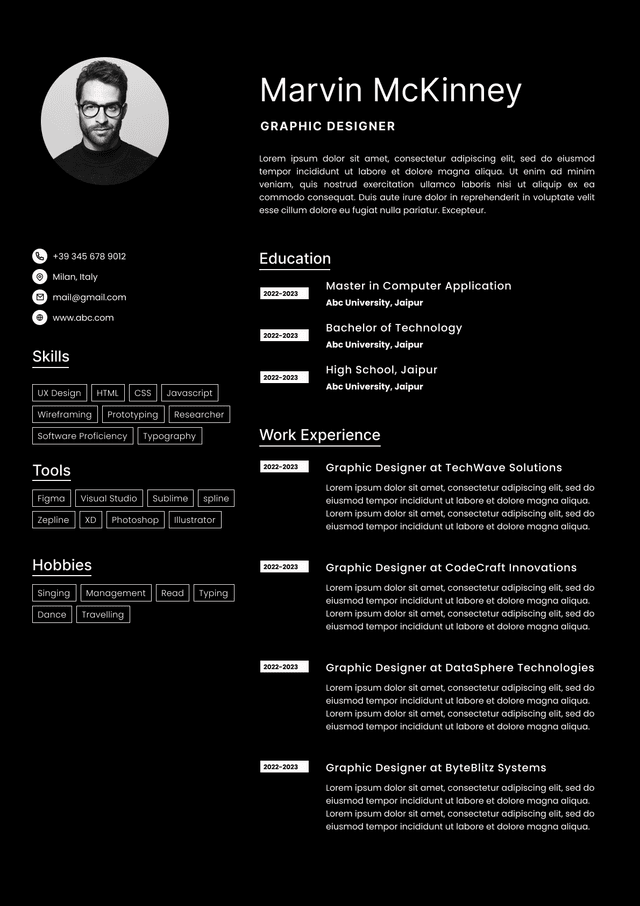
Choose from a wide range of NEWCV resume templates and customize your NEWCV design with a single click.
FAQ


JavaScript developers in the U.S. typically earn between $75,000 and $190,000+ per year, depending on experience, location, tech stack, and company type. Senior engineers at high-paying tech companies, AI startups, fintech firms, and large SaaS organizations can exceed $250,000 to $400,000+ in total compensation through bonuses and equity.
The biggest salary drivers are no longer just “years of experience.” Employers now pay premium compensation for developers who can ship production-ready applications, work across modern JavaScript ecosystems like React, TypeScript, Node.js, and Next.js, and contribute to architecture, scalability, performance, and business outcomes.
Entry-level candidates can still land six-figure compensation in strong markets, but the hiring bar is significantly higher than it was a few years ago. Companies increasingly screen for real project experience, frontend system thinking, API integration ability, testing practices, and measurable product impact.
If you're evaluating JavaScript developer pay, negotiating compensation, or planning a higher-paying career path, understanding how companies actually evaluate engineering talent is critical.
Here’s the realistic current salary range for JavaScript developers across the U.S. market:
| Level | Typical Base Salary |
|---|---|
| Entry-Level JavaScript Developer | $70,000 – $105,000 |
| Junior JavaScript Developer | $80,000 – $115,000 |
| Mid-Level JavaScript Developer | $105,000 – $145,000 |
| Senior JavaScript Developer | $135,000 – $190,000+ |
| Lead / Staff Frontend Engineer | $170,000 – $280,000+ |
| Big Tech / AI / Fintech Total Compensation | $220,000 – $400,000+ |
Base salary is only part of compensation. At many companies, especially in Big Tech and well-funded startups, developers also receive:
Annual bonuses
Equity or RSUs
Stock options
Signing bonuses
Remote-work stipends
Learning budgets
Performance bonuses
401(k) matching
Healthcare benefits
For senior engineers, equity often becomes the largest compensation multiplier.
Hourly compensation varies heavily based on employment type and specialization.
| Work Type | Hourly Pay |
|---|---|
| Entry-Level Developer | $35 – $50/hour |
| Mid-Level Developer | $50 – $85/hour |
| Senior JavaScript Developer | $85 – $140+/hour |
| Specialized React or Node.js Contractor | $90 – $180+/hour |
| Freelance JavaScript Developer | Highly variable |
Contract developers frequently earn higher cash compensation because employers avoid paying benefits, PTO, payroll taxes, and long-term equity.
However, many contractors underestimate the instability tradeoff. A $130/hour contract role can still produce lower long-term wealth than a lower-cash Big Tech role with strong RSUs.
Hiring managers also apply different evaluation criteria to contractors:
Speed of delivery matters more
Communication quality becomes critical
Architecture experience is highly valued
Reliability and low supervision are expected
Deep specialization often commands premium rates
Entry-level JavaScript developers usually earn between $70,000 and $105,000.
The market is far more competitive than many candidates expect. Recruiters are no longer impressed by tutorial projects alone.
What employers now expect from entry-level candidates:
Real GitHub activity
Production-quality portfolio projects
Understanding of APIs and async JavaScript
Familiarity with React or TypeScript
Basic testing knowledge
Deployment experience
Strong debugging ability
Candidates who only know isolated syntax often struggle during interviews.
Candidates who can explain architecture decisions, state management, component organization, accessibility, or API handling tend to outperform peers dramatically.
React + TypeScript proficiency
Internship experience
Open-source contributions
Full-stack project experience
Strong communication skills
Modern frontend tooling knowledge
Real deployment experience
Junior developers generally earn between $80,000 and $115,000.
At this level, companies expect independent feature delivery with moderate supervision.
Typical responsibilities include:
Building UI components
Fixing bugs
Writing tests
Participating in code reviews
Integrating APIs
Maintaining frontend functionality
One major salary separator at this stage is code quality.
Recruiters consistently see candidates who can build features but cannot explain:
Performance considerations
Maintainability
Scalability
Accessibility
State management decisions
Error handling strategy
That gap heavily impacts compensation.
Mid-level JavaScript developers typically earn between $105,000 and $145,000.
This is where compensation accelerates fastest because developers begin contributing beyond implementation.
Hiring managers start evaluating:
Ownership ability
Technical decision-making
Cross-functional collaboration
Product understanding
Architecture awareness
Delivery reliability
Mid-level developers who think like product engineers instead of task executors usually advance much faster.
TypeScript expertise
Next.js experience
Cloud platform exposure
Backend Node.js capability
Testing infrastructure ownership
Performance optimization
CI/CD knowledge
GraphQL experience
Employers increasingly favor developers who can bridge frontend and platform concerns.
Senior JavaScript developers commonly earn between $135,000 and $190,000+, with much higher compensation possible in top-tier organizations.
At the senior level, companies stop evaluating only coding ability.
They evaluate risk reduction.
Senior engineers are expected to:
Lead technical design
Improve architecture quality
Mentor developers
Reduce production risk
Improve scalability
Handle ambiguity
Make sound tradeoffs
Drive delivery outcomes
This is one of the biggest misunderstandings candidates have during salary negotiations.
Many developers believe senior compensation comes from “more coding experience.” In reality, higher compensation comes from increasing organizational leverage.
Lead and staff-level frontend engineers often earn $170,000 to $280,000+, especially in:
Big Tech
AI companies
Fintech firms
Enterprise SaaS
High-scale e-commerce companies
Top-performing staff engineers can exceed $400,000 total compensation with equity.
These roles typically involve:
Frontend platform ownership
Design systems
Cross-team architecture
Performance strategy
Engineering standards
Technical leadership
Scalability planning
Companies pay extremely well for engineers who improve entire engineering organizations rather than isolated products.
Some JavaScript-related roles command significantly higher compensation because they directly impact scalability, revenue, infrastructure, or platform quality.
| Role | Typical Compensation |
|---|---|
| Staff Frontend Engineer | $220,000 – $400,000+ |
| Frontend Architect | $180,000 – $320,000+ |
| Senior React Developer | $140,000 – $220,000+ |
| Senior Node.js Developer | $145,000 – $230,000+ |
| Full Stack JavaScript Engineer | $140,000 – $240,000+ |
| TypeScript Engineer | $140,000 – $220,000+ |
| Next.js Developer | $135,000 – $210,000+ |
| Web Performance Engineer | $150,000 – $250,000+ |
| Design Systems Engineer | $145,000 – $230,000+ |
| FinTech Frontend Engineer | $160,000 – $300,000+ |
Modern JavaScript hiring is increasingly ecosystem-driven.
Pure JavaScript knowledge alone rarely commands premium compensation anymore.
The highest-paying companies usually prioritize:
React
TypeScript
Next.js
Node.js
GraphQL
Cloud infrastructure
Testing frameworks
Frontend architecture
Performance optimization
TypeScript has become especially important because companies increasingly value maintainability, scalability, and developer experience.
Candidates who resist TypeScript often cap their market value unintentionally.
Location still matters heavily despite remote work growth.
| Location | Typical Salary Range |
|---|---|
| San Francisco Bay Area | $150,000 – $280,000+ |
| Seattle | $125,000 – $240,000+ |
| New York City | $120,000 – $230,000+ |
| Boston | $110,000 – $200,000+ |
| Austin | $105,000 – $190,000+ |
| Washington DC Metro | $105,000 – $185,000+ |
| Location | Typical Salary Range |
|---|---|
| Chicago | $100,000 – $180,000+ |
| Denver | $100,000 – $175,000+ |
| Raleigh-Durham | $95,000 – $165,000+ |
| Dallas | $95,000 – $170,000+ |
| Atlanta | $95,000 – $170,000+ |
| Location | Typical Salary Range |
|---|---|
| Florida Markets | $85,000 – $155,000+ |
| Midwest Smaller Cities | $80,000 – $150,000+ |
Remote salaries vary substantially.
Some companies use national pay bands, while others adjust compensation based on local cost of labor.
Remote JavaScript developers often earn between $95,000 and $200,000+.
But remote compensation is more nuanced than many candidates assume.
Three major remote pay models exist:
Companies pay everyone similarly regardless of location.
These are often the highest-paying remote opportunities.
Compensation changes based on where you live.
A developer in Ohio may earn less than one in San Francisco despite identical work.
Companies anchor pay to regional office markets while allowing remote flexibility.
This is increasingly common among enterprise employers.
Big Tech companies often provide:
Higher RSUs
Strong bonuses
Excellent healthcare
Structured promotion ladders
Higher total compensation ceilings
However, interviews are significantly more demanding.
System design, frontend architecture, and coding evaluation standards are much higher.
Startups may offer:
Faster promotions
Larger ownership scope
Equity upside
More product influence
Broader technical exposure
But compensation risk is also higher.
Many developers overvalue startup equity without understanding dilution, vesting schedules, or liquidity risk.
Many developers assume compensation is mostly based on years of experience.
That is not how most strong employers evaluate candidates.
The biggest compensation drivers are:
Employers pay more for engineers who understand:
Architecture
Scalability
Performance
Reliability
Maintainability
Testing strategy
Developers who improve revenue, conversion, retention, or delivery speed earn more.
Strong engineers who communicate poorly often plateau financially.
Leadership potential heavily impacts compensation.
Companies pay premium salaries for low-risk engineers who can independently drive outcomes.
High-paying specialties include:
Frontend platform engineering
Design systems
Performance engineering
Fintech infrastructure
AI product engineering
Enterprise SaaS systems
One of the biggest hiring realities recruiters see is that many developers accidentally position themselves as interchangeable.
That dramatically reduces salary leverage.
Weak portfolio quality
Generic resumes
No measurable impact
Outdated stack knowledge
Weak interview communication
No architecture understanding
Poor negotiation skills
No specialization
Hiring managers rarely pay premium compensation for “task-only” developers.
The highest-paid candidates consistently demonstrate:
Ownership
Technical judgment
Product thinking
Scalability awareness
Business understanding
Clear communication
The strongest salary boosters today include:
React
TypeScript
Next.js
Node.js
GraphQL
AWS or cloud platforms
Testing frameworks
Performance optimization
Frontend architecture
Senior compensation often depends on architecture discussions more than coding alone.
Developers who understand:
Rendering strategy
State management
Caching
Performance bottlenecks
Scalability tradeoffs
usually progress much faster.
Recruiters increasingly evaluate proof-based credibility.
High-value signals include:
GitHub contributions
Production applications
Open-source projects
Technical writing
npm packages
Conference speaking
Strong portfolio case studies
The highest-paying industries for JavaScript developers currently include:
AI startups
Fintech
Enterprise SaaS
Cloud infrastructure
Developer tools
Cybersecurity
High-scale e-commerce
Many developers leave significant money on the table because they negotiate only base pay.
You should also negotiate:
Equity
Signing bonus
Remote flexibility
Performance bonus
Learning budget
Promotion timeline
PTO
Home office stipend
Most JavaScript developers follow a progression similar to this:
JavaScript Developer → Mid-Level Developer → Senior Developer → Lead Engineer → Staff Engineer → Architect / Engineering Manager / Principal Engineer
However, compensation growth accelerates most when developers move into:
Frontend architecture
Platform engineering
Full-stack ownership
Performance engineering
Engineering leadership
Product engineering
Pure implementation work eventually becomes commoditized.
Strategic engineering capability does not.
The highest-paying employers evaluate more than coding output.
They look for developers who can:
Solve ambiguous problems
Reduce engineering risk
Improve system quality
Collaborate effectively
Think beyond tickets
Make scalable decisions
Balance speed and maintainability
This is why many technically decent developers plateau financially while others advance rapidly.
Compensation follows business leverage.
Not just code volume.
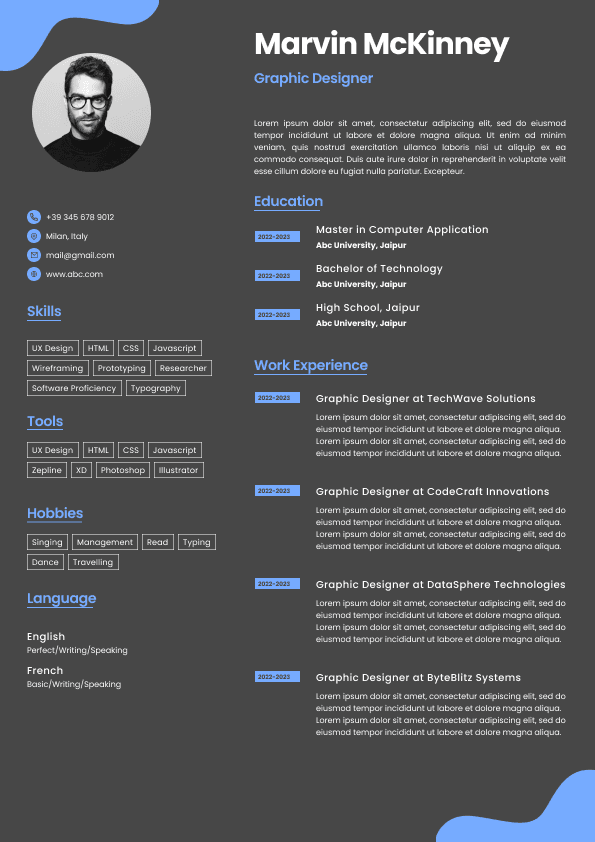
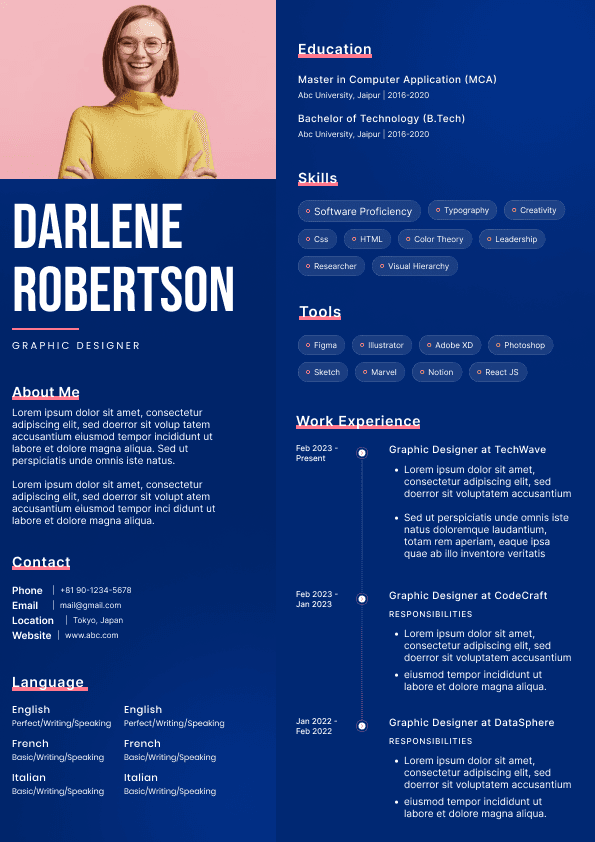
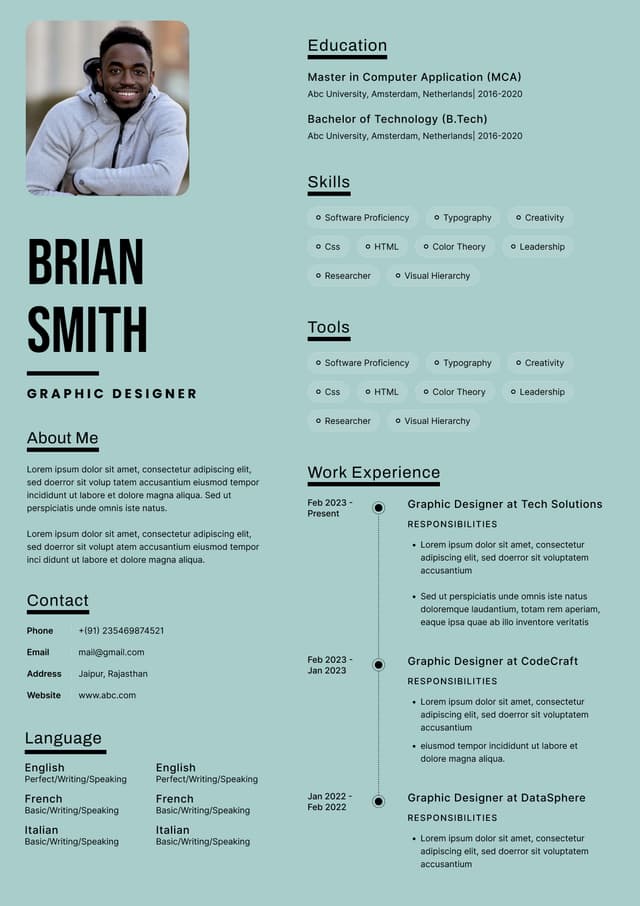
Use ATS-optimised Resume and resume templates that pass applicant tracking systems. Our Resume builder helps recruiters read, scan, and shortlist your Resume faster.


Use professional field-tested resume templates that follow the exact Resume rules employers look for.
Create Resume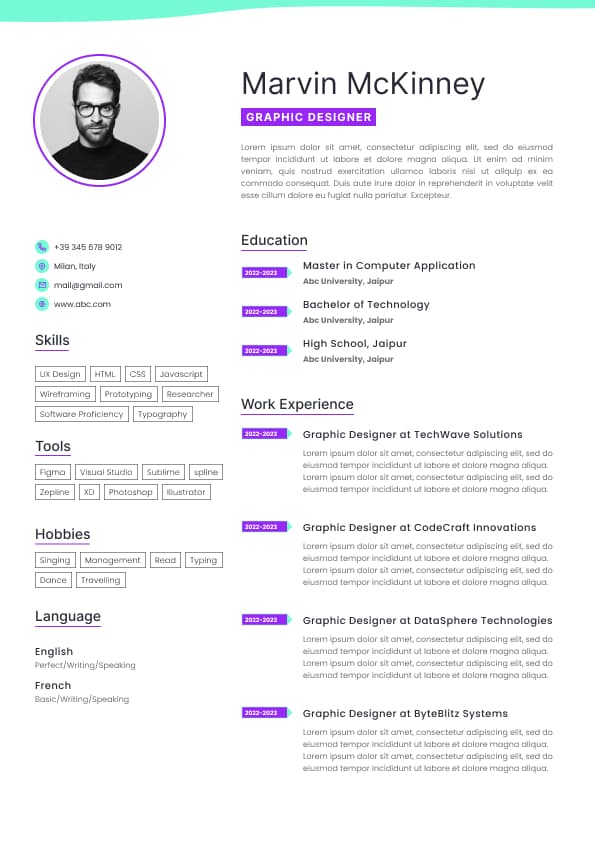
Use professional field-tested resume templates that follow the exact Resume rules employers look for.
Create Resume































 Upload Resume
 Import from Linkedin