STILL APPLYING. STILL HEARING NOTHING?BUILD YOUR RESUME

STILL APPLYING. STILL HEARING NOTHING?BUILD YOUR RESUME
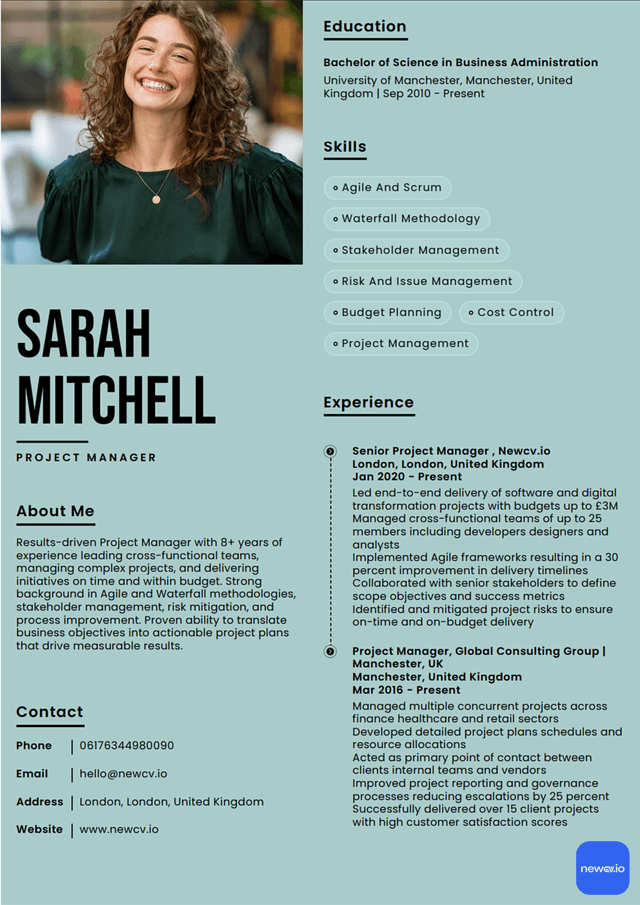
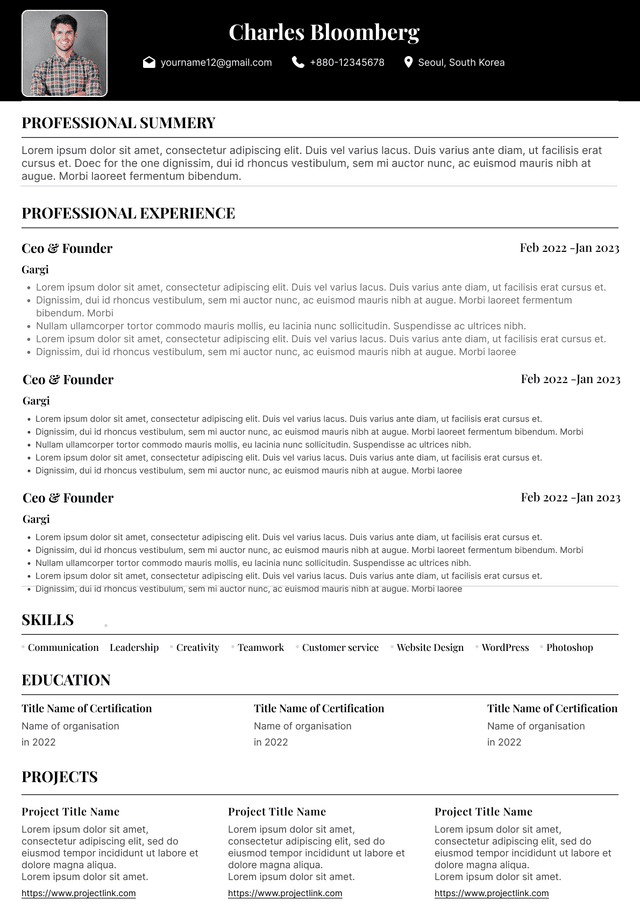
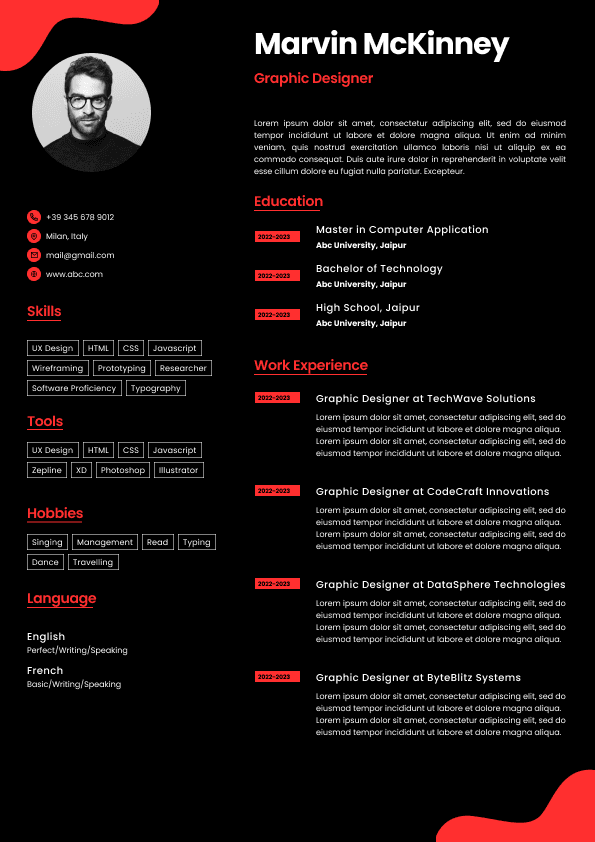
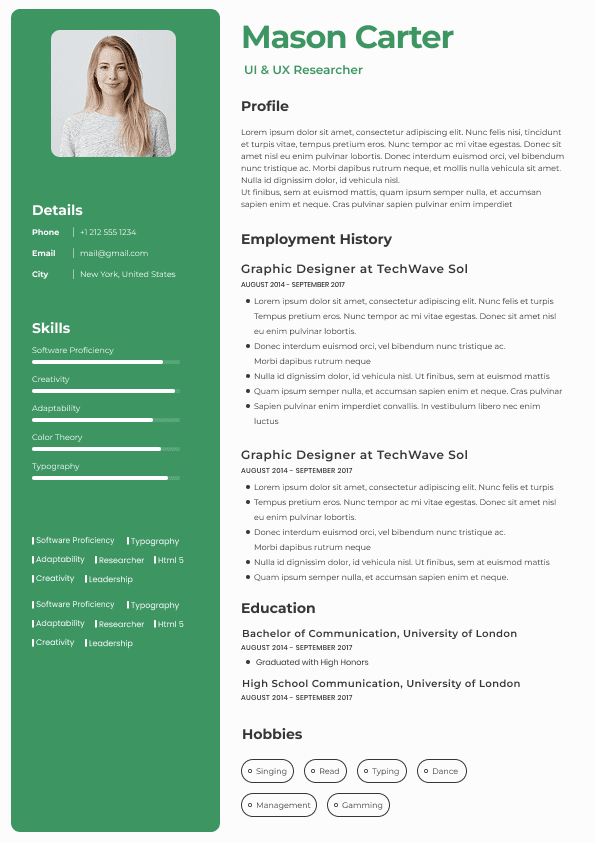
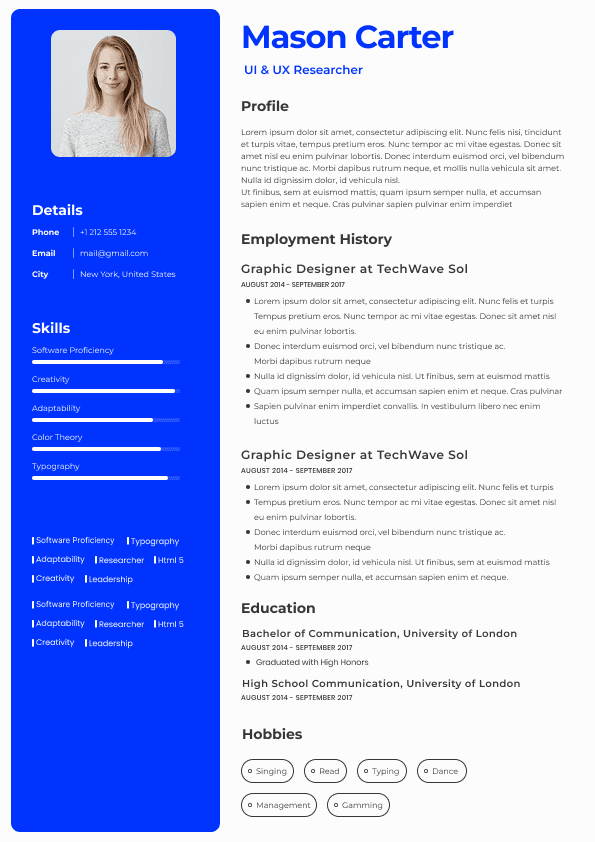
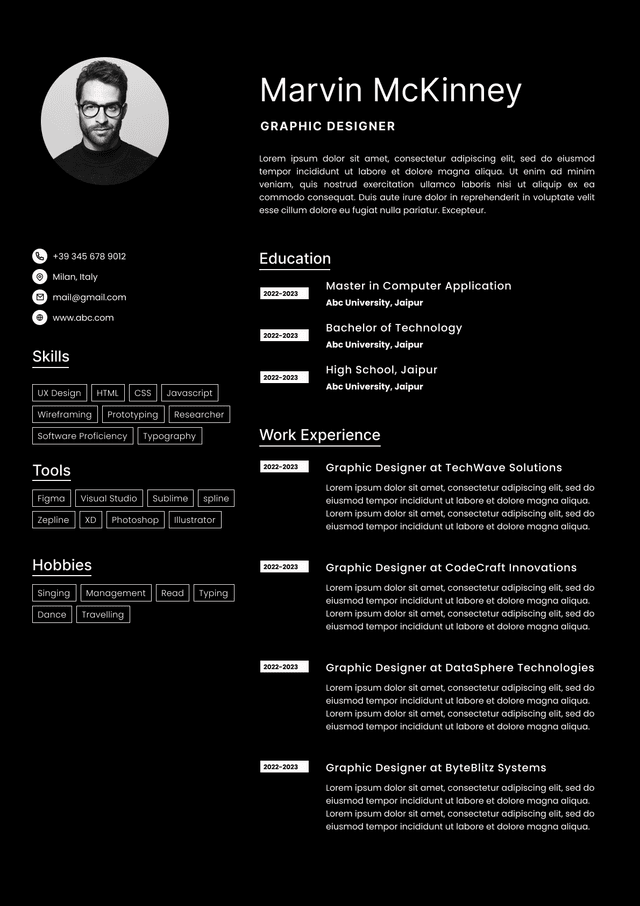
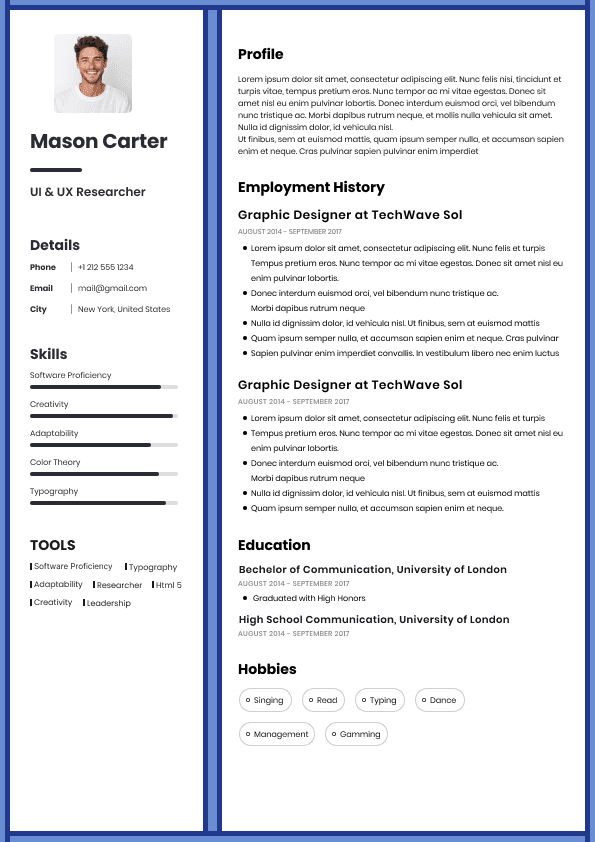
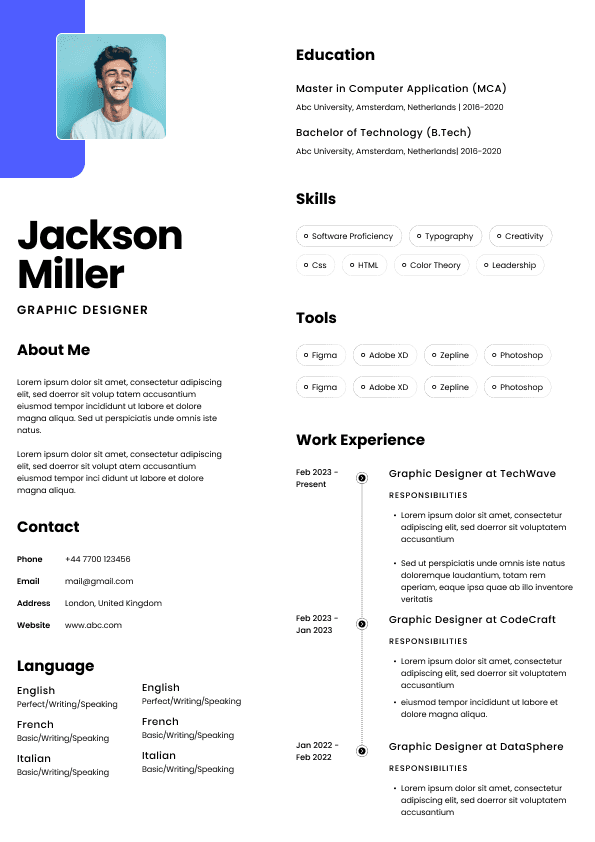
Choose from a wide range of NEWCV resume templates and customize your NEWCV design with a single click.
FAQ
Modern companies hiring JavaScript developers for real-time applications are not looking for generic frontend or Node.js experience. They want engineers who can design, scale, debug, and optimize live systems where milliseconds matter. That includes chat platforms, collaborative apps, fintech dashboards, logistics tracking systems, gaming infrastructure, and live analytics platforms.
Your resume needs to prove three things immediately:
You understand event-driven architecture
You can build and scale real-time communication systems
You know how to solve latency, synchronization, and reliability problems in production
Most resumes fail because they list technologies without demonstrating real-time engineering impact. Hiring managers are specifically looking for evidence of WebSocket scalability, state synchronization, pub/sub architecture, reconnection handling, concurrent user management, and low-latency UI performance.
This guide shows exactly how to structure a high-impact JavaScript developer resume for real-time applications, what recruiters actually evaluate, which skills matter most, and how to write bullet points that position you for interviews in SaaS, fintech, gaming, collaboration, and live analytics companies.
Hiring managers reviewing resumes for real-time JavaScript roles evaluate candidates differently than standard frontend or backend developers.
They are trying to answer these questions quickly:
Can this developer handle live production systems?
Do they understand real-time communication architecture?
Have they solved synchronization and latency problems before?
Can they scale event-driven systems reliably?
Do they understand distributed state management?
Have they worked with high-concurrency applications?
A resume that only says “built web applications using React and Node.js” is too generic for these roles.
A stronger resume demonstrates:
Many candidates overload resumes with frontend frameworks while underrepresenting the infrastructure and architecture skills that hiring teams actually care about.
For real-time application roles, these skills matter most.
Hiring managers expect direct experience with:
WebSockets
Socket.io
Server-Sent Events (SSE)
WebRTC
GraphQL subscriptions
Redis Pub/Sub
Your resume should communicate specialization immediately.
Generic software engineering resumes often fail because recruiters cannot quickly identify your niche.
Use this structure.
Your summary should position you as a real-time systems developer, not just a JavaScript engineer.
“JavaScript developer with experience building web applications using React and Node.js.”
This says nothing about specialization.
“JavaScript developer with 6+ years of experience building scalable real-time applications using Node.js, Socket.io, React, Redis Pub/Sub, and WebRTC. Delivered low-latency collaboration platforms, live operational dashboards, and event-driven SaaS systems supporting 250K+ concurrent users.”
The second version immediately signals domain expertise.
This section is critical for ATS filtering and recruiter scanning.
Group skills strategically instead of dumping technologies randomly.
Real-Time Technologies: WebSockets, Socket.io, WebRTC, SSE, GraphQL Subscriptions
Frontend: React, Next.js, TypeScript, Redux, RxJS
Backend: Node.js, Express.js, NestJS
Messaging & Streaming: Redis Pub/Sub, Kafka, RabbitMQ
Cloud & Infrastructure: AWS API Gateway, AppSync, Docker, Kubernetes
Databases: PostgreSQL, MongoDB, Firebase, Firestore
This is where most candidates lose interviews.
Weak bullet points only describe tasks.
Strong bullet points demonstrate engineering complexity, production impact, and measurable business outcomes.
Recruiters prioritize bullets showing:
Scalability
Performance improvements
Reliability engineering
Real-time synchronization logic
Event handling optimization
User experience impact
Built a scalable real-time chat platform using React, Node.js, Socket.io, Redis Pub/Sub, and PostgreSQL supporting 120K+ concurrent users
Implemented WebSocket reconnection handling and offline message synchronization, reducing session interruption rates by 47%
Optimized event broadcasting architecture using Redis Pub/Sub, decreasing message delivery latency from 850ms to 120ms
Developed live operational dashboards with real-time metric streaming, eliminating manual refresh workflows and improving monitoring efficiency by 80%
Engineered event-driven UI updates using RxJS and WebSockets to process 2M+ daily events with sub-second rendering
Recruiters trust measurable impact more than technical buzzwords.
Strong KPIs for real-time engineering roles include:
Message delivery latency
Concurrent user counts
Event processing throughput
Uptime percentage
Notification delivery success rate
API response times
Real-time synchronization speed
Dashboard refresh reduction
These are the patterns recruiters repeatedly reject.
Many candidates position themselves as generic React developers while burying their real-time architecture experience.
For these roles, your differentiator is event-driven engineering, not component creation.
Your resume should emphasize:
Communication protocols
Distributed systems
Synchronization logic
State consistency
Scaling strategies
Infrastructure resilience
This is one of the biggest recruiter frustrations.
“Socket.io, Redis, Kafka, React, Node.js”
This tells recruiters nothing about your actual capabilities.
“Integrated Redis Pub/Sub and Socket.io to support horizontally scalable real-time event broadcasting across microservices.”
Always connect technologies to outcomes.
Real-time systems become difficult at scale.
Hiring managers specifically search for:
Concurrent user handling
Horizontal scaling
Load balancing
Distributed event processing
Queue optimization
Memory efficiency
Even small scalability examples improve positioning significantly.
Production real-time systems fail constantly without resilience planning.
Strong resumes include experience with:
Reconnection logic
Retry mechanisms
Backpressure handling
Offline synchronization
Connection recovery
Event deduplication
These details separate senior-level candidates from mid-level developers.
These keywords improve ATS alignment naturally when integrated correctly.
WebSockets
Socket.io
Event-Driven Architecture
Real-Time Communication
Live Data Streaming
WebRTC
Redis Pub/Sub
Your resume should subtly align with industry-specific priorities.
Different sectors care about different real-time engineering capabilities.
FinTech recruiters prioritize:
Low-latency architecture
Event reliability
High-frequency updates
Real-time analytics
Fault tolerance
These companies care most about:
Multi-user synchronization
Presence indicators
Conflict resolution
Shared state management
Real-time editing
Key focus areas include:
Live tracking systems
Event processing pipelines
Notification infrastructure
Dashboard synchronization
Gaming companies evaluate:
Multiplayer synchronization
WebSocket optimization
Latency reduction
Concurrent session handling
Healthcare systems prioritize:
Real-time alerts
Data integrity
Uptime reliability
Event accuracy
System resilience
Understanding this helps position your experience properly.
Mid-level candidates usually:
Build features inside existing architecture
Implement Socket.io functionality
Handle frontend synchronization
Debug real-time state issues
Their resumes focus more on implementation.
Senior candidates demonstrate:
System architecture ownership
Scaling strategy decisions
Reliability engineering
Distributed systems knowledge
Event-stream optimization
Infrastructure planning
Their resumes focus on system-level outcomes.
If you are targeting senior roles, your resume must show architectural thinking, not just feature development.
Most companies hiring for these roles use ATS filtering before human review.
Your resume needs both technical relevance and readability.
Use standard headings like “Experience,” “Skills,” and “Projects”
Include exact technology names from job descriptions
Use both acronyms and full terminology where relevant
Avoid graphics and complex formatting
Keep bullet points achievement-focused
Many real-time engineering job descriptions contain highly specific terms.
For example:
JavaScript Developer with 7+ years of experience building scalable real-time applications using React, Node.js, Socket.io, WebRTC, Redis Pub/Sub, and Kafka. Specialized in low-latency communication systems, live dashboards, collaborative SaaS platforms, and event-driven architectures supporting high-concurrency environments. Proven success improving real-time delivery speed, synchronization reliability, and frontend responsiveness across production-scale applications.
Real-Time Technologies: WebSockets, Socket.io, WebRTC, GraphQL Subscriptions, SSE
Frontend: React, Next.js, TypeScript, Redux, RxJS
Backend: Node.js, Express.js, NestJS
Messaging Systems: Redis Pub/Sub, Kafka, RabbitMQ
Cloud & Infrastructure: AWS API Gateway, AppSync, Docker, Kubernetes
Databases: PostgreSQL, MongoDB, Firebase, Firestore
Architecture: Event-Driven Systems, Distributed Messaging, Real-Time Synchronization
Velocity SaaS Solutions — Austin, TX
2022 – Present
Built scalable real-time collaboration features using React, Node.js, Socket.io, and Redis supporting 180K+ monthly active users
Developed WebSocket connection recovery workflows reducing user session interruption rates by 51%
Designed event-driven dashboard architecture processing 3.2M+ real-time events daily with sub-second rendering latency
Implemented optimistic UI synchronization improving user interaction responsiveness by 63%
Integrated Kafka event streaming pipelines for scalable cross-service communication and live notification delivery
For these roles, projects matter more than many candidates realize.
Hiring managers often use projects to validate whether you truly understand real-time architecture.
Strong portfolio projects include:
Multi-user collaborative editors
Real-time chat systems
Trading dashboards
Multiplayer interaction systems
Live analytics platforms
Notification engines
WebRTC communication apps
Projects become far more compelling when you explain:
Real-time application hiring is highly specialized.
Companies are not simply hiring “JavaScript developers.” They are hiring engineers capable of building reliable, scalable, event-driven systems where user experience depends on synchronization speed and infrastructure stability.
The strongest resumes communicate specialization immediately.
Your resume should show:
Real-time architecture expertise
Event-driven engineering knowledge
Scalability experience
Production reliability handling
Performance optimization
Measurable system impact
Generic frontend resumes rarely compete successfully for these positions.


Use ATS-optimised Resume and resume templates that pass applicant tracking systems. Our Resume builder helps recruiters read, scan, and shortlist your Resume faster.

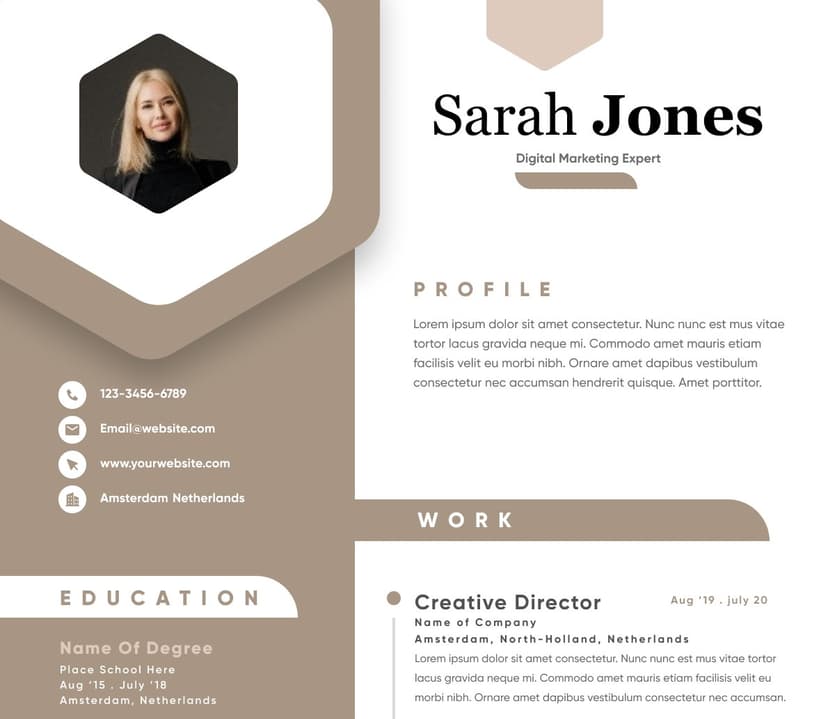
Use professional field-tested resume templates that follow the exact Resume rules employers look for.
Create Resume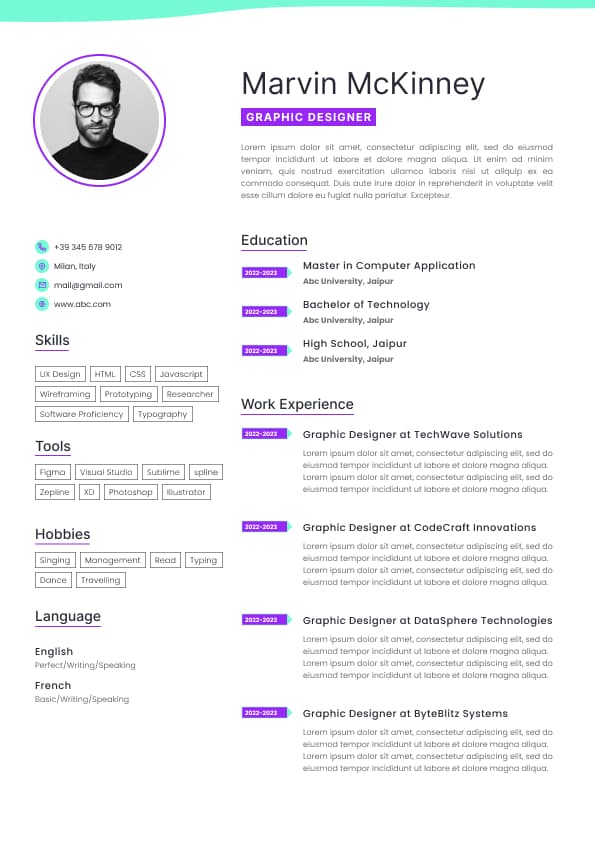
Use professional field-tested resume templates that follow the exact Resume rules employers look for.
Create ResumeReal-time communication implementation
WebSocket architecture knowledge
Message queue or pub/sub experience
Concurrent user scaling
Event processing optimization
Reconnection and fault-tolerance handling
Real-time UI synchronization
Performance monitoring and debugging
Recruiters also heavily prioritize measurable outcomes because real-time engineering directly impacts user experience.
Kafka
RabbitMQ
Firebase Realtime Database
Firestore realtime listeners
Supabase Realtime
If you have experience with event streaming, message brokers, or distributed communication systems, surface those prominently.
Frontend experience still matters heavily because real-time UX introduces unique complexity.
Most competitive resumes include:
React
Next.js
TypeScript
RxJS
Zustand or Redux
Optimistic UI handling
Event-driven state management
Real-time rendering optimization
Hiring managers specifically look for developers who understand how live state impacts frontend performance.
Real-time systems fail without strong backend architecture.
Strong resumes often include:
Node.js
Express.js
NestJS
Redis caching
Horizontal scaling
Load balancing
Event broadcasting
API Gateway WebSockets
AWS AppSync
Docker
Kubernetes
Candidates with infrastructure awareness stand out significantly in real-time engineering hiring.
Architecture: Event-Driven Systems, Pub/Sub Patterns, CQRS, Real-Time Synchronization
This structure helps recruiters quickly validate technical alignment.
Infrastructure resilience
Built real-time alerting infrastructure for logistics tracking systems with 99.98% uptime reliability
Created collaborative editing features with live cursors, presence indicators, and conflict resolution logic for distributed teams
Implemented optimistic UI synchronization strategies that improved perceived responsiveness by 65%
Designed scalable document synchronization architecture supporting simultaneous multi-user editing sessions
Developed low-latency market data streaming systems using WebSockets and Kafka for real-time trading dashboards
Reduced trade notification delivery times by 72% through event queue optimization and WebSocket infrastructure tuning
Built fault-tolerant reconnection workflows for high-frequency trading interfaces handling volatile network conditions
Integrated WebRTC-based video communication features supporting peer-to-peer collaboration and screen sharing
Improved call stability through ICE candidate optimization and adaptive reconnection strategies
Built signaling infrastructure using Socket.io and Node.js to support live conferencing features
User engagement increases
Infrastructure scaling improvements
“Worked on live notifications.”
“Implemented real-time notification delivery infrastructure with 99.95% delivery success across 1.8M monthly events.”
Specificity dramatically improves credibility.
GraphQL Subscriptions
Kafka
RabbitMQ
Optimistic UI
Live State Synchronization
Event-Driven UI
Reactive Programming
RxJS
Real-Time Rendering
Horizontal Scaling
Concurrent Users
Distributed Systems
Event Queues
Low-Latency Systems
Real-Time APIs
Avoid keyword stuffing. Recruiters can instantly spot resumes written only for ATS systems.
“WebSocket architecture”
“Real-time event streaming”
“Pub/sub messaging”
“Concurrent connection management”
If your resume lacks these exact concepts, ATS ranking can drop significantly even if you have relevant experience.
2019 – 2022
Developed live operational dashboards with real-time metric updates eliminating manual refresh workflows for enterprise clients
Engineered scalable pub/sub messaging systems using Redis and Socket.io reducing event delivery latency by 68%
Built real-time alerting infrastructure with 99.97% uptime reliability across logistics monitoring applications
Optimized frontend rendering performance for live data feeds handling 50K+ concurrent WebSocket connections
Scaling strategy
State synchronization approach
Latency optimization
Event broadcasting architecture
Reliability handling
Most developers only show features. Strong candidates explain engineering decisions.
Specificity wins.
The more clearly your resume demonstrates experience with live systems, concurrent users, synchronization complexity, and event-driven infrastructure, the stronger your interview conversion rate becomes.



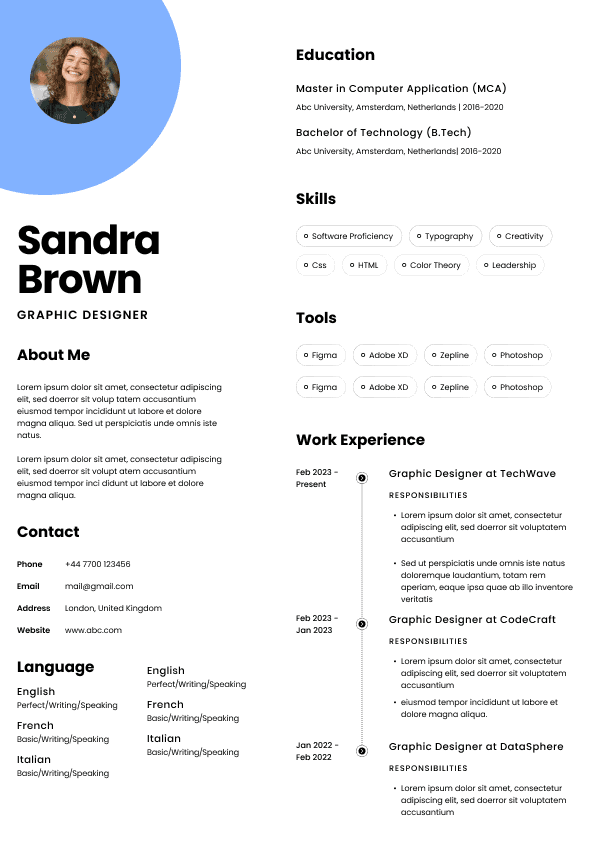
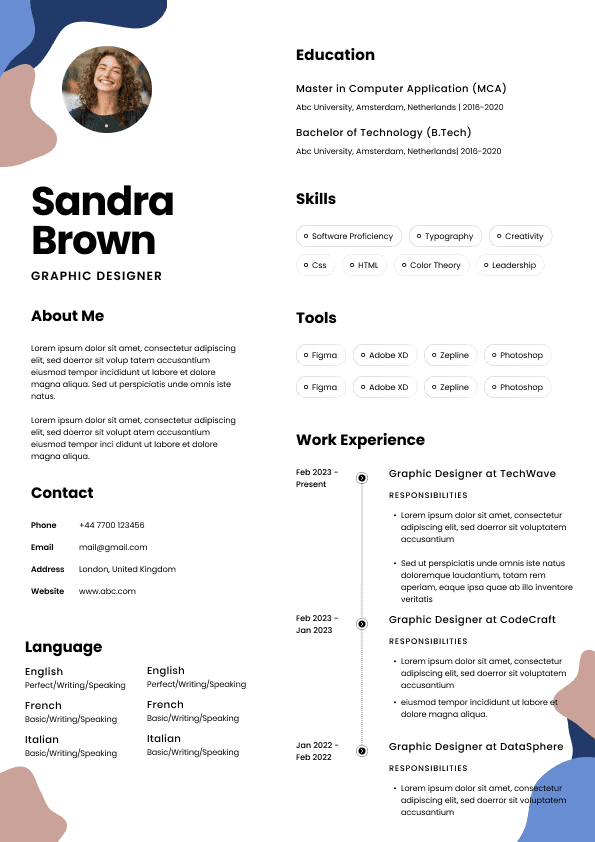
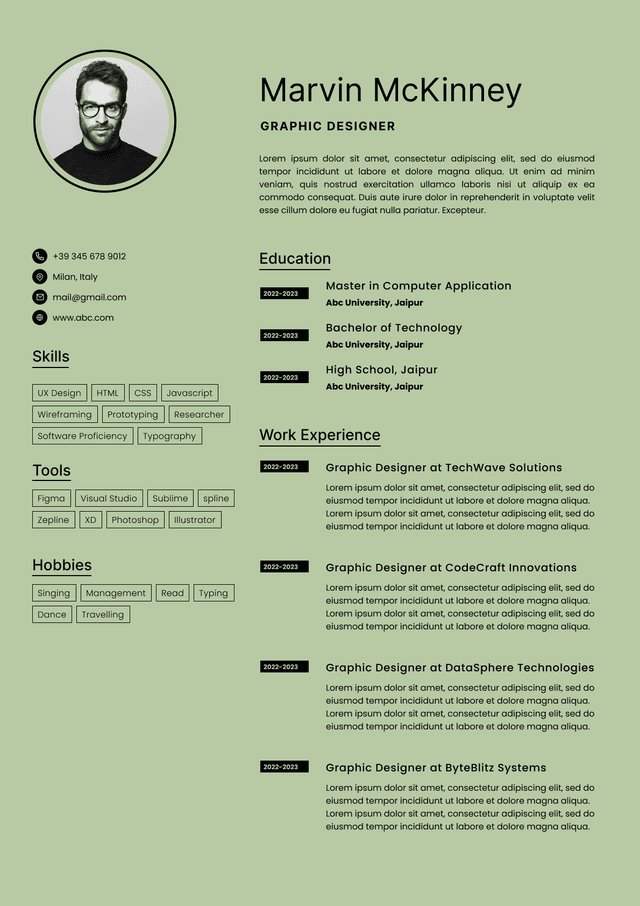
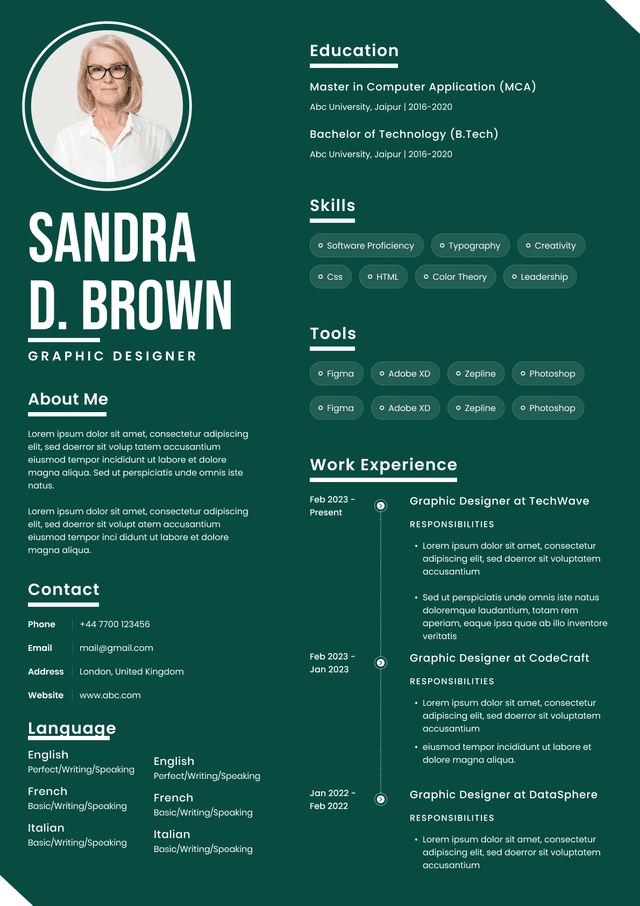
 Upload Resume
 Import from Linkedin