STILL APPLYING. STILL HEARING NOTHING?BUILD YOUR RESUME

STILL APPLYING. STILL HEARING NOTHING?BUILD YOUR RESUME
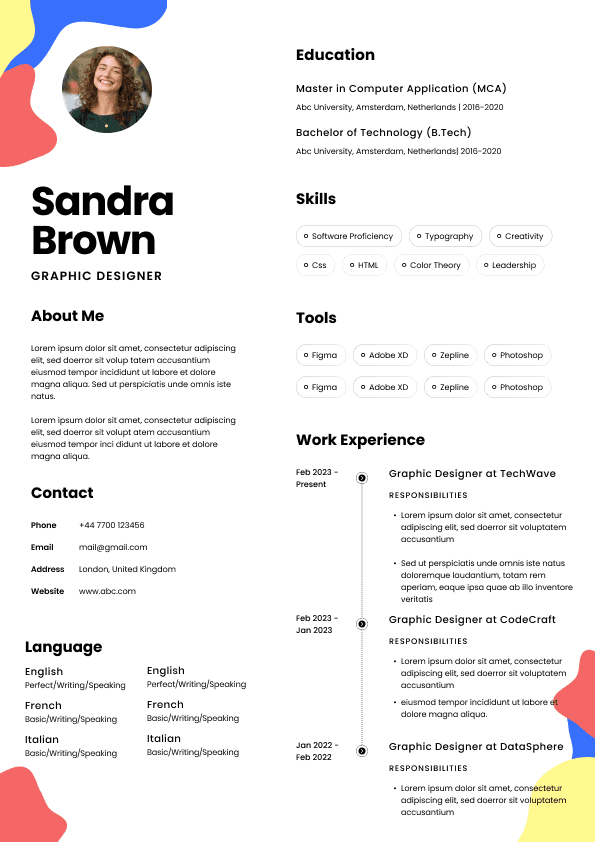
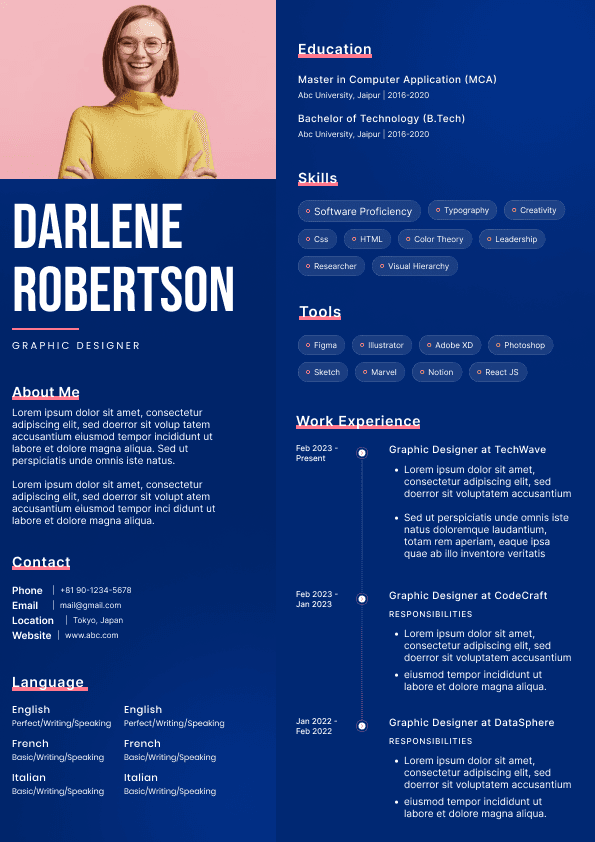
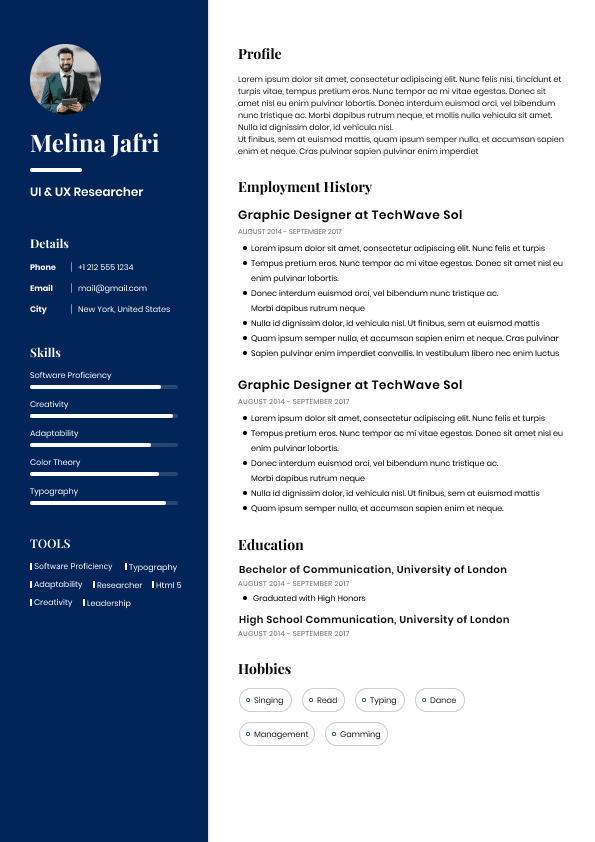
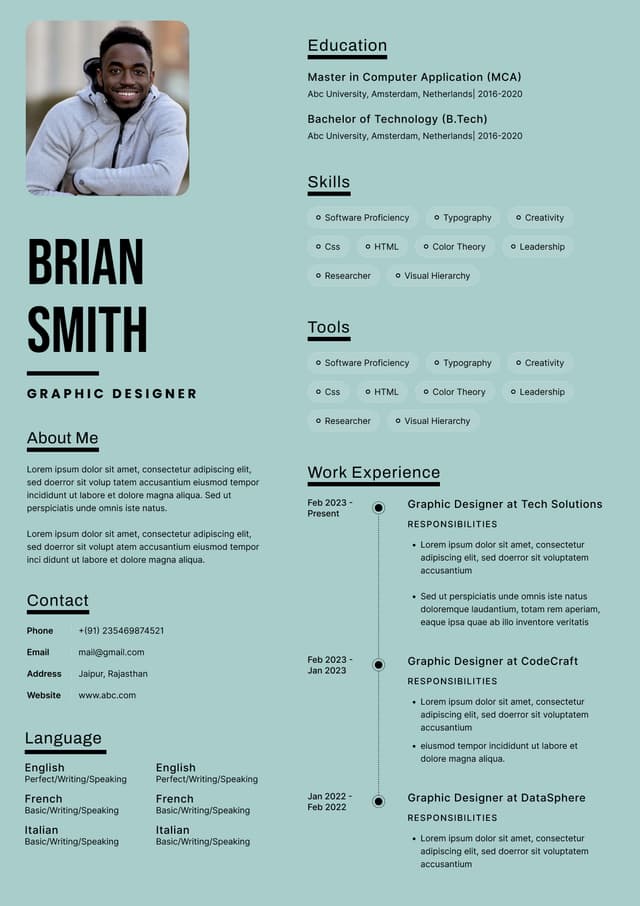
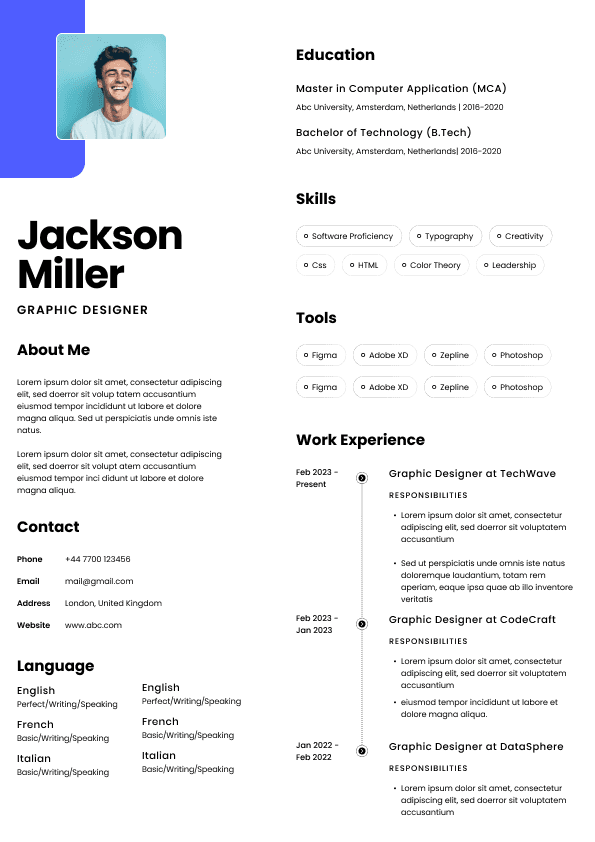
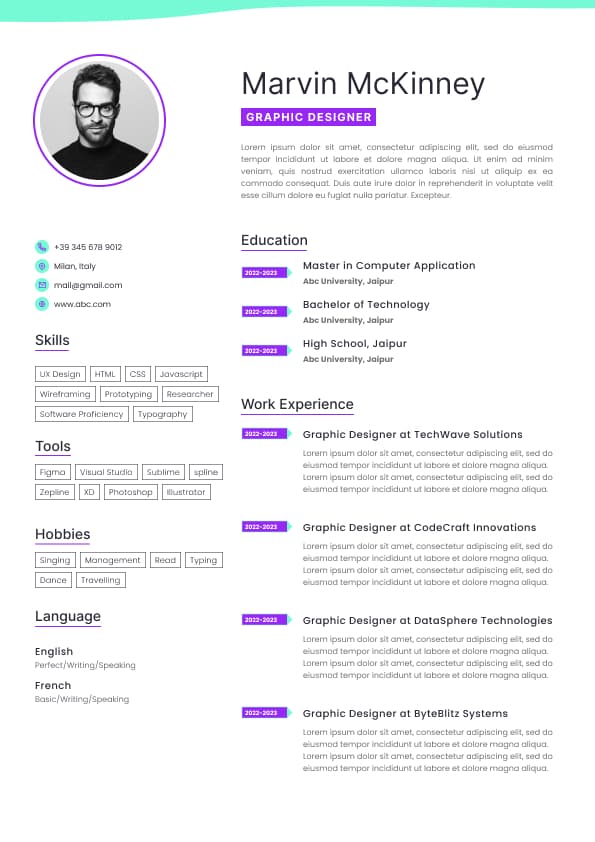
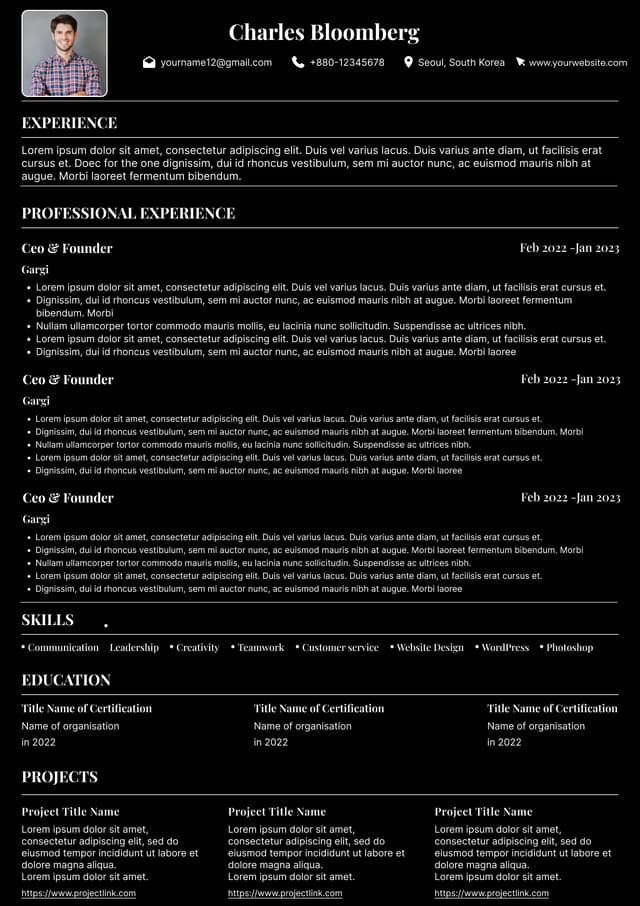
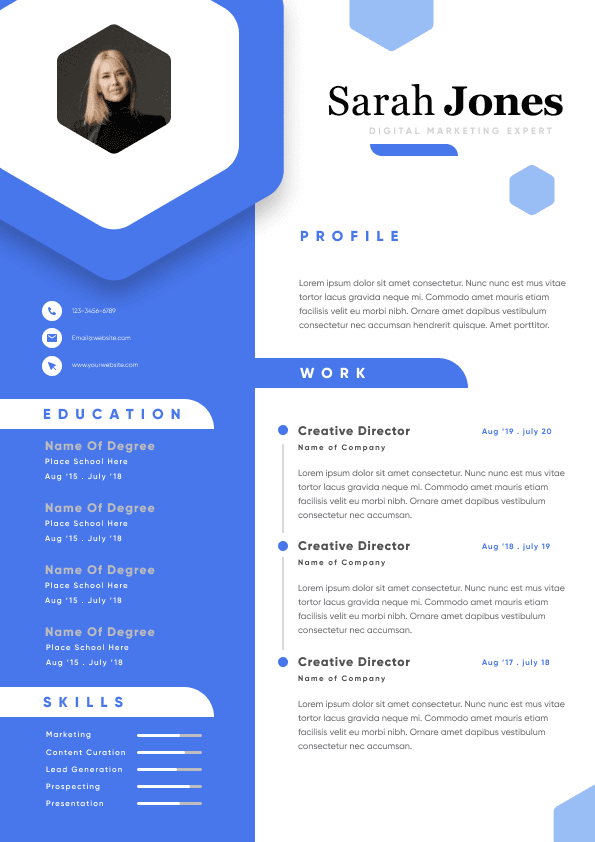
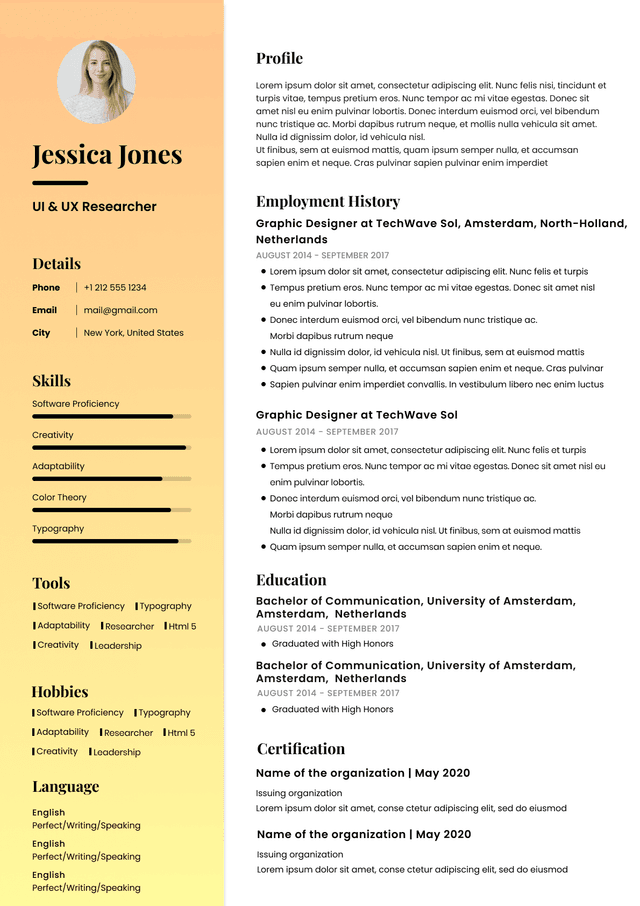
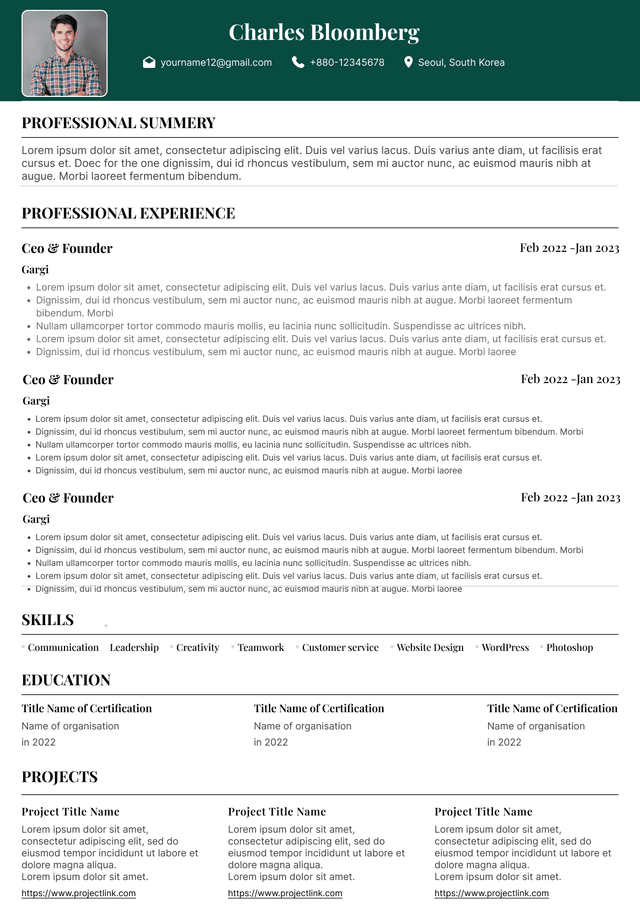
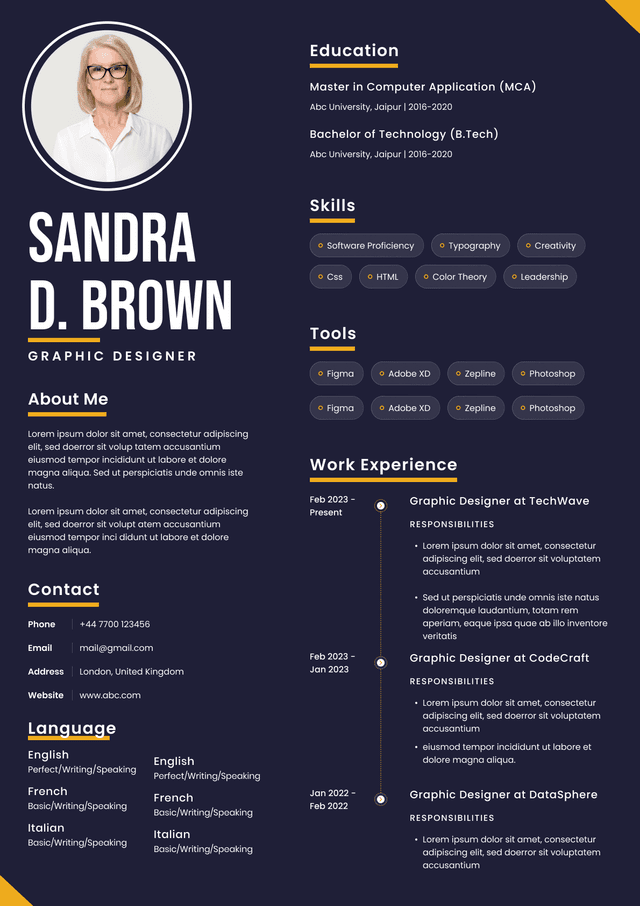
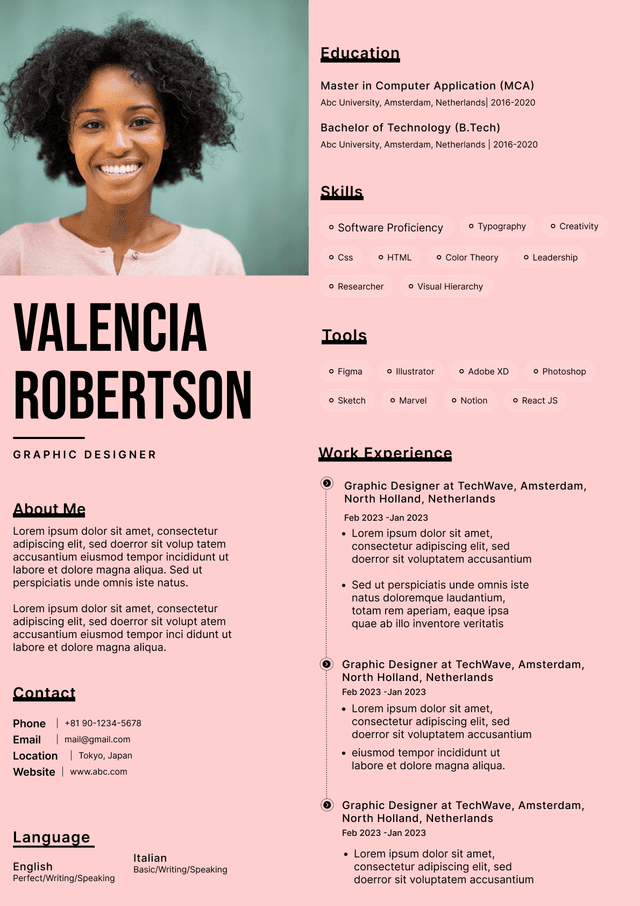
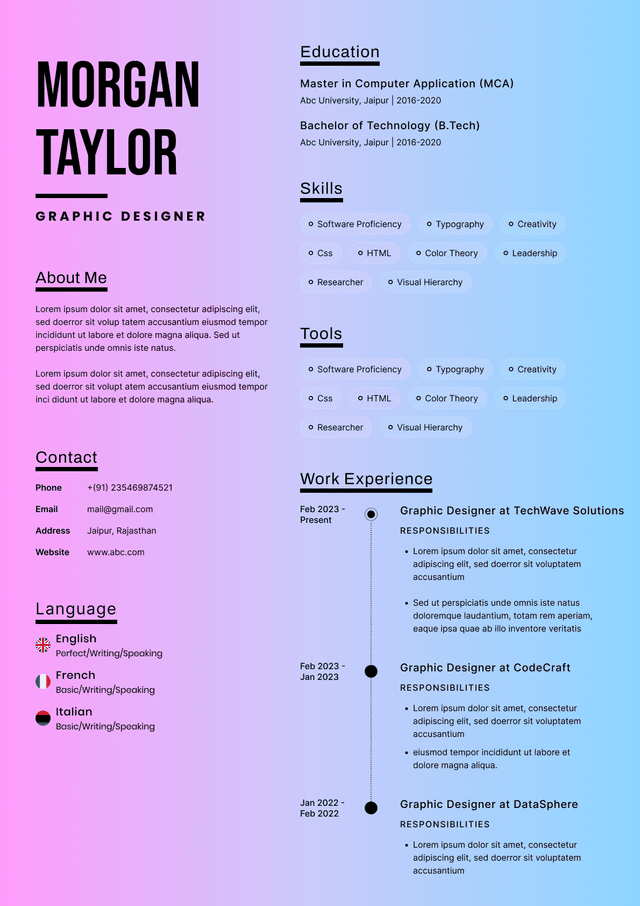
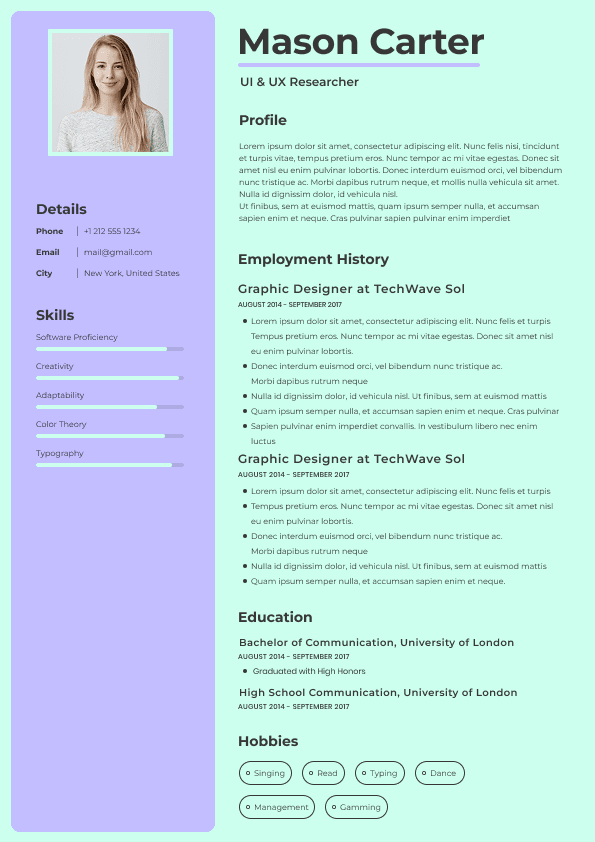
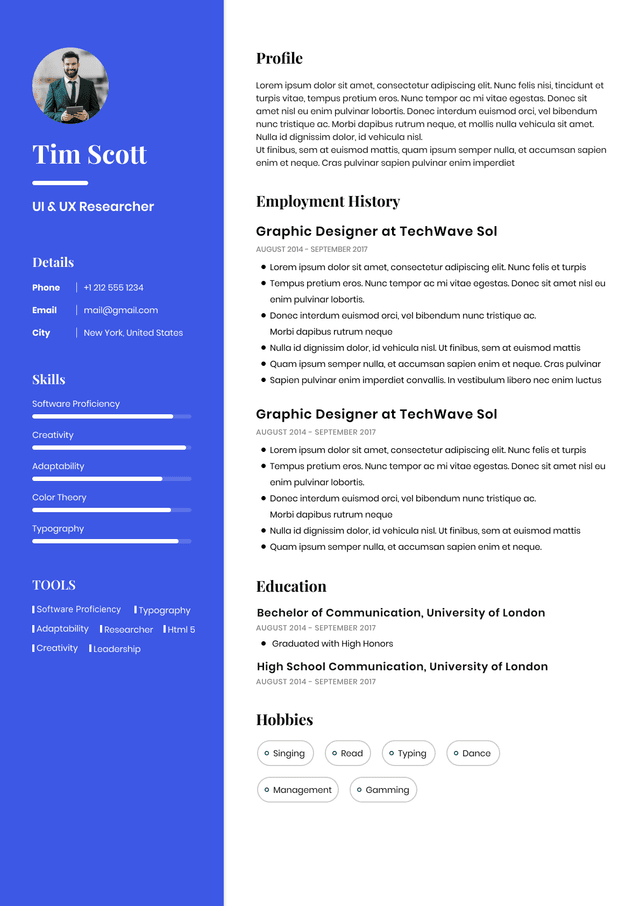
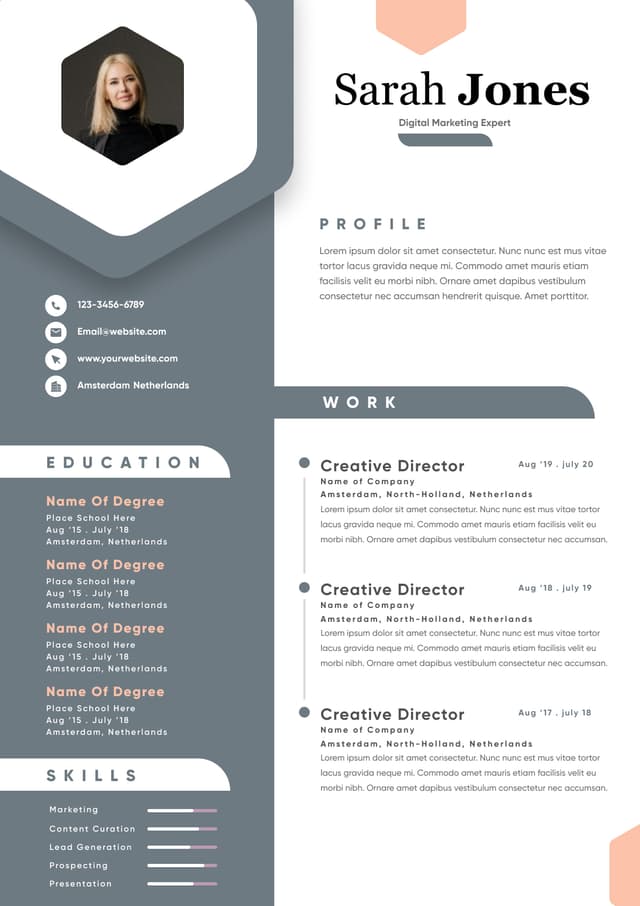
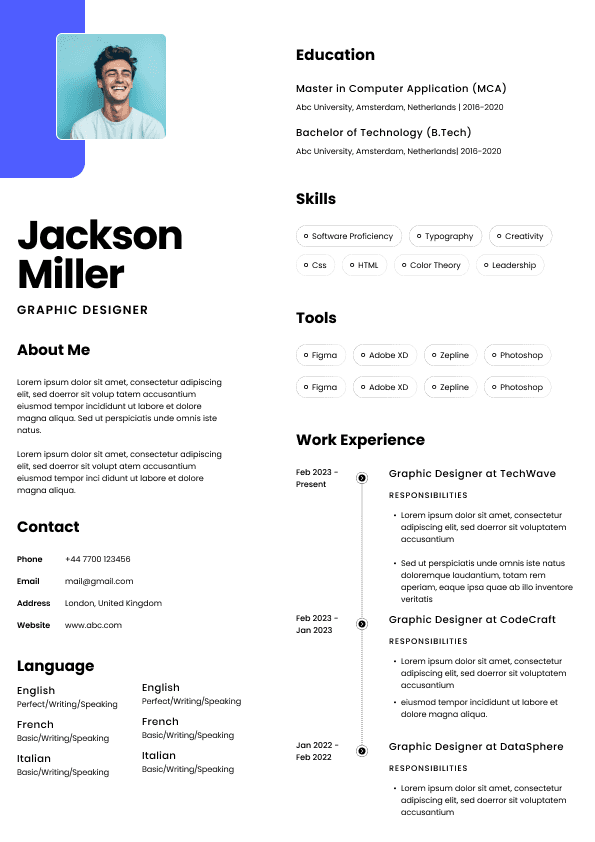
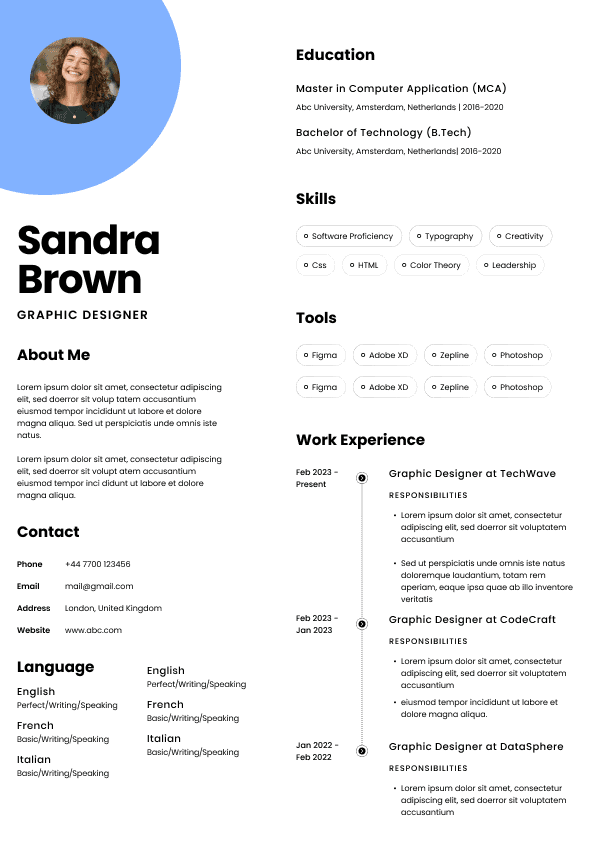
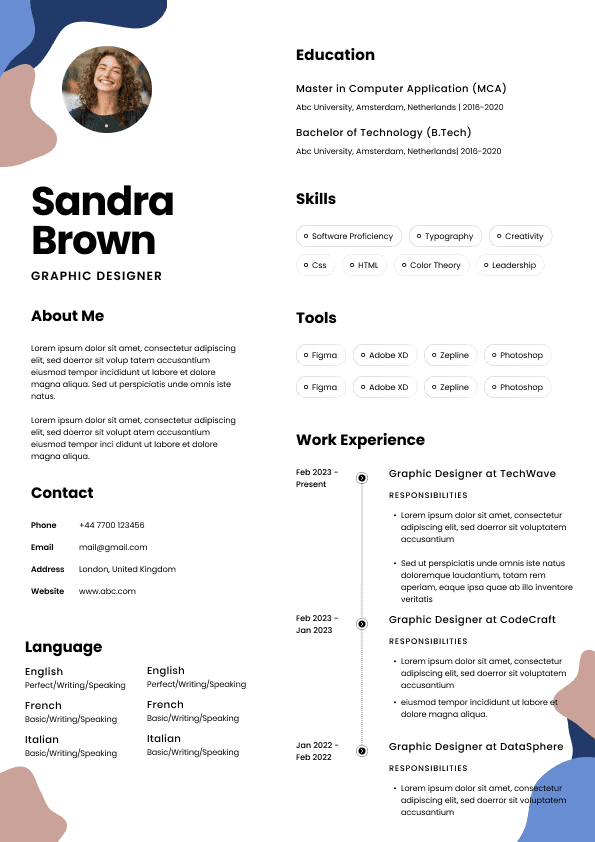
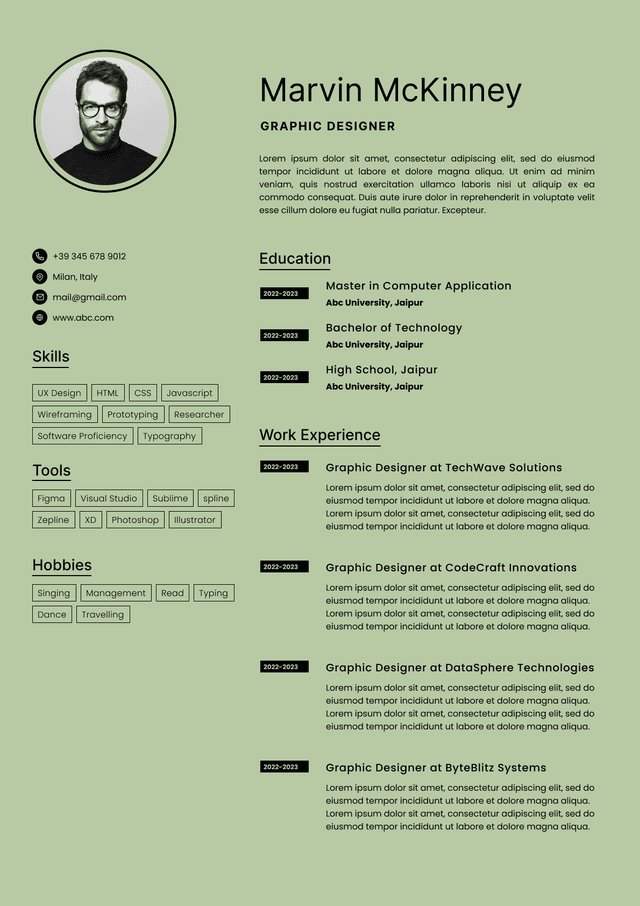
Choose from a wide range of NEWCV resume templates and customize your NEWCV design with a single click.
FAQ
Modernization hiring is one of the fastest-growing segments in enterprise technology hiring, especially for companies migrating legacy .NET Framework applications to Azure-native architectures. Employers are not just looking for developers who can write C# code. They want engineers who can reduce technical debt, modernize monoliths, improve deployment reliability, lead cloud transformation initiatives, and migrate enterprise systems with minimal downtime.
A strong .NET modernization resume must prove three things immediately:
You understand enterprise migration strategy
You can execute modernization at scale
You can deliver measurable business outcomes
Most candidates fail because their resumes read like traditional .NET developer resumes instead of cloud transformation resumes. Hiring managers screening modernization candidates are specifically looking for migration ownership, Azure architecture depth, modernization patterns, DevOps maturity, and production-scale transformation experience.
This guide shows exactly how to position yourself for Azure cloud migration and enterprise modernization roles in today’s US market.
Enterprise modernization hiring is fundamentally different from standard software development hiring.
Companies investing millions into modernization initiatives are trying to solve problems like:
Rising infrastructure costs
Slow deployment cycles
Legacy system instability
Security risks from unsupported platforms
Poor scalability under production load
Technical debt accumulation
Developer productivity bottlenecks
Your resume should position you as a transformation engineer, not just a developer.
That distinction matters.
Enterprise modernization hiring managers want candidates who can bridge:
Legacy enterprise systems
Modern cloud-native architecture
Business continuity requirements
Infrastructure modernization
Secure deployment practices
Operational scalability
The strongest resumes frame experience around modernization outcomes rather than tasks.
Modernization resumes should emphasize transformation depth early.
Use this structure:
Your summary should immediately establish:
Azure modernization expertise
Enterprise migration experience
Cloud-native architecture capability
Scale of systems worked on
Years of modernization experience
Group skills strategically.
Do not create a random keyword dump.
Use categories like:
The most competitive resumes naturally include these enterprise modernization signals.
Azure App Service
Azure Functions
Azure SQL Database
Azure Kubernetes Service
Azure Service Bus
Azure API Management
Azure Key Vault
Good Example
“Senior .NET modernization engineer with 10+ years of experience leading enterprise cloud transformation initiatives across financial services, healthcare, and SaaS environments. Specialized in migrating legacy ASP.NET and .NET Framework applications to Azure-native architectures using .NET 8, Kubernetes, Azure App Service, and event-driven microservices. Proven track record reducing infrastructure costs, accelerating deployment velocity, and improving application scalability for enterprise-scale platforms supporting millions of users.”
Good Example
“Azure migration consultant experienced in enterprise application modernization, cloud readiness assessments, and large-scale .NET migration programs. Expertise includes monolith decomposition, containerization, CI/CD modernization, and Azure infrastructure automation using Terraform and Bicep. Successfully led production modernization initiatives with minimal downtime and measurable operational improvements.”
This is where most candidates underperform.
Modernization resumes need transformation-focused bullets.
Good Example
Good Example
Good Example
Good Example
Good Example
ATS optimization still matters heavily for modernization roles.
But keyword stuffing fails.
The goal is semantic alignment with enterprise modernization hiring requirements.
Strong modernization resumes naturally include terms like:
.NET Framework to .NET 8 migration
Azure cloud migration
Enterprise modernization
Cloud transformation
Technical debt reduction
Monolith modernization
Microservices migration
Modernization hiring managers are usually evaluating risk.
They ask themselves:
Can this candidate modernize production systems safely?
Can they handle enterprise complexity?
Can they reduce migration risk?
Do they understand architecture tradeoffs?
Can they modernize without disrupting business operations?
Your resume must reduce those concerns.
Many candidates over-focus on implementation details and under-focus on migration outcomes.
For example:
Enterprise modernization hiring strongly favors scale indicators.
Always include context like:
Number of applications migrated
Number of users supported
Transaction volume
Infrastructure scale
Cross-functional coordination
Compliance environments
High-availability requirements
Most resumes lack architecture depth.
These concepts dramatically improve perceived seniority when used naturally and accurately:
Strangler fig migration
Event-driven systems
Bounded contexts
API gateway architecture
Distributed systems
Cloud-native decomposition
Service mesh
Many resumes incorrectly position Azure experience as infrastructure-only experience.
Modern cloud transformation hiring expects engineering depth.
Strong cloud-native positioning includes:
Stateless service design
Distributed systems architecture
Horizontal scalability
Event-driven processing
Infrastructure automation
Observability implementation
Secure secret management
Certifications alone will not get interviews.
But they help when paired with strong modernization experience.
The most valuable certifications for modernization hiring are:
Microsoft Certified: Azure Solutions Architect Expert
Azure Developer Associate
Azure DevOps Engineer Expert
Certified Kubernetes Application Developer
Terraform Associate
Certifications matter most when:
Transitioning into modernization roles
Candidates position themselves as standard developers instead of transformation specialists.
Migration work without measurable outcomes looks weak.
Listing Azure tools without explaining transformation initiatives reduces credibility.
Enterprise employers want production modernization experience, not personal projects.
Huge keyword lists without strategic organization make resumes harder to scan.
Your resume should tell a transformation story, not a collection of unrelated tasks.
The strongest resumes consistently follow this structure:
What legacy environment existed?
What transformation occurred?
Which Azure and modernization tools were involved?
What measurable improvement happened?
“Modernized [legacy system] using [modernization approach] and [Azure technologies], resulting in [business impact].”
“Modernized monolithic claims processing platform using microservices decomposition and Azure Kubernetes Service, reducing release cycle timelines from 4 weeks to 3 days.”
This framework consistently performs well in enterprise modernization hiring.
Senior modernization candidates should emphasize:
Migration strategy
Cross-functional leadership
Architecture decision-making
Platform modernization ownership
Enterprise governance
Risk mitigation
Cloud cost optimization
Stakeholder collaboration
The more senior the role, the less hiring managers care about isolated coding tasks.
When recruiters search LinkedIn or ATS databases for modernization candidates, these signals heavily influence outreach decisions:
Azure migration experience
.NET modernization
Cloud-native architecture
Enterprise application modernization
Kubernetes modernization
Production migration leadership
CI/CD modernization
Technical debt reduction

Use ATS-optimised Resume and resume templates that pass applicant tracking systems. Our Resume builder helps recruiters read, scan, and shortlist your Resume faster.

Use professional field-tested resume templates that follow the exact Resume rules employers look for.
Create Resume
Use professional field-tested resume templates that follow the exact Resume rules employers look for.
Create ResumeOn-premises infrastructure limitations
Because of this, recruiters and hiring managers screen modernization resumes differently.
They prioritize candidates who demonstrate:
Real migration ownership
Enterprise-scale modernization experience
Azure-native architecture knowledge
Risk mitigation capability
CI/CD modernization experience
Cloud cost optimization awareness
Cross-functional collaboration
Production migration success
A resume that only lists technologies without modernization outcomes will usually fail early screening.
Most weak resumes have these patterns:
Generic .NET development descriptions
No mention of migration strategy
No business impact metrics
No modernization architecture terminology
No cloud-native implementation details
No deployment automation experience
No enterprise-scale systems context
Heavy focus on coding instead of transformation outcomes
Strong modernization resumes consistently show:
Legacy-to-modern migration ownership
Azure migration execution
Technical debt reduction initiatives
Infrastructure modernization
Containerization experience
Enterprise architecture collaboration
Deployment modernization
Scalability improvements
Reliability improvements
Measurable modernization KPIs
Weak Example
“Developed ASP.NET applications using C# and SQL Server.”
This sounds like thousands of generic developer resumes.
Good Example
“Led migration of enterprise ASP.NET MVC platform from .NET Framework 4.6 to .NET 8 and Azure App Service, reducing infrastructure costs by 38% while improving deployment frequency from monthly to daily releases.”
This demonstrates:
Migration ownership
Enterprise modernization
Cloud platform expertise
Business impact
DevOps maturity
Modern architecture alignment
That is the language recruiters search for.
Cloud Platforms
Modernization Architecture
DevOps & Automation
Enterprise Migration
Backend Technologies
Containerization & Orchestration
Infrastructure as Code
Monitoring & Observability
This section determines interview conversion rates.
Every bullet should demonstrate:
Transformation ownership
Scale
Technical modernization
Measurable outcome
Strong additions include:
Microsoft Certified: Azure Developer Associate
Azure Solutions Architect Expert
Azure DevOps Engineer Expert
Kubernetes certifications
Terraform certifications
Azure Monitor
Application Insights
Azure DevOps
Monolith decomposition
Microservices migration
Cloud-native refactoring
Event-driven architecture
Domain-driven design
CQRS
Service-oriented architecture
Distributed systems modernization
API decomposition
Strangler fig pattern
Docker
Kubernetes
Terraform
Bicep
ARM templates
CI/CD modernization
Infrastructure automation
GitHub Actions
Azure Pipelines
Deployment automation
Legacy application assessment
Cloud readiness assessment
Dependency analysis
Technical debt reduction
Migration planning
IIS migration
Windows Server modernization
SQL Server modernization
Infrastructure modernization
Good Example
Good Example
Good Example
Good Example
Containerization
Kubernetes modernization
Azure-native architecture
Deployment automation
Infrastructure modernization
CI/CD modernization
Cloud readiness assessment
Application refactoring
Observability implementation
Enterprise cloud migration
Certain phrases immediately increase recruiter confidence:
Production migration experience
Enterprise-scale transformation
Modernization leadership
Cloud-native development
Secure modernization practices
Large-scale technical transformation
Azure architecture
Migration strategy
These phrases imply business-critical experience rather than isolated development work.
“Used Docker and Kubernetes to deploy applications.”
This says almost nothing.
“Containerized legacy .NET applications and orchestrated deployments through Azure Kubernetes Service, improving deployment consistency and reducing rollback incidents by 53%.”
Now the hiring manager sees:
Real modernization context
Operational maturity
Production deployment experience
Business reliability impact
“Supported 10M+ monthly transactions”
“Migrated 120+ IIS-hosted enterprise services”
“Modernized multi-tenant SaaS platform”
“Led phased migration across 15 business units”
“Reduced downtime during production cutover to under 5 minutes”
Scale creates credibility.
Domain-driven design
CQRS implementation
Event sourcing
Resilient architecture patterns
Do not force these terms artificially.
Use them only when you genuinely worked with them.
Experienced hiring managers can detect fake architecture inflation quickly.
Container orchestration
Auto-scaling strategies
“Worked with Azure services.”
“Designed cloud-native .NET services on Azure Kubernetes Service with auto-scaling, centralized logging, and event-driven processing using Azure Service Bus.”
The second example demonstrates engineering maturity.
Competing in consulting markets
Targeting enterprise consulting firms
Lacking brand-name employers
They care about transformation leadership.
Large-scale transformation
Azure DevOps
If these concepts are missing from your resume, visibility drops significantly.



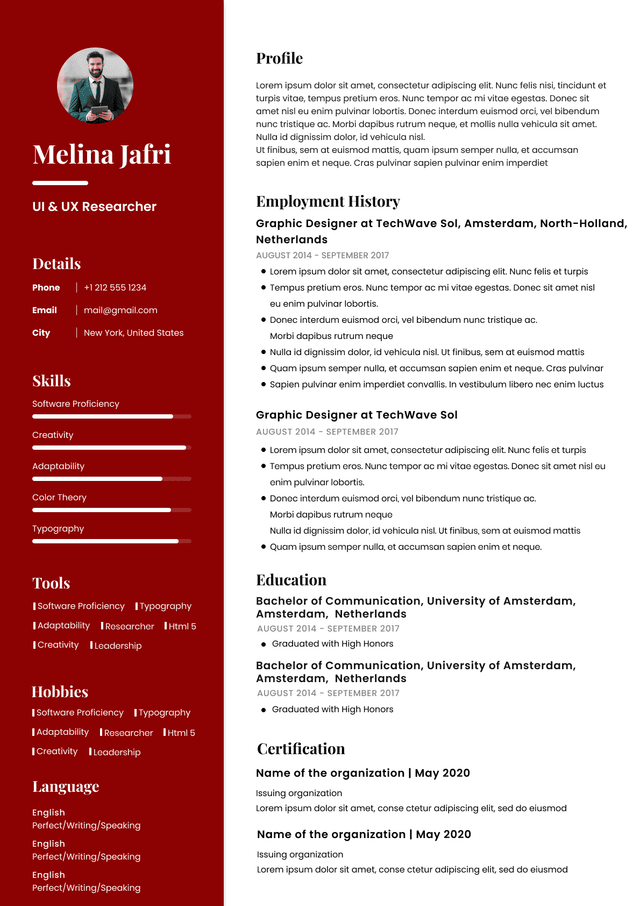
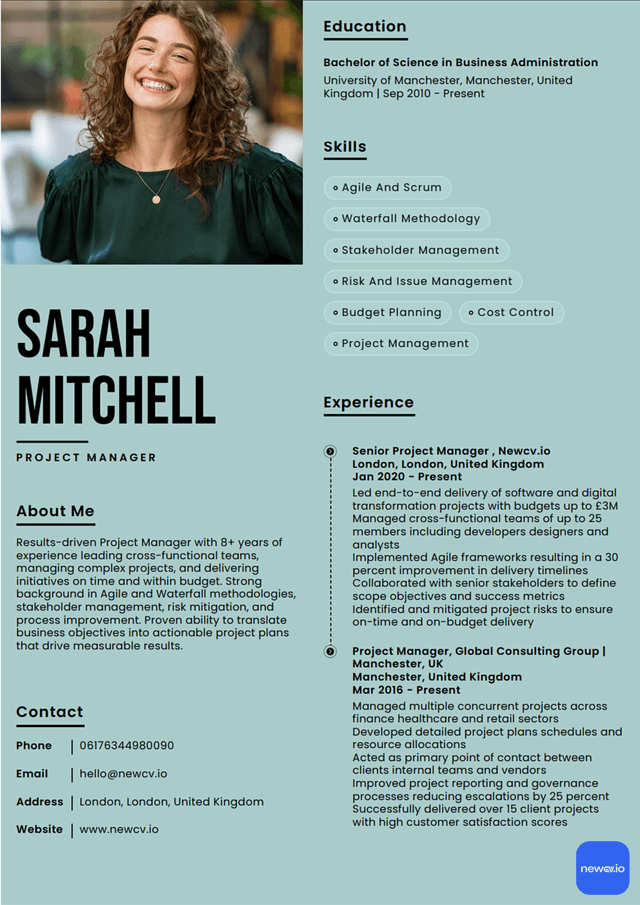
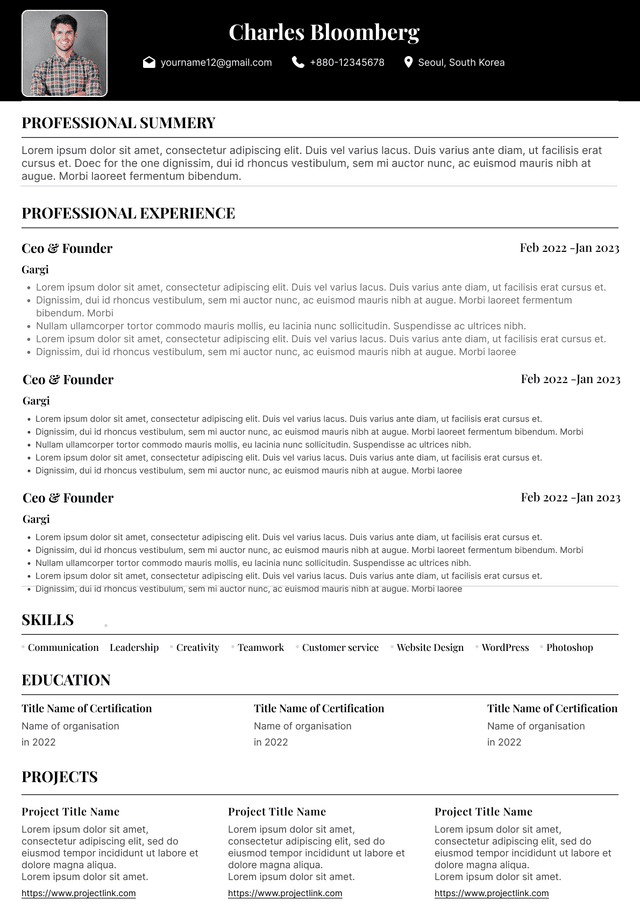
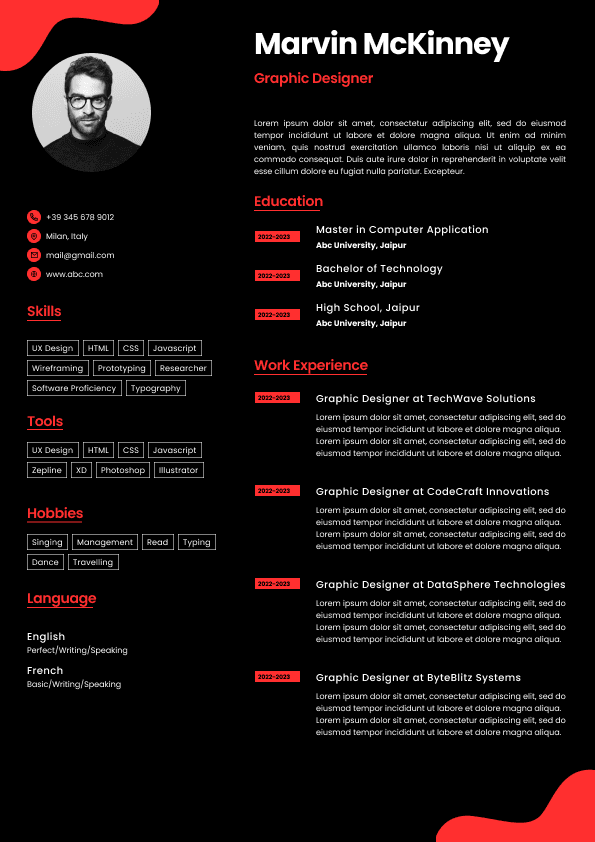
 Upload Resume
 Import from Linkedin