STILL APPLYING. STILL HEARING NOTHING?BUILD YOUR RESUME

STILL APPLYING. STILL HEARING NOTHING?BUILD YOUR RESUME
Choose from a wide range of NEWCV resume templates and customize your NEWCV design with a single click.
FAQ
A successful .NET developer career path is not just about writing better C# code. The developers who consistently move from junior roles into senior, lead, architect, and engineering leadership positions understand how enterprise systems are built, maintained, scaled, and aligned with business goals. In the modern US job market, companies increasingly expect .NET developers to combine strong backend engineering skills with cloud infrastructure knowledge, API design, system architecture, security awareness, and communication ability.
Most developers stall at the mid-level stage because they focus only on coding tasks instead of expanding into ownership, architecture thinking, cross-team collaboration, and business impact. The highest-paid .NET professionals are usually the ones who can design scalable systems, lead modernization efforts, work with Azure cloud infrastructure, and make technical decisions that reduce risk and improve long-term maintainability.
This guide breaks down the complete .NET developer roadmap from intern to architect-level roles, including the real skills, promotion expectations, salary growth factors, and strategic decisions that drive long-term career success.
The traditional .NET career ladder used to revolve around internal enterprise applications and Microsoft-centric ecosystems. Today, the market is far more cloud-focused, API-driven, and architecture-heavy.
Modern .NET careers now intersect with:
Cloud computing
Distributed systems
SaaS platform engineering
DevOps automation
Cybersecurity
Enterprise modernization
Microservices architecture
Internships are primarily about proving technical potential and learning speed.
At this level, companies evaluate:
Basic C# understanding
Ability to follow coding standards
Learning agility
Debugging mindset
Communication habits
Team collaboration
Typical responsibilities include:
Fixing small bugs
The junior stage usually lasts between 1 and 3 years depending on company complexity and project exposure.
At this level, developers transition from learning to reliable execution.
Core technical expectations include:
Strong C# fundamentals
ASP.NET Core development
SQL Server proficiency
Entity Framework understanding
API integration
Authentication basics
Unit testing fundamentals
This is where career divergence begins.
Some developers continue growing into senior engineering roles. Others plateau permanently because they remain task-oriented instead of solution-oriented.
Mid-level developers are expected to:
Build features independently
Understand business requirements
Participate in architectural discussions
Handle production debugging
Mentor junior developers informally
Improve system reliability
At this stage, technical depth becomes more important than framework memorization.
Senior engineers are expected to solve business-critical technical problems independently.
This role is less about coding volume and more about technical leadership, system ownership, and engineering judgment.
Senior developers typically:
Design scalable backend systems
Lead technical implementation
Mentor junior engineers
Review architecture decisions
Improve engineering standards
Optimize system performance
Handle high-impact incidents
Lead developers bridge engineering execution and team leadership.
This role combines technical expertise with people coordination.
Lead developers often:
Guide technical direction
Coordinate engineering tasks
Review architecture standards
Mentor developers formally
Manage delivery risk
Communicate with product teams
Resolve cross-team blockers
Architect roles focus on system-level thinking rather than feature-level execution.
Architects influence:
Application scalability
Infrastructure strategy
Platform modernization
Security architecture
Integration patterns
Enterprise technical direction
There are multiple architecture tracks within the .NET ecosystem.
Solutions architects focus on aligning technical systems with business needs.
Responsibilities often include:
Designing enterprise systems
Evaluating cloud infrastructure
Planning integrations
Supporting modernization projects
Leading technical strategy discussions
Guiding engineering standards
Strong solutions architects combine technical depth with business understanding.
Companies usually prioritize architects who can:
Principal engineers are senior technical leaders with broad organizational influence.
Unlike engineering managers, principal engineers typically remain deeply technical.
Their responsibilities often include:
Defining engineering standards
Leading platform-wide initiatives
Solving large-scale technical problems
Influencing architecture across teams
Guiding modernization strategies
Mentoring senior engineers
Principal engineers are evaluated heavily on technical judgment and organizational impact.
Some senior .NET developers eventually transition into people management.
This path is best suited for developers who enjoy:
Coaching teams
Managing delivery
Hiring engineers
Performance management
Organizational planning
However, strong engineering managers still need technical credibility.
Managers who completely disconnect from technical systems often struggle to lead engineering teams effectively.
Not all .NET specializations pay equally.
The highest compensation areas are usually tied to scalability, cloud systems, security, and enterprise complexity.
Azure expertise dramatically increases compensation potential in the Microsoft ecosystem.
High-demand Azure skills include:
Azure Functions
AKS Kubernetes
Azure DevOps
Service Bus
Cosmos DB
Identity management
Infrastructure as Code
Cloud security
Companies migrating legacy systems to Azure often pay premium salaries for experienced engineers.
Large enterprises rely heavily on experienced .NET architects for modernization projects.
These roles often involve:
Legacy migration
Multi-system integrations
Governance frameworks
Platform standardization
Security modernization
Enterprise architecture positions can command very high compensation because mistakes are extremely expensive at scale.
Financial systems frequently use C# and .NET for:
Trading platforms
Banking systems
Payment processing
Risk systems
Financial analytics
FinTech environments reward developers who understand:
Performance optimization
Security
Reliability
Security-focused backend engineers are increasingly valuable.
Key areas include:
Secure API development
Authentication systems
Zero-trust architecture
Compliance requirements
Threat mitigation
Encryption practices
Security expertise significantly differentiates senior engineers in competitive hiring markets.
Many developers over-focus on frameworks while under-investing in high-leverage career skills.
Promotions are usually driven by a combination of:
Technical depth
Ownership
Reliability
Communication
Business understanding
Leadership potential
The highest-value technical capabilities include:
Many developers become trapped maintaining outdated enterprise applications without learning modern cloud and architecture practices.
Long-term stagnation risk increases when developers avoid:
Cloud technologies
Modern APIs
DevOps workflows
Containerization
Architecture design
Certifications can help, but hiring managers prioritize demonstrated implementation ability.
A developer who deployed scalable Azure applications usually outperforms someone with multiple certifications but limited practical experience.
Many developers wait too long to study architecture and scalability concepts.
This creates promotion bottlenecks later.
Developers aiming for senior or lead roles should begin learning:
Distributed systems
Scalability patterns
Event-driven architecture
Database scaling
Reliability engineering
much earlier than they think.
Senior engineers are expected to understand business impact.
Developers who only focus on technical implementation often struggle to influence decisions or move into leadership roles.
Understanding revenue impact, operational costs, customer experience, and risk management becomes increasingly important at higher levels.
The best portfolio projects demonstrate:
Scalable architecture
Authentication systems
API integrations
Azure deployment
Logging and monitoring
CI/CD pipelines
A polished SaaS-style backend project is far more valuable than tutorial clones.
Azure knowledge now strongly influences hiring competitiveness.
Prioritize learning:
Azure App Services
Azure Functions
Storage accounts
Kubernetes basics
Infrastructure automation
Monitoring tools
Cloud fluency separates modern backend engineers from legacy-only developers.
One of the fastest promotion accelerators is communication quality.
Strong engineers:
Explain technical tradeoffs clearly
Write strong documentation
Lead discussions effectively
Communicate project risk early
Simplify complexity for stakeholders
Technical skill alone rarely guarantees leadership progression.
Ownership creates visibility.
Developers grow faster when they volunteer to:
Lead small initiatives
Improve internal tooling
Reduce technical debt
Document systems
Mentor junior developers
Handle production support
Promotion decisions heavily favor engineers already behaving at the next level.
Recruiters evaluate candidates differently depending on career level.
Recruiters prioritize:
Learning potential
Clean fundamentals
Coachability
Personal projects
Basic cloud awareness
Recruiters look for:
Independent delivery
The .NET ecosystem remains highly valuable in enterprise environments, cloud infrastructure, SaaS platforms, healthcare, finance, government contracting, and large-scale backend systems.
The strongest long-term opportunities are increasingly concentrated around:
Cloud-native architecture
AI-enabled enterprise systems
Secure backend engineering
Distributed systems
Platform engineering
Enterprise modernization
Developers who combine deep C# expertise with cloud architecture, system design, and leadership skills will continue seeing strong demand and compensation growth in the US market.
The future belongs less to framework specialists and more to engineers who can design, scale, secure, and evolve business-critical systems.


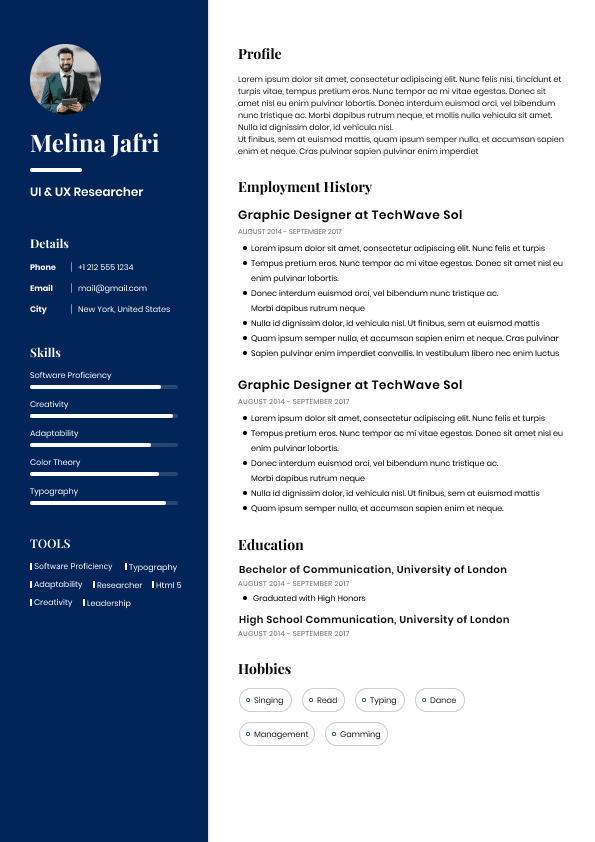
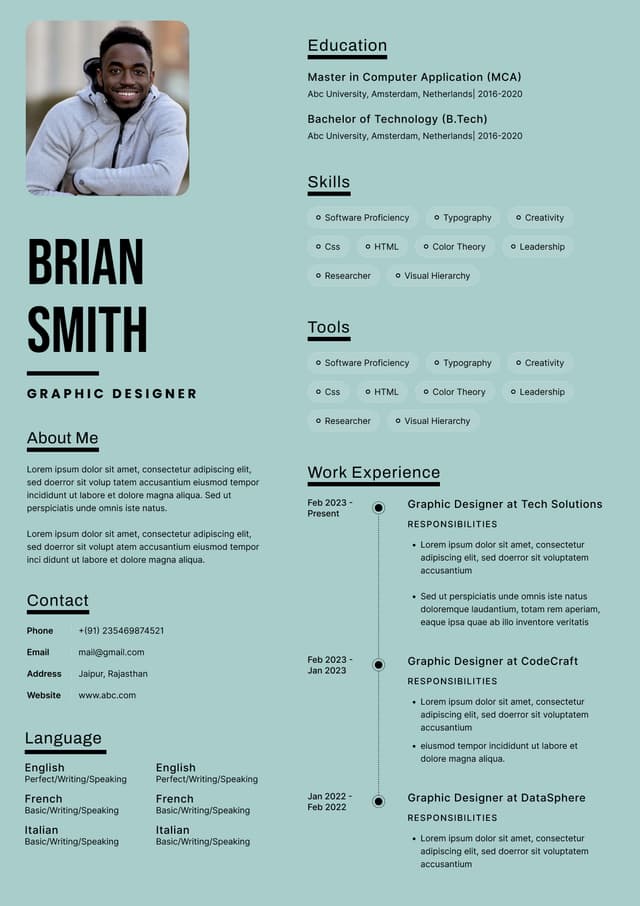
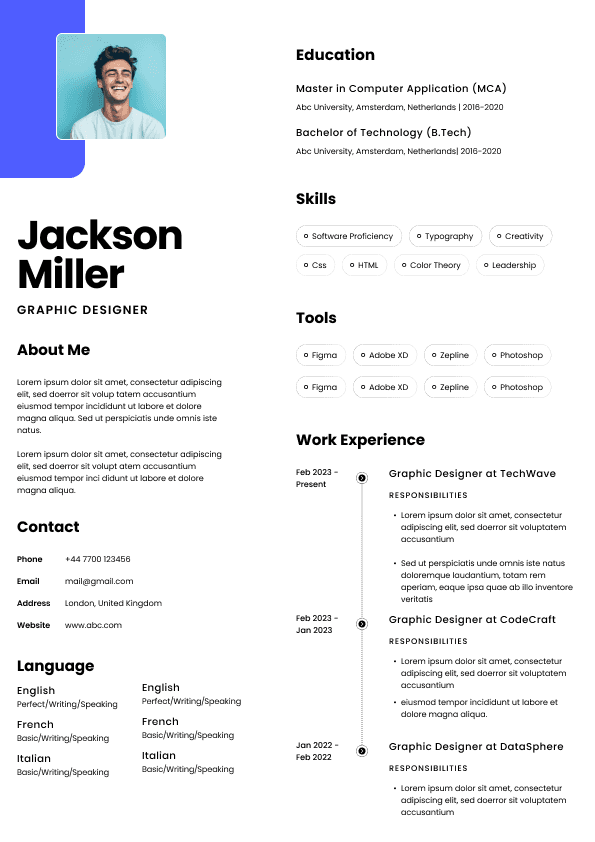
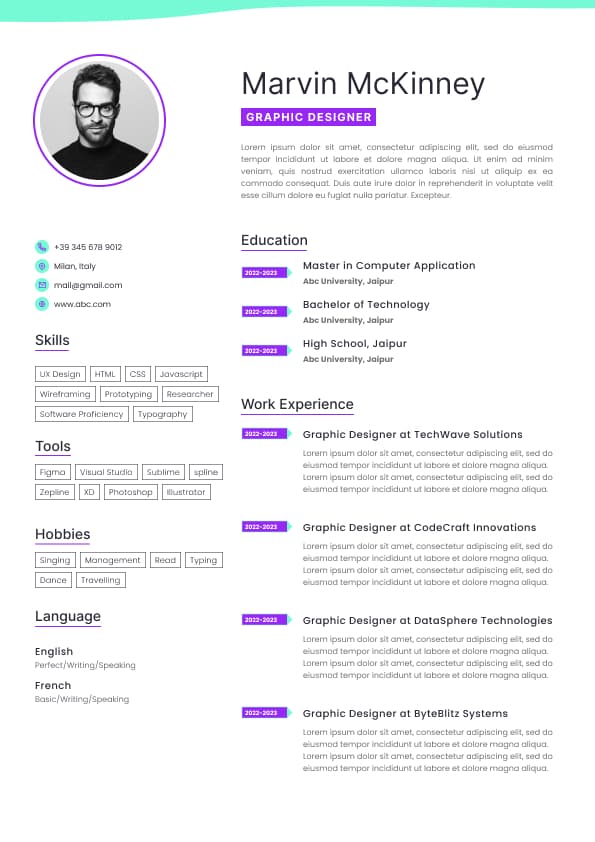
Use ATS-optimised Resume and resume templates that pass applicant tracking systems. Our Resume builder helps recruiters read, scan, and shortlist your Resume faster.


Use professional field-tested resume templates that follow the exact Resume rules employers look for.
Create Resume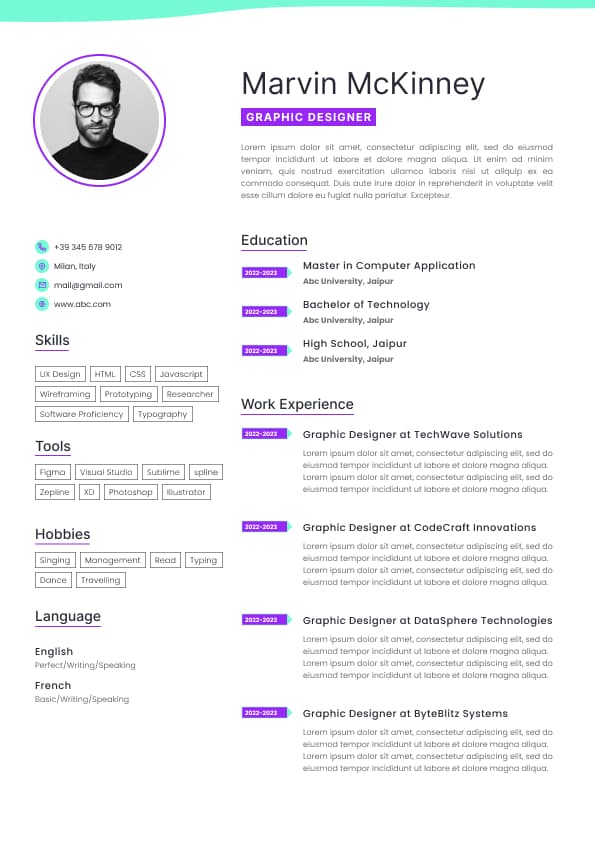
Use professional field-tested resume templates that follow the exact Resume rules employers look for.
Create ResumeAI integrations
Scalable backend infrastructure
This shift changed what employers expect at every level.
A junior developer is no longer hired simply to maintain legacy code. Even entry-level candidates are expected to understand:
Git workflows
REST APIs
ASP.NET Core fundamentals
SQL querying
Debugging practices
Cloud deployment basics
Agile collaboration
At senior levels, companies increasingly evaluate engineers based on ownership, architecture decisions, scalability thinking, and business impact rather than coding speed alone.
Assisting with testing
Updating existing features
Writing basic API endpoints
Learning internal systems
Most interns are not expected to design systems independently. The real evaluation factor is whether they can absorb feedback quickly and contribute consistently without excessive supervision.
Recruiters and engineering managers often prioritize interns who demonstrate:
Personal projects using ASP.NET Core
GitHub activity
API development experience
Azure deployment familiarity
Strong debugging discipline
Curiosity during code reviews
A candidate with one well-built API project often outperforms someone with multiple unfinished tutorial projects.
Git collaboration
Many junior developers believe promotions happen automatically through years of experience.
In reality, hiring managers look for:
Reduced dependency on senior engineers
Better debugging independence
Cleaner architecture decisions
Faster issue resolution
Improved communication
Ownership mentality
A developer who proactively identifies system issues often gets promoted faster than someone who only completes assigned tickets.
The fastest-growing junior developers invest heavily in:
API design principles
Database optimization
Clean architecture
SOLID principles
Logging and monitoring
Azure fundamentals
CI/CD pipelines
These skills compound heavily later in the career path.
Managers evaluate whether you can:
Handle ambiguity
Estimate technical effort realistically
Balance speed vs maintainability
Reduce technical debt
Communicate tradeoffs clearly
Work cross-functionally
The ability to explain engineering decisions to non-technical stakeholders becomes increasingly valuable.
The biggest promotion accelerators include:
Advanced ASP.NET Core expertise
Distributed systems understanding
Microservices architecture
Azure cloud services
Caching strategies
Message queues
Performance optimization
Security best practices
Developers who understand scalability and reliability move upward much faster than developers focused purely on feature implementation.
The biggest difference is decision-making quality.
Senior developers consistently:
Prevent future problems
Identify architectural risks early
Think long-term
Reduce operational complexity
Improve maintainability
Balance technical and business priorities
Junior and mid-level developers often focus on “Does it work?”
Senior developers focus on:
Will it scale?
Is it secure?
Is it maintainable?
Will this increase future complexity?
Can other engineers support this easily?
High-performing senior engineers usually develop expertise in:
Advanced C# patterns
ASP.NET Core optimization
Azure architecture
Event-driven systems
API gateway design
Authentication and authorization
Kubernetes basics
Docker containers
DevOps collaboration
Observability tooling
Distributed tracing
Cloud security
They also become significantly stronger in:
Stakeholder communication
Technical documentation
Mentoring
Cross-team collaboration
Strategic prioritization
Many newly promoted leads fail because they continue operating like individual contributors.
The best leads understand that success now depends on:
Team productivity
Team clarity
Technical alignment
Communication quality
Risk management
The strongest lead developers amplify the output of other engineers rather than trying to write the most code personally.
Strong lead developers:
Delegate effectively
Explain technical concepts clearly
Make architectural decisions confidently
Reduce team friction
Create engineering consistency
Balance deadlines with quality
Weak leads often:
Micromanage engineers
Avoid difficult decisions
Create unclear requirements
Become bottlenecks
Focus too heavily on coding volume
Simplify complexity
Reduce long-term operational costs
Improve scalability
Lower security risk
Support faster delivery
Align systems with business goals
The role is not about knowing every technology. It is about making strong technical decisions under real business constraints.
Concurrency
Low-latency systems
System design
Cloud architecture
Scalability engineering
API design
Performance optimization
Database optimization
Security architecture
DevOps collaboration
Many technically strong developers get stuck because they lack:
Communication skills
Stakeholder management
Prioritization ability
Leadership presence
Mentoring capability
Business context awareness
Engineering managers consistently promote developers who reduce organizational friction.
Production experience
Problem-solving ability
API and database skills
Business understanding
Recruiters focus heavily on:
System design
Architecture ownership
Scalability experience
Leadership signals
Cross-functional communication
Cloud infrastructure depth
At senior leadership levels, hiring decisions revolve around:
Technical strategy
Organizational impact
Architectural judgment
Enterprise scalability
Executive communication
Risk reduction capability



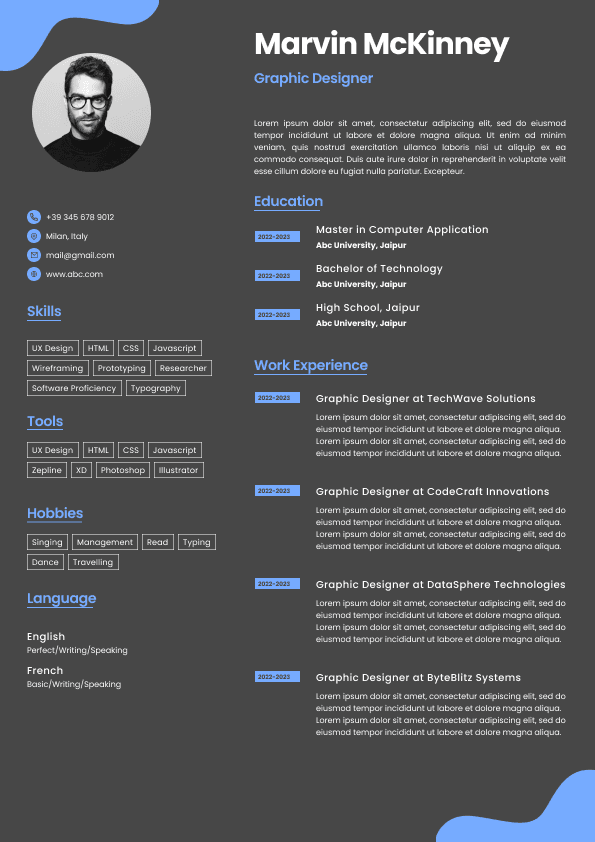
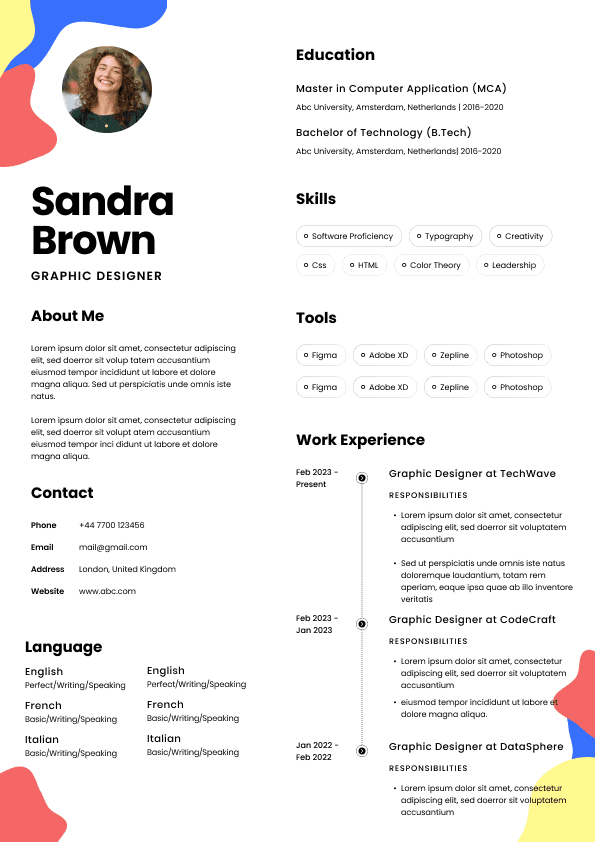
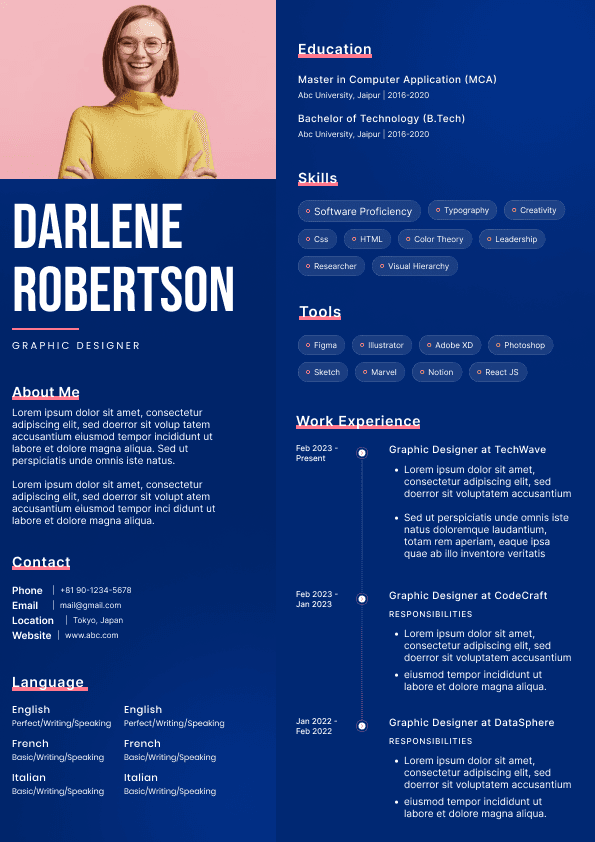


 Upload Resume
 Import from Linkedin