STILL APPLYING. STILL HEARING NOTHING?BUILD YOUR RESUME

STILL APPLYING. STILL HEARING NOTHING?BUILD YOUR RESUME
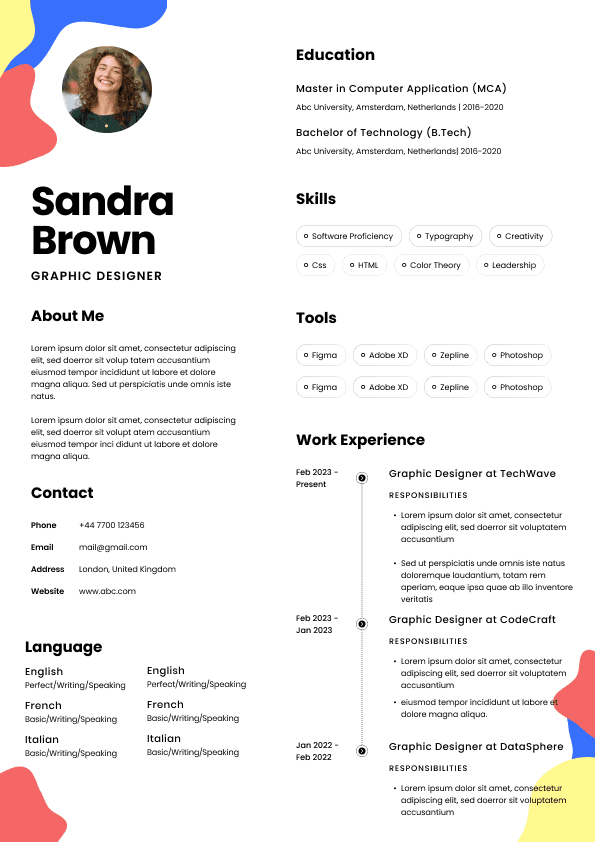
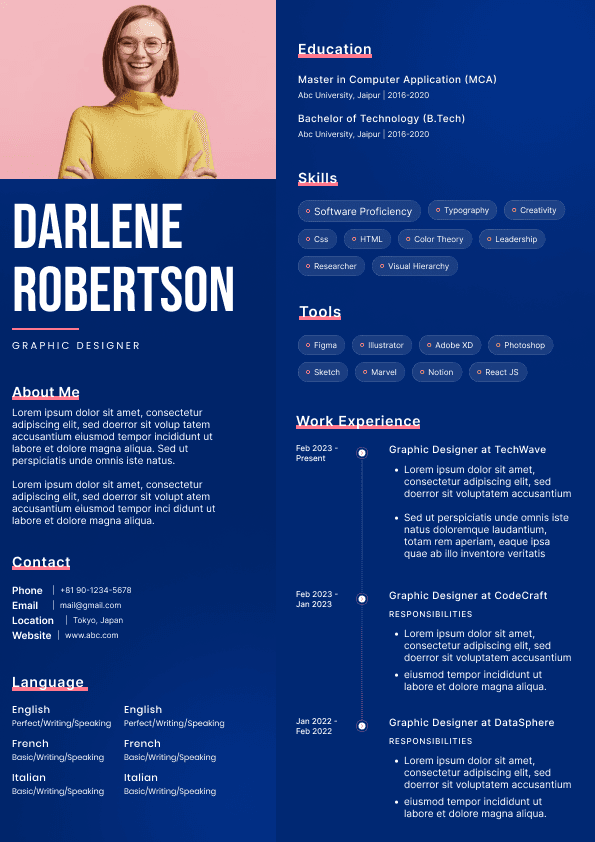
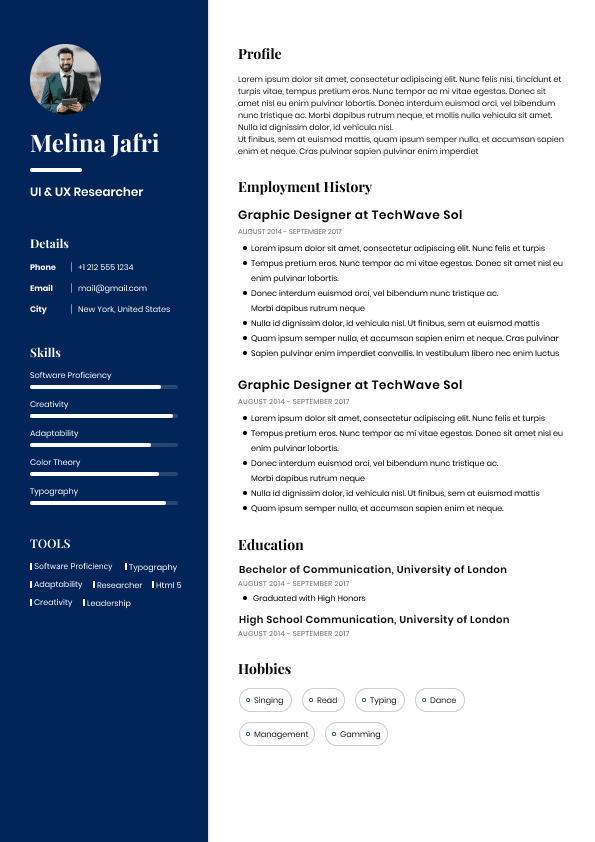
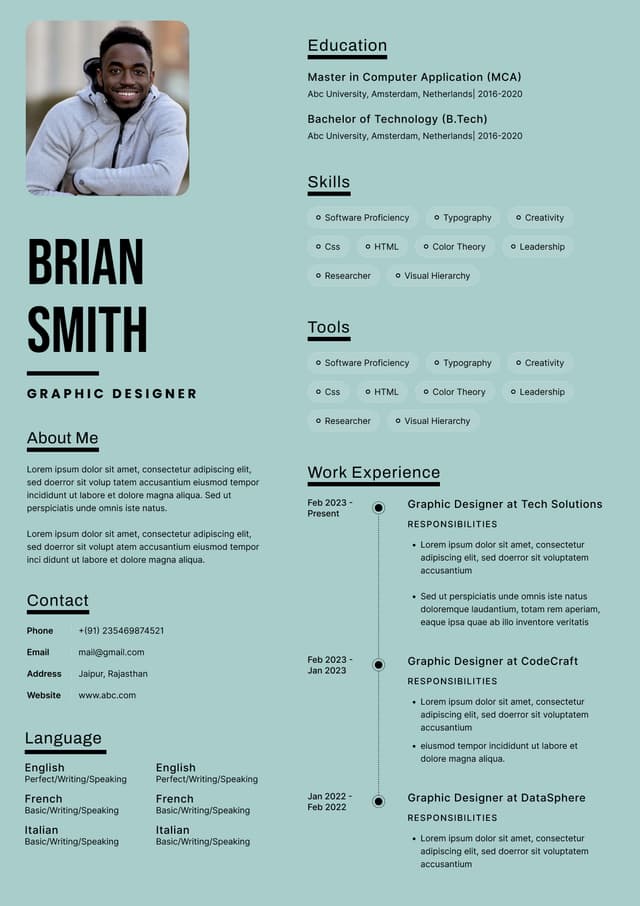
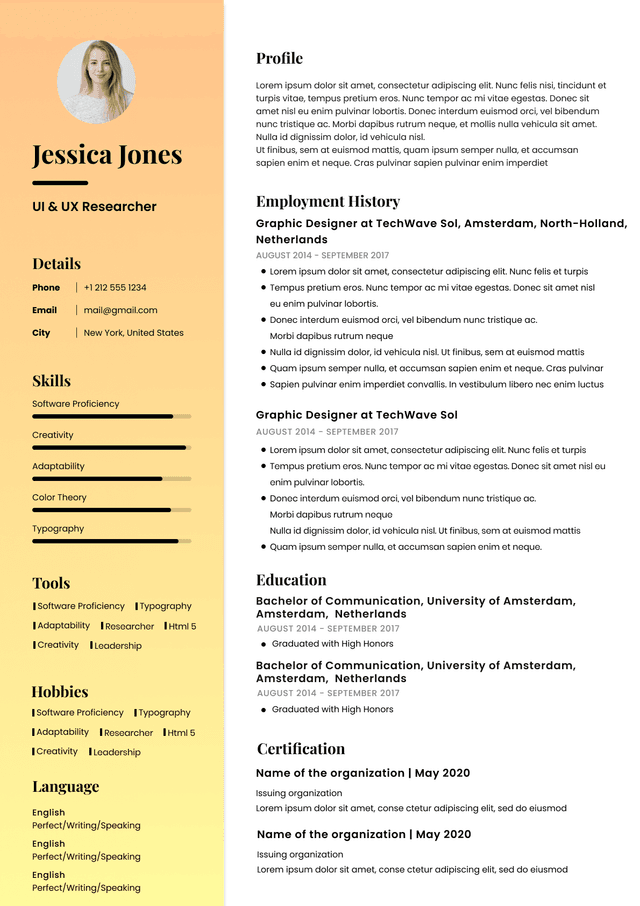
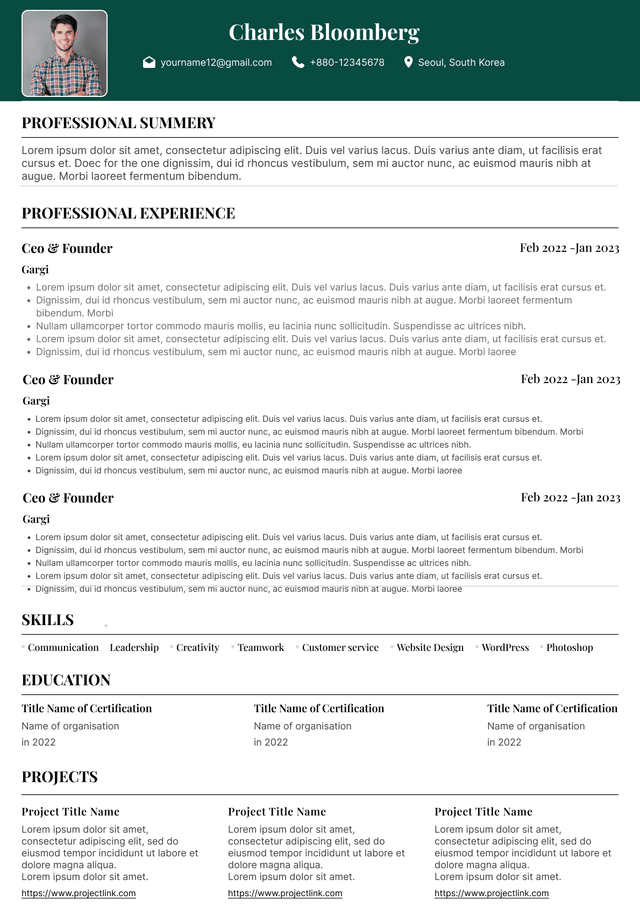
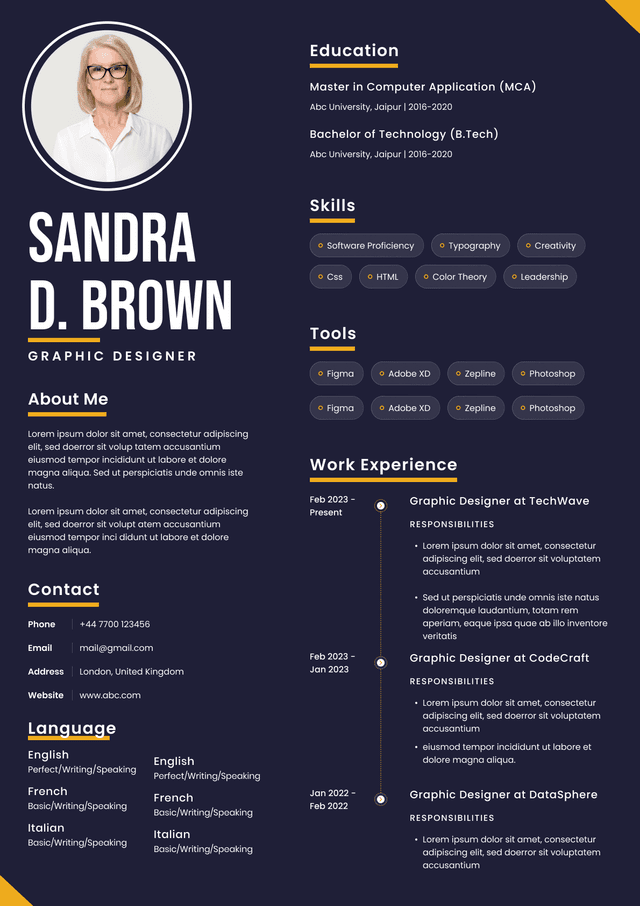
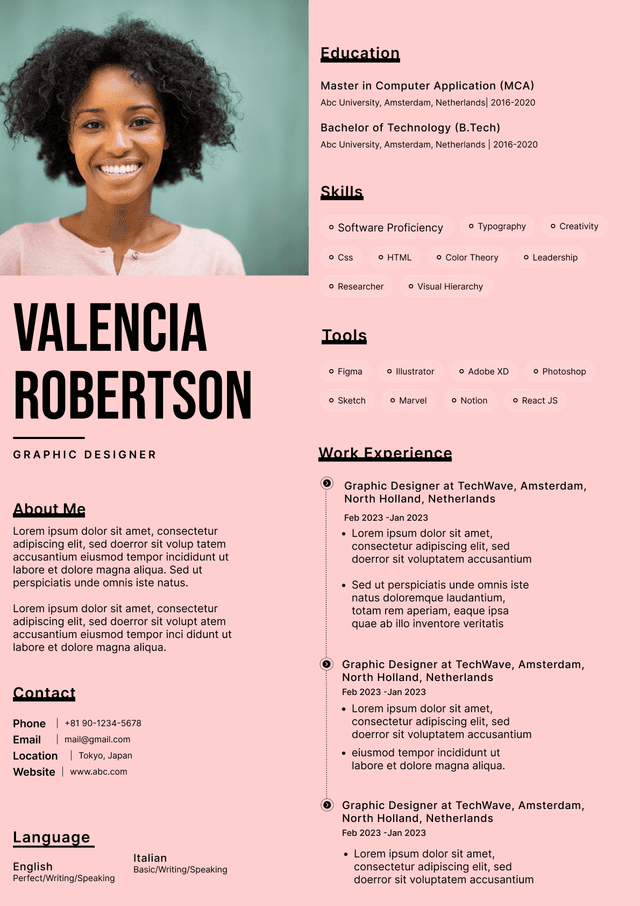
Choose from a wide range of NEWCV resume templates and customize your NEWCV design with a single click.
FAQ

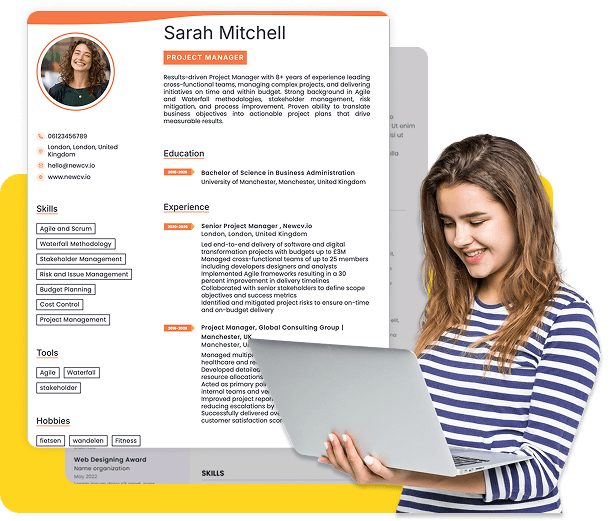
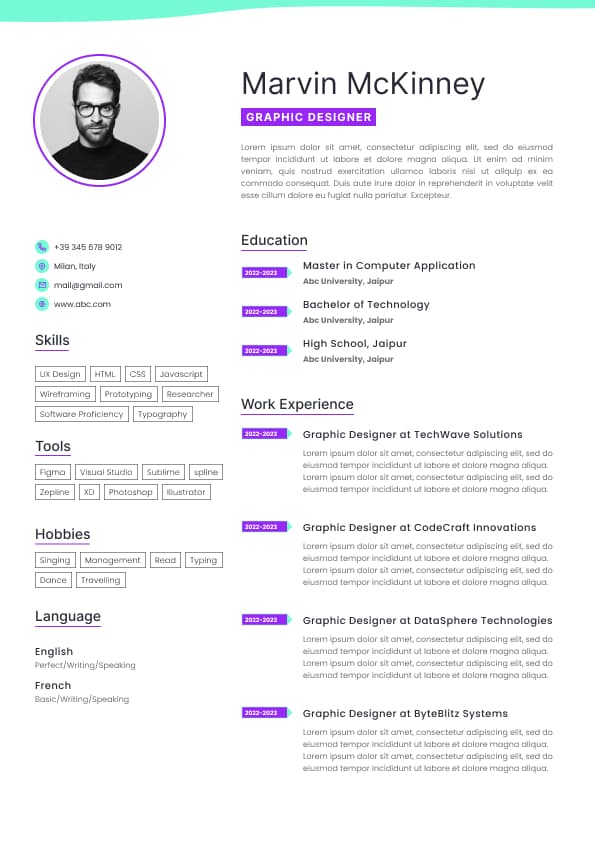
Use professional field-tested resume templates that follow the exact Resume rules employers look for.
Create ResumeA strong .NET developer cover letter does not repeat your resume. It explains why your technical background matters to the company’s engineering goals.
Most .NET cover letters fail because they sound generic:
“I am passionate about software development”
“I have experience with C# and SQL Server”
“I am a hardworking team player”
That language does not help a recruiter understand whether you can contribute to a real engineering environment.
A high-performing .NET developer cover letter shows:
What systems you built
Which Microsoft technologies you used
The scale or business impact of your work
How you solve engineering problems
How you collaborate in Agile teams
Why your background fits the company’s stack and business model
Recruiters and hiring managers screen for relevance fast. If your first paragraph does not clearly align with the role’s technical environment, many applications never move forward.
For example:
Backend .NET roles prioritize APIs, SQL Server, Azure, performance, and scalability
Full stack .NET roles prioritize ASP.NET Core plus Angular or React
Azure-focused roles prioritize cloud architecture, CI/CD, monitoring, containers, and deployment automation
Senior roles prioritize modernization, architecture, mentoring, and technical leadership
Your cover letter should match the actual engineering priorities of the job posting.
A strong .NET developer cover letter should include these core elements:
Target job title
Years of .NET development experience
Relevant Microsoft stack technologies
Business or engineering impact
Relevant projects or systems
Collaboration and Agile experience
Interest in the company’s product or engineering environment
Portfolio, GitHub, or deployment links when relevant
The best cover letters are specific. Specificity creates credibility.
Depending on the role, include technologies such as:
C#
ASP.NET Core
.NET Framework
.NET 8 or modern .NET ecosystem
SQL Server
Entity Framework Core
REST APIs
Microservices
Azure Functions
Azure DevOps
Do not list technologies randomly. Connect them to outcomes.
Weak Example
“Experienced with ASP.NET Core and Azure.”
Good Example
“Built and deployed ASP.NET Core microservices in Azure using Azure DevOps CI/CD pipelines, reducing deployment failures by 35% and improving API response times across customer-facing systems.”
The second version demonstrates:
Technical depth
Ownership
Scale
Business value
That is what recruiters want to see.
A high-converting .NET developer cover letter usually follows this structure:
Immediately establish:
Target role
Relevant experience
Core Microsoft stack alignment
Strong reason for applying
Focus on:
Technical achievements
Systems built
APIs or cloud environments
Team collaboration
Measurable impact
Relevant architecture or deployment experience
Show:
Interest in the company
Alignment with their engineering environment
Enthusiasm for discussion
Professional close
Avoid overly formal language. Modern engineering hiring teams prefer concise, direct communication.
Dear Hiring Manager,
I am applying for the .NET Developer position at your company. With more than five years of experience building enterprise web applications using C#, ASP.NET Core, SQL Server, and Azure, I am confident I can contribute quickly to your engineering team.
In my current role, I develop and maintain scalable backend services and internal business applications used across multiple departments. One recent project involved redesigning a legacy monolithic application into ASP.NET Core microservices hosted in Azure. This reduced deployment complexity, improved API performance, and helped decrease production incidents by nearly 30%.
My technical background includes:
C# and ASP.NET Core development
REST API design and integration
Entity Framework Core and SQL Server optimization
Azure App Services and Azure Functions
CI/CD pipelines using Azure DevOps
Agile Scrum collaboration
I also work closely with product managers, QA engineers, and frontend developers to deliver features aligned with business priorities. I value clean architecture, maintainable code, automated testing, and scalable deployment practices.
Your company’s focus on cloud-native enterprise applications strongly aligns with my background and professional interests. I would welcome the opportunity to discuss how my .NET development experience and problem-solving approach could support your engineering goals.
Thank you for your time and consideration.
Sincerely,
Michael Carter
Entry-level candidates often make a major mistake:
They apologize for lacking experience.
Do not focus on what you lack.
Instead, focus on:
Projects
GitHub repositories
Internships
Microsoft Learn certifications
API projects
Azure deployments
Coursework
Technical curiosity
Problem-solving ability
Hiring managers for junior .NET roles want proof of potential.
Dear Hiring Manager,
I am excited to apply for the Junior .NET Developer position at your company. I recently completed my computer science degree and have built multiple personal and academic projects using C#, ASP.NET Core, SQL Server, and Azure.
One of my strongest projects was a task management web application developed with ASP.NET Core MVC and Entity Framework Core. I deployed the application through Azure App Services and implemented user authentication, REST APIs, and SQL Server database integration. Through this project, I gained hands-on experience with debugging, testing, deployment workflows, and responsive UI development.
In addition to coursework, I actively complete Microsoft Learn training focused on Azure services, cloud deployment, and modern .NET development practices. I also maintain a GitHub portfolio showcasing backend APIs and full stack applications.
I am particularly interested in your company because of your focus on scalable business software and modern Microsoft technologies. I would welcome the opportunity to contribute to your development team while continuing to grow as a software engineer.
Thank you for your consideration.
Sincerely,
Daniel Reed
Backend-focused hiring managers care less about visual interfaces and more about:
API reliability
Database performance
Scalability
Security
Cloud infrastructure
Architecture quality
Your cover letter should reflect backend engineering priorities.
Dear Hiring Manager,
I am applying for the Backend .NET Developer role at your company. With seven years of experience building high-performance APIs and enterprise backend systems using ASP.NET Core, SQL Server, and Azure, I believe my background aligns well with your engineering needs.
In my current position, I design and maintain RESTful APIs supporting customer-facing SaaS products serving more than 200,000 users. I recently led backend optimization efforts that reduced API latency by 40% through improved caching strategies, SQL query optimization, and asynchronous processing improvements.
My experience includes:
ASP.NET Core API development
Microservices architecture
SQL Server performance tuning
Entity Framework Core
Azure Functions and Service Bus
Docker containerization
CI/CD automation through Azure DevOps
I also collaborate closely with frontend developers, DevOps engineers, and QA teams within Agile delivery cycles to ensure stable releases and scalable infrastructure.
Your organization’s emphasis on scalable cloud-based systems and API-driven architecture strongly matches the type of engineering environment where I perform best.
Thank you for your time and consideration.
Sincerely,
James Walker
Full stack .NET developers must prove versatility.
Hiring managers want evidence that you can:
Build backend systems
Develop frontend interfaces
Integrate APIs
Handle deployment workflows
Collaborate cross-functionally
Your cover letter should show balanced technical ownership.
Strong signals include:
ASP.NET Core plus React or Angular
Frontend state management
API integration
Responsive UI development
Authentication and authorization
Azure deployment
End-to-end feature ownership
Avoid positioning yourself as “jack of all trades.” Instead, emphasize integrated delivery capability.
Azure-focused roles are increasingly competitive because many developers list Azure without real cloud engineering depth.
Hiring managers look for practical cloud implementation experience, including:
Azure Functions
Azure App Services
Azure Kubernetes Service
Azure DevOps
Infrastructure automation
Monitoring and observability
Cost optimization
CI/CD pipelines
Strong candidates explain:
What they deployed
How they automated infrastructure
Which Azure services they used
Reliability or scalability improvements
Operational ownership
Weak Example
“Worked with Azure cloud services.”
Good Example
“Implemented Azure DevOps deployment pipelines and migrated legacy applications to Azure App Services, reducing deployment time from several hours to under 20 minutes.”
That difference matters significantly during screening.
Senior engineers are evaluated differently.
Hiring managers expect:
Architectural thinking
Leadership
Modernization experience
Mentorship
Scalability knowledge
Business alignment
Cross-team collaboration
A senior cover letter should sound strategic, not tactical.
Many senior developers:
Focus too heavily on technology lists
Sound too generic
Fail to demonstrate leadership impact
Ignore modernization or business outcomes
Senior hiring decisions are rarely based on coding alone.
Engineering leaders want someone who can:
Improve systems
Reduce technical debt
Influence engineering direction
Support delivery at scale
Your cover letter should interpret your experience, not duplicate it.
Use the cover letter to explain:
Why your experience matters
How your projects align with the role
What outcomes you delivered
Recruiters immediately recognize templated language.
Avoid:
“I am writing to express my interest”
“I believe I would be a great fit”
“I am passionate about coding”
Start with concrete relevance instead.
Technology lists alone are weak.
Always connect tools to:
Systems
Features
Scale
Results
Business outcomes
The best cover letters are tailored.
For example:
SaaS company → scalability and APIs
Healthcare company → reliability and compliance
Fintech company → security and performance
Enterprise modernization company → legacy migration experience
Generic applications reduce interview rates dramatically.
Most recruiters spend less than 30 seconds on initial review.
Here is the real screening process many candidates never see.
The recruiter checks:
Relevant stack match
Years of experience
Seniority alignment
Cloud exposure
Framework compatibility
Hiring teams look for:
Enterprise application experience
SaaS exposure
Internal systems
API ecosystems
Customer-facing applications
Specific details create trust:
Metrics
System scale
Deployment ownership
Team collaboration
Modern engineering practices
Strong communication matters heavily in engineering hiring.
Your cover letter should feel:
Clear
Structured
Professional
Technically competent
Concise
Poorly written cover letters create concerns about:
Documentation quality
Team communication
Client interaction
Cross-functional collaboration
Emphasize:
Stability
Maintainability
SQL Server
Internal systems
Business workflows
Security
Emphasize:
Scalability
APIs
Cloud architecture
CI/CD
Performance optimization
Monitoring
Emphasize:
Versatility
Speed
Ownership
Full stack capability
Problem-solving
Cross-functional collaboration
Emphasize:
Client communication
Multiple environments
Adaptability
Fast onboarding
Delivery timelines
The hiring market has shifted significantly.
Modern engineering teams increasingly prioritize:
Cloud-native development
Platform scalability
CI/CD maturity
Observability
Distributed systems
AI-assisted development workflows
Developer collaboration skills
A modern .NET cover letter should reflect awareness of current engineering environments.
Strong differentiators include:
Azure certifications
GitHub repositories
Open-source contributions
Cloud deployment experience
API documentation ownership
Infrastructure collaboration
Modernization projects
Microservices architecture
Performance optimization
Candidates who demonstrate production-level thinking consistently outperform candidates who only describe coding tasks.
The ideal tone is:
Confident
Technical
Professional
Direct
Collaborative
Avoid:
Overly formal language
Excessive enthusiasm
Generic motivational statements
Buzzword-heavy writing
Engineering hiring teams prefer clarity over personality-heavy writing.
Before applying, verify that your cover letter:
Matches the exact role
References the company’s stack
Includes measurable achievements
Explains business impact
Shows collaboration ability
Demonstrates technical credibility
Avoids generic language
Sounds natural and human
Supports your resume rather than repeating it
Includes portfolio or GitHub links when helpful
A well-written .NET developer cover letter will not compensate for weak technical experience, but it can absolutely increase interview rates when your background already aligns with the role.
The strongest cover letters position you as someone who can contribute to real engineering outcomes, not just someone who knows programming languages.
Use ATS-optimised Resume and resume templates that pass applicant tracking systems. Our Resume builder helps recruiters read, scan, and shortlist your Resume faster.

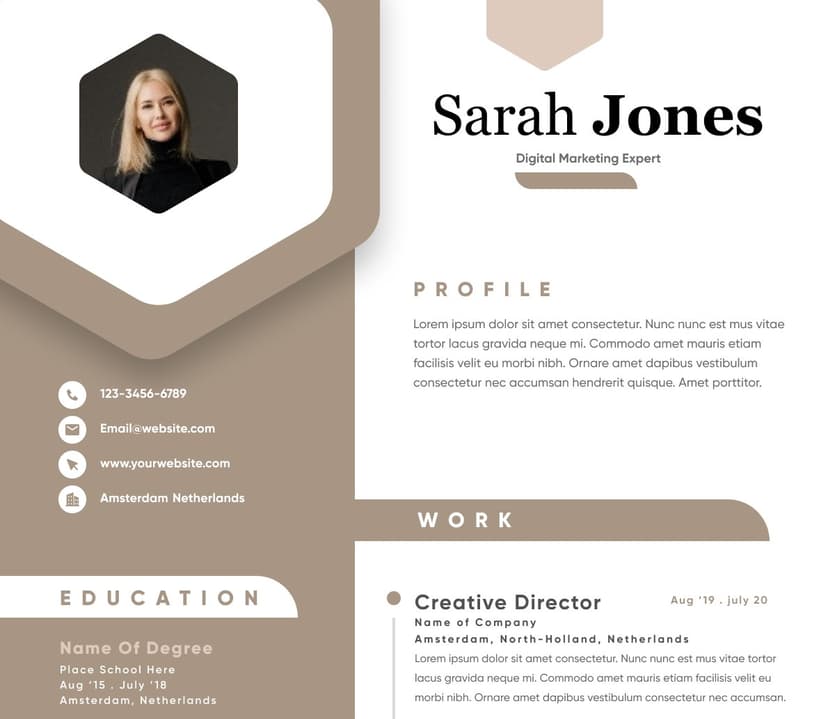
Use professional field-tested resume templates that follow the exact Resume rules employers look for.
Create ResumeDocker
Kubernetes
CI/CD pipelines
React or Angular
Blazor
Redis
RabbitMQ
Azure Service Bus



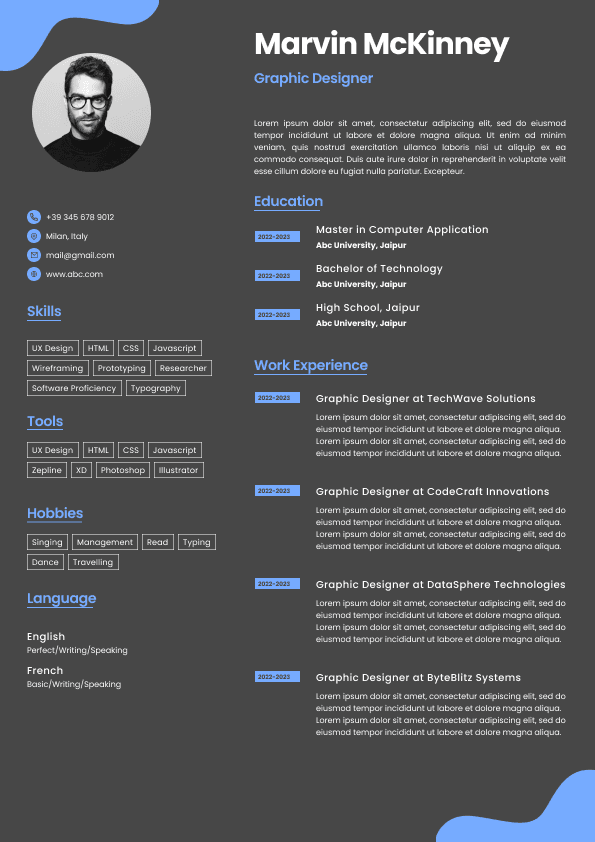
 Upload Resume
 Import from Linkedin