STILL APPLYING. STILL HEARING NOTHING?BUILD YOUR RESUME

STILL APPLYING. STILL HEARING NOTHING?BUILD YOUR RESUME
Choose from a wide range of NEWCV resume templates and customize your NEWCV design with a single click.
FAQ

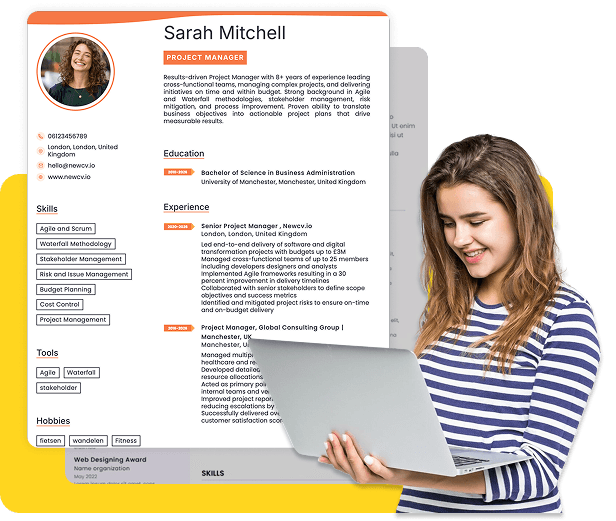
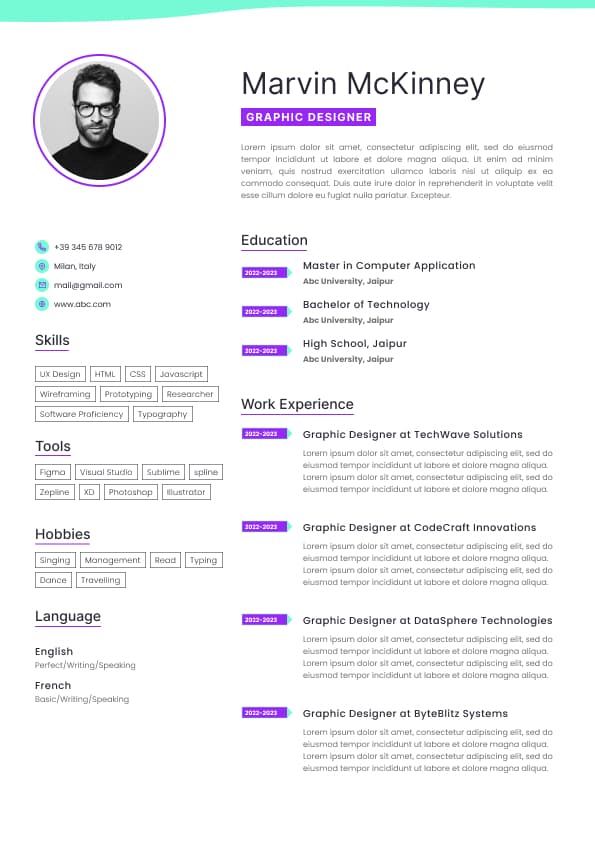
Use professional field-tested resume templates that follow the exact Resume rules employers look for.
Create ResumeIf you're applying for .NET developer jobs, choosing the wrong document format can hurt your chances before a recruiter even reviews your technical skills. In the US and Canada, employers almost always expect a resume: short, results-focused, ATS-friendly, and optimized for fast screening. In the UK and many international markets, employers typically request a CV, which is more detailed and includes fuller technical history, certifications, projects, and Microsoft-stack expertise.
For .NET developers, this distinction matters because hiring managers evaluate resumes and CVs differently. A US hiring manager usually scans for measurable impact, Azure experience, APIs, and delivery outcomes in under 30 seconds. A UK employer reviewing a CV may expect deeper technical context, architecture exposure, enterprise systems, and a complete employment timeline.
The best strategy is simple: match the document type to the employer’s expectations, geography, and job posting language.
The core difference is not just length. It is purpose.
A .NET developer resume is built for speed, ATS parsing, and recruiter screening efficiency. A CV is built for completeness, technical depth, and historical context.
A resume is usually:
1 to 2 pages
Skills-focused
Achievement-driven
Tailored for ATS systems
Optimized for high-volume applications
US recruiters expect resumes to prioritize:
Technical impact
Microsoft-stack expertise
Azure and cloud exposure
APIs and backend development
Performance improvements
Business outcomes
Modern tooling and frameworks
A strong .NET developer resume quickly answers:
What technologies can this person use today?
What business problems did they solve?
Can they contribute immediately?
A CV is usually:
Longer and more detailed
History-focused
Structured chronologically
More comprehensive technically
Built for visibility into full experience
A .NET developer CV often includes:
Full work history
Detailed Microsoft-stack experience
Azure projects
Enterprise architecture exposure
Certifications and training
Industry/domain expertise
Publications or technical writing
Consulting or government project details
UK and European employers often expect more technical context per role than US employers.
Most online articles oversimplify this comparison. The real difference is how recruiters evaluate the documents.
US recruiters often review resumes extremely quickly, especially in competitive tech markets.
A strong resume succeeds because it:
Surfaces relevant keywords immediately
Shows measurable engineering outcomes
Demonstrates business impact
Aligns tightly with the job description
Uses ATS-friendly formatting
Recruiters typically scan for:
C#
ASP.NET Core
Azure
SQL Server
APIs
Microservices
CI/CD
Docker or Kubernetes
Entity Framework
Cloud modernization
Agile delivery
What fails:
Dense paragraphs
Long technical explanations
Generic summaries
Responsibilities without outcomes
Outdated technologies dominating the page
CV reviews are often slower and more detail-oriented.
Hiring managers may want visibility into:
Technical stack evolution
Enterprise systems
Long-term project ownership
Architecture decisions
Regulated industry experience
Consulting engagements
Certifications and training history
A UK-style CV can include more detail without hurting performance if the information remains structured and relevant.
What fails:
Overly short resumes lacking context
Missing technical stack details
No explanation of project scope
Weak chronology
Generic descriptions without technical specificity
Use a resume when applying for:
US-based jobs
Canadian tech roles
ATS-heavy employers
SaaS companies
Startup environments
Enterprise software companies
High-volume application pipelines
You should also use a resume if the job posting specifically says:
“Submit your resume”
“Upload resume”
“Resume required”
Your resume should prioritize:
Technical relevance
Business impact
Fast readability
ATS optimization
Measurable accomplishments
Recruiters want evidence that you can deliver production results using the Microsoft stack.
Good Example
Good Example
Weak Example
The difference is measurable impact.
Use a CV when applying for:
UK-based roles
European employers
Government projects
Consulting positions
International organizations
Research-oriented technical environments
Roles requesting “CV” specifically
A CV works better when employers need broader visibility into your technical background.
Your CV should emphasize:
Full technical stack history
Enterprise delivery experience
Certifications
Cloud architecture exposure
Long-term projects
Industry expertise
The goal is depth, not brevity.
US resumes should be concise, highly targeted, and optimized for ATS systems.
Include:
Full name
Location
Phone number
Professional email
GitHub or portfolio
Keep this short and specific.
A strong summary includes:
Years of experience
Microsoft-stack expertise
Cloud/platform strengths
Business impact focus
Good Example
Senior .NET Developer with 8+ years of experience building scalable enterprise applications using C#, ASP.NET Core, Azure, SQL Server, and microservices architecture. Proven track record improving system performance, modernizing legacy platforms, and delivering cloud-native solutions in Agile environments.
Group skills logically.
Languages
Frameworks
Cloud Platforms
Databases
DevOps Tools
Testing Tools
This is the most important part of the resume.
Each role should include:
Clear technical stack
Scope of ownership
Business impact
Measurable outcomes
Especially valuable for:
Junior developers
Career changers
Freelancers
Developers with strong GitHub portfolios
Projects should demonstrate:
APIs
Azure deployment
Authentication
Performance optimization
Modern .NET practices
Relevant certifications include:
Microsoft Certified: Azure Developer Associate
Azure Solutions Architect
Azure Fundamentals
Scrum certifications
Keep this concise unless you are early-career.
A UK-style CV allows more technical depth and historical context.
Include:
Name
Location
Phone
Avoid unnecessary personal details like marital status or date of birth.
Your profile should summarize:
Years of experience
Industries worked in
Microsoft technologies
Enterprise expertise
Cloud capabilities
Separate technologies clearly.
This section should be more detailed than a US resume.
For each role include:
Full technology stack
Architecture involvement
Cloud exposure
Team collaboration
Delivery methodologies
Industry domain
This section is especially valuable for experienced developers.
Highlight:
Cloud migration projects
Enterprise integrations
CI/CD modernization
Security implementation
API ecosystems
UK employers often place greater value on formal certifications and structured training.
Include:
Degrees
Relevant coursework
Technical training
When relevant:
Open-source contributions
Publications
Technical blogs
Conference speaking
High-performing resumes often show:
Modern .NET technologies
Cloud-native development
APIs and integrations
CI/CD automation
Performance optimization
Business outcomes
Good Example
Good Example
Good Example
Recruiters do not need architecture-level explanations during initial screening.
This weakens positioning and makes resumes look outdated.
Technical work without outcomes reduces perceived value.
Avoid:
Tables
Graphics
Complex columns
Icons-heavy layouts
ATS systems still struggle with many designer resume formats.
A strong UK CV provides fuller technical visibility.
Recruiters reviewing UK CVs often want:
Full stack progression
Enterprise project history
Long-term platform ownership
Technical leadership exposure
Detailed Microsoft ecosystem expertise
Good Example
Led migration of enterprise insurance platforms from .NET Framework to .NET 8 microservices architecture hosted on Azure Kubernetes Service, integrating CI/CD pipelines, Azure Service Bus, Redis caching, and automated monitoring solutions.
This works because it demonstrates:
Architecture scope
Enterprise scale
Cloud modernization
Technical leadership
Modern engineering practices
Worked on backend development tasks using .NET technologies.
Too vague. No scale. No impact. No specialization.
The difference is usually positioning, not capability.
A C# developer CV often emphasizes:
Backend services
Object-oriented programming
APIs
SQL Server
Desktop applications
Debugging
Enterprise systems
A .NET developer resume may position the candidate more broadly across:
Full-stack development
Cloud engineering
Azure
DevOps
Microservices
Platform modernization
If the posting says:
“C# Developer” → use that title naturally in your document
“.NET Developer” → align with that terminology
This improves ATS alignment and recruiter relevance.
Most candidates underestimate ATS filtering.
ATS systems heavily prioritize:
Exact skill matches
Job title alignment
Relevant frameworks
Cloud technologies
Recent experience relevance
Common keywords include:
C#
ASP.NET Core
.NET 8
Azure
REST APIs
SQL Server
Entity Framework
Microservices
Azure DevOps
CI/CD
Docker
Kubernetes
Blazor
Git
Agile
Unit Testing
Recruiters can spot forced keyword insertion immediately.
The best resumes integrate keywords naturally inside:
Achievements
Project descriptions
Technical summaries
Many developers assume hiring managers prioritize technology breadth alone.
Usually, they prioritize:
Problem-solving ability
Scalability experience
Production delivery
System reliability
Cloud modernization
Communication
Ownership
Hiring managers pay close attention to:
Migration projects
Performance improvements
Production-scale APIs
Azure implementation
Enterprise integrations
CI/CD automation
Leadership on technical initiatives
Good Example
This signals:
Scale
Reliability
Cloud expertise
Execution maturity
Most summaries sound interchangeable.
Hiring managers care about outcomes.
Leading with Web Forms or legacy systems can unintentionally age your profile unless positioned strategically.
Modern .NET hiring heavily favors Azure and cloud-native experience.
One generic document rarely performs well across different roles.
Use this decision framework.
You are applying in the US or Canada
The employer says “resume”
You need ATS optimization
The hiring process is fast-paced
You want concise positioning
The employer requests a CV
You are applying in the UK or Europe
Your technical history is extensive
The role values detailed project history
Certifications and enterprise experience matter heavily
The best candidates adapt to the market instead of using one universal format everywhere.
Use ATS-optimised Resume and resume templates that pass applicant tracking systems. Our Resume builder helps recruiters read, scan, and shortlist your Resume faster.

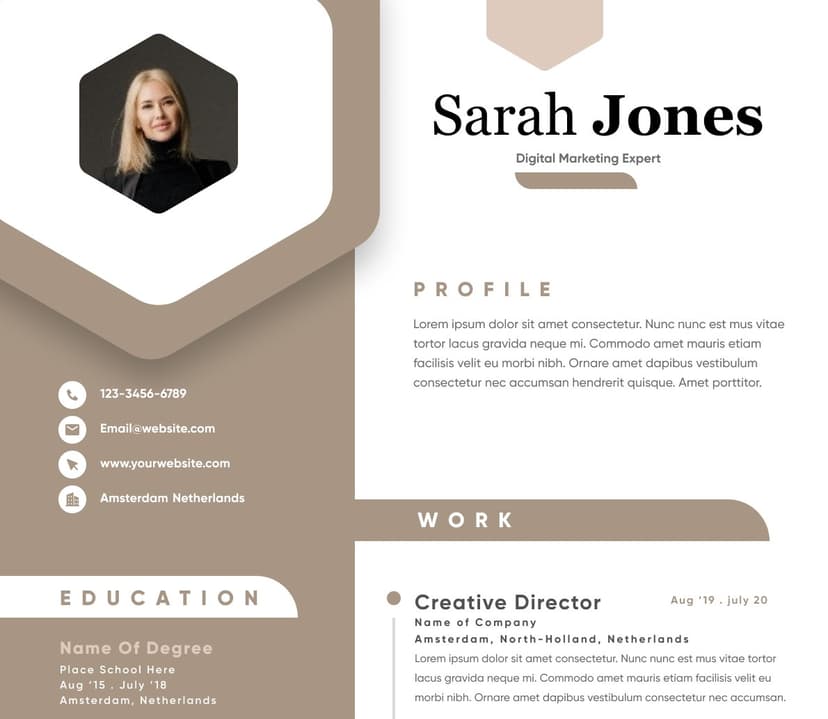
Use professional field-tested resume templates that follow the exact Resume rules employers look for.
Create Resume


 Upload Resume
 Import from Linkedin