STILL APPLYING. STILL HEARING NOTHING?BUILD YOUR RESUME

STILL APPLYING. STILL HEARING NOTHING?BUILD YOUR RESUME
Choose from a wide range of NEWCV resume templates and customize your NEWCV design with a single click.
FAQ
A strong .NET developer student resume is not about years of experience. It is about proving technical potential, project capability, and learning velocity. Recruiters hiring student or entry-level .NET developers look for evidence that you can write code, learn quickly, collaborate with a team, and contribute to real development environments.
The biggest mistake students make is submitting a generic resume with vague coursework and no proof of hands-on development. A competitive .NET developer resume for students should showcase ASP.NET Core projects, GitHub activity, C# fundamentals, APIs, SQL knowledge, debugging experience, and practical technical work, even if that work came from school projects, hackathons, personal apps, or internships.
Hiring managers do not expect students to be senior developers. They expect initiative, technical curiosity, and evidence that you can execute basic development tasks with supervision.
For internships, junior developer roles, and new grad opportunities, recruiters evaluate student resumes differently than experienced developer resumes.
The screening process usually focuses on five core questions:
Can this candidate actually code?
Have they built anything practical using .NET or C#?
Do they understand core software development concepts?
Can they work in a team environment?
Are they trainable and likely to ramp up quickly?
Most student resumes fail because they focus too heavily on objectives and soft skills while providing little technical proof.
A strong student .NET developer resume shows:
Working ASP.NET Core or C# projects
For high school students, college students, and entry-level candidates, the reverse chronological format works best.
Your resume should follow this structure:
Contact information
Resume summary
Technical skills
Projects
Education
Internship or work experience
Certifications
Leadership, hackathons, or extracurricular activities
Your summary should immediately position you as a technically capable entry-level candidate.
Do not write generic statements like:
Weak Example
“Motivated computer science student seeking opportunities to grow.”
This tells recruiters nothing.
Instead, communicate technical direction, tools, and value.
Good Example
“Computer science student with hands-on experience building ASP.NET Core web applications, REST APIs, and SQL Server databases. Experienced with C#, GitHub, and Azure deployments through academic projects and hackathons. Seeking a .NET developer internship or entry-level software engineering role.”
This works because it immediately answers:
What technologies you use
What kind of work you have done
What role you want
Why you are relevant
Student resumes often fail because the skills section is either too broad or unrealistic.
Recruiters notice immediately when a student lists 40 technologies with no evidence.
Focus on tools you can actually discuss during interviews.
C#
ASP.NET Core
ASP.NET MVC
Entity Framework Core
REST APIs
SQL Server
For student .NET developer resumes, projects are often the deciding factor.
A strong project section can compensate for limited professional experience.
Recruiters want evidence that you can:
Build software
Solve problems
Work with modern tools
Finish technical work
Understand development workflows
The best student projects are not necessarily complex. They are clear, functional, and well explained.
Weak project bullets describe activities.
Strong project bullets describe outcomes, technologies, and functionality.
This provides almost no value.
This works because it explains:
What was built
Which technologies were used
What the application actually did
Good Example
Developed a full-stack ASP.NET Core MVC application for tracking student assignments and deadlines using SQL Server and Entity Framework Core
Implemented authentication and role-based authorization for students and administrators
Deployed the application to Azure App Service as part of a senior capstone project
Good Example
Created a RESTful API using ASP.NET Core Web API and Entity Framework Core for inventory management functionality
Tested API endpoints using Postman and documented request workflows for team collaboration
Students often assume “no experience” means they are unqualified.
Recruiters do not expect formal experience from students applying for internships or entry-level roles.
What matters is evidence of capability.
You can still build a strong resume using:
School projects
GitHub repositories
Freelance work
Hackathons
Open-source contributions
Technical coursework
Personal applications
Many student resumes include coursework incorrectly.
Simply listing courses is weak.
This adds little value.
This communicates actual technical foundations recruiters recognize.
A GitHub profile is one of the strongest trust signals for student developers.
Recruiters and engineering managers frequently check GitHub when evaluating junior candidates.
A good GitHub portfolio shows:
Consistent coding activity
Real projects
Technical curiosity
Version control familiarity
Self-learning initiative
Your GitHub projects should include:
Clear README documentation
Yes.
High school students applying for internships, coding programs, or junior technical roles should absolutely include projects.
Recruiters hiring younger candidates mainly evaluate:
Technical curiosity
Initiative
Learning ability
Practical experimentation
A high school student with working C# or ASP.NET projects often stands out dramatically against peers with no technical portfolio.
Built beginner-level applications using C# and ASP.NET Core
Even short internships can dramatically strengthen a student .NET resume if described correctly.
The biggest mistake students make is writing vague internship descriptions.
This sounds passive and unskilled.
This sounds technical and relevant.
Contributed to feature testing and bug tracking using Azure DevOps
Supported database updates and SQL query optimization tasks
Most companies use Applicant Tracking Systems to filter resumes before recruiters review them.
Student resumes often fail ATS systems because they lack relevant technical keywords.
Include relevant keywords naturally throughout your resume:
.NET
ASP.NET Core
C#
SQL Server
Entity Framework Core
REST API
Azure
Most objectives are meaningless.
Recruiters skip them immediately unless they communicate real technical value.
If you claim ASP.NET Core expertise but have no related projects, recruiters will question credibility.
Every major technical skill should connect to experience or projects.
A retail or restaurant job is fine to include, but technical projects should usually appear first for developer candidates.
Weak bullets describe participation.
Strong bullets describe technical execution and outcomes.
Student resumes should typically stay one page, but the page should still feel complete and content-rich.
Use projects, coursework, hackathons, certifications, and GitHub work to strengthen the document.
Software development is collaborative.
Students who mention Git workflows, Agile projects, code reviews, or team coordination often appear more employable.
Daniel Carter
Chicago, Illinois
danielcarter.dev@email.com
GitHub: github.com/danielcarterdev
LinkedIn: linkedin.com/in/danielcarterdev
Computer science student with hands-on experience developing ASP.NET Core web applications, REST APIs, and SQL Server databases through academic projects and hackathons. Skilled in C#, Entity Framework Core, GitHub collaboration, and Azure deployment. Seeking a .NET developer internship or entry-level software engineering role.
C#
ASP.NET Core
ASP.NET MVC
Entity Framework Core
Student hiring is highly comparative.
You are rarely evaluated in isolation.
Recruiters compare candidates based on signals of future potential.
Students who consistently get interviews usually demonstrate:
Initiative beyond coursework
Self-directed learning
Real technical projects
Consistent technical interest
Strong communication
Practical coding experience
Students who rely only on grades often lose to candidates with stronger portfolios and technical proof.
A student with average grades but excellent projects often performs better in hiring than a student with high grades and no portfolio.
Hiring managers are not expecting junior developers to architect enterprise systems.
They want candidates who can:
Follow technical instructions
Learn quickly
Debug basic issues
Collaborate professionally
Ask good questions
Write maintainable code
Contribute incrementally
The strongest student resumes reduce perceived hiring risk.
That means proving you can already function inside a basic development workflow.
The most effective student .NET developer resumes focus on proof, not claims.
Your goal is not to sound experienced.
Your goal is to show technical capability, learning potential, and evidence of execution.
Prioritize:
Real projects over vague summaries
Technical depth over generic soft skills
GitHub proof over unsupported claims
Clear accomplishments over filler wording
Practical experience over buzzwords
Even without professional experience, students who demonstrate initiative, coding ability, and strong project execution can compete effectively for internships, part-time development roles, and entry-level .NET developer positions.

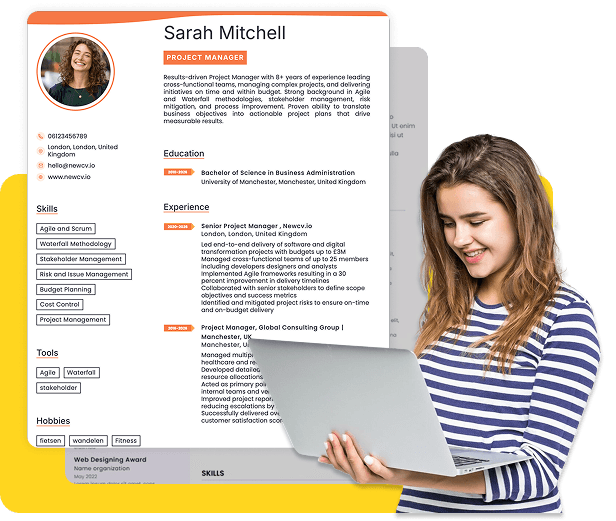
Use ATS-optimised Resume and resume templates that pass applicant tracking systems. Our Resume builder helps recruiters read, scan, and shortlist your Resume faster.

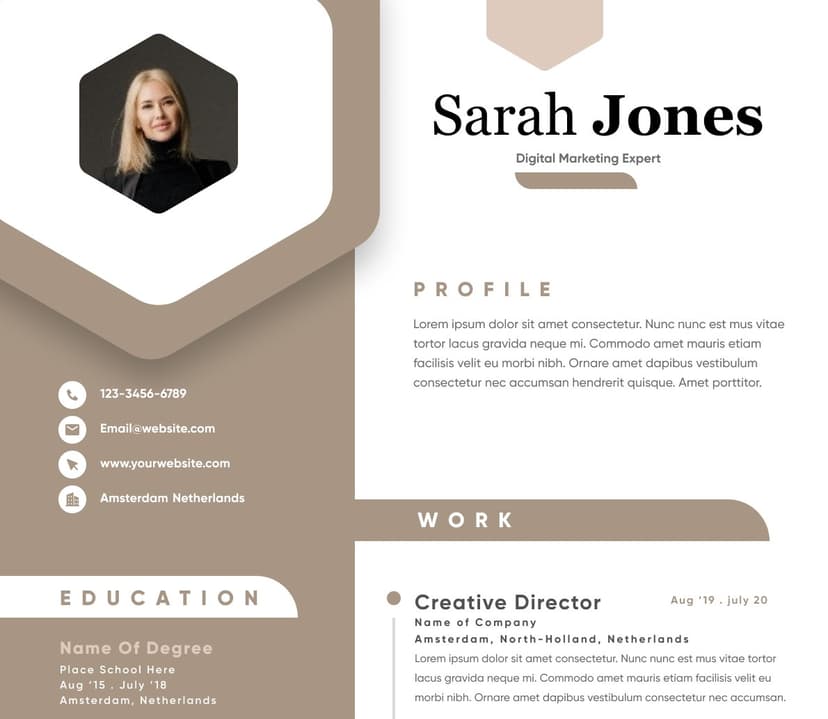
Use professional field-tested resume templates that follow the exact Resume rules employers look for.
Create Resume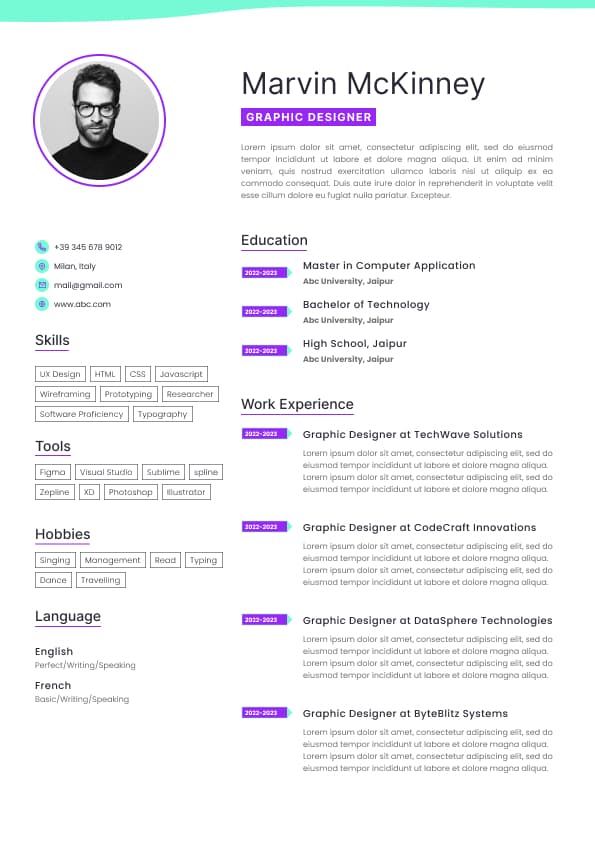
Use professional field-tested resume templates that follow the exact Resume rules employers look for.
Create ResumeExposure to Git and version control
Database knowledge such as SQL Server or MySQL
API development experience
Problem-solving ability
Evidence of self-learning
Team collaboration through school projects or hackathons
Technical curiosity beyond classroom assignments
Even basic technical experience is valuable when presented correctly.
Projects should appear above work experience if your technical projects are stronger than your employment history.
This is critical for students because technical capability matters more than unrelated part-time jobs.
LINQ
Visual Studio
Git and GitHub
Azure fundamentals
HTML
CSS
JavaScript
Bootstrap
Object-oriented programming
Data structures and algorithms
Agile methodologies
Debugging and testing
These are often missing from competing resumes:
Git pull requests
API testing with Postman
Azure App Service deployment
Unit testing basics
CI/CD exposure
Scrum collaboration
Technical documentation
Open-source contributions
Hackathon participation
Students who demonstrate practical development workflows usually outperform students who only list classroom theory.
Good Example
Built a C# automation tool that organized files based on file type and reduced manual sorting time for users
Improved script efficiency by optimizing file processing logic and exception handling
Good Example
Collaborated with a team of four developers using GitHub pull requests and Agile sprint planning during a university software engineering project
Participated in code reviews, bug fixes, and sprint retrospectives
Good Example
Developed a working healthcare scheduling prototype within 24 hours during a university hackathon using ASP.NET Core and SQL Server
Presented the final product to judges and technical mentors
Certifications
Coding competitions
The key is positioning your experience professionally.
Screenshots when applicable
Installation instructions
Clean repository names
Meaningful commit history
Even two or three polished repositories can significantly improve interview chances.
Participated in coding clubs or hackathons
Completed Microsoft Learn modules
Experimented with GitHub projects
Learned independently outside school curriculum
The ability to self-teach technical skills is extremely valuable in engineering hiring.
Participated in daily standup meetings and sprint planning sessions
Collaborated with developers through GitHub pull requests and version control workflows
GitHub
MVC
Object-oriented programming
Software development
Agile
Web development
Debugging
API integration
Do not keyword stuff.
Recruiters can instantly recognize unnatural resumes.
SQL Server
REST APIs
GitHub
Azure Fundamentals
HTML
CSS
JavaScript
Bootstrap
Object-Oriented Programming
Agile Development
Student Course Management System
ASP.NET Core MVC | SQL Server | Bootstrap
Built a web application allowing students to manage course registrations and assignment tracking
Integrated SQL Server database functionality using Entity Framework Core
Implemented user authentication and authorization features
Deployed the application to Azure App Service
Inventory Management REST API
ASP.NET Core Web API | Entity Framework Core
Developed RESTful API endpoints for inventory tracking and product management
Tested API functionality using Postman and documented endpoint behavior
Optimized database queries to improve response performance
Bachelor of Science in Computer Science
University of Illinois at Chicago
Expected Graduation: 2027
Relevant Coursework:
Data Structures and Algorithms
Object-Oriented Programming
Database Management Systems
Software Engineering
Software Development Intern
TechNova Solutions | Chicago, Illinois
Assisted developers with debugging ASP.NET Core applications and API integrations
Collaborated using GitHub pull requests and Agile sprint workflows
Participated in software testing and issue tracking processes
Microsoft Learn: ASP.NET Core Fundamentals
Azure Fundamentals
Participant in university hackathon competitions
Active member of Computer Science Club
Contributed to collaborative GitHub projects


 Upload Resume
 Import from Linkedin