STILL APPLYING. STILL HEARING NOTHING?BUILD YOUR RESUME

STILL APPLYING. STILL HEARING NOTHING?BUILD YOUR RESUME
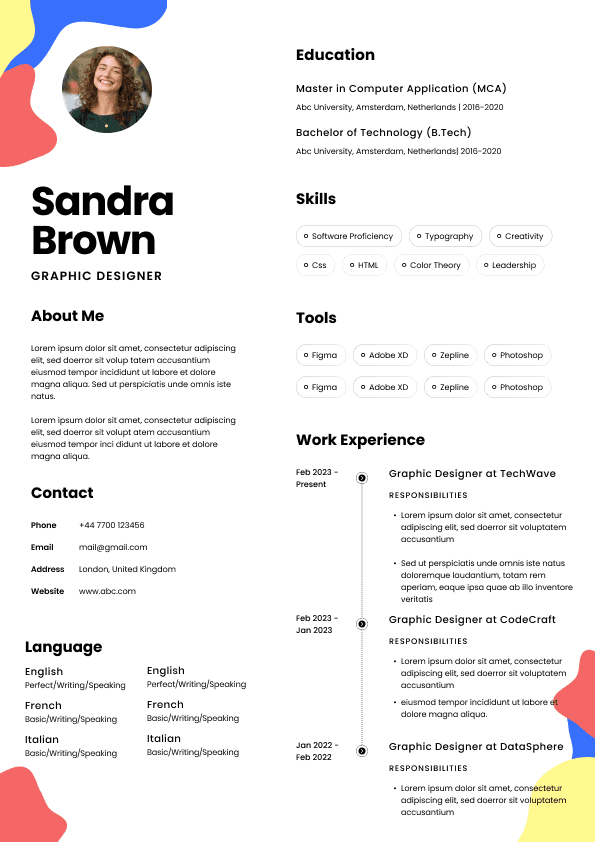
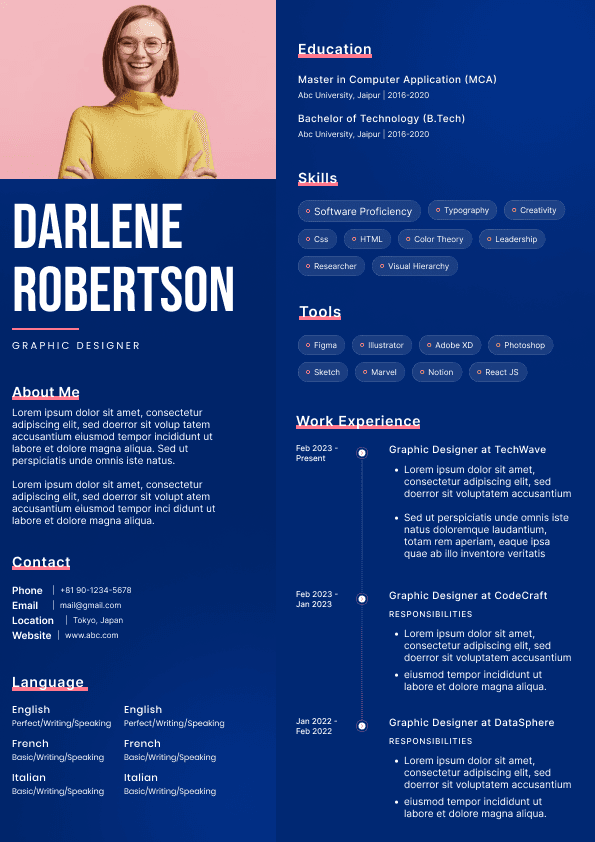
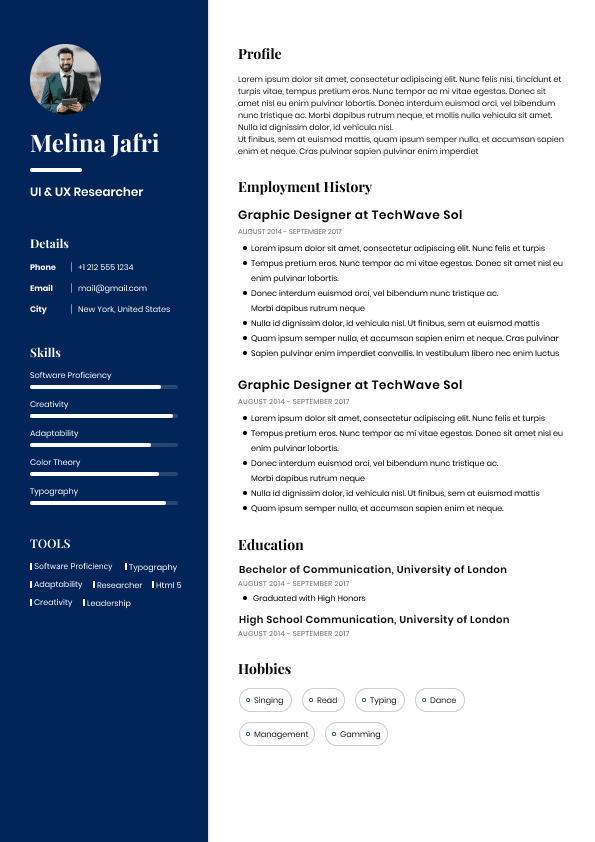
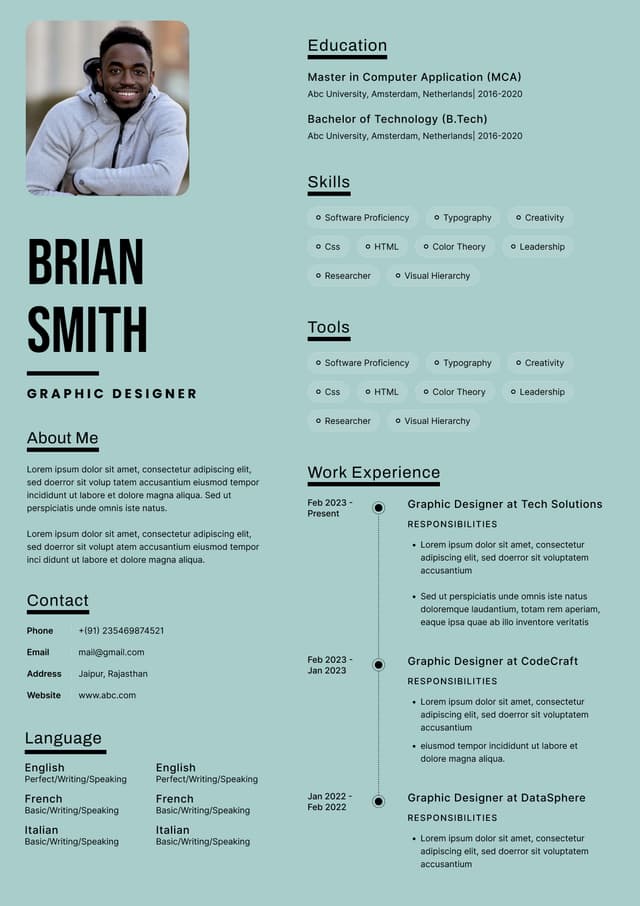
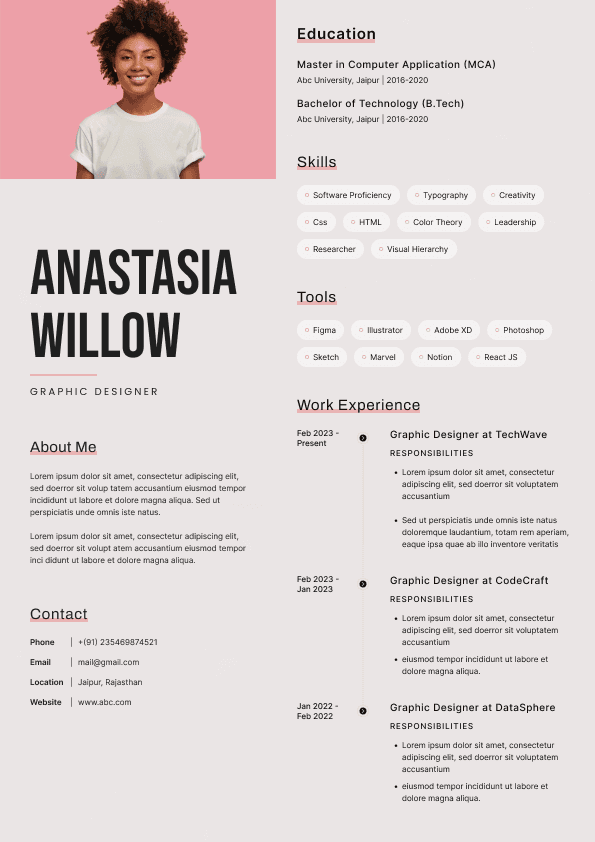
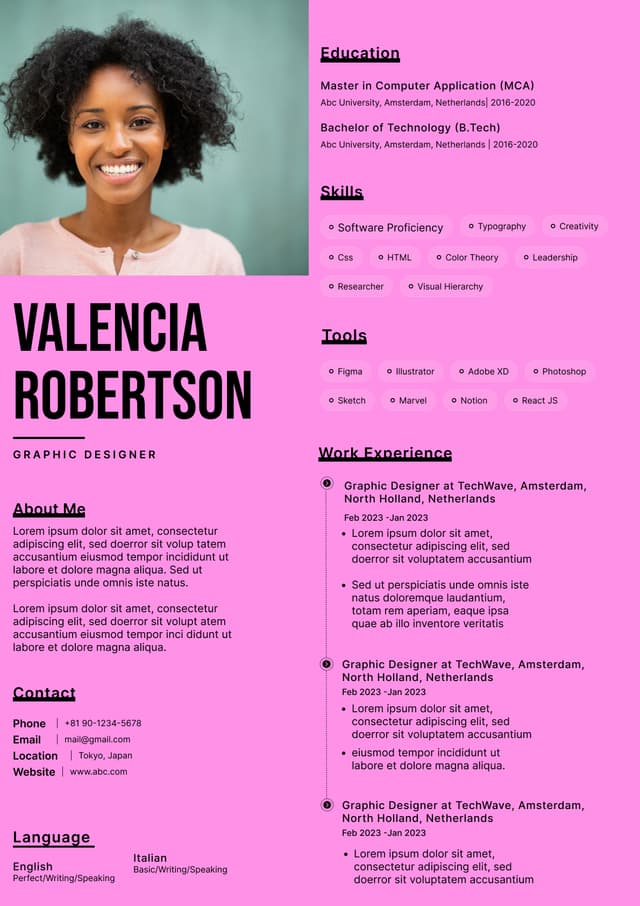
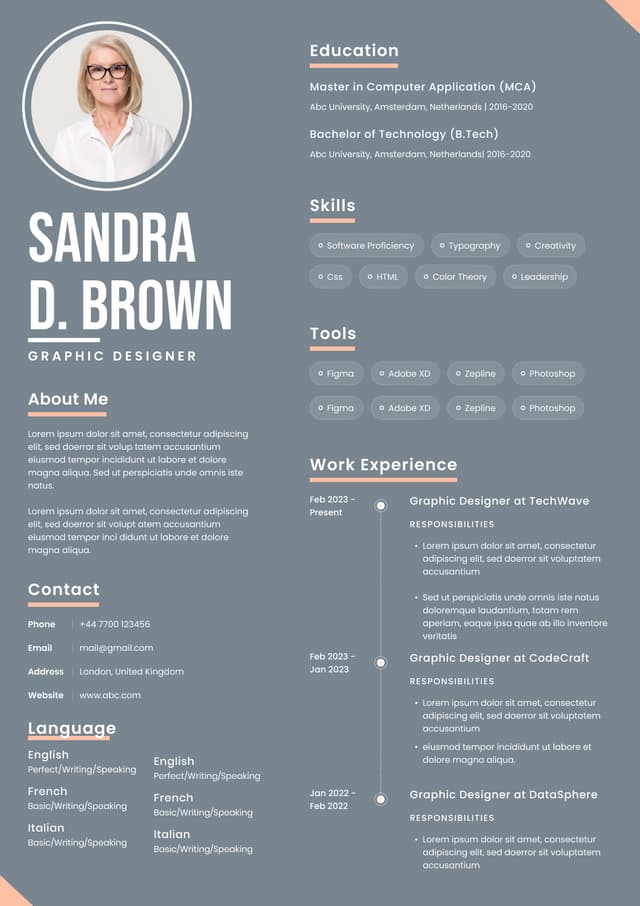
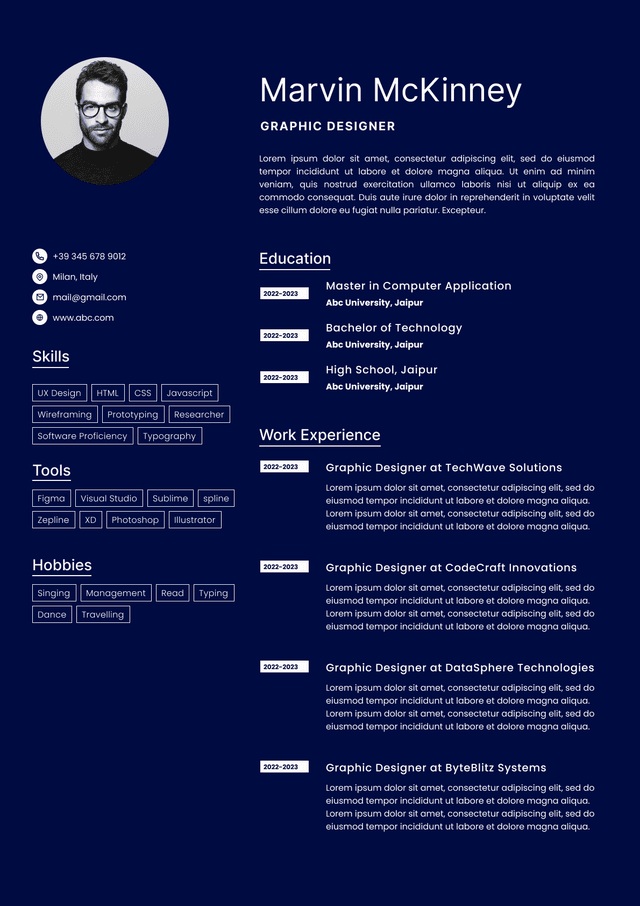
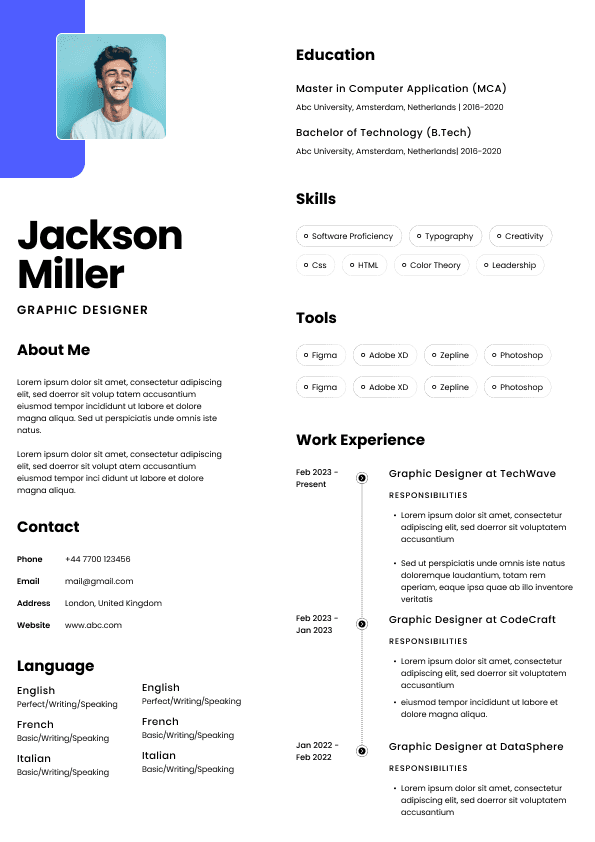
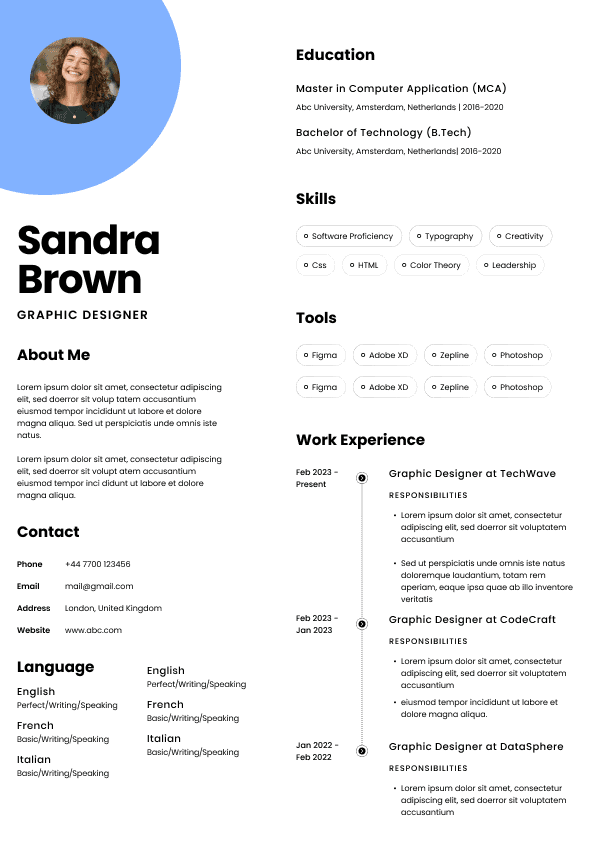
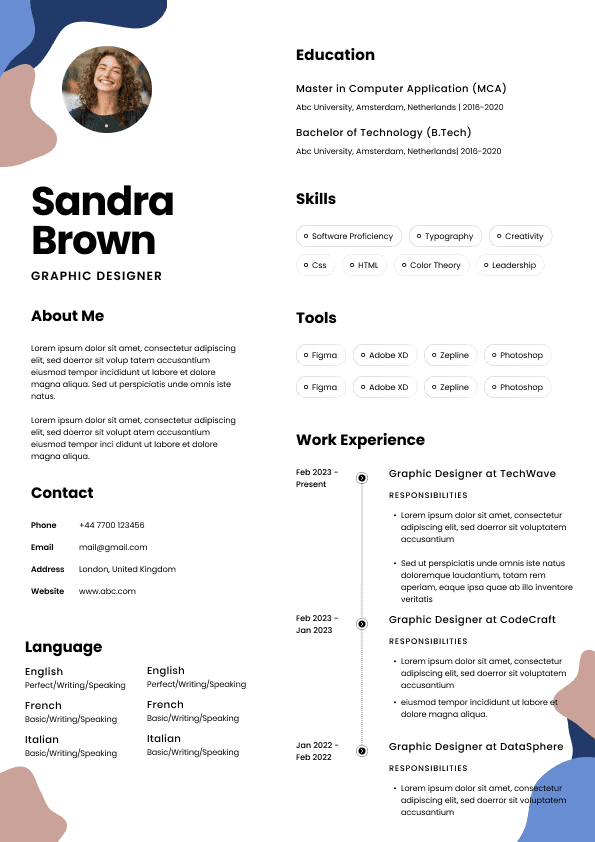
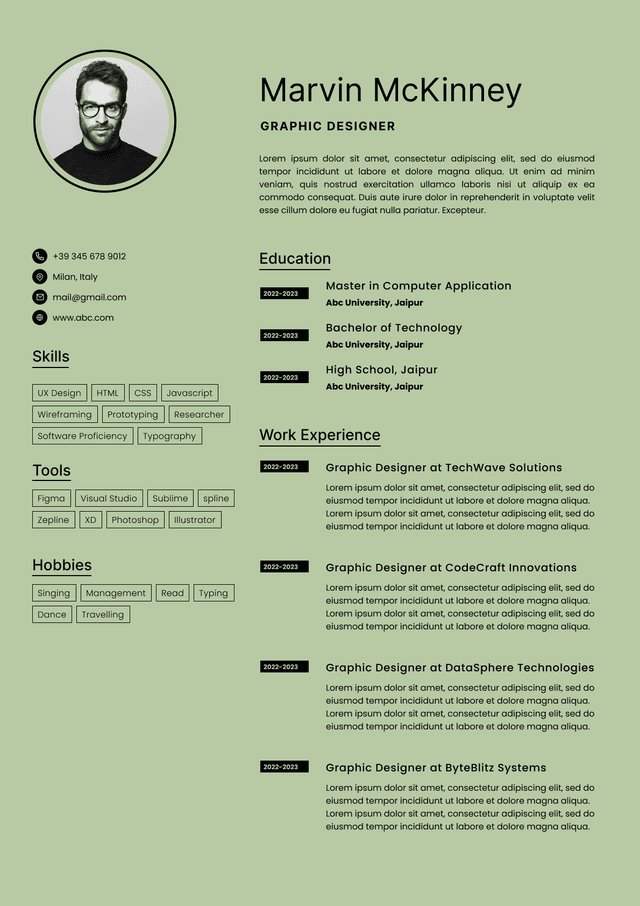
Choose from a wide range of NEWCV resume templates and customize your NEWCV design with a single click.
FAQ
If you have no professional experience as a .NET developer, your resume still can absolutely compete for interviews. Hiring managers for entry-level .NET roles are not expecting years of enterprise experience. What they are evaluating is whether you can write clean C# code, understand core development concepts, build real projects, and contribute to a team environment without constant hand-holding.
The biggest mistake entry-level candidates make is submitting resumes that look empty because they only focus on paid work history. In software hiring, especially for junior .NET positions, projects often matter more than unrelated jobs. A strong GitHub portfolio, deployed ASP.NET Core applications, REST APIs, SQL projects, and evidence of problem-solving can outperform weak internship experience.
Your goal is not to “hide” lack of experience. Your goal is to prove technical readiness.
This guide shows exactly how recruiters evaluate entry-level .NET resumes, what to include instead of experience, how to structure your resume, and what actually gets interviews in the current US tech hiring market.
For junior and entry-level .NET positions, recruiters typically screen resumes in this order:
Technical stack relevance
Project quality
Evidence of real coding ability
Resume clarity and organization
GitHub or portfolio links
Education or bootcamp credibility
Problem-solving signals
Communication and professionalism
Use a reverse-chronological format with strong project sections.
Your resume should include:
Header
Professional summary
Technical skills
Projects
Education
Certifications or coursework
Additional experience if relevant
For entry-level developers, projects are the centerpiece of the resume.
Do not bury projects at the bottom.
Your summary should position you as technically capable and ready to contribute.
Avoid generic objectives.
A strong summary includes:
Your developer identity
Core technologies
What you’ve built
What type of role you want
Example
Junior .NET Developer with hands-on experience building full stack web applications using C#, ASP.NET Core MVC, Entity Framework Core, SQL Server, and REST APIs. Developed multiple portfolio projects with authentication, database integration, API consumption, and Azure deployment. Strong understanding of object-oriented programming, debugging, Git workflows, and Agile development fundamentals. Seeking an entry-level .NET developer role where strong problem-solving and rapid learning ability can contribute to production development teams.
Your skills section should match actual .NET job descriptions.
Do not overload it with technologies you barely understand.
Recruiters can usually spot inflated resumes immediately during technical interviews.
C#
SQL
JavaScript
TypeScript
HTML
CSS
If you have no work experience, projects become your proof of capability.
This is where most entry-level resumes either succeed or fail.
Recruiters do not care whether the project was personal, academic, freelance, or bootcamp-based if it demonstrates real-world development skills.
Strong projects demonstrate:
Backend logic
Database integration
Authentication
CRUD functionality
API usage or creation
Deployment
This is one of the strongest possible portfolio projects.
A strong version includes:
Authentication and authorization
SQL Server database
Entity Framework Core
CRUD operations
Validation logic
Responsive UI
API integration
Your bullets should focus on technical outcomes and implementation details.
Built a full stack task management application using C#, ASP.NET Core MVC, Entity Framework Core, SQL Server, and cookie authentication
Developed REST API endpoints, DTOs, validation logic, and database models for a portfolio inventory management system
Implemented unit tests using xUnit and Moq to validate business logic and improve application reliability
Deployed a .NET web application to Azure App Service with Azure SQL Database integration and environment configuration documentation
Used Git and GitHub for pull requests, issue tracking, version control, and README documentation
Created responsive Razor Pages with server-side validation, pagination, filtering, and dynamic form handling
Many junior developers include a GitHub link that actually hurts their resume.
Hiring managers absolutely click GitHub profiles for entry-level candidates.
Clean repositories
Clear README files
Screenshots
Setup instructions
Deployment links
Meaningful commit history
Organized folder structure
If you are a computer science student or recent graduate, education can appear above projects only if:
You graduated recently
Your GPA is strong
You have highly relevant coursework
Otherwise, projects should appear first.
Only include coursework directly related to development:
Data Structures and Algorithms
Object-Oriented Programming
Database Systems
Career changers should not try to hide previous experience.
Instead, connect transferable skills to development work.
Problem-solving
Process improvement
Documentation
Communication
Team collaboration
Analytical thinking
They spend too much space describing unrelated jobs.
Your previous career should support your technical transition, not dominate the resume.
Most entry-level resumes fail ATS screening because they are missing exact keywords from job descriptions.
Include relevant terms naturally:
C#
ASP.NET Core
Entity Framework Core
REST API
SQL Server
MVC
Blazor
James Carter
Dallas, Texas
jamescarterdev@email.com
GitHub: github.com/jamescarterdev
LinkedIn: linkedin.com/in/jamescarterdev
Junior .NET Developer with hands-on experience building full stack applications using C#, ASP.NET Core MVC, SQL Server, Entity Framework Core, and REST APIs. Developed multiple deployed portfolio projects with authentication, database integration, unit testing, and Azure hosting. Strong understanding of object-oriented programming, debugging, Git workflows, and Agile development fundamentals. Seeking an entry-level .NET developer role focused on backend and full stack application development.
Languages: C#, SQL, JavaScript, TypeScript, HTML, CSS, PowerShell, JSON, XML
Frameworks: ASP.NET Core MVC, Razor Pages, Blazor, Entity Framework Core, LINQ
Databases: SQL Server, SQLite, MySQL
Tools: Visual Studio, Git, GitHub, Azure basics, Postman, Swagger
Concepts: REST APIs, OOP, Unit Testing, Data Structures, Algorithms, CI/CD basics, Agile methodologies
If you claim ASP.NET Core experience, your projects should demonstrate it.
“Created a website using C#.”
This is too weak.
Specify architecture, frameworks, databases, deployment, and functionality.
Three strong projects beat ten tutorial clones.
A deployed application dramatically increases credibility.
Do not fill space with vague traits like:
Hardworking
Team player
Hiring managers do not expect junior developers to know everything.
They want developers who:
Can learn quickly
Accept feedback well
Write readable code
Communicate clearly
Debug logically
Work consistently
The strongest entry-level candidates show evidence of momentum.
That means:
Active GitHub contributions
Many self-taught developers and bootcamp graduates assume they automatically lose against candidates with internships.
That is not always true.
Weak internships with little coding responsibility often lose to strong technical portfolios.
Better GitHub projects
Cleaner architecture
Better documentation
Stronger APIs
Real deployment experience
Better SQL knowledge
Your resume should tell a clear story:
“I may not have professional experience yet, but I already understand modern .NET development workflows and can contribute technically.”
That story becomes believable when your resume includes:
Strong projects
Real technical implementation
GitHub credibility
ATS keyword alignment
Clear formatting
Evidence of continuous learning
The candidates who get interviews are usually not the ones with the fanciest templates.
They are the ones who make hiring managers feel confident they can step into a junior development environment and start solving problems.

Use ATS-optimised Resume and resume templates that pass applicant tracking systems. Our Resume builder helps recruiters read, scan, and shortlist your Resume faster.

Use professional field-tested resume templates that follow the exact Resume rules employers look for.
Create Resume
Use professional field-tested resume templates that follow the exact Resume rules employers look for.
Create ResumeMost recruiters are not deeply technical. The first screen is usually based on keyword alignment and obvious project relevance.
Hiring managers, however, look deeper. They want proof that you can:
Understand object-oriented programming
Work with APIs and databases
Read and debug existing code
Use Git and version control properly
Learn quickly inside a team environment
Follow modern .NET workflows
That means your resume should emphasize practical development work, not generic personality traits.
Weak Example
“Hardworking developer passionate about technology.”
This says nothing measurable.
Good Example
“Built and deployed a full stack ASP.NET Core MVC application with authentication, SQL Server integration, Entity Framework Core, and Azure App Service deployment.”
This immediately demonstrates technical capability.
PowerShell
JSON
XML
ASP.NET Core
ASP.NET MVC
Razor Pages
Blazor
Entity Framework Core
LINQ
SQL Server
MySQL
SQLite
Visual Studio
Git
GitHub
Azure basics
Azure DevOps basics
Postman
Swagger
Object-Oriented Programming
REST APIs
Data Structures
Algorithms
Unit Testing
Debugging
CI/CD fundamentals
Agile methodologies
Clean architecture
Documentation
Weak projects often:
Follow tutorials exactly
Have no customization
Lack deployment
Lack GitHub documentation
Use basic static pages only
Show no backend complexity
Deployment to Azure
This proves backend capability.
Include:
API endpoints
DTOs
Validation
Error handling
Swagger documentation
Authentication
Unit tests
This shows modern .NET ecosystem familiarity.
Even small pull requests can strengthen credibility.
Recruiters see this as evidence you can:
Read existing codebases
Collaborate asynchronously
Use Git workflows
Handle code review feedback
Solved 120+ C# coding challenges covering LINQ, recursion, collections, sorting algorithms, OOP concepts, and SQL queries
Integrated third-party REST APIs and implemented JSON serialization/deserialization for external data processing
Empty repositories
“FinalProject2” naming
No documentation
Broken deployment links
Tutorial clones with no customization
Poor commit hygiene
A polished GitHub with 2 to 4 strong projects is more valuable than 15 unfinished repositories.
Quality beats quantity.
Software Engineering
Web Development
Computer Architecture
Operating Systems
For entry-level .NET roles, certifications are secondary to projects.
Still, these can help:
Microsoft Azure Fundamentals
C# certifications
ASP.NET Core courses
SQL certifications
Keep prior experience concise while heavily emphasizing:
Technical projects
GitHub work
Certifications
Self-study
Coding challenges
Freelance or volunteer development work
LINQ
Visual Studio
Azure
Git
Agile
Using graphics-heavy templates
Missing technical keywords
Listing skills without proof
Using vague summaries
Submitting resumes as image files
Use clean formatting and standard headings.
Personal Project
Built a full stack task management platform using ASP.NET Core MVC, SQL Server, Entity Framework Core, and cookie authentication
Developed CRUD functionality, validation logic, role-based authorization, and responsive Razor Pages
Implemented REST API endpoints with DTO mapping and Swagger documentation
Deployed application to Azure App Service with Azure SQL Database integration
Added unit tests using xUnit and Moq for service-layer validation
Portfolio Project
Created RESTful API using ASP.NET Core Web API and Entity Framework Core
Designed relational database schema and implemented repository pattern architecture
Integrated JWT authentication and request validation middleware
Documented API endpoints and testing workflows using Postman collections
Self-Directed Learning
Solved 120+ coding problems focused on collections, recursion, sorting, LINQ, arrays, strings, and SQL queries
Improved debugging and optimization skills through daily coding exercises and peer review discussions
Bachelor of Science in Computer Science
University of Texas at Arlington
Relevant Coursework: Data Structures, Database Systems, Software Engineering, Web Development, Algorithms
Fast learner
Demonstrate these through technical work and collaboration evidence instead.
Ongoing learning
Updated projects
Real technical curiosity
Better debugging ability
Hiring managers hire capability, not just credentials.



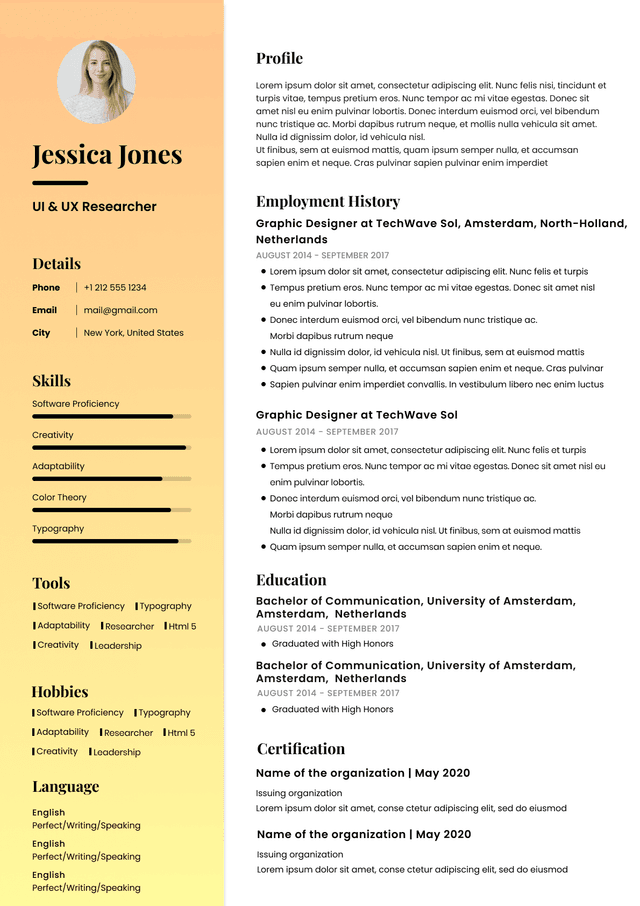
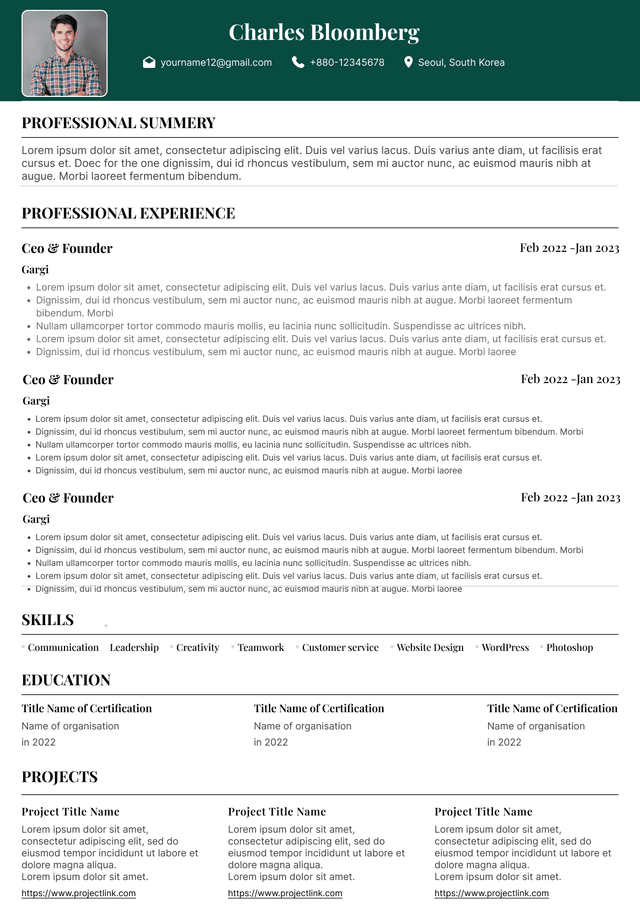
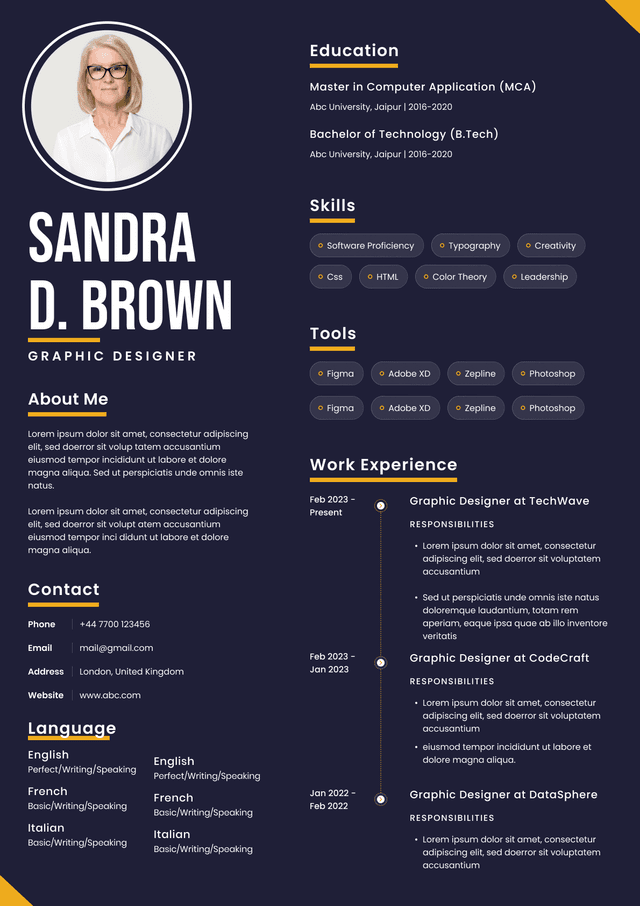
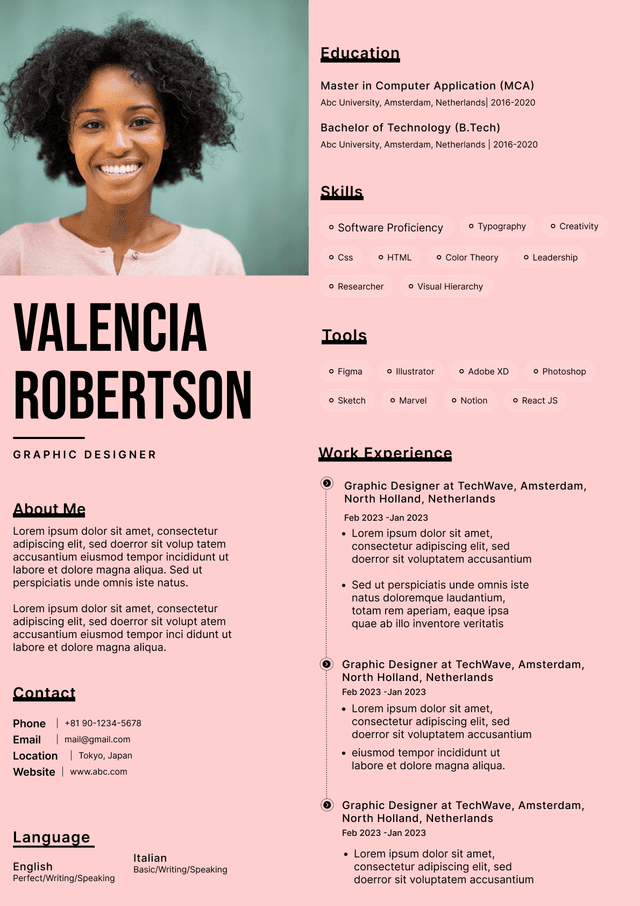
 Upload Resume
 Import from Linkedin