STILL APPLYING. STILL HEARING NOTHING?BUILD YOUR RESUME

STILL APPLYING. STILL HEARING NOTHING?BUILD YOUR RESUME
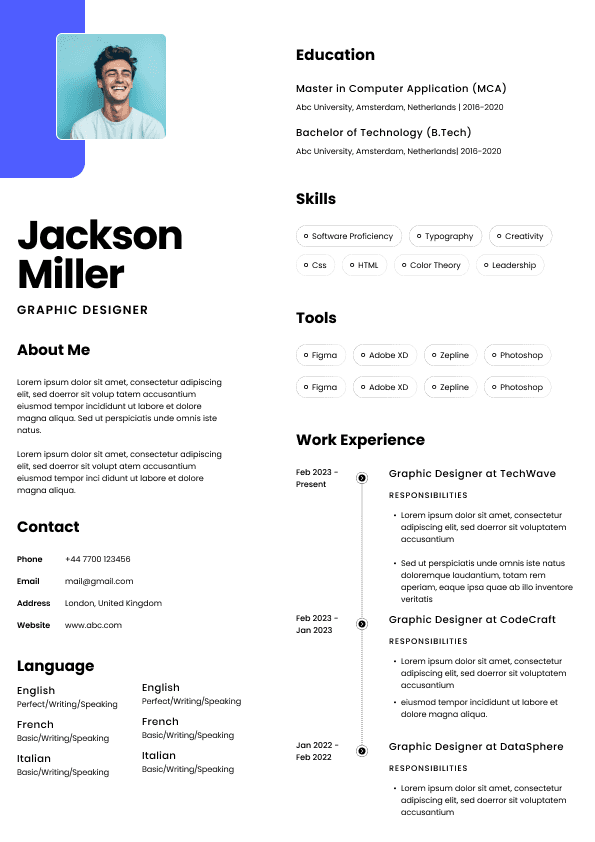
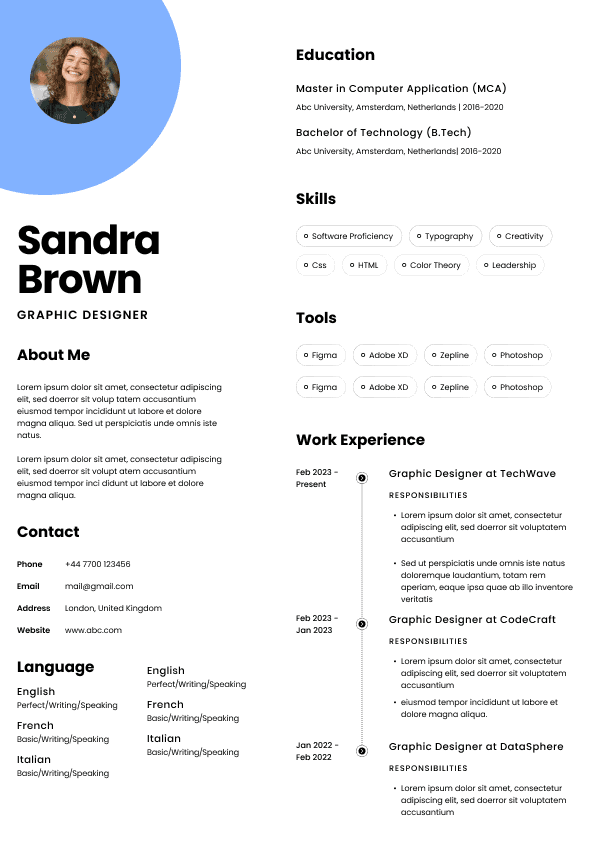
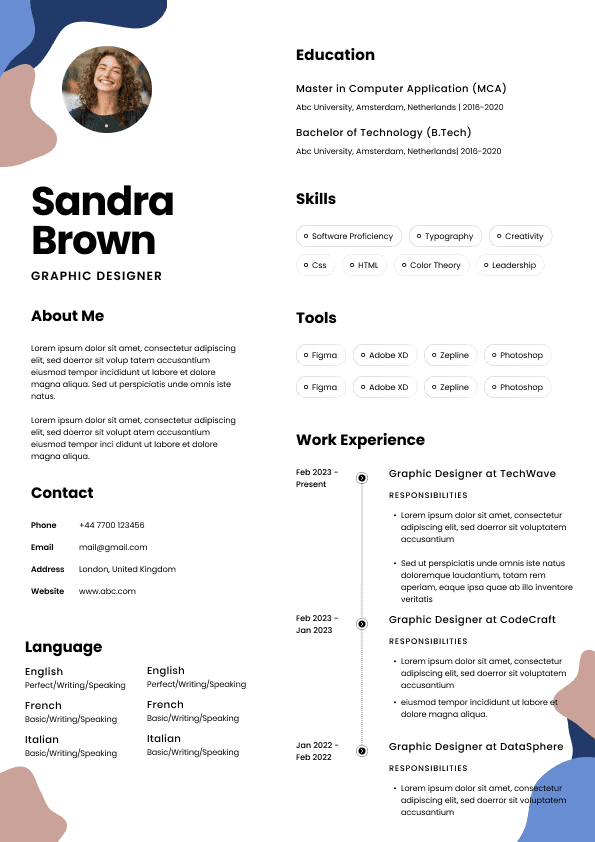
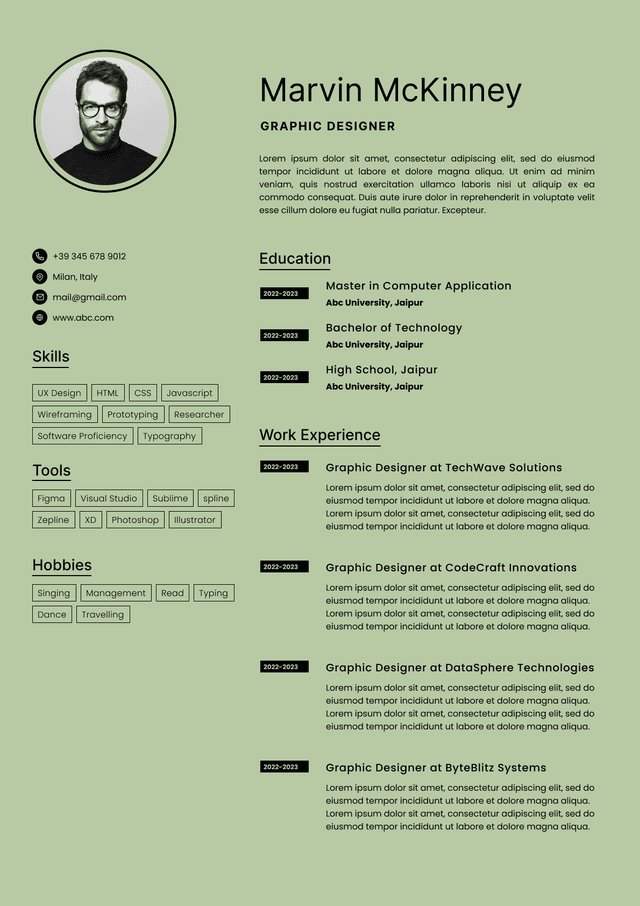
Choose from a wide range of NEWCV resume templates and customize your NEWCV design with a single click.
FAQ
A strong PHP developer resume immediately proves three things:
You can ship production-level code
You match the employer’s tech stack
Your work created measurable technical or business results
Most rejected resumes fail at one or more of these. The fix is not adding more buzzwords. The fix is positioning yourself like a real engineering hire instead of someone listing generic coding duties.
Most PHP resumes fail before a recruiter even finishes the first third of the page. The issue is rarely “lack of experience.” The issue is weak positioning.
Hiring managers reviewing PHP resumes typically look for:
Relevant framework alignment
Production-level backend experience
API and database competency
Modern PHP ecosystem knowledge
Scalability and debugging exposure
Business impact and ownership
Evidence of shipping real applications
Most resumes fail because they read like task lists instead of proof of engineering capability.
This is the single most common failure pattern.
Weak resumes describe activities. Strong resumes describe outcomes.
Weak Example
“Worked on Laravel web applications and fixed bugs.”
Good Example
“Maintained and enhanced Laravel-based SaaS platform serving 120K+ monthly users, reducing API response time by 38% through query optimization and Redis caching.”
The second version proves:
Framework knowledge
Scale
Technical action
Measurable result
Business relevance
A major reason PHP resumes get rejected is stack mismatch visibility.
Many developers have the right experience but hide it inside vague descriptions.
If the company wants:
Laravel
Symfony
WordPress
Magento 2
WooCommerce
REST APIs
Docker
Most ATS failures happen because developers misunderstand how technical resumes are parsed.
Missing framework keywords
Overdesigned formatting
Skills disconnected from work history
Missing technical tooling
Generic job titles
Keyword stuffing without context
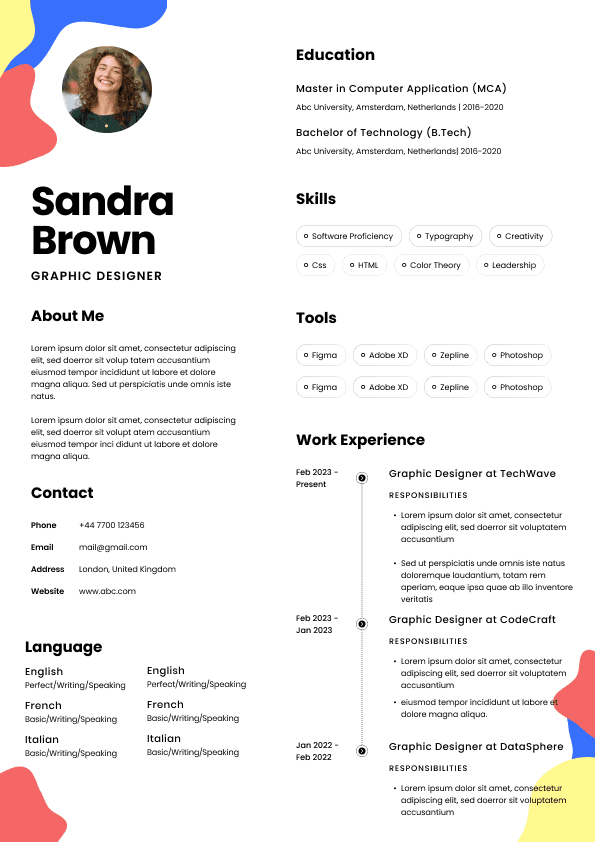
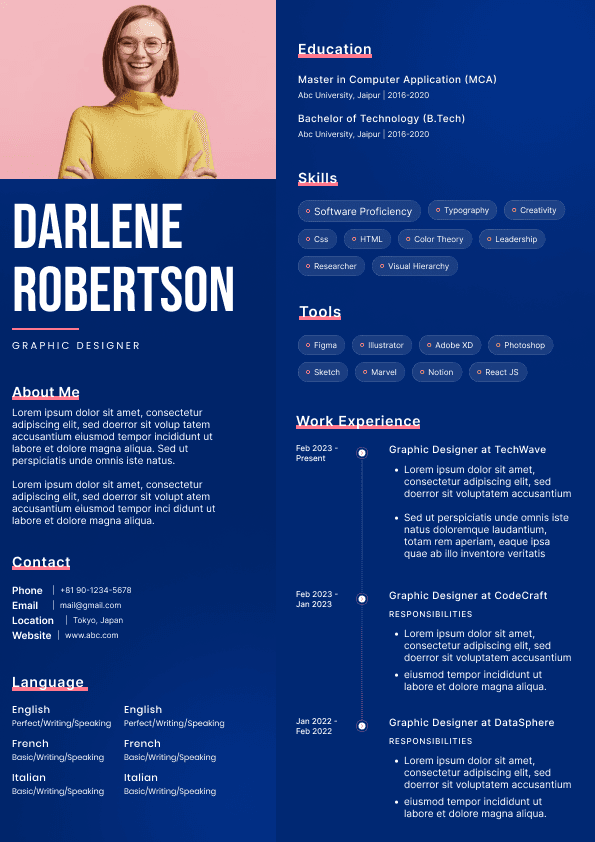
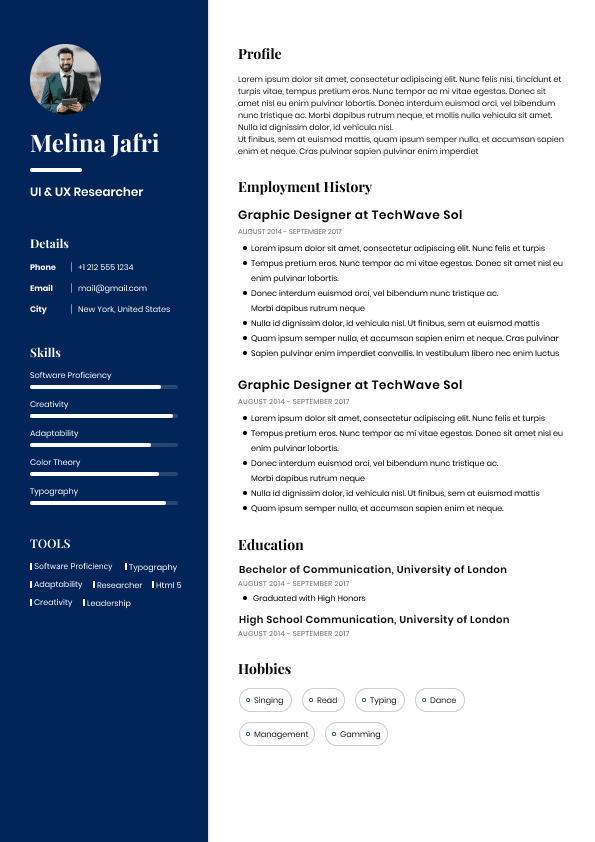
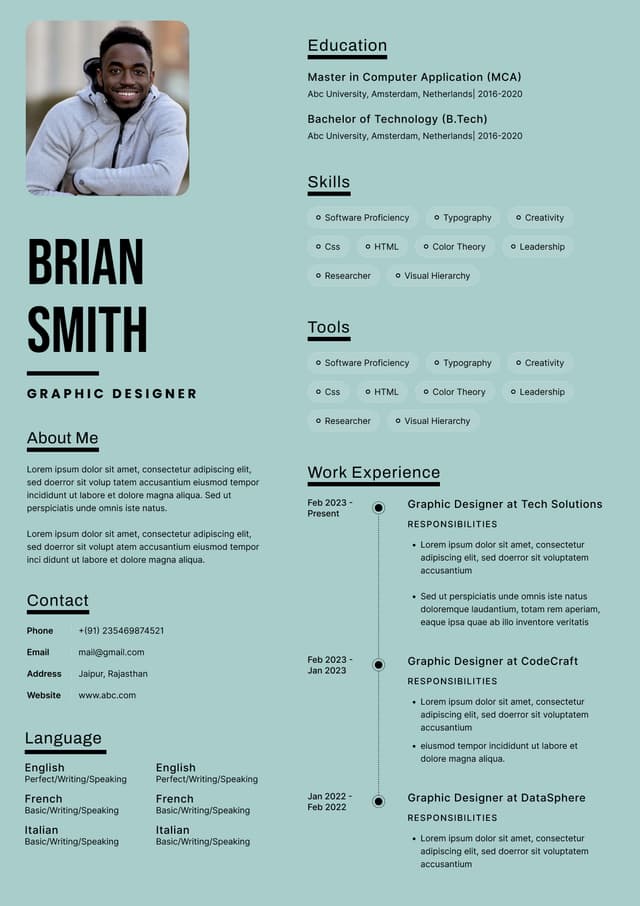
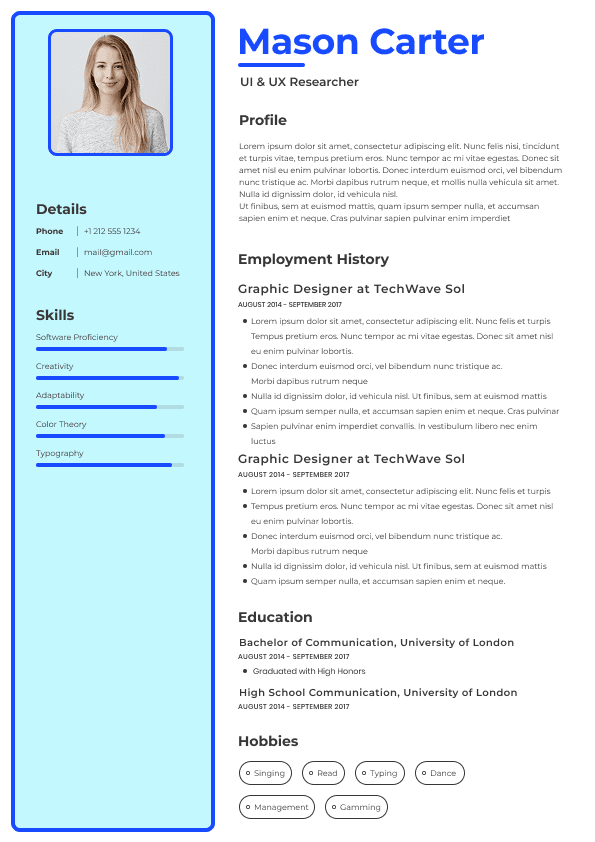
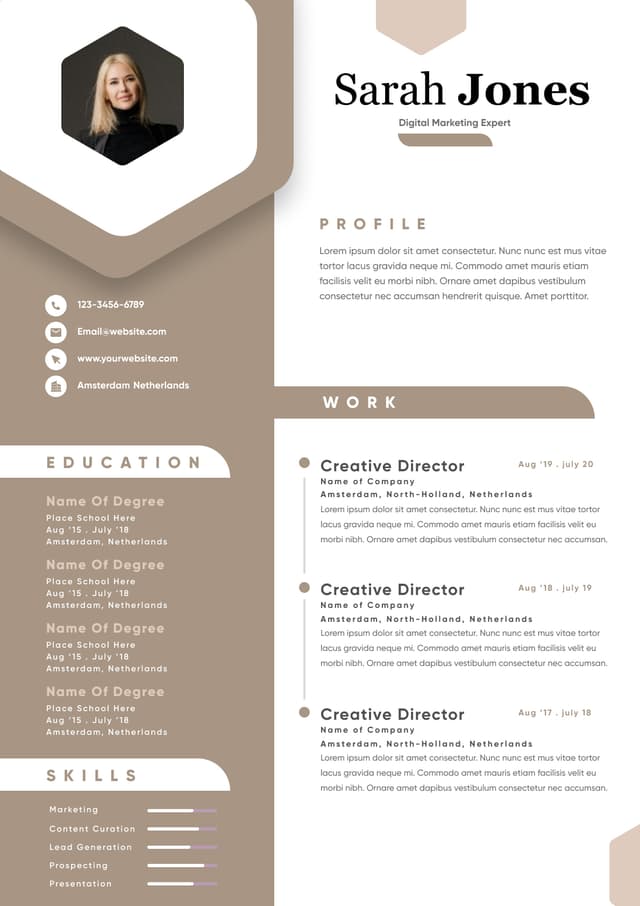
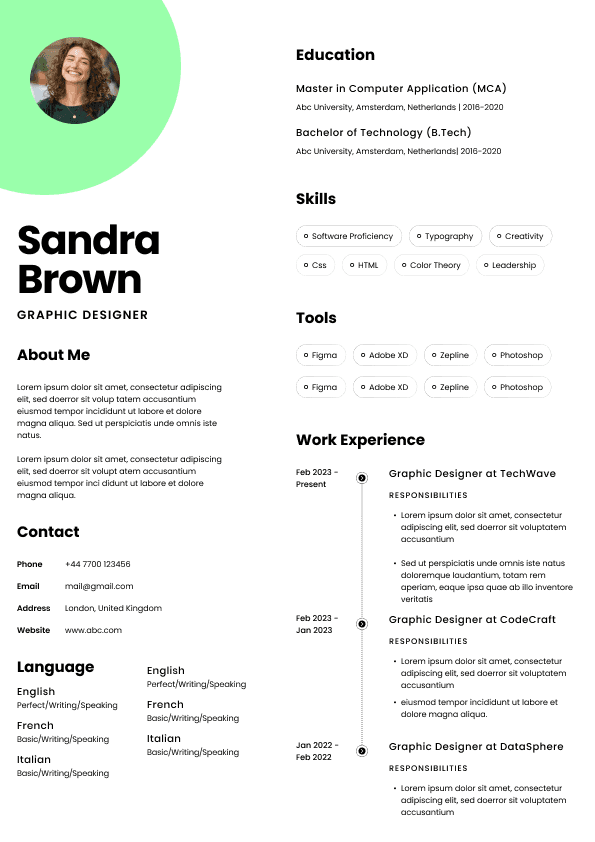
Using graphics, columns, or icons that break parsing
The highest-impact improvements usually come from rewriting experience bullets.
Most PHP developers undersell their actual work.
Do not say:
Instead explain:
What type of application
Which framework
Which architecture
Which integrations
Which scale
Many developers think recruiters only care about code.
That is incorrect.
Hiring managers want engineers who improve:
Performance
Stability
Revenue
Delivery speed
User experience
Infrastructure reliability
Strong PHP resumes often include:
One resume cannot effectively target:
Laravel backend roles
WordPress development jobs
Magento e-commerce positions
Symfony enterprise roles
Full stack PHP jobs
These are different hiring markets with different expectations.
This is how strong candidates improve response rates.
Focus on:
APIs
A huge hidden rejection factor is outdated PHP positioning.
If your resume still sounds like 2015-era PHP development, recruiters assume your skills are outdated.
Strong modern PHP resumes often include:
PHP 8+
Composer
Dependency Injection
Docker
CI/CD
Automated Testing
PHPUnit or Pest
One of the best ways to improve a PHP resume is using a stronger bullet structure.
Use this structure:
Action + Technology + Scope + Result
Example:
“Optimized MySQL queries and implemented Redis caching in Laravel CRM platform, reducing dashboard load time from 4.8 seconds to 1.6 seconds for 30K+ active users.”
This formula works because it immediately communicates:
Technical capability
Stack relevance
Scale
Ownership
Business impact
Junior PHP developers often make one major mistake:
They rely entirely on coursework or vague internships.
Hiring managers want proof that you can actually build.
If you lack professional experience, your resume should show:
GitHub repositories
Deployed applications
APIs
Laravel projects
WordPress plugins
Composer packages
Formatting problems silently destroy ATS performance and recruiter readability.
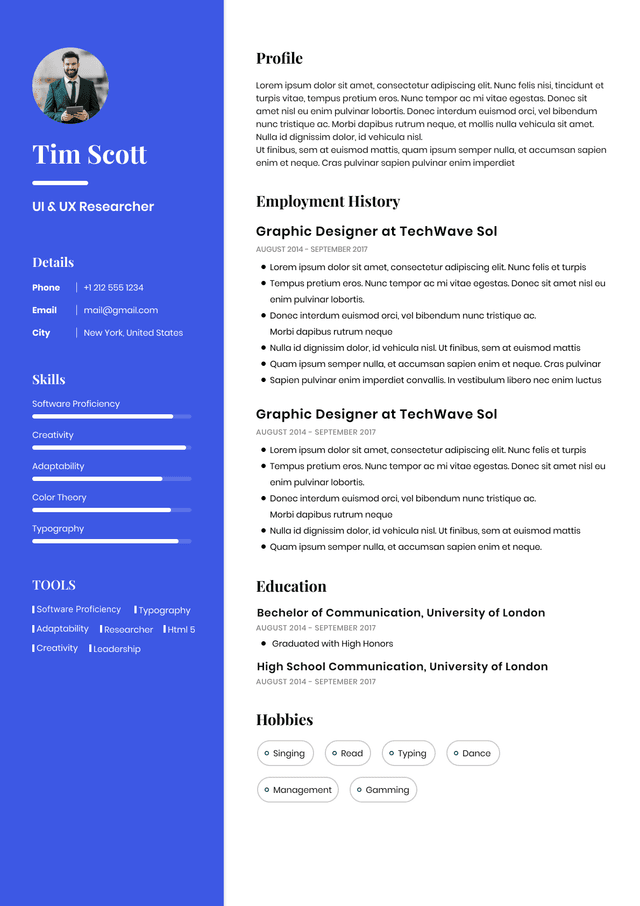
Multi-column layouts
Skill bars or graphics
Excessive colors
Huge text blocks
Tiny fonts
Inconsistent spacing
Missing section hierarchy
Many developers overload the skills section with every technology they have ever touched.
That weakens credibility.
Group skills logically.
Example:
Languages & Backend: PHP 8, JavaScript, TypeScript
Frameworks: Laravel, Symfony, WordPress, Magento 2
Databases: MySQL, PostgreSQL, Redis
Cloud & DevOps: AWS, Docker, CI/CD, GitHub Actions
Testing: PHPUnit, Pest
Tools: Git, Composer, Postman, Jira
This structure improves:
ATS parsing
Recruiter scanning
Technical clarity
This is becoming increasingly important in competitive hiring markets.
A GitHub profile or portfolio can instantly separate you from weaker applicants.
Recruiters and engineering managers look for:
Recent activity
Clean project structure
Real frameworks
Deployment setup
README quality
API usage
Certifications alone will not compensate for weak experience.
But targeted certifications can strengthen positioning when they align with the role.
Useful examples include:
AWS Certified Developer
Laravel certification programs
Docker certifications
Symfony certifications
MySQL certifications
API security training
Many technically capable developers write resumes for recruiters instead of hiring managers.
That creates shallow, generic resumes.
Strong resumes speak directly to engineering evaluation logic.
Hiring managers want evidence of:
Ownership
Scalability
System thinking
Debugging capability
Production deployment experience
Collaboration with teams
Problem-solving under real constraints
The best PHP resumes consistently:
Match the employer’s stack precisely
Show measurable engineering impact
Demonstrate production-level work
Include modern PHP ecosystem knowledge
Prove scalability and debugging experience
Use strong technical specificity
Include project visibility
Align skills with experience bullets

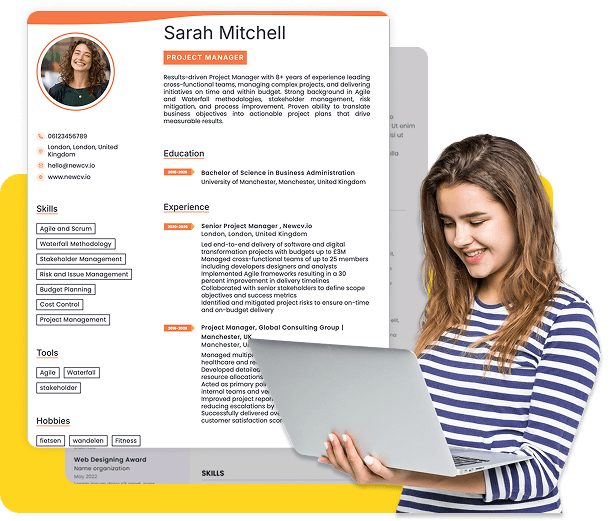
Use ATS-optimised Resume and resume templates that pass applicant tracking systems. Our Resume builder helps recruiters read, scan, and shortlist your Resume faster.

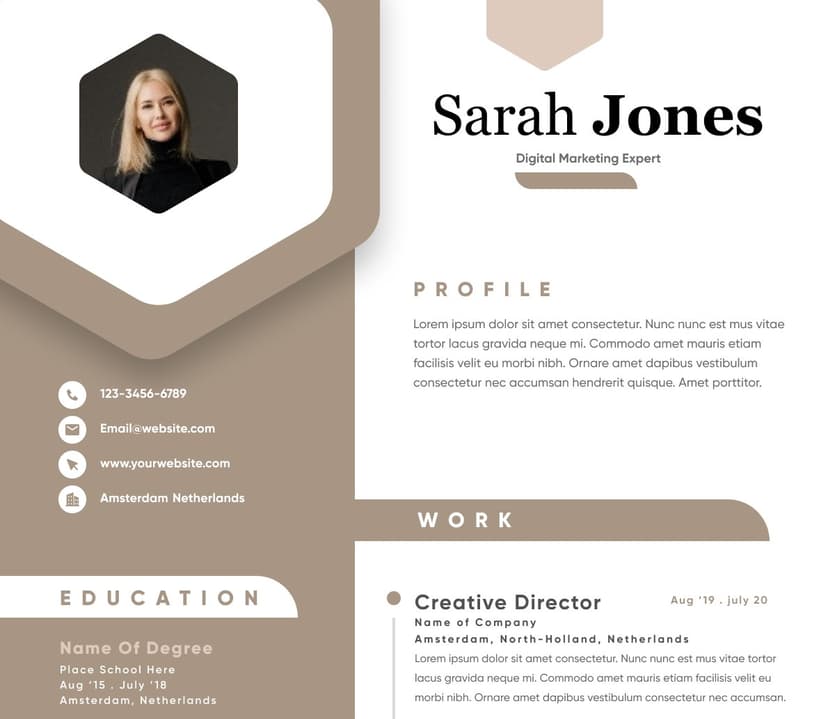
Use professional field-tested resume templates that follow the exact Resume rules employers look for.
Create Resume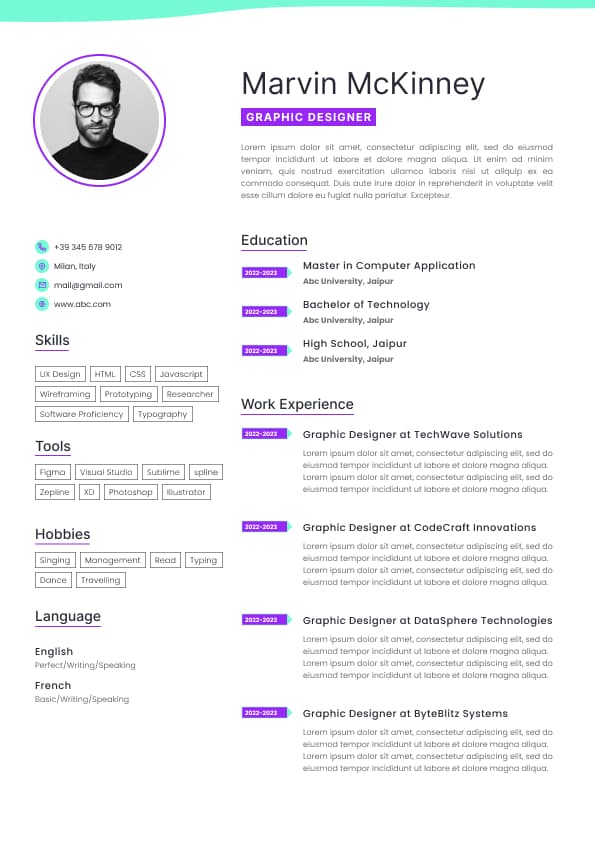
Use professional field-tested resume templates that follow the exact Resume rules employers look for.
Create ResumeHere is what instantly creates rejection risk:
“Worked on websites using PHP”
“Responsible for backend development”
“Created APIs”
“Worked with MySQL database”
“Used Laravel framework”
None of these statements prove skill level, ownership, complexity, scale, or impact.
A recruiter cannot tell:
Whether you built production systems or tutorial projects
Whether your APIs supported 500 users or 5 million
Whether you optimized performance or simply edited templates
Whether you understand modern PHP engineering practices
That ambiguity kills response rates.
That is what hiring managers want.
AWS
CI/CD
Those terms must appear naturally throughout the resume.
ATS systems heavily prioritize:
Exact keyword matching
Contextual skill alignment
Technical consistency
If your skills section says Laravel but your experience section never mentions Laravel projects, recruiters lose confidence quickly.
The exact keywords depend on the role type.
For Laravel roles:
Laravel
Eloquent ORM
REST API
Redis
Queue Workers
PHPUnit
Composer
MySQL
Docker
AWS
For WordPress roles:
WordPress
WooCommerce
Custom Themes
Plugin Development
Gutenberg
ACF
PHP 8
MySQL
WP REST API
For Magento roles:
Magento 2
Module Development
GraphQL
Elasticsearch
Redis
RabbitMQ
Composer
Hyvä
Adobe Commerce
For backend PHP roles:
Microservices
API Integration
Authentication
OAuth
CI/CD
Unit Testing
Git
Linux
Nginx
ATS systems reward contextual alignment, not random keyword dumping.
Which outcome
Weak Example
“Built APIs for mobile app.”
Good Example
“Developed RESTful APIs in Laravel for fintech mobile platform processing 45K+ daily transactions with JWT authentication and rate limiting.”
The second version demonstrates:
Framework usage
Application type
Scale
Security knowledge
Backend ownership
That is far stronger hiring evidence.
API latency reduction
Query optimization gains
Uptime improvements
Bug reduction percentages
Conversion increases
Checkout improvements
Deployment speed improvements
Cost savings
Database optimization results
SEO performance improvements
Core Web Vitals improvements
Even approximate metrics are better than vague statements.
Queues
Redis
Eloquent
SaaS applications
Testing
Docker
AWS
Focus on:
Theme development
Plugin development
WooCommerce
Performance optimization
Gutenberg
SEO optimization
Focus on:
Magento 2 architecture
E-commerce workflows
Payment integrations
Checkout optimization
Inventory systems
Elasticsearch
Hyvä
Focus on:
Enterprise systems
Dependency injection
API Platform
Event-driven architecture
Security components
Doctrine ORM
Generic resumes dilute credibility.
Redis
Queue Systems
API-first architecture
Cloud deployment
Git workflows
Security best practices
Without these signals, recruiters may assume:
Legacy-only experience
Weak engineering maturity
Poor scalability knowledge
Limited collaboration capability
Freelance work
Open-source contributions
A junior developer with visible real-world projects often outperforms candidates with weak corporate internships.
Good portfolio projects include:
SaaS dashboards
Booking systems
E-commerce stores
REST APIs
CRM systems
Authentication systems
Admin panels
Payment integrations
Avoid tutorial-level clones without customization.
PDF export issues
Decorative icons
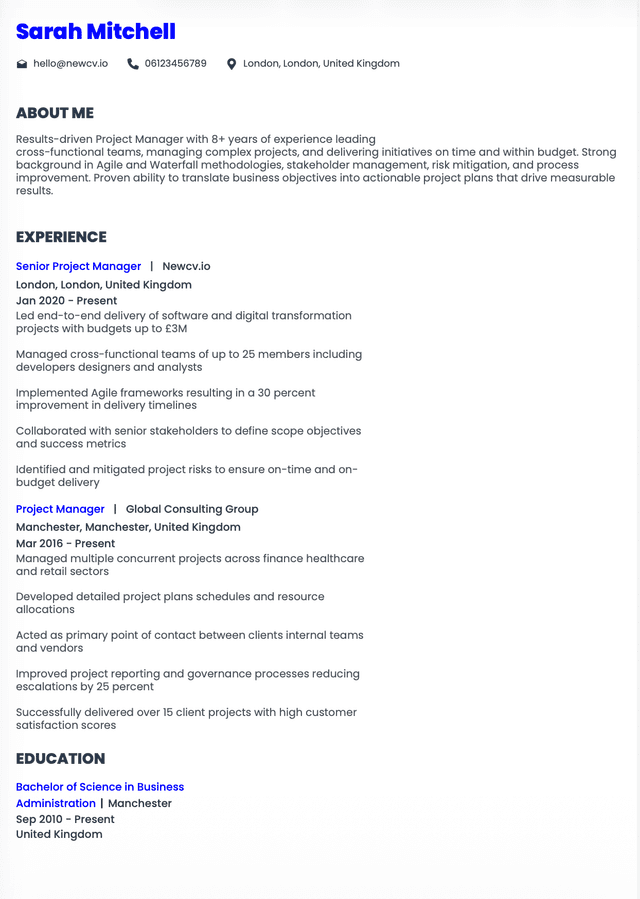
The best technical resumes are:
Clean
ATS-friendly
Fast to scan
Structured logically
A strong modern structure is:
Professional Summary
Technical Skills
Professional Experience
Projects
Certifications
Education
For experienced developers, projects should reinforce technical depth, not replace work experience.
Database architecture
Testing practices
Even one strong production-style Laravel project can significantly improve interview rates.
Cloud architecture coursework
The value comes from relevance, not quantity.
Your resume should make it obvious that you understand software engineering beyond coding tasks.
Show business outcomes, not just technical tasks
That combination dramatically improves:
ATS visibility
Recruiter response rates
Technical screening success
Interview conversion rates



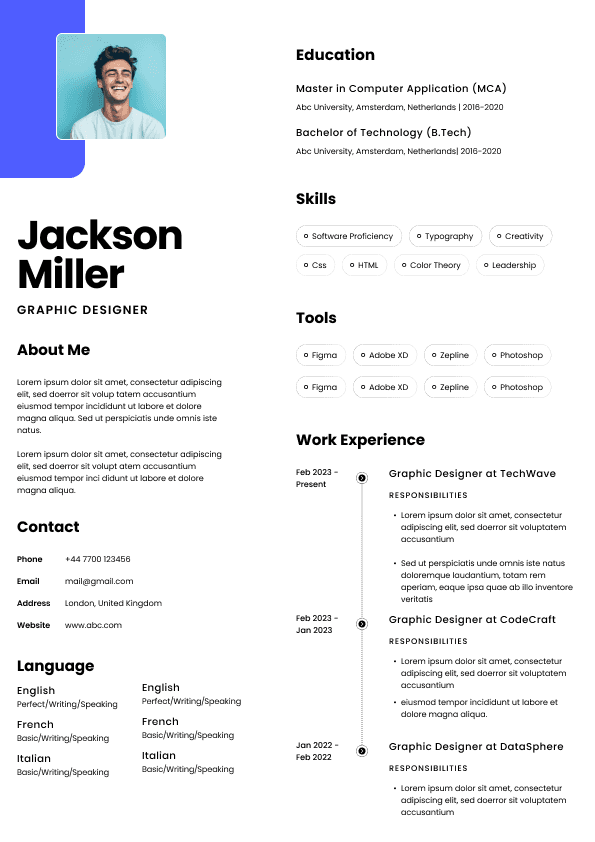
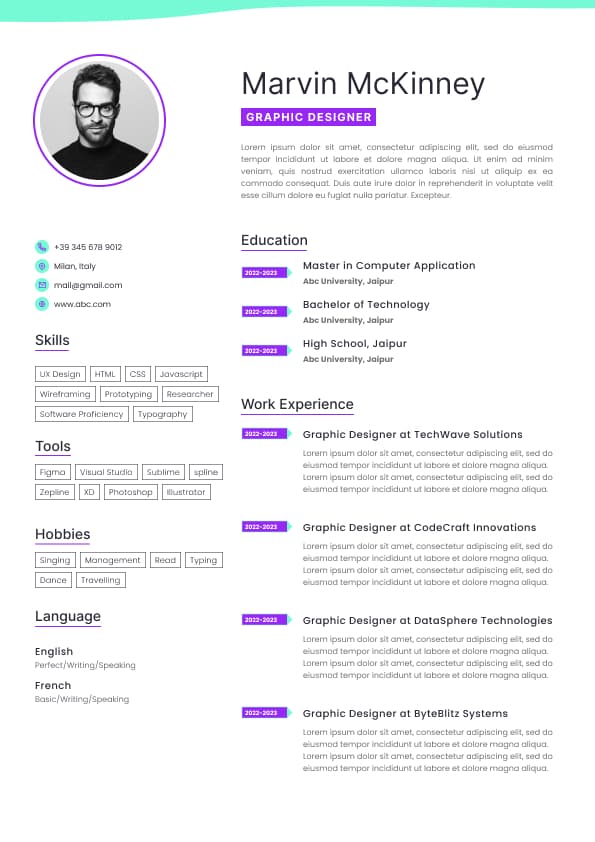
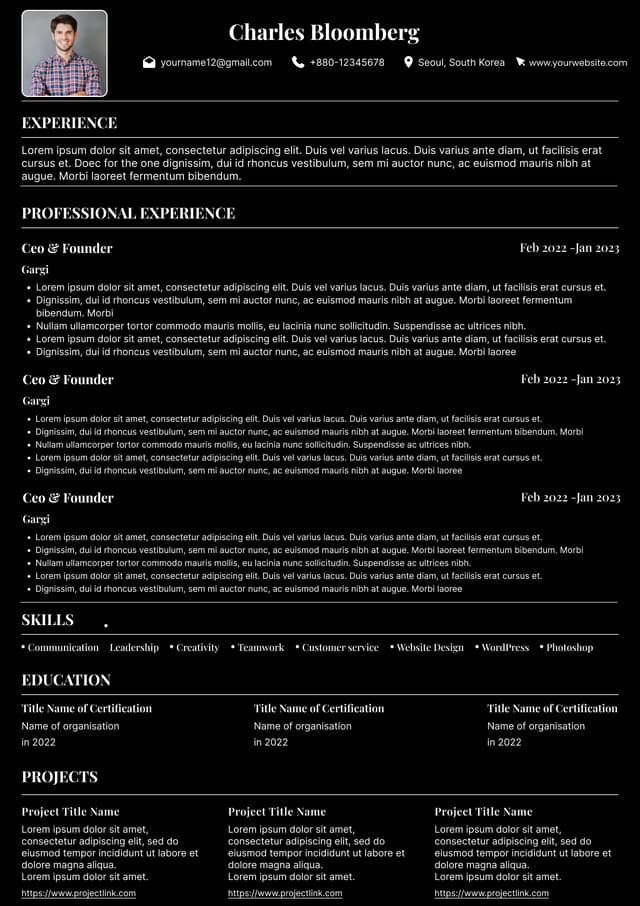
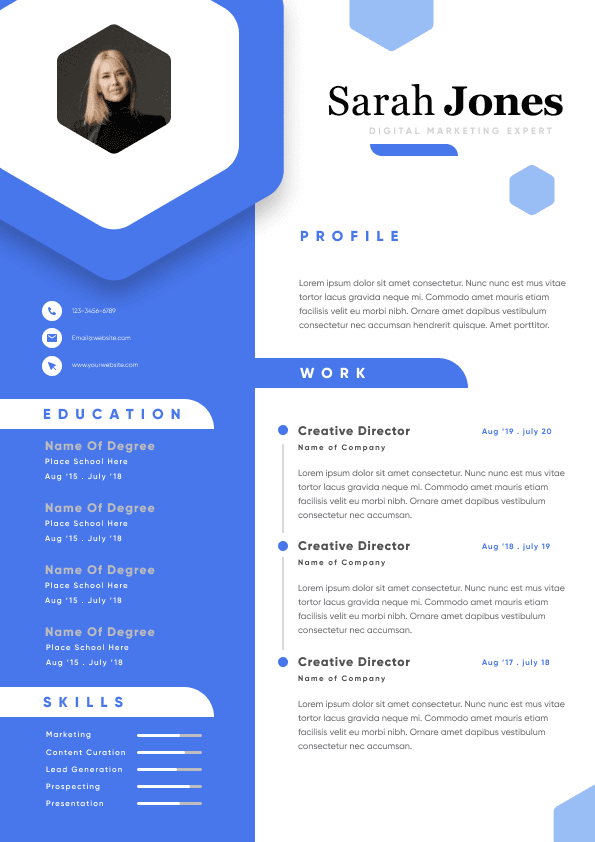
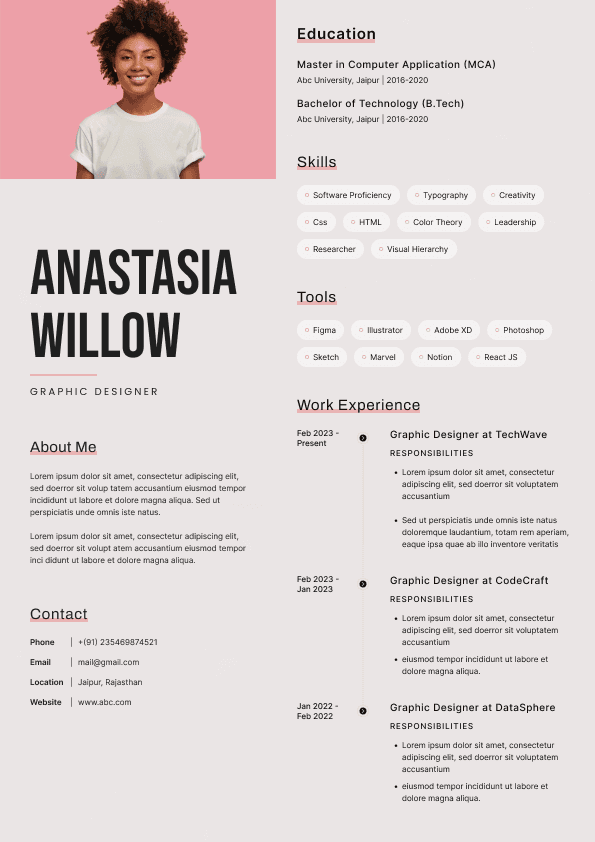
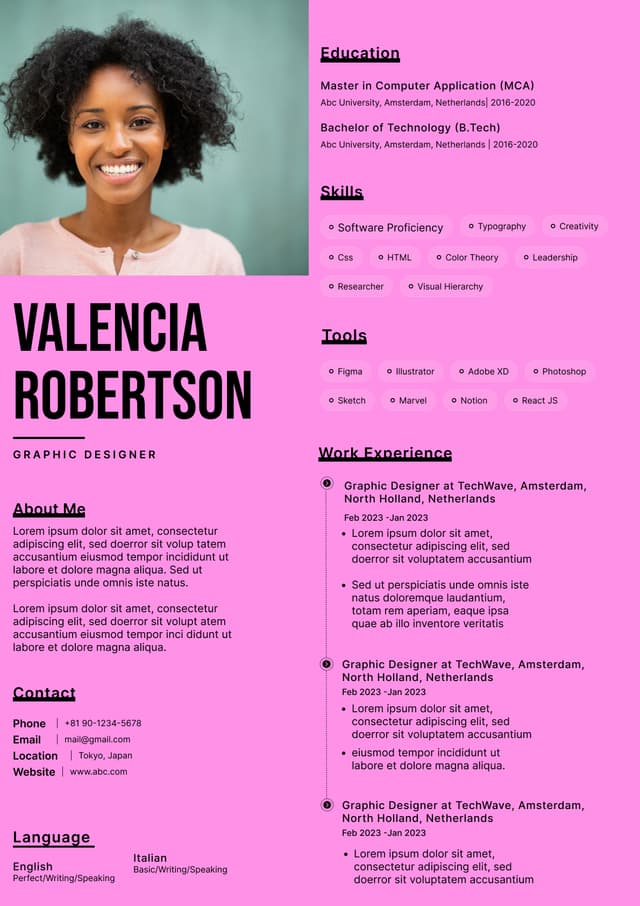
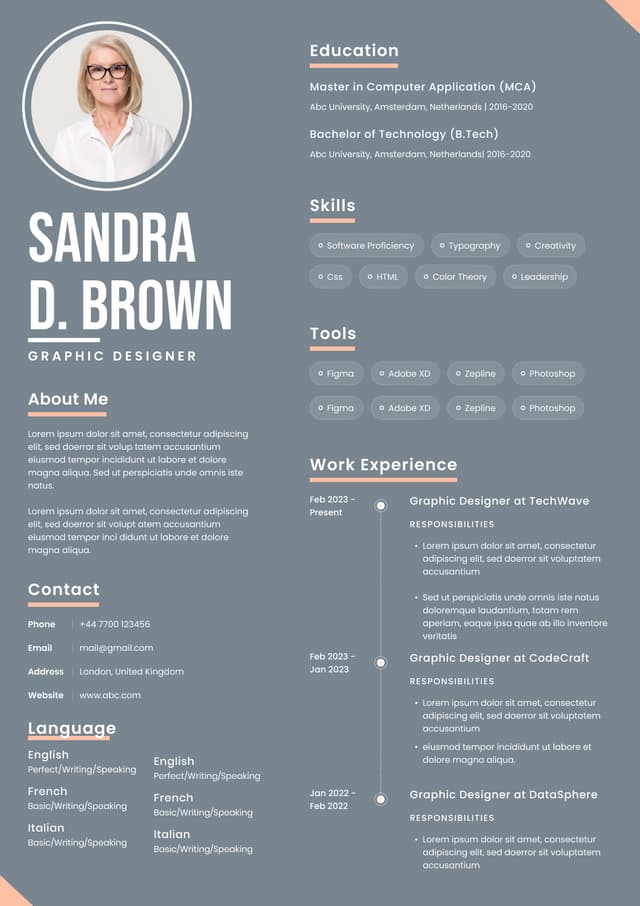
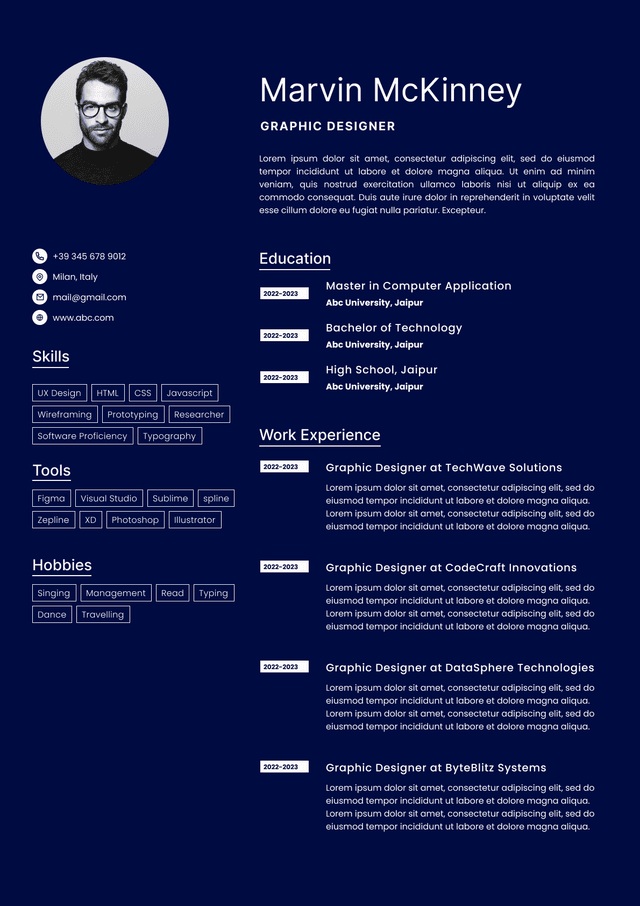
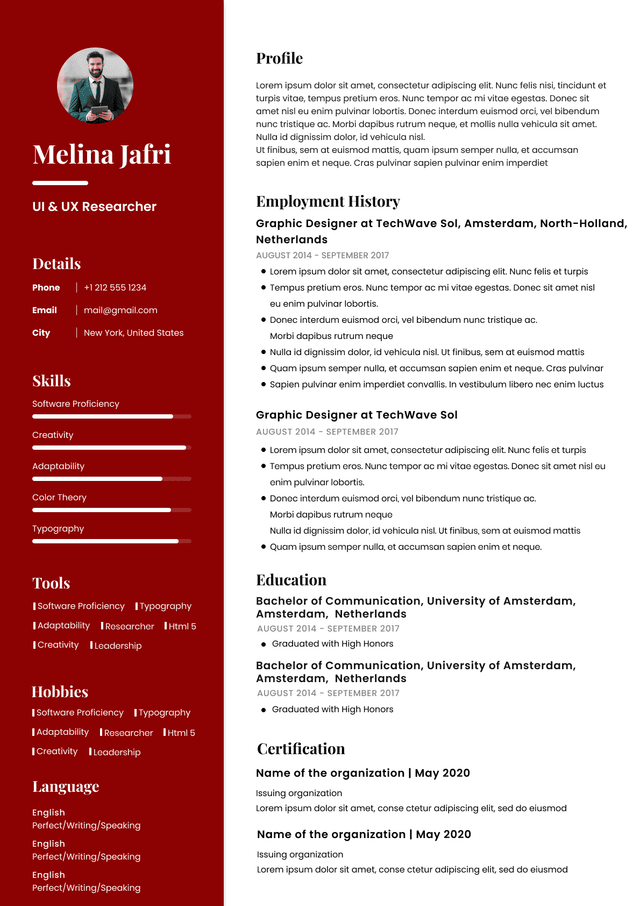
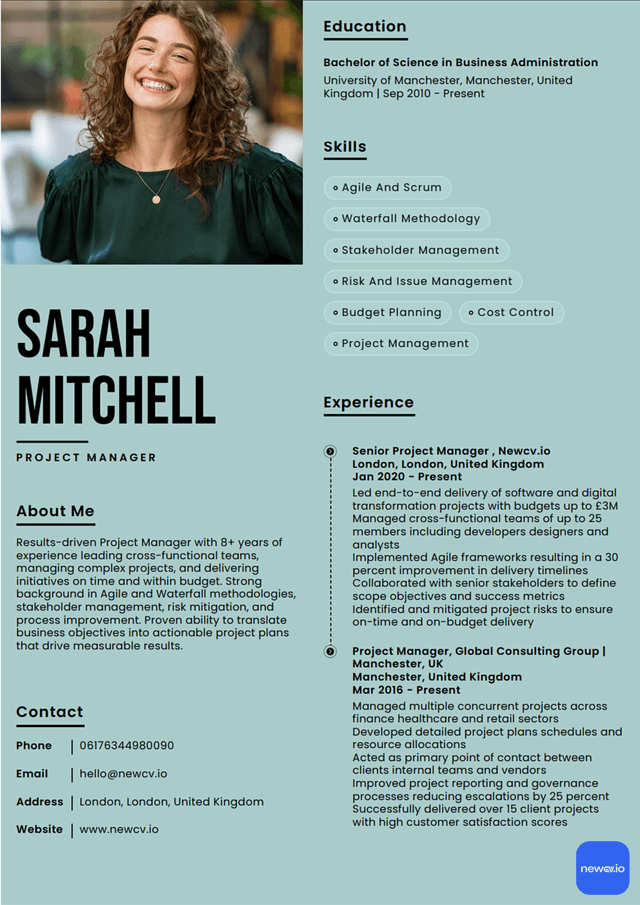
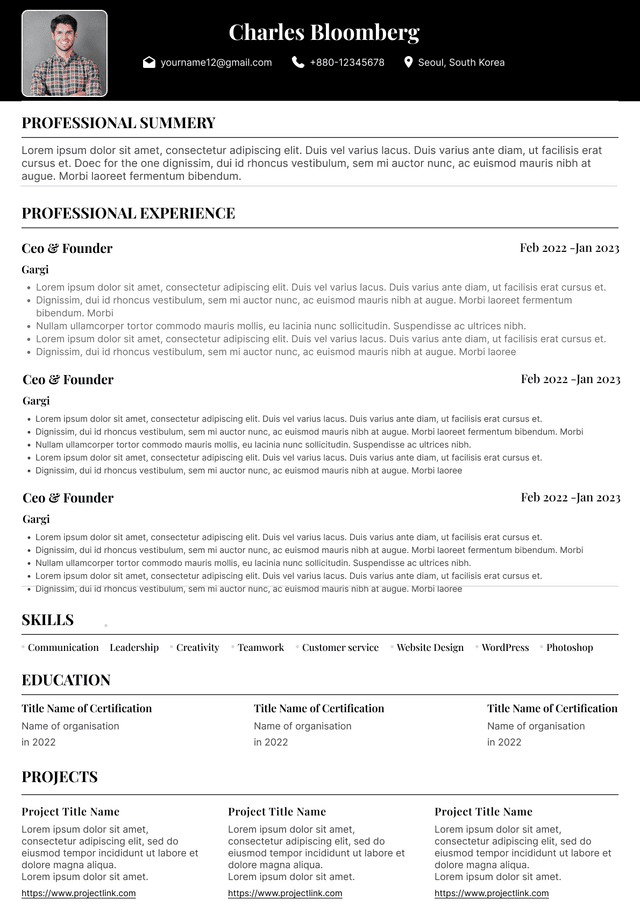
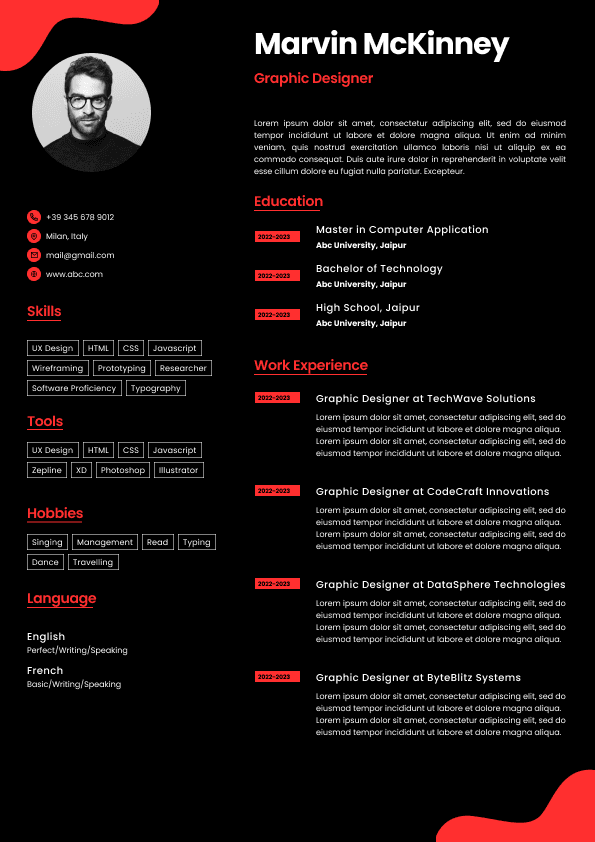
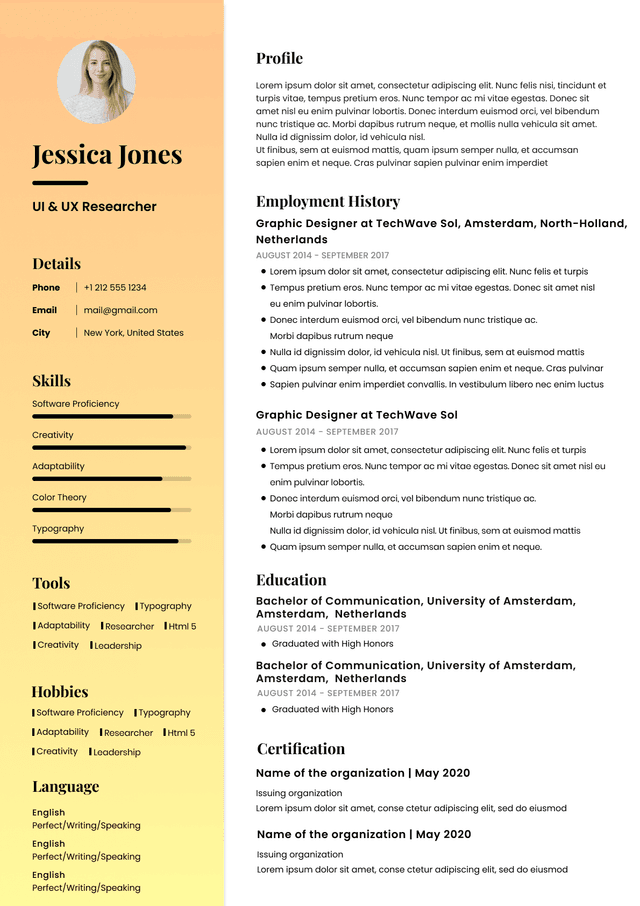
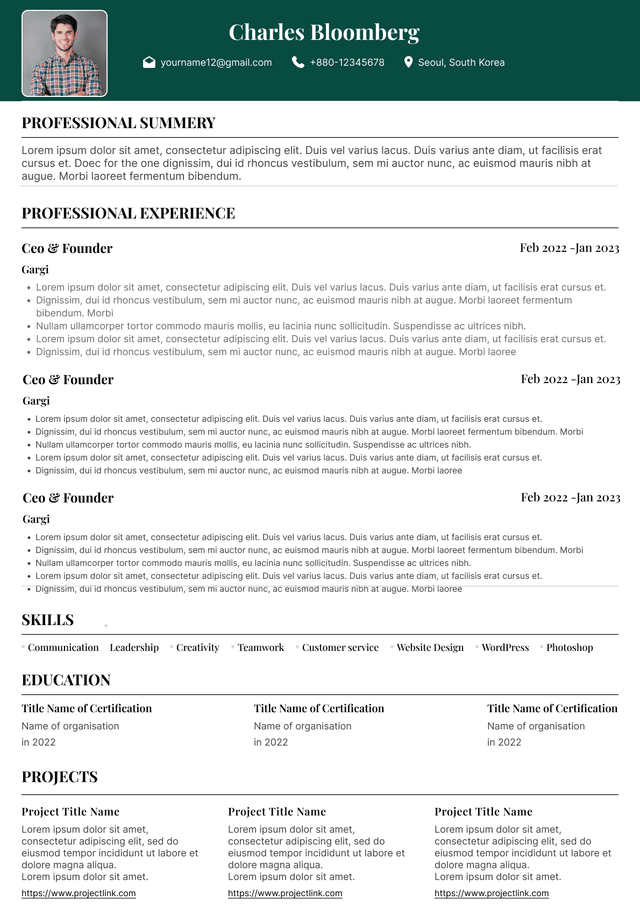
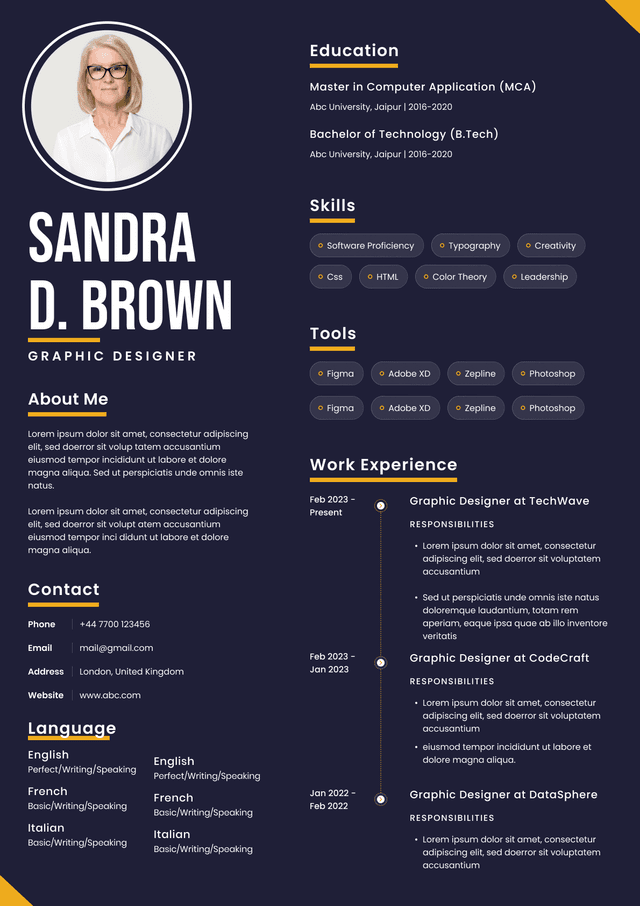
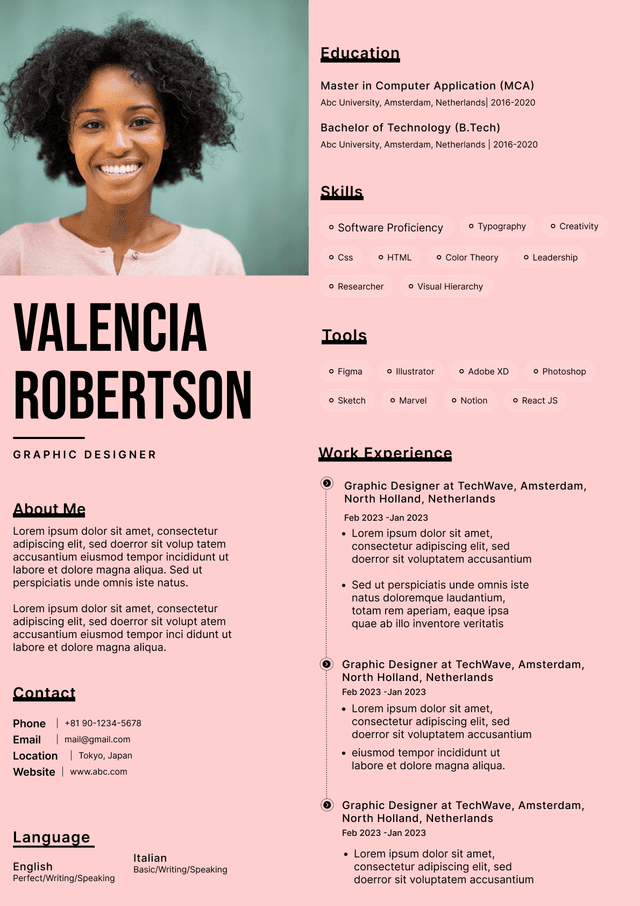
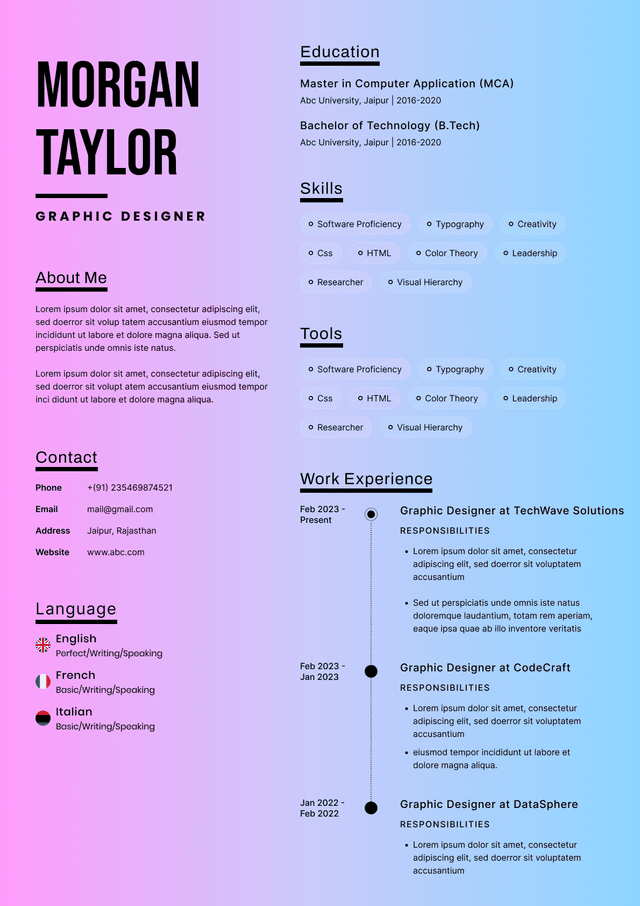
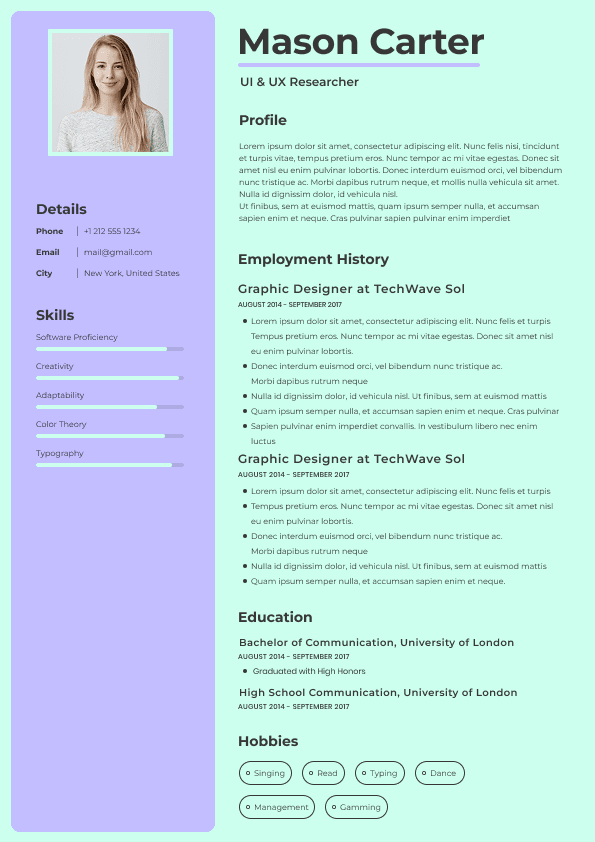
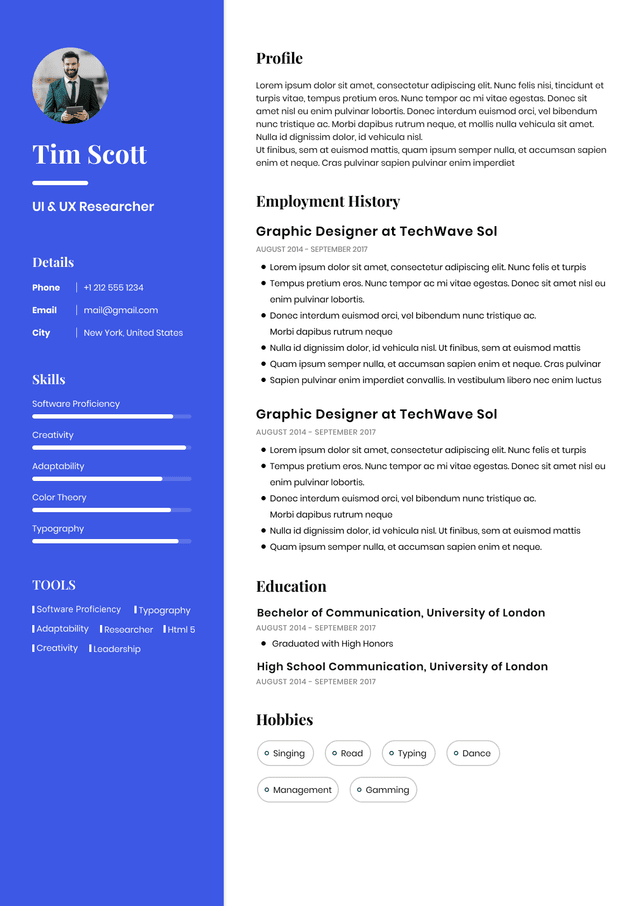
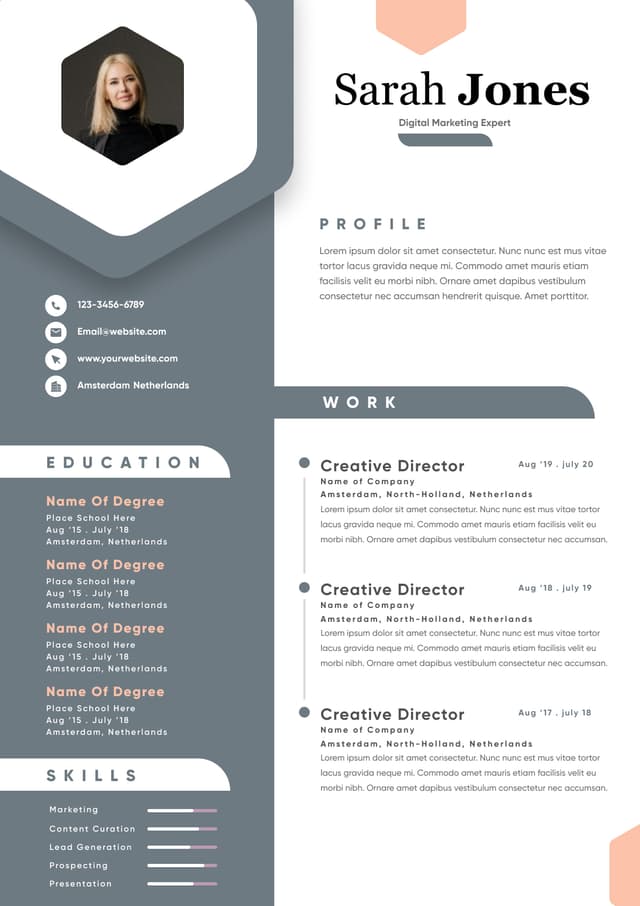
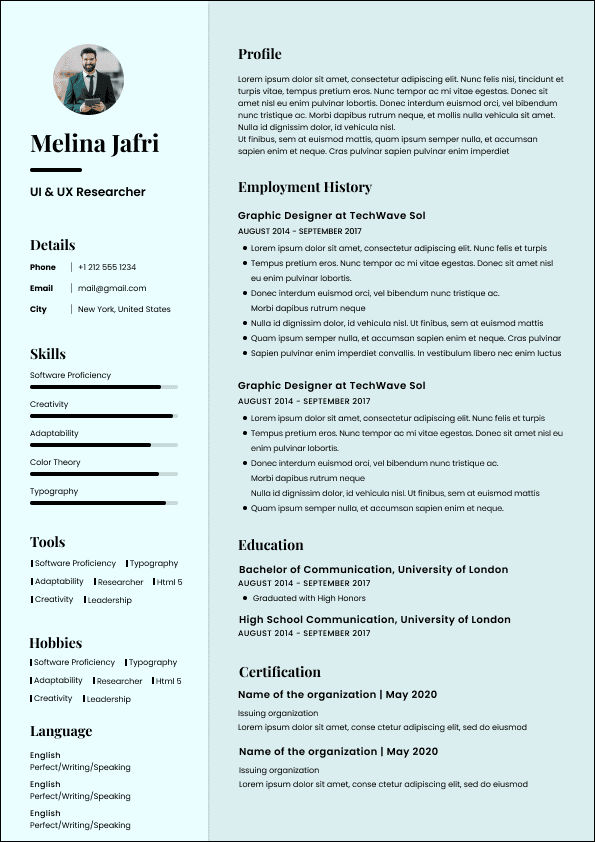
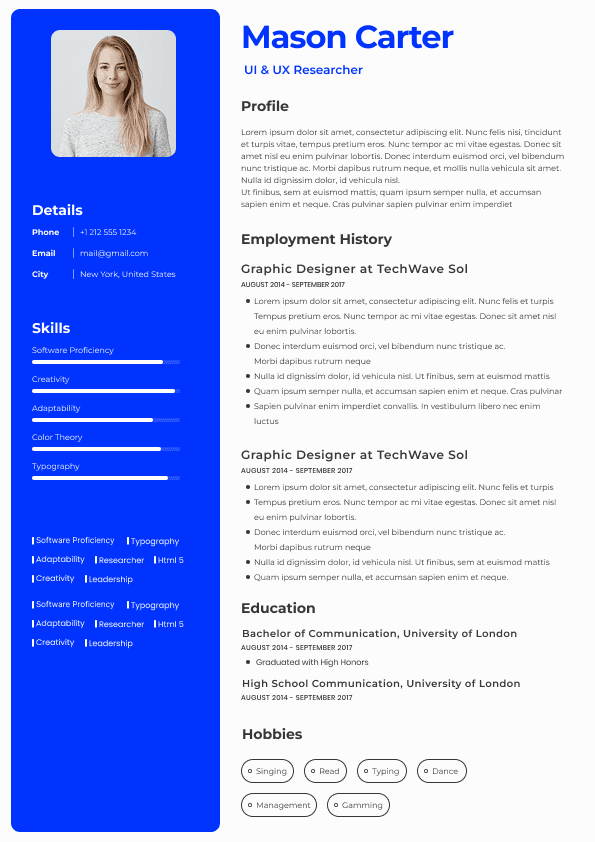
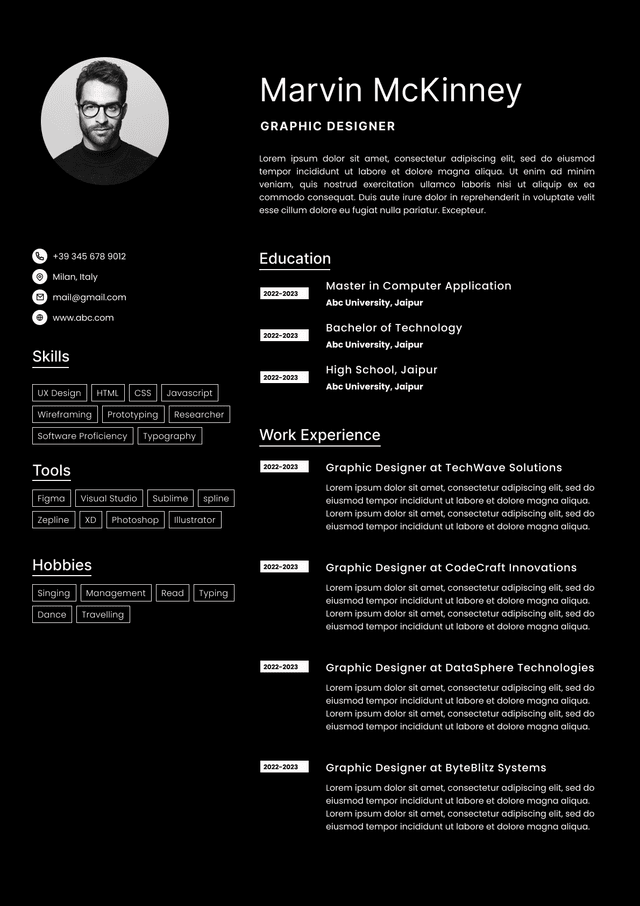
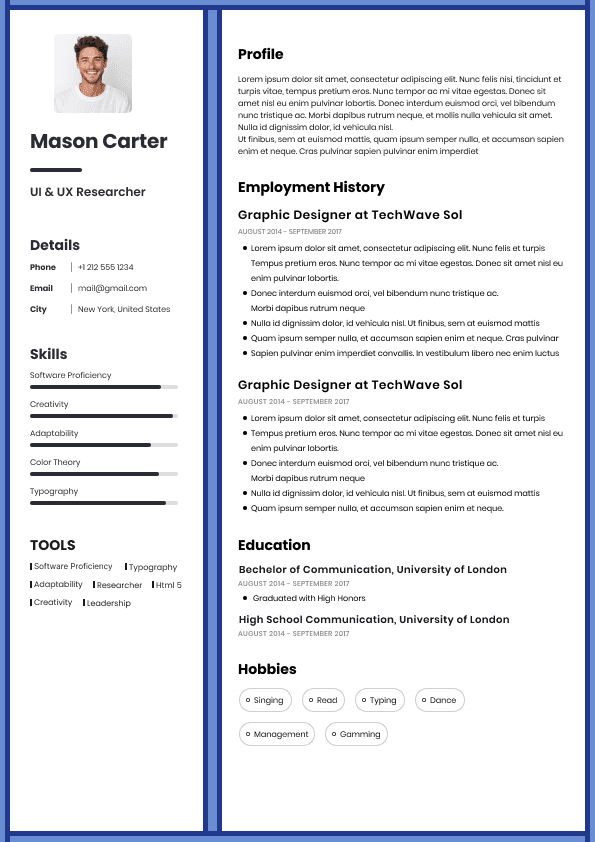
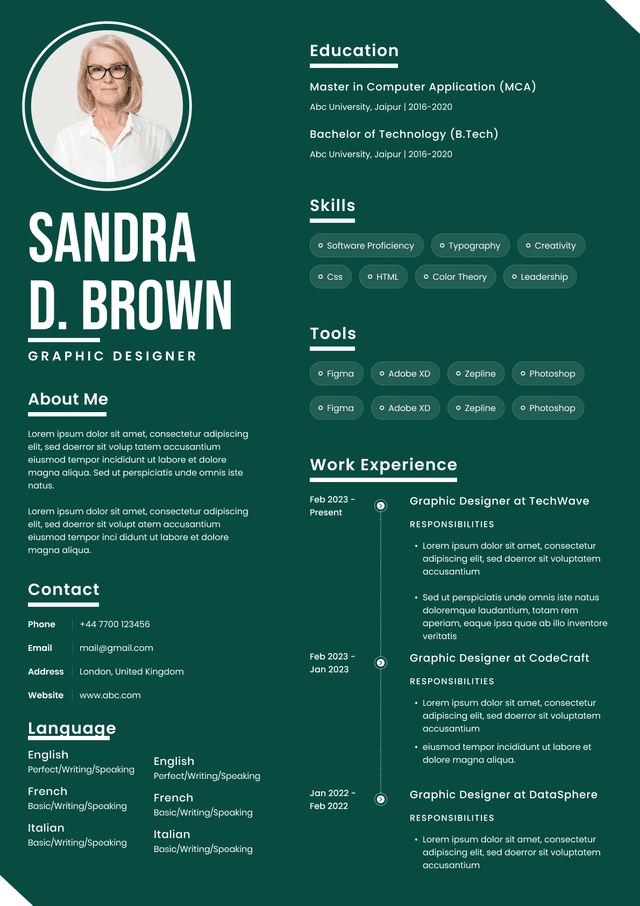
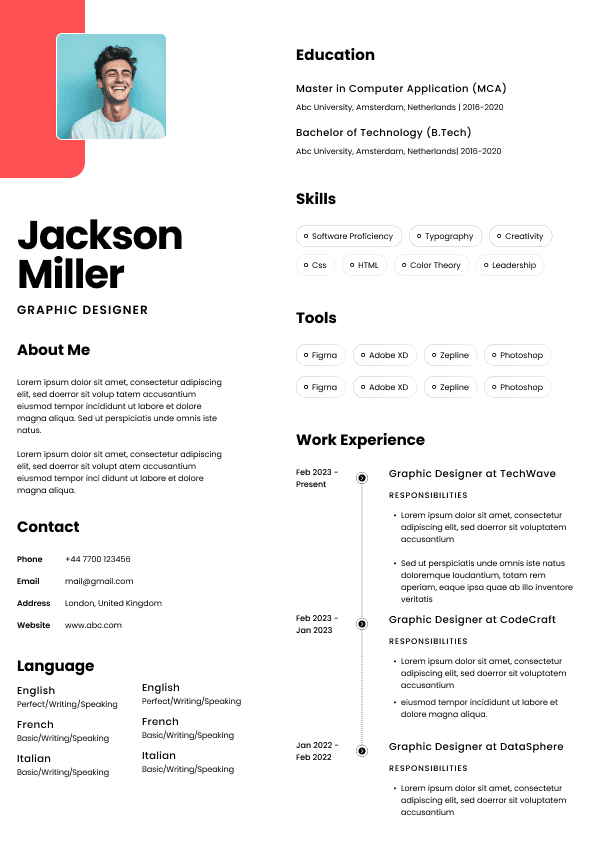
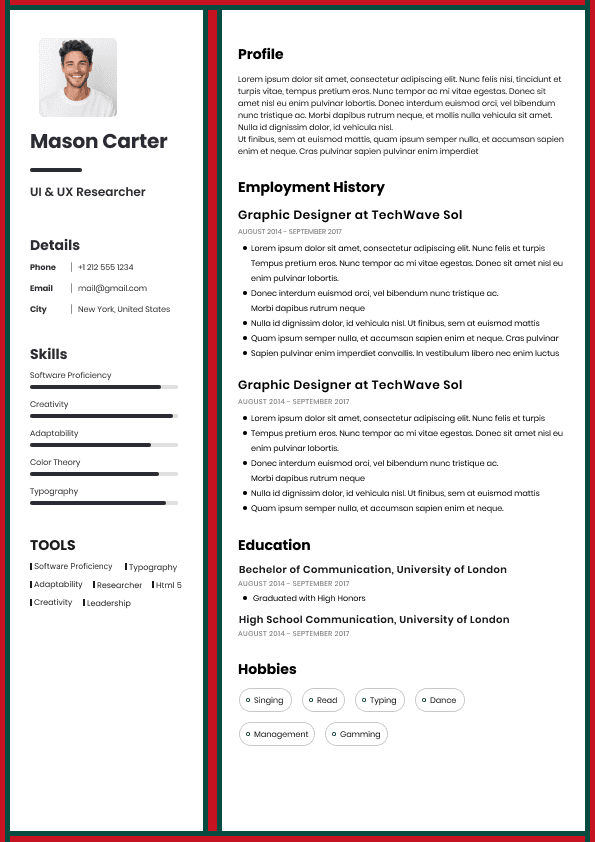
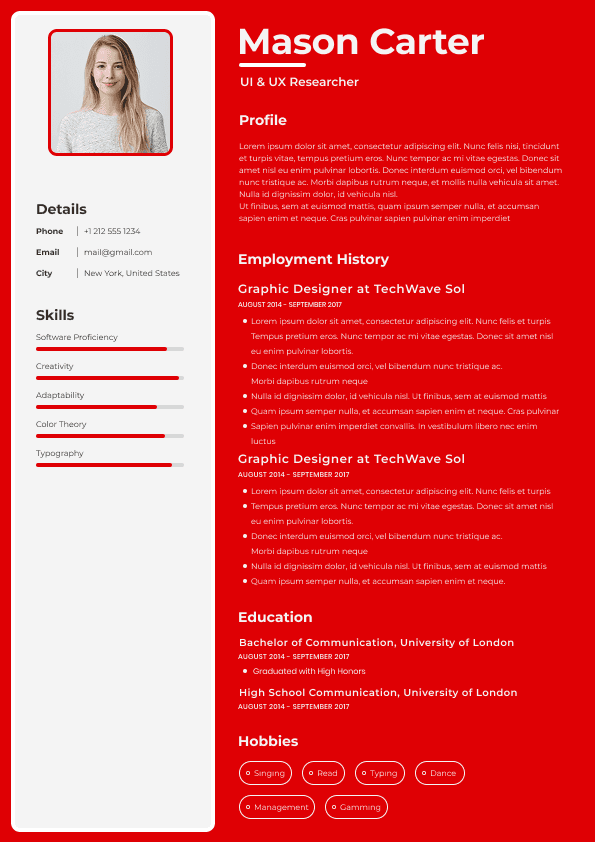
 Upload Resume
 Import from Linkedin