STILL APPLYING. STILL HEARING NOTHING?BUILD YOUR RESUME

STILL APPLYING. STILL HEARING NOTHING?BUILD YOUR RESUME
Choose from a wide range of NEWCV resume templates and customize your NEWCV design with a single click.
FAQ
A strong Python developer resume is no longer just about listing Python, APIs, and frameworks. Hiring managers now screen candidates based on stack alignment, production impact, cloud infrastructure exposure, API scalability, and deployment experience. A Django-heavy backend role requires a different resume strategy than an AI Python engineer position using LangChain and OpenAI APIs.
The biggest mistake Python developers make is submitting one generic resume across backend, cloud, AI, and API engineering roles. Recruiters immediately notice when a resume lacks stack-specific alignment. Modern ATS systems also prioritize exact framework, infrastructure, and deployment keywords tied to the job description.
To compete for high-paying Python roles in the US market, your resume must clearly show:
Which Python ecosystem you specialize in
The scale and complexity of systems you built
Measurable backend or automation outcomes
Cloud and deployment tooling familiarity
Most Python resumes fail because they read like skill inventories instead of engineering impact documents.
Recruiters are not hiring “someone who knows Python.” They are hiring someone who can solve a specific infrastructure, backend, AI, or API problem inside an existing stack.
A backend hiring manager typically evaluates resumes in this order:
Stack compatibility
Production environment experience
System design exposure
API and database scalability
Cloud deployment familiarity
Performance optimization results
Modern ATS filtering is heavily stack-dependent.
A Django role may prioritize:
Django REST Framework
PostgreSQL
Celery
Redis
Docker
AWS
An AI Python engineering role may prioritize:
LangChain
Django resumes perform best when they emphasize production-grade backend architecture, scalable APIs, and relational database expertise.
Hiring managers expect Django developers to understand:
Monolithic backend systems
Authentication systems
ORM optimization
API architecture
Async task management
Admin tooling
Deployment workflows
FastAPI roles are typically associated with:
High-performance APIs
Async architecture
Microservices
Modern backend systems
AI infrastructure
Real-time data systems
FastAPI hiring managers often expect stronger system design exposure than traditional Django roles.
Strong FastAPI resumes usually include:
Flask resumes succeed when positioned around lightweight backend systems, APIs, integrations, and flexible architecture use cases.
Flask hiring patterns are common in:
Startups
SaaS platforms
Internal tooling
Automation platforms
Lightweight API services
Strong Flask resumes should emphasize:
REST API development
Backend Python resumes should position candidates as infrastructure-aware engineers, not just coders.
Strong backend engineering resumes communicate:
System thinking
Scalability awareness
Data architecture knowledge
Deployment ownership
Cross-functional collaboration
Include relevant technologies naturally:
REST APIs
AWS expertise dramatically increases backend Python resume competitiveness.
Cloud-native backend hiring now strongly favors candidates who understand:
Deployment pipelines
Containerization
Infrastructure scaling
Cloud security
Serverless systems
Monitoring and logging
Strong AWS Python resumes often include:
AI Python engineering roles now require resumes that bridge:
Software engineering
AI tooling
Infrastructure
API integration
Model deployment
This is where many candidates fail.
Recruiters reject AI resumes that sound purely academic without production engineering evidence.
Strong AI Python resumes naturally integrate:
LangChain
Most Python project sections are too shallow.
Projects should demonstrate:
Technical complexity
Business relevance
Scale
Tooling depth
Measurable outcomes
Weak Example
This tells recruiters almost nothing.
Strong Python resumes organize skills by engineering function rather than dumping random technologies.
Languages
Python
SQL
Bash
Frameworks
Django
FastAPI
Flask
Celery
Weak resumes rely on vague phrases:
Worked on APIs
Developed backend services
Helped improve systems
These statements lack evidence.
Engineering resumes perform far better when they quantify:
Traffic
Performance gains
Cost reductions
Most summaries are generic.
Avoid:
Weak Example
This provides no differentiation.
Use:
Good Example
This immediately communicates:
Seniority
Stack specialization
Infrastructure familiarity
Senior-level Python resumes stand out through:
Architecture ownership
Cross-functional leadership
Scalability decisions
Infrastructure modernization
Reliability engineering
Platform thinking
Senior candidates should emphasize:
Technical leadership

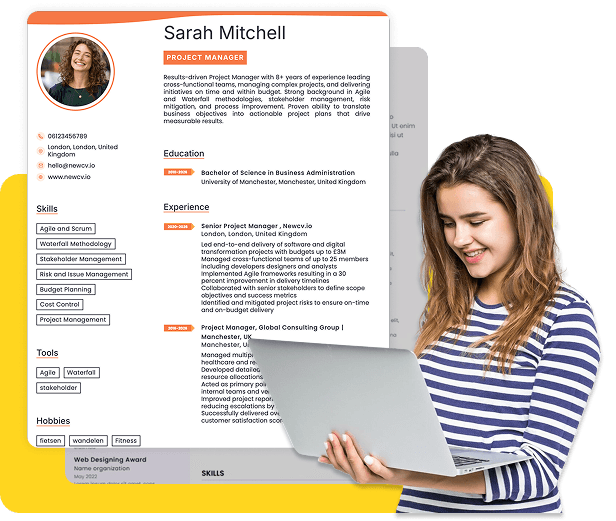
Use ATS-optimised Resume and resume templates that pass applicant tracking systems. Our Resume builder helps recruiters read, scan, and shortlist your Resume faster.

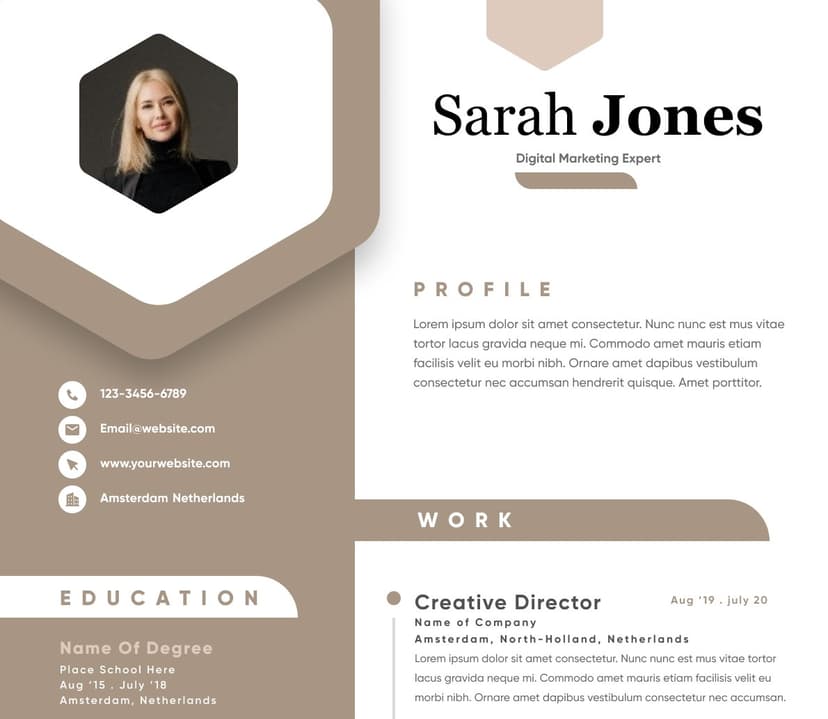
Use professional field-tested resume templates that follow the exact Resume rules employers look for.
Create Resume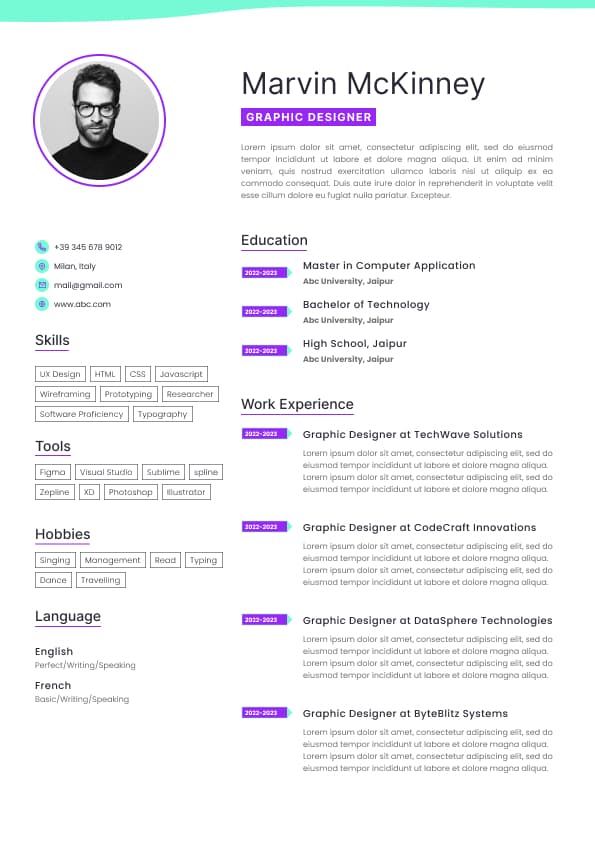
Use professional field-tested resume templates that follow the exact Resume rules employers look for.
Create ResumeProduction-level API architecture experience
Real business impact beyond coding tasks
This guide breaks down how to optimize your Python developer resume by tech stack so it matches how recruiters and engineering hiring managers actually evaluate candidates.
Collaboration with DevOps or product teams
Business impact metrics
For example, these two bullets communicate completely different levels of value.
Weak Example
Good Example
The second version demonstrates:
Scale
Architecture
Infrastructure familiarity
Performance optimization
Production deployment
Quantifiable impact
That is what recruiters and engineering leaders actually screen for.
OpenAI APIs
Vector databases
TensorFlow
PyTorch
RAG pipelines
This means keyword alignment matters significantly, but keyword stuffing hurts readability and recruiter trust.
The goal is semantic alignment, not repetition.
A strong Python resume naturally integrates:
Frameworks
Infrastructure tools
Databases
CI/CD tooling
Cloud platforms
Deployment environments
Monitoring systems
API standards
Recruiters can immediately spot resumes that artificially cram keywords without demonstrating real usage.
Focus heavily on:
Django REST Framework
PostgreSQL optimization
Celery task queues
Redis caching
Docker deployment
AWS infrastructure
API performance improvements
Authentication and authorization systems
Good Example
Good Example
Good Example
Avoid:
Listing Django without describing production systems
Generic CRUD project descriptions
Omitting deployment tools
Missing database optimization examples
Including only tutorial-level projects
Recruiters want evidence of engineering maturity, not bootcamp-level app development.
Async programming
API throughput metrics
Microservices architecture
Docker and Kubernetes
CI/CD pipelines
Cloud deployment
API gateway integrations
Event-driven systems
Good Example
Good Example
Good Example
Many FastAPI applicants overemphasize framework syntax and underemphasize architecture.
Hiring managers care less about “using FastAPI” and more about:
Scalability
Concurrent request handling
API reliability
Deployment maturity
Observability
Infrastructure compatibility
That is why infrastructure tooling matters heavily in FastAPI resumes.
Lightweight services
Internal platform tooling
Third-party integrations
Automation systems
Cloud deployment
Database integrations
Good Example
Good Example
Good Example
Many Flask candidates forget to demonstrate:
Scalability
Production deployment
Security implementation
API reliability
Business impact
Simple “built a Flask app” bullets rarely perform well in technical screening.
Microservices
PostgreSQL
Redis
Docker
Kubernetes
Celery
RabbitMQ
Kafka
GraphQL
AWS
CI/CD
Monitoring tools
Good Example
Good Example
Good Example
EC2
ECS
Lambda
S3
API Gateway
CloudWatch
RDS
DynamoDB
IAM
Terraform
Good Example
Good Example
Good Example
Many resumes list AWS generically.
That creates weak differentiation.
Hiring managers prefer candidates who demonstrate:
Specific AWS services
Infrastructure ownership
Deployment complexity
Reliability outcomes
Cost optimization
“Experience with AWS” is vague.
“Designed auto-scaling ECS infrastructure reducing server costs by 29%” demonstrates real engineering value.
OpenAI APIs
TensorFlow
PyTorch
Vector databases
RAG pipelines
Embeddings
LLM orchestration
AI inference pipelines
Model optimization
Good Example
Good Example
Good Example
AI engineering resumes are evaluated differently than traditional backend resumes.
Hiring managers want evidence of:
Real production AI systems
LLM integration workflows
Infrastructure scalability
API orchestration
Data pipeline reliability
Model deployment maturity
Tutorial projects alone rarely compete in modern AI hiring pipelines.
Good Example
The second version demonstrates:
Framework usage
Scale
Infrastructure
Database knowledge
Deployment capability
Business functionality
That creates interview momentum.
Cloud & DevOps
AWS
Docker
Kubernetes
Terraform
GitHub Actions
Databases
PostgreSQL
MongoDB
Redis
AI & ML
LangChain
TensorFlow
PyTorch
OpenAI APIs
Recruiters scan resumes rapidly.
Well-structured technical grouping:
Improves ATS parsing
Increases readability
Signals engineering organization
Makes stack alignment easier to identify
Automation impact
Reliability improvements
Hiring managers care whether candidates worked in:
Production systems
Distributed infrastructure
High-scale APIs
Enterprise environments
Without that context, technical credibility drops.
Submitting the same resume for:
Django
AI engineering
FastAPI
Cloud backend roles
usually reduces callback rates significantly.
Tailoring matters because engineering hiring is stack-specific.
Technical positioning
System redesigns
Performance optimization
Cloud migration initiatives
Mentorship
Engineering standards
Not just feature delivery.


 Upload Resume
 Import from Linkedin