STILL APPLYING. STILL HEARING NOTHING?BUILD YOUR RESUME

STILL APPLYING. STILL HEARING NOTHING?BUILD YOUR RESUME
Choose from a wide range of NEWCV resume templates and customize your NEWCV design with a single click.
FAQ
A FAANG Python developer resume is not evaluated like a standard software engineering resume. Recruiters and hiring managers at companies like :contentReference[oaicite:0], :contentReference[oaicite:1], and :contentReference[oaicite:2] screen for evidence of large-scale backend engineering, measurable system impact, technical depth, and strong ownership signals long before interviews begin.
Most rejected resumes fail for one of three reasons:
They read like task lists instead of engineering impact
They lack scale, reliability, or performance metrics
They describe Python usage without proving backend architecture capability
A strong FAANG Python developer resume demonstrates:
Distributed systems experience
Scalability and latency optimization
Cloud-native backend engineering
FAANG recruiters are trained to identify technical signal quickly. Initial resume reviews often last under 30 seconds.
Your resume must immediately answer:
Can this candidate operate at scale?
Have they solved difficult backend problems?
Can they own systems in production?
Do they understand reliability and performance?
Can they collaborate across engineering teams?
Are they likely to pass technical interviews?
At major tech companies, recruiters are not looking for “Python developers.” They are looking for engineers who use Python to solve large-scale infrastructure and backend problems.
That distinction matters.
FAANG resumes are typically concise, technically dense, and impact-driven.
A strong structure includes:
This section should position you strategically within 3 to 5 lines.
It should immediately communicate:
Years of backend engineering experience
Scale exposure
Python specialization
Infrastructure depth
Performance or distributed systems expertise
Weak Example
“Python developer with experience building applications using Flask and Django.”
Good Example
“Backend-focused Python engineer with 7+ years of experience building distributed cloud-native systems handling 40M+ daily API requests. Specialized in scalability optimization, Kubernetes infrastructure, async processing, and low-latency backend architecture across AWS environments.”
This is where most candidates fail.
FAANG hiring teams care far more about engineering impact than tools used.
Use this structure consistently:
Action + Technical Problem + Scale + Measurable Result
Top-performing backend bullets include:
Scale metrics
Latency improvements
Reliability outcomes
Throughput increases
Infrastructure ownership
Keyword optimization matters because FAANG companies use ATS filtering before recruiter review.
However, keyword stuffing is ineffective.
The goal is semantic relevance tied to real engineering outcomes.
Include these naturally where relevant:
Distributed systems
Scalability
High availability
Kubernetes
Docker
Async processing
Not all FAANG companies evaluate backend resumes identically.
Understanding these nuances improves positioning.
:contentReference[oaicite:3] heavily prioritizes:
Computer science fundamentals
Distributed systems depth
Algorithmic strength
Infrastructure scale
Technical complexity
System design maturity
Strong Google-oriented resumes often include:
Large-scale infrastructure systems
:contentReference[oaicite:4] strongly values:
Ownership
Operational excellence
Scalability under production pressure
Cost efficiency
Automation
Measurable business impact
Amazon resumes perform best when they show:
Metrics everywhere
High operational responsibility
:contentReference[oaicite:5] prioritizes:
Large-scale distributed systems
Backend performance
Speed and iteration
Data-heavy systems
Engineering velocity
Meta recruiters often favor:
High-scale backend services
Real-time systems
Performance tuning
Metrics are one of the strongest predictors of recruiter engagement.
Without metrics, recruiters cannot evaluate engineering significance.
Strong metrics include:
API requests per second
Daily transaction volume
Latency reduction
Reliability improvement
Uptime percentages
Infrastructure cost savings
Deployment speed increases
Many technically strong engineers are rejected because their resumes undersell their actual capability.
This is one of the most common failure patterns.
Weak Example
“Responsible for maintaining backend APIs.”
This says almost nothing.
Good Example
“Maintained and optimized backend API infrastructure supporting 11M+ monthly transactions, improving reliability from 98.7% to 99.96%.”
Outcomes create engineering credibility.
Recruiters do not hire candidates because they listed Kubernetes.
They hire candidates who used Kubernetes effectively.
This is weak:
This is stronger:
FAANG companies operate at massive scale.
If your resume lacks scale indicators, recruiters assume smaller-system exposure.
Even mid-sized engineering scale should be quantified.
Include:
User volume
Transaction volume
Request volume
Infrastructure size
Data volume
Many candidates waste prime resume space with vague summaries.
Avoid:
“Passionate software engineer”
“Team player”
“Hardworking backend developer”
These phrases add zero hiring value.
Your most impressive engineering work should appear first.
Recruiters should not have to search for your strongest backend accomplishments.
Lead with:
Distributed systems
Scalability
Performance optimization
Infrastructure engineering
Reliability improvements
Projects only matter when they demonstrate advanced engineering capability.
Recruiters ignore tutorial-level portfolio projects.
Strong project examples include:
Distributed task schedulers
Event-driven architectures
Real-time analytics systems
High-throughput API platforms
Kubernetes infrastructure tooling
Async data pipelines
Your resume should reflect engineering depth, not just breadth.
High-value combinations include:
Python + FastAPI + Kubernetes
Python + Kafka + AWS
Python + Redis + Celery
Python + Terraform + CI/CD
Python + gRPC + Microservices
Python + AsyncIO + Distributed Systems
Large technology lists reduce credibility when unsupported by accomplishments.
Michael Carter
Senior Python Backend Engineer with 8+ years of experience building distributed cloud-native systems across high-scale SaaS and infrastructure platforms. Specialized in backend scalability, async processing, Kubernetes orchestration, and API performance optimization. Proven track record reducing latency, improving system reliability, and leading backend modernization initiatives supporting millions of users.
Senior Backend Engineer
CloudScale Technologies – Austin, TX
2021–Present
Architected Python-based distributed microservices handling 45M+ daily API requests across Kubernetes infrastructure
Reduced backend latency by 57% through async processing optimization and Redis caching strategies
Led migration from monolithic architecture to containerized microservices, improving deployment frequency by 4.8x
Recruiters are not deeply validating algorithms or code quality during initial screening.
They are evaluating probability.
Specifically:
Probability you can operate in complex environments
Probability you will pass interviews
Probability you can contribute at scale
Your resume creates that prediction.
Recruiters heavily associate these with strong interview performance:
Ownership of backend systems
Production-scale infrastructure
Before applying, verify your resume includes:
Backend engineering metrics in multiple bullets
Scalability and distributed systems evidence
Latency or performance optimization examples
Infrastructure ownership
CI/CD or deployment automation
Cloud-native architecture experience
High-value technical keywords naturally integrated
Strong engineering outcomes instead of responsibilities


Use ATS-optimised Resume and resume templates that pass applicant tracking systems. Our Resume builder helps recruiters read, scan, and shortlist your Resume faster.


Use professional field-tested resume templates that follow the exact Resume rules employers look for.
Create Resume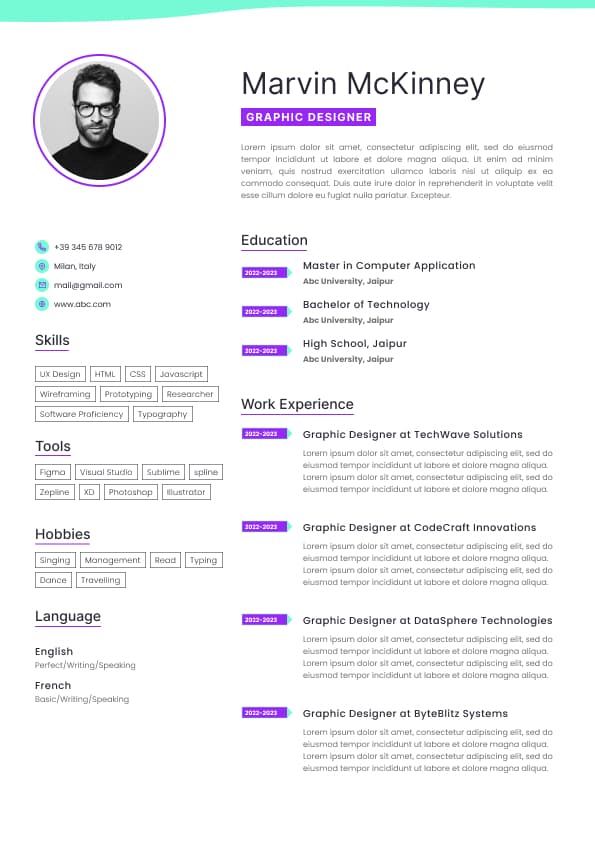
Use professional field-tested resume templates that follow the exact Resume rules employers look for.
Create ResumeCI/CD and infrastructure ownership
High-performance APIs and async processing
Technical leadership and system reliability impact
The difference between an average backend resume and a FAANG-level Python resume is not formatting. It is engineering signal density.
High-performing resumes consistently include:
Distributed backend systems
High-throughput APIs
Latency reduction
Infrastructure automation
Kubernetes or container orchestration
Cloud-native architecture
Async processing pipelines
Event-driven systems
CI/CD optimization
Reliability engineering
Observability and monitoring
Microservices architecture
Performance optimization
Cross-functional technical leadership
Recruiters deprioritize resumes that focus heavily on:
Generic CRUD applications
Small internal tools without scale
Frontend-heavy descriptions
Long lists of technologies without impact
Academic-style project explanations
Responsibilities instead of outcomes
The second version immediately establishes technical credibility.
Cost optimization
Availability improvements
Weak Example
“Built APIs using Python and Flask.”
Good Example
“Designed and optimized Python-based microservices processing 18M+ daily requests, reducing average API latency by 42% through async request handling and Redis-based caching.”
The second version demonstrates:
Scale
Architecture depth
Optimization capability
Technical ownership
Business impact
That is what triggers recruiter interest.
Microservices
Cloud infrastructure
AWS
GCP
CI/CD
Performance optimization
Event-driven architecture
API reliability
Observability
System reliability
Load balancing
Infrastructure automation
Horizontal scaling
Caching strategies
Message queues
Kafka
Celery
Terraform
Algorithms
Data structures
A common mistake is adding FAANG terminology without proving implementation experience.
Recruiters quickly spot artificial optimization.
This fails:
This works:
Data-intensive platforms
Reliability engineering
Internal platform tooling
Performance optimization at scale
Google recruiters also pay close attention to engineering rigor.
They want evidence of:
Architecture ownership
Problem-solving depth
Technical tradeoff decisions
Production reliability
CI/CD ownership
Infrastructure automation
Strong Amazon-style bullets frequently include:
Cost reduction percentages
Throughput improvements
Deployment acceleration
Incident reduction metrics
Low-latency infrastructure
Strong Meta candidates usually demonstrate:
Massive user scale
Fast-moving product environments
Cross-functional engineering collaboration
Processing throughput
Queue optimization
Memory reduction
Database performance gains
Reduced API response latency from 420ms to 140ms
Improved service uptime from 99.1% to 99.95%
Optimized Kubernetes autoscaling to reduce infrastructure costs by 31%
Increased asynchronous task throughput by 240%
Processed 2.3B monthly events across distributed backend services
These metrics help recruiters estimate engineering maturity immediately.
Large-scale caching systems
Low-impact projects include:
To-do apps
Basic CRUD applications
Tutorial clones
Generic Flask dashboards
FAANG recruiters view these as beginner-level.
This is weak:
This is stronger:
Context matters more than raw keyword count.
Implemented automated CI/CD pipelines using Jenkins and Terraform, reducing production deployment failures by 63%
Improved service reliability to 99.97% uptime through observability tooling, automated alerting, and infrastructure hardening
Collaborated with platform engineering teams to optimize AWS resource utilization, reducing annual cloud costs by $420K
Backend Software Engineer
NovaData Systems – Seattle, WA
2018–2021
Built scalable Python APIs supporting real-time analytics infrastructure processing 2.1B monthly events
Designed distributed task-processing systems using Celery and Kafka, increasing throughput by 240%
Optimized PostgreSQL query performance, reducing average execution time from 1.8s to 240ms
Developed infrastructure automation tooling improving deployment efficiency across multi-region environments
Contributed to backend incident response and production reliability initiatives reducing Sev-1 incidents by 41%
Python
FastAPI
Django
Flask
Kubernetes
Docker
AWS
Terraform
Kafka
Redis
Celery
PostgreSQL
CI/CD
Jenkins
Prometheus
Grafana
Distributed Systems
AsyncIO
Measurable engineering impact
Cross-team collaboration
Reliability engineering
System optimization
Technical leadership
Candidates who clearly demonstrate these signals move faster through screening pipelines.
Clear evidence of system reliability work
Modern backend stack positioning
Concise but technically dense writing
No filler or generic claims
A strong FAANG Python resume does not try to sound impressive.
It proves engineering capability through measurable system impact.


 Upload Resume
 Import from Linkedin