STILL APPLYING. STILL HEARING NOTHING?BUILD YOUR RESUME

STILL APPLYING. STILL HEARING NOTHING?BUILD YOUR RESUME
Choose from a wide range of NEWCV resume templates and customize your NEWCV design with a single click.
FAQ
A strong Python developer resume summary immediately tells recruiters three things: your technical depth, your backend specialization, and your business impact. Most Python resumes fail because the summary is vague, overloaded with buzzwords, or disconnected from real engineering outcomes. Hiring managers are not looking for someone who “knows Python.” They are looking for developers who can build scalable backend systems, improve API reliability, reduce deployment friction, optimize infrastructure, and contribute to production-grade software delivery.
The best Python developer resume summaries are concise, technically credible, and aligned with the exact role being targeted, whether that is backend engineering, Django development, FastAPI APIs, automation, cloud-native systems, or senior platform architecture. Your summary should position you for the interview within the first few seconds of resume screening.
This guide includes recruiter-approved Python developer resume summary examples, objective examples, role-specific positioning strategies, common mistakes, and real hiring insights that help candidates stand out in competitive US tech hiring markets.
Recruiters spend very little time on the first resume pass. Your summary is not a biography. It is a positioning statement.
A high-performing Python developer summary should quickly communicate:
Years of experience
Backend specialization
Core frameworks and technologies
Infrastructure or cloud exposure
Business or engineering impact
Seniority level
Type of systems built
For Python engineering roles, recruiters specifically scan for signals like:
The best summaries balance technical credibility with practical outcomes.
Specific backend technologies
Real engineering environments
System scalability references
Production deployment exposure
Team collaboration or leadership
Performance improvements or delivery impact
Example:
Results-driven Python Developer with 5+ years of experience building scalable backend systems, REST APIs, automation workflows, and cloud-native applications. Skilled in Python, Django, FastAPI, PostgreSQL, Docker, Kubernetes, and AWS. Strong background in debugging, testing, API architecture, and CI/CD pipeline implementation for high-availability production systems.
Example:
Python Full Stack Developer with experience designing backend services, integrating frontend applications, and deploying scalable web platforms. Proficient in Python, Django, React, PostgreSQL, REST APIs, Docker, and AWS. Experienced collaborating with cross-functional teams to deliver reliable user-facing applications and backend infrastructure improvements.
Example:
Python Developer specializing in automation, scripting, and workflow optimization with experience building data processing tools, internal automation systems, and infrastructure scripts. Skilled in Python, Selenium, Flask, Linux, SQL, and cloud automation tools. Proven ability to reduce manual operational workloads and improve engineering efficiency.
Backend-focused Python roles are among the most competitive because recruiters prioritize scalability, API reliability, database architecture, and cloud deployment experience.
Example:
Backend Python Developer with 6+ years of experience developing scalable APIs, microservices, and distributed backend systems using Python, Django, FastAPI, PostgreSQL, Redis, Docker, and Kubernetes. Experienced optimizing API performance, improving system reliability, and supporting high-volume production environments.
Example:
Python Backend Engineer specializing in RESTful API development, microservices architecture, and cloud-native backend infrastructure. Experienced with FastAPI, Flask, PostgreSQL, RabbitMQ, Docker, Terraform, and AWS. Strong track record improving API response times, deployment stability, and backend scalability.
Example:
Python Developer with expertise in backend infrastructure, containerized deployments, and cloud-native application development. Skilled in FastAPI, Kubernetes, AWS, CI/CD pipelines, PostgreSQL, and distributed systems architecture. Proven ability to support scalable backend platforms with high uptime and optimized deployment workflows.
Django hiring managers typically care about backend architecture, ORM optimization, API integrations, authentication systems, and scalable web application development.
Example:
Django Developer with 4+ years of experience building secure, scalable web applications and backend systems using Python, Django, PostgreSQL, Redis, and Docker. Experienced developing REST APIs, authentication systems, database optimization strategies, and cloud deployment pipelines.
Example:
Senior Django Developer with extensive experience leading backend architecture, API integrations, and scalable platform development for high-traffic applications. Skilled in Django REST Framework, PostgreSQL optimization, AWS infrastructure, CI/CD automation, and backend performance tuning.
Example:
Python Django Developer specializing in RESTful API development, backend integrations, and scalable application architecture. Experienced with Django REST Framework, Celery, Redis, PostgreSQL, Docker, and AWS. Strong background in asynchronous task processing and backend reliability improvements.
FastAPI roles are increasingly common in startups, SaaS companies, AI infrastructure, and cloud-native engineering environments. Recruiters usually prioritize asynchronous API development, performance optimization, and modern backend tooling.
Example:
Motivated entry-level Python Developer seeking to apply strong programming fundamentals, API development knowledge, and backend engineering skills using Python, FastAPI, SQL, Docker, and Git. Eager to contribute to scalable backend applications and modern cloud-native development environments.
Example:
Recent Computer Science graduate with hands-on experience developing REST APIs, backend applications, and automation projects using Python, FastAPI, PostgreSQL, and Docker. Seeking a junior backend engineering role focused on API development and scalable software systems.
Example:
Self-taught Python Developer transitioning into backend engineering with practical experience building APIs, automation scripts, and cloud-based applications using FastAPI, Flask, SQL, and AWS fundamentals. Seeking an opportunity to contribute to modern backend development teams.
Senior-level summaries should sound materially different from mid-level summaries.
Hiring managers expect:
Architectural ownership
System scalability experience
Leadership exposure
Cloud migration work
Technical mentoring
Infrastructure decisions
Distributed systems understanding
Most senior candidates undersell themselves by writing summaries that sound too execution-focused.
Example:
Senior Python Developer with 8+ years of experience leading backend architecture, microservices development, cloud migrations, and distributed system delivery. Skilled in Python, FastAPI, Django, Kubernetes, AWS, Terraform, and PostgreSQL. Proven track record improving deployment reliability, platform scalability, and engineering efficiency across high-growth environments.
Example:
Senior Backend Engineer specializing in scalable platform architecture, API infrastructure, and cloud-native application development. Experienced leading backend modernization initiatives, CI/CD automation, observability implementation, and microservices migration projects using Python, Docker, Kubernetes, and AWS.
Example:
Senior Python Engineer with experience mentoring engineering teams, driving backend architecture decisions, and delivering scalable API platforms supporting millions of requests. Strong expertise in distributed systems, infrastructure optimization, cloud deployment strategy, and engineering process improvements.
Objectives work best for:
Entry-level developers
Career changers
Bootcamp graduates
Candidates changing specializations
Junior backend engineers
Experienced candidates usually perform better with summaries instead of objectives.
Example:
Entry-level Python Developer with strong knowledge of backend development, REST APIs, SQL databases, and automation scripting seeking an opportunity to contribute to scalable software development projects and continue growing technical expertise.
Example:
Python Developer with internship experience supporting backend applications, API integrations, and automation workflows using Python, Flask, SQL, and Git. Seeking a full-time backend engineering role focused on scalable application development.
Example:
Self-taught Python Developer with hands-on project experience building APIs, automation tools, and backend applications using Python, FastAPI, PostgreSQL, and Docker. Seeking a junior developer role to contribute to production engineering teams.
This is where most candidates lose interviews.
Recruiters immediately notice when summaries are generic instead of role-targeted.
Focus on:
REST APIs
FastAPI
Flask
Microservices
API scalability
Authentication
Performance optimization
A Python-specific role requires Python-specific positioning.
Example:
“Software developer experienced in multiple technologies and programming languages.”
This creates zero differentiation.
Keyword stuffing hurts credibility.
Example:
“Experienced in Python, Java, JavaScript, C++, PHP, Ruby, Perl, Swift, Kotlin, AWS, Azure, GCP, AI, DevOps, machine learning, cybersecurity, blockchain…”
This signals resume inflation.
Hiring managers care about impact.
Instead of:
“Worked with APIs and databases”
Use:
“Built scalable REST APIs supporting high-volume transaction processing and optimized PostgreSQL query performance.”
Senior engineers should sound established, not exploratory.
Avoid phrases like:
“Seeking opportunities to grow”
“Looking to learn new skills”
“Passionate developer eager to contribute”
Those phrases weaken perceived seniority.
The ideal length is:
2 to 4 lines
Around 40 to 80 words
Concise but technically meaningful
Long summaries usually fail because recruiters skim resumes quickly.
The goal is positioning, not storytelling.
Modern tech recruiting heavily relies on ATS systems and LinkedIn keyword filtering.
Common high-value Python backend keywords include:
Python
Django
FastAPI
Flask
REST APIs
PostgreSQL
MySQL
Redis
The summaries that consistently perform best usually do three things well:
Recruiters should instantly understand:
Backend vs full stack
Django vs FastAPI specialization
Senior vs junior level
Infrastructure exposure
API depth
Hiring managers want evidence that you have worked on real systems, not only tutorials or coursework.
Strong signals include:
Choose your strongest positioning:
Backend Python Developer
Django Developer
FastAPI Engineer
Python Automation Engineer
Cloud Backend Engineer
Platform Engineer
Do not try to sound like every type of engineer simultaneously.
Your summary should mirror the role’s stack naturally.

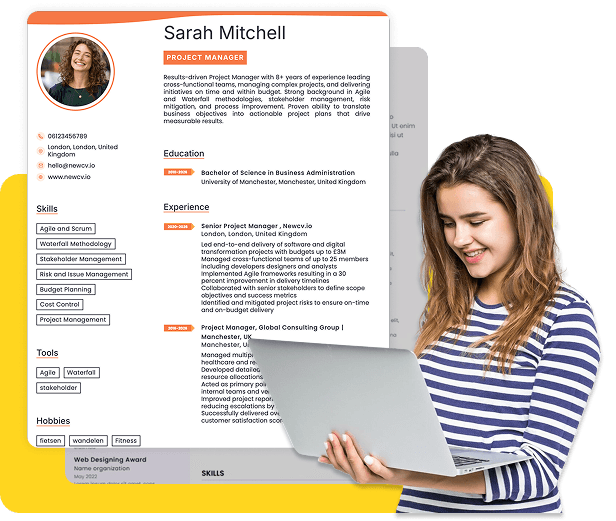
Use ATS-optimised Resume and resume templates that pass applicant tracking systems. Our Resume builder helps recruiters read, scan, and shortlist your Resume faster.

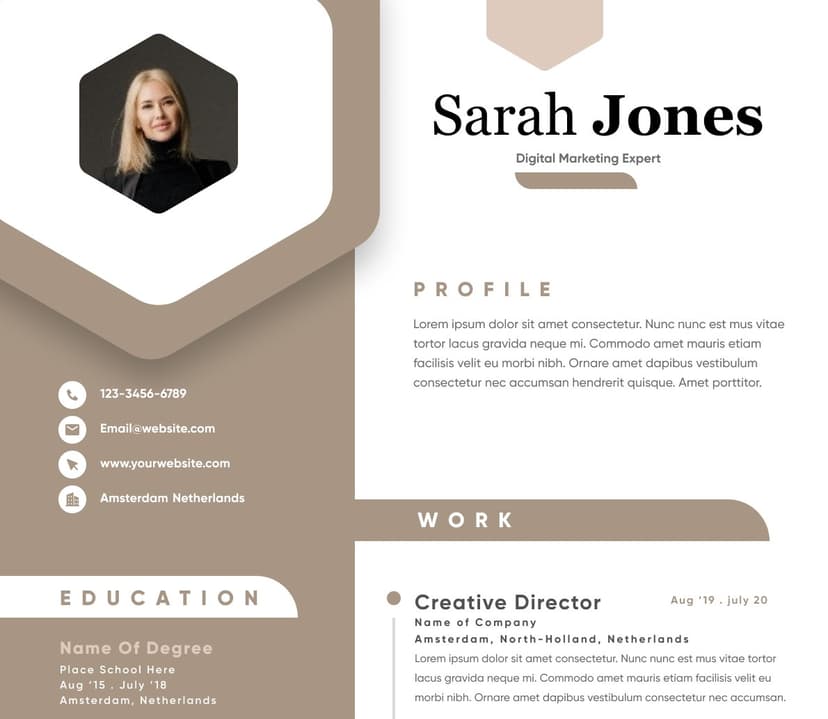
Use professional field-tested resume templates that follow the exact Resume rules employers look for.
Create Resume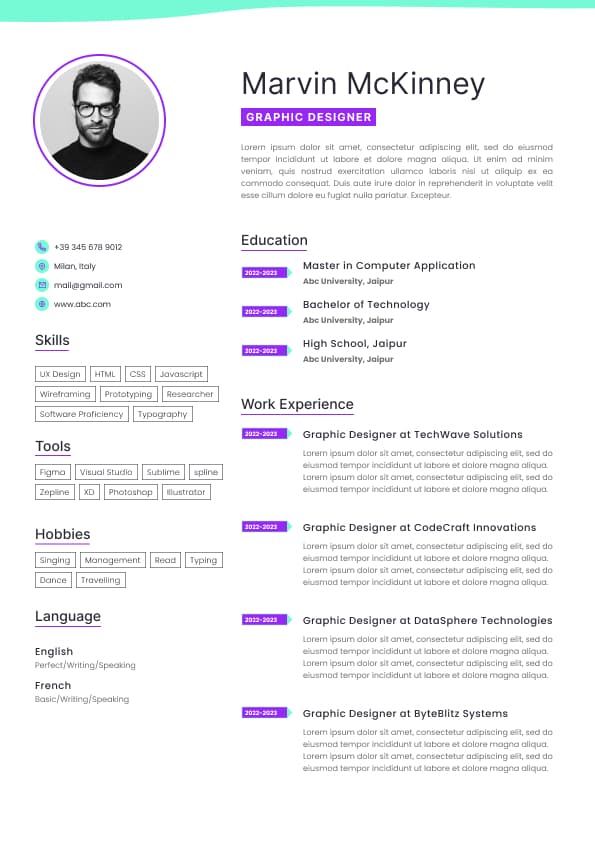
Use professional field-tested resume templates that follow the exact Resume rules employers look for.
Create ResumeAPI development
Backend architecture
Django or FastAPI expertise
Cloud infrastructure
Microservices
SQL and database systems
CI/CD pipelines
Docker and Kubernetes
AWS, GCP, or Azure
Testing and debugging practices
Scalability and performance optimization
Hiring managers also evaluate whether the candidate sounds production-ready. Generic summaries usually signal weak real-world experience.
Generic soft skills
Buzzword stuffing
No technical depth
No backend specialization
No business or engineering outcomes
Overly broad claims like “expert in all Python technologies”
Example:
“Dedicated Python developer with strong communication skills seeking an opportunity to grow and contribute to organizational success.”
Why this fails:
No specialization
No technical stack
No evidence of backend capability
Sounds entry-level even if experienced
Provides zero hiring signal
Example:
“Python Developer with 5+ years of experience building scalable backend APIs, automation workflows, and cloud-native applications using Django, FastAPI, PostgreSQL, Docker, and AWS. Strong background in API optimization, distributed systems, CI/CD pipelines, and backend performance tuning.”
Why this works:
Immediately establishes backend specialization
Includes modern engineering stack
Signals production-level experience
Uses technologies hiring managers actively search for
Demonstrates technical relevance
Focus on:
AWS
Kubernetes
Docker
Terraform
CI/CD
Cloud-native systems
Prioritize:
Django REST Framework
PostgreSQL
Authentication systems
ORM optimization
Web application scalability
Add:
Architecture ownership
Mentoring
Platform reliability
Distributed systems
Technical leadership
Migration projects
Recruiters are evaluating alignment, not just technical capability.
Docker
Kubernetes
AWS
CI/CD
Microservices
API development
Distributed systems
Terraform
Celery
SQLAlchemy
Git
Linux
Backend development
However, keywords only help if they are integrated naturally and supported by believable experience.
Scalability
Reliability
Deployment
Monitoring
Cloud infrastructure
CI/CD
Performance optimization
Specificity creates credibility.
Compare:
“Experienced Python developer”
Versus:
“Python Backend Engineer with experience building FastAPI microservices deployed on Kubernetes and AWS.”
The second version sounds materially more hireable.
If the company emphasizes:
FastAPI → mention asynchronous APIs
AWS → mention cloud-native deployments
Kubernetes → mention container orchestration
Django → mention scalable web applications
Technical skills matter most when connected to outcomes.
Strong outcome-oriented phrases include:
Improved deployment reliability
Reduced API latency
Scaled backend infrastructure
Optimized database performance
Automated operational workflows
Increased system uptime


 Upload Resume
 Import from Linkedin