STILL APPLYING. STILL HEARING NOTHING?BUILD YOUR RESUME

STILL APPLYING. STILL HEARING NOTHING?BUILD YOUR RESUME
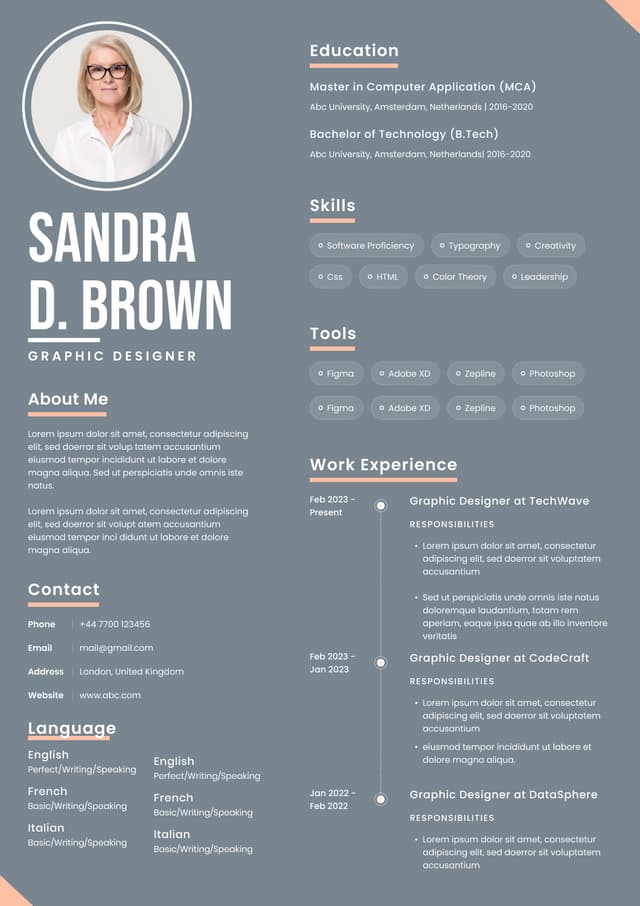
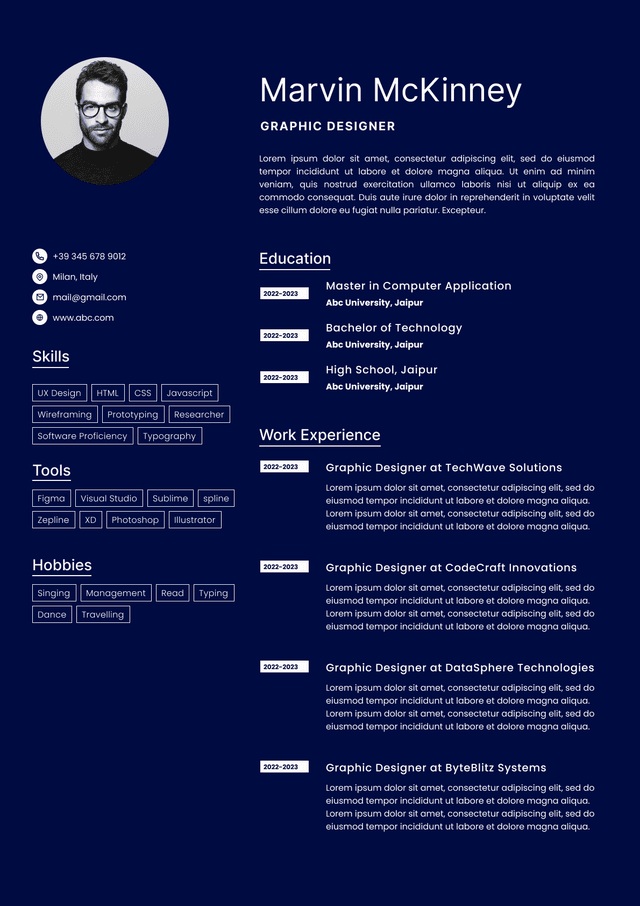
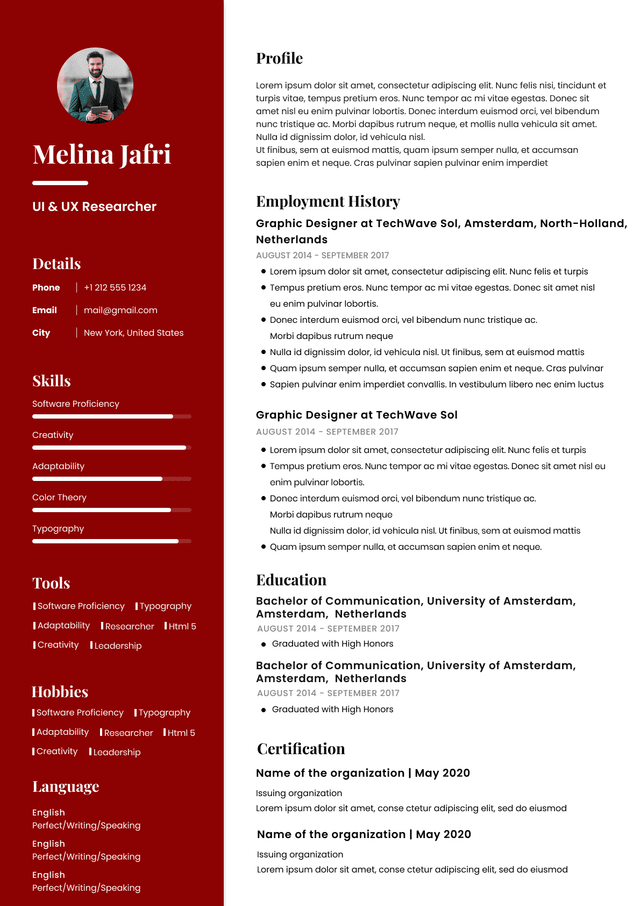
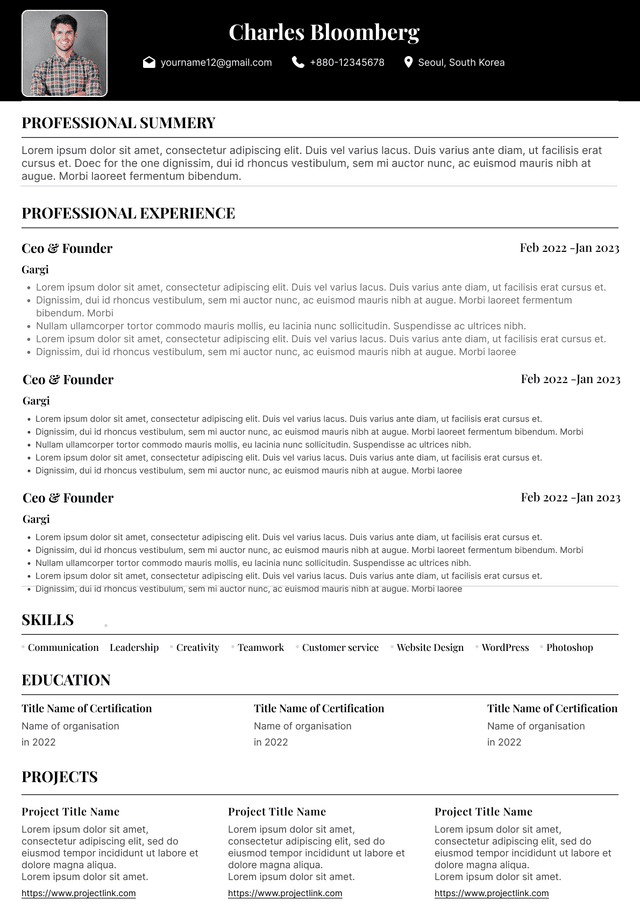
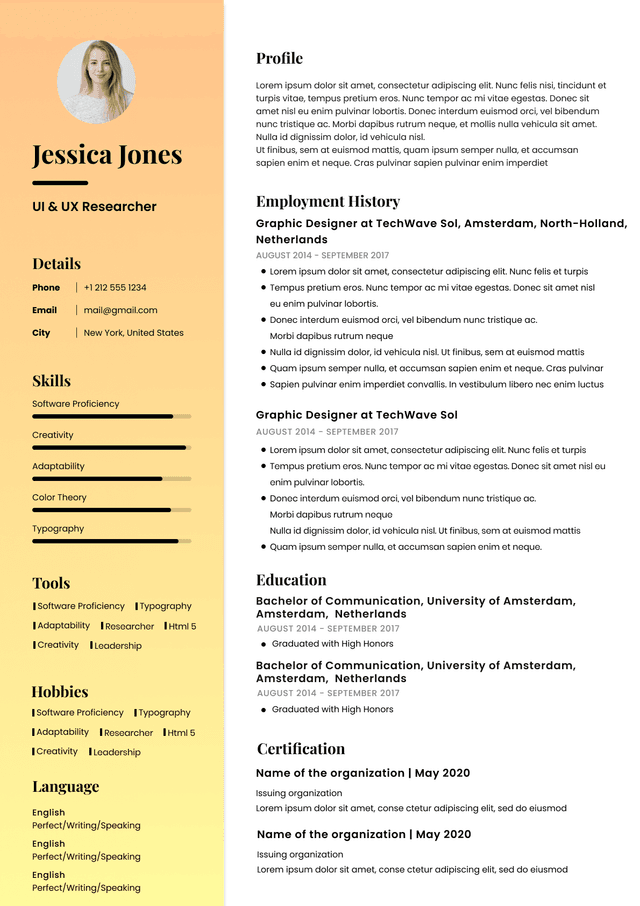
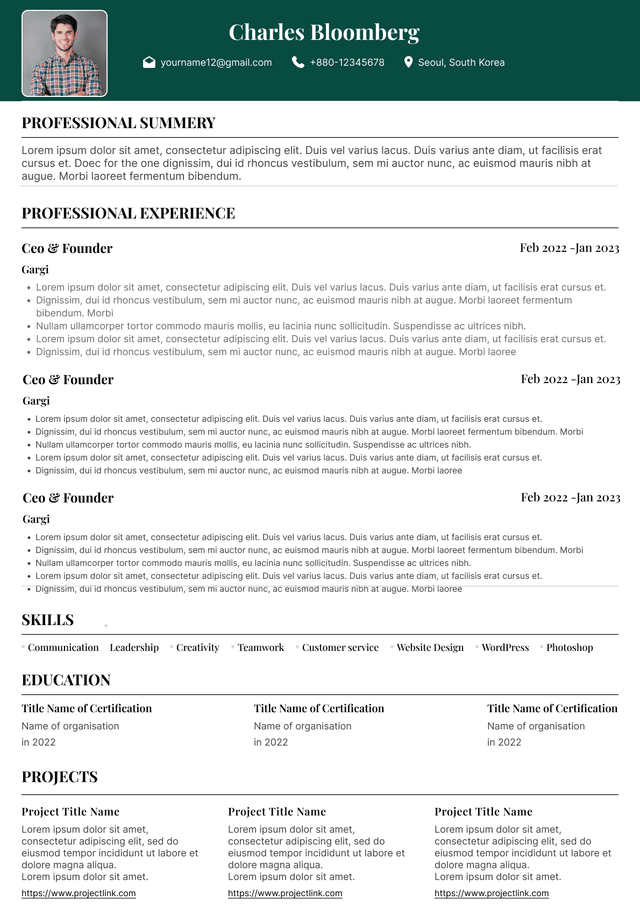
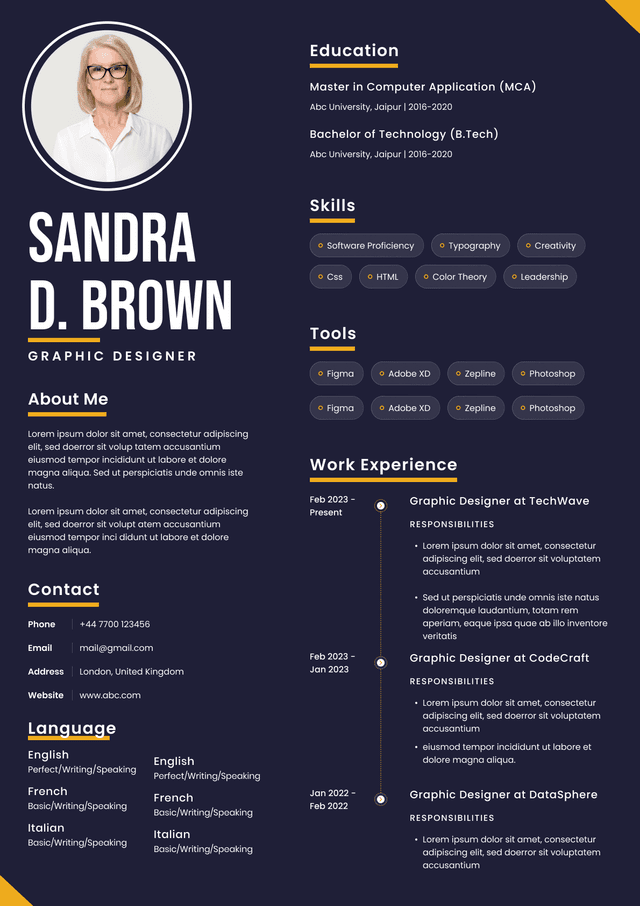
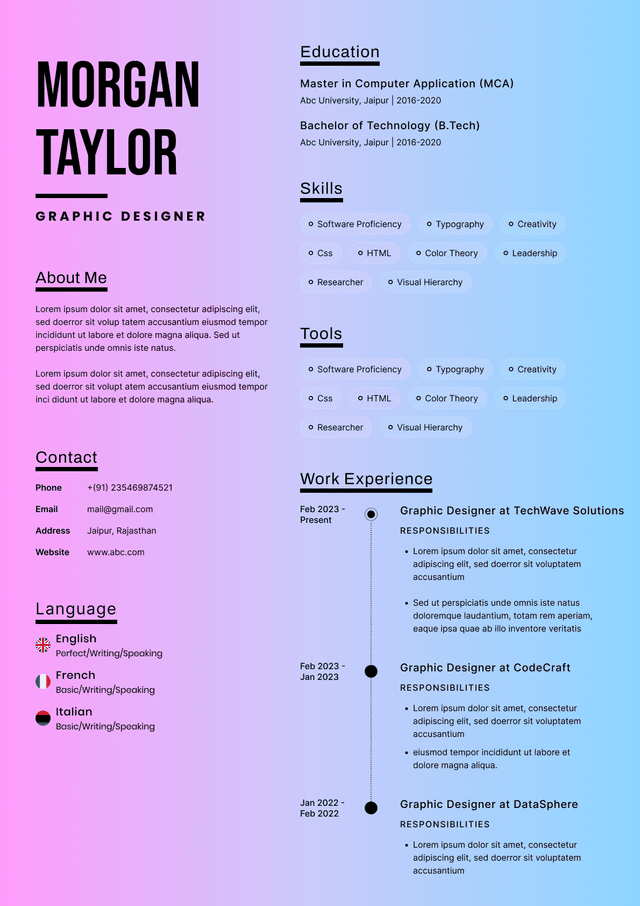
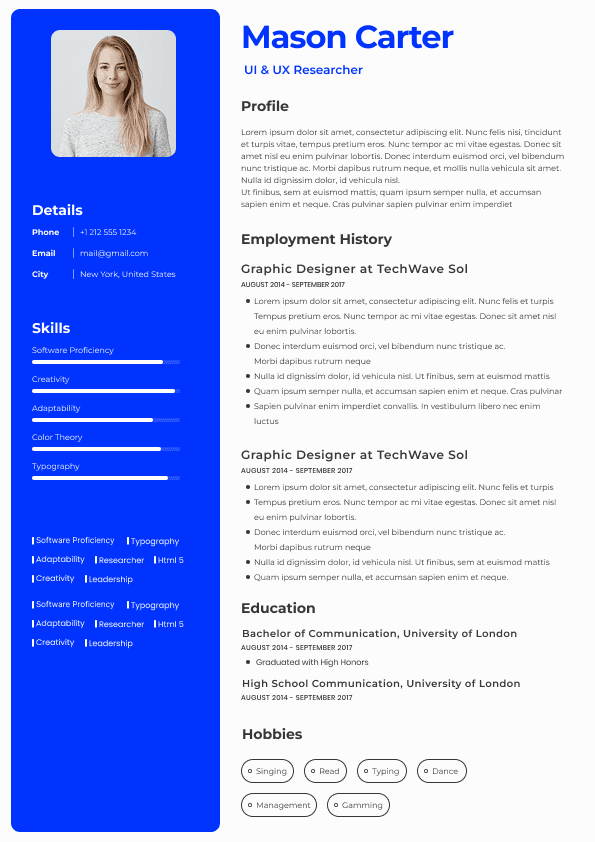
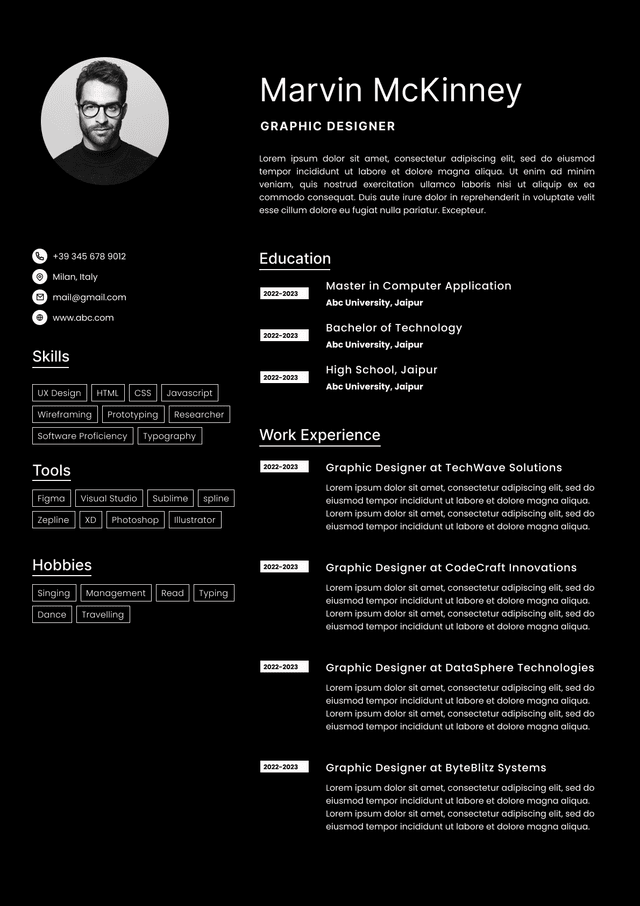
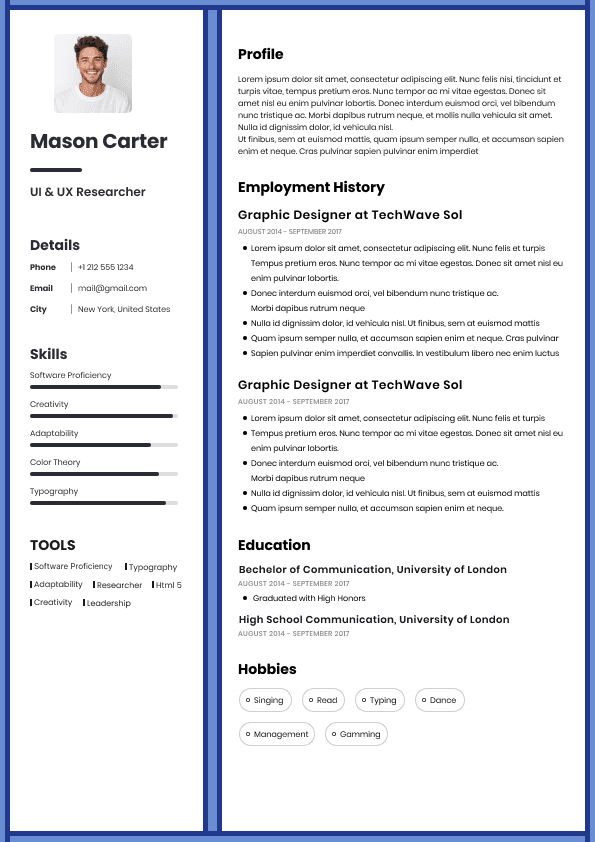
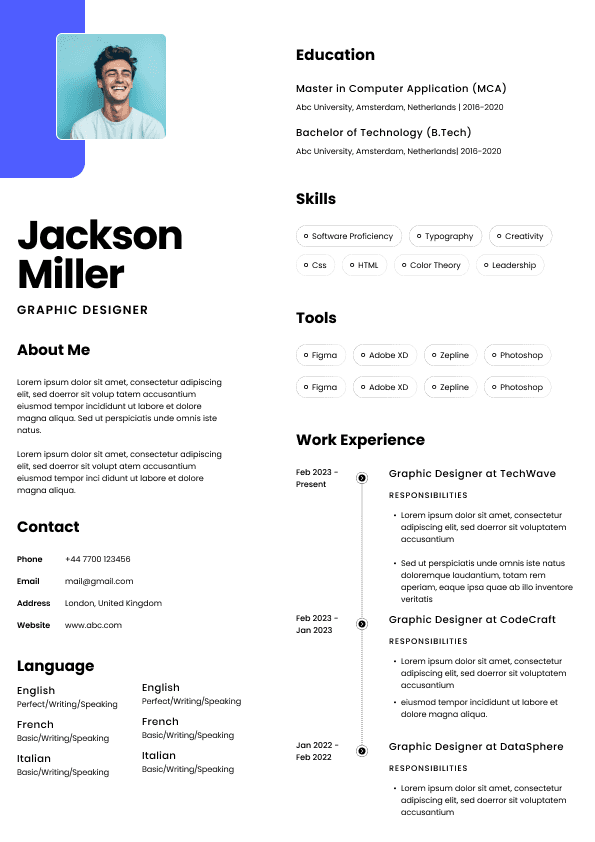
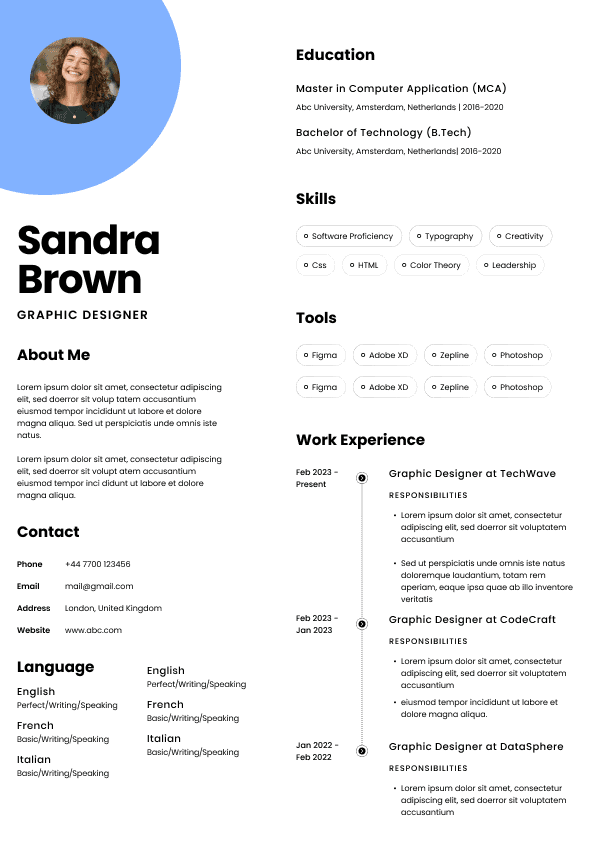
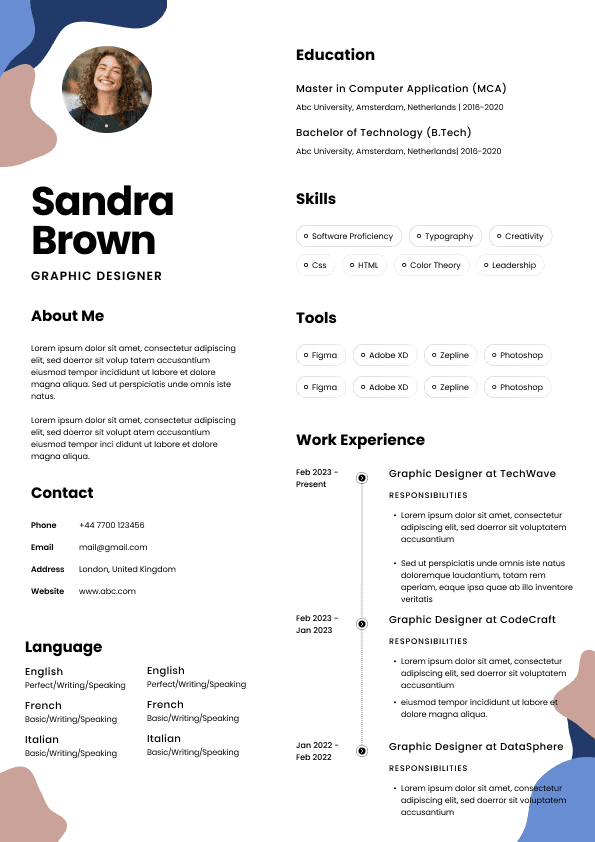
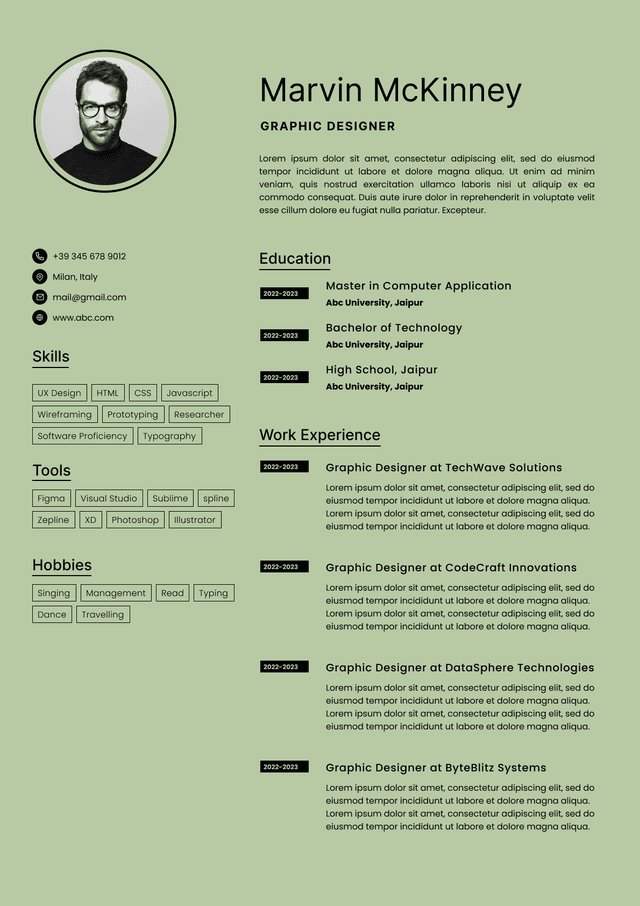
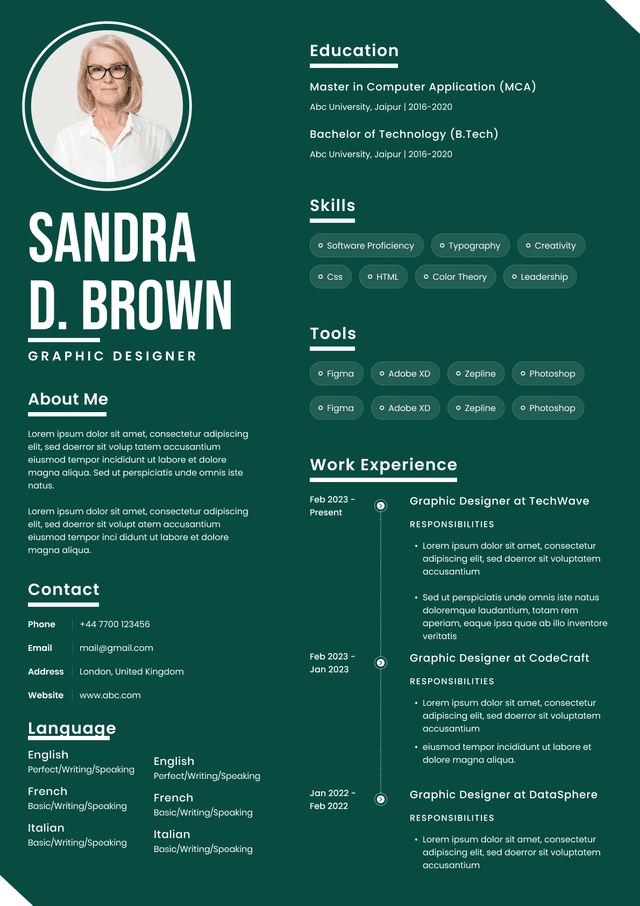
Choose from a wide range of NEWCV resume templates and customize your NEWCV design with a single click.
FAQ


Remote JavaScript developer jobs are highly competitive, but most candidates are filtered out long before the technical interview. Remote-first companies are not only evaluating your JavaScript skills. They are evaluating whether you can work independently, communicate clearly in async environments, collaborate across time zones, and ship production-ready code without constant supervision.
The candidates getting hired fastest for remote React, Node.js, and full stack JavaScript roles usually have three things in common: a specialized tech stack, a strong proof-of-work portfolio, and a resume optimized for remote collaboration. Companies hiring globally are prioritizing developers who can onboard quickly, contribute asynchronously, and operate effectively in distributed teams.
If you want to compete for remote JavaScript developer jobs in today’s market, you need more than coding ability. You need positioning, remote-readiness signals, and a hiring strategy built specifically for remote recruiting pipelines.
Many developers assume remote hiring is mostly about technical ability. In reality, remote companies optimize heavily for execution reliability.
Hiring managers worry about:
Communication breakdowns
Delayed delivery
Poor documentation
Weak ownership
Time zone friction
Slow onboarding
Lack of collaboration visibility
That changes how candidates are evaluated.
A developer with slightly weaker technical skills but strong async communication and proven remote delivery experience will often beat a stronger engineer who appears difficult to manage remotely.
The strongest remote JavaScript candidates demonstrate:
Independent problem-solving
Strong written communication
Git-based collaboration habits
Product ownership mindset
Clear deployment experience
Documentation discipline
Reliable sprint execution
Ability to debug production issues independently
This is especially true for remote SaaS companies, startup engineering teams, and globally distributed organizations.
The highest-demand remote JavaScript roles are tied to production web applications, SaaS platforms, AI tooling, ecommerce systems, and cloud-native products.
Current high-opportunity areas include:
React remains the dominant frontend framework in remote hiring. Companies want developers who can build scalable UI systems, optimize performance, and collaborate with product teams asynchronously.
Most remote React roles prioritize:
React Hooks
TypeScript
Next.js
API integration
State management
Component architecture
Frontend testing
Performance optimization
Candidates with real production React projects consistently outperform tutorial-heavy portfolios.
Node.js remains one of the strongest remote backend opportunities because many distributed startups use JavaScript across the full stack.
Companies hiring remote Node.js developers typically expect:
REST API development
Authentication systems
Database integration
Serverless workflows
AWS familiarity
Background jobs and queues
API security
Production debugging experience
Remote backend hiring is especially focused on ownership and reliability because backend developers often work more independently.
Full stack JavaScript developers are particularly attractive to remote startups because they reduce hiring complexity.
The most competitive full stack candidates typically know:
React or Next.js
Node.js and Express
PostgreSQL or MongoDB
CI/CD workflows
Git collaboration
Cloud deployment
Authentication systems
API architecture
Companies value full stack developers who can move features from idea to production without requiring constant cross-team coordination.
TypeScript has become a major hiring differentiator in remote engineering.
Many remote companies now treat TypeScript experience as a quality signal because it often correlates with:
Better maintainability
Stronger engineering practices
Safer refactoring
Enterprise readiness
Cleaner collaboration
Developers without TypeScript experience are increasingly excluded from higher-paying remote opportunities.
Not all JavaScript stacks have equal hiring demand in remote recruiting.
The strongest remote hiring momentum currently exists around:
React + TypeScript
Next.js
Node.js + Express
GraphQL
PostgreSQL
Tailwind CSS
AWS serverless
Firebase
Supabase
Vercel deployment workflows
This matters because remote companies prefer developers who can integrate into modern deployment pipelines quickly.
Older stacks or fragmented frontend skills can make remote hiring substantially harder.
For example:
React + TypeScript + Next.js is far more marketable than jQuery-heavy frontend experience
Modern cloud deployment experience carries more value than older monolithic hosting workflows
GitHub-based CI/CD familiarity improves remote employability significantly
Not all remote job boards produce quality opportunities.
Many are overloaded with outdated listings, low-paying contracts, or fake remote jobs.
The strongest platforms for remote JavaScript hiring include:
Each platform serves different hiring models.
Wellfound
Otta
Remote OK
These platforms are strongest for:
Startup engineering teams
SaaS companies
Product-focused remote roles
Faster interview cycles
Upwork
Fiverr Pro
Gun.io
Lemon.io
These platforms are strongest for:
Contract frontend work
React consulting
API integration projects
Short-term Node.js development
Arc.dev
Turing
These platforms work well for:
International remote opportunities
US-based remote companies
Distributed engineering organizations
Higher-paying full-time roles
Most developers underestimate how quickly recruiters make decisions during resume screening.
For remote JavaScript jobs, recruiters scan for immediate evidence of:
Remote collaboration readiness
Technical specialization
Production experience
Fast onboarding capability
If your resume looks generic, you will likely fail the initial screen.
Recruiters actively look for signals like:
Experience working in distributed teams
GitHub contribution history
Async collaboration tools
Agile sprint participation
Documentation ownership
CI/CD pipeline exposure
Cloud deployment familiarity
Product feature ownership
Even wording matters.
“Worked on frontend development tasks.”
“Built and deployed React + TypeScript product features for a distributed SaaS engineering team using GitHub Actions and Vercel deployment workflows.”
The second example communicates:
Technical depth
Remote workflows
Deployment familiarity
Collaboration maturity
Production ownership
That is how remote recruiters think.
Remote resumes should not look identical to traditional onsite engineering resumes.
You need to emphasize remote execution capability.
Your resume should clearly demonstrate:
Independent delivery
Async communication
Remote tooling familiarity
Git collaboration
Cross-functional teamwork
Product ownership
Include naturally relevant terminology such as:
Remote collaboration
Distributed engineering team
Async communication
Agile sprint workflows
CI/CD pipelines
GitHub workflows
React production applications
Node.js backend services
API integration
These keywords help both recruiters and ATS systems identify remote readiness.
Common mistakes include:
Listing too many technologies without specialization
Generic bullet points
No measurable impact
No production deployment experience
Portfolio links that do not work
Weak GitHub activity
No evidence of collaboration workflows
One of the biggest red flags in remote hiring is candidates who appear tutorial-heavy but production-light.
Remote companies want developers who can execute in real environments.
For remote JavaScript roles, GitHub often functions as a secondary resume.
Hiring managers review:
Commit consistency
Code quality
Documentation clarity
Project structure
Real deployment workflows
Collaboration patterns
A polished GitHub profile can dramatically improve interview conversion rates.
Strong GitHub signals include:
Active repositories
Clean README documentation
Live demos
Clear setup instructions
Meaningful commit history
Real-world applications
Weak GitHub profiles often contain:
Incomplete tutorial clones
No deployment links
Minimal documentation
Empty repositories
Poor project organization
Remote-first engineering teams heavily value visible proof of execution.
Remote engineering interviews differ substantially from traditional onsite interviews.
Communication quality becomes part of the evaluation.
Most remote JavaScript interview processes include:
Recruiter screening
Async coding assessments
Live technical interviews
Pair programming sessions
System design discussions
Behavioral collaboration interviews
Hiring managers assess:
Technical reasoning
Communication clarity
Collaboration style
Problem-solving process
Debugging ability
Ownership mindset
Many developers fail because they over-focus on coding syntax while underperforming in collaborative communication.
Typical evaluations include:
React debugging tasks
Live component building
API integration exercises
Node.js backend troubleshooting
Git workflow collaboration
Frontend performance optimization
Async architecture discussions
Interviewers often care more about your reasoning process than perfect syntax.
Entry-level remote jobs are difficult because companies worry about onboarding overhead.
The developers who break into remote work fastest usually compensate with:
Strong portfolios
Visible GitHub activity
Specialized skills
Freelance experience
Open-source contributions
Strong communication
Instead of applying broadly, focus on:
Smaller startups
Contract opportunities
Freelance React projects
Agency environments
Early-stage SaaS companies
These employers often prioritize execution ability over years of experience.
Your portfolio should include:
A deployed React application
API-connected projects
Authentication workflows
Responsive UI systems
Production-ready documentation
GitHub commit history
The goal is to appear operationally ready.
Most applicants never make it past recruiter screening.
Common failure patterns include:
Remote recruiters reject vague engineering resumes quickly.
Candidates listing 30 technologies often appear unfocused.
Strong candidates usually own a clear niche:
React frontend specialist
Full stack SaaS engineer
Node.js backend developer
TypeScript-focused frontend developer
Many portfolios are:
Tutorial clones
Incomplete projects
Broken deployments
Poorly documented
This destroys credibility instantly.
Remote companies want confidence that you can operate independently.
If your resume lacks:
Async collaboration
Git workflows
Documentation ownership
Remote tools
Distributed teamwork
You may appear high-risk compared to other candidates.
International remote hiring is increasingly competitive because companies can source talent globally.
To stand out, you need leverage.
The strongest leverage points include:
Generalists struggle more in remote hiring.
Specialization creates clearer market demand.
Examples:
React + TypeScript specialist
Next.js performance engineer
Node.js API developer
Frontend infrastructure engineer
Real projects outperform certifications almost every time.
The best candidates showcase:
Production apps
GitHub activity
Real users
Live deployments
Open-source work
Remote hiring heavily rewards developers who communicate clearly in writing.
This includes:
Pull request clarity
Documentation quality
Technical explanations
Slack communication style
Ticket updates
Many technically capable developers fail because communication quality is weak.
The highest-paying remote JavaScript roles usually go to developers who combine:
Strong frontend or backend specialization
Product thinking
Cloud deployment familiarity
Ownership mindset
Strong communication
To increase your market value quickly:
Learn TypeScript deeply
Build production-quality React applications
Improve deployment knowledge
Learn CI/CD workflows
Strengthen Git collaboration habits
Contribute to real-world projects
Improve technical communication
Remote companies pay premium compensation to developers who reduce management overhead.
That is the real hiring dynamic most candidates miss.
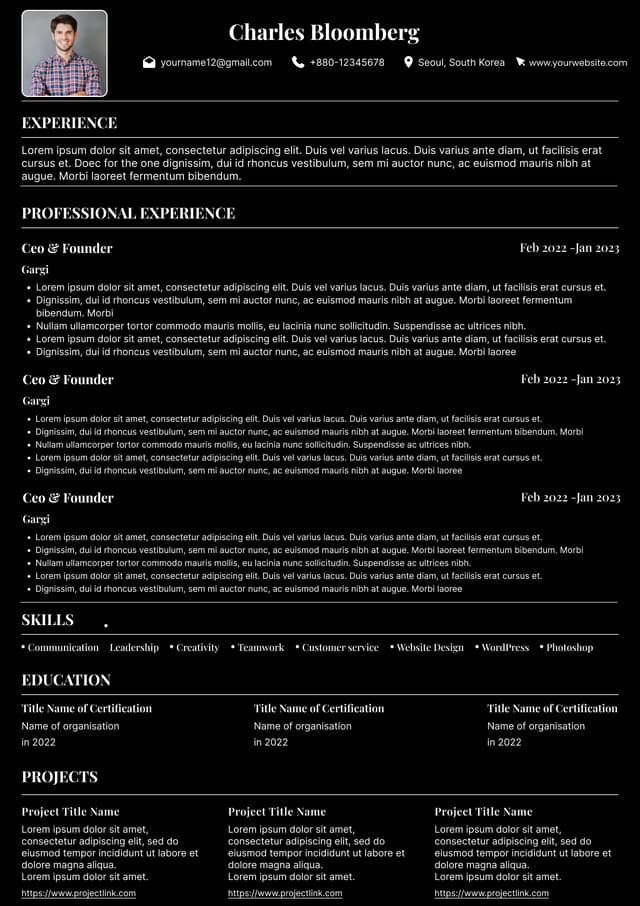
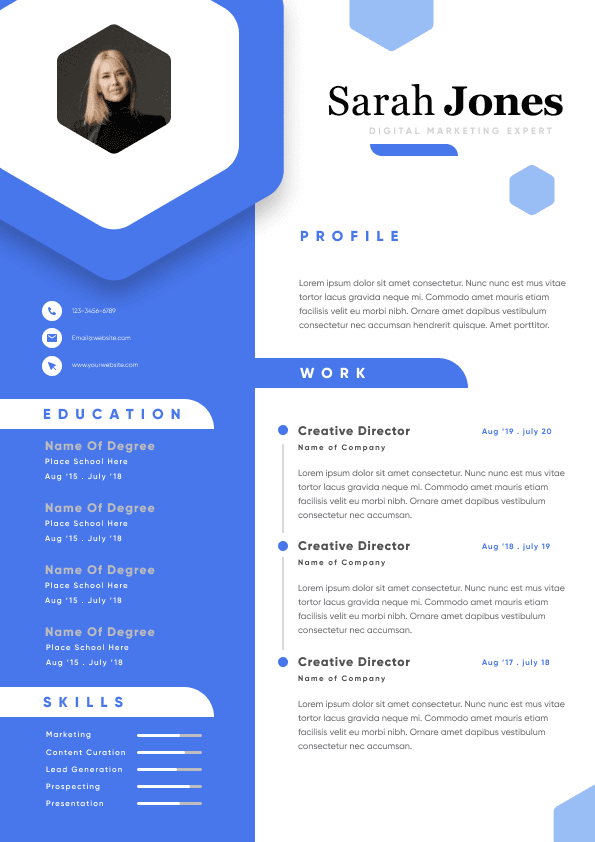
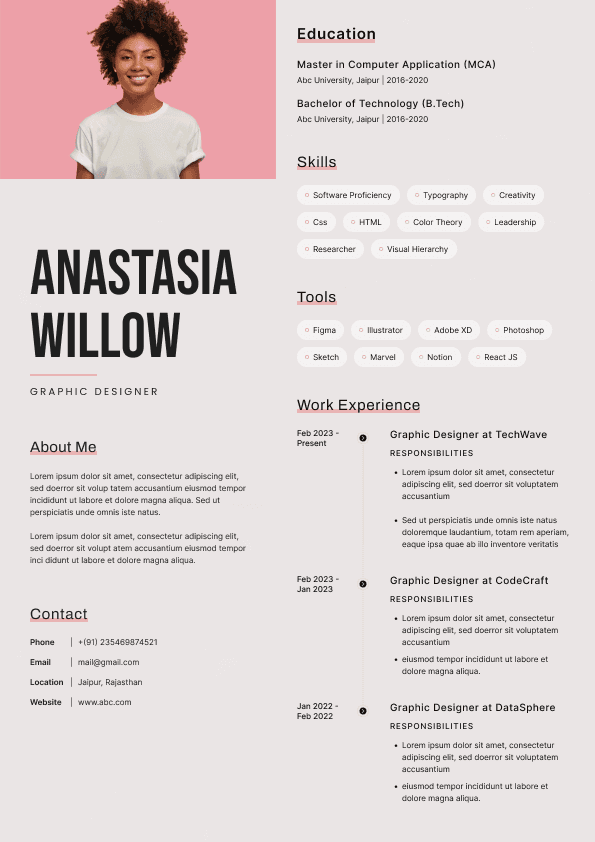
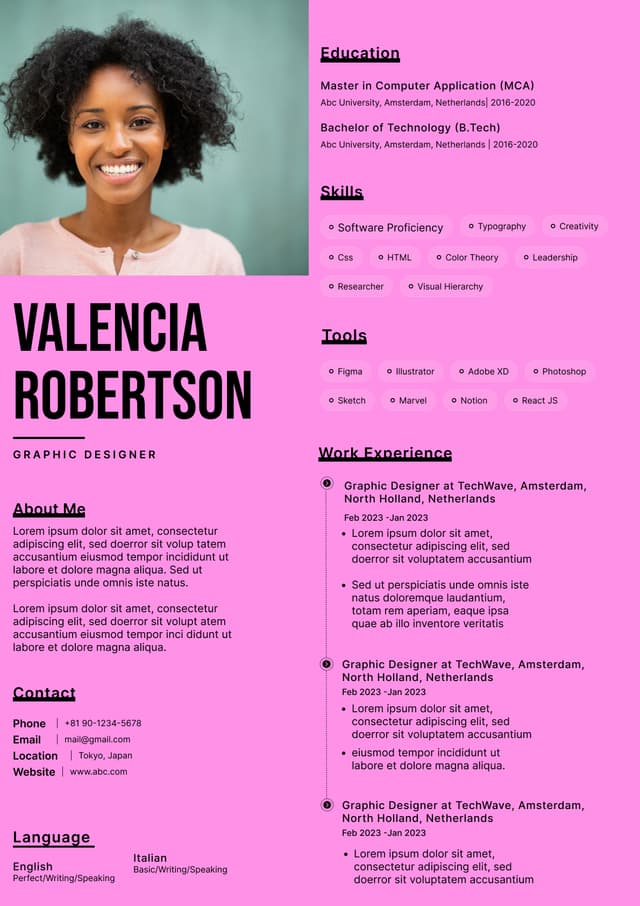
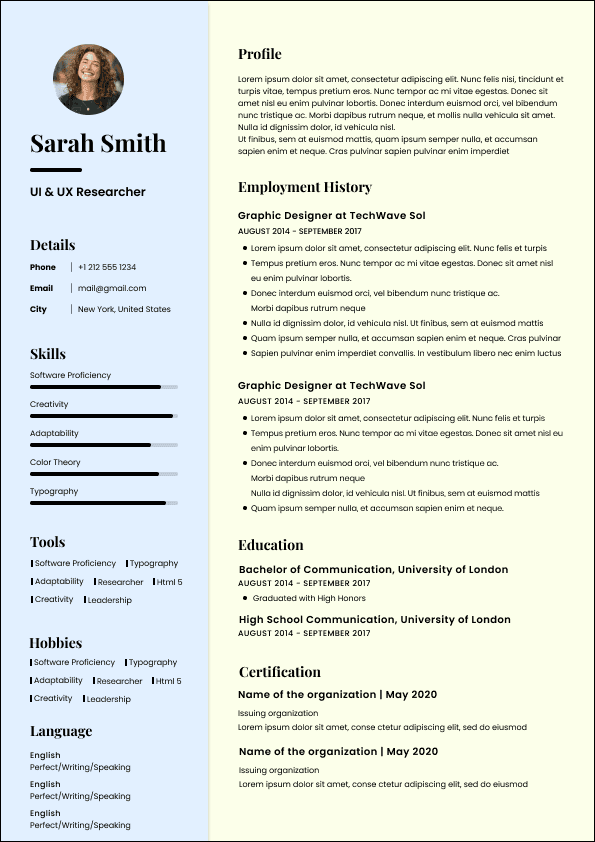
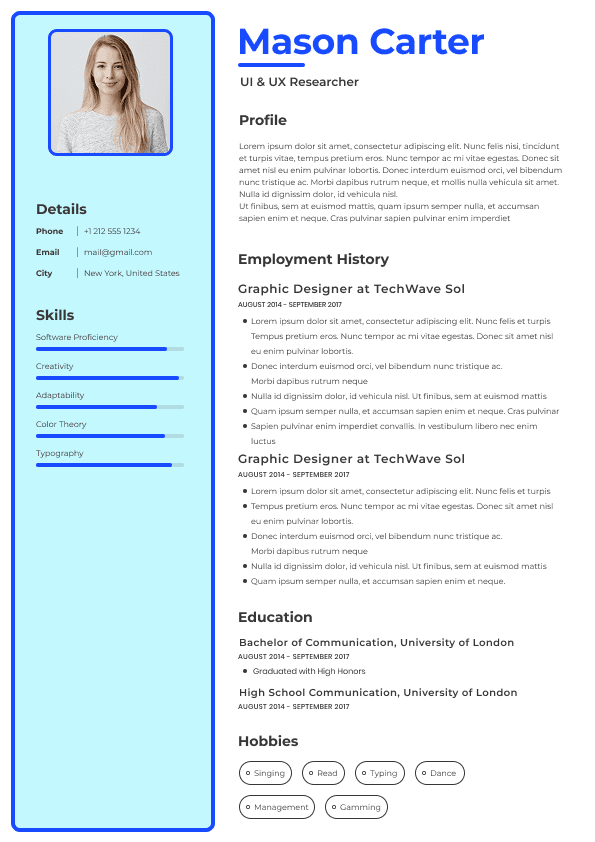
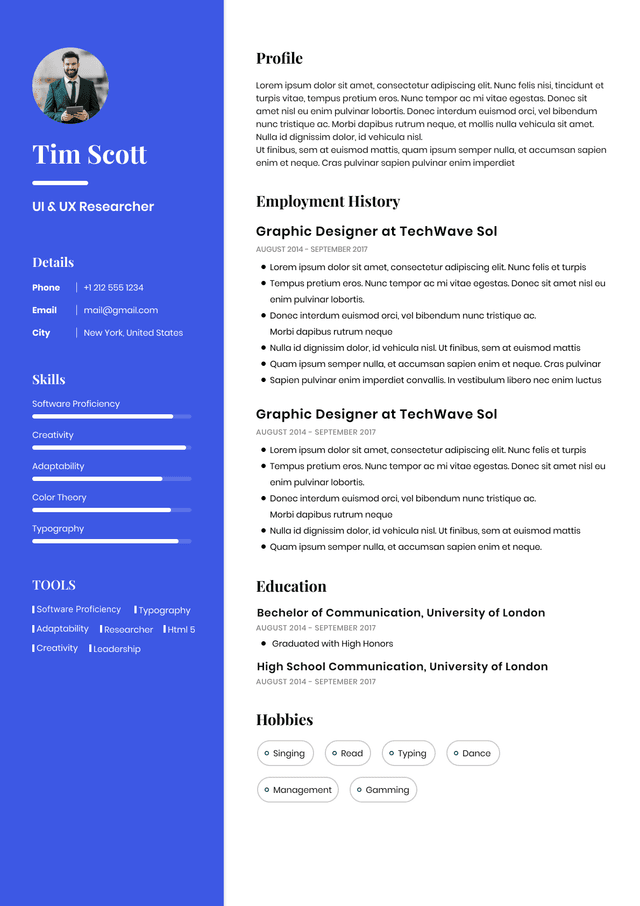
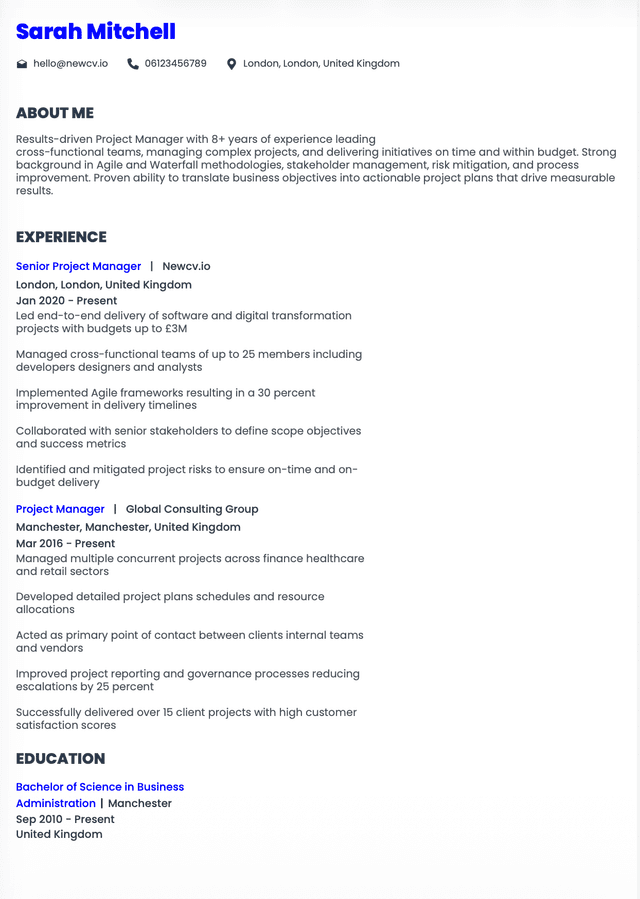
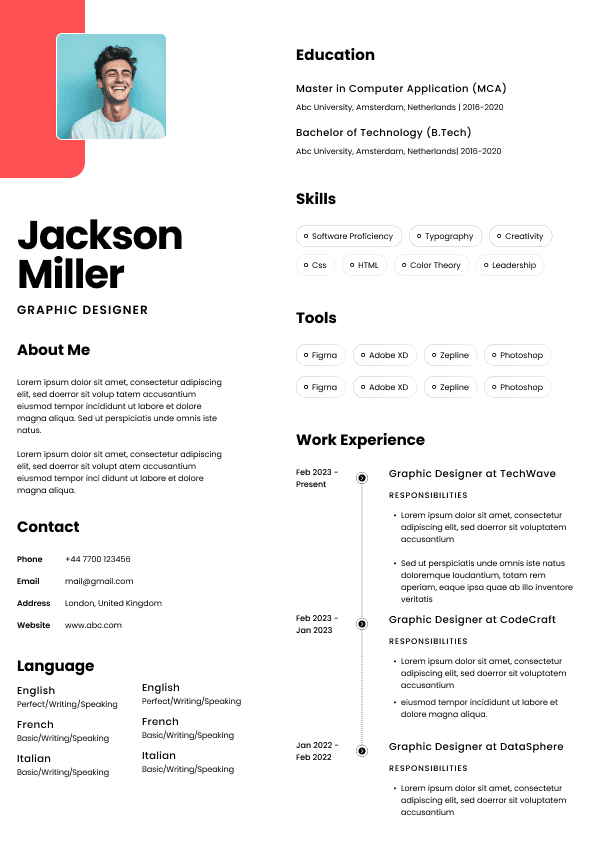
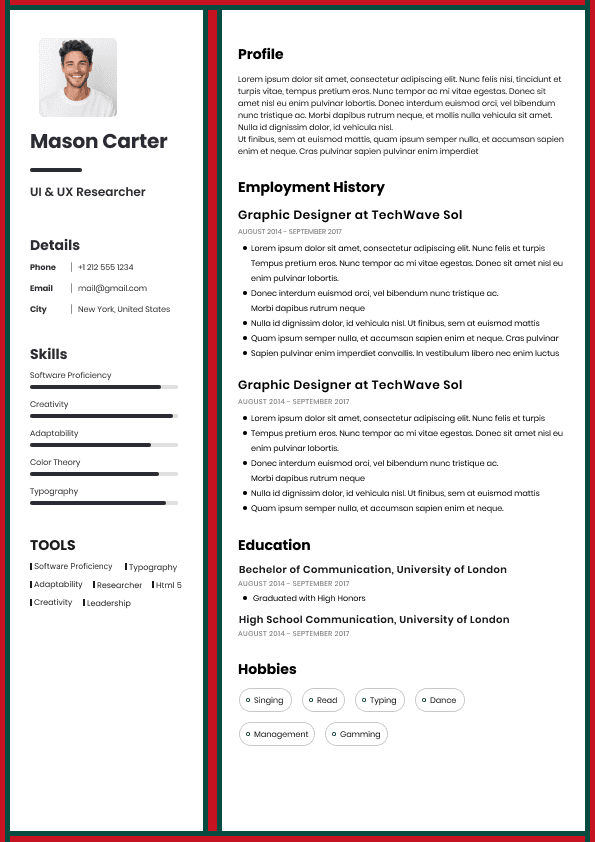
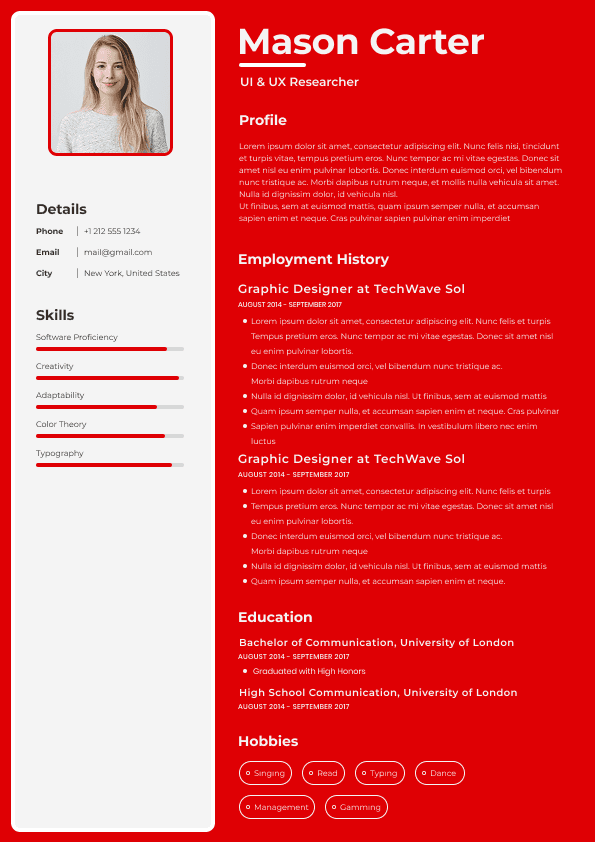
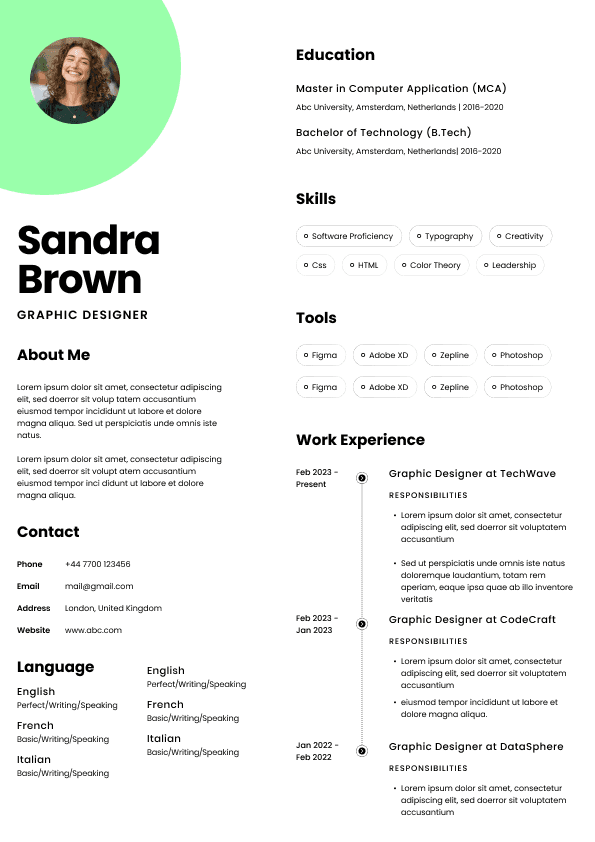
Use ATS-optimised Resume and resume templates that pass applicant tracking systems. Our Resume builder helps recruiters read, scan, and shortlist your Resume faster.


Use professional field-tested resume templates that follow the exact Resume rules employers look for.
Create Resume
Use professional field-tested resume templates that follow the exact Resume rules employers look for.
Create ResumeCloud deployment






 Upload Resume
 Import from Linkedin