STILL APPLYING. STILL HEARING NOTHING?BUILD YOUR RESUME

STILL APPLYING. STILL HEARING NOTHING?BUILD YOUR RESUME
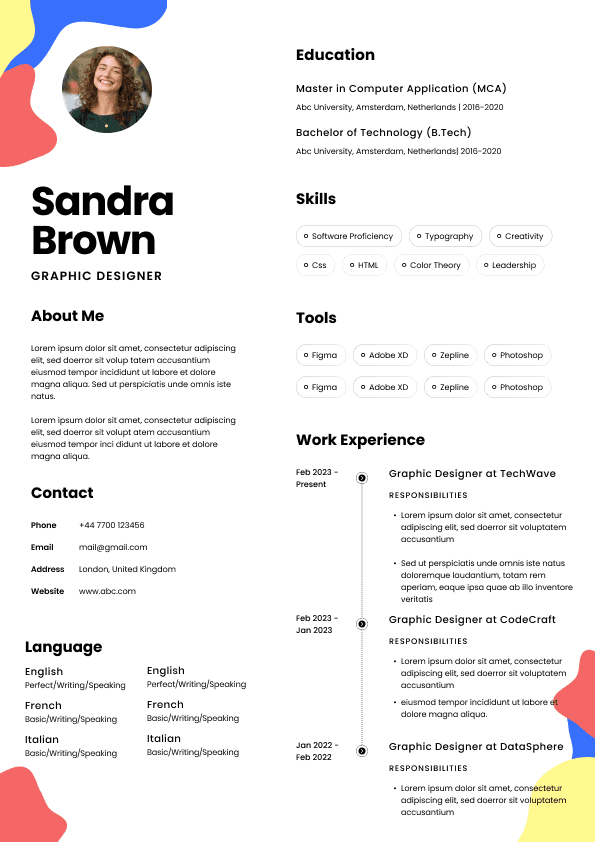
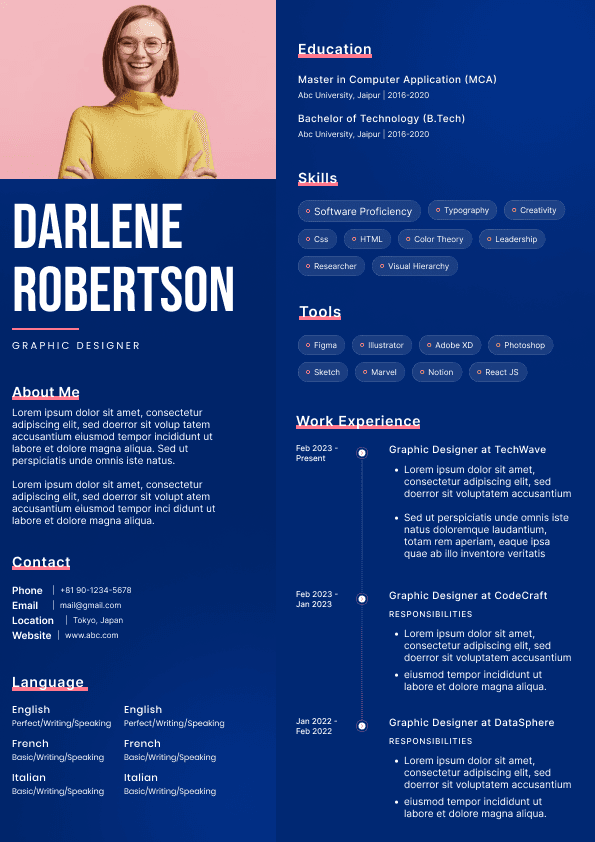
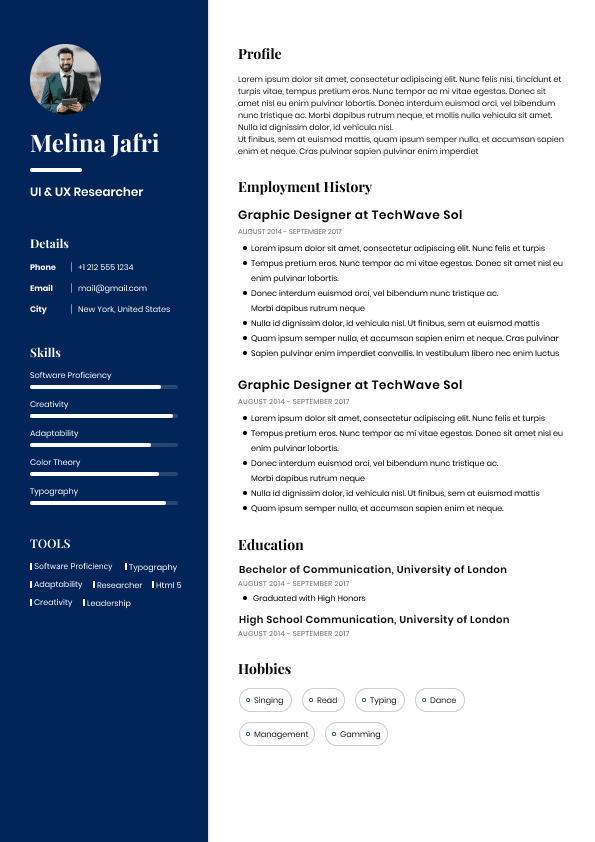
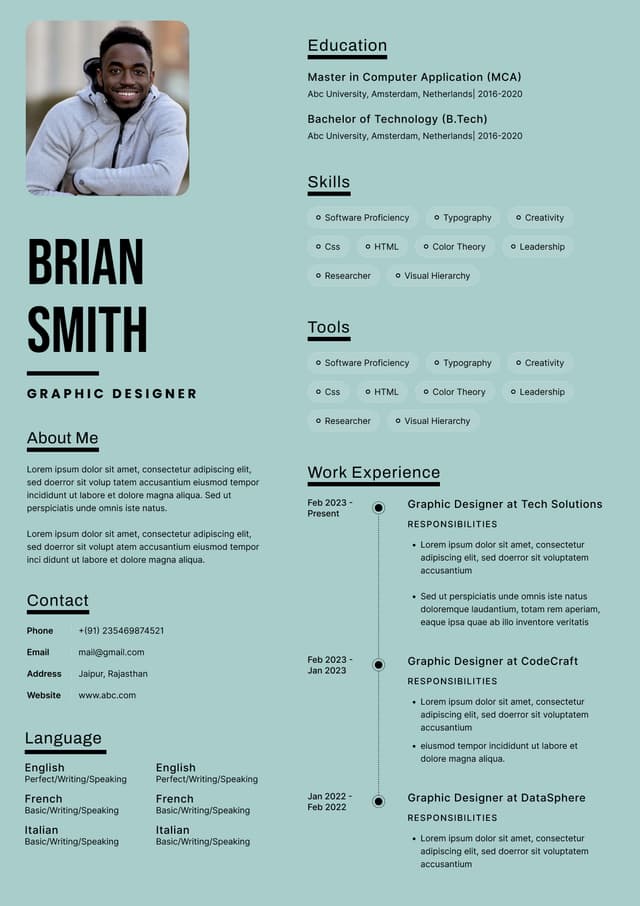
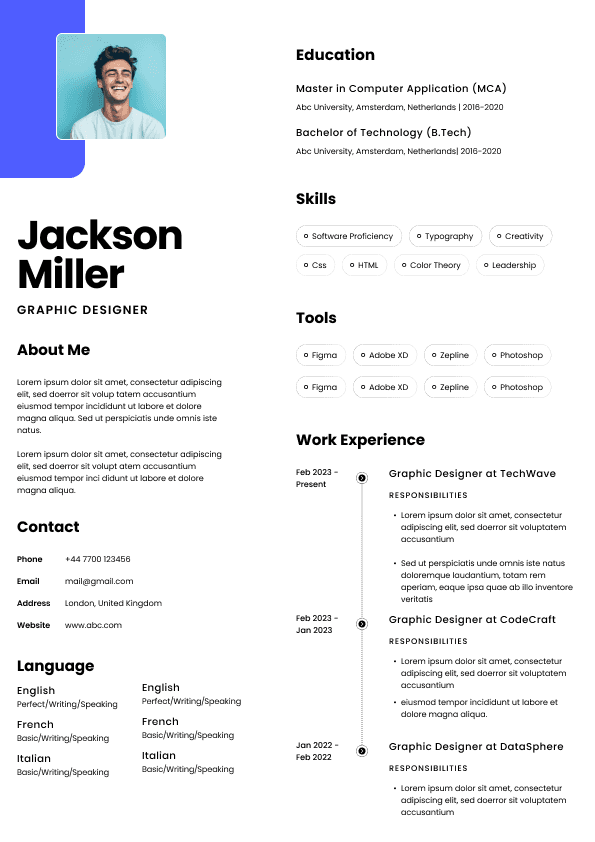
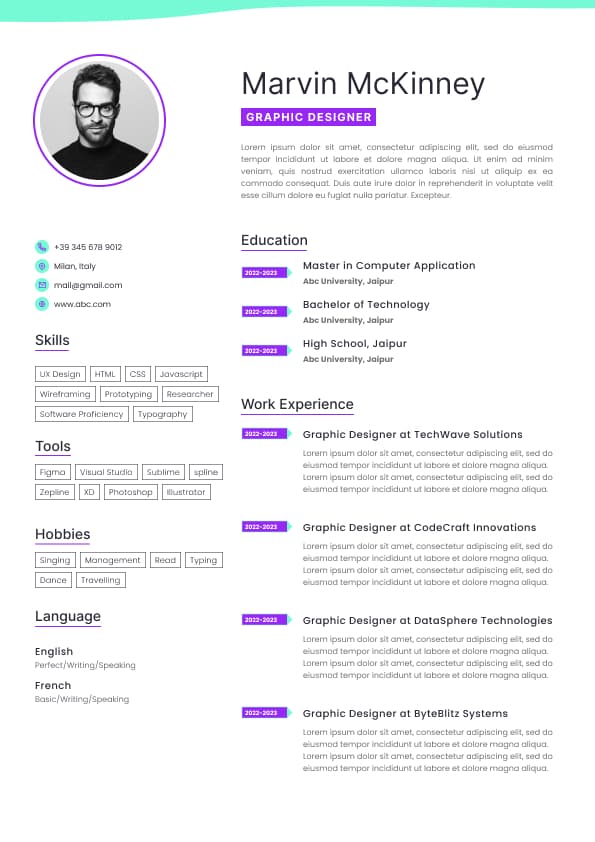
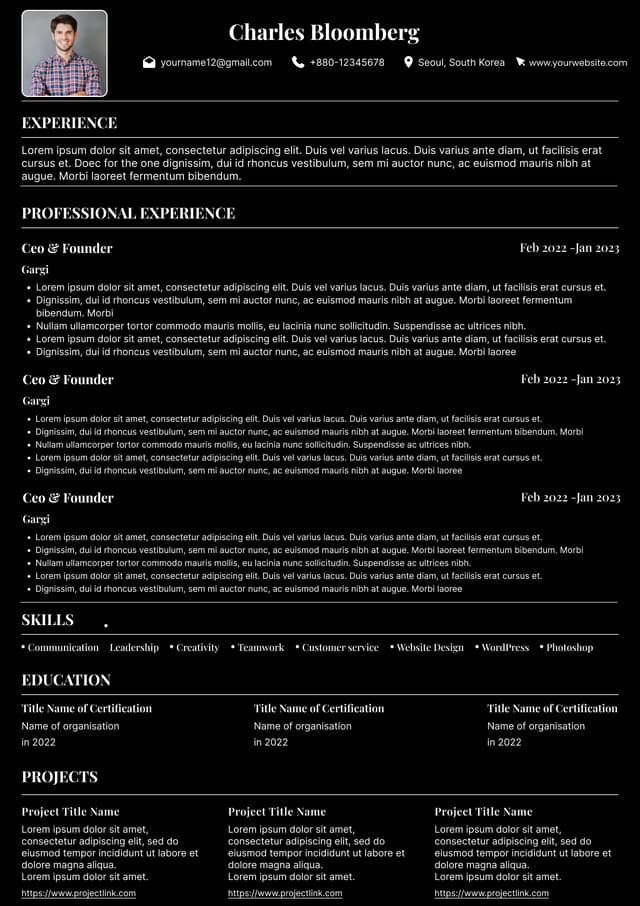
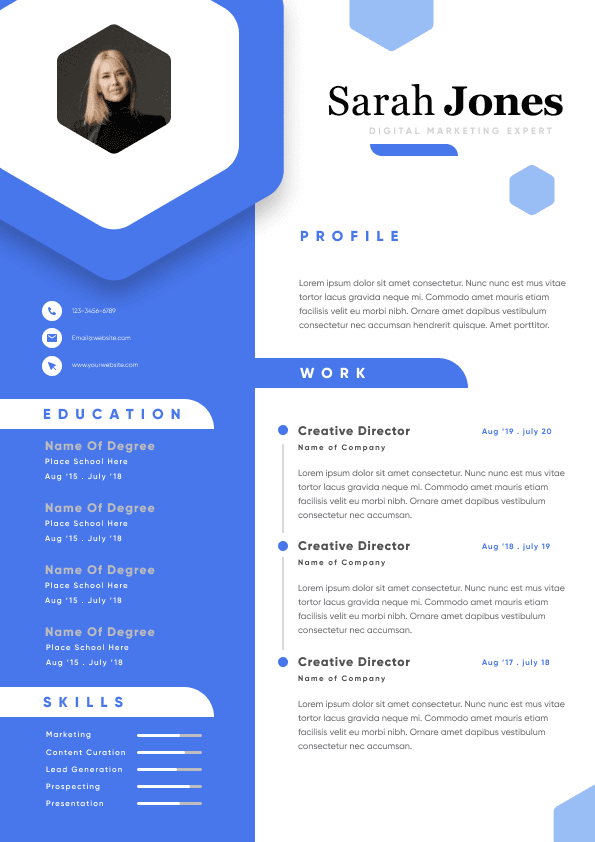
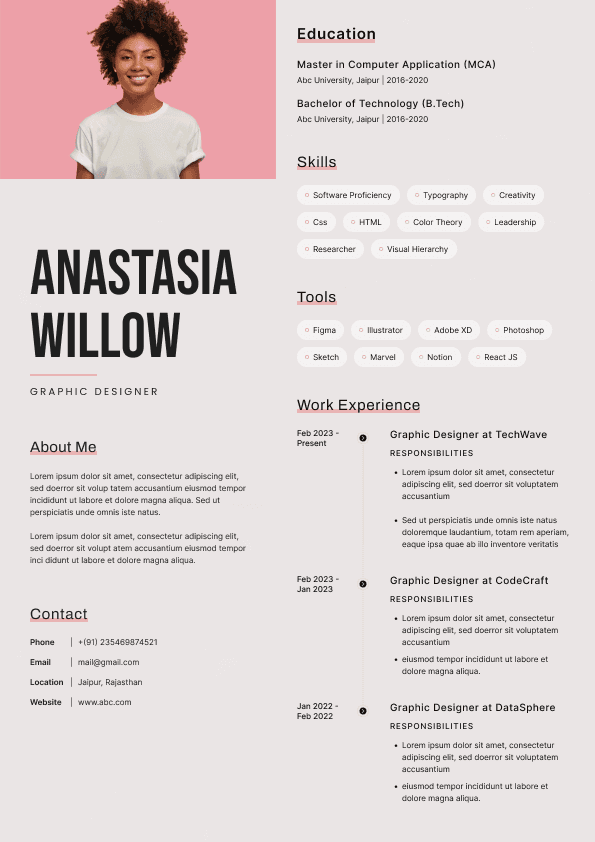
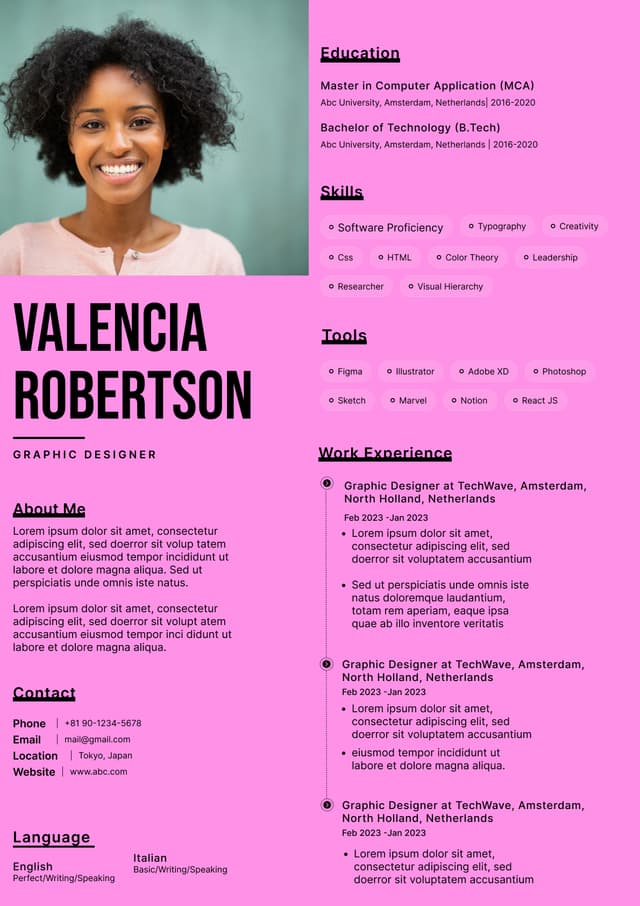
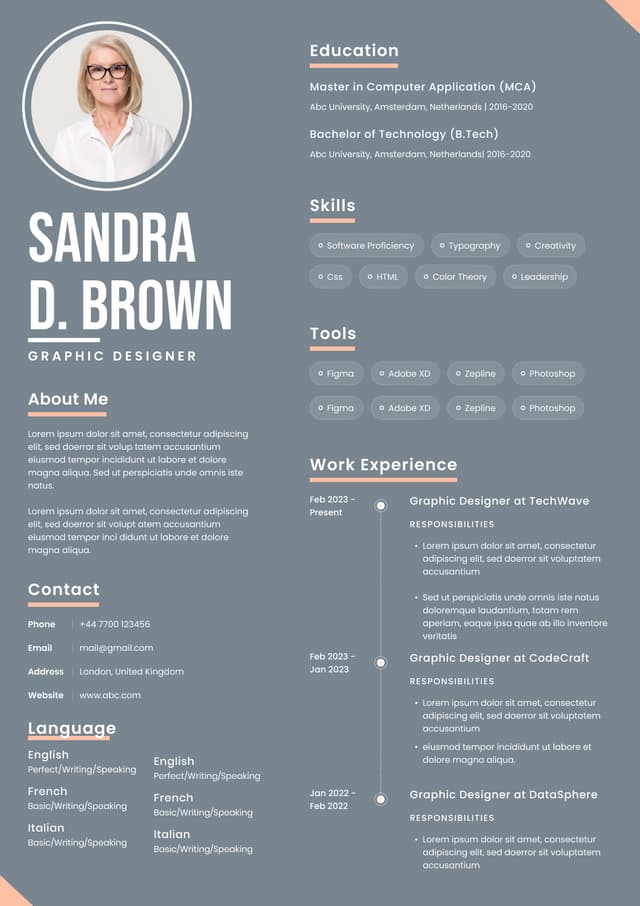
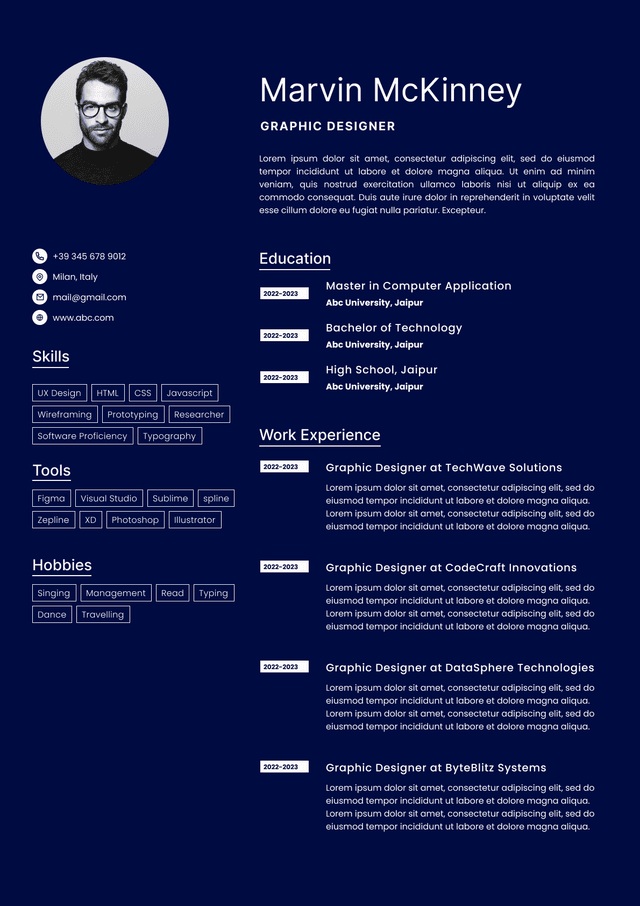
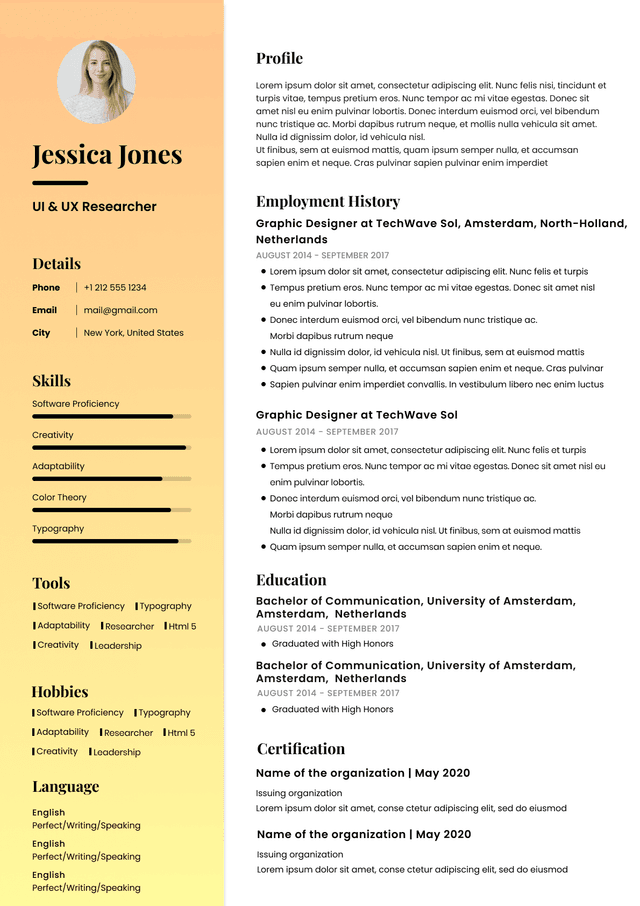
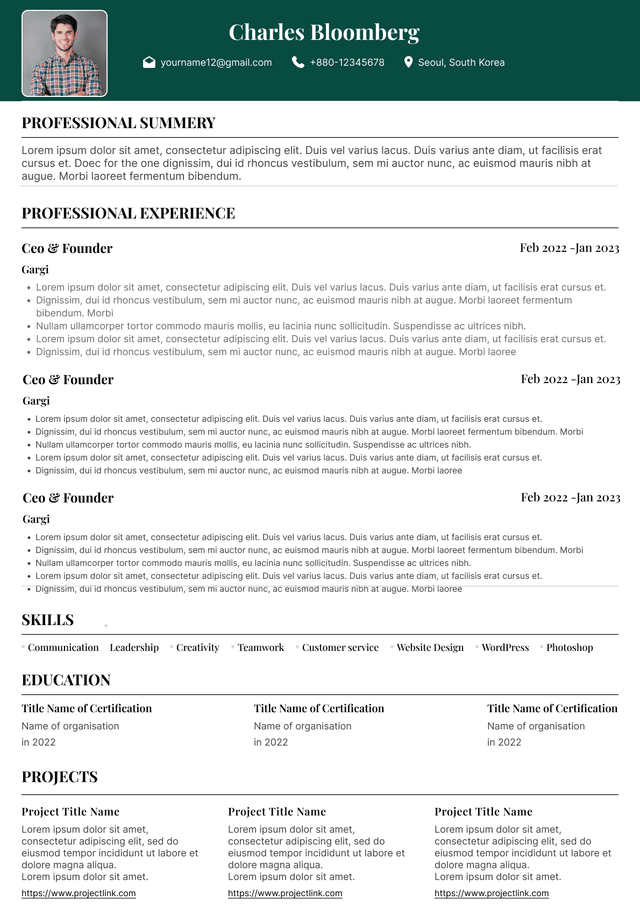
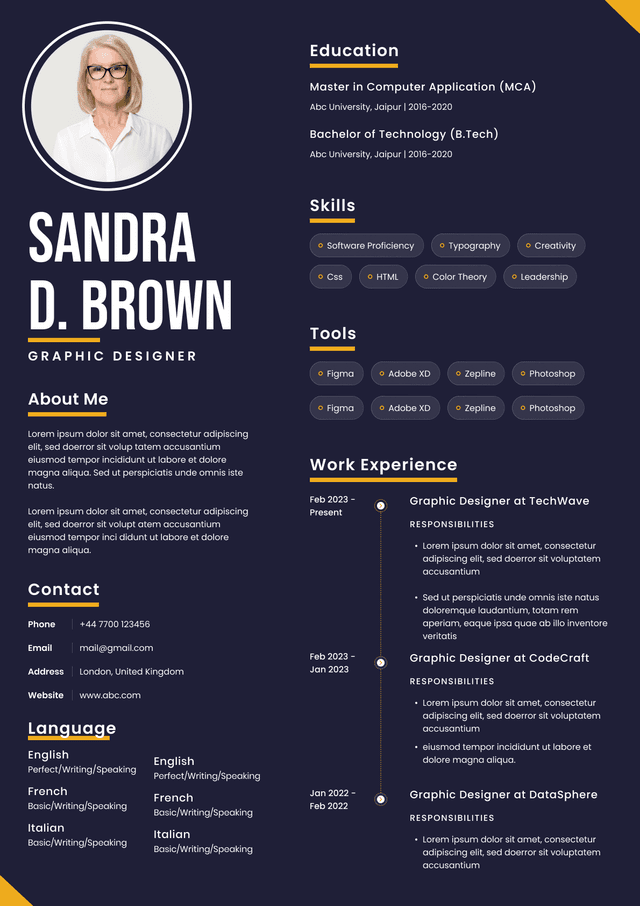
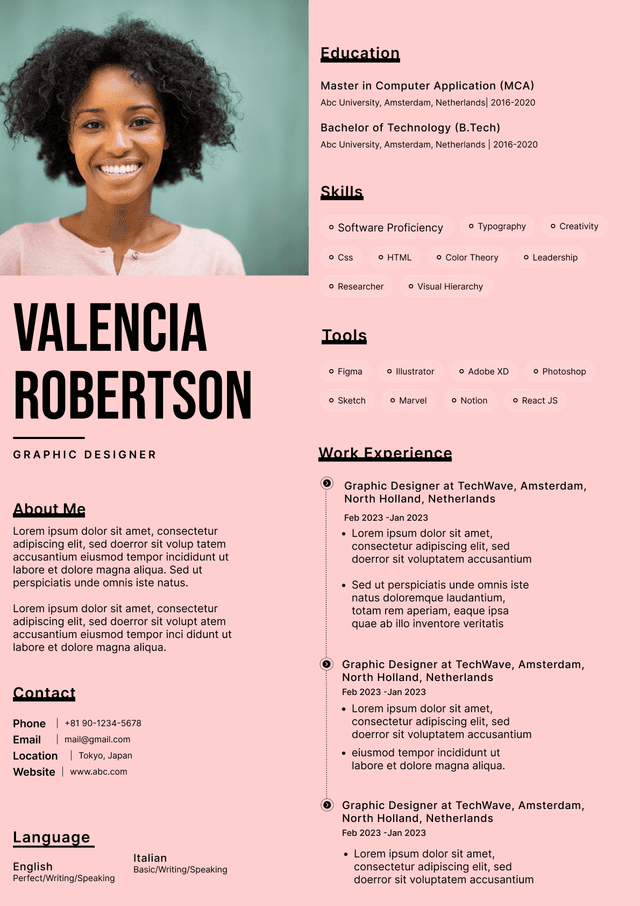
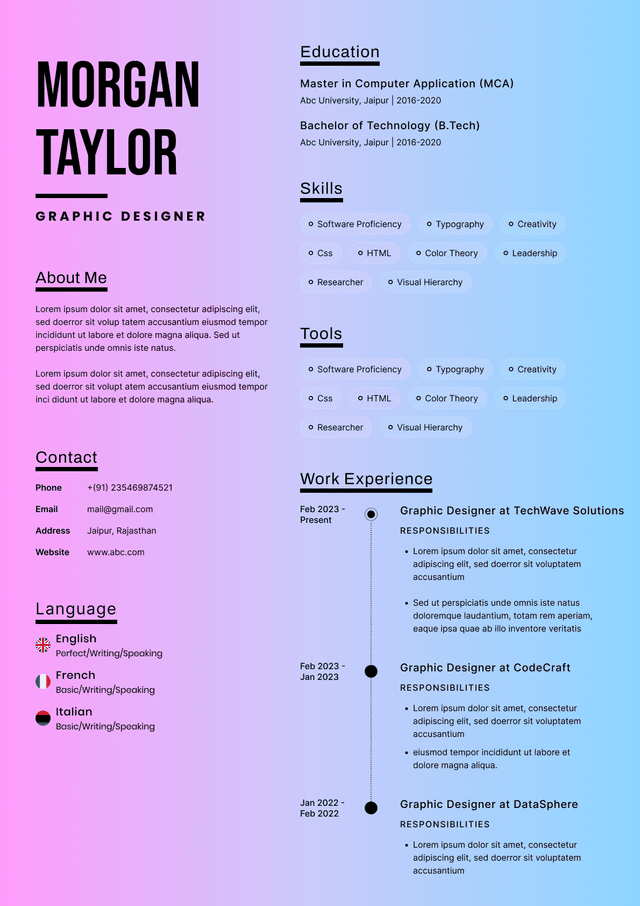
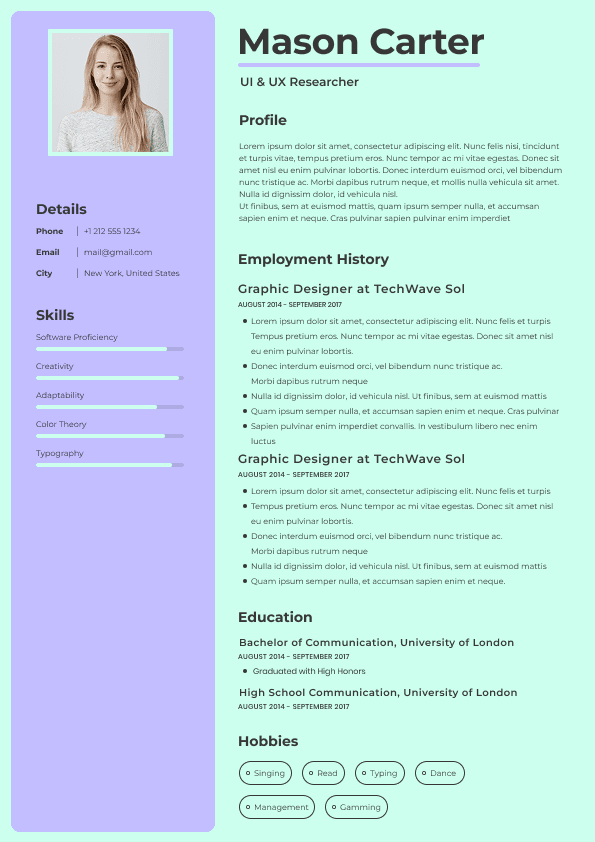
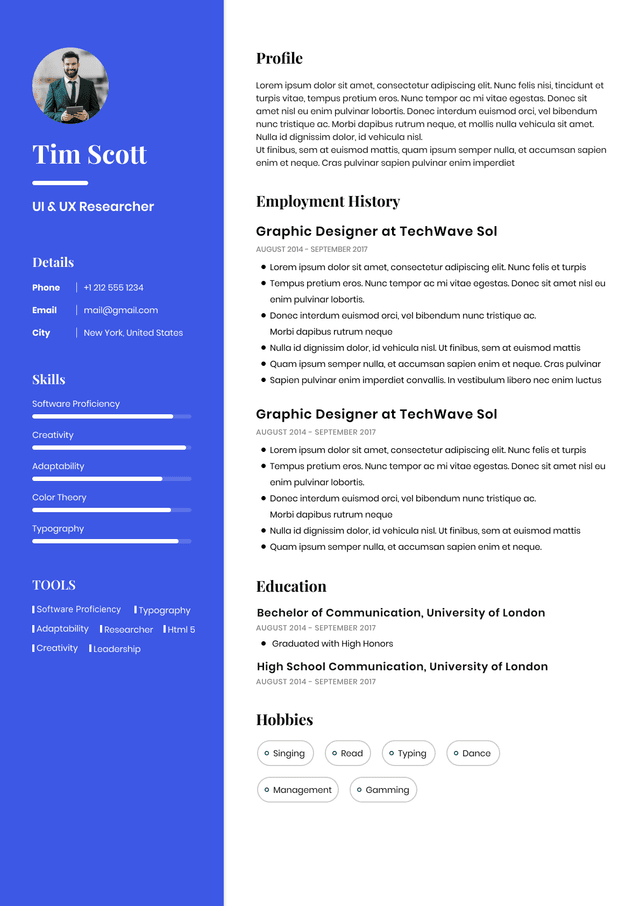
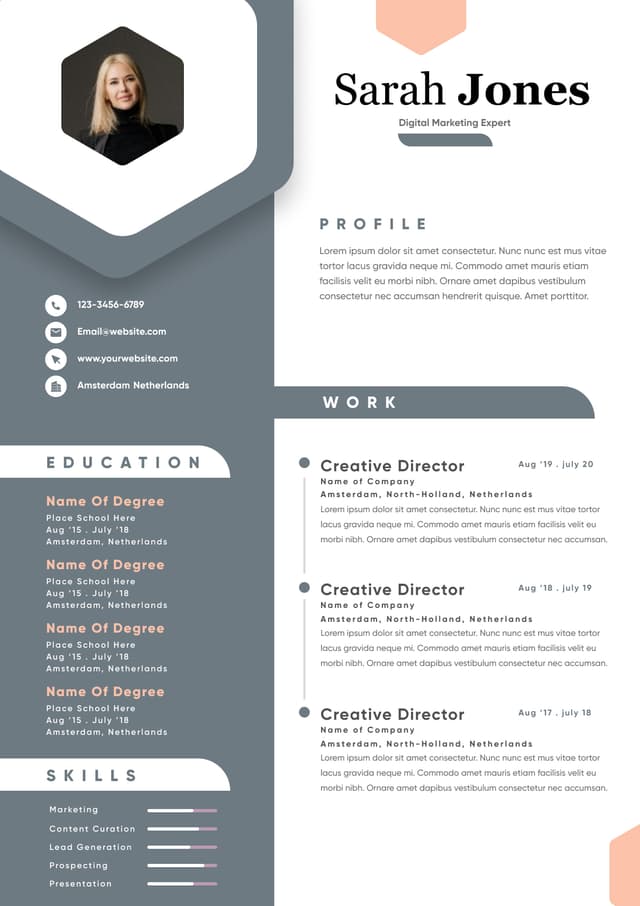
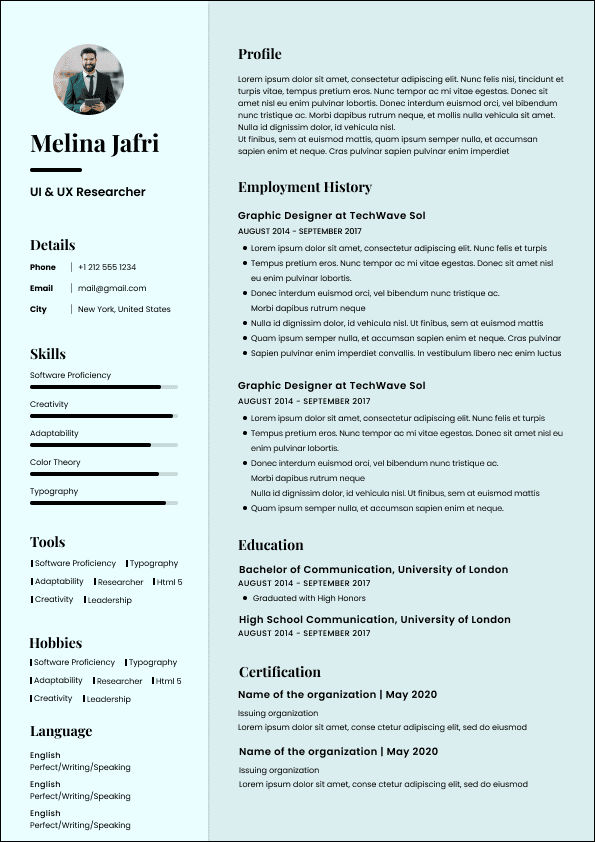
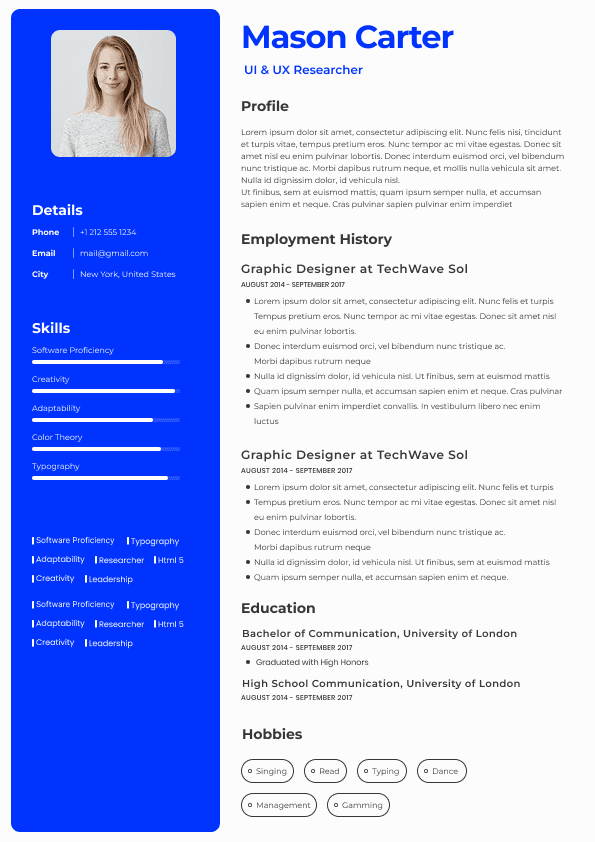
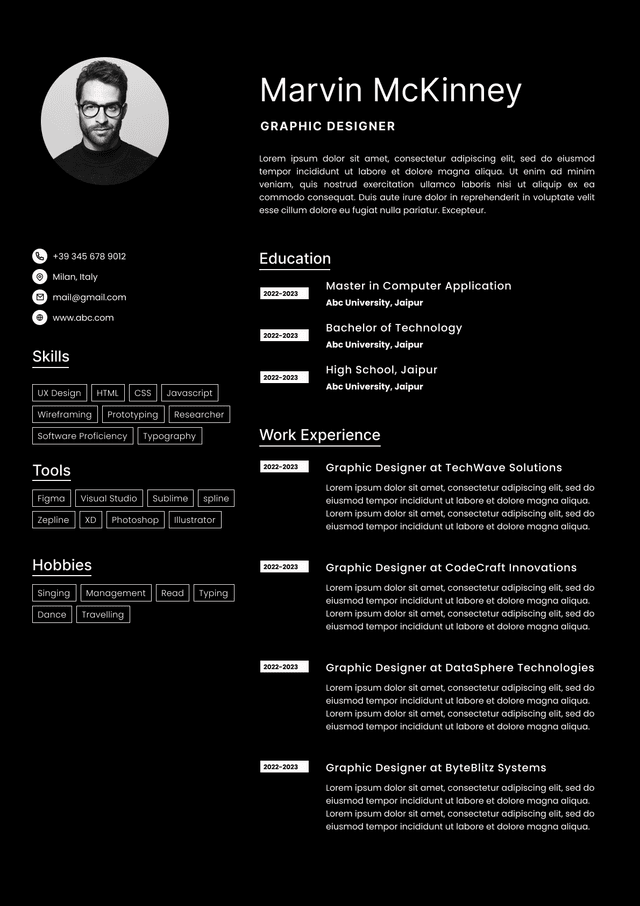
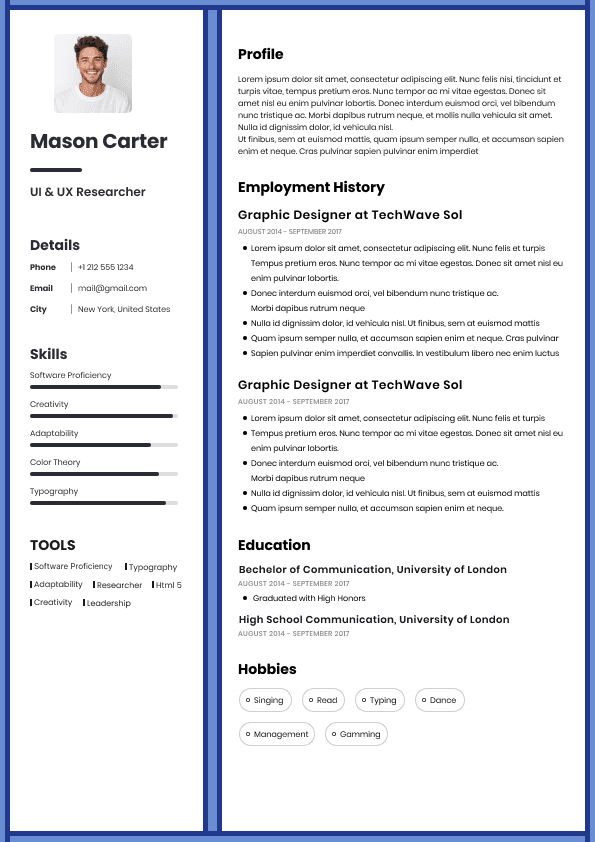
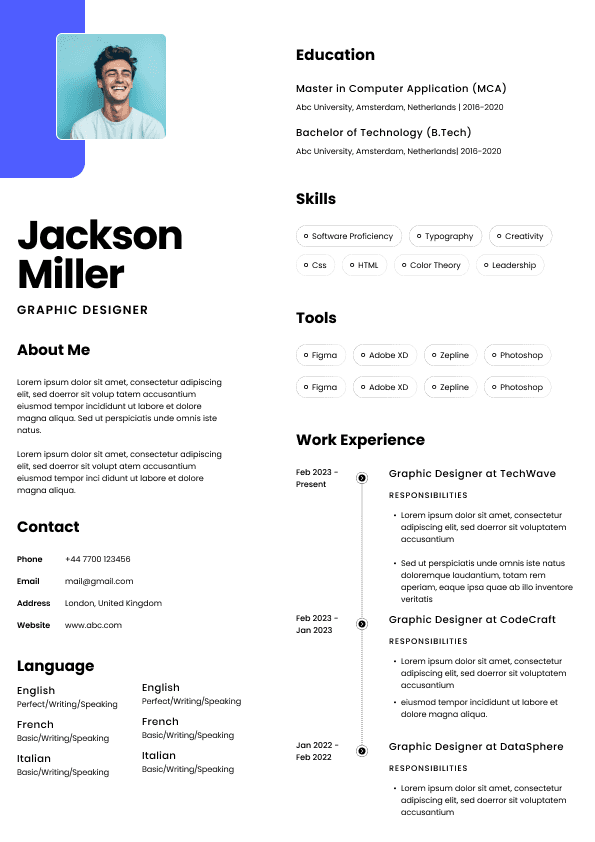
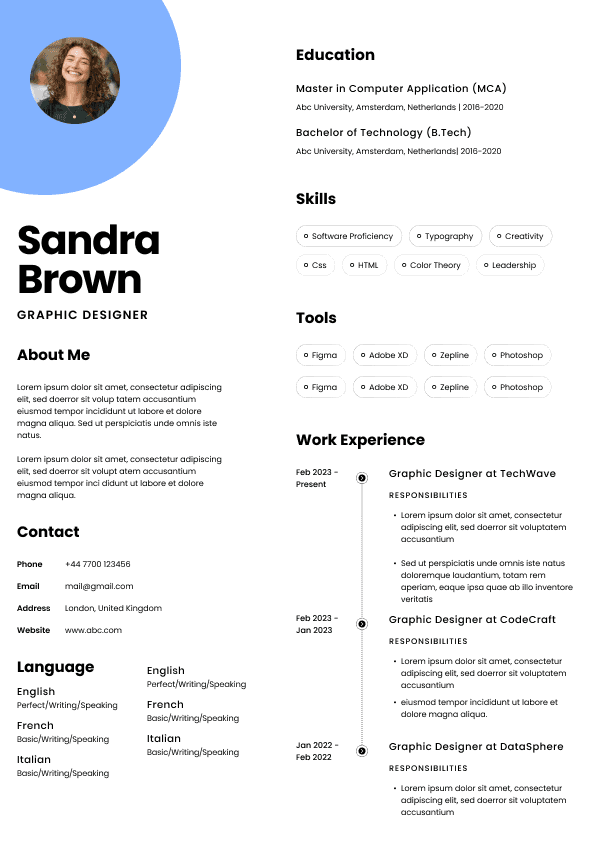
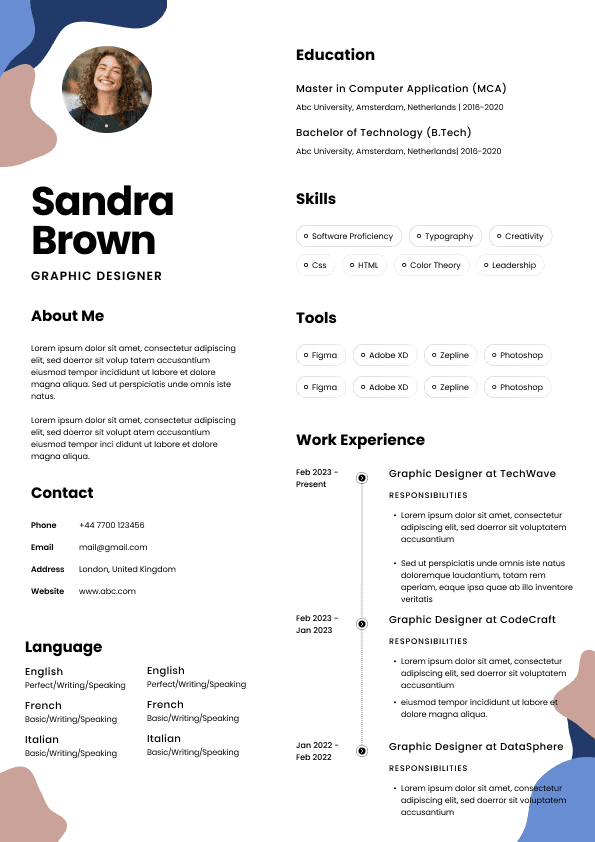
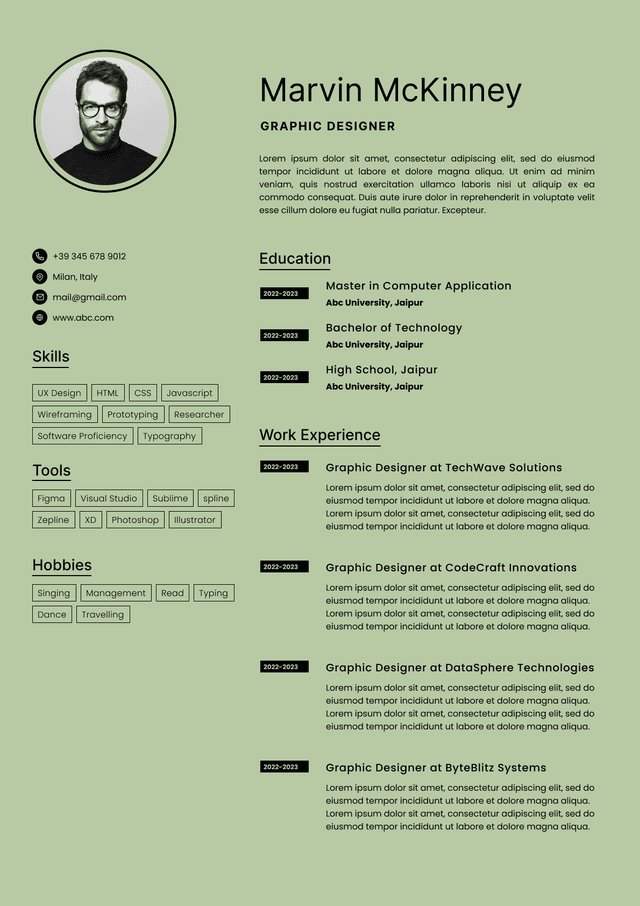
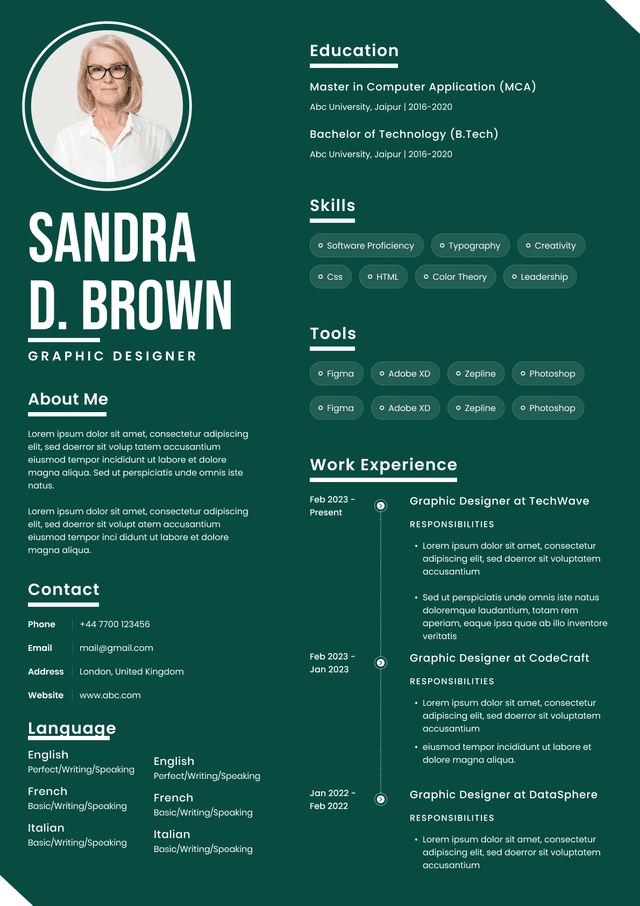
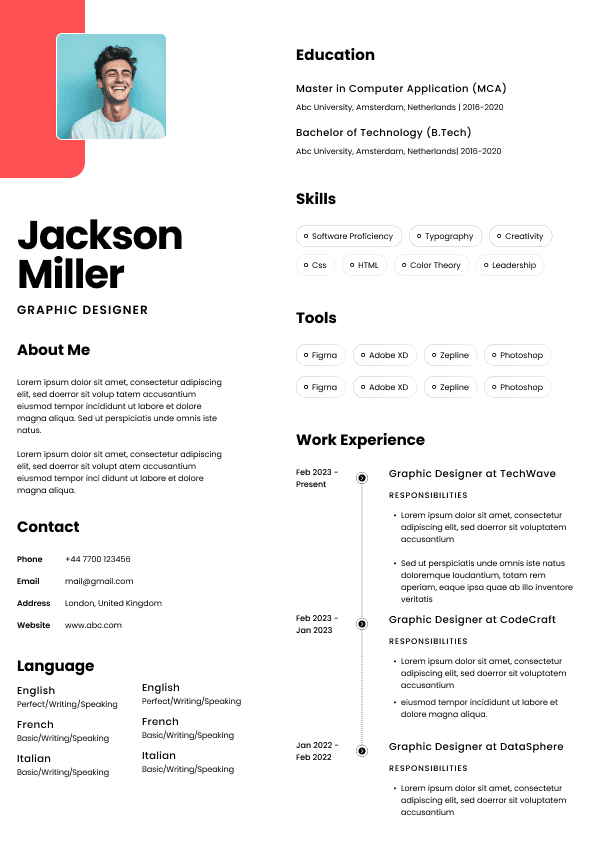
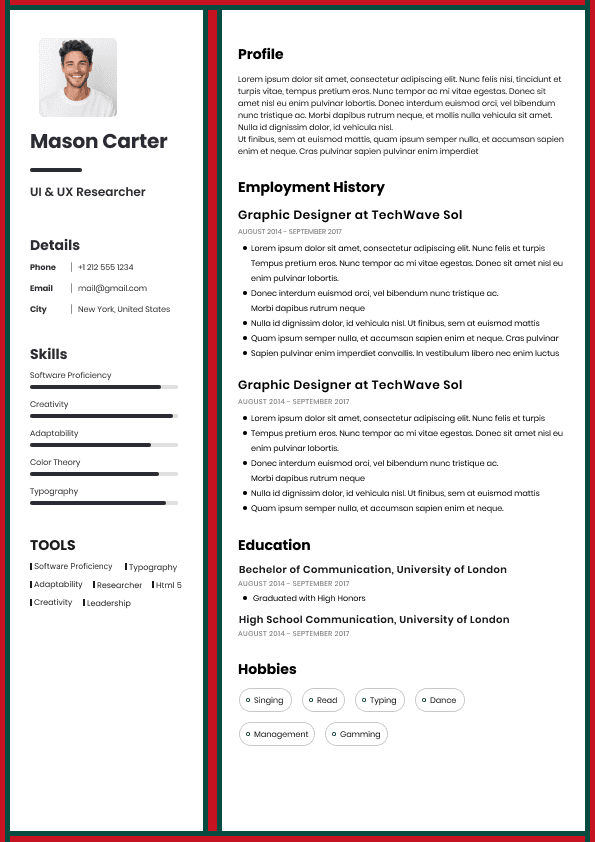
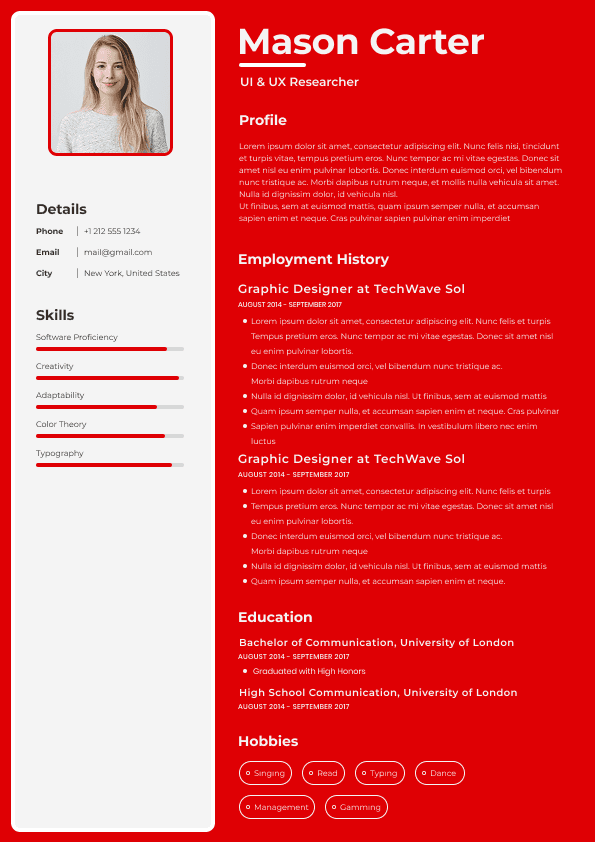
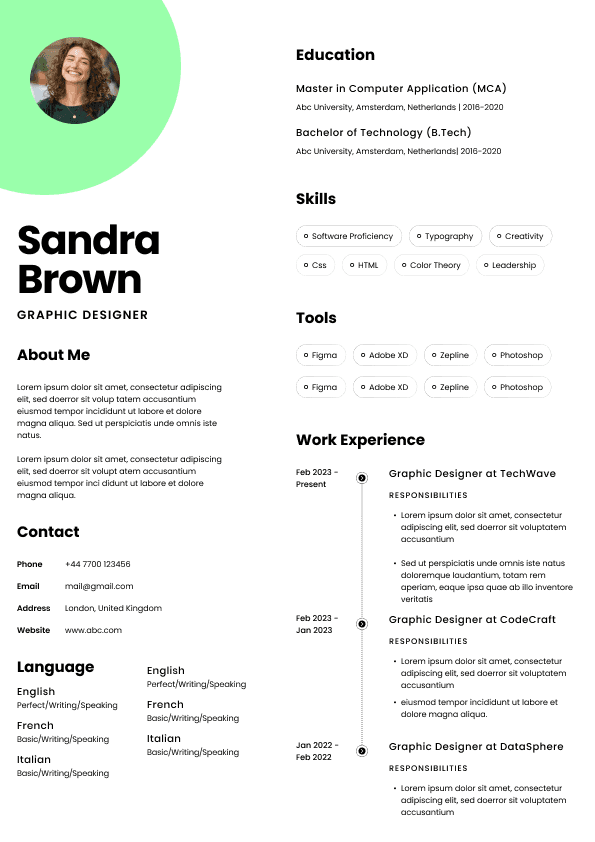
Choose from a wide range of NEWCV resume templates and customize your NEWCV design with a single click.
FAQ

A TypeScript Design System Developer is not just a frontend engineer who builds UI components. Companies hiring for these roles want engineers who can create scalable frontend architecture, reusable component libraries, accessible UI foundations, and developer tooling that multiple product teams rely on. These roles sit at the intersection of frontend engineering, platform engineering, UX consistency, and developer experience.
What separates candidates who get interviews from those who get ignored is not knowing React or TypeScript alone. Hiring managers look for proof that you can build reusable systems, enforce consistency at scale, support cross-team adoption, and create components that survive real enterprise complexity.
If your portfolio only shows isolated apps or basic CRUD projects, you will struggle in enterprise frontend platform hiring. Strong candidates demonstrate component architecture, Storybook workflows, accessibility, testing strategy, theming systems, package publishing, and scalable TypeScript patterns.
Most candidates misunderstand these roles because job descriptions often sound vague. In reality, companies hiring frontend platform engineers or design system developers care about a very specific set of outcomes.
The job is usually centered around creating and maintaining reusable UI infrastructure for multiple engineering teams.
That includes:
Building reusable React and TypeScript component libraries
Maintaining design systems used across products
Creating scalable component APIs
Developing accessible UI foundations
Supporting theming and design token systems
Managing Storybook documentation
Improving frontend developer experience
Creating frontend governance standards
Reducing duplicated UI implementation
Supporting cross-team frontend consistency
In enterprise organizations, these roles often support dozens or hundreds of engineers.
That changes how hiring managers evaluate candidates.
They are not asking:
“Can this person build a React app?”
They are asking:
“Can this engineer build frontend infrastructure other teams can safely depend on?”
That is a completely different hiring standard.
Modern frontend organizations are consolidating UI architecture into centralized systems.
Instead of every team building buttons, forms, modals, and tables independently, companies now invest heavily in shared component platforms.
This shift is driven by:
Faster product development
Reduced UI inconsistency
Better accessibility compliance
Lower frontend maintenance costs
Improved developer onboarding
Stronger brand consistency
Better testing standardization
Easier multi-product scaling
This is especially common in:
SaaS companies
Enterprise software organizations
Fintech platforms
Healthcare technology companies
B2B product organizations
Internal platform engineering teams
Large ecommerce organizations
As a result, TypeScript design system roles are increasingly tied to senior-level compensation because the work impacts entire engineering organizations.
Many candidates list technologies without understanding what recruiters are truly screening for.
Hiring managers care less about tool familiarity and more about architectural thinking.
This is the single biggest evaluation area.
Strong candidates know how to build components that are:
Reusable
Flexible
Accessible
Extensible
Type-safe
Well-documented
Easy to maintain
Weak candidates build rigid components that only work for one use case.
Recruiters increasingly screen for advanced TypeScript usage in design systems.
That includes:
Generic component typing
Polymorphic component patterns
Variant prop systems
Strong prop inference
Type-safe theme architecture
Utility type composition
Controlled vs uncontrolled component APIs
Weak TypeScript skills become obvious quickly in frontend platform interviews.
Accessibility is no longer optional in enterprise UI engineering.
Candidates who cannot explain accessibility strategy usually fail interviews.
Strong candidates understand:
ARIA patterns
Keyboard navigation
Focus management
Screen reader compatibility
Semantic HTML
WCAG compliance
Accessible form validation
Modal accessibility patterns
Accessibility maturity is one of the strongest signals of senior frontend capability.
Companies investing in design systems expect strong documentation practices.
Storybook is often treated as required experience.
Hiring managers want candidates who can:
Document component APIs
Create interactive component examples
Build usage guidelines
Support engineering adoption
Improve onboarding workflows
Create visual testing pipelines
Candidates without documentation examples in their portfolio often look incomplete.
The strongest TypeScript design system candidates usually have deep expertise in a focused stack instead of shallow familiarity with everything.
This remains the dominant hiring combination.
Recruiters expect strong understanding of:
Component composition
Hooks architecture
Rendering patterns
State management boundaries
Performance optimization
Component API design
Advanced TypeScript typing
Storybook is now foundational in frontend platform hiring.
It is frequently used for:
Component discovery
Documentation
Visual testing
UI reviews
Engineering collaboration
Design validation
Candidates who only mention Storybook without showing implementation examples rarely stand out.
Modern design systems increasingly use utility-first or token-driven styling approaches.
Popular enterprise styling approaches include:
Tailwind CSS
CSS Modules
Styled Components
Emotion
Vanilla Extract
Design token systems
Hiring managers care more about maintainability and scalability than styling preference alone.
As design systems scale, monorepo experience becomes valuable.
Strong candidates often know:
Nx
Turborepo
pnpm workspaces
Shared package architecture
Build optimization
Package versioning strategies
This is especially important for frontend platform engineering roles.
Most frontend portfolios fail because they showcase applications instead of systems.
That is a major mistake.
For design system hiring, recruiters want evidence of reusable architecture.
The best portfolios usually include:
Component libraries
Storybook implementations
Design token systems
Accessible form systems
Data table architectures
Themeable UI kits
Dashboard component suites
Internal npm package structures
Monorepo organization
Visual regression testing workflows
A simple React app rarely proves frontend platform capability.
This is the strongest possible portfolio project for most candidates.
A strong implementation includes:
Typed component APIs
Flexible variants
Accessibility support
Unit testing
Storybook documentation
Theme support
Responsive behavior
Published package structure
This project demonstrates senior-level frontend thinking.
Strong implementations include:
Form validation
Keyboard navigation
Error handling
ARIA support
Type-safe schemas
Reusable field composition
Accessibility-heavy projects create strong recruiter differentiation.
Data tables are extremely difficult to build correctly.
That makes them excellent portfolio projects.
Strong implementations demonstrate:
Virtualization
Sorting
Filtering
Pagination
Keyboard support
Custom renderers
Performance optimization
Flexible API design
This type of project immediately signals advanced frontend capability.
Most TypeScript frontend resumes are too generic.
That is especially damaging for design system hiring.
Weak resumes say:
Weak Example
That says almost nothing.
Strong resumes show measurable platform impact.
Good Example
Recruiters care about organizational impact.
Design system engineers are evaluated differently from product engineers.
If your resume only talks about shipping features, recruiters may not view you as a frontend platform candidate.
Your resume should highlight:
Shared infrastructure
Reusable architecture
UI governance
Cross-team adoption
Developer tooling
Scalability improvements
Accessibility omission is a major red flag.
If your resume never mentions accessibility, recruiters may assume you lack enterprise frontend maturity.
Many candidates simply list “TypeScript” without proving advanced usage.
That is no longer enough.
Strong candidates demonstrate:
Type-safe APIs
Generic component architecture
Variant systems
Typed design tokens
Shared utility patterns
Built and maintained a React TypeScript component library with 60+ reusable components used across 15 enterprise applications
Reduced frontend development time by 32% through standardized UI patterns and reusable component adoption
Created Storybook documentation system that improved frontend onboarding and reduced implementation inconsistencies across engineering teams
Implemented accessibility-first UI architecture achieving WCAG 2.1 AA compliance across shared frontend components
Developed design token infrastructure supporting multi-brand theming across SaaS product environments
Integrated Chromatic visual regression testing into CI pipelines, reducing production UI defects by 28%
Published internal npm packages supporting shared frontend architecture for distributed engineering teams
Collaborated with designers to translate Figma systems into scalable TypeScript component architecture
These bullets work because they demonstrate:
Scale
Technical ownership
Cross-team impact
Business outcomes
Architectural thinking
Senior frontend platform hiring is heavily architecture-driven.
Interviewers often look for signals like:
Can this engineer design systems others can extend?
Do they understand long-term maintainability?
Can they balance flexibility with consistency?
Do they understand accessibility deeply?
Can they support multiple engineering teams?
Do they think in systems instead of pages?
The strongest candidates speak clearly about tradeoffs.
That includes discussions around:
Composition vs configuration
Flexibility vs governance
Performance vs abstraction
Theming complexity
Package boundaries
API stability
Versioning strategy
This level of thinking separates senior platform engineers from standard frontend developers.
Many candidates underestimate how important Storybook has become.
Companies increasingly use it as the operational center of their design systems.
Strong candidates demonstrate:
Interactive documentation
Controls configuration
Component examples
Accessibility testing
Visual regression integration
MDX documentation
Design references
Cross-team collaboration workflows
Weak candidates simply say they “used Storybook.”
Strong candidates explain how Storybook improved developer adoption and UI governance.
One of the biggest gaps in frontend hiring today is accessibility expertise.
Most engineers have surface-level knowledge.
Few understand implementation deeply.
Candidates who can confidently discuss:
Screen reader behavior
Focus trapping
ARIA misuse
Semantic structure
Keyboard interactions
Accessible form architecture
Error announcements
immediately stand out in enterprise hiring.
This is especially true in healthcare, fintech, government, and enterprise SaaS organizations.
Seniority in frontend platform engineering is not determined by years alone.
Hiring managers evaluate systems thinking.
Senior candidates usually demonstrate:
Clear API design rationale
Cross-team communication ability
Frontend governance thinking
Long-term maintainability planning
Documentation maturity
Testing strategy ownership
Scalability awareness
Adoption strategy thinking
Junior candidates build components.
Senior candidates build ecosystems.
That distinction matters enormously during interviews.
Testing expectations are significantly higher in design system engineering.
Recruiters often prioritize candidates with experience in:
Jest
React Testing Library
Playwright
Chromatic
Visual regression testing
Accessibility testing
Snapshot testing
Interaction testing
Design system bugs impact multiple applications simultaneously.
That increases the importance of testing maturity.
Many candidates already have transferable experience but position it poorly.
You do not need the exact title “Design System Engineer” to qualify.
Relevant experience includes:
Shared frontend architecture
Internal component libraries
Reusable UI frameworks
Multi-product frontend support
Frontend standards enforcement
Cross-team component development
Shared React infrastructure
UI consistency initiatives
The key is reframing your work around platform impact rather than feature delivery alone.
Within the first 15 seconds of resume review, recruiters want clarity.
Strong resumes quickly communicate:
React + TypeScript depth
Design system ownership
Component library experience
Storybook usage
Accessibility capability
Cross-team collaboration
Enterprise frontend scale
If recruiters cannot immediately identify those signals, interview conversion rates drop sharply.
The strongest long-term path usually progresses through stages like:
Frontend Developer
Senior React Engineer
Component Library Contributor
Frontend Platform Engineer
Design System Engineer
Staff Frontend Engineer
Frontend Architect
The transition happens when engineers move from feature implementation into reusable infrastructure ownership.
That shift dramatically increases compensation potential and enterprise demand.
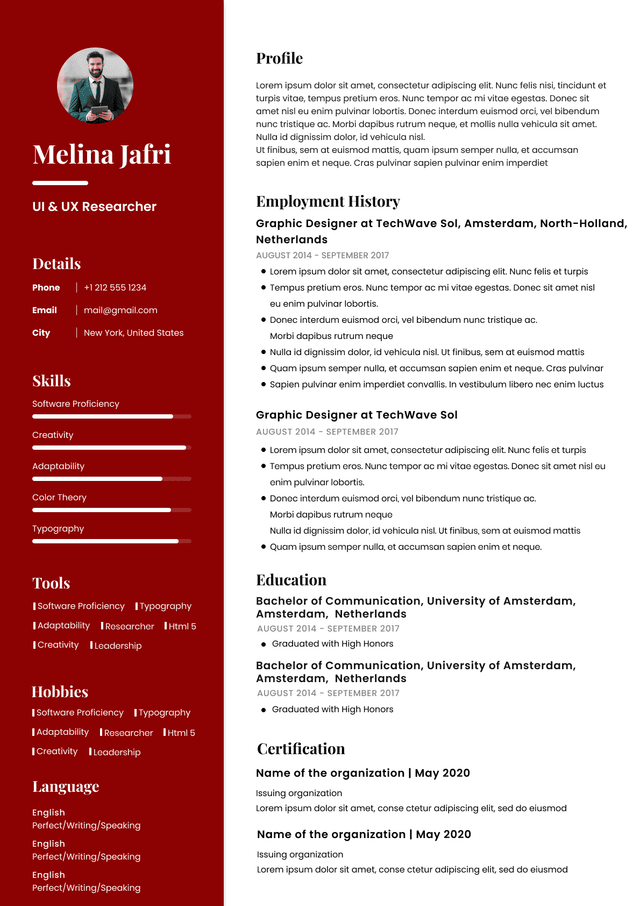
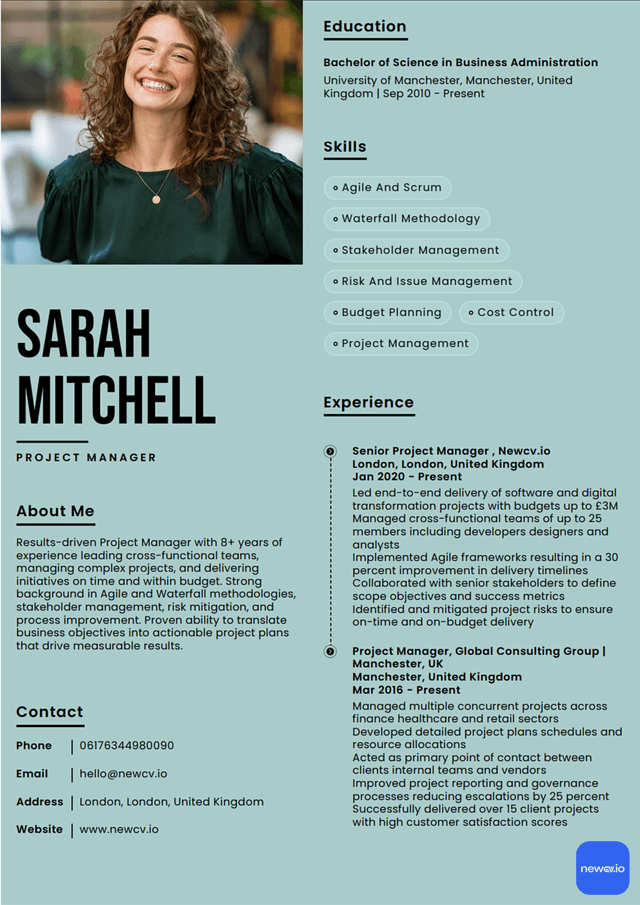
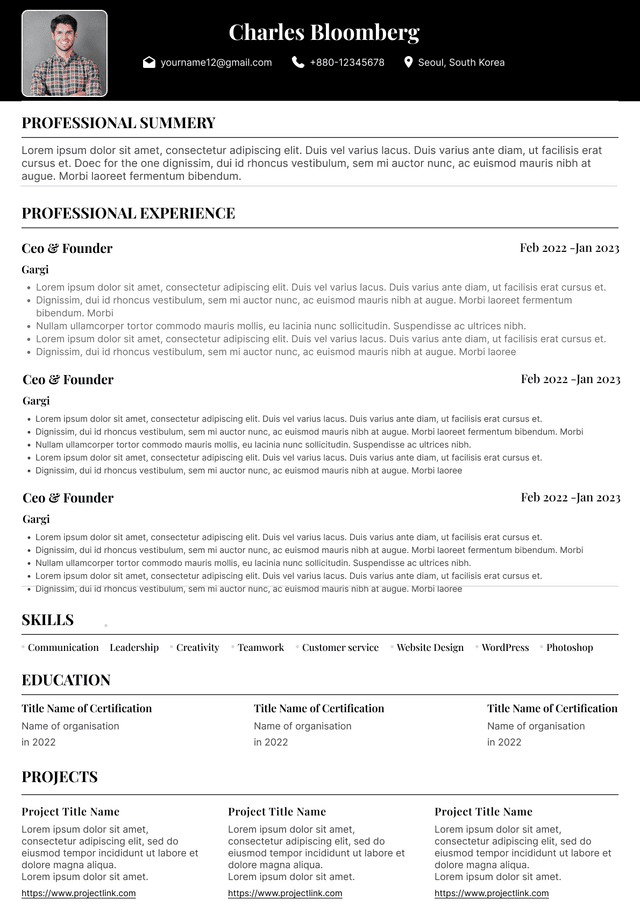
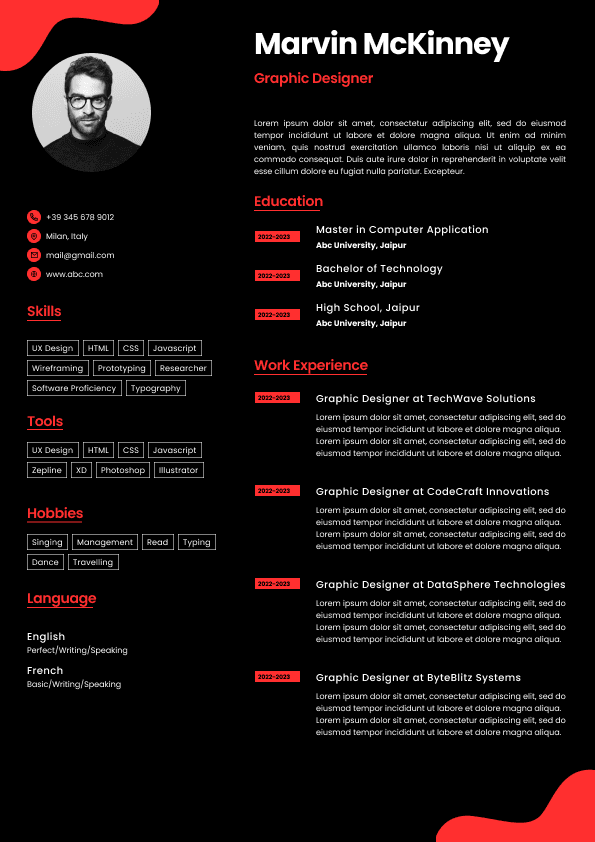
Use ATS-optimised Resume and resume templates that pass applicant tracking systems. Our Resume builder helps recruiters read, scan, and shortlist your Resume faster.

Use professional field-tested resume templates that follow the exact Resume rules employers look for.
Create Resume
Use professional field-tested resume templates that follow the exact Resume rules employers look for.
Create Resume


 Upload Resume
 Import from Linkedin