STILL APPLYING. STILL HEARING NOTHING?BUILD YOUR RESUME

STILL APPLYING. STILL HEARING NOTHING?BUILD YOUR RESUME
FAQ
A strong TypeScript developer resume does not just list technologies. It proves engineering impact, ownership, scalability, and business value in a way recruiters and hiring managers can evaluate quickly. Most TypeScript resumes fail because the bullet points are too generic, overly task-focused, or read like copied job descriptions.
The best TypeScript developer resume bullet points show:
What you built
How you built it
Which technologies you used
Why it mattered
What measurable outcome it created
Hiring managers want evidence that you can ship production-grade applications, collaborate across teams, improve reliability, and contribute to scalable engineering systems. Whether you work in frontend, backend, full-stack, SaaS, fintech, healthcare, or enterprise software, your resume bullet points should position you as an engineer who solves business problems with modern TypeScript development practices.
Recruiters screening TypeScript developer resumes usually spend less than 10 seconds on the first pass. They are looking for fast signals that answer these questions:
Does this candidate actually build production applications?
Are they modern TypeScript developers or outdated JavaScript developers?
Can they work in scalable engineering environments?
Do they understand frontend, backend, APIs, testing, CI/CD, and cloud workflows?
Have they improved systems, performance, reliability, or developer experience?
Can they collaborate in Agile product teams?
Weak bullet points only describe responsibilities.
Strong bullet points demonstrate engineering outcomes.
The most effective structure for TypeScript resume bullets is:
Example:
Developed strongly typed GraphQL APIs using TypeScript and Node.js, reducing frontend data-fetching latency by 28%
Built reusable React TypeScript component libraries that accelerated feature delivery across 5 product teams
Automated CI/CD testing workflows with GitHub Actions and TypeScript validation pipelines, reducing deployment failures by 41%
This structure works because recruiters can instantly understand:
Your role
Your technical stack
These examples work well for mid-level and senior TypeScript developer resumes.
Developed scalable frontend applications using TypeScript, React, Next.js, Redux, and modern component architecture
Built reusable UI component libraries with strict TypeScript typing for improved maintainability and developer consistency
Optimized frontend rendering performance, lazy loading, and bundle splitting to improve Core Web Vitals scores
Integrated REST APIs, GraphQL endpoints, authentication flows, and third-party SDKs into production applications
Collaborated with UX designers and product teams to translate wireframes into responsive user experiences
Refactored legacy JavaScript applications into TypeScript-based frontend architecture
These examples are optimized for ATS systems while still sounding natural and recruiter-friendly.
Designed, developed, tested, and deployed scalable TypeScript applications using modern engineering practices
Built typed REST APIs, GraphQL integrations, backend services, frontend components, and database-driven features
Wrote clean, maintainable, reusable, strongly typed, and well-documented TypeScript code
Participated in Agile sprint planning, backlog refinement, demos, and engineering retrospectives
Collaborated with product managers, UX designers, QA engineers, and DevOps teams throughout the SDLC
Debugged production issues and improved logging, monitoring, and application observability
Achievements differentiate strong engineers from candidates who only list tasks.
Most resumes stop at responsibilities.
Top candidates show measurable impact.
Increased frontend application performance by 46% through React rendering optimization and TypeScript refactoring
Reduced production defects by 38% after migrating legacy JavaScript modules to strict TypeScript enforcement
Built reusable TypeScript component libraries that decreased feature development time by 30%
Improved API response times from 850ms to 320ms through backend query optimization and caching strategies
Automated deployment workflows using GitHub Actions and Docker, reducing release time from 2 hours to 20 minutes
TypeScript Developer
BrightScale Technologies — Austin, TX
March 2021 – Present
Developed scalable TypeScript and React applications supporting over 250K monthly active users
Engineered strongly typed REST APIs using Node.js, Express, and PostgreSQL backend services
Refactored legacy JavaScript modules into TypeScript architecture, reducing runtime exceptions by 34%
Built reusable frontend component libraries improving cross-team development consistency
Implemented automated testing workflows using Jest and Cypress, increasing regression coverage to 88%
Collaborated with product managers and UX designers during Agile sprint planning and feature releases
Senior TypeScript Engineer
Vertex Cloud Solutions — Seattle, WA
January 2019 – Present
Architected enterprise TypeScript microservices handling over 5M monthly API transactions
Led migration from legacy JavaScript systems to TypeScript-based distributed backend architecture
Built scalable GraphQL APIs and authentication systems using Node.js, NestJS, Redis, and PostgreSQL
Reduced backend response latency by 41% through query optimization and distributed caching strategies
Directed code reviews, mentoring, and engineering standards across a 12-member development team
Implemented Kubernetes deployment automation and cloud-native monitoring solutions within AWS infrastructure
Industry context matters.
Recruiters evaluate TypeScript developers differently depending on the business environment.
Built multi-tenant TypeScript SaaS applications supporting subscription billing and user management workflows
Developed scalable API integrations with CRM, payment, and analytics platforms
Improved onboarding conversion rates through frontend UX optimization and performance improvements
Implemented feature flagging and A/B testing systems for controlled product rollouts
Developed secure TypeScript payment processing systems compliant with financial security standards
Integrated banking APIs, transaction services, and fraud detection workflows into enterprise platforms
Improved transaction processing reliability and reduced payment failure rates through backend optimization
Implemented encrypted authentication and role-based access control systems for sensitive financial data
Built HIPAA-compliant TypeScript healthcare applications supporting patient management systems
Developed secure APIs for healthcare data exchange and EHR integrations
Improved platform reliability and audit logging for regulated healthcare environments
Collaborated with compliance and security teams to maintain healthcare data protection standards
Developed scalable e-commerce storefronts using React, TypeScript, and headless CMS platforms
Improved checkout conversion rates through frontend performance optimization and UX enhancements
Integrated payment gateways, inventory systems, and customer analytics platforms
Built recommendation engines and personalized shopping experiences using TypeScript services
Most developers overuse weak verbs like:
Worked on
Helped
Responsible for
Assisted with
These weaken perceived ownership.
Use stronger engineering-focused action verbs instead.
Engineered
Architected
Developed
This is the biggest problem recruiters see.
Most candidates describe activity instead of impact.
Hiring managers care about:
Scale
Reliability
Performance
Ownership
Results
Always connect technical work to measurable business or engineering outcomes.
A long skills list does not prove competency.
Weak approach:
Strong approach:
Context matters more than keyword density.
Senior candidates often accidentally undersell themselves.
Weak Example
Good Example
Ownership language changes recruiter perception immediately.
Modern TypeScript hiring evaluates more than coding ability.
Recruiters now expect experience with:
CI/CD
Testing
Cloud deployments
Observability
Performance optimization
API integrations
Agile workflows
Security practices
Candidates who omit these areas often appear outdated.
Prioritize:
React
Next.js
Performance optimization
Component architecture
Accessibility
State management
Responsive UI development
Reduce emphasis on:
Backend infrastructure
Prioritize:
Node.js
APIs
Databases
Authentication
Scalability
Cloud infrastructure
Performance optimization
Distributed systems
Reduce emphasis on:
Balance both sides equally.
Strong full-stack resumes show:
End-to-end feature ownership
API integration
Frontend performance
Backend scalability
CI/CD workflows
Cross-functional collaboration
Most enterprise employers use Applicant Tracking Systems before recruiter review.
Your resume needs both:
Keyword alignment
Human-readable quality
Important ATS keywords for TypeScript developer resumes include:
TypeScript
React
Node.js
Next.js
GraphQL
Hiring managers typically assess TypeScript resumes across five areas:
Can the candidate build modern production systems?
Have they worked on systems with meaningful traffic, complexity, or business impact?
Do they understand testing, architecture, reliability, and maintainability?
Can they work effectively with product, design, QA, and DevOps teams?
Did they merely contribute, or did they lead and improve systems?
Your resume bullet points should answer all five questions.
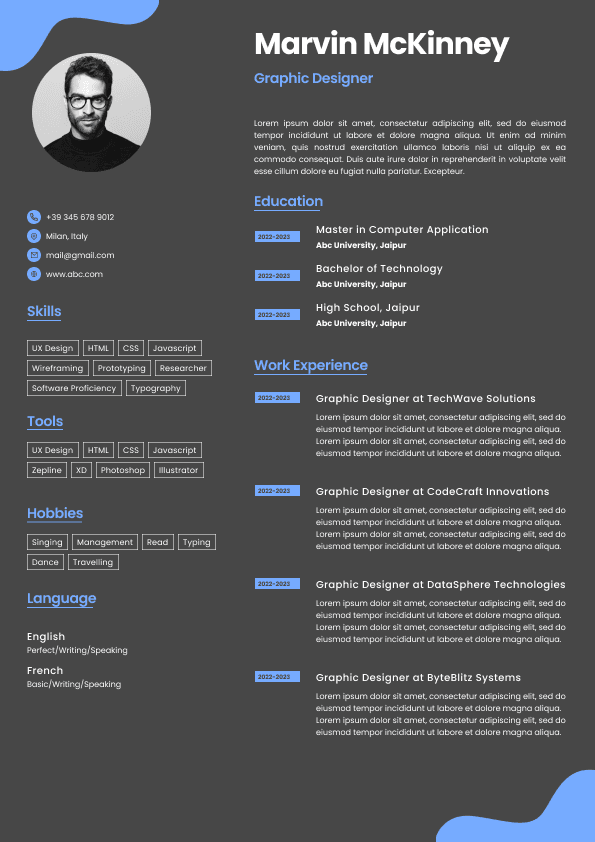
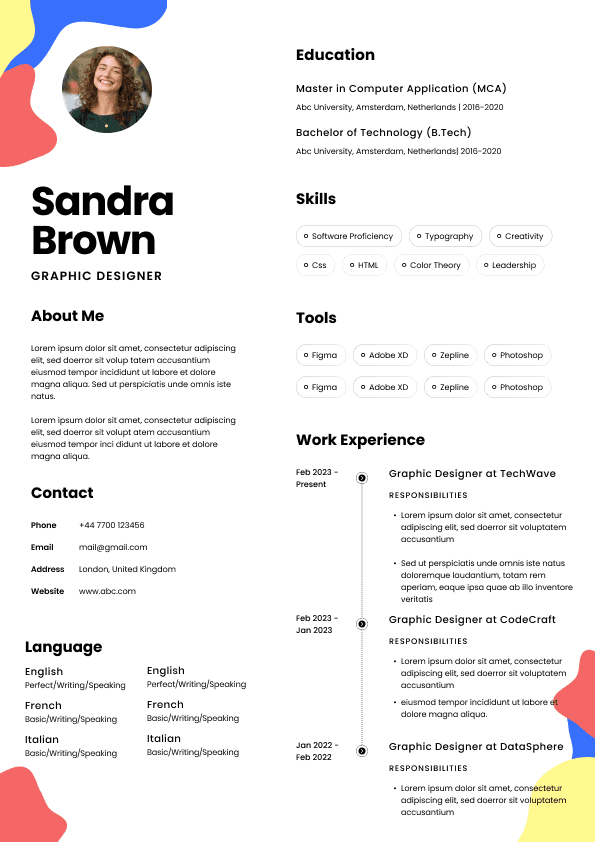
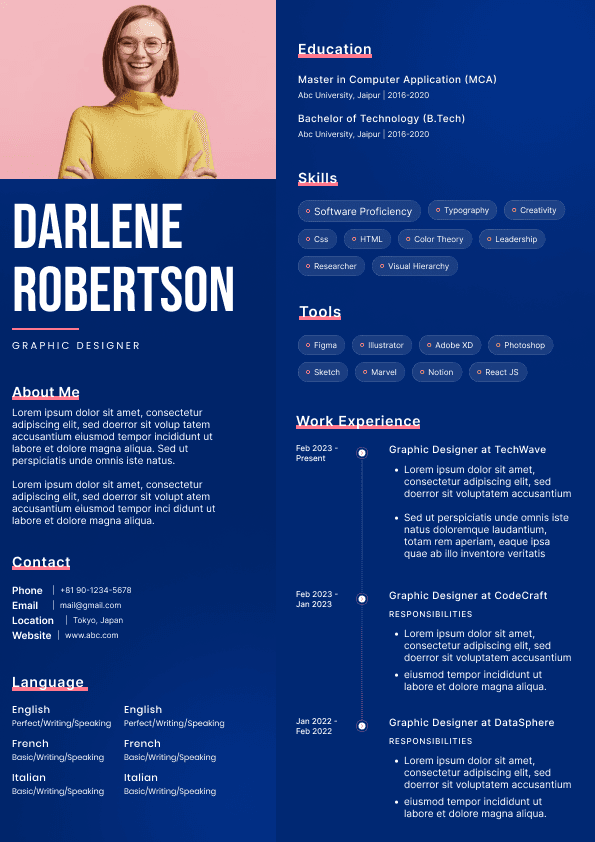
Choose from a wide range of NEWCV resume templates and customize your NEWCV design with a single click.


Use ATS-optimised Resume and resume templates that pass applicant tracking systems. Our Resume builder helps recruiters read, scan, and shortlist your Resume faster.


Use professional field-tested resume templates that follow the exact Resume rules employers look for.
Create Resume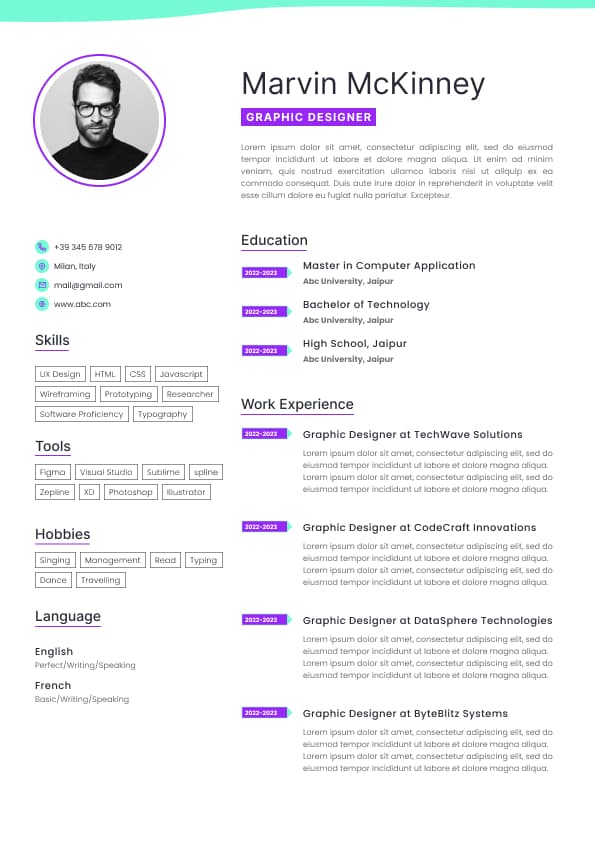
Use professional field-tested resume templates that follow the exact Resume rules employers look for.
Create ResumeThis guide includes recruiter-approved TypeScript developer resume bullet points, job description examples, achievements, action verbs, and work experience examples designed for today’s US tech hiring market.
Weak Example
Responsible for developing TypeScript applications
Worked with frontend and backend teams
Fixed bugs and tested applications
These bullets fail because they are vague, generic, and provide no measurable value.
Good Example
Engineered scalable TypeScript microservices supporting 1.2M+ monthly API requests with 99.98% uptime
Refactored legacy JavaScript modules into strongly typed TypeScript architecture, reducing runtime production errors by 37%
Optimized React and TypeScript frontend rendering performance, decreasing page load time from 4.2 seconds to 1.8 seconds
The second version demonstrates:
Technical depth
Business impact
Scale
Ownership
Modern engineering practices
That is what hiring managers respond to.
Your engineering level
Your business impact
Implemented unit testing and E2E automation using Jest, Cypress, and React Testing Library
Improved accessibility compliance and responsive design standards across enterprise web applications
Engineered backend services using Node.js, TypeScript, Express, and NestJS frameworks
Built strongly typed RESTful APIs and GraphQL services for scalable SaaS applications
Designed database schemas and optimized SQL queries for PostgreSQL and MySQL environments
Implemented authentication, authorization, encryption, and API security best practices
Created asynchronous job processing workflows using queues, workers, and event-driven architecture
Improved API response performance and reduced server-side latency through caching and query optimization
Developed cloud-native services deployed through AWS, Docker, and Kubernetes infrastructure
Monitored application reliability, observability, and production health using Datadog and CloudWatch
Built full-stack TypeScript applications across frontend, backend, and cloud infrastructure layers
Developed React frontend interfaces and Node.js backend APIs within Agile product teams
Integrated payment gateways, analytics tools, CMS platforms, and third-party business systems
Created automated CI/CD pipelines for testing, deployment, and release management workflows
Collaborated with QA engineers, DevOps teams, and stakeholders during sprint planning and releases
Reduced technical debt through refactoring, code reviews, and modernization initiatives
Supported scalable multi-tenant SaaS architecture handling high-volume transactional workloads
Integrated third-party APIs, authentication providers, analytics platforms, and cloud services
Improved deployment automation, testing coverage, and CI/CD reliability across engineering environments
Architected enterprise-scale TypeScript platforms supporting millions of monthly active users
Led migration initiatives converting monolithic JavaScript systems into modular TypeScript services
Mentored junior developers through code reviews, pair programming, and engineering best practices
Established TypeScript coding standards, linting rules, and shared engineering documentation
Improved system scalability and reliability through distributed architecture and cloud-native deployments
Partnered with engineering leadership to define technical roadmaps and modernization strategies
Reduced infrastructure costs through backend optimization and efficient cloud resource management
Directed cross-functional technical initiatives across frontend, backend, and DevOps teams
Developed scalable microservices architecture supporting 3M+ monthly transactions across SaaS products
Expanded automated test coverage from 42% to 91% using Jest and Cypress frameworks
Reduced cloud infrastructure costs by 24% through server optimization and workload scaling improvements
Improved platform uptime to 99.99% through monitoring, observability, and incident response enhancements
Delivered multi-region deployment support for enterprise applications serving international customer bases
Optimized frontend performance through lazy loading, code splitting, and rendering improvements
Automated CI/CD deployment pipelines using GitHub Actions and Docker containers
Improved production stability and observability using Datadog dashboards and automated alerting systems
Collaborated with executive stakeholders on technical roadmap planning and platform scalability initiatives
Designed
Implemented
Built
Optimized
Refactored
Automated
Integrated
Scaled
Migrated
Modernized
Secured
Deployed
Debugged
Enhanced
Streamlined
Collaborated
Delivered
Maintained
Analyzed
Improved
Configured
Orchestrated
Accelerated
Reduced
Database administration
DevOps-heavy language
UI styling
Visual design collaboration
CSS-heavy work
REST API
JavaScript
AWS
Docker
Kubernetes
PostgreSQL
CI/CD
Jest
Cypress
Agile
Microservices
Frontend development
Backend development
Full-stack development
But keyword stuffing fails.
The best resumes naturally integrate keywords inside measurable achievements and real engineering work.

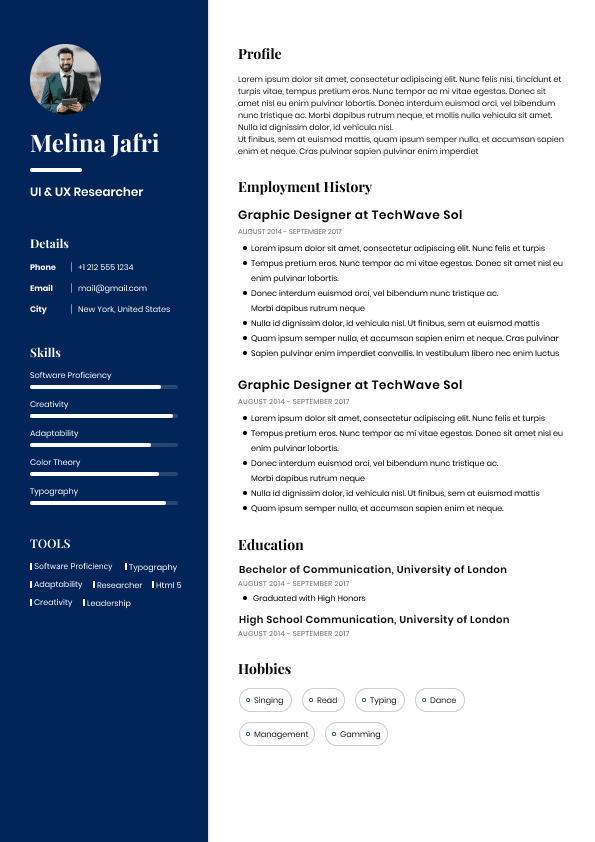
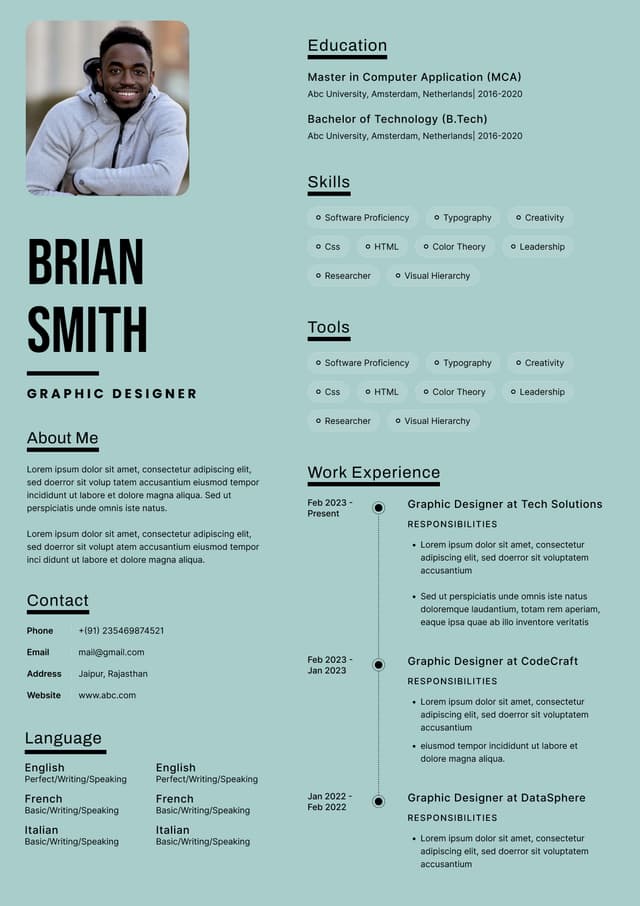
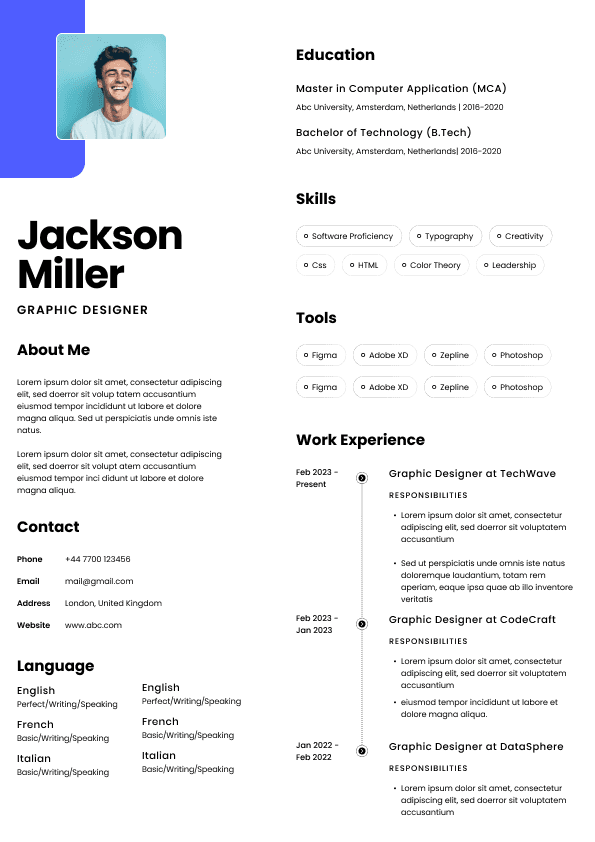
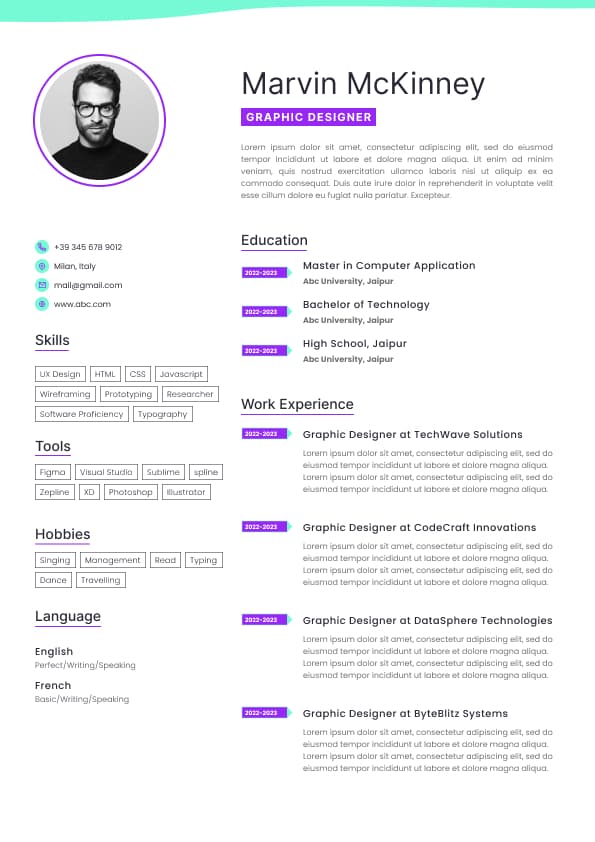



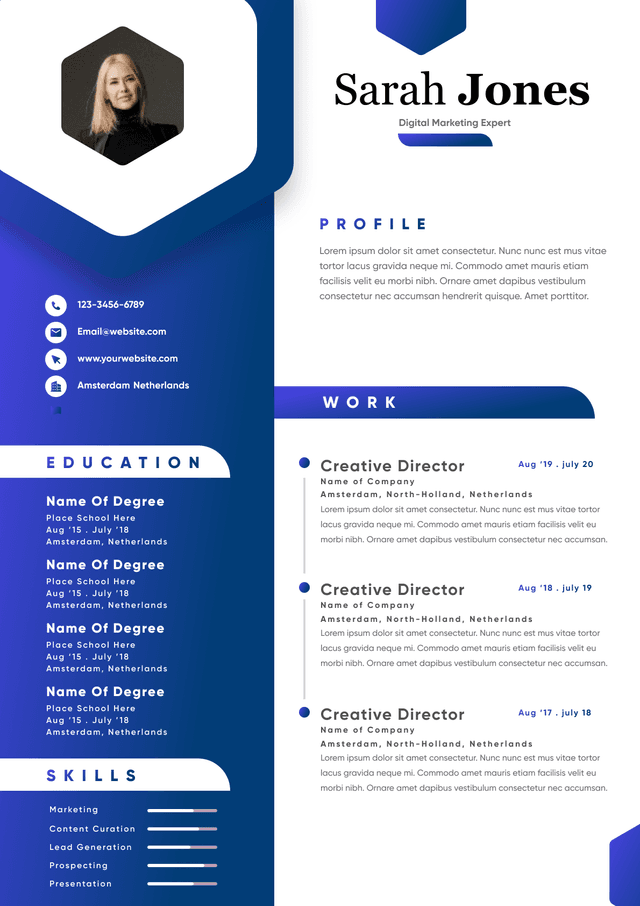
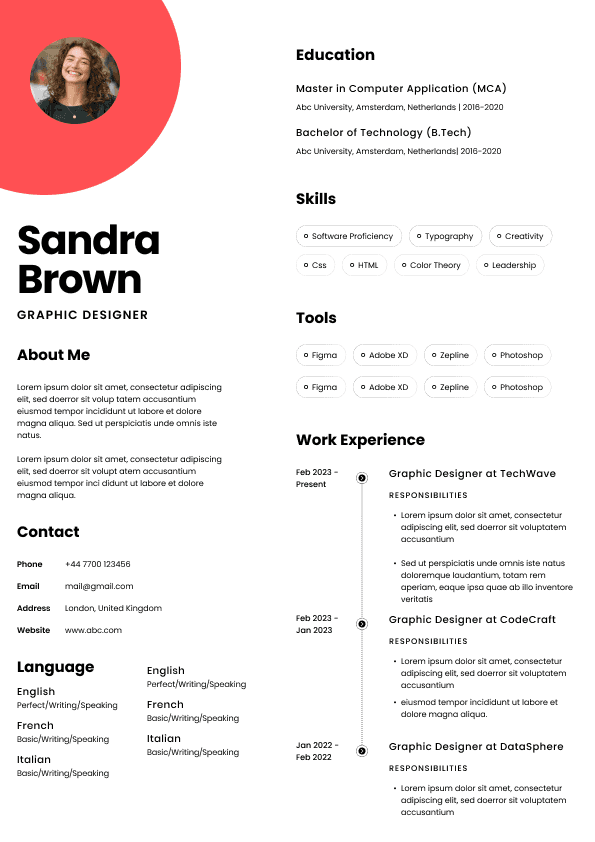
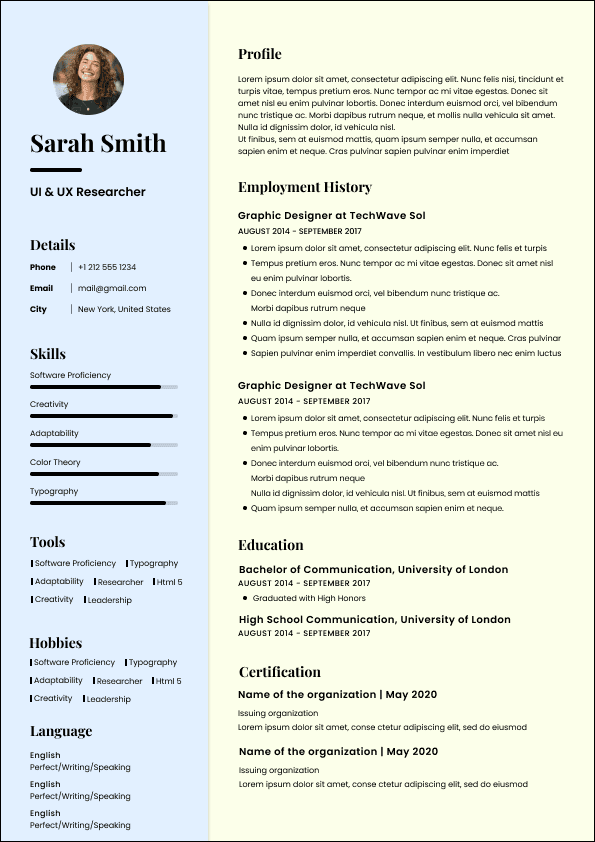
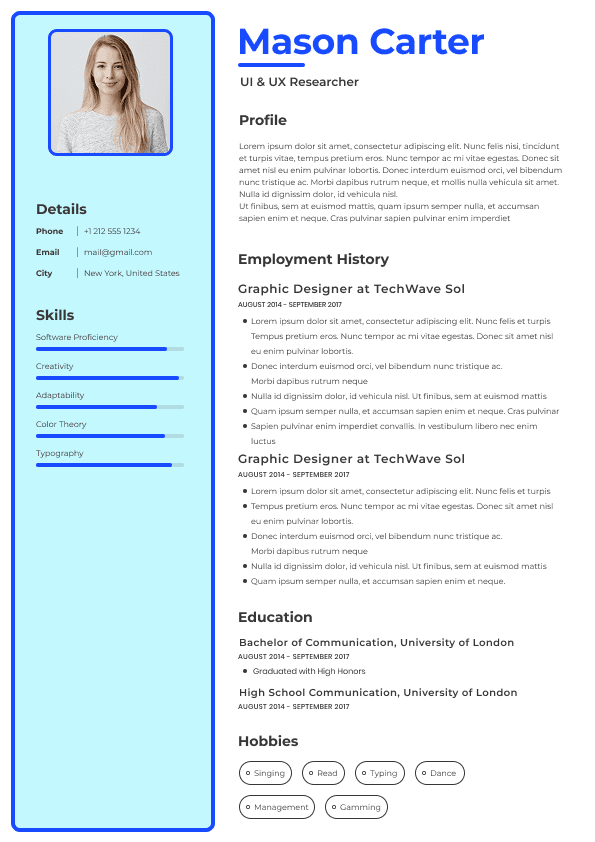

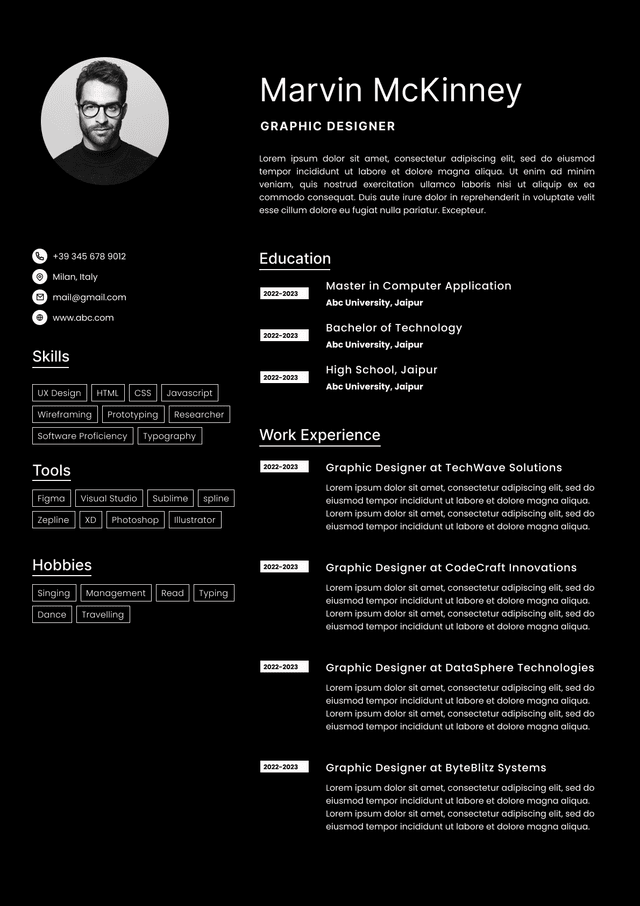
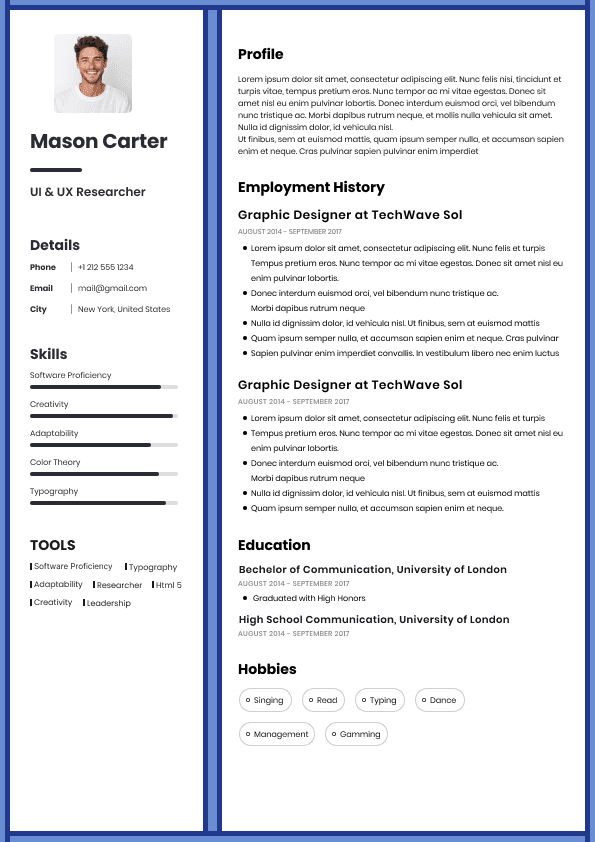
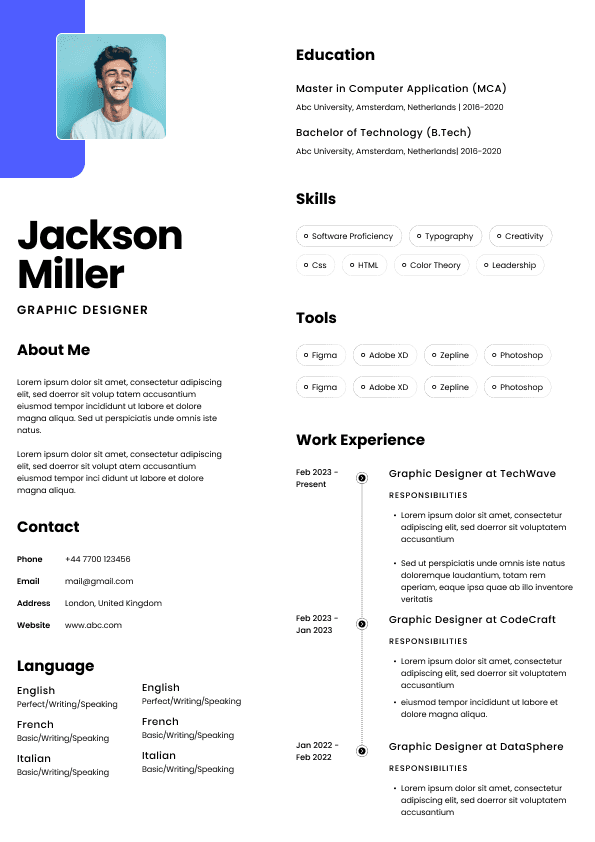
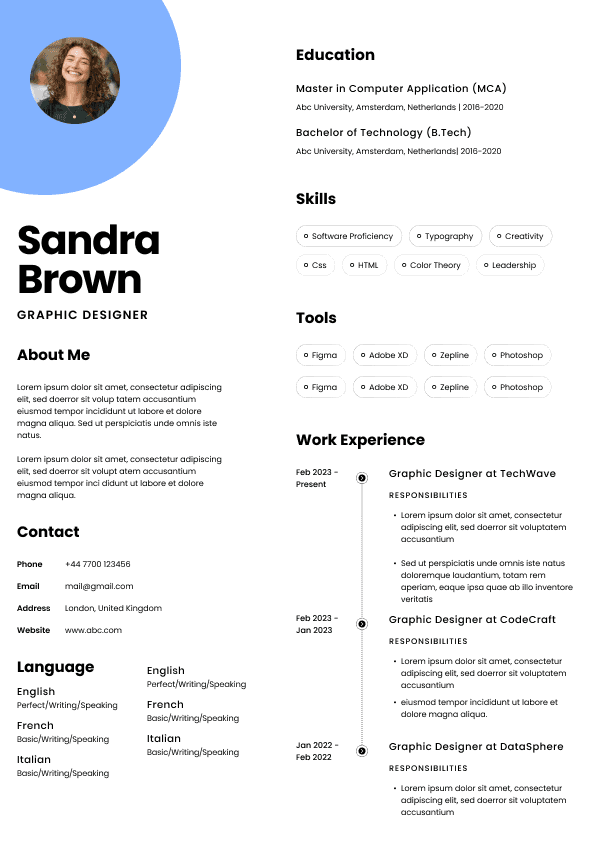


 Upload Resume
 Import from Linkedin