STILL APPLYING. STILL HEARING NOTHING?BUILD YOUR RESUME

STILL APPLYING. STILL HEARING NOTHING?BUILD YOUR RESUME
FAQ
A TypeScript developer resume should change dramatically based on seniority. The biggest mistake candidates make is using the same resume structure, language, and project presentation regardless of experience level. Recruiters and hiring managers evaluate junior, mid-level, senior, and staff engineers using completely different criteria.
An entry-level TypeScript developer is evaluated on learning potential, project quality, GitHub activity, and technical fundamentals. A senior engineer is evaluated on architecture decisions, scalability, technical leadership, and production impact. Staff and principal frontend engineers are assessed on organizational influence, platform strategy, developer experience, and cross-team engineering leadership.
If your resume does not reflect the expectations tied to your actual level, it creates immediate hiring friction. Strong TypeScript resumes align technical depth, ownership signals, and business impact with the exact seniority recruiters are hiring for.
Most frontend and full stack TypeScript resumes fail because they focus too heavily on technologies instead of engineering outcomes.
Hiring teams already assume you know TypeScript if you apply for a TypeScript role. The real evaluation is whether you can use TypeScript to build reliable, scalable, maintainable systems in production.
Recruiters screen TypeScript resumes differently depending on company size:
Startups prioritize shipping speed, ownership, React ecosystem depth, and product delivery
Mid-sized SaaS companies focus on scalable frontend systems, APIs, collaboration, and reliability
Enterprise organizations evaluate architecture quality, governance, testing strategy, and cross-team impact
Big tech companies heavily assess system thinking, engineering standards, and platform influence
Strong resumes consistently demonstrate:
Real production impact
Recruiters hiring junior TypeScript developers primarily assess potential.
At this level, companies know you are still developing production engineering judgment. They are looking for signals that you can learn quickly, write clean code, collaborate effectively, and contribute safely inside a team environment.
Your resume should emphasize:
React and TypeScript fundamentals
Personal projects with real functionality
API integration
Component architecture understanding
GitHub consistency
Deployment experience
Recruiters do not expect enterprise-scale architecture from junior developers.
They expect evidence that you can:
Learn quickly
Write maintainable code
Build functional applications
Understand frontend fundamentals
Work collaboratively
Handle feedback professionally
Your projects matter more than your job titles.
A strong GitHub portfolio can outweigh limited work experience if the projects demonstrate thoughtful engineering decisions.
The defining trait of a mid-level engineer is execution independence.
Your resume should prove you can:
Deliver production features end-to-end
Work across frontend and backend systems
Collaborate with product stakeholders
Improve performance and reliability
Solve implementation problems without heavy oversight
Strong mid-level resumes emphasize:
Senior frontend engineers are not hired purely to write code.
They are hired to improve engineering quality across teams.
Your resume should demonstrate:
Technical ownership
System architecture decisions
Engineering leadership
Reliability improvements
Team mentorship
Strategic frontend direction
Staff frontend engineers influence engineering organizations, not just products.
At this level, hiring managers evaluate:
Multi-team impact
Frontend platform strategy
Governance systems
Developer productivity improvements
Engineering standardization
Long-term technical direction
Strong staff resumes demonstrate:
Principal engineers influence company-wide technical direction.
This level is heavily focused on:
Long-term architecture vision
Business alignment
Engineering scalability
Organizational decision-making
Technical governance
Platform evolution
Executive communication
Recruiters care less about long skills lists and more about demonstrated competency.
The strongest TypeScript resumes naturally integrate technical skills into project and achievement bullets.
High-value skills include:
TypeScript
React
Next.js
Node.js
REST APIs
GraphQL
State management
Modern ATS systems primarily parse structure and keywords.
The real screening challenge happens after ATS approval during recruiter review.
To improve ATS compatibility:
Use standard section headings
Match terminology from job descriptions naturally
Include role-specific technologies
Avoid graphics-heavy resume templates
Keep formatting clean and machine-readable
However, keyword matching alone will not secure interviews.
Human reviewers evaluate:
Scope
For most frontend engineers, reverse chronological format performs best.
Recommended structure:
Professional summary
Technical skills
Professional experience
Projects
Education
Certifications if relevant
GitHub or portfolio links
Senior and staff engineers should prioritize professional impact over large skills sections.
Junior candidates should prioritize projects and technical demonstrations.
Most hiring managers scan resumes in under 60 seconds initially.
They look for:
Seniority alignment
Relevant technical stack
Scope of ownership
Engineering maturity
Business relevance
Communication quality
They also quickly identify warning signs:
Job hopping without progression
Strong semantic keyword coverage helps both ATS visibility and recruiter search discovery.
Important keyword variations include:
TypeScript Developer
Frontend Engineer
React Developer
Full Stack Engineer
Frontend Architecture
Component Libraries
Design Systems
Scalable Frontend Applications
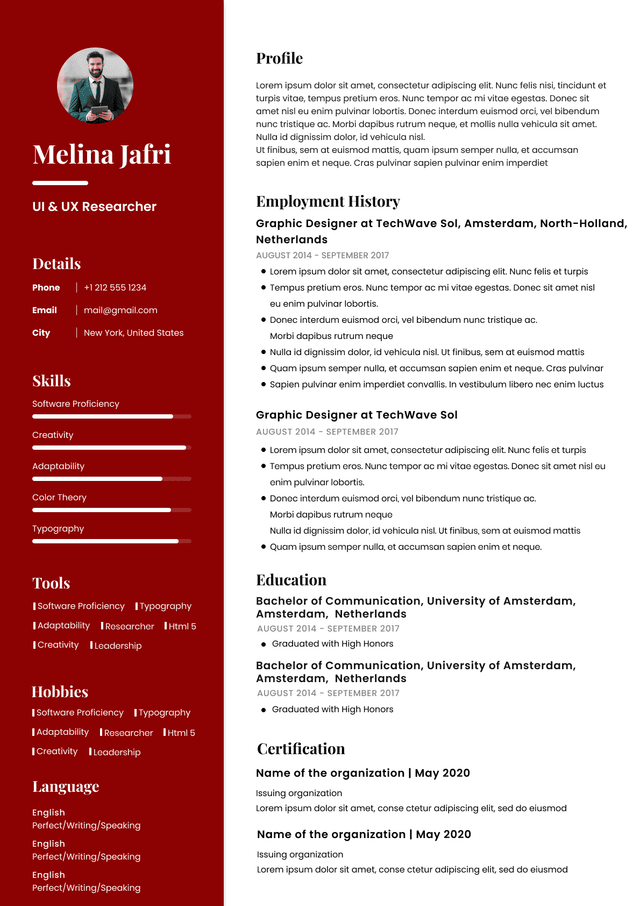
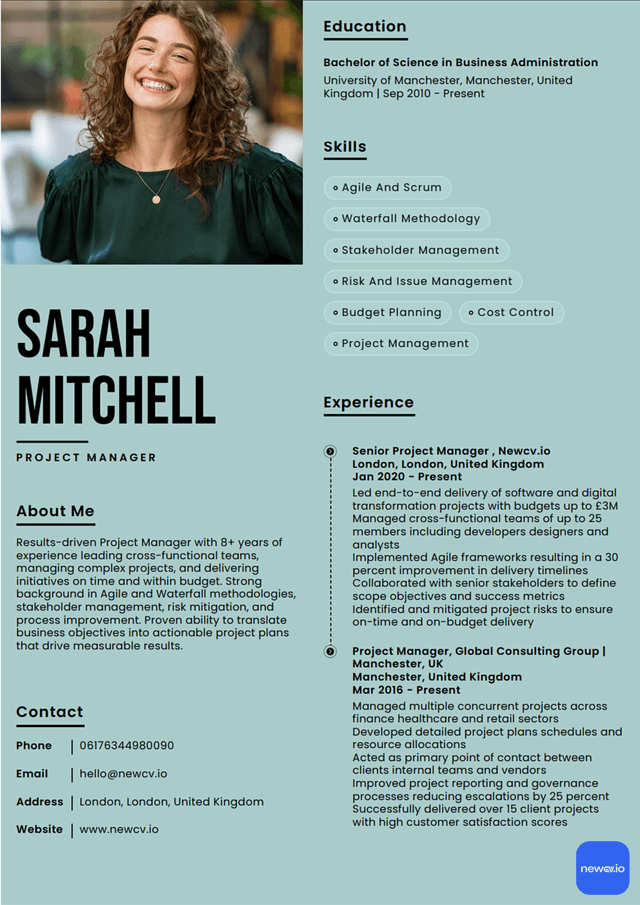
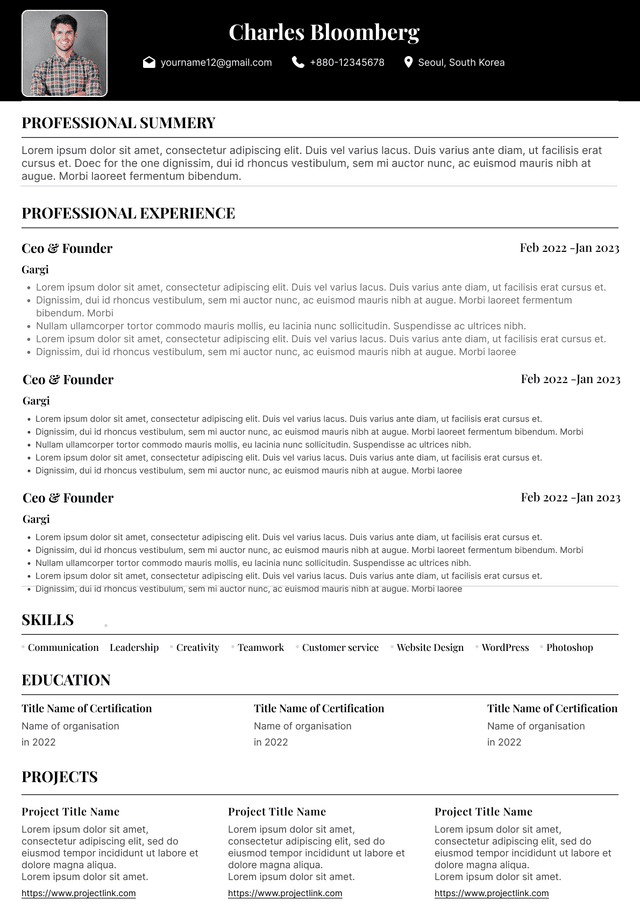
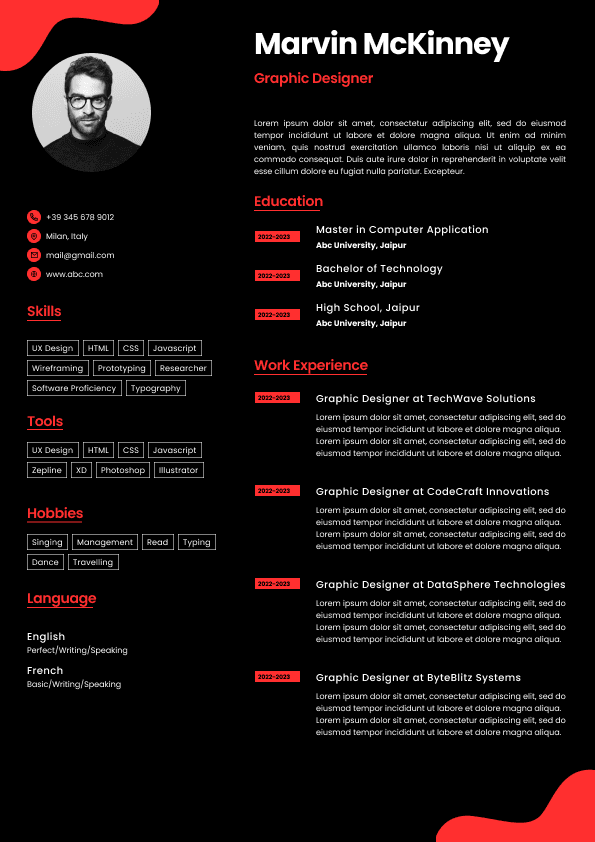
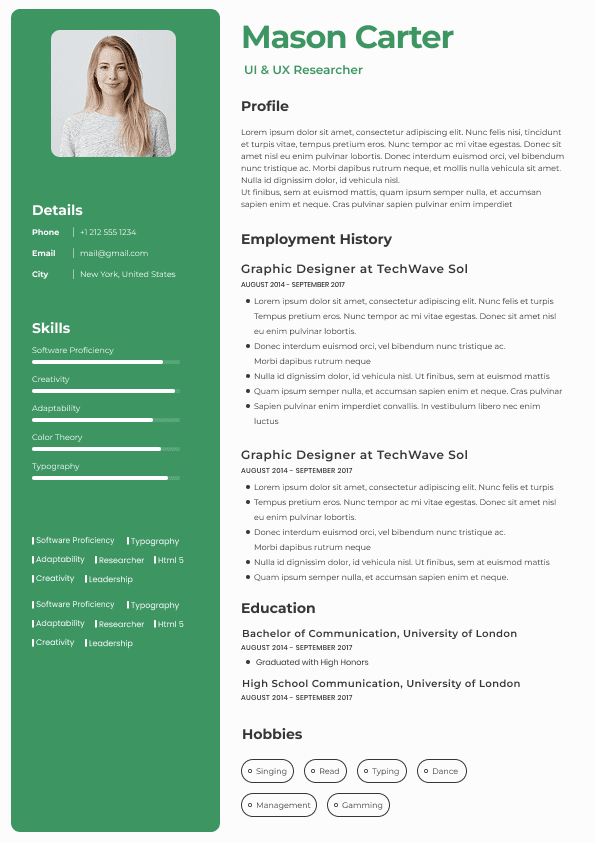
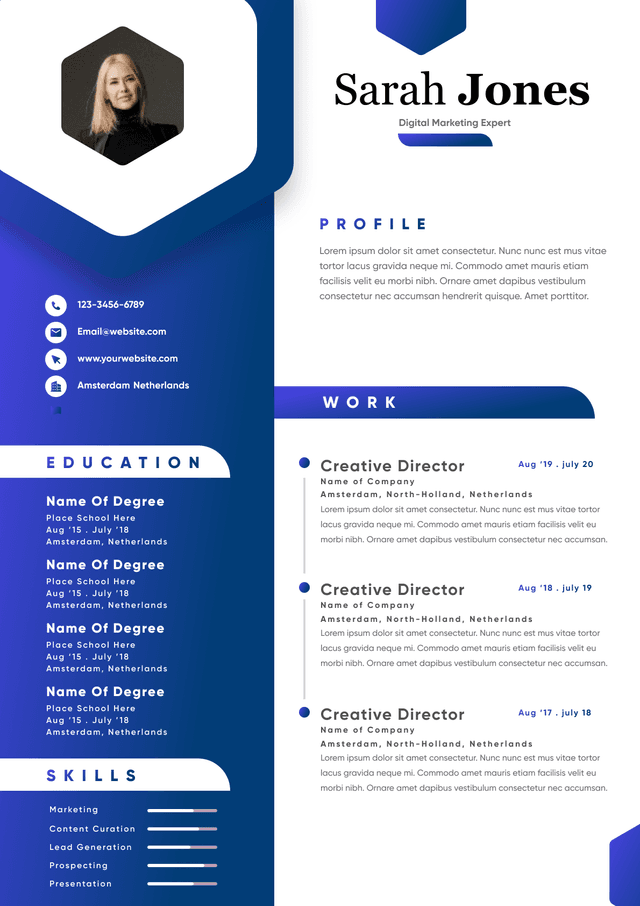
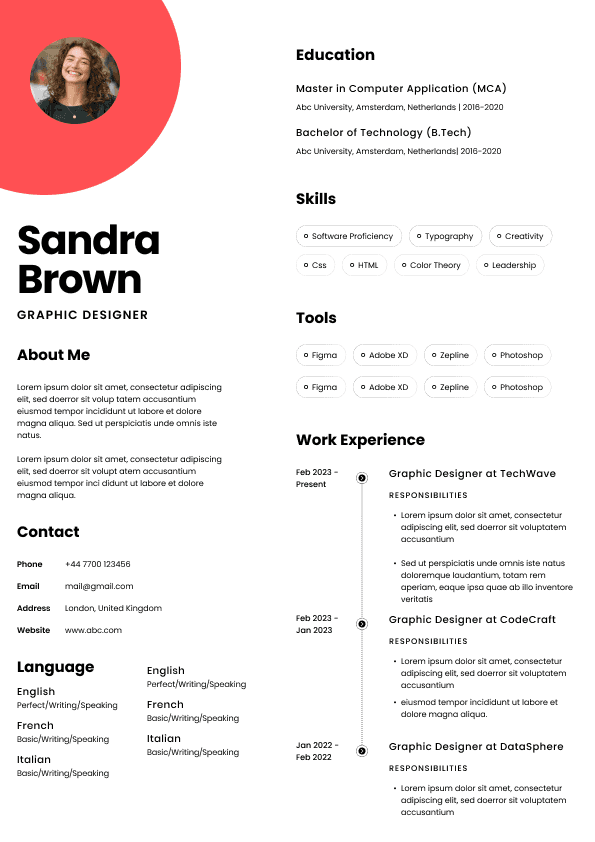
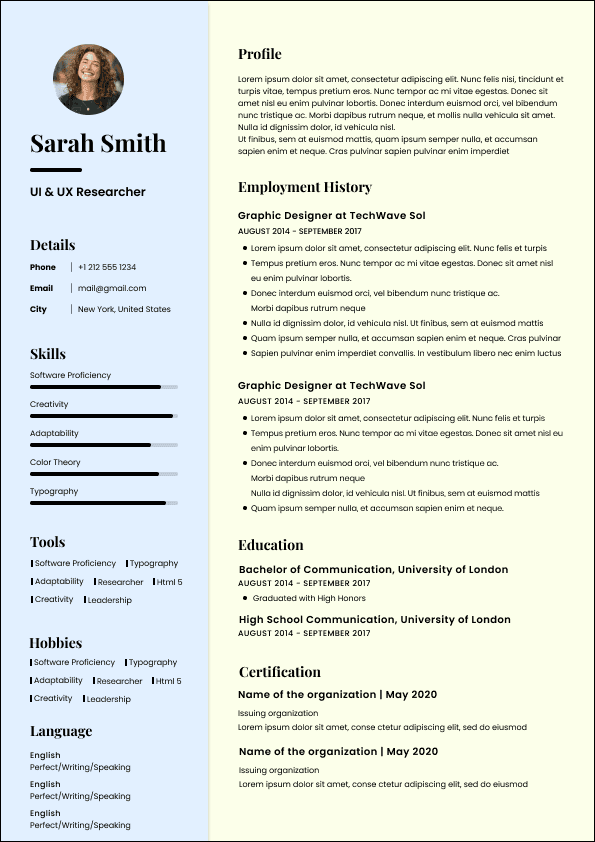
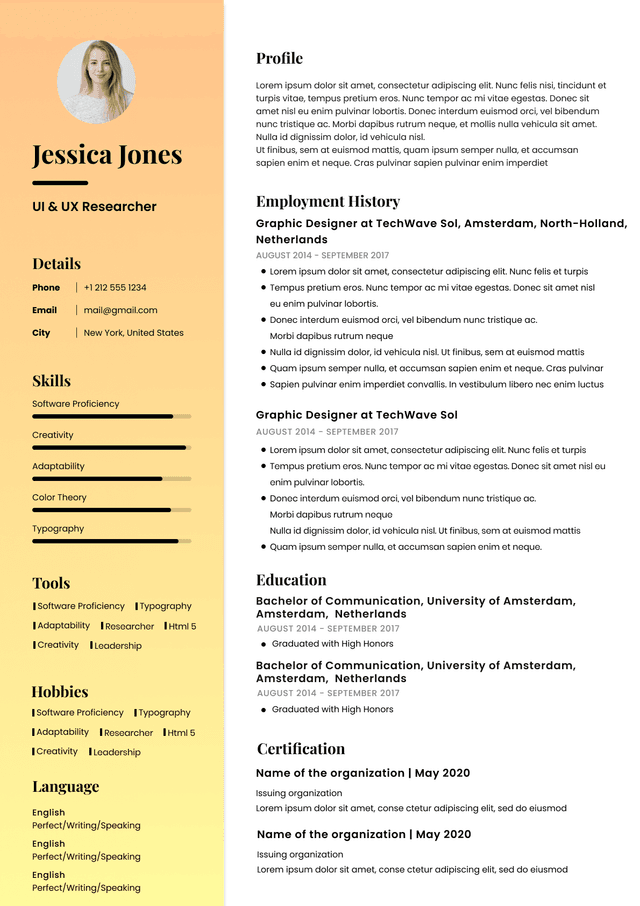
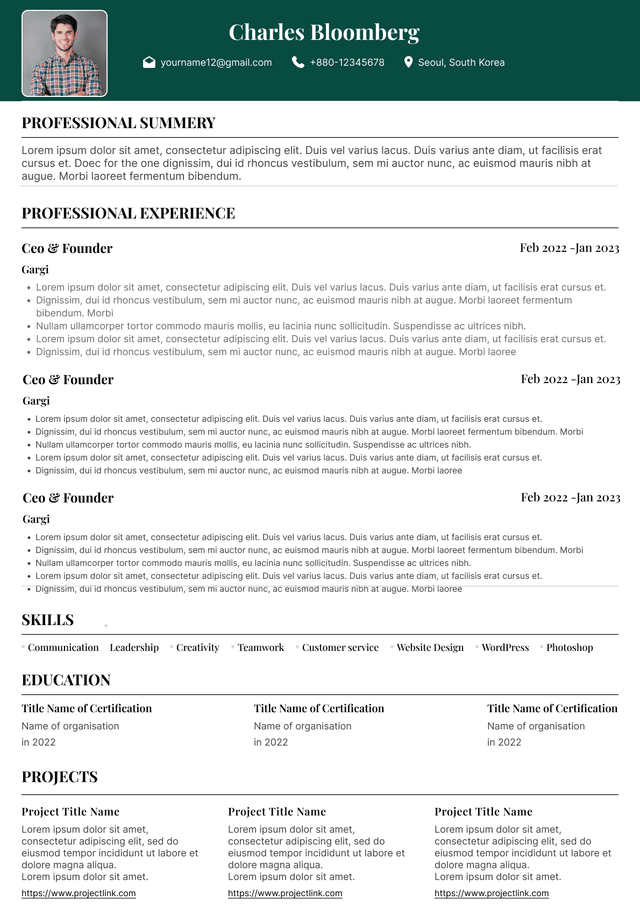
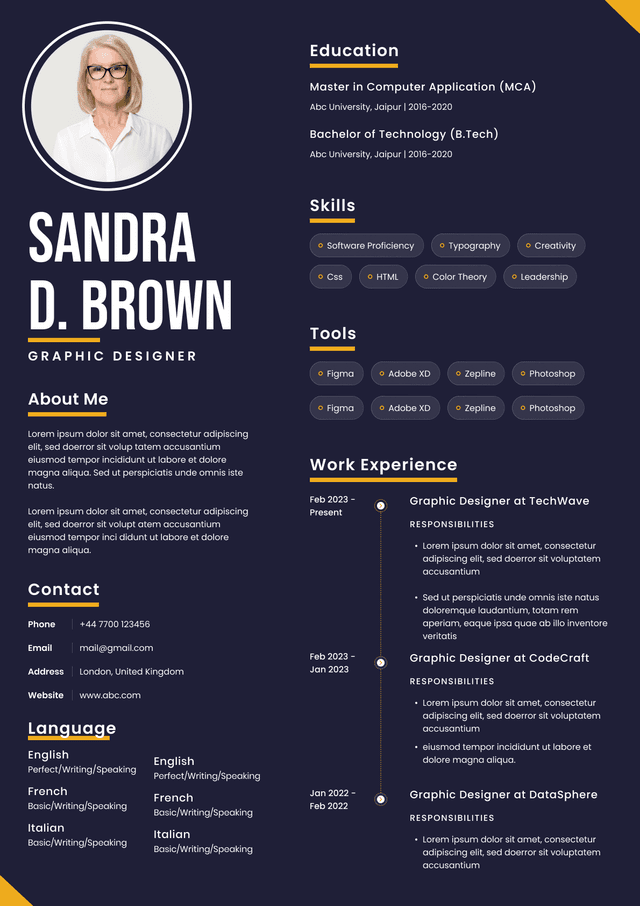
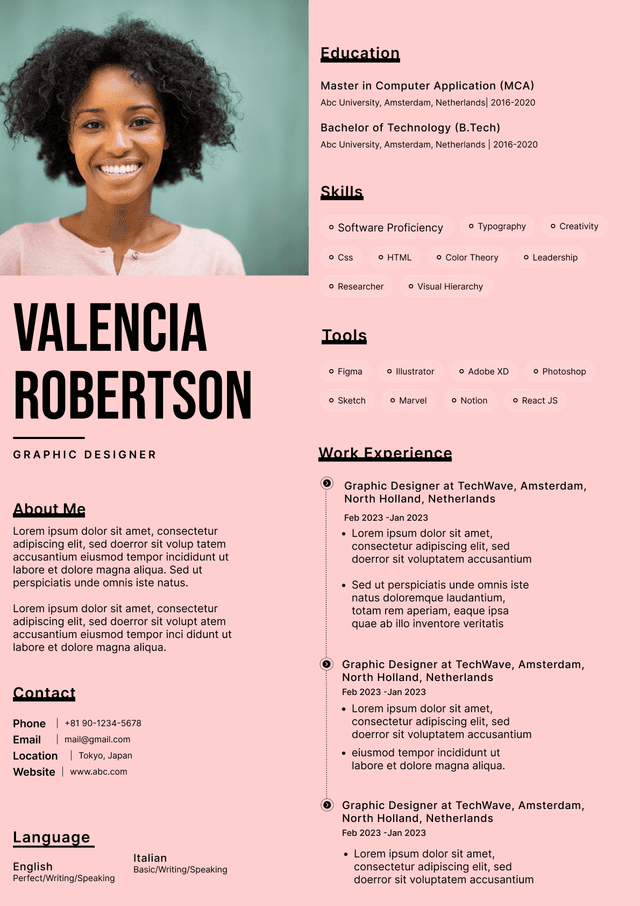
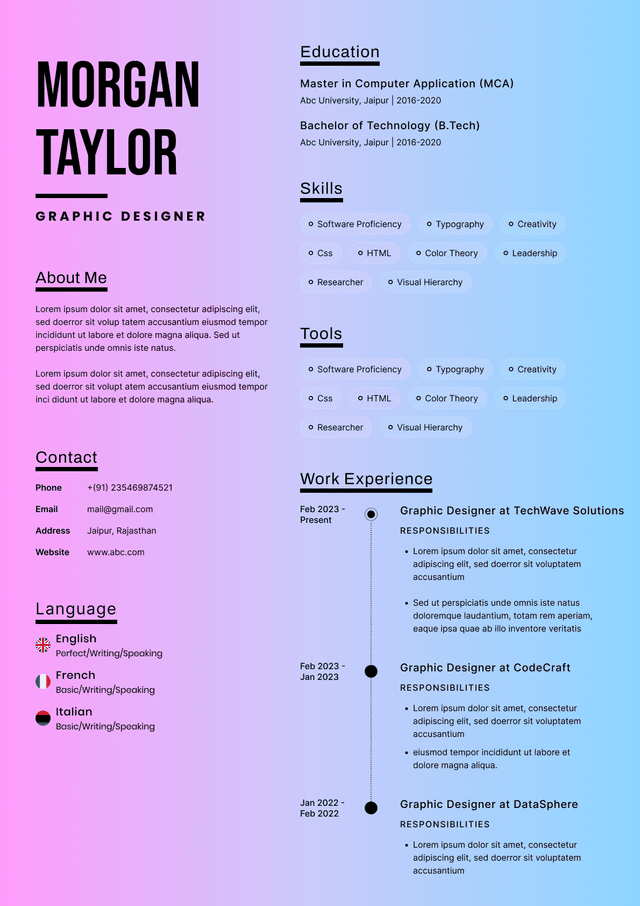
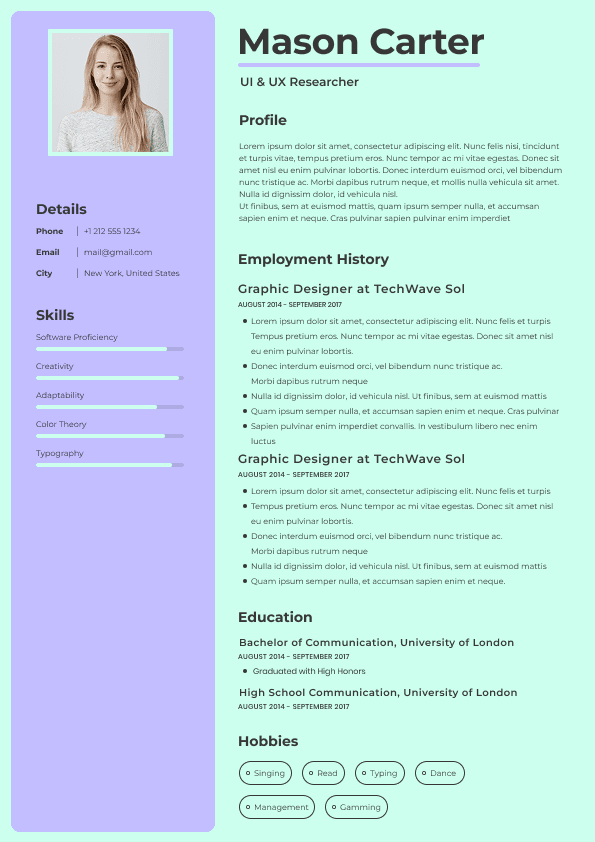
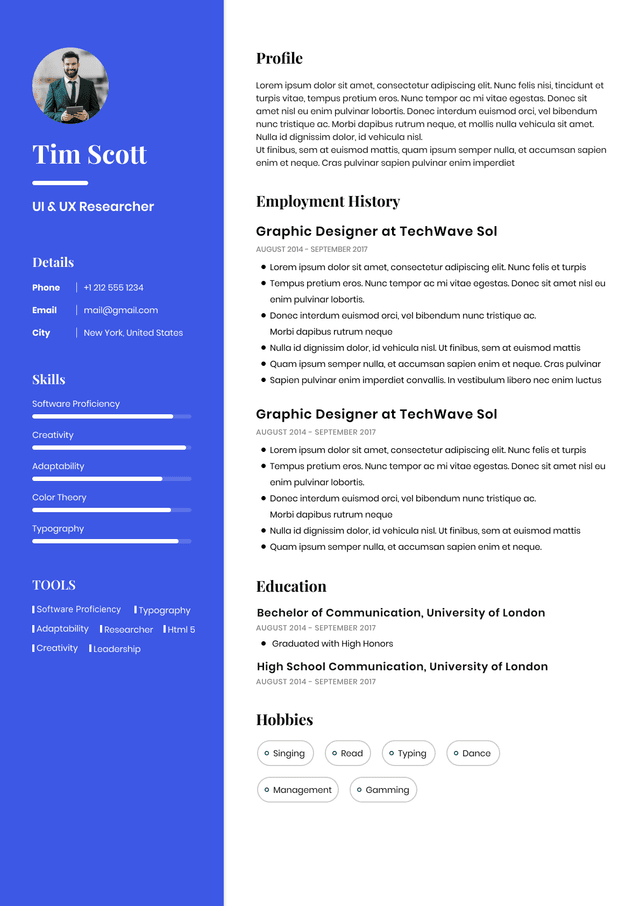
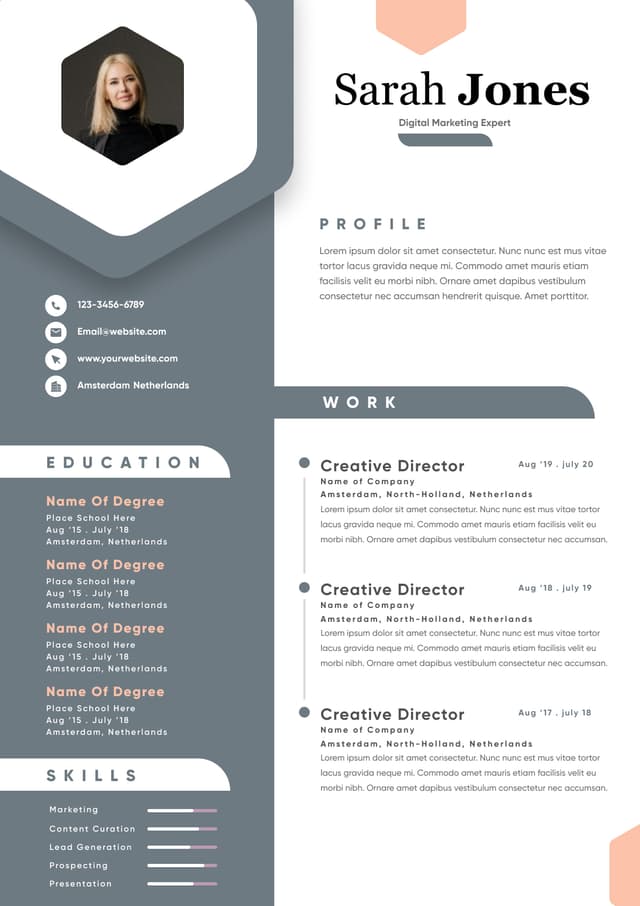
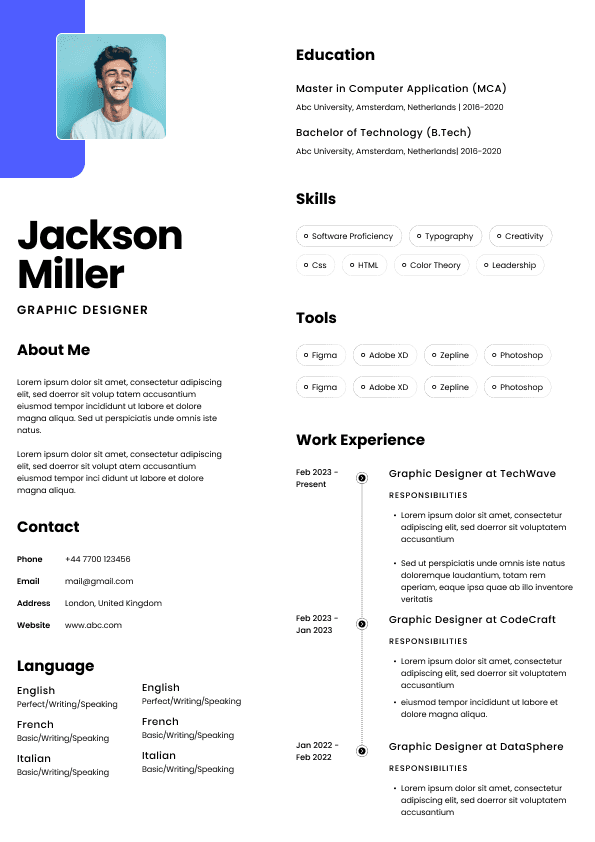
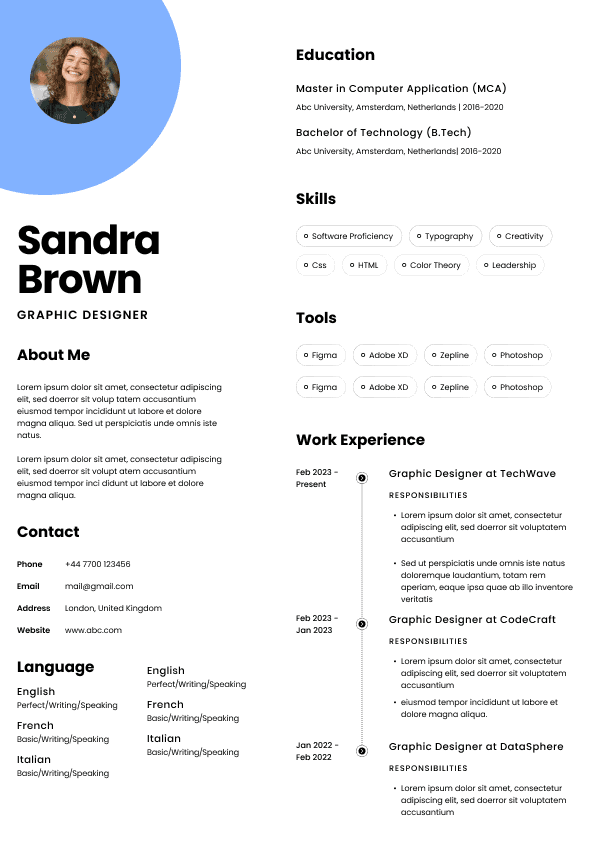
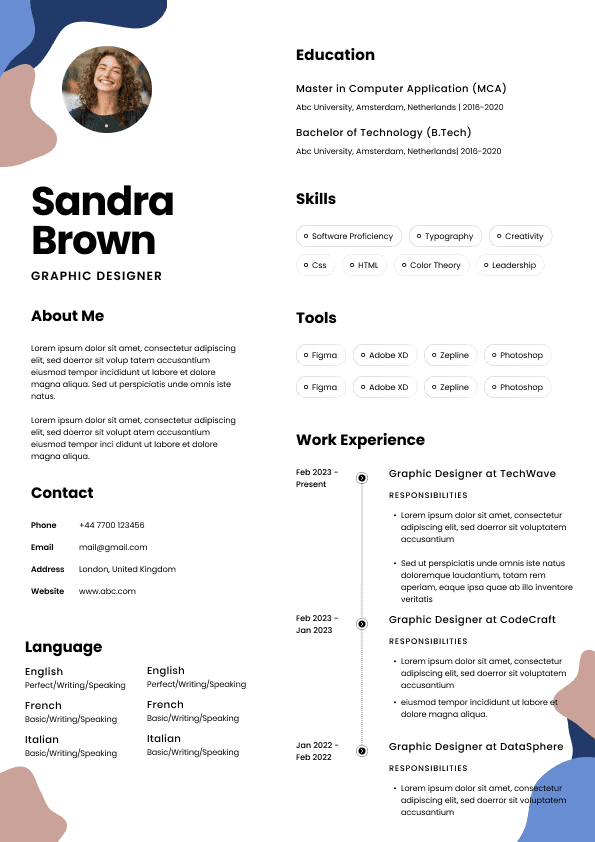
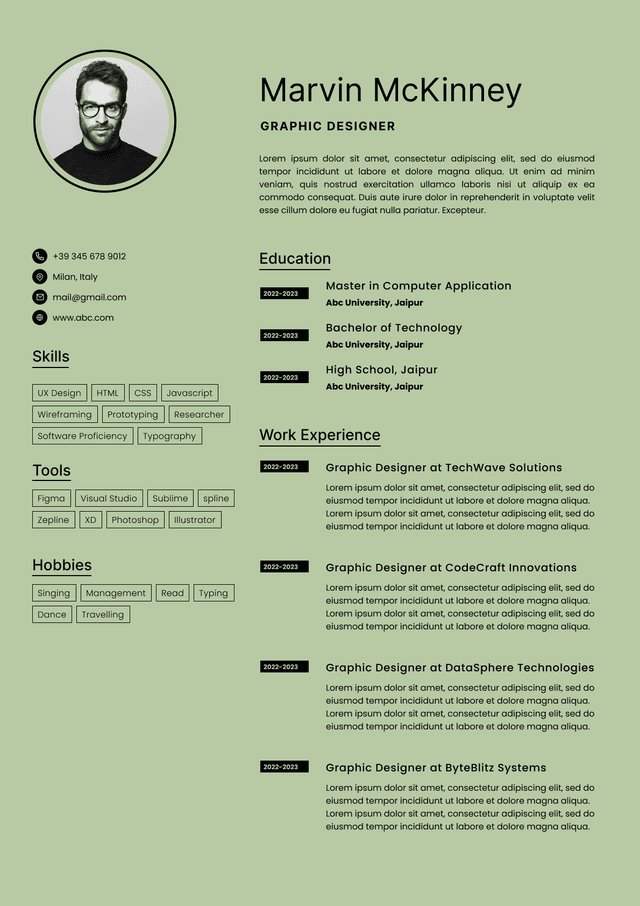
Choose from a wide range of NEWCV resume templates and customize your NEWCV design with a single click.

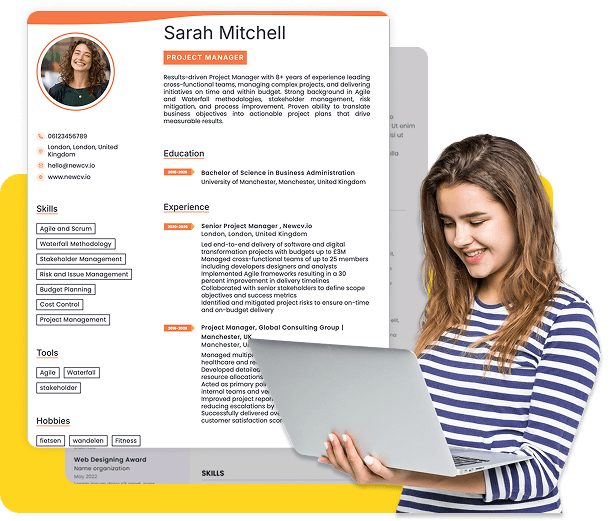
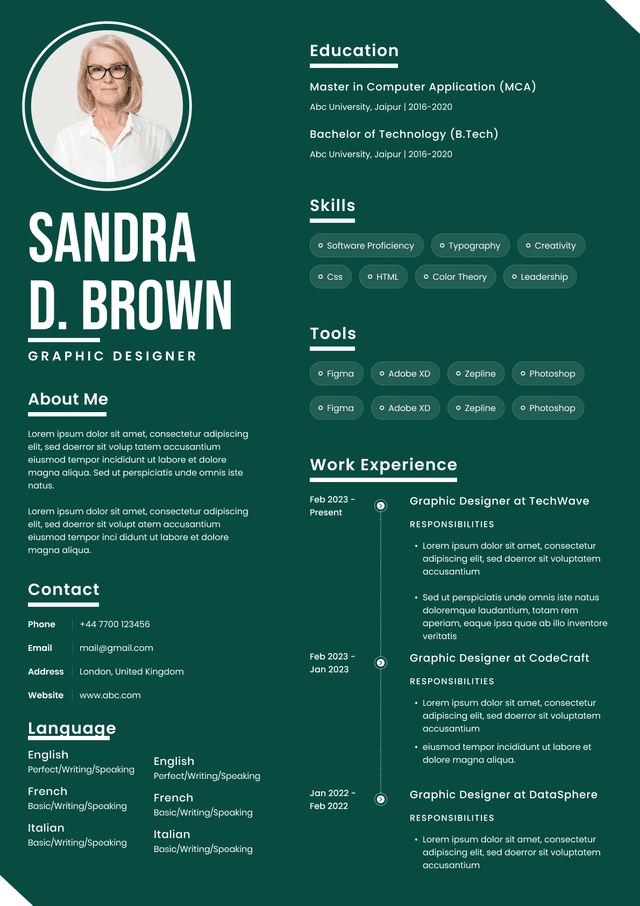
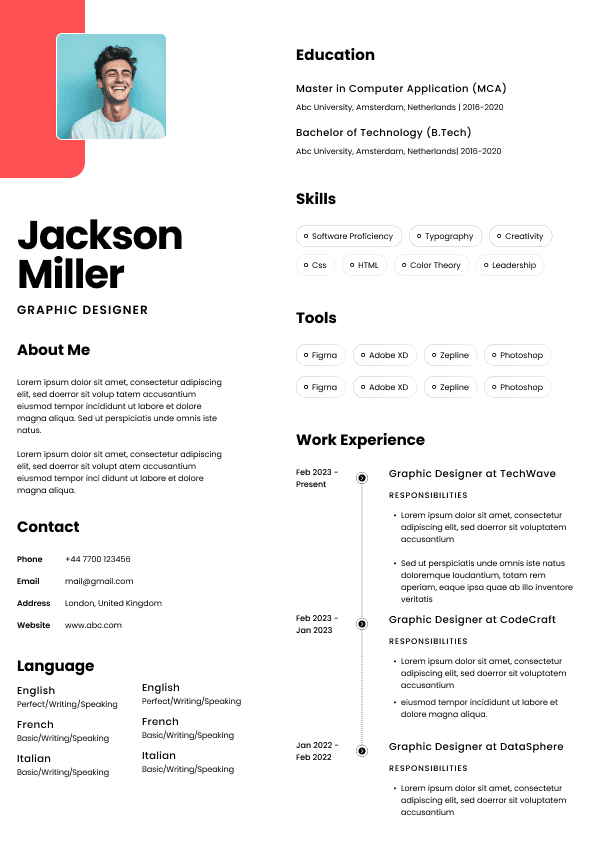
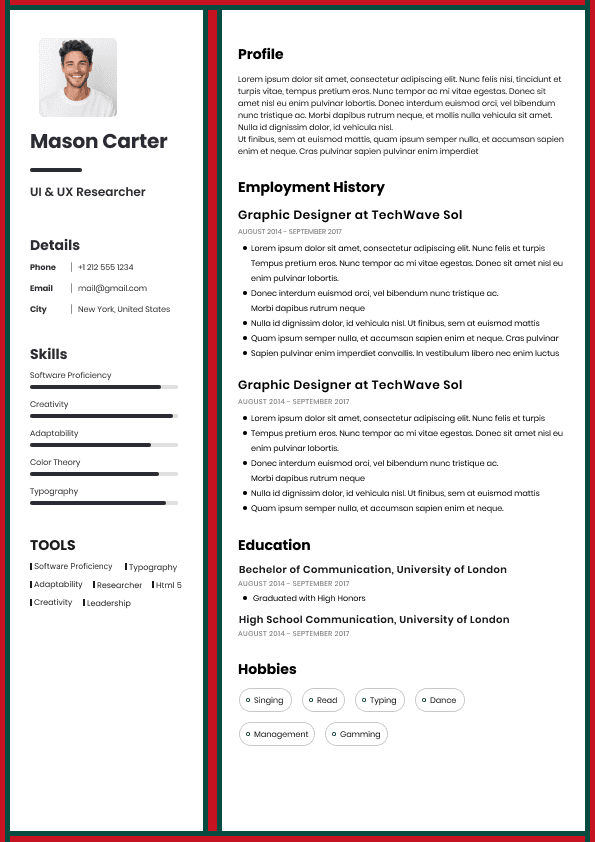
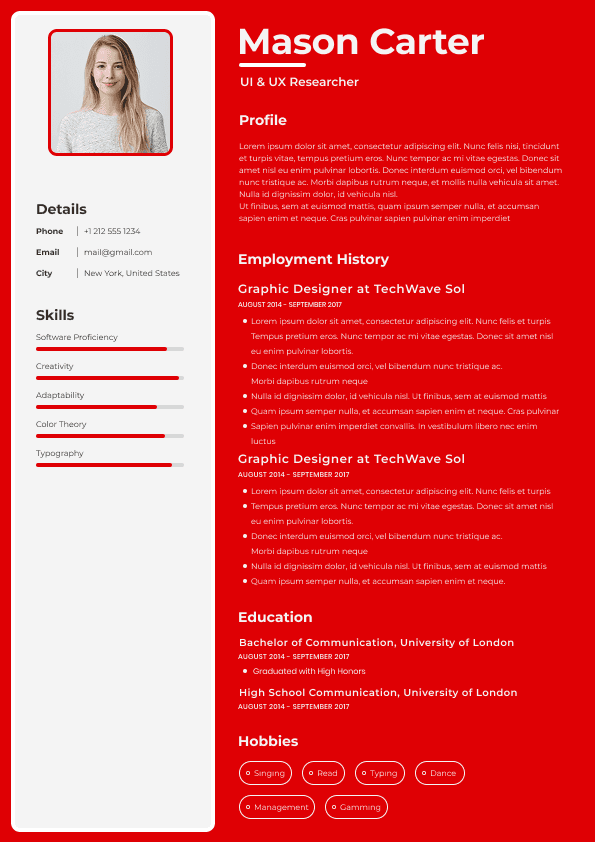
Use ATS-optimised Resume and resume templates that pass applicant tracking systems. Our Resume builder helps recruiters read, scan, and shortlist your Resume faster.

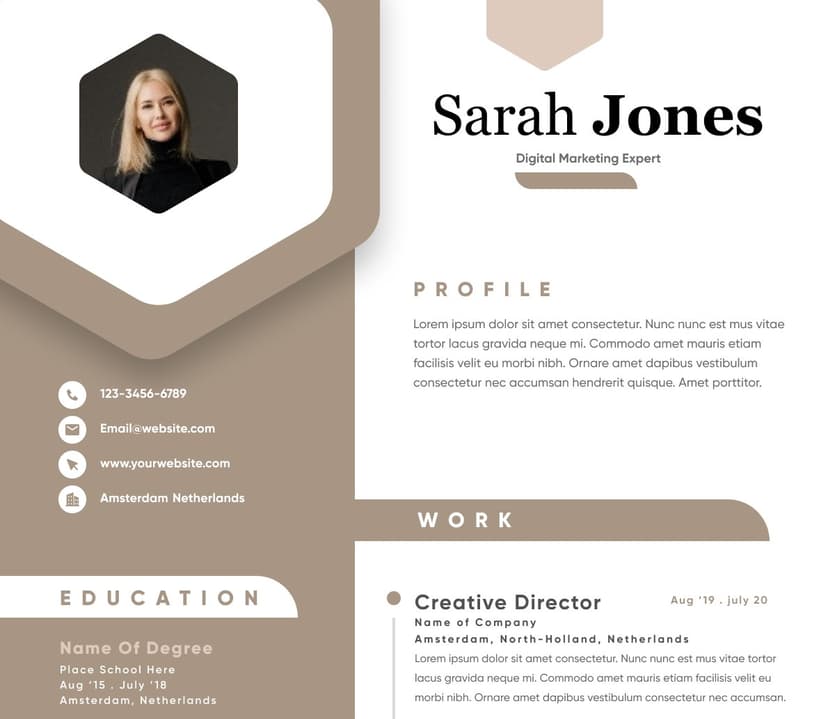
Use professional field-tested resume templates that follow the exact Resume rules employers look for.
Create Resume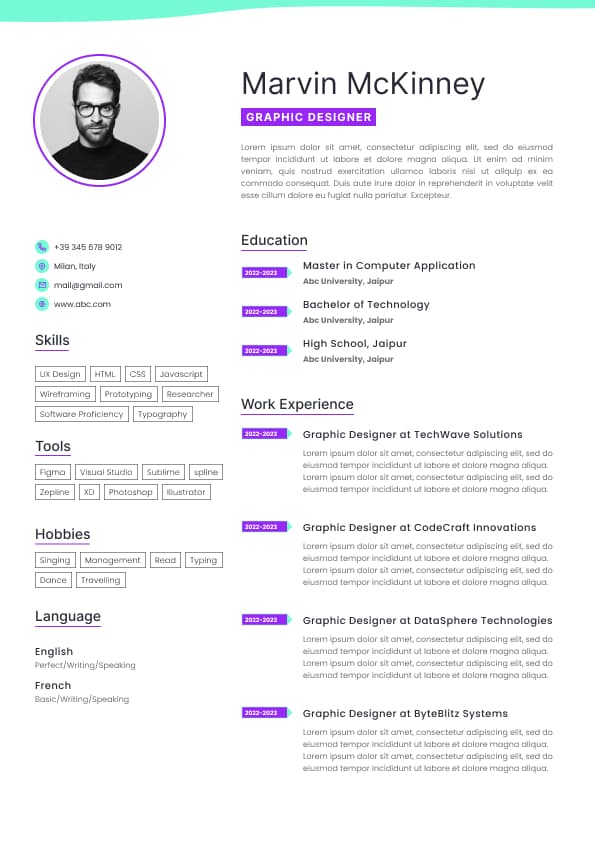
Use professional field-tested resume templates that follow the exact Resume rules employers look for.
Create ResumeOwnership of features or systems
Technical decision-making
Collaboration with product and engineering teams
Performance optimization
Reliability improvements
Clean communication
Modern frontend ecosystem familiarity
Weak resumes over-focus on:
Tool lists without outcomes
Generic buzzwords
Tutorial-level projects
Undefined responsibilities
Vague claims like “worked on frontend applications”
Long skills sections with no proof of capability
Testing exposure
Internship contributions
Team collaboration
Learning velocity
What matters most is proof that you can build working applications beyond tutorials.
Mid-level frontend engineers are expected to deliver independently.
Recruiters now shift from evaluating “potential” to evaluating “execution reliability.”
At this level, hiring managers want evidence of:
Production ownership
Feature delivery
API integration experience
Cross-functional collaboration
Frontend performance optimization
Full stack awareness
Agile workflow participation
Scalable React architecture
Reliable delivery under deadlines
The biggest transition from junior to mid-level is ownership.
Mid-level engineers are expected to solve problems with less supervision and contribute meaningful production improvements.
Senior engineers are evaluated less on coding ability and more on technical leadership.
A senior TypeScript resume must demonstrate:
Frontend architecture ownership
Scalable system design
Technical mentorship
Reliability improvements
Design system leadership
Cross-team collaboration
Engineering decision-making
Performance strategy
Technical roadmap influence
Senior candidates who only describe implementation tasks often get rejected because their resumes do not show strategic engineering impact.
Staff and principal engineering resumes are fundamentally different from standard developer resumes.
These roles are not evaluated based on feature work alone.
Hiring managers look for:
Organizational influence
Platform governance
Multi-team frontend architecture
Developer experience improvements
Technical standards creation
Strategic engineering leadership
Business impact
Large-scale frontend modernization
Engineering efficiency gains
At this level, your resume should read more like a technical strategy document than a coding summary.
Strong entry-level resumes typically include:
React + TypeScript applications
API-driven projects
Authentication flows
State management usage
Responsive frontend systems
Testing exposure
Deployment links
GitHub repositories
Internship contributions
Team projects
Good Example
Built a React and TypeScript dashboard application integrating REST APIs with protected authentication flows and responsive UI components
Reduced frontend load time by 28% through lazy loading, component optimization, and bundle splitting techniques
Collaborated with a team of 4 developers using Git, pull request reviews, and Agile sprint workflows
Weak Example
Worked on frontend development
Used React and TypeScript
Helped build web applications
The weak version gives no hiring signal about complexity, ownership, or outcomes.
Common rejection triggers include:
Only tutorial projects
No deployment links
No GitHub activity
Overly long skills sections
No measurable outcomes
Generic “passionate developer” language
No API or backend integration examples
Projects without business context
Recruiters want proof of practical application, not course completion.
Feature ownership
Production deployments
API architecture
Performance improvements
Team collaboration
Business outcomes
Full stack exposure
Monitoring and debugging experience
CI/CD familiarity
Good Example
Led development of a TypeScript-based customer onboarding workflow used by 45,000+ monthly users, reducing signup abandonment by 19%
Built reusable React component libraries that reduced frontend duplication across 6 internal applications
Partnered with backend engineers to redesign API payload structures, improving frontend rendering speed by 31%
Weak Example
Participated in frontend development projects
Worked with APIs and React components
Fixed bugs and added features
The weak version sounds task-oriented instead of impact-oriented.
Managers expect mid-level engineers to:
Anticipate edge cases
Write scalable code
Handle production debugging
Communicate effectively with stakeholders
Balance speed with maintainability
If your resume still reads like a junior implementation resume, you may struggle to get mid-level interviews even if your experience technically qualifies.
The strongest senior resumes heavily emphasize:
Architecture initiatives
Scalability improvements
Frontend infrastructure
Design systems
Mentorship impact
Cross-functional leadership
Technical planning
Reliability engineering
Good Example
Architected a scalable TypeScript microfrontend platform supporting 12 product teams and reducing frontend deployment conflicts by 43%
Mentored 7 frontend engineers through code reviews, architecture sessions, and technical onboarding programs
Led migration from JavaScript to TypeScript across a 400K+ LOC frontend codebase, improving type safety and reducing runtime production issues by 37%
Designed frontend observability standards that reduced critical UI incident resolution time from 4 hours to under 45 minutes
Weak Example
Worked on frontend architecture
Helped migrate applications to TypeScript
Assisted developers with technical questions
Senior resumes must clearly communicate scope and influence.
Many senior engineers still write resumes like mid-level developers.
That creates an experience mismatch.
If your resume focuses mostly on implementation details instead of leadership and architecture outcomes, recruiters may down-level you automatically.
Organization-wide influence
Frontend platform ownership
Technical standards creation
Developer experience improvements
Strategic modernization initiatives
Large-scale migration leadership
Engineering efficiency gains
Good Example
Defined organization-wide TypeScript standards adopted across 18 engineering teams, reducing frontend integration inconsistencies by 52%
Built a centralized frontend platform that improved deployment reliability and reduced onboarding time for new engineers by 40%
Led cross-functional architecture councils aligning frontend strategy with security, accessibility, and performance governance initiatives
Introduced shared frontend observability tooling that reduced UI regression incidents across the organization by 34%
The most common issue is tactical wording.
Staff resumes should not read like feature delivery resumes.
They should communicate:
Strategic engineering direction
Organizational systems thinking
Long-term technical influence
Cross-team leadership
Principal resumes should include:
Large-scale transformation initiatives
Platform modernization strategy
Technical governance leadership
Business-critical engineering outcomes
Multi-year architectural planning
Executive stakeholder influence
Good Example
Directed frontend modernization strategy across a $500M SaaS platform, aligning architecture initiatives with long-term scalability and product expansion goals
Established enterprise-wide frontend governance standards improving release stability across 30+ engineering teams
Partnered with executive leadership to define multi-year engineering investment priorities focused on platform scalability and developer productivity
Led frontend platform consolidation initiatives reducing duplicated engineering effort by an estimated 22,000 annual development hours
At this level, engineering impact must connect directly to organizational performance.
Frontend architecture
Performance optimization
Testing frameworks
CI/CD
Design systems
Accessibility
Cloud deployment
Monitoring and observability
Avoid inflated skills sections containing:
Every framework you have touched once
Outdated frontend technologies
Tools with no supporting evidence
Duplicate categories
Beginner-level terminology
Recruiters quickly recognize skill inflation.
Engineering maturity
Business impact
Ownership
Communication clarity
Buzzword-heavy writing
No measurable outcomes
Generic bullet points
Unrealistic claims
Weak technical specificity
The strongest resumes immediately communicate level clarity.
Hiring managers should instantly understand whether you are junior, mid-level, senior, or staff-caliber within the first few bullets.
Type-Safe APIs
Next.js
UI Performance Optimization
Frontend Platform Engineering
Microfrontend Architecture
Developer Experience
Frontend Reliability
Use these naturally inside accomplishments and project descriptions rather than stuffing them into a standalone keyword block.

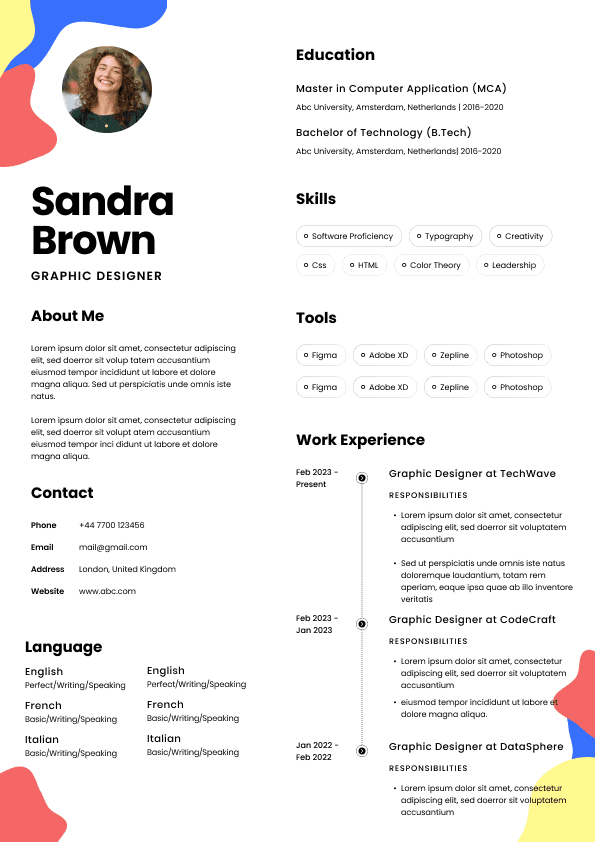
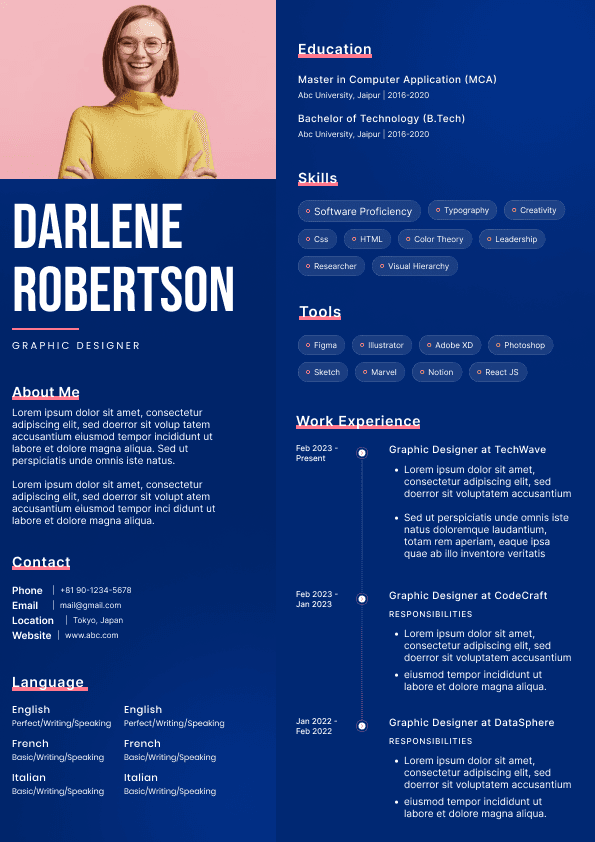
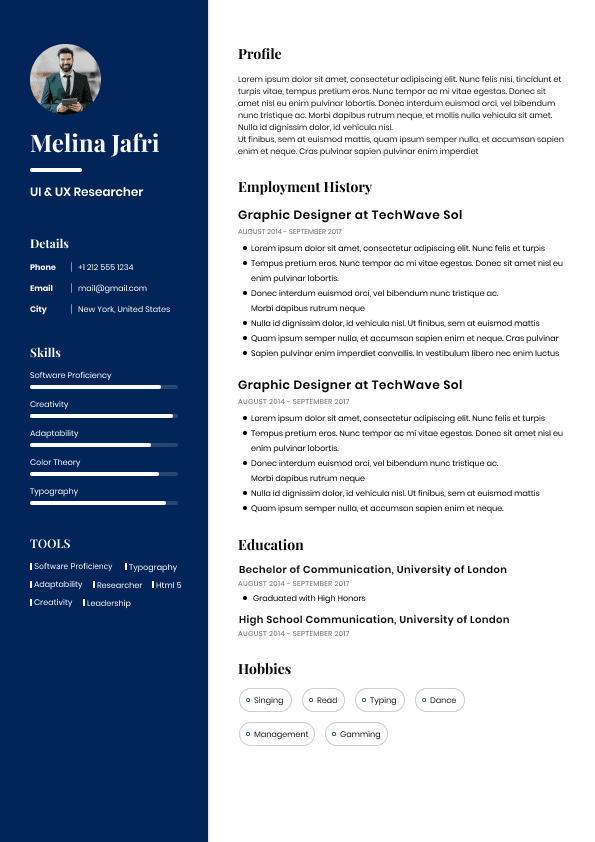
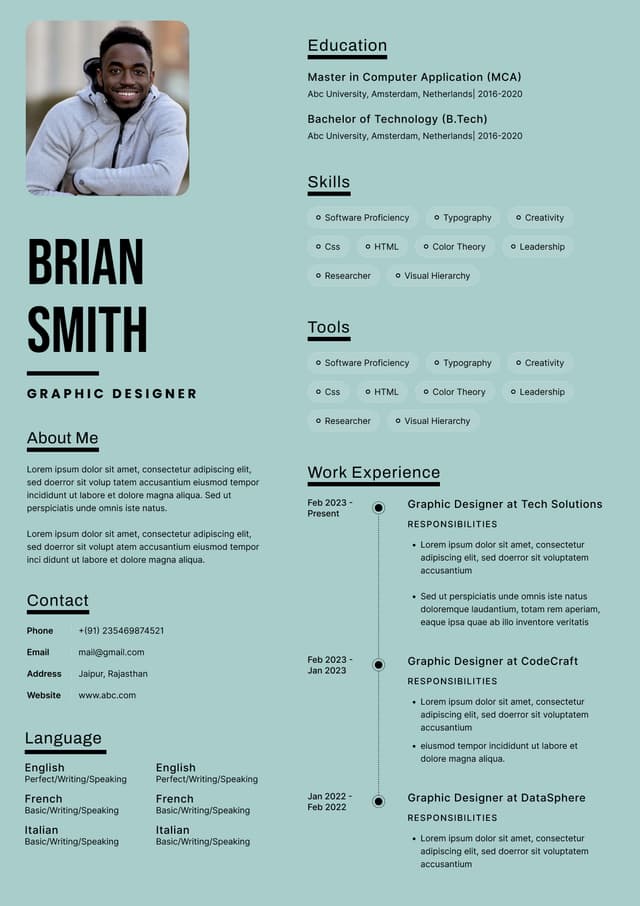
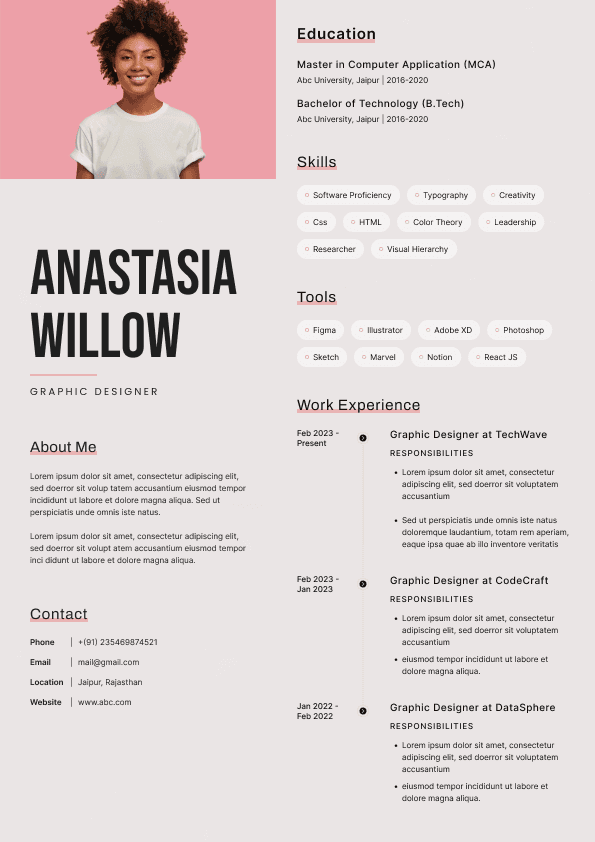
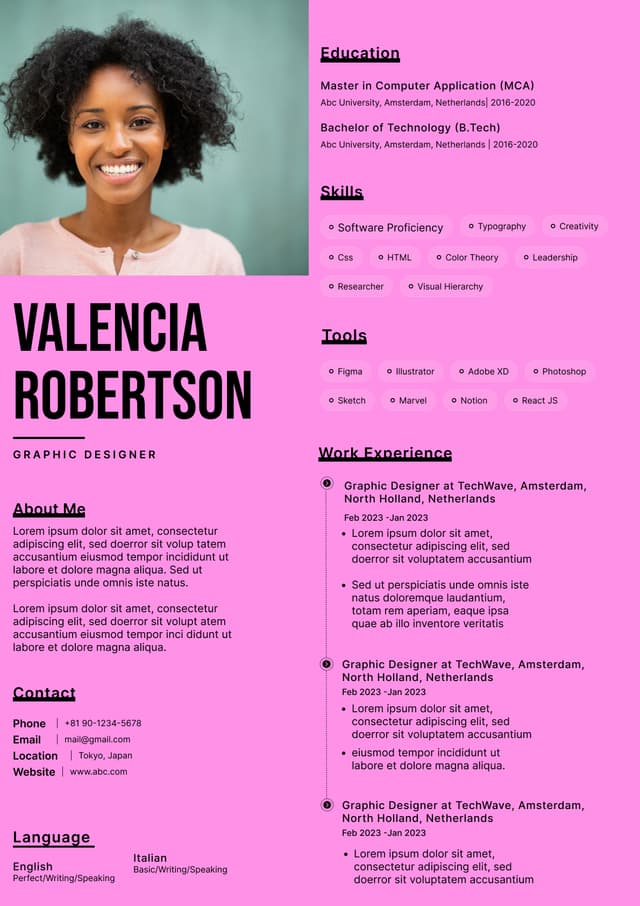
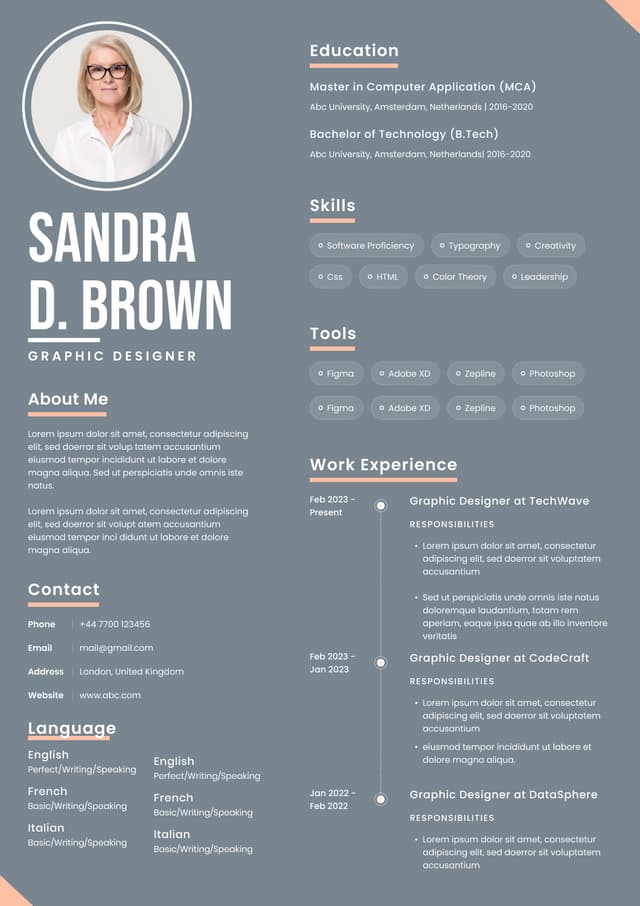
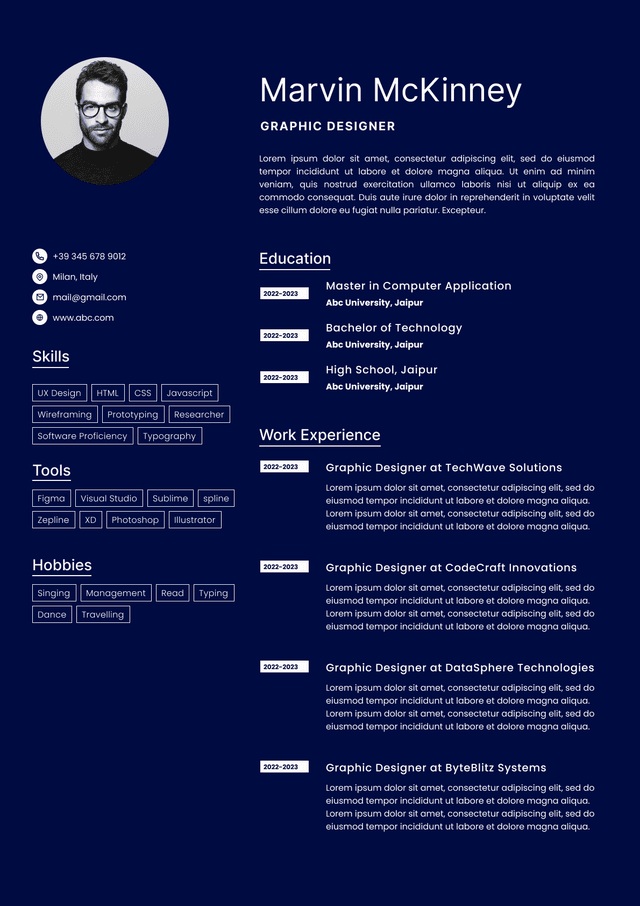


 Upload Resume
 Import from Linkedin