STILL APPLYING. STILL HEARING NOTHING?BUILD YOUR RESUME

STILL APPLYING. STILL HEARING NOTHING?BUILD YOUR RESUME
Choose from a wide range of NEWCV resume templates and customize your NEWCV design with a single click.
FAQ
A strong TypeScript developer resume does more than list frameworks. It proves you can build reliable production systems, write maintainable typed code, collaborate across teams, and ship features that improve performance, scalability, or user experience. Hiring managers are not looking for someone who “knows TypeScript.” They are looking for developers who can apply TypeScript effectively in real business environments using React, Node.js, Next.js, NestJS, Angular, APIs, testing frameworks, cloud infrastructure, and modern deployment workflows.
The biggest mistake most candidates make is submitting generic JavaScript resumes with “TypeScript” added as a keyword. That approach fails in competitive hiring pipelines because modern engineering teams evaluate architecture thinking, typed systems experience, testing maturity, and production impact. The best TypeScript developer resumes clearly show technical depth, measurable outcomes, and alignment with the exact role type: frontend, backend, full stack, or framework-specific positions.
This guide includes recruiter-approved TypeScript developer resume examples, strategic resume breakdowns, bullet point patterns that actually perform well in screening, and practical advice for positioning yourself competitively in today’s US software engineering market.
Most engineering recruiters spend less than 30 seconds on the first resume scan. During that scan, they are looking for evidence that you can contribute to a modern development environment without creating risk for the engineering team.
For TypeScript developer roles, hiring managers typically evaluate resumes across five areas:
Production-level TypeScript experience
Frontend, backend, or full stack specialization
Modern framework ecosystem knowledge
Code quality and testing maturity
Business impact and delivery capability
A weak resume focuses heavily on tools without explaining outcomes.
Weak Example
Used TypeScript, React, and Node.js to develop applications
Michael Carter
Austin, Texas
michaelcarter.dev@email.com
LinkedIn: linkedin.com/in/michaelcarter
GitHub: github.com/michaelcarterdev
TypeScript Developer with 6+ years of experience building scalable frontend and full stack web applications using TypeScript, React, Node.js, and cloud-native technologies. Strong background in typed architecture, API integrations, testing automation, and performance optimization for SaaS platforms and enterprise applications.
TypeScript
JavaScript
React
Node.js
Frontend TypeScript resumes perform best when they demonstrate strong UI engineering capability combined with performance optimization and component architecture experience.
Hiring managers for frontend roles want evidence that you can build maintainable interfaces at scale, not just style pages.
Sophia Nguyen
Seattle, Washington
Frontend TypeScript Developer with expertise in React, Next.js, TypeScript, and scalable UI architecture. Experienced in building accessible, high-performance web applications with modern frontend tooling and design systems.
TypeScript
React
Next.js
Redux Toolkit
Backend TypeScript roles are heavily evaluated on architecture, APIs, databases, reliability, observability, and infrastructure maturity.
Recruiters and engineering managers specifically look for backend candidates who understand production systems, not just Express tutorials.
Daniel Brooks
Chicago, Illinois
Backend TypeScript Developer with 7+ years of experience building scalable APIs, distributed services, and cloud-native backend systems using Node.js, NestJS, PostgreSQL, Redis, and AWS.
TypeScript
Node.js
NestJS
Express
Full stack TypeScript candidates must demonstrate balance. One-sided resumes often get filtered out because companies want developers who can contribute across the stack.
Emily Rodriguez
Denver, Colorado
Full Stack TypeScript Developer experienced in building scalable SaaS applications using React, Next.js, Node.js, PostgreSQL, Prisma, and AWS cloud infrastructure.
Full Stack TypeScript Developer
ScaleBridge Software — Denver, CO
June 2021 – Present
Delivered full stack SaaS features using TypeScript, React, Node.js, Next.js, PostgreSQL, Prisma, and AWS
Built authentication systems, analytics dashboards, role-based access control, and internal admin tools
Increased engineering delivery speed through reusable types, shared packages, and API contract standardization
Entry-level TypeScript resumes succeed when candidates demonstrate real project capability, not theoretical learning.
Hiring managers do not expect junior developers to have massive production experience. They do expect proof that you can build real applications independently.
Kevin Patel
Phoenix, Arizona
Entry-Level TypeScript Developer with hands-on experience building modern web applications using TypeScript, React, Node.js, and PostgreSQL. Strong foundation in frontend development, API integration, testing, and collaborative Git workflows.
Full Stack Task Management Platform
Built portfolio project using TypeScript, React, Node.js, Express, PostgreSQL, and Vercel
Created typed REST APIs, authentication workflows, and responsive dashboard interfaces
Implemented form validation, protected routes, state management, and reusable UI components
Senior-level resumes are evaluated differently from mid-level resumes.
At the senior level, hiring managers care less about frameworks and more about architecture, leadership, scalability, ownership, and decision-making.
Rachel Thompson
San Francisco, California
Senior TypeScript Developer with 10+ years of experience leading frontend and full stack engineering initiatives for SaaS and enterprise platforms. Expertise in scalable architecture, engineering leadership, developer experience optimization, and modern cloud-native systems.
Senior Staff TypeScript Engineer
CloudMetric AI — San Francisco, CA
August 2019 – Present
Led migration of large-scale JavaScript applications to TypeScript across 12 engineering teams
Established typed API contract standards, reducing integration-related production bugs by 47%
React and TypeScript are now one of the most common frontend hiring combinations in the US market. Because competition is high, resumes must demonstrate engineering maturity beyond basic React usage.
Built reusable React and TypeScript component systems used across 15+ internal applications
Improved frontend performance through memoization, virtualization, and optimized rendering strategies
Developed typed form systems using React Hook Form and Zod validation
Integrated REST and GraphQL APIs using TanStack Query and typed API contracts
Reduced state management complexity by migrating legacy Redux workflows to Redux Toolkit patterns
React TypeScript resumes perform better when they include:
Backend Node.js TypeScript resumes should emphasize reliability, scalability, APIs, and production systems.
Developed scalable backend services using Node.js, TypeScript, NestJS, PostgreSQL, and Redis
Built event-driven workflows and asynchronous job queues supporting high-volume transactions
Improved API response performance by optimizing Prisma queries and database indexing strategies
Implemented JWT authentication, RBAC permissions, and centralized validation middleware
Created monitoring dashboards and structured logging systems for production observability
Many candidates only mention CRUD APIs.
That is not enough for competitive backend roles.
Framework-specific resumes should align with how companies actually hire for those ecosystems.
SSR and SSG optimization
Core Web Vitals
SEO performance
Edge rendering
API routes
Full stack React architecture
Vercel deployment workflows
The strongest TypeScript resumes combine language expertise with ecosystem depth.
React
Next.js
Angular
Vue
Redux Toolkit
Tailwind CSS
Storybook
GraphQL
Adding “TypeScript” to a JavaScript resume without showing typed architecture experience is extremely common and easy for recruiters to spot.
Technical resumes without outcomes feel weak.
Always show:
Reliability improvements
Performance gains
Scale
Delivery impact
Business outcomes
A tools-only resume lacks credibility.
Different industries prioritize different engineering outcomes.
Focus on:
Scalability
Performance
Product delivery speed
Reusable architecture
Focus on:
Reliability
Security


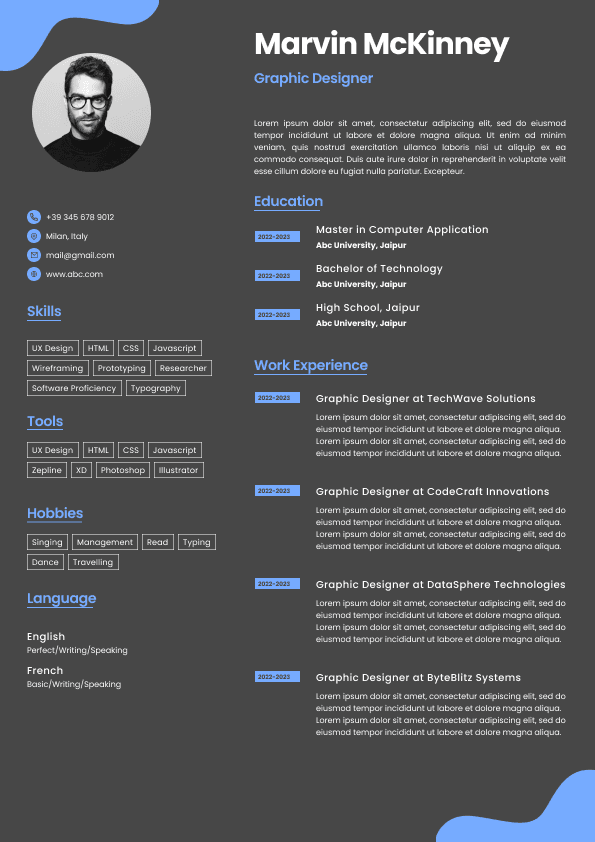
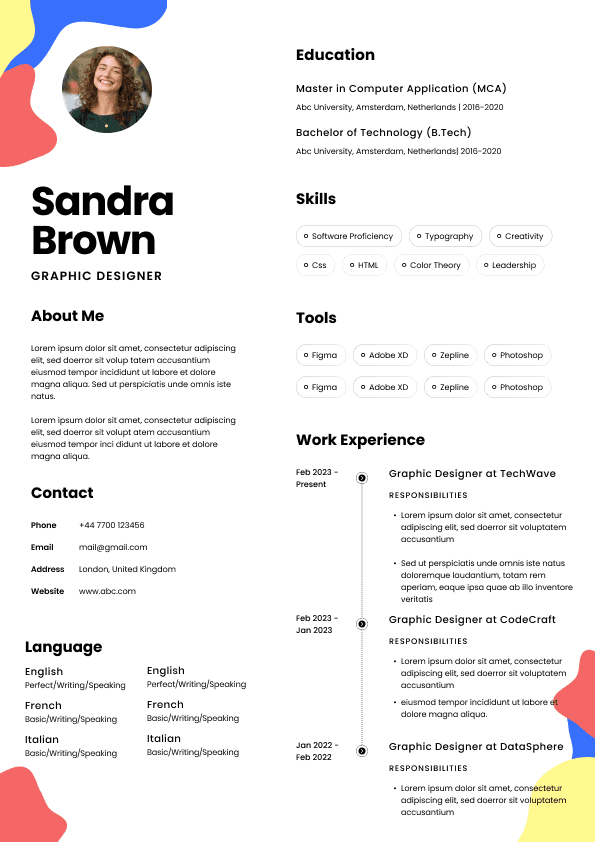
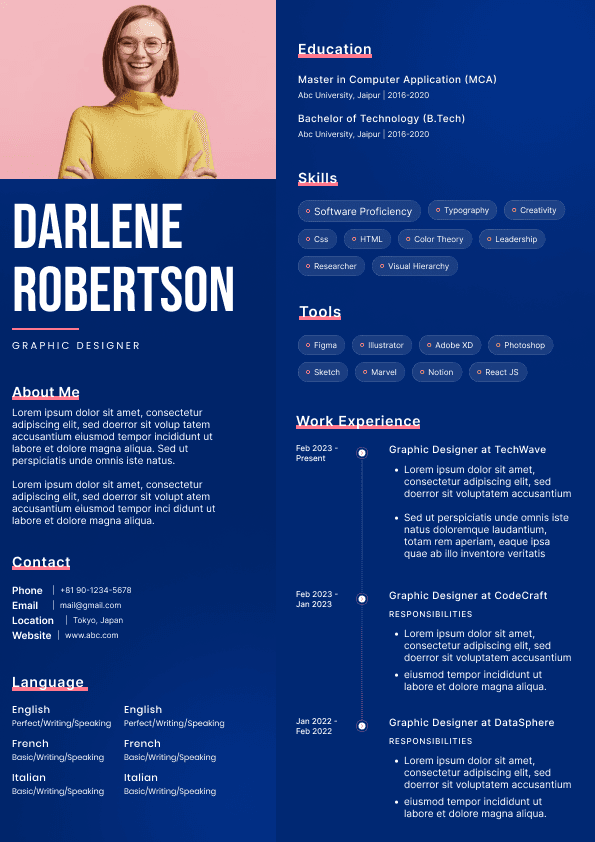
Use ATS-optimised Resume and resume templates that pass applicant tracking systems. Our Resume builder helps recruiters read, scan, and shortlist your Resume faster.


Use professional field-tested resume templates that follow the exact Resume rules employers look for.
Create Resume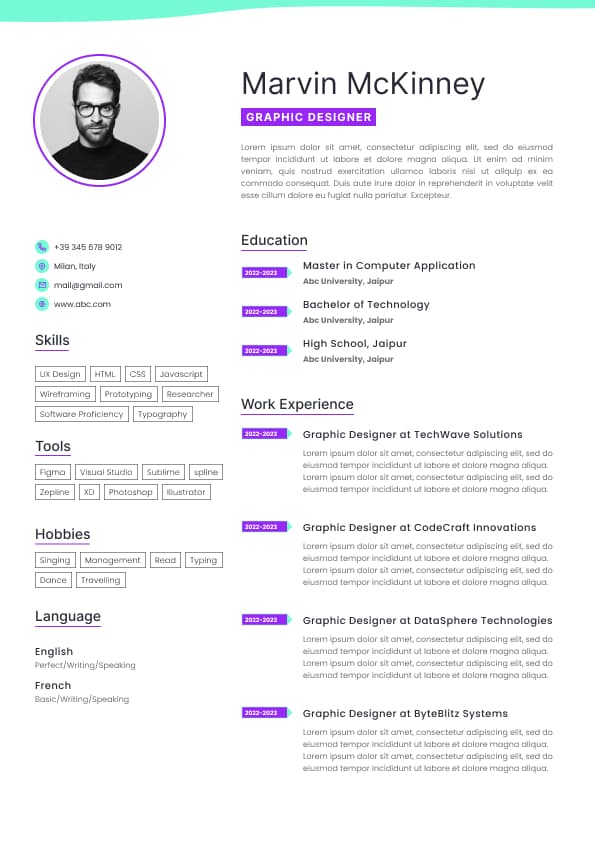
Use professional field-tested resume templates that follow the exact Resume rules employers look for.
Create ResumeWorked with APIs and databases
Participated in Agile development
This sounds generic and interchangeable with thousands of other resumes.
Good Example
Built production-grade React and TypeScript applications serving 250,000+ monthly users across SaaS dashboard products
Reduced frontend runtime errors by 38% through strict typing, schema validation, and reusable typed API contracts
Developed reusable component systems using TypeScript, Storybook, and Tailwind CSS, reducing feature delivery time across teams
The second version demonstrates scale, ownership, technical maturity, and measurable impact.
Next.js
Express
PostgreSQL
Prisma
GraphQL
REST APIs
AWS
Docker
GitHub Actions
Jest
Cypress
Tailwind CSS
Redis
Senior TypeScript Developer
NovaCloud Technologies — Austin, TX
January 2022 – Present
Developed production-grade TypeScript applications serving 250,000+ monthly users across enterprise SaaS products
Built reusable React components, typed API clients, form workflows, dashboards, and analytics features
Reduced frontend runtime errors by 41% through strict typing, schema validation, and shared interface contracts
Collaborated with product, design, QA, and backend teams during Agile sprint planning and delivery cycles
Maintained strong automated test coverage using Jest, React Testing Library, Cypress, and Playwright
Improved application performance through lazy loading, code splitting, and bundle optimization strategies
Full Stack Developer
BrightStack Solutions — Dallas, TX
May 2019 – December 2021
Delivered full stack features using TypeScript, React, Node.js, PostgreSQL, and AWS services
Developed authentication systems, RBAC permissions, reporting dashboards, and internal admin tools
Integrated third-party APIs, payment systems, and event-driven workflows
Supported CI/CD deployment pipelines using GitHub Actions, Docker, and AWS ECS
Wrote technical documentation and onboarding resources for engineering team members
Bachelor of Science in Computer Science
University of Texas at Dallas
TanStack Query
Tailwind CSS
Storybook
GraphQL
Vite
Jest
Cypress
Figma
WCAG Accessibility
Frontend TypeScript Developer
PixelForge Labs — Seattle, WA
March 2021 – Present
Built responsive interfaces using TypeScript, React, Next.js, Tailwind CSS, and GraphQL APIs
Improved Core Web Vitals by 42% through code splitting, image optimization, and lazy loading techniques
Developed typed component libraries and scalable design-system patterns using Storybook
Translated Figma designs into WCAG-compliant production interfaces
Created unit, integration, and E2E tests for mission-critical user workflows
Partnered closely with product and UX teams to improve onboarding conversion rates
Frontend TypeScript candidates should emphasize:
Performance optimization
Accessibility
Design systems
Typed state management
API integration patterns
Testing coverage
UI scalability
Most frontend resumes fail because they only describe features instead of engineering quality.
PostgreSQL
Prisma
Redis
Kafka
GraphQL
AWS Lambda
Docker
Terraform
GitHub Actions
Datadog
Backend TypeScript Engineer
VelocityPay Systems — Chicago, IL
February 2020 – Present
Developed backend services using TypeScript, Node.js, NestJS, PostgreSQL, Redis, and AWS Lambda
Designed REST APIs, GraphQL resolvers, authentication flows, validation schemas, and async job queues
Reduced API errors by 30% through structured logging, centralized error handling, and schema validation improvements
Integrated payment platforms, third-party APIs, internal microservices, and event-driven workflows
Supported CI/CD deployments using Docker, Terraform, GitHub Actions, and AWS ECS
Improved observability using Datadog dashboards, tracing, and performance monitoring tools
Strong backend resumes almost always include:
Scalability improvements
API reliability metrics
Infrastructure ownership
Security/authentication work
Database optimization
Monitoring and observability
Weak backend resumes usually sound like bootcamp projects.
Created automated testing pipelines, deployment workflows, and technical documentation
Partnered with customer success teams to identify usability improvements and reduce support friction
Optimized backend query performance and frontend rendering behavior across high-traffic user workflows
Added automated testing using Jest and React Testing Library
Used GitHub pull requests, README documentation, and Agile-style project organization
TypeScript
React
Node.js
Express
PostgreSQL
Git
REST APIs
Jest
Tailwind CSS
Vercel
Junior candidates dramatically improve interview chances when they include:
Real deployed projects
GitHub links
Technical depth in projects
Strong documentation habits
Typed APIs and testing
Problem-solving examples
Most entry-level resumes fail because they only list coursework.
Designed scalable frontend architecture using React, TypeScript, Next.js, and shared component systems
Mentored junior and mid-level engineers through code reviews, architecture guidance, and onboarding initiatives
Partnered with leadership on roadmap planning, technical debt prioritization, and engineering process improvements
Improved deployment reliability through CI/CD modernization and infrastructure automation initiatives
Senior candidates should emphasize:
Technical leadership
Cross-team influence
Architecture ownership
Mentoring
Reliability improvements
Strategic engineering decisions
Scalability outcomes
Listing tools alone is not enough at senior level.
State management expertise
Performance optimization
Component architecture
Accessibility
Testing practices
Design systems
Production scale
Strong resumes demonstrate:
System reliability
Scalability
Error reduction
Infrastructure maturity
Monitoring
Security considerations
Production troubleshooting
Enterprise application architecture
RxJS patterns
NgRx state management
Large-scale application maintainability
Modular frontend systems
Typed services and dependency injection
Candidates who customize resumes for the framework ecosystem consistently outperform generic frontend applicants.
Cypress
Playwright
Node.js
NestJS
Express
PostgreSQL
Prisma
MongoDB
Redis
Kafka
AWS Lambda
Docker
CI/CD
Testing automation
API design
Typed architecture
Performance optimization
Cloud infrastructure
Agile development
System design
Do not overload the skills section with every tool you have touched once.
Hiring managers trust depth more than keyword spam.
Explain how the technologies were used in production.
Modern TypeScript teams strongly value testing maturity.
Candidates who mention Jest, Vitest, Cypress, Playwright, or React Testing Library usually perform better in screening.
Entry-level resumes often fail because projects sound tutorial-based.
Strong project descriptions explain:
Architecture
Technical decisions
APIs
Authentication
Testing
Deployment
Real-world functionality
Observability
Transaction processing
Compliance-aware systems
Focus on:
Stability
Accessibility
Security
Data handling
Focus on:
API orchestration
Real-time systems
Data visualization
Infrastructure integration
Focus on:
Maintainability
Large-scale frontend architecture
Team collaboration
Long-term system reliability
Tailoring matters because hiring managers evaluate risk differently by industry.




 Upload Resume
 Import from Linkedin