STILL APPLYING. STILL HEARING NOTHING?BUILD YOUR RESUME

STILL APPLYING. STILL HEARING NOTHING?BUILD YOUR RESUME
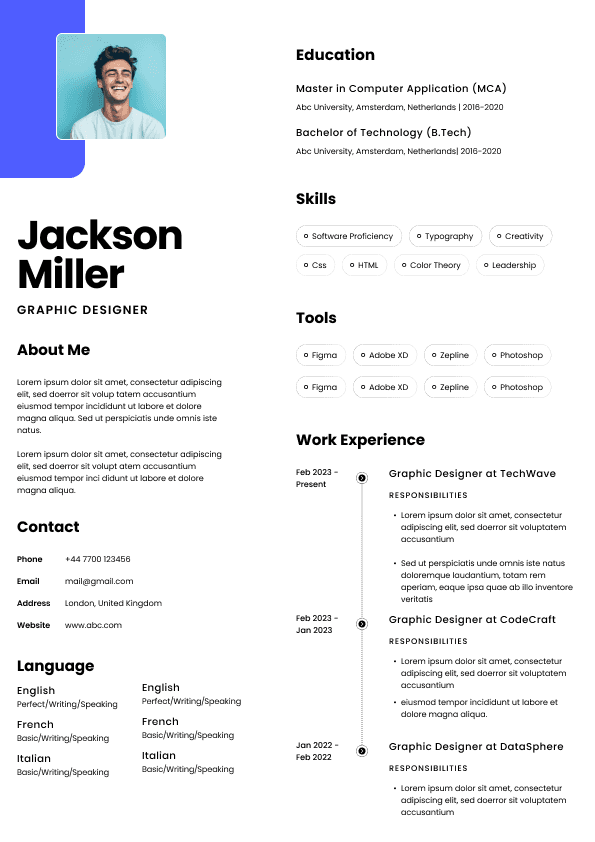
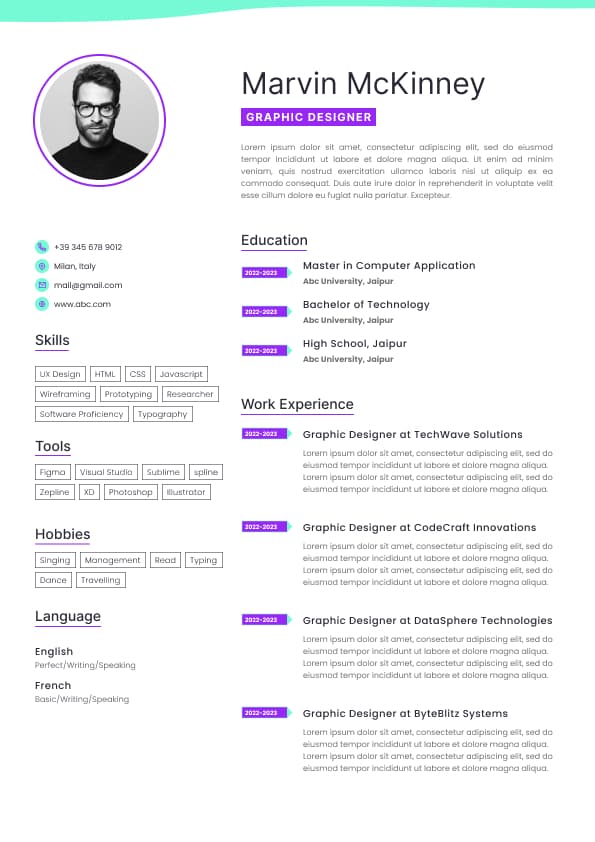
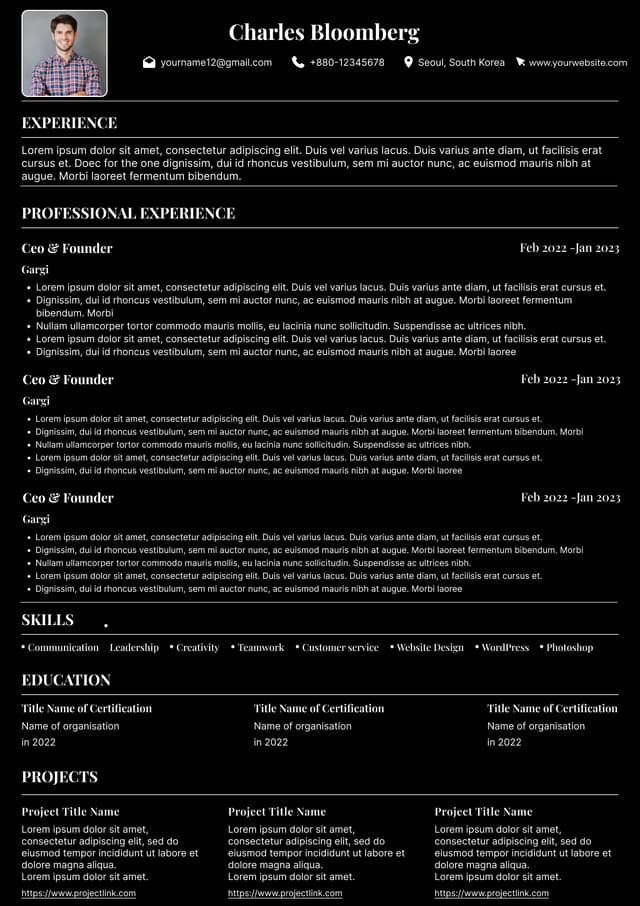
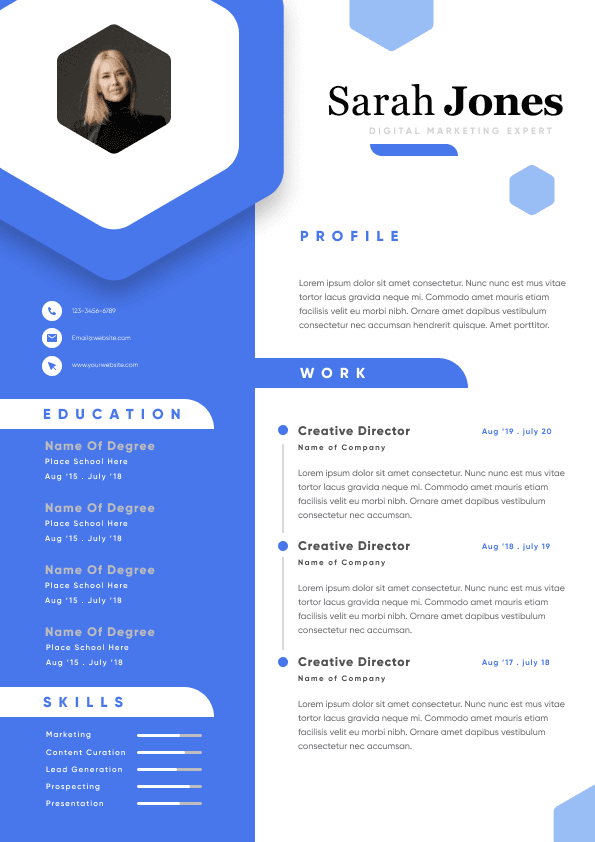
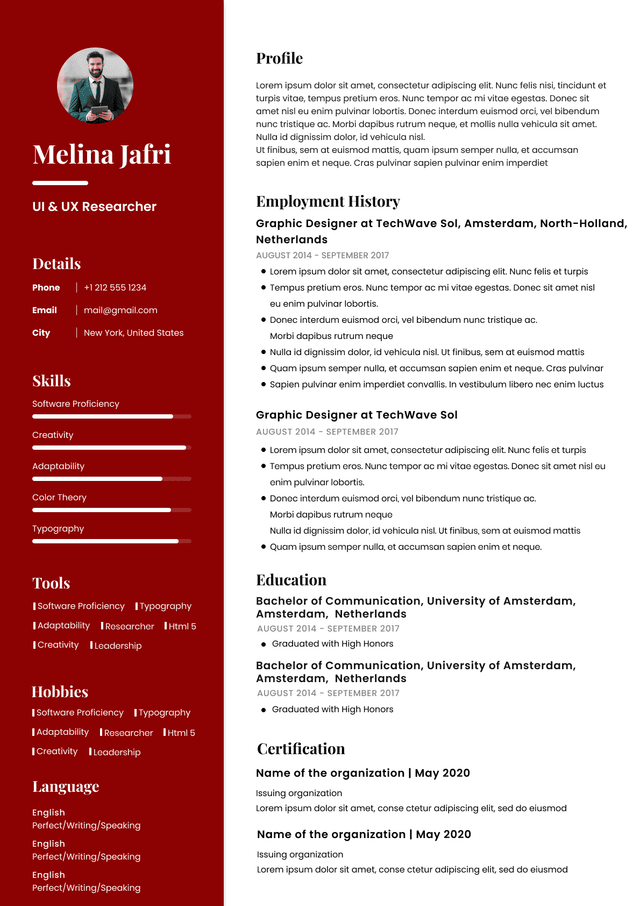
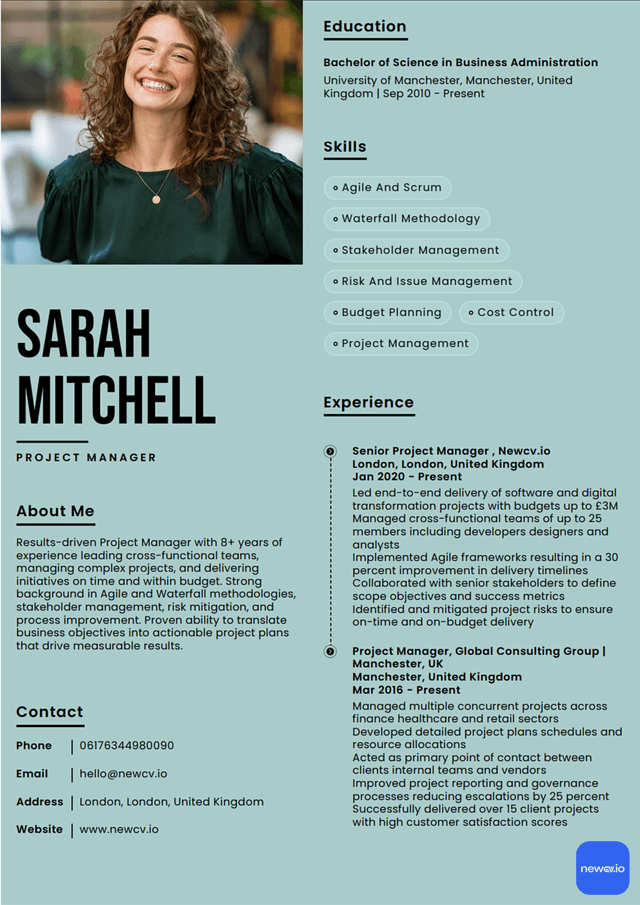
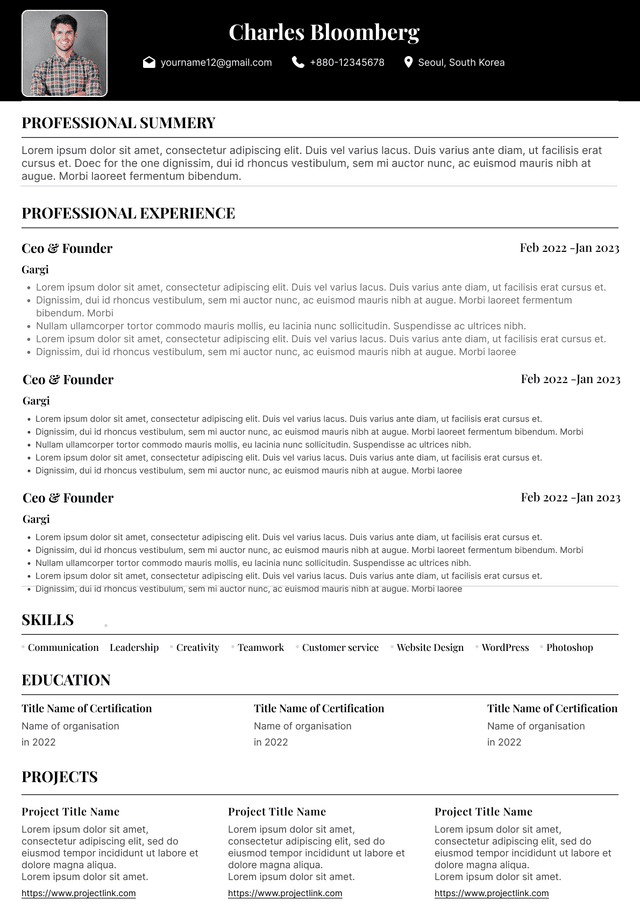
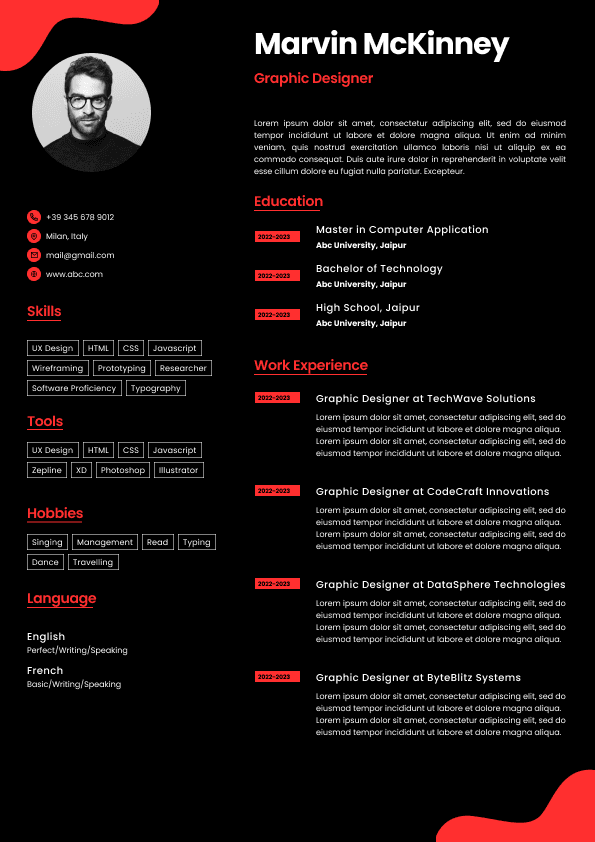
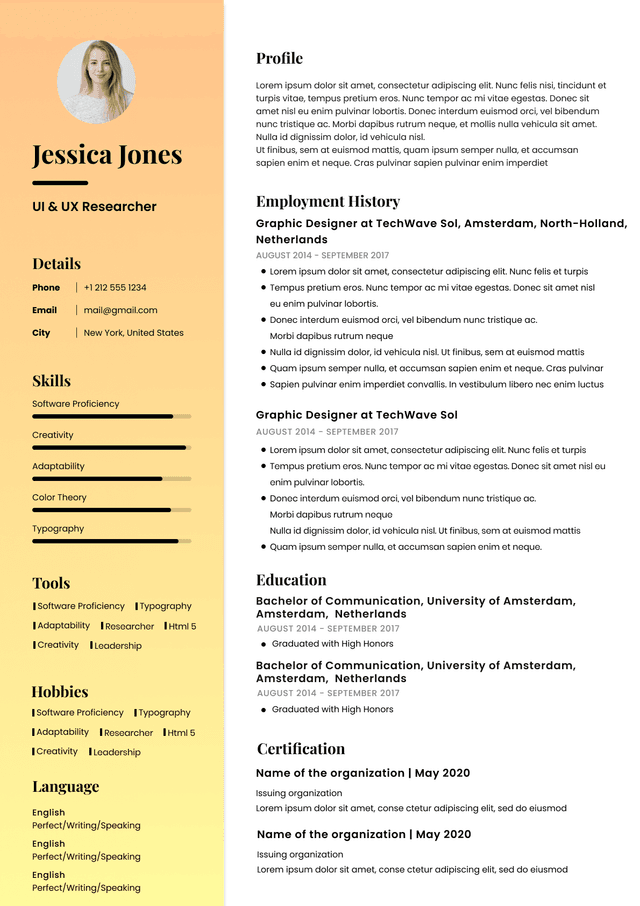
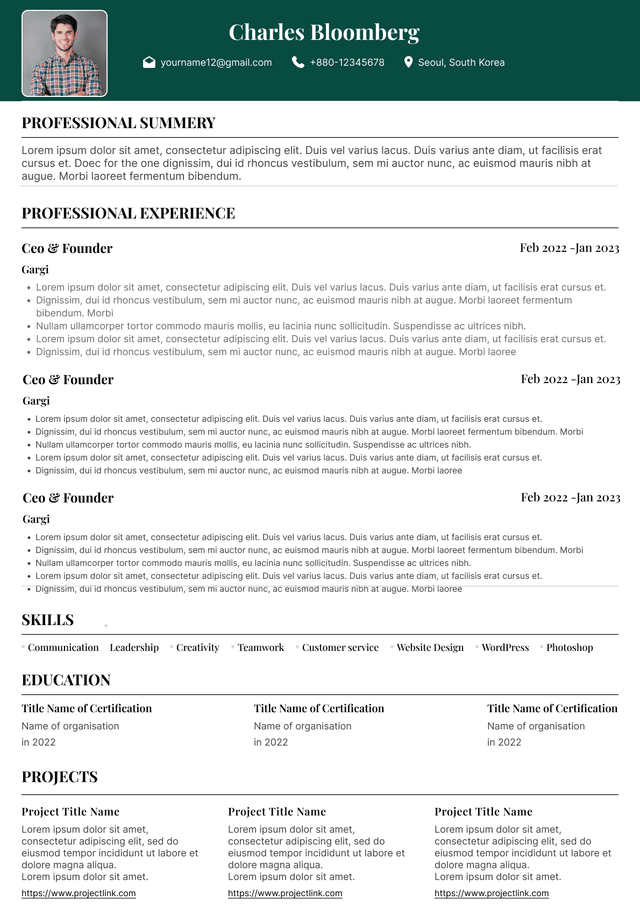
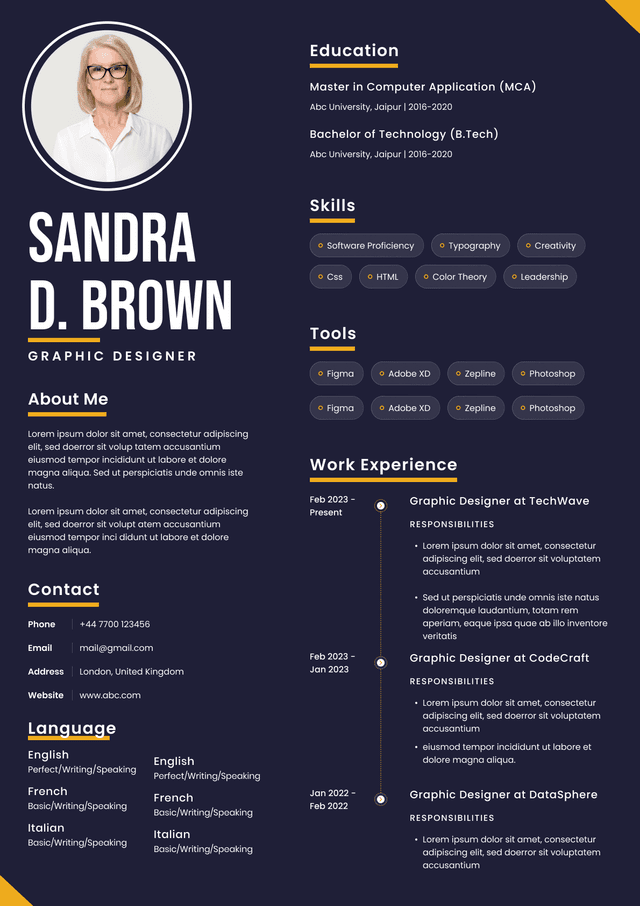
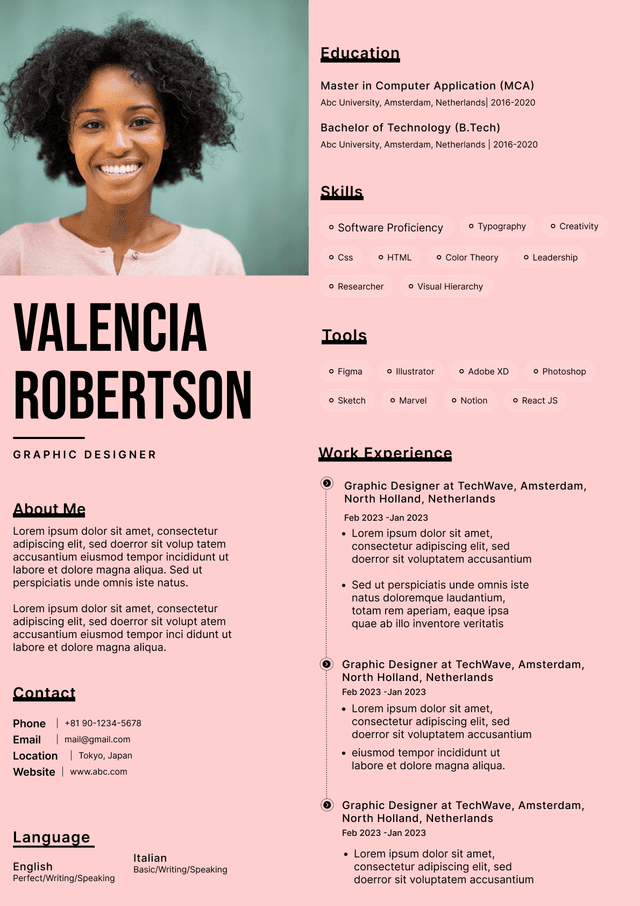
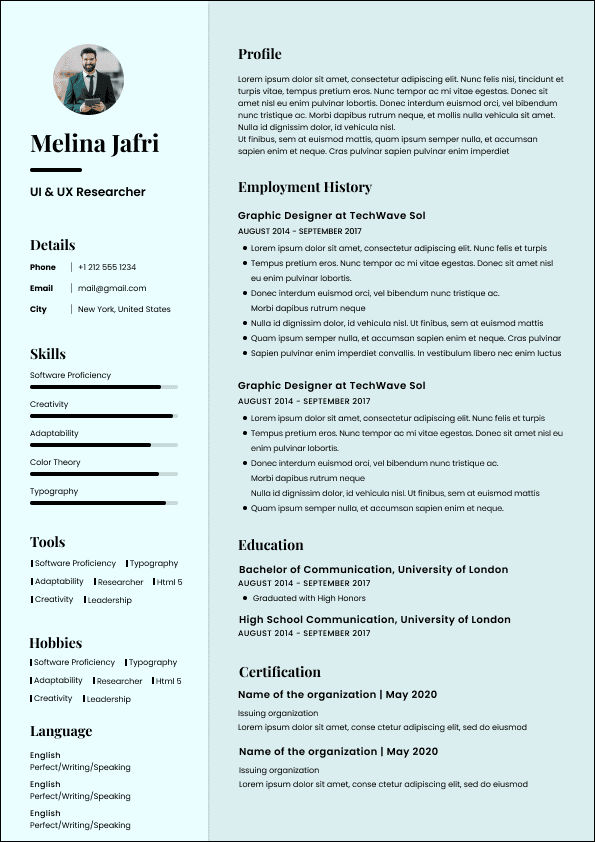
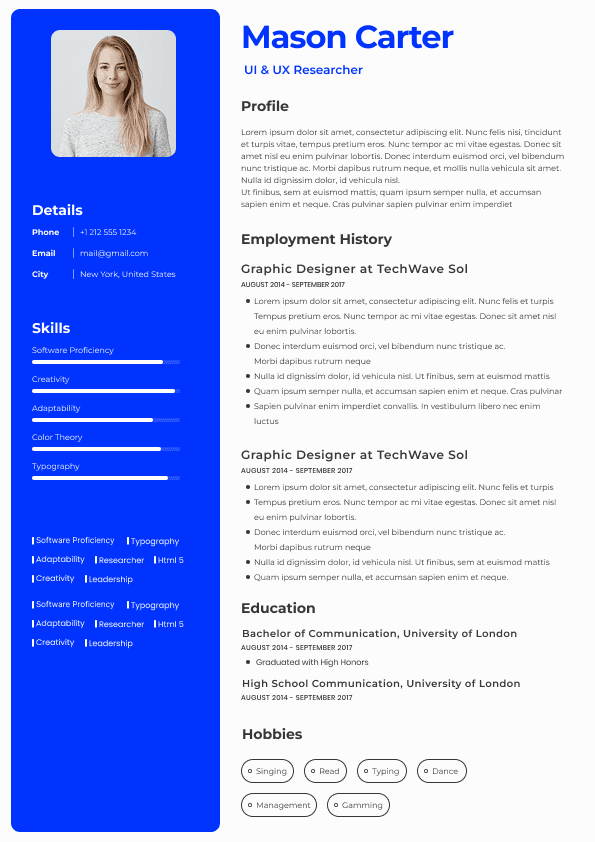
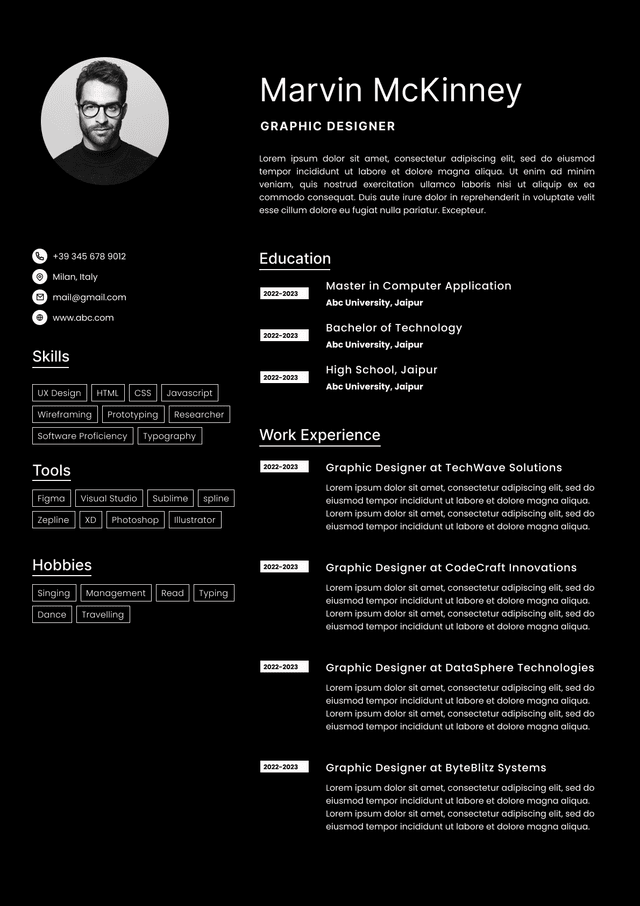
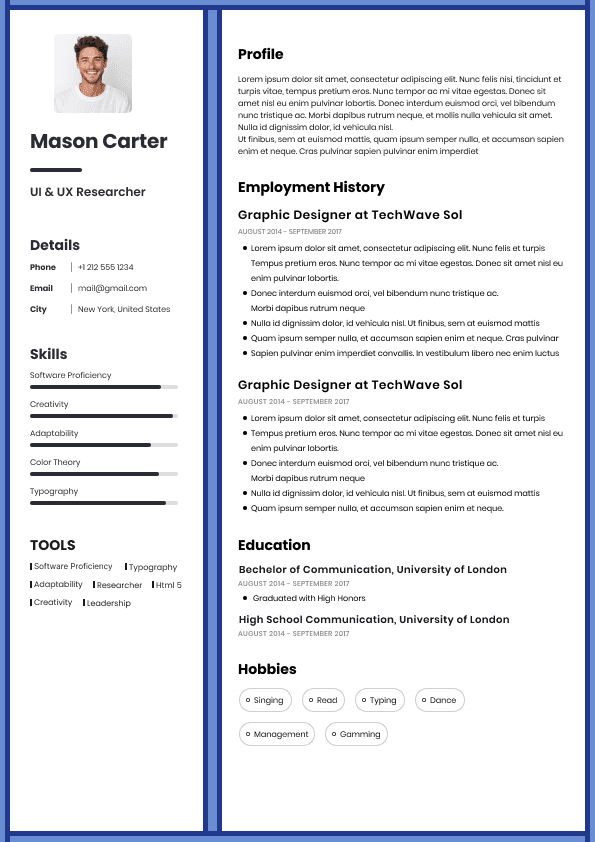
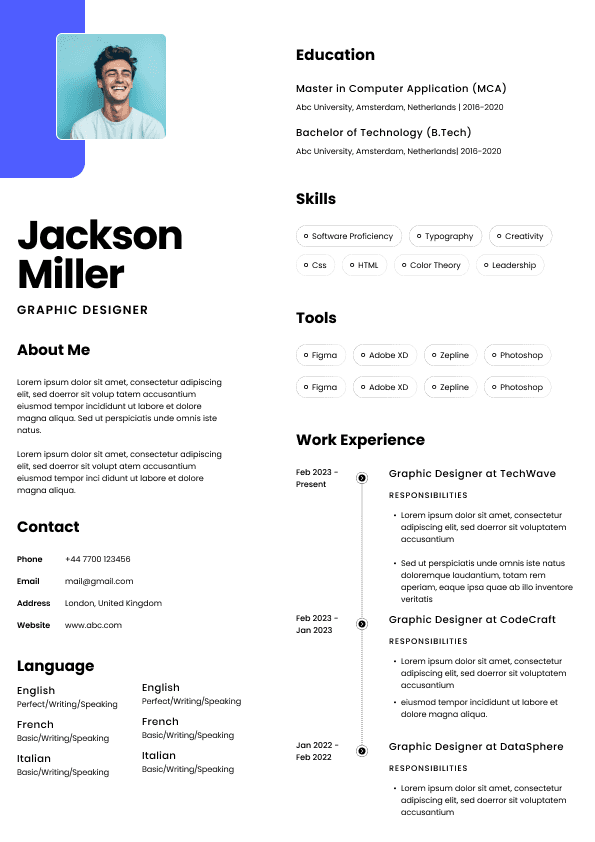
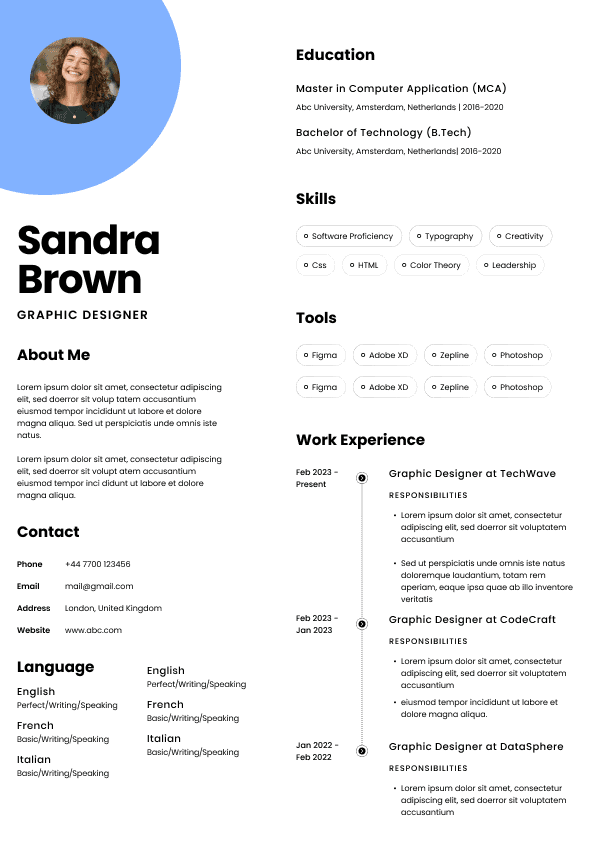
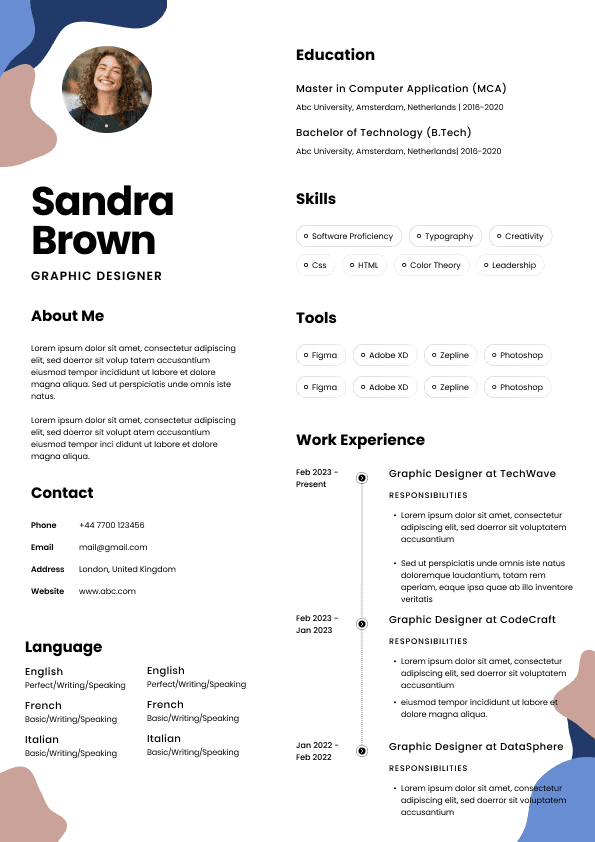
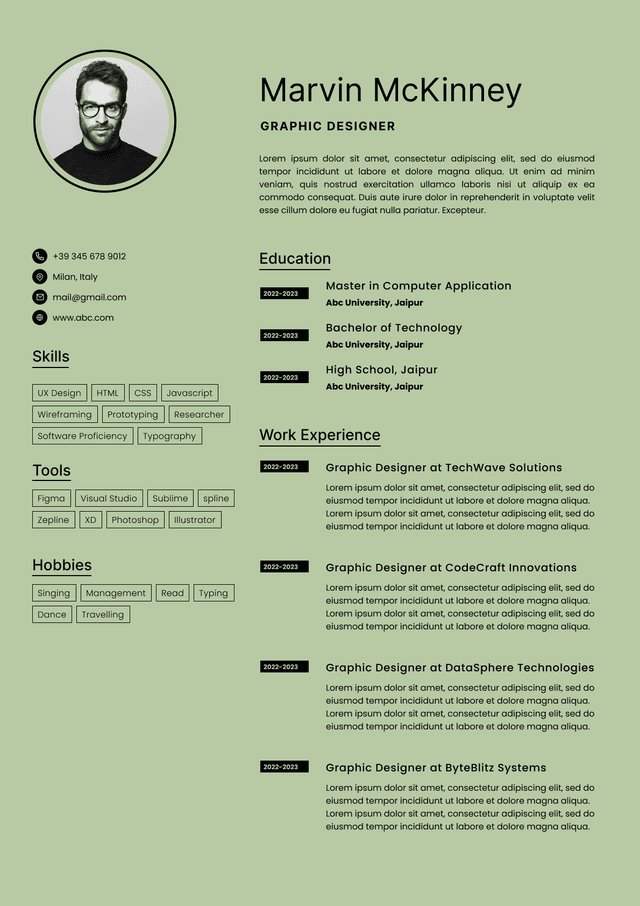
Choose from a wide range of NEWCV resume templates and customize your NEWCV design with a single click.
FAQ

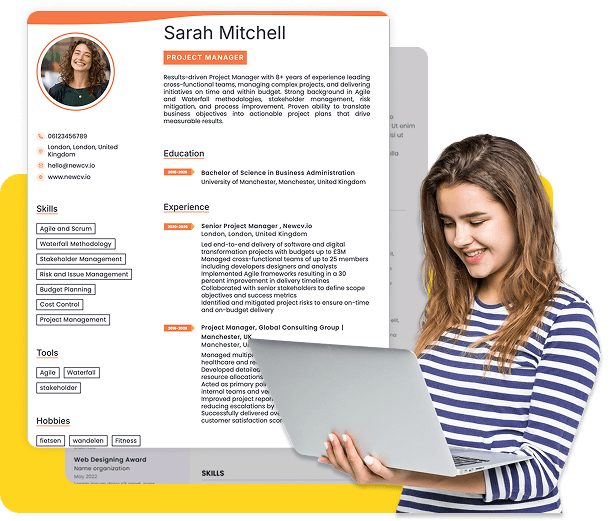
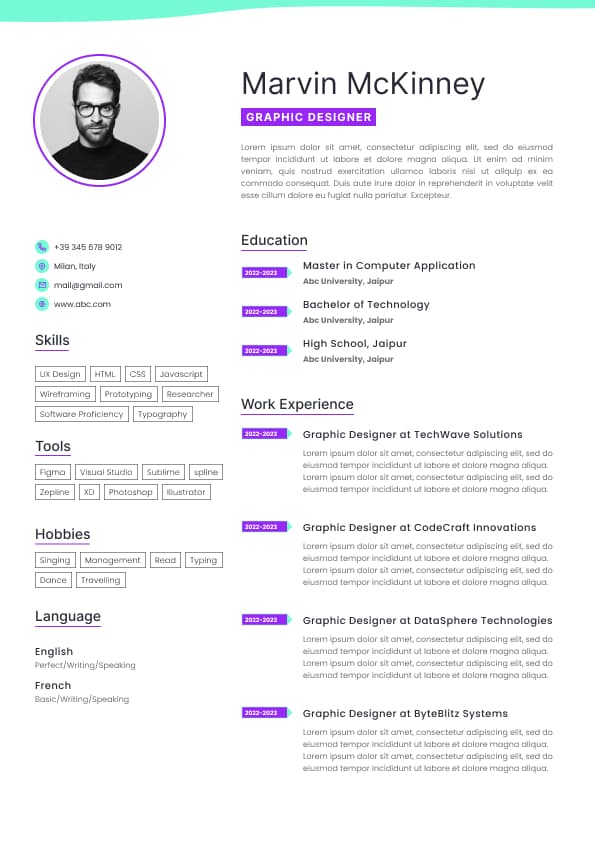
Use professional field-tested resume templates that follow the exact Resume rules employers look for.
Create ResumeIf you are applying to TypeScript developer jobs that need immediate hires, your resume must communicate one thing within the first 10 seconds: you can contribute fast with minimal onboarding risk.
That is how recruiters screen urgent engineering roles.
Companies hiring quickly for TypeScript developers are usually dealing with product deadlines, client delivery pressure, production issues, migration projects, understaffed engineering teams, or rapid growth. They are not looking for theoretical potential. They want developers who can enter an existing codebase and deliver immediately.
A strong TypeScript developer resume for fast hiring needs:
Clear TypeScript specialization
Immediate availability signals
Modern frontend or full-stack stack alignment
ATS-friendly formatting
Quick-scan readability
Production-ready project experience
Startup or sprint-delivery credibility
Easy access to GitHub, portfolio, and deployed applications
Most candidates fail because their resume looks generic, overloaded, or unclear about what they can actually ship. The resumes that move fastest through recruiter pipelines are highly targeted, technically specific, and optimized for rapid hiring workflows.
Urgent hiring completely changes resume evaluation behavior.
Recruiters and engineering managers do not review these resumes the same way they review executive or long-cycle enterprise hiring candidates.
In fast-moving TypeScript hiring environments, reviewers scan for:
Immediate technical fit
Stack overlap
Availability
Deployment readiness
Communication clarity
Production experience
Team onboarding risk
Ability to contribute within existing architecture
Most resume reviews for these jobs happen in under 30 seconds initially.
The strongest candidates instantly show:
React + TypeScript expertise
Next.js or Node.js experience
API integration capability
Modern frontend tooling
Cloud deployment familiarity
CI/CD awareness
Agile sprint participation
Recent hands-on coding work
Hiring managers are trying to answer this question quickly:
“Can this developer start contributing this sprint?”
Your resume must make that answer obvious.
Fast-hire resumes should prioritize scan speed over excessive detail.
Recruiters hiring urgently do not want dense paragraphs or academic-style formatting.
The best structure is:
Include:
Full name
Phone number
Professional email
GitHub
Portfolio
Location
Time zone if remote
Work authorization if relevant
Your headline should instantly position your specialization.
Good Example
TypeScript Developer | React | Next.js | Node.js | AWS
Weak Example
Software Engineer Seeking New Opportunities
The weak version wastes valuable recruiter scanning time.
This section dramatically improves response rates for urgent hiring.
Include lines such as:
Available for immediate interview
Open to remote, hybrid, onsite, contract, or contract-to-hire roles
Available for rapid onboarding
Experienced contributing to existing TypeScript codebases
Able to support sprint delivery immediately
This works especially well for:
Startup hiring
Contract staffing
Consulting projects
Product launches
Short-notice engineering gaps
For urgent hiring, your technical skills section should appear near the top.
Do not bury your stack underneath years of experience.
Recruiters searching ATS systems often filter resumes directly using stack keywords.
The most valuable TypeScript hiring keywords currently include:
TypeScript
React
Next.js
Node.js
NestJS
JavaScript ES6+
GraphQL
REST APIs
PostgreSQL
Prisma
MongoDB
Docker
AWS
Vercel
CI/CD
Jest
Cypress
Playwright
GitHub Actions
Agile
Scrum
Organize skills cleanly.
Languages: TypeScript, JavaScript, SQL
Frontend: React, Next.js, Redux, Tailwind CSS
Backend: Node.js, NestJS, Express.js
Databases: PostgreSQL, Prisma, MongoDB
Cloud & DevOps: AWS, Docker, CI/CD, GitHub Actions, Vercel
Testing: Jest, Cypress, Playwright
This layout improves ATS parsing and recruiter readability simultaneously.
Many developers describe responsibilities instead of business impact and delivery speed.
That is a major mistake in immediate-hire environments.
Urgent hiring managers care about:
Delivery velocity
Production ownership
Reliability
Scalability
Team contribution
Existing codebase experience
Instead of this:
Weak Example
Use this:
Good Example
The second version signals:
Scale
Ownership
Delivery
Reliability
Production readiness
That is what gets interviews.
Fast-hiring engineering teams prioritize developers who reduce execution risk.
The most attractive resume signals include:
Existing production environment experience
Fast onboarding capability
Clean collaboration habits
Low-defect deployment history
Ability to work within established architecture
Experience supporting live applications
Strong phrases include:
Contributed to production-ready TypeScript applications
Collaborated in Agile sprint delivery environments
Participated in peer code reviews
Reduced frontend performance bottlenecks
Supported CI/CD deployment pipelines
Delivered features under aggressive sprint deadlines
Worked across frontend and backend TypeScript systems
These phrases align with how engineering leads evaluate operational reliability.
Your summary should be concise and highly targeted.
Avoid generic personality language.
TypeScript Developer with 5+ years of experience building scalable React, Next.js, and Node.js applications in startup and SaaS environments. Experienced delivering production-ready features under aggressive sprint timelines with strong focus on performance, API integration, and frontend architecture. Available for immediate interview and rapid onboarding for remote, contract, or full-time TypeScript engineering roles.
This works because it:
Establishes technical specialization
Shows production experience
Signals speed
Matches recruiter keyword searches
Includes availability
ATS optimization matters heavily for quick-apply platforms.
Especially on:
LinkedIn Easy Apply
Indeed
Dice
Workday
Greenhouse
Lever
Built In
Wellfound
Many candidates are rejected before a human sees the resume.
Use:
Standard section headings
Clean formatting
Single-column layout
Simple fonts
Keyword alignment with job descriptions
Exact technology names
Consistent terminology
Avoid:
Graphics
Tables
Icons
Multi-column formatting
Overdesigned templates
Keyword stuffing
Acronym-only skills
For example, write:
not just
Write:
instead of only:
This improves parsing reliability.
Recruiters increasingly use Boolean searches and ATS filtering.
Your resume should naturally include terms such as:
TypeScript developer
Frontend engineer
Full-stack developer
React developer
Next.js developer
Node.js developer
JavaScript engineer
SaaS platform
API development
Cloud deployment
Server-side rendering
Component architecture
Agile software development
Modern web applications
Unit testing
End-to-end testing
But keyword inclusion alone is not enough.
The keywords must appear inside meaningful accomplishments.
That is where most resumes fail.
Developed reusable React + TypeScript component library that reduced frontend development time by 35%
Improved Lighthouse performance scores from 68 to 94 across core product pages
Integrated GraphQL APIs into Next.js application supporting 200K+ monthly users
Collaborated with product and backend teams to ship sprint-critical features under compressed timelines
Built scalable Node.js and NestJS APIs handling 3M+ monthly requests
Implemented PostgreSQL and Prisma backend architecture reducing query latency by 40%
Automated CI/CD deployment workflows using GitHub Actions and Docker
Supported rapid onboarding into legacy TypeScript codebase for high-priority migration project
Delivered production-ready TypeScript features within first week of contract onboarding
Resolved frontend bugs and deployment blockers for SaaS product release
Worked across remote Agile teams supporting urgent sprint delivery requirements
Integrated third-party APIs and authentication systems under aggressive launch deadlines
Most TypeScript developers unintentionally weaken their resume positioning.
Avoid vague titles like:
Software Engineer
Developer
Programmer
Use accurate market-facing titles instead:
TypeScript Developer
Frontend Engineer
Full-Stack TypeScript Developer
React TypeScript Developer
This improves recruiter matching.
If the role is TypeScript-focused, do not overload the resume with unrelated technologies.
Overly broad resumes dilute positioning.
Fast hiring favors specialization clarity.
For TypeScript roles, recruiters frequently check:
GitHub activity
Live applications
Portfolio quality
Deployment capability
Even strong resumes lose momentum without proof of practical coding work.
Recruiters skim.
Dense text lowers interview conversion rates.
Use:
Short bullet points
Technical clarity
Measurable outcomes
Strong action verbs
Certifications rarely replace experience, but they can improve recruiter confidence during urgent hiring.
Especially for:
Junior developers
Career changers
Contract applicants
Remote candidates
Strong certifications include:
AWS Certified Developer
AWS Solutions Architect
Microsoft Azure Developer Associate
Google Professional Cloud Developer
Meta Front-End Developer Professional Certificate
IBM Full Stack Software Developer Professional Certificate
GitHub Foundations Certification
GitHub Actions Certification
Scrum Master Certification
CompTIA Security+
The best approach is pairing certifications with real projects.
Entry-level candidates often assume they cannot qualify for urgent hiring.
That is not always true.
Fast-growing startups and staffing agencies frequently hire junior developers if they can demonstrate:
Deployment capability
Clean TypeScript fundamentals
Real project work
Strong communication
Fast learning ability
Include:
GitHub repositories
Deployed applications
Technical projects
Hackathons
Freelance work
Internship experience
Open-source contributions
Strong project positioning matters more than inflated claims.
That sounds far stronger than:
Specificity builds credibility.
Remote TypeScript jobs receive extremely high applicant volume.
Your resume must reduce uncertainty quickly.
Remote hiring managers look for:
Communication reliability
Self-management
Async collaboration
Documentation habits
Distributed team experience
Strong remote signals include:
Worked across distributed Agile teams
Collaborated asynchronously using Jira, Slack, and GitHub
Participated in remote sprint planning and code reviews
Maintained technical documentation for onboarding and deployment workflows
Also include:
Time zone
Remote preference
Availability overlap with US teams if relevant
This reduces friction during screening.
The strongest bullet point formula is:
Example:
This formula works because it combines:
Technical credibility
Execution capability
Business outcome
Most weak resumes stop at the technical skill.
Strong resumes show operational impact.
Before submitting your TypeScript developer resume, verify:
TypeScript specialization is obvious within 5 seconds
React, Next.js, Node.js, or relevant stack appears clearly
Resume is ATS-friendly
Contact information works
GitHub and portfolio links are active
Availability is visible
Resume matches target role keywords
Bullet points include measurable impact
Formatting is clean on desktop and mobile
No spelling or spacing inconsistencies exist
Resume length stays focused and scannable
For fast hiring, clarity beats creativity almost every time.
Use ATS-optimised Resume and resume templates that pass applicant tracking systems. Our Resume builder helps recruiters read, scan, and shortlist your Resume faster.

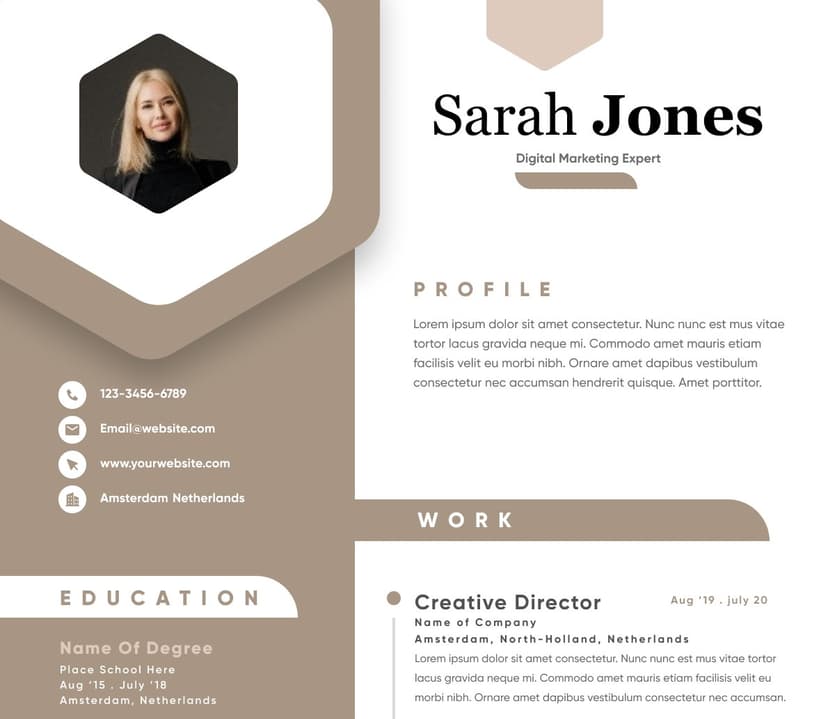
Use professional field-tested resume templates that follow the exact Resume rules employers look for.
Create Resume


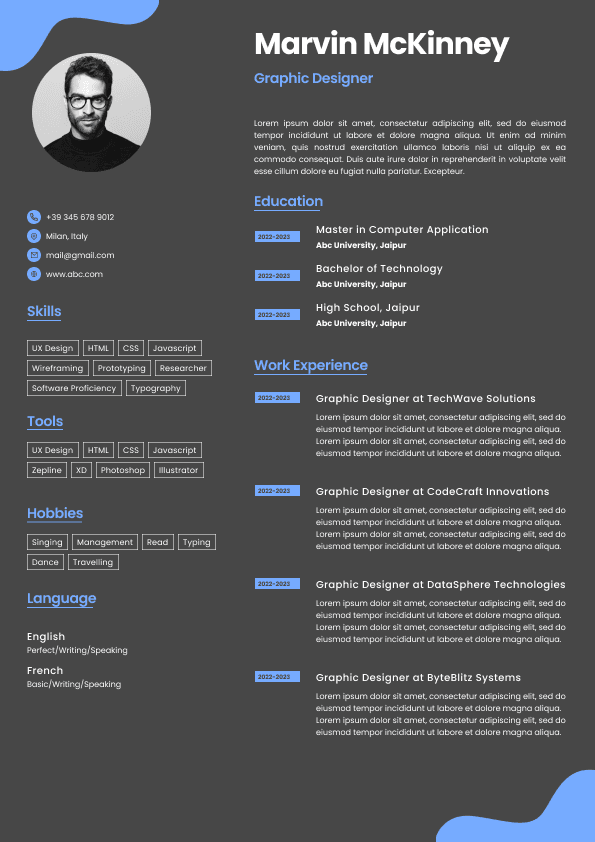
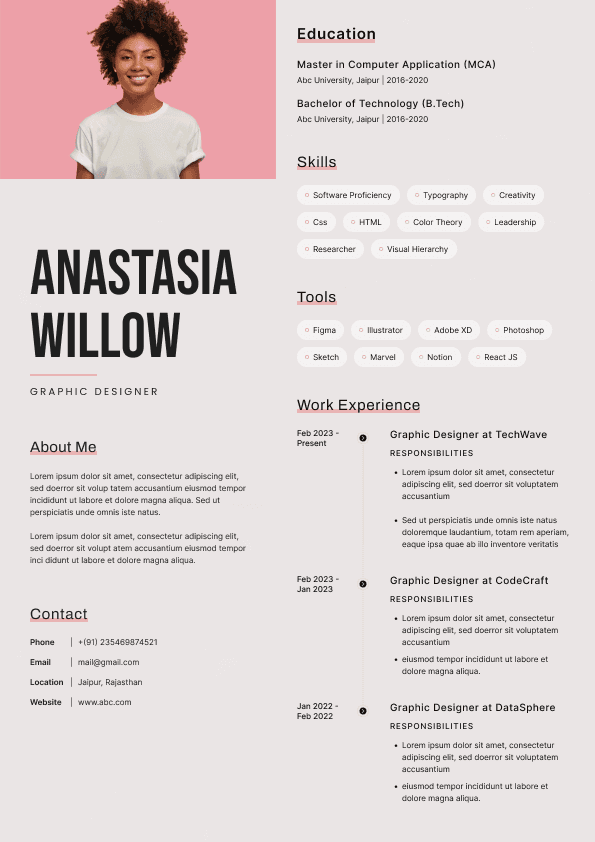
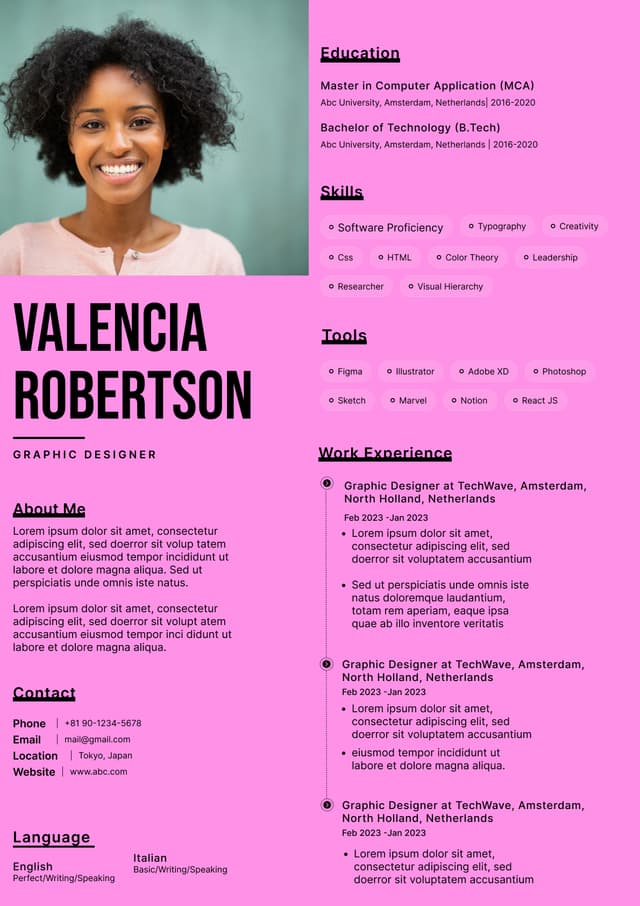
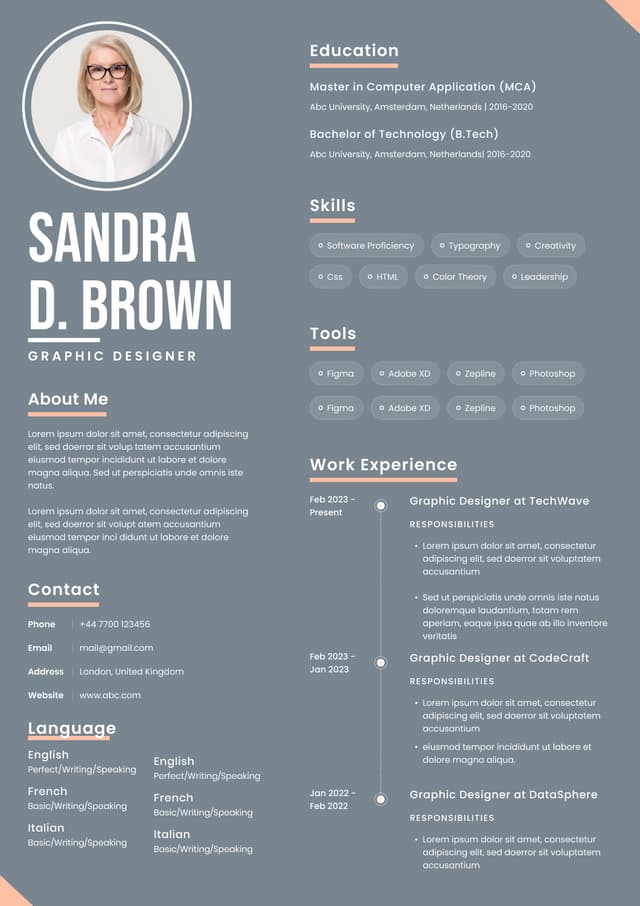
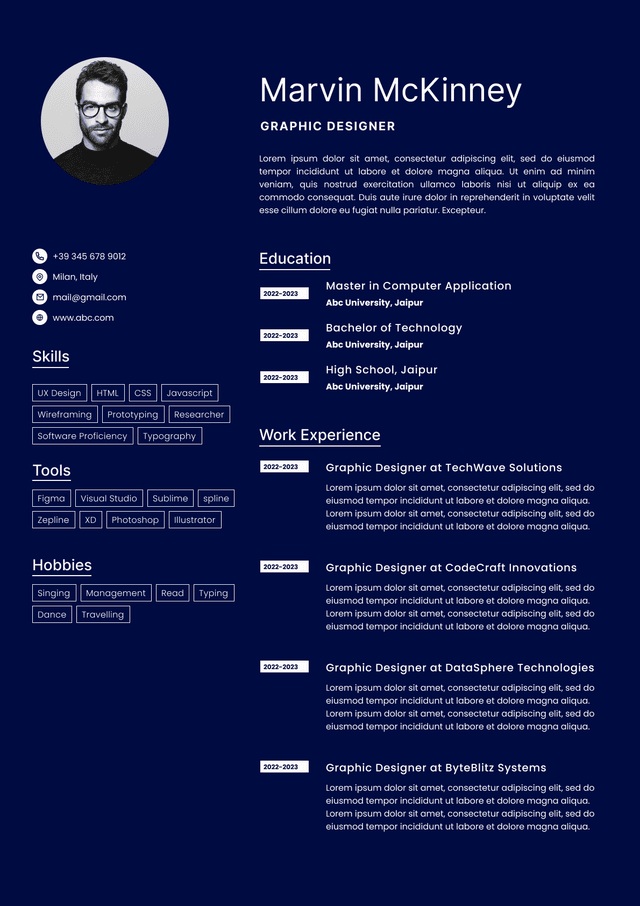
 Upload Resume
 Import from Linkedin