STILL APPLYING. STILL HEARING NOTHING?BUILD YOUR RESUME

STILL APPLYING. STILL HEARING NOTHING?BUILD YOUR RESUME
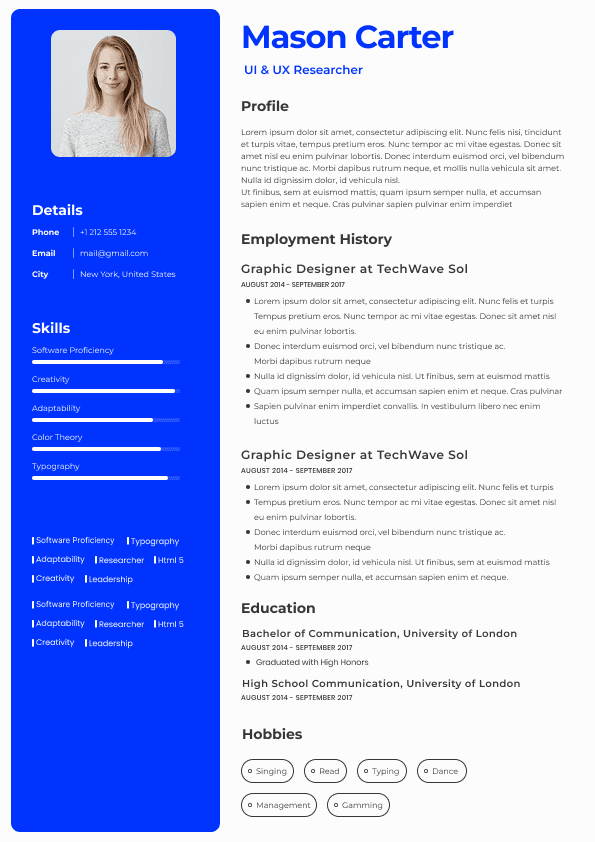
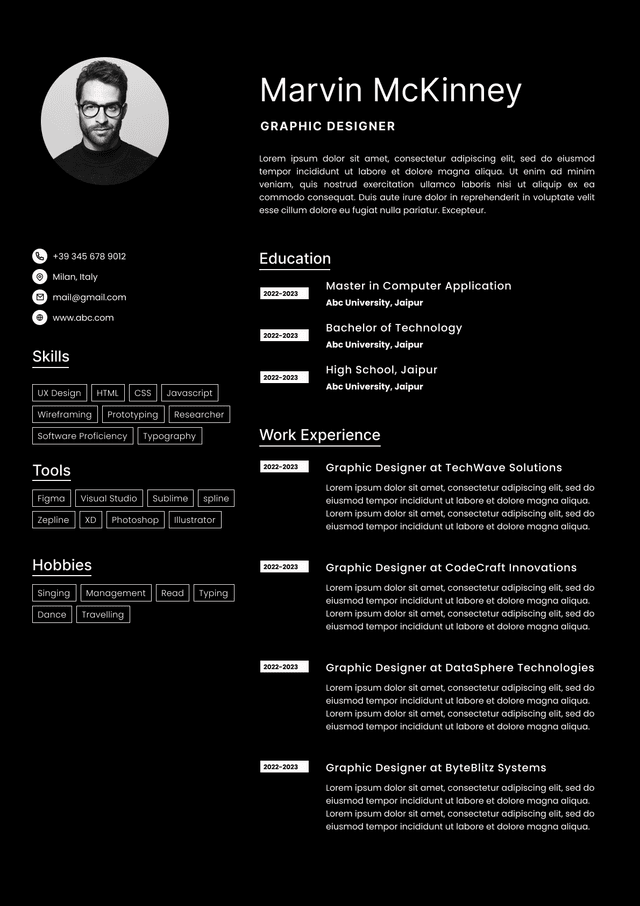
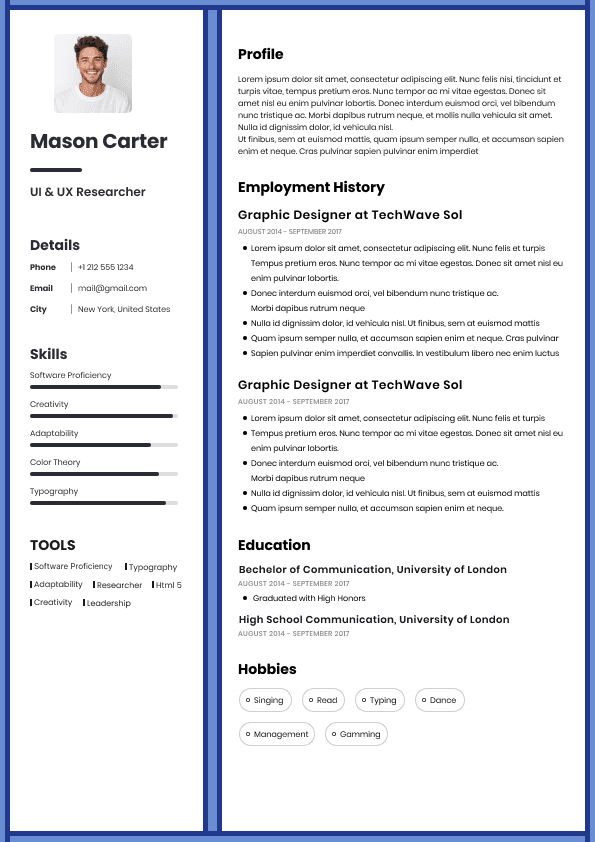
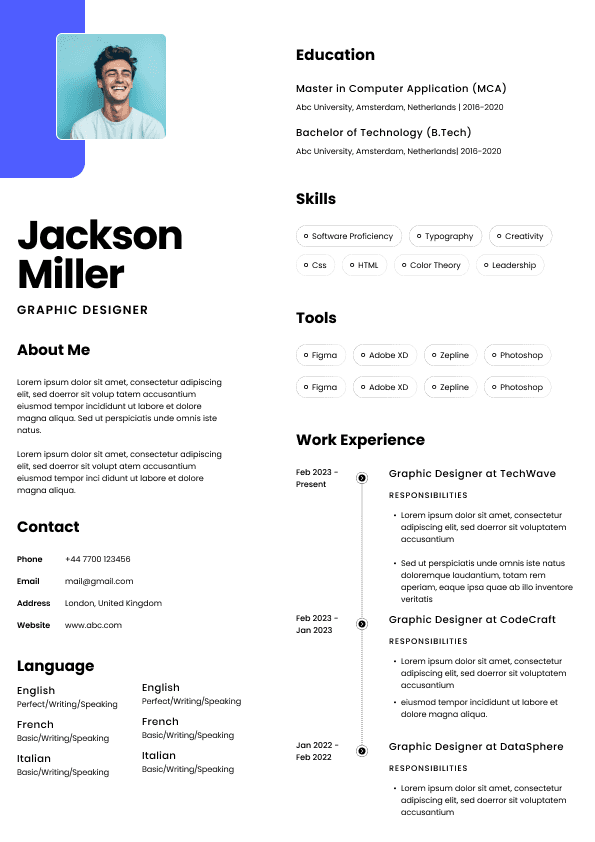
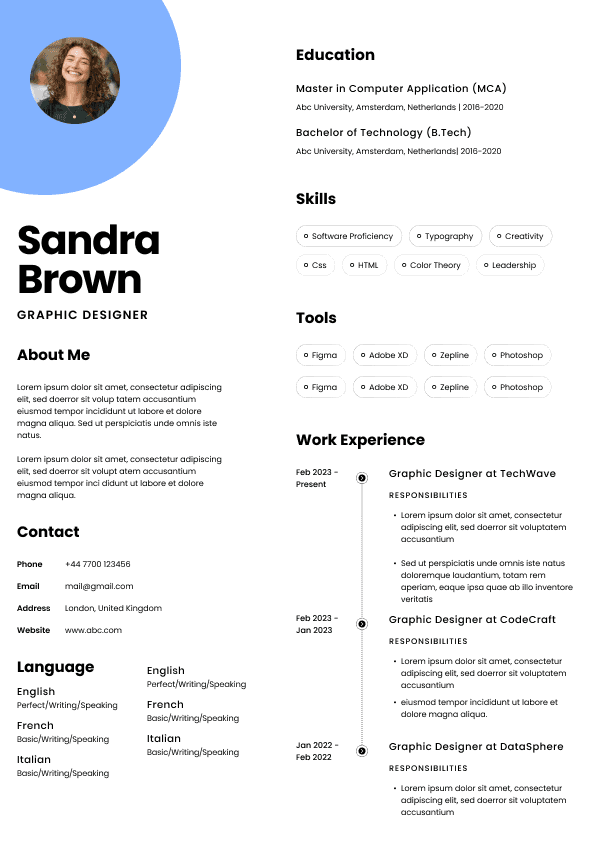
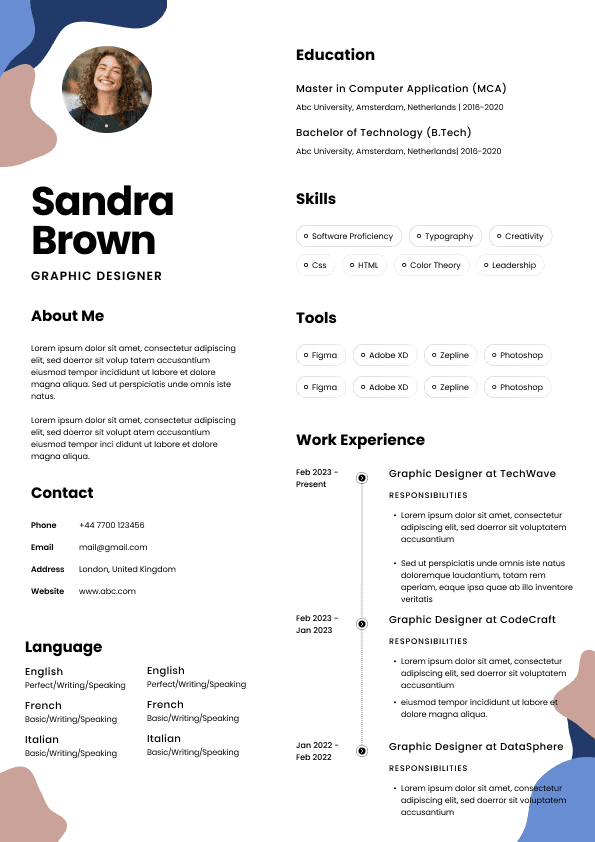
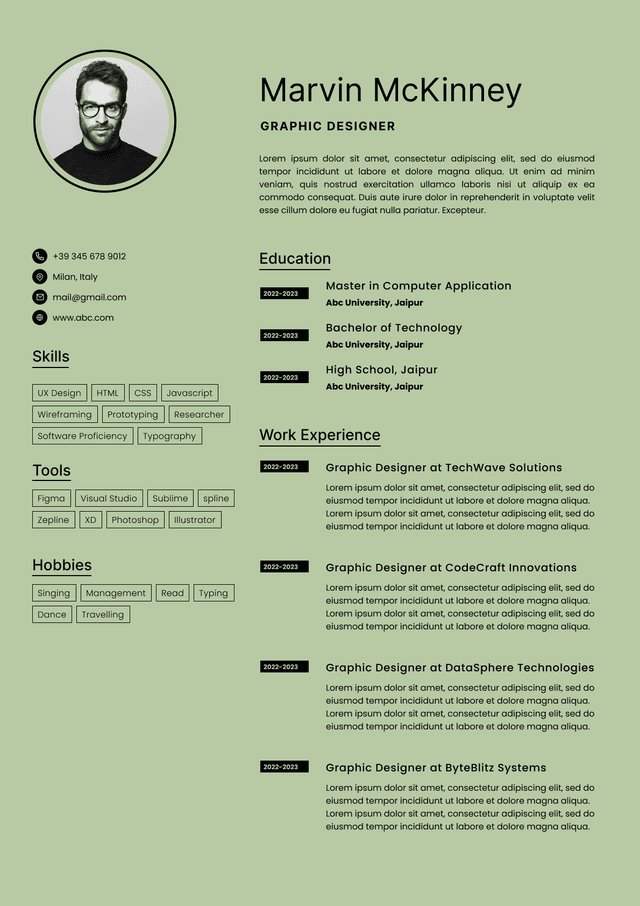
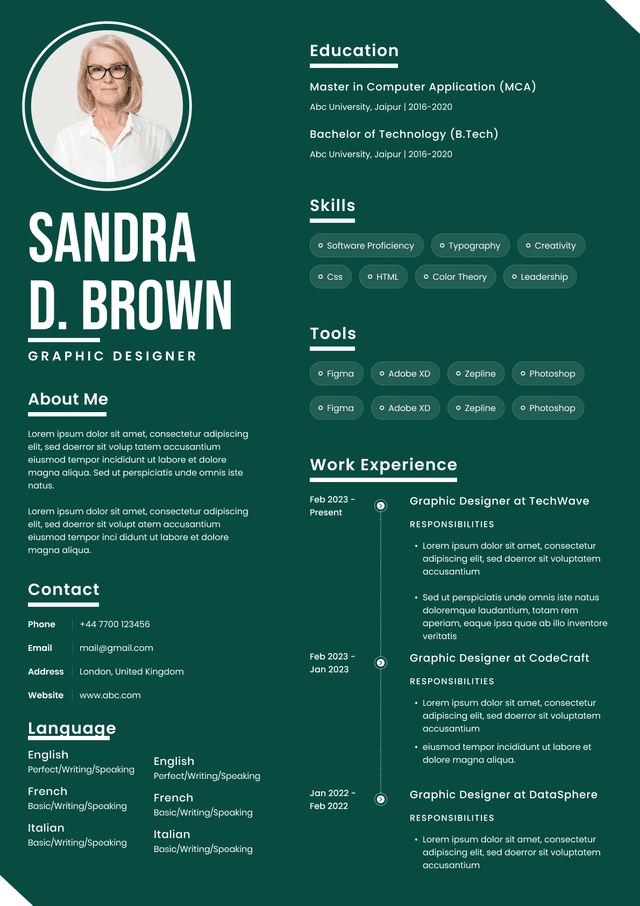
Choose from a wide range of NEWCV resume templates and customize your NEWCV design with a single click.
FAQ
A TypeScript developer resume should not look the same for every job type. Recruiters and hiring managers evaluate full-time, contract, freelance, remote, and temporary candidates differently, even when the technical stack is identical. A resume that performs well for a full-time SaaS engineering role will often fail for a contract-based migration project or freelance frontend engagement.
The biggest mistake TypeScript developers make is using one generic resume for every application. Hiring teams screen based on employment structure, delivery expectations, collaboration style, onboarding speed, ownership level, and risk. Your resume must align with how that specific role is evaluated.
For example:
Full-time roles prioritize long-term product ownership and collaboration
Contract roles prioritize rapid delivery and adaptability
Freelance roles prioritize independent execution and client outcomes
Most developers optimize only for technical keywords:
TypeScript
React
Node.js
Next.js
GraphQL
AWS
That is not enough anymore.
Modern hiring decisions are heavily influenced by operational fit. Recruiters are evaluating:
How quickly you can onboard
Here is how resume evaluation changes depending on employment structure.
| Job Type | Primary Evaluation Focus |
|---|---|
| Full-Time | Ownership, scalability, collaboration, retention potential |
| Contract | Speed, adaptability, delivery history, onboarding efficiency |
| Freelance | Independent execution, client outcomes, communication |
| Part-Time | Reliability, flexibility, scoped contributions |
| Temporary | Immediate availability, stabilization work, short-term impact |
| Remote | Async communication, autonomy, distributed teamwork |
| Hybrid | Cross-functional collaboration and in-office coordination |
| Onsite | Team integration and operational consistency |
Most resumes fail because they communicate the wrong working model.
A full-time engineering resume overloaded with short-term contracts can create retention concerns.
A contract resume focused on long-term architecture discussions can make recruiters question delivery speed.
Positioning matters.
Full-time hiring managers want developers who can contribute beyond isolated tickets.
They look for:
Product ownership
Engineering consistency
Maintainable architecture
Collaboration skills
Long-term scalability thinking
Process maturity
Reliability across releases
Your resume should communicate stability and engineering depth.
Contract hiring is outcome-driven.
Recruiters and staffing agencies care less about tenure and more about:
Speed
Adaptability
Delivery capability
Existing stack alignment
Minimal onboarding risk
Contract resumes should feel sharper, more tactical, and more implementation-focused.
They scan for:
Rapid onboarding
Freelance hiring is trust-based.
Clients want confidence that you can:
Work independently
Communicate clearly
Deliver without hand-holding
Solve business problems quickly
Manage priorities
Freelance resumes should feel client-oriented, not corporate.
Freelancers are evaluated on:
Delivery reliability
Remote engineering hiring has become significantly more selective.
Companies now screen heavily for:
Self-management
Async communication
Documentation quality
Distributed collaboration
Reliability without supervision
A technically strong candidate can still get rejected if the resume creates operational concerns.
Remote resumes should demonstrate:
Ownership without micromanagement
Part-time hiring is usually about scoped execution and reliability.
Managers want developers who can:
Deliver independently
Require minimal oversight
Handle flexible scheduling
Maintain productivity in limited hours
They evaluate:
Time management
Efficiency
Temporary hiring is usually tied to urgent operational needs.
These roles often involve:
Bug fixing
Production support
Migration assistance
Release stabilization
Team augmentation
Hiring teams want immediate impact.
Good Example
Supported temporary engineering initiative to stabilize TypeScript release pipeline, reducing deployment rollback incidents by 33% during high-traffic retail launch period.
Industry alignment dramatically improves recruiter response rates.
Most TypeScript resumes are too generic.
Adding industry-specific relevance makes your resume more credible and searchable.
SaaS employers prioritize:
Multi-tenant systems
Admin dashboards
Subscription logic
Product analytics
Feature scalability
Good Example
Developed TypeScript-based analytics dashboard for B2B SaaS platform supporting role-based access controls and subscription reporting workflows.
Include:
FinTech companies screen heavily for:
Security awareness
Transaction reliability
API consistency
Compliance sensitivity
Good Example
Built secure TypeScript payment reconciliation interface integrating Stripe APIs and transaction monitoring workflows for PCI-aware financial platform.
Use naturally:
FinTech TypeScript developer
Healthcare hiring managers value:
Security awareness
HIPAA familiarity
Data handling discipline
Reliability
Good Example
Developed HIPAA-aware patient portal features using React and TypeScript, improving appointment scheduling efficiency while maintaining secure PHI workflows.
Include:
Healthcare TypeScript developer
E-commerce hiring prioritizes:
Conversion optimization
Checkout performance
Search usability
Scalability under traffic spikes
Good Example
Improved TypeScript-based checkout flow performance for e-commerce platform, reducing cart abandonment by 14% during peak seasonal traffic.
Use naturally:
Ecommerce TypeScript developer
AI-focused engineering roles increasingly involve:
LLM integrations
AI chat interfaces
Streaming APIs
Vector search experiences
Good Example
Built TypeScript-based AI chat interface integrating OpenAI APIs with real-time streaming responses and vector-search-assisted knowledge retrieval.
Include:
AI TypeScript developer
Enterprise engineering teams value:
Maintainability
Legacy modernization
Internal tooling
Process maturity
Design systems
Good Example
Led modernization of legacy enterprise CRM workflows into modular TypeScript applications, improving internal operational efficiency across 14 departments.
Use naturally:
Regardless of job type, these sections influence screening outcomes the most.
Your technical skills section should:
Match the target role
Reflect actual proficiency
Include ecosystem alignment
Strong example:
TypeScript
React
Node.js
Next.js
This is the highest-impact section on the resume.
Strong TypeScript experience bullets should include:
Business outcome
Technical implementation
Scope
Scale
Measurable result
Use:
Action + Technology + Scope + Measurable Impact
Good Example
Built TypeScript microfrontend architecture supporting 9 product teams, reducing shared component duplication by 46%.
Weak:
Worked with React and TypeScript.
Strong:
Developed scalable React + TypeScript customer onboarding workflows reducing support ticket volume by 21%.
Hiring managers care about impact, not activity.
Weak:
Responsible for frontend development.
Strong:
Improved frontend rendering performance by 34% through TypeScript refactoring and component optimization.
Examples:
Full-time resume sounding overly freelance-oriented
Contract resume sounding theoretical
Freelance resume lacking business impact
Remote resume missing communication indicators
Listing every framework hurts credibility.
Modern recruiters prefer:
Depth
Relevance
Stack alignment
Modern ATS systems parse:
Role titles
Stack alignment
Industry relevance
Job type matching
Keywords
Experience chronology
But ATS alone does not determine interviews.
Human reviewers still heavily influence:
Resume clarity
The strongest TypeScript developer resumes do not just prove technical skill.
They prove:
Hiring fit
Operational reliability
Delivery capability
Team alignment
Business impact
That is what actually drives interviews.
Before applying, ask:
Does this resume match the hiring model?
Does it reduce perceived risk?


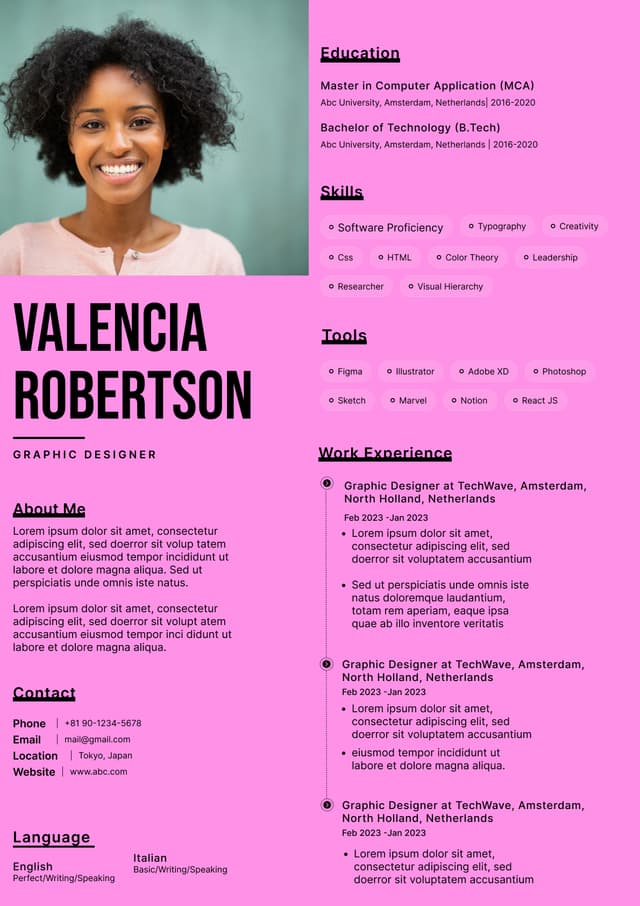
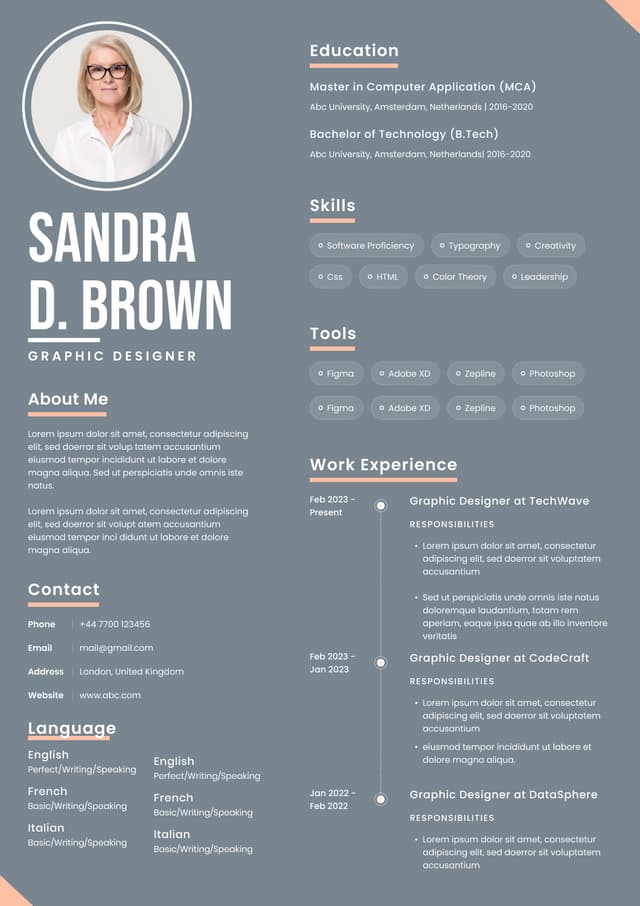
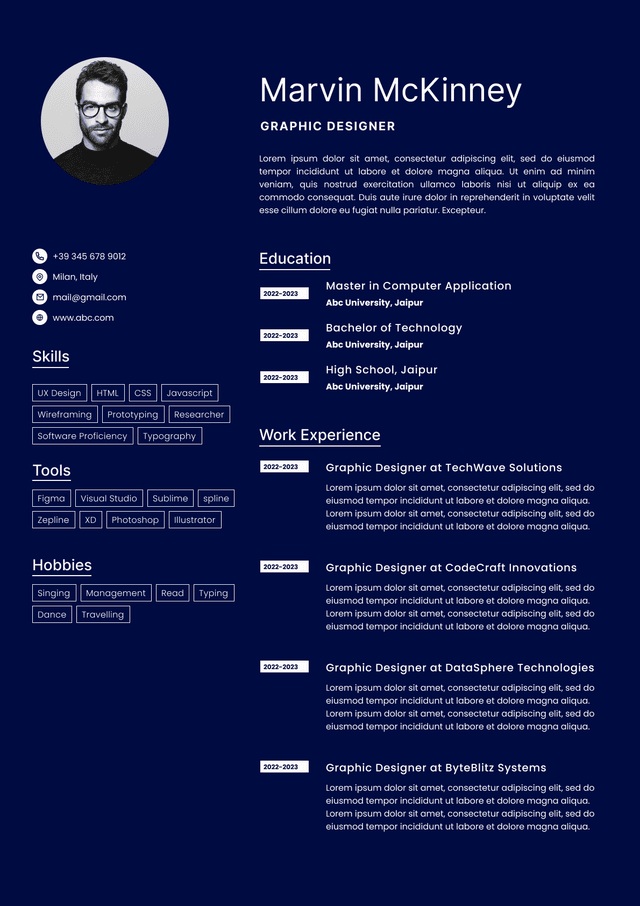
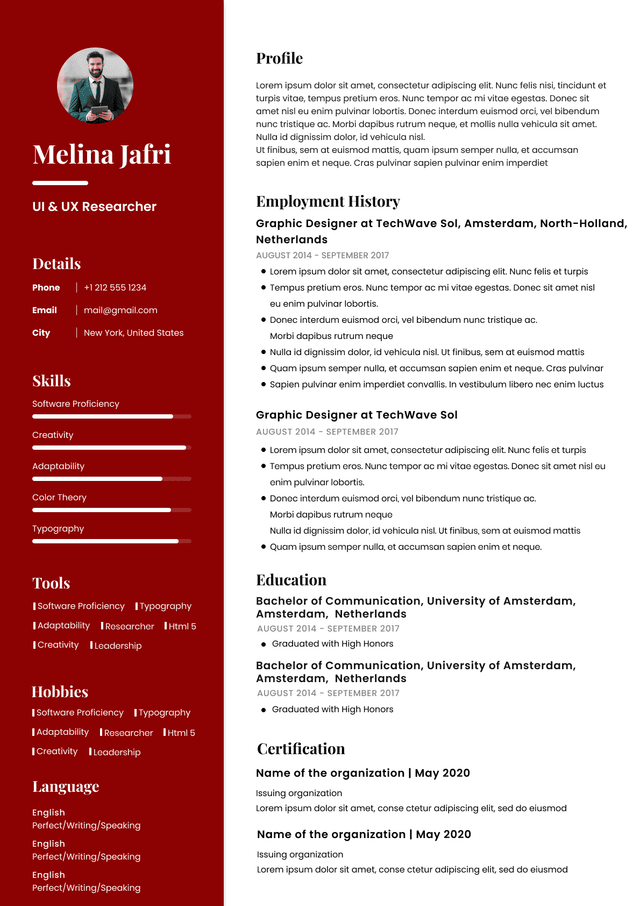
Use ATS-optimised Resume and resume templates that pass applicant tracking systems. Our Resume builder helps recruiters read, scan, and shortlist your Resume faster.

Use professional field-tested resume templates that follow the exact Resume rules employers look for.
Create Resume
Use professional field-tested resume templates that follow the exact Resume rules employers look for.
Create ResumeRemote roles prioritize async communication and self-management
Temporary roles prioritize immediate impact and stabilization work
This guide shows exactly how to position your TypeScript developer resume for each job type so it matches real hiring expectations and improves response rates.
Whether you need supervision
How you communicate
Whether you can handle ambiguity
If you can own systems long term
How reliable you are in distributed teams
Whether your work style matches the hiring model
A staffing agency hiring a TypeScript contractor for a 3-month migration project evaluates candidates completely differently than a SaaS company hiring a senior full-time engineer.
Your resume must reduce perceived hiring risk for the specific engagement model.
Strong signals include:
Multi-year product involvement
Cross-functional collaboration
Feature ownership
Mentoring experience
CI/CD exposure
System scalability improvements
Performance optimization
Production reliability work
Good Example
Led development of a TypeScript-based customer analytics platform serving 120K+ monthly active users, reducing frontend load time by 38% and improving deployment reliability through automated CI/CD workflows.
Why this works:
Shows measurable business impact
Demonstrates ownership
Indicates production-scale experience
Signals long-term engineering involvement
Weak Example
Worked on React and TypeScript projects for company applications.
Why this fails:
No ownership
No outcomes
No scale
No engineering depth
Sounds interchangeable with junior candidates
Naturally include:
Scalable TypeScript applications
Production-grade frontend architecture
Full-stack TypeScript development
Agile engineering collaboration
React TypeScript development
CI/CD pipelines
Long-term product ownership
Enterprise frontend systems
Multiple environments
Migration experience
Legacy modernization
Short-term project wins
API integrations
Release execution
Immediate productivity
Contract resumes should emphasize:
Technologies used
Delivery outcomes
Timeline efficiency
Client/project context
Production impact
Good Example
Migrated 85K+ lines of legacy JavaScript to TypeScript across a healthcare scheduling platform, reducing runtime type-related production errors by 41%.
Good Example
Delivered React + TypeScript payment dashboard integration within 10-week contract timeline for FinTech client processing $4.2M+ monthly transactions.
These bullets work because they:
Emphasize delivery
Show measurable outcomes
Reduce perceived onboarding risk
Signal project-based execution ability
Common failures:
Long generic paragraphs
No measurable outcomes
No mention of timelines
Missing stack specifics
Excessive focus on soft skills
No evidence of rapid adaptation
Use naturally:
TypeScript contractor
Contract frontend developer
JavaScript to TypeScript migration
Independent TypeScript developer
Contract-to-hire engineer
Production stabilization
API integration specialist
Short-term engineering delivery
Scope management
Communication
Client outcomes
Speed of execution
Independent ownership
Good Example
Built a custom TypeScript + Next.js inventory management dashboard for a retail client, reducing manual reporting time from 12 hours weekly to under 2 hours.
Good Example
Developed AI-powered customer support chat interface using TypeScript and OpenAI APIs, improving ticket deflection rate by 27%.
These examples:
Focus on business value
Show client-centered thinking
Demonstrate independent delivery
Strong freelance resumes often include:
Client project summaries
Business impact metrics
End-to-end ownership
Communication-heavy collaboration
Cross-functional execution
Include:
Freelance TypeScript developer
Independent frontend engineer
Remote TypeScript consultant
TypeScript project-based development
Client-facing engineering experience
Startup product development
Async workflow comfort
Cross-time-zone collaboration
Clear communication
Reliable delivery habits
Include experience with:
GitHub collaboration workflows
Jira or Linear ticket management
Remote sprint planning
Distributed engineering teams
Documentation practices
Remote pair programming
Good Example
Collaborated across US and European engineering teams to deliver TypeScript-based SaaS features within fully remote Agile environment supporting 300K+ users.
This works because it:
Shows distributed teamwork
Demonstrates communication ability
Signals remote operational maturity
Avoid:
Generic “remote-ready” statements
Overemphasizing independence without collaboration
Missing communication indicators
No evidence of distributed work environments
Use naturally:
Remote TypeScript developer
Distributed engineering team
Async collaboration
Remote React TypeScript engineer
Fully remote software development
Cross-functional remote delivery
Ownership
Reliability
Communication consistency
Good Example
Delivered React + TypeScript feature enhancements for B2B SaaS dashboard during part-time engagement while maintaining weekly release deadlines.
Focus on:
Independent contributions
Flexible availability
Consistent delivery
Scoped project execution
Reliability under limited hours
They prioritize:
Immediate availability
Fast onboarding
Existing stack familiarity
Short-term execution capability
Use naturally:
Temporary TypeScript developer
Production stabilization
Short-term engineering support
Release support engineer
TypeScript migration support
Immediate availability developer
SaaS TypeScript developer
Multi-tenant architecture
Subscription platform
Product analytics dashboard
B2B SaaS engineering
Payment platform engineer
Secure API integrations
Transaction dashboard
PCI-aware frontend systems
HIPAA-compliant frontend systems
Patient portal engineering
EHR integration workflows
Retail frontend engineering
Checkout optimization
Inventory systems
Product catalog architecture
LLM application development
AI-powered frontend systems
Streaming API integrations
Generative AI interfaces
Enterprise TypeScript developer
Internal tools engineering
ERP integrations
Legacy modernization
Design system architecture
GraphQL
REST APIs
PostgreSQL
AWS
Docker
CI/CD
Jest
Playwright
Avoid:
Inflated keyword dumping
Listing outdated technologies unnecessarily
Including tools you barely used
Positioning
Relevance
Perceived risk
The best resumes optimize for both.
Does it reflect how this role is evaluated?
Does it show measurable outcomes?
Does it align with the employer’s operational needs?
Most developers optimize only for technology.
The candidates getting interviews optimize for hiring psychology.



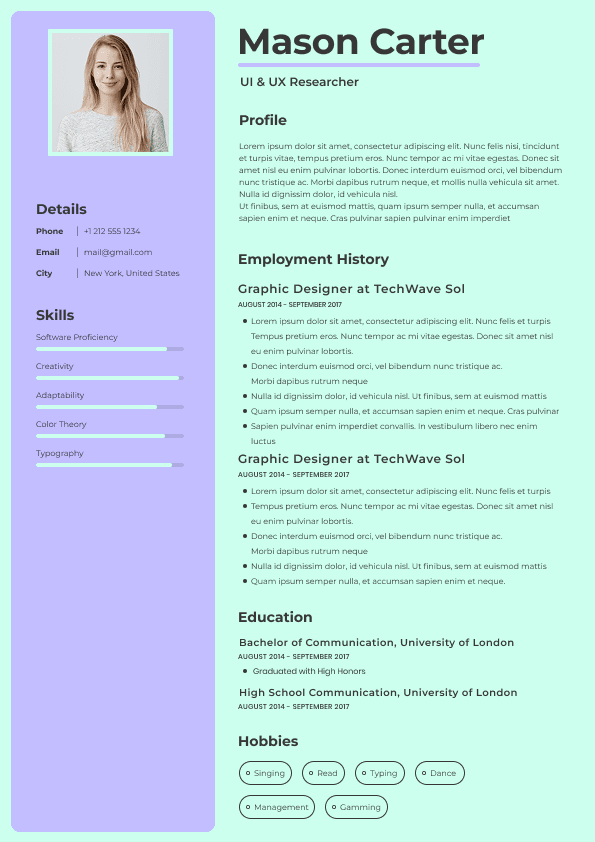
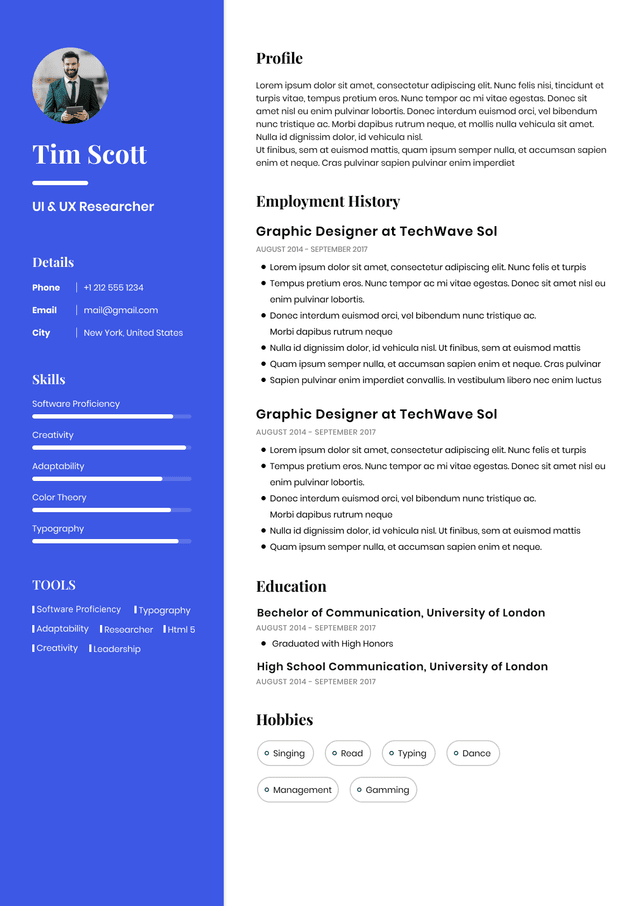
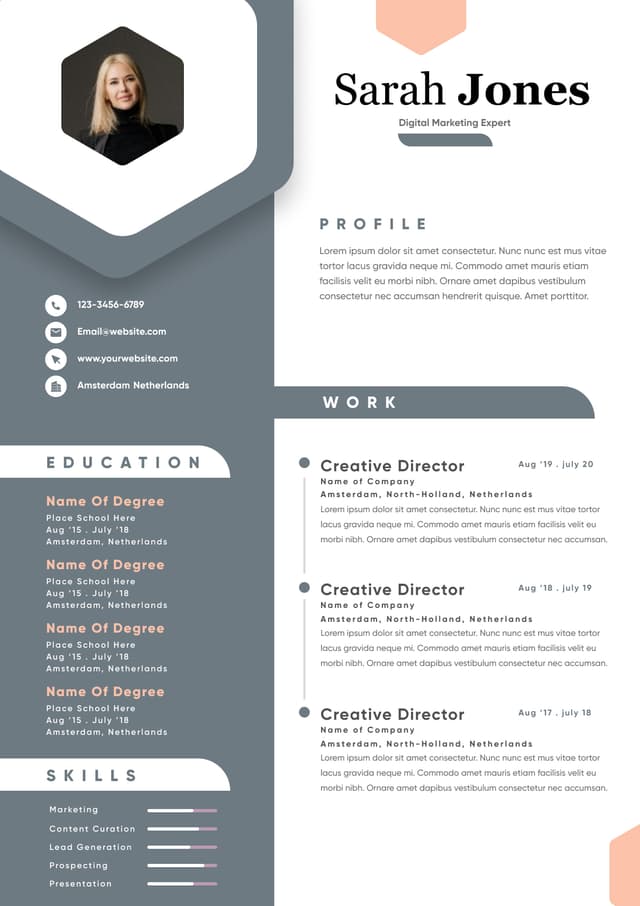
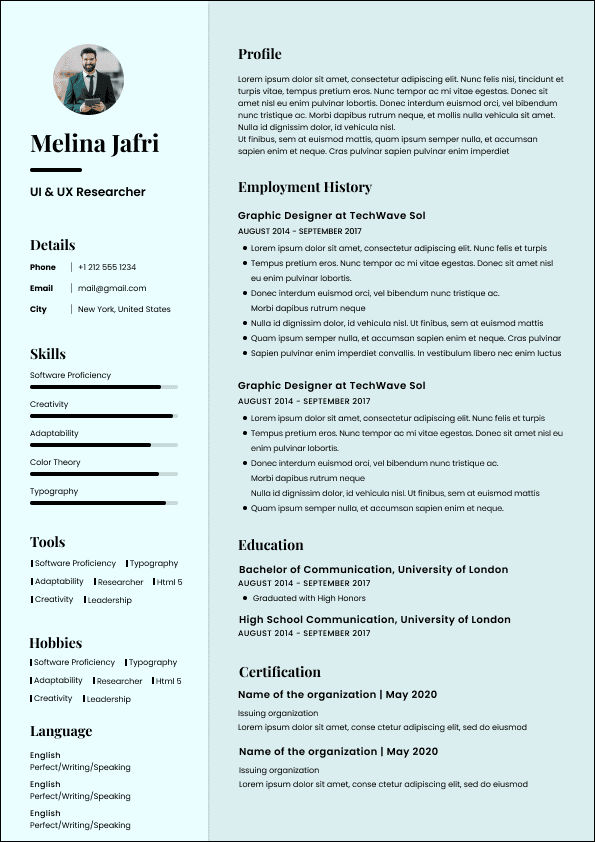
 Upload Resume
 Import from Linkedin