STILL APPLYING. STILL HEARING NOTHING?BUILD YOUR RESUME

STILL APPLYING. STILL HEARING NOTHING?BUILD YOUR RESUME
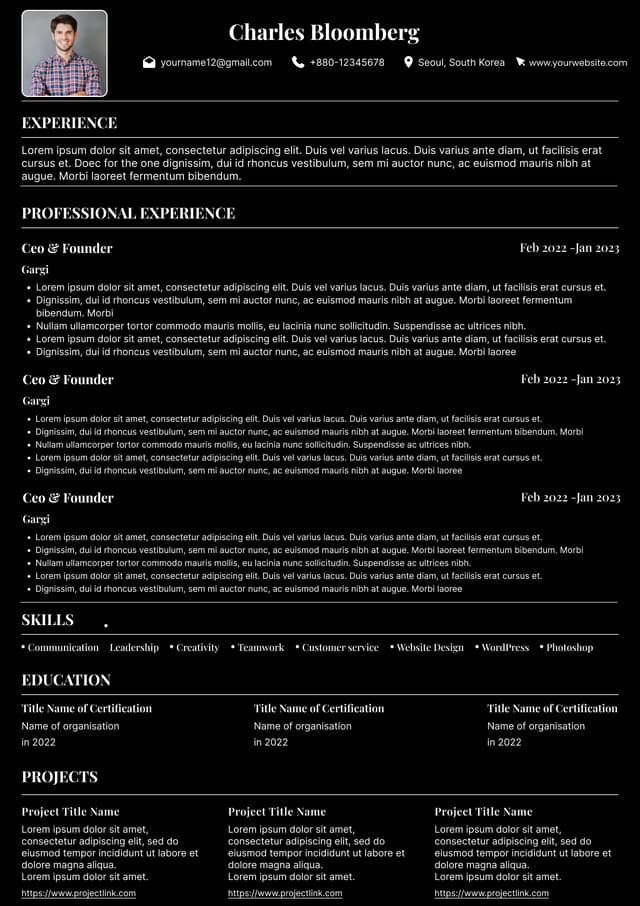
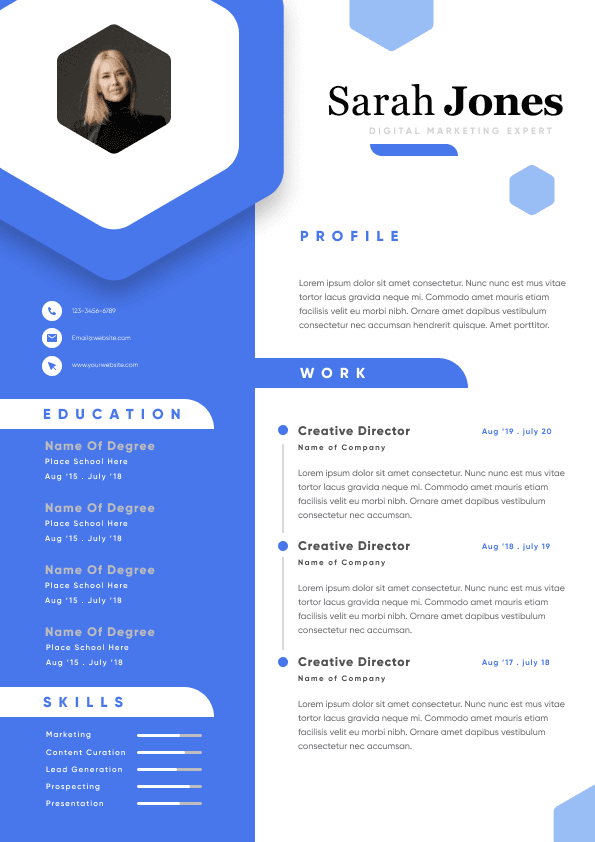
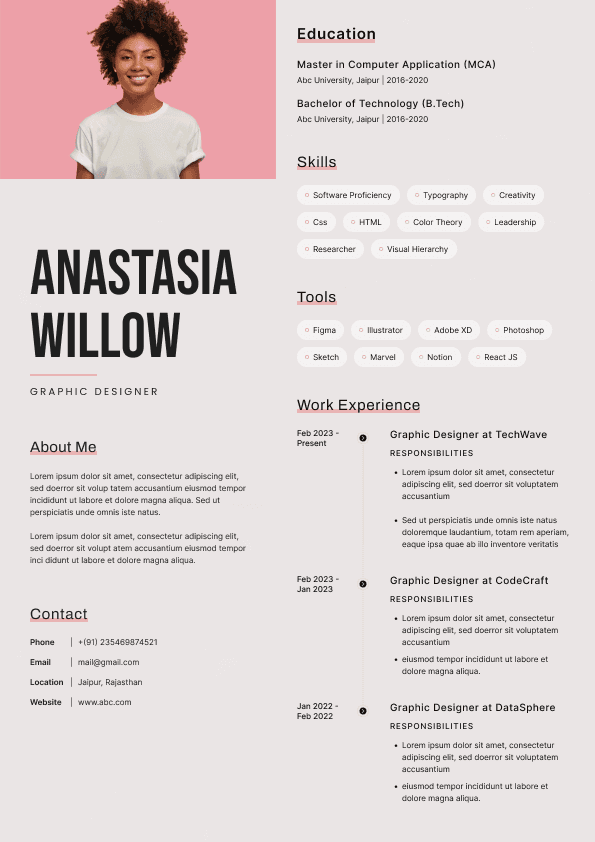
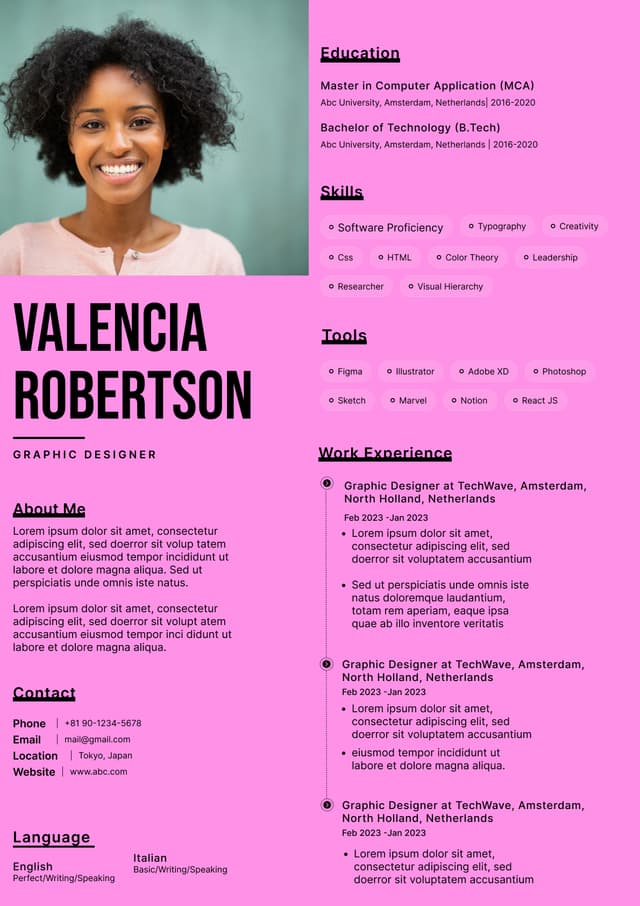
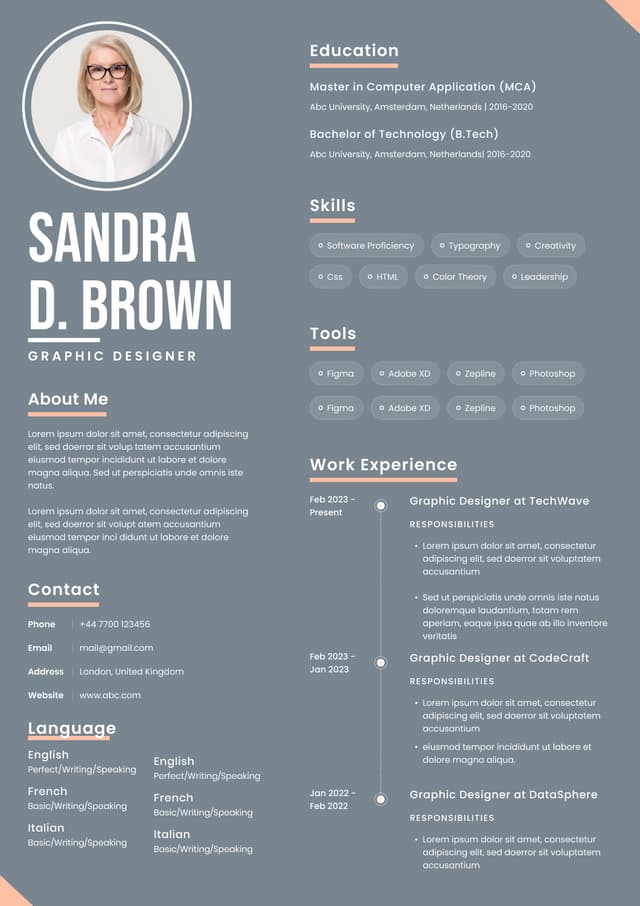
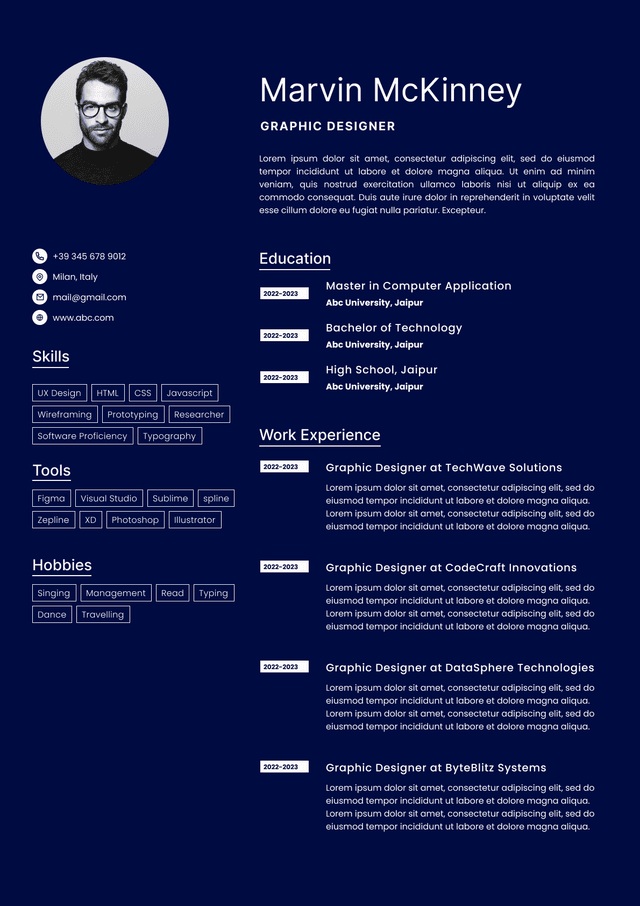
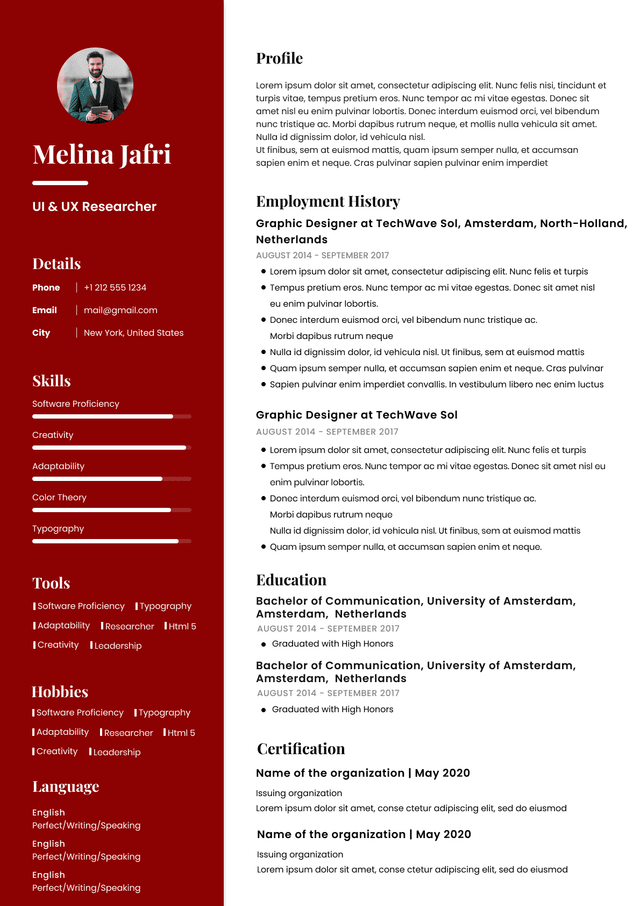
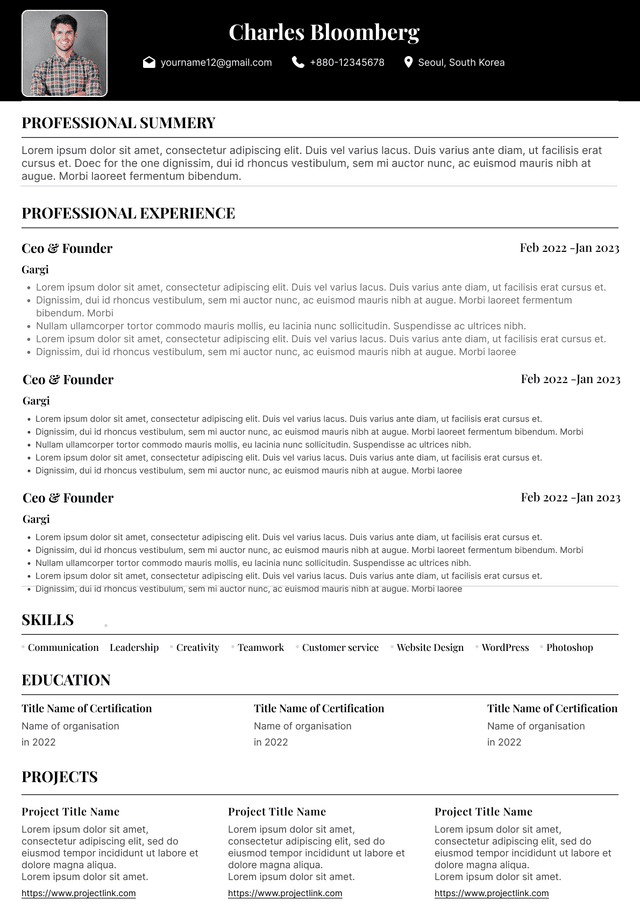
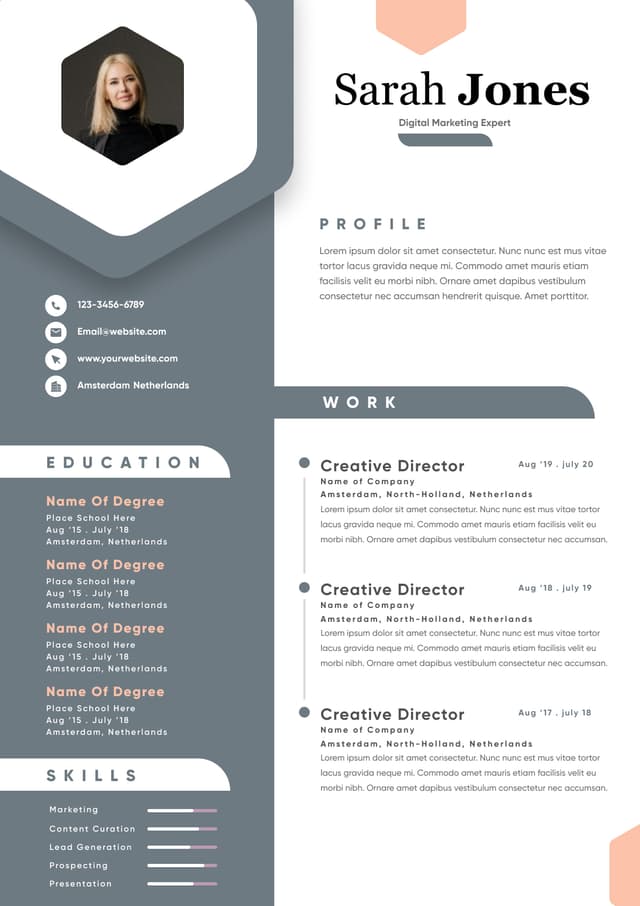
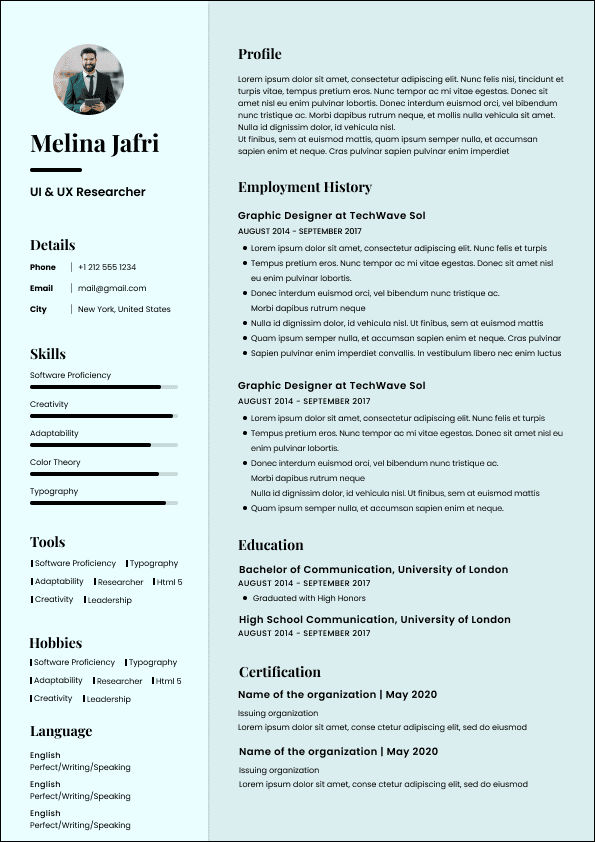
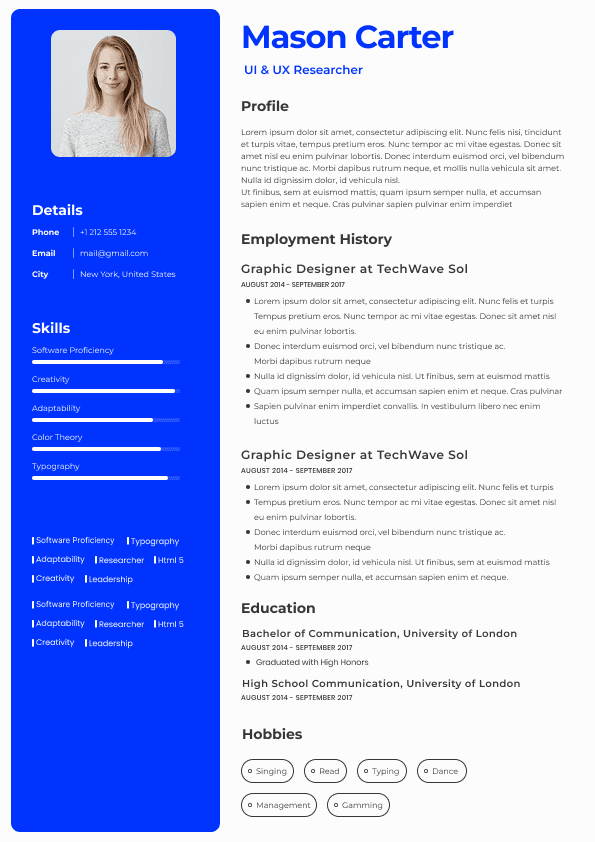
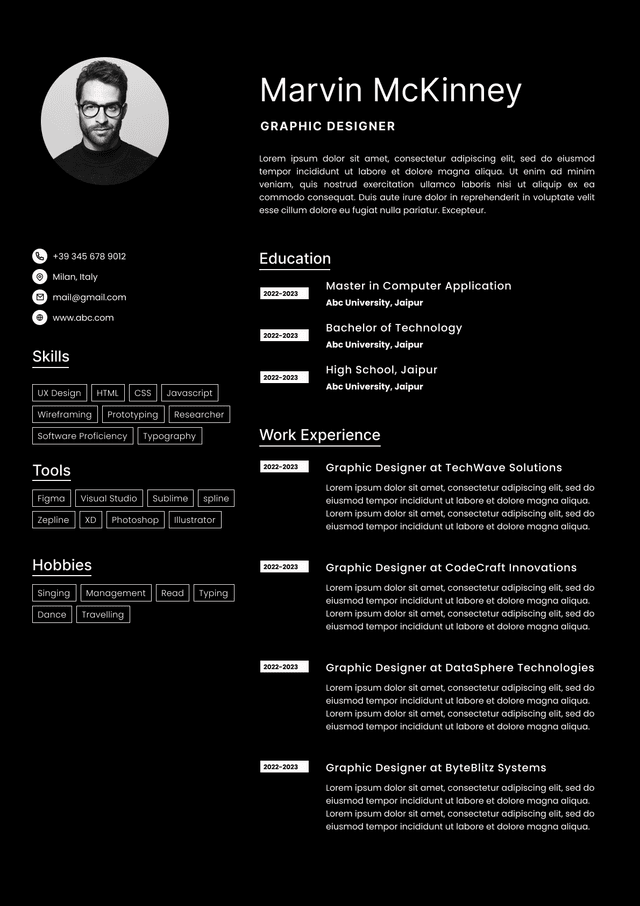
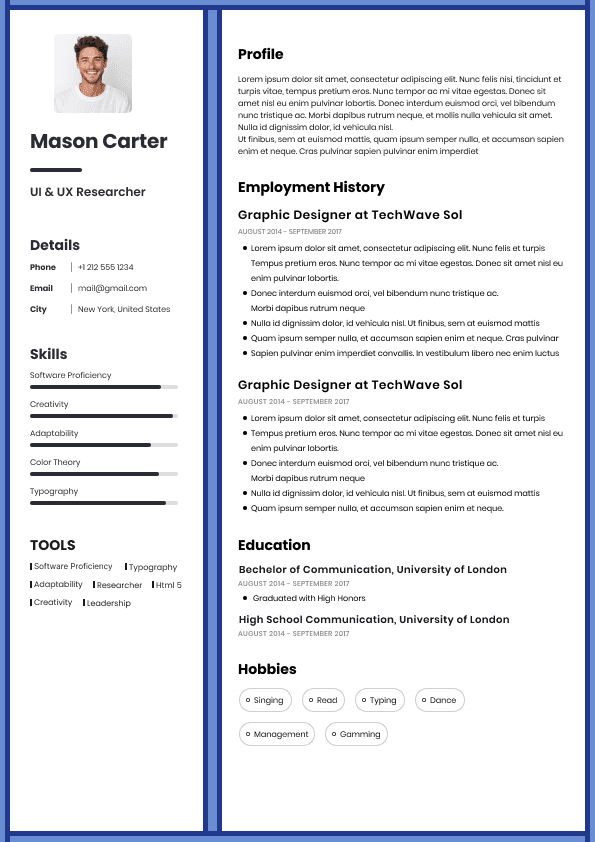
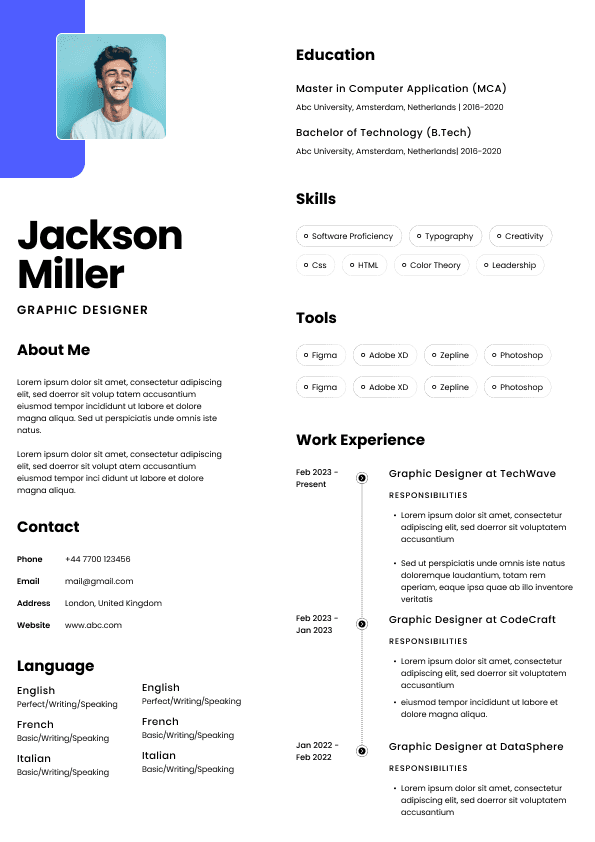
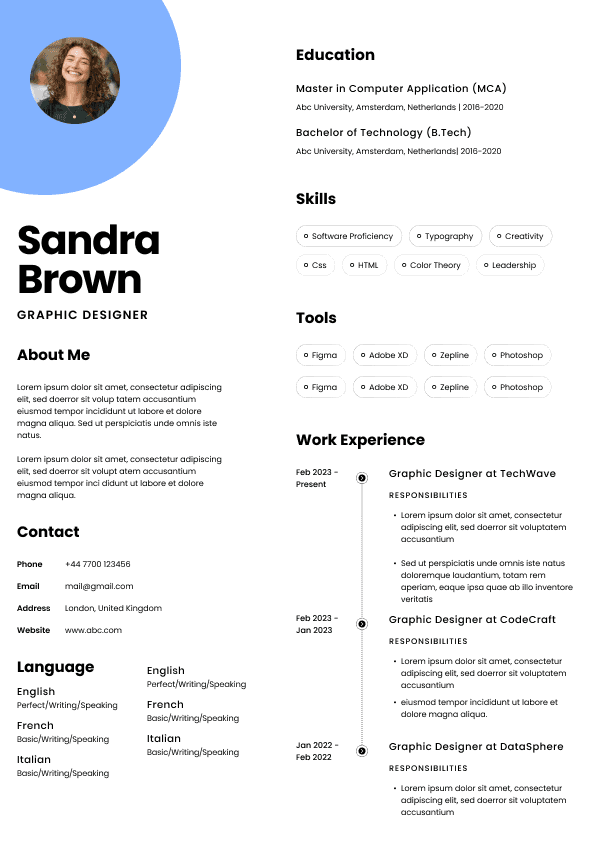
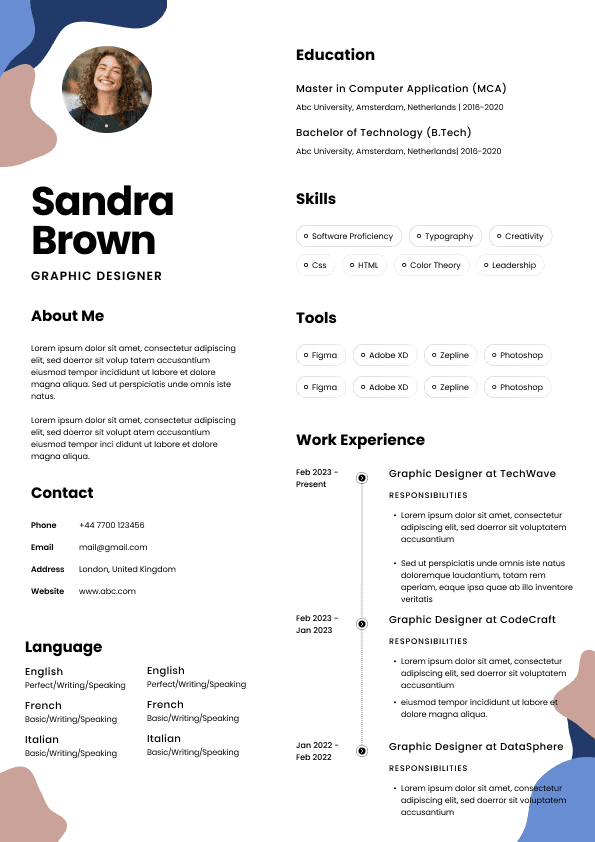
Choose from a wide range of NEWCV resume templates and customize your NEWCV design with a single click.
FAQ
A strong TypeScript developer resume is not just a list of JavaScript frameworks and coding tasks. Hiring managers want proof that you can build, scale, optimize, and maintain production systems using TypeScript in real business environments. The best resumes show measurable impact, technical depth, product understanding, and collaboration across engineering teams.
Most TypeScript resumes fail because they are too generic. They mention React, Node.js, and APIs without explaining what was actually built, how TypeScript was used, or what business outcome improved. Recruiters scan for architecture relevance, modern frontend/backend ecosystems, cloud exposure, deployment workflows, and measurable engineering results.
If you want interviews for frontend, full-stack, or backend TypeScript roles, your resume needs to communicate three things immediately:
You can deliver production-ready TypeScript applications
You understand modern engineering workflows and tooling
Your work improved performance, reliability, scalability, or product outcomes
This guide breaks down exactly how to write a TypeScript developer resume that aligns with how US recruiters and engineering managers actually evaluate candidates.
Most engineering resumes get reviewed in under 30 seconds during the first pass. Recruiters are not deeply analyzing your code quality at this stage. They are checking for alignment.
They want to quickly confirm:
Your experience level matches the role
Your stack aligns with the company’s architecture
You have worked on production systems
You understand modern development workflows
Your contributions created measurable impact
You can collaborate in Agile engineering environments
For TypeScript-specific roles, companies usually prioritize candidates who show experience with:
Your summary should position you immediately for the exact role you want.
Do not waste space with vague statements like:
Weak Example
“Motivated developer with strong problem-solving skills seeking growth opportunities.”
This tells recruiters nothing useful.
Instead, communicate:
Role identity
Years of experience
Core TypeScript stack
System/domain experience
Measurable value
Good Example
“Full-stack TypeScript developer with 6+ years of experience building scalable SaaS platforms using React, Node.js, Next.js, PostgreSQL, and AWS. Improved frontend performance by 38%, reduced production bugs through strict typing adoption, and contributed to CI/CD modernization supporting weekly production deployments.”
ATS systems and recruiters rely heavily on keyword alignment.
A poorly organized skills section can hurt discoverability even if you have the right experience.
The best TypeScript developer resumes group technologies logically.
TypeScript
JavaScript
SQL
HTML5
CSS3
React
Next.js
This is the section that determines whether you get interviews.
Most developers undersell their work because they describe tasks instead of outcomes.
Hiring managers do not care that you “worked on frontend development.”
They care about:
What systems you built
What technologies you used
How complex the work was
What improved because of your contribution
Use this structure consistently:
Action Verb + Technical Scope + Technologies + Business/Engineering Impact
Built reusable TypeScript React components used across 4 enterprise SaaS products, reducing frontend development time by 27%
Migrated legacy JavaScript services to TypeScript within a Node.js microservices architecture, reducing runtime errors by 42%
Developed server-side rendered Next.js applications that improved page load speed from 4.1 seconds to 1.8 seconds
Designed REST APIs using NestJS and PostgreSQL supporting 1.2M+ monthly transactions in a fintech environment
Increased unit test coverage from 48% to 91% using Jest and React Testing Library, reducing production regressions
Many resumes fail because they read like internal task logs.
Listing technologies without context
Writing generic responsibilities instead of outcomes
Omitting measurable impact
Including too many low-value skills
Failing to explain system scale
Using vague phrases like “helped develop”
Ignoring business relevance
Many candidates claim TypeScript experience, but hiring managers can tell very quickly who actually worked deeply with it.
Real TypeScript engineering experience often includes:
Strict typing adoption
Interface and type architecture
Generic types
Shared type libraries
API contract validation
Refactoring legacy JavaScript systems
Monorepo structures
TypeScript roles vary heavily depending on the company.
Your resume should reflect the actual engineering environment.
Prioritize:
Scalability
CI/CD
Multi-tenant systems
Component libraries
Performance optimization
Agile collaboration
Prioritize:
Security
Data integrity
Transaction systems
API reliability
Monitoring
Compliance-sensitive development
Prioritize:
Checkout flows
Performance optimization
Conversion improvements
Search/filter systems
Inventory APIs
SEO-focused frontend rendering
Prioritize:
Workflow automation
Dashboard systems
Data visualization
Authentication systems
Legacy modernization
Prioritize:
API orchestration
Real-time systems
Data pipelines
Cloud scalability
Integration architecture
The strongest resumes mirror the target company’s technical priorities.
Projects matter most for:
Entry-level developers
Bootcamp graduates
Career changers
Self-taught engineers
Junior frontend developers
Projects should demonstrate production thinking, not tutorial copying.
Include:
Problem solved
Technologies used
Recruiters mainly evaluate:
Technical foundations
Modern stack familiarity
Project quality
Learning velocity
Internship experience
GitHub activity
Practical coding exposure
Metrics dramatically improve credibility.
They help recruiters visualize impact quickly.
Runtime errors reduced
Deployment frequency improved
Frontend load speed improvements
Bundle size reductions
Test coverage increases
API response time improvements
Uptime improvements
Many candidates lose interviews before a human ever reads the resume.
ATS systems prioritize relevance matching.
Use relevant terms naturally throughout the resume:
TypeScript developer
JavaScript
React
Next.js
Angular
Node.js
REST API
GraphQL
Keep formatting simple and ATS-friendly.
Clear section headings
Consistent spacing
Standard fonts
Reverse chronological order
Clean bullet formatting
Graphics
Icons
Certifications help most when:
You are early-career
Transitioning into TypeScript development
Adding cloud credibility
Targeting enterprise companies
AWS Certified Developer
AWS Solutions Architect
Microsoft Azure Developer Associate
This is one of the biggest differences between candidates who get interviews and those who do not.
Tailoring does not mean rewriting your entire resume.
It means aligning with:
Stack emphasis
Role seniority
System type
Industry language
Product priorities
Move those technologies higher in your skills section and emphasize related achievements.
Prioritize:
Top-tier TypeScript resumes often include subtle indicators of engineering maturity.
Hiring managers value engineers who work well across teams.
“Partnered with product managers and UX teams to redesign TypeScript-based onboarding workflows, increasing user activation by 18%.”
Production ownership is a major hiring signal.
“Monitored production incidents using Datadog and implemented TypeScript logging improvements reducing debugging time by 40%.”
Even mid-level developers benefit from showing system design involvement.
“Contributed to migration from monolithic Node.js architecture to TypeScript microservices supporting independent deployment pipelines.”
These details separate serious engineers from candidates who only completed isolated tasks.
Before submitting your resume, verify:
Your summary clearly matches the target role
Your technical stack aligns with the job description
Your bullet points show measurable outcomes
Your TypeScript usage sounds production-level
Your resume demonstrates engineering ownership
Your formatting is ATS-friendly
Your projects show practical implementation
Your metrics support business or engineering value


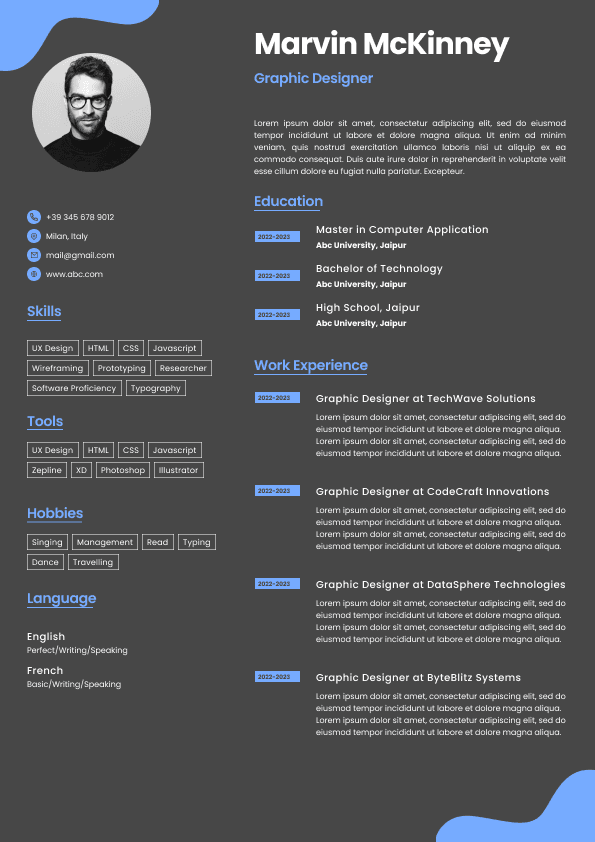
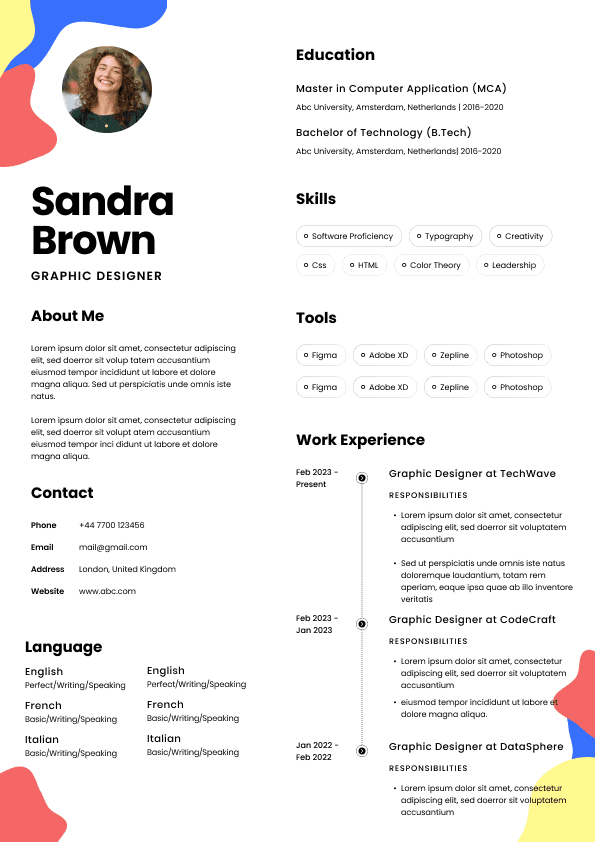
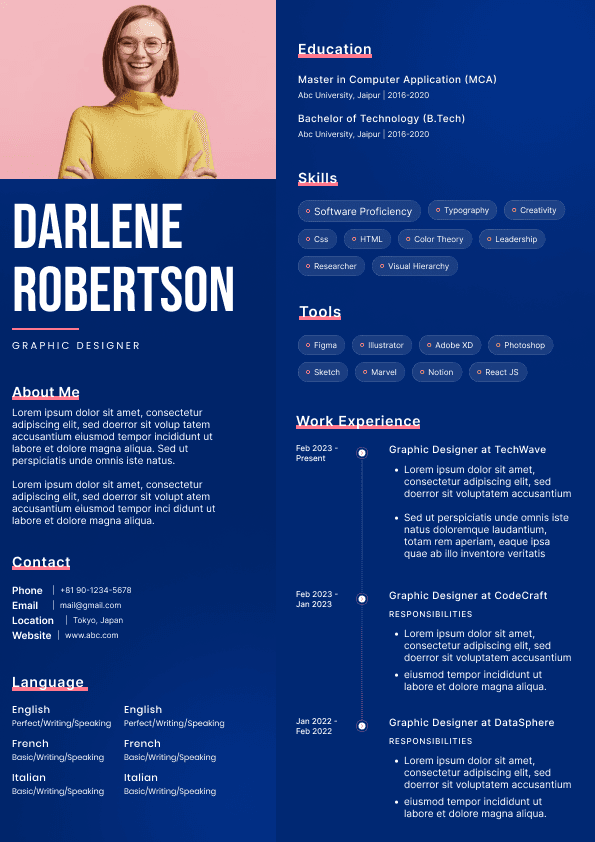
Use ATS-optimised Resume and resume templates that pass applicant tracking systems. Our Resume builder helps recruiters read, scan, and shortlist your Resume faster.


Use professional field-tested resume templates that follow the exact Resume rules employers look for.
Create Resume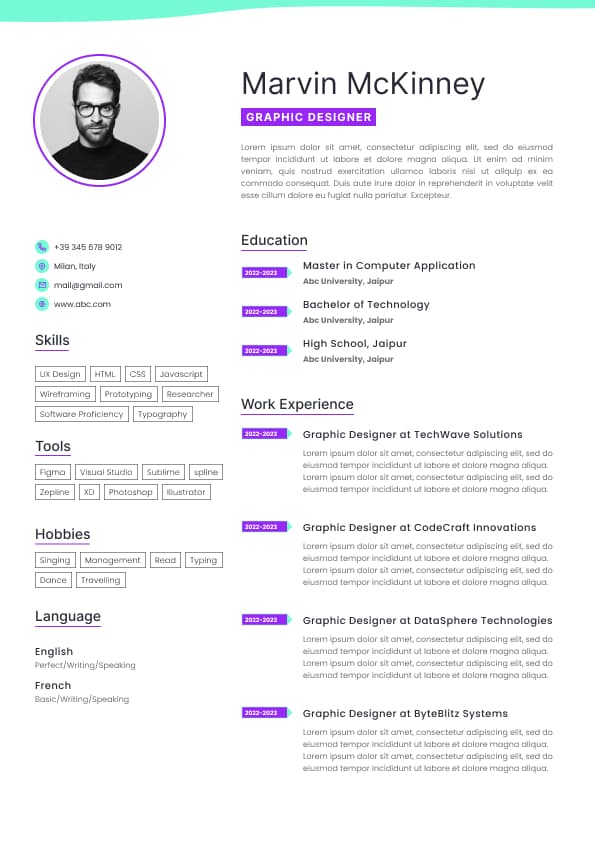
Use professional field-tested resume templates that follow the exact Resume rules employers look for.
Create ResumeReact
Next.js
Node.js
Express
NestJS
Angular
REST APIs
GraphQL
CI/CD pipelines
AWS, Azure, or GCP
Docker and Kubernetes
Jest, Cypress, or Playwright
Git-based collaboration workflows
The strongest resumes also demonstrate understanding of:
Type safety
Scalable frontend architecture
Component-driven development
API integrations
State management
Performance optimization
Testing strategy
Production debugging
Monorepos and shared libraries
A recruiter may not understand every technical detail, but the hiring manager absolutely will.
Your resume needs to satisfy both audiences.
This works because it immediately shows:
Seniority
Stack relevance
Product environment
Business impact
Production-level experience
Keep summaries between 3 and 5 lines.
Angular
Redux
Zustand
Tailwind CSS
Material UI
Node.js
Express
NestJS
REST APIs
GraphQL
PostgreSQL
MongoDB
MySQL
Redis
AWS
Docker
Kubernetes
Terraform
GitHub Actions
Jenkins
Jest
Cypress
Playwright
React Testing Library
Git
Jira
Figma
Postman
Swagger
This structure improves:
ATS parsing
Recruiter scanning speed
Technical clarity
Stack alignment
Optimized bundle size by 31% through dynamic imports, code splitting, and TypeScript module restructuring
Collaborated with DevOps engineers to automate CI/CD pipelines using GitHub Actions and Docker, reducing deployment time by 60%
These bullets work because they combine:
Technical depth
Real engineering ownership
Measurable results
Production relevance
Showing no testing or deployment experience
Failing to tailor to the job posting
A TypeScript resume without measurable outcomes often looks junior even when the candidate has years of experience.
Type-safe frontend/backend integration
“Used TypeScript for frontend development.”
“Implemented shared TypeScript interfaces across React frontend and Node.js backend services, reducing API integration mismatches by 34%.”
The second version proves engineering maturity.
Deployment environment
Performance improvements
API integrations
Authentication
Testing
Real users or traffic when possible
“Built a todo app using React and TypeScript.”
“Developed a full-stack TypeScript expense tracking platform using Next.js, Prisma, PostgreSQL, and AWS Amplify with OAuth authentication and real-time financial dashboard reporting.”
The second example sounds production-oriented.
That matters.
Hiring managers expect:
Production ownership
System contribution
Independent execution
Testing experience
API integration skills
Agile collaboration
Recruiters look for:
Architecture decisions
Mentorship
Scalability ownership
Cross-team leadership
DevOps familiarity
Performance optimization
Technical strategy
Your resume should reflect the expectations of your target level.
Many candidates accidentally position themselves below their actual experience because their resume lacks engineering ownership language.
Feature delivery timelines
User growth supported
Bug reduction percentages
CI/CD acceleration
Conversion rate improvements
Infrastructure cost reductions
“Reduced frontend crash rates by 36% after migrating critical React modules from JavaScript to strict TypeScript typing.”
This creates a concrete hiring signal.
AWS
CI/CD
Docker
Kubernetes
Git
Agile
Jest
PostgreSQL
Microservices
Frontend development
Full-stack development
Do not keyword stuff.
Recruiters can spot unnatural resumes instantly.
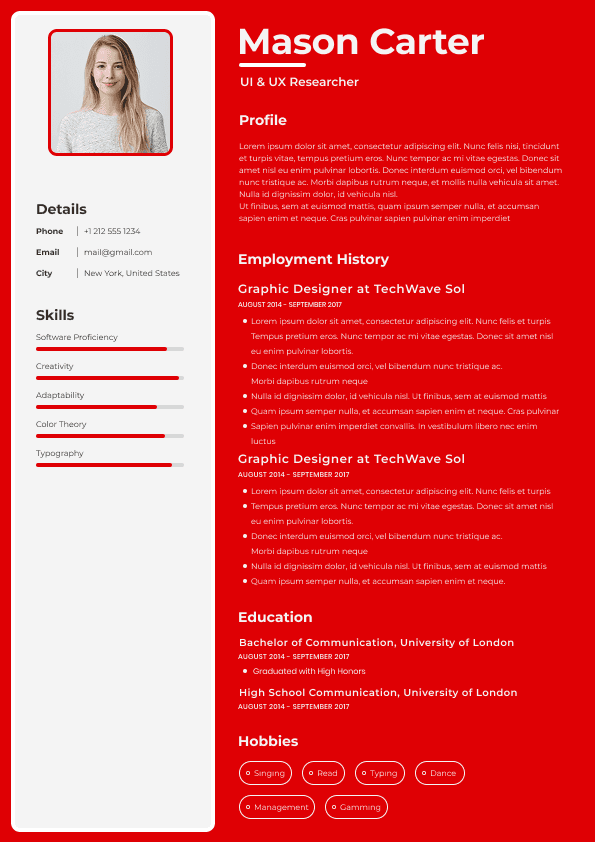
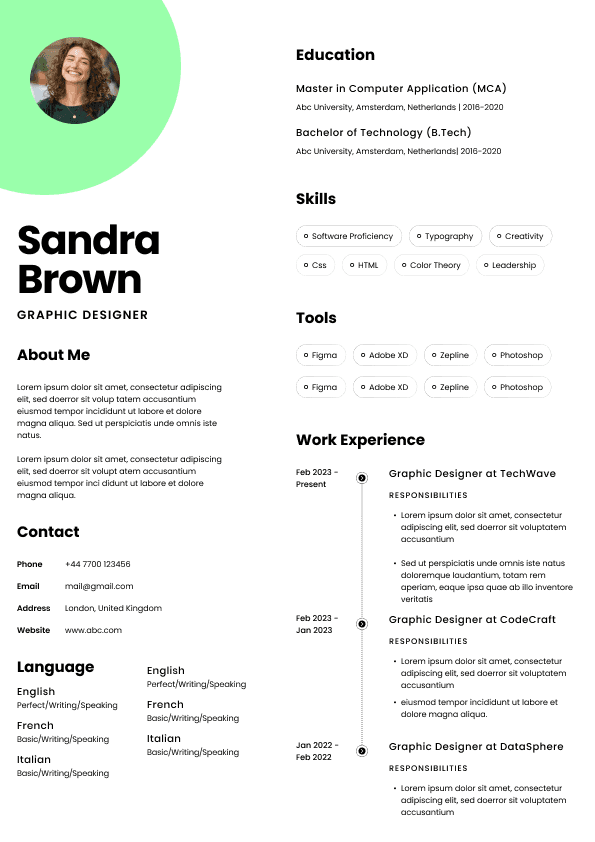
Complex tables
Multiple columns
Skill bars
Decorative designs
A visually impressive resume that breaks ATS parsing performs worse than a clean professional document.
Google Cloud Associate Engineer
Meta Front-End Developer Certificate
Certified Kubernetes Application Developer
Scrum certifications
Security-focused certifications
Certifications should support your experience, not replace it.
Node.js
NestJS
API architecture
Databases
Scalability
Cloud infrastructure
Include metrics involving:
Page speed
Bundle optimization
Lighthouse scores
Rendering improvements
The closer your resume mirrors the company’s technical priorities, the stronger your interview odds.
Your keywords match modern TypeScript roles
Your experience reflects the correct seniority level
A strong TypeScript developer resume should immediately communicate that you can contribute to real engineering systems, not just write code.




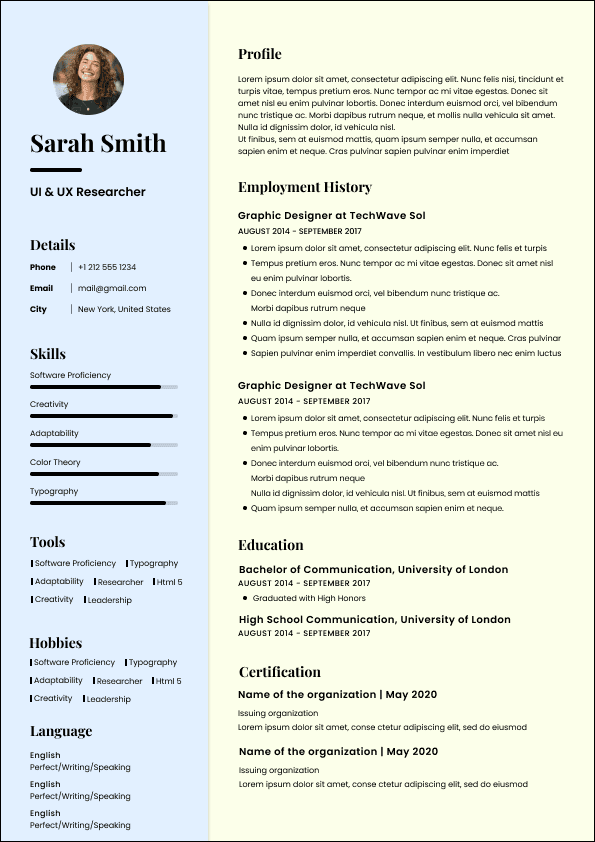
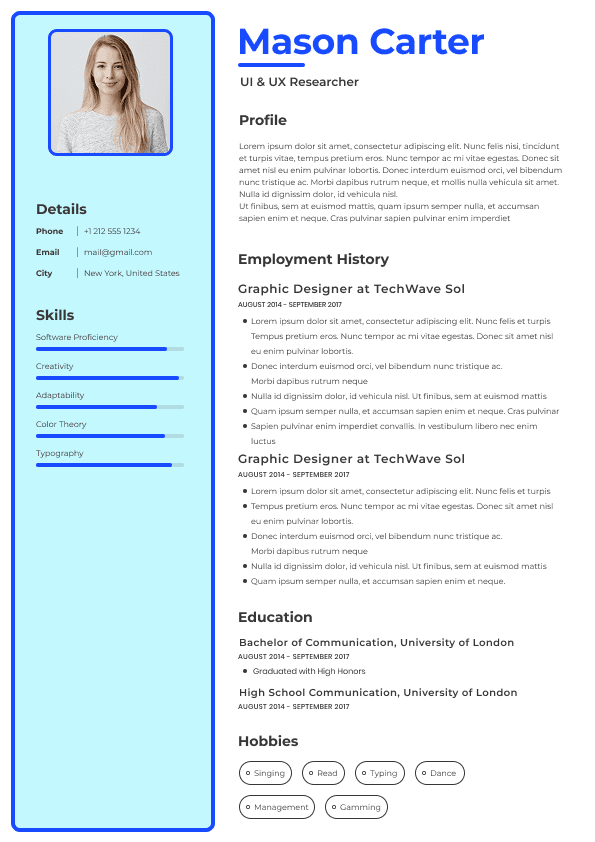
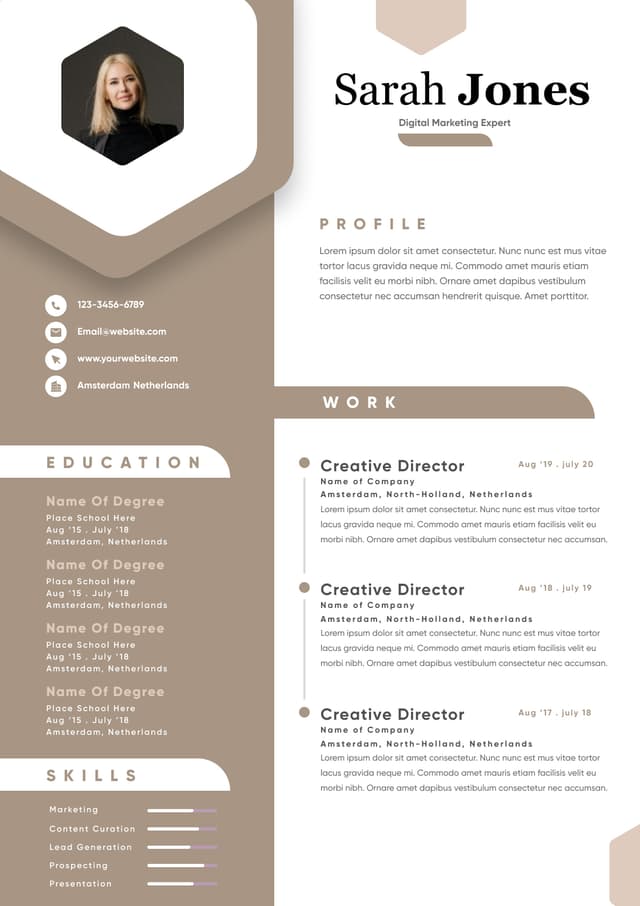
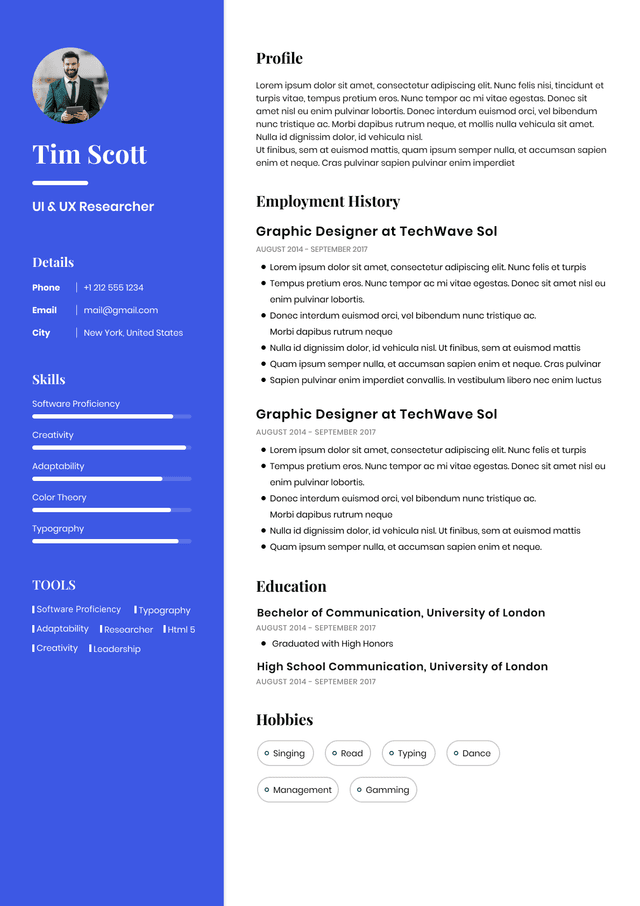
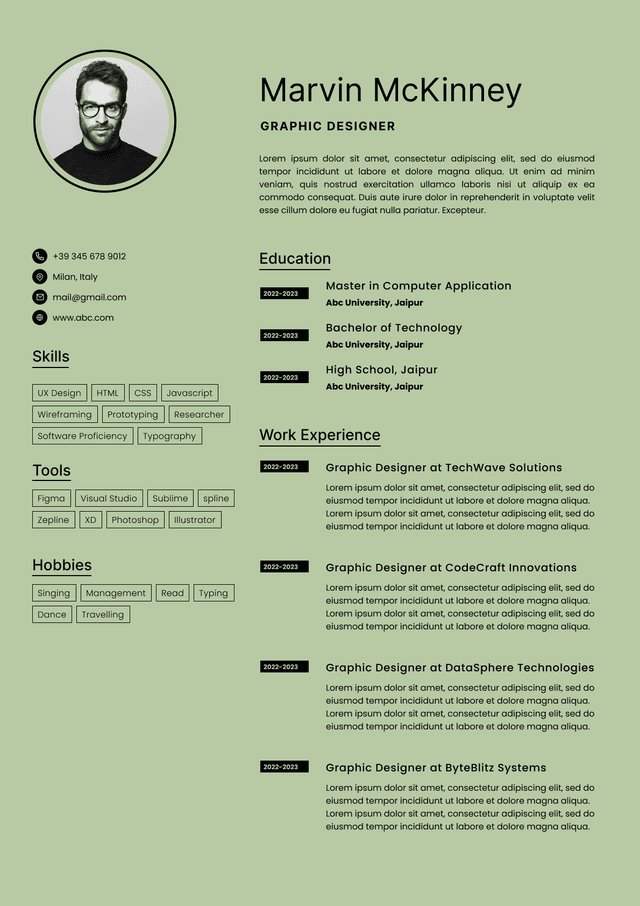
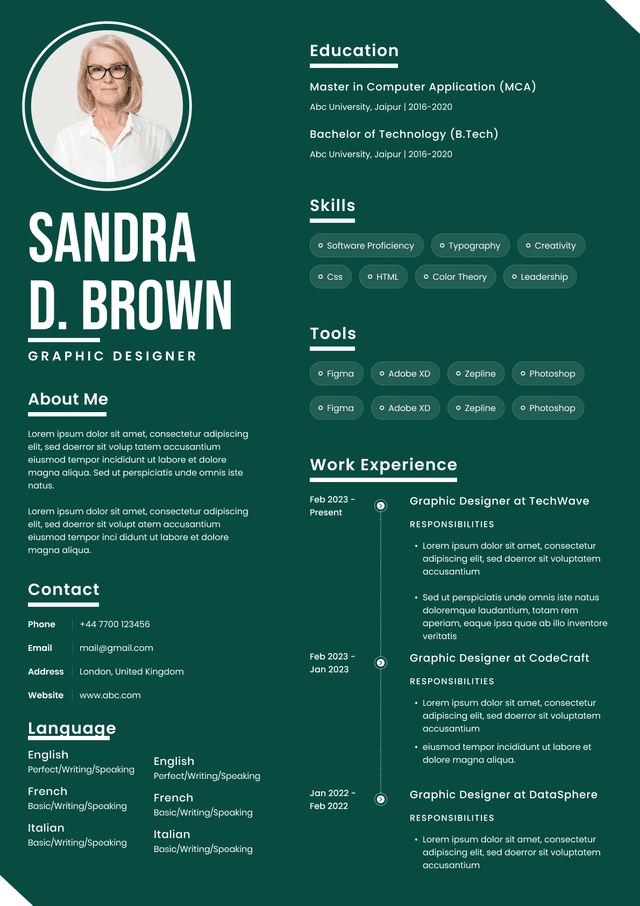
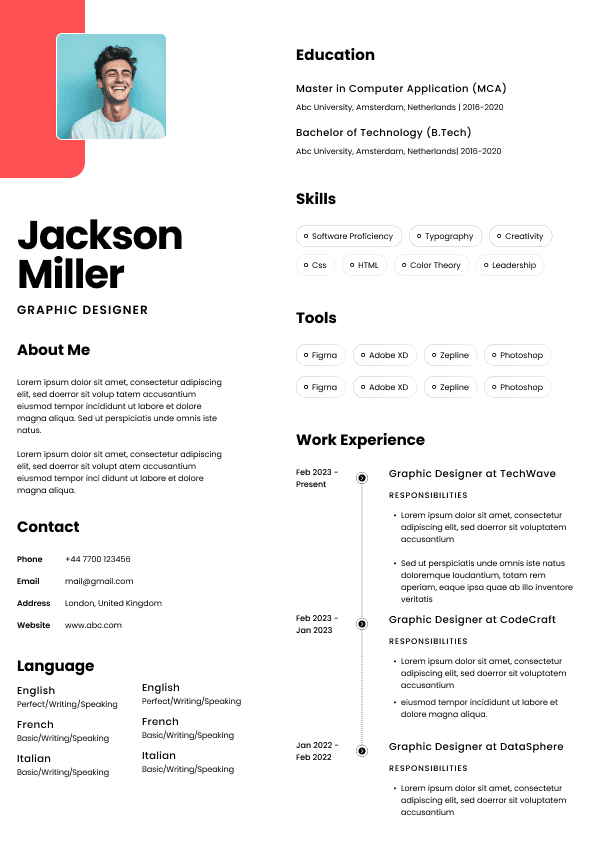
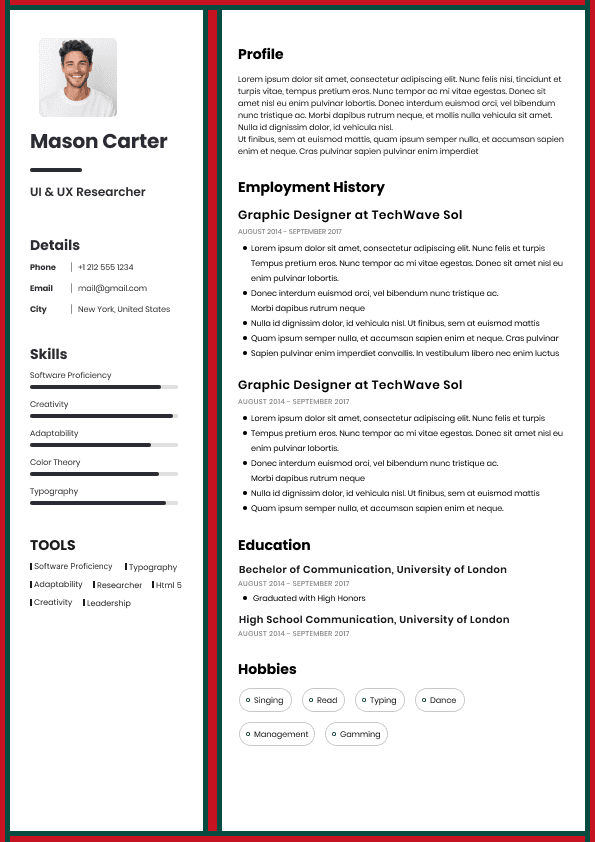
 Upload Resume
 Import from Linkedin