STILL APPLYING. STILL HEARING NOTHING?BUILD YOUR RESUME

STILL APPLYING. STILL HEARING NOTHING?BUILD YOUR RESUME
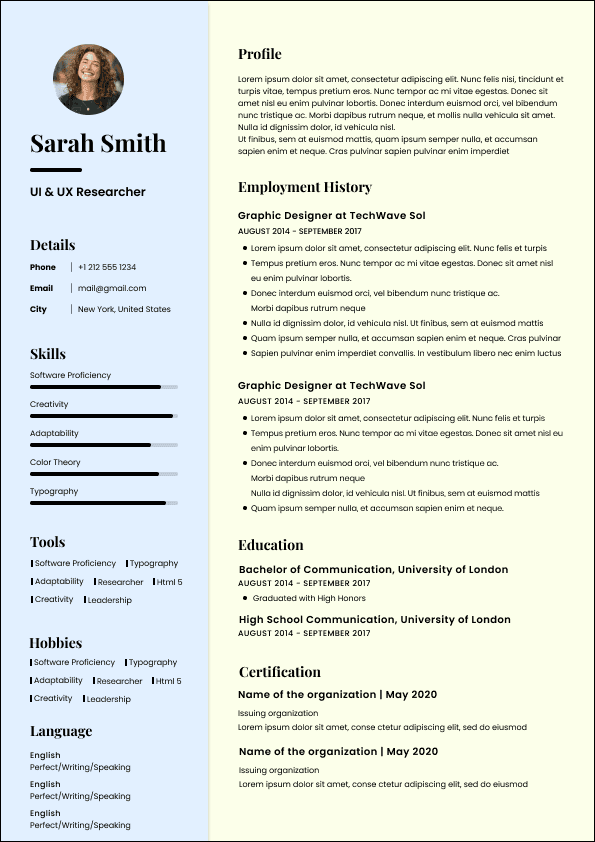
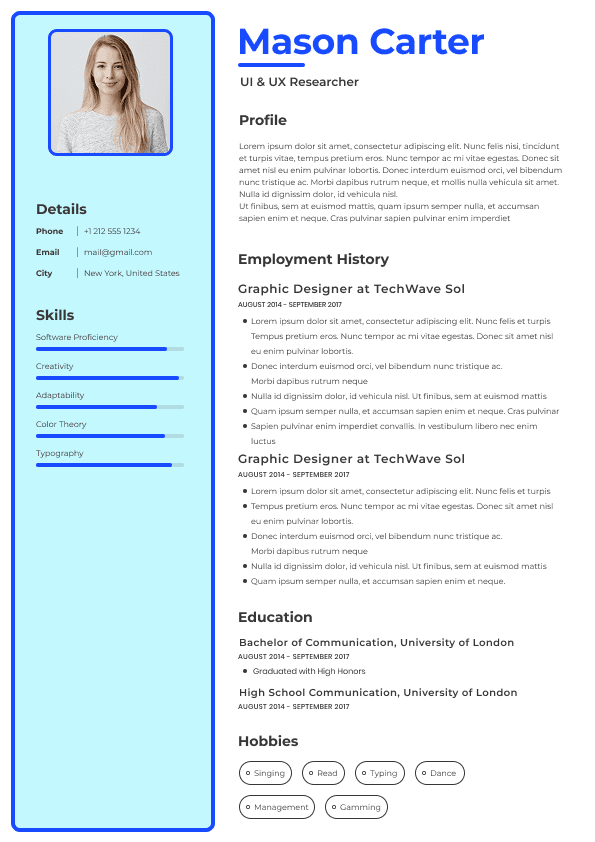
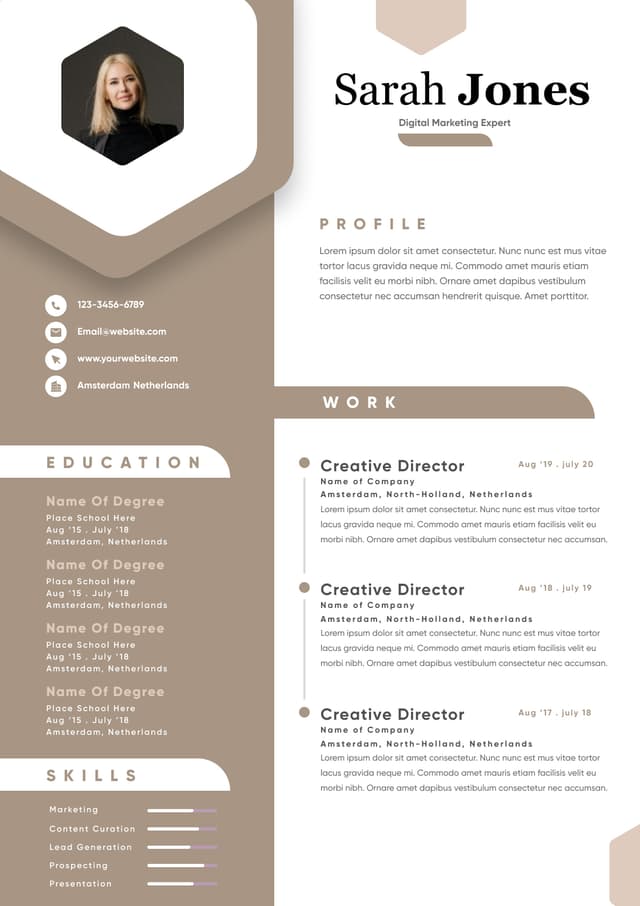
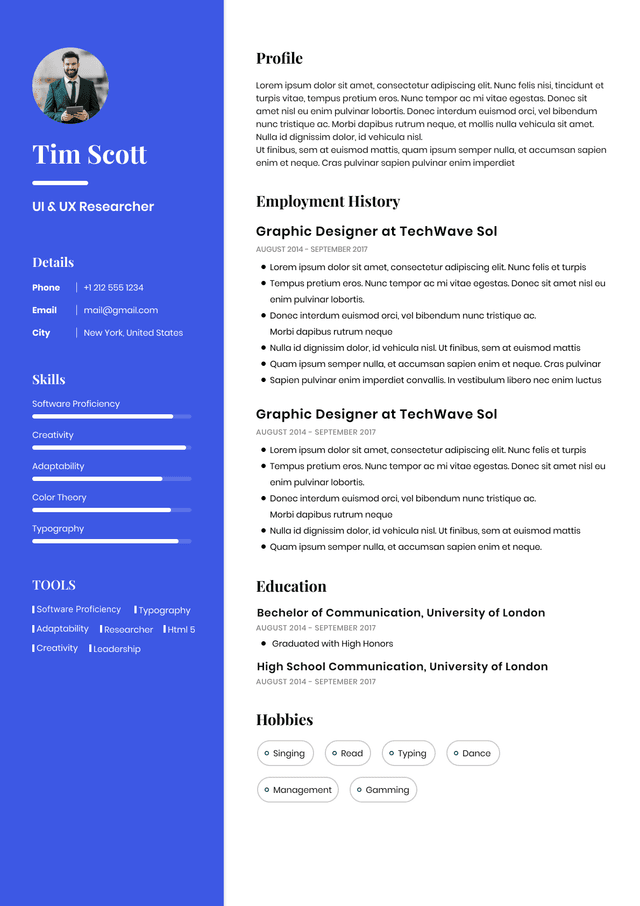
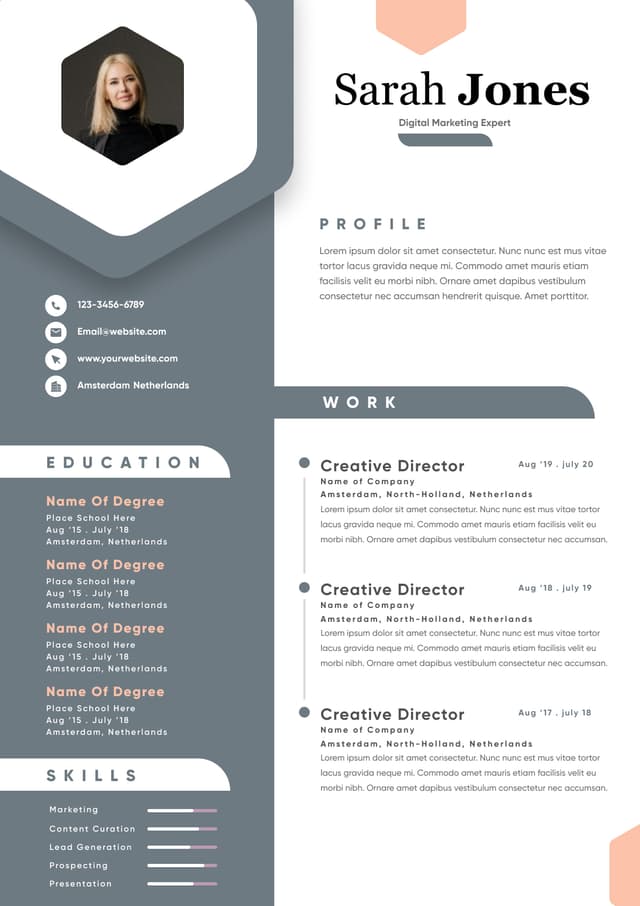
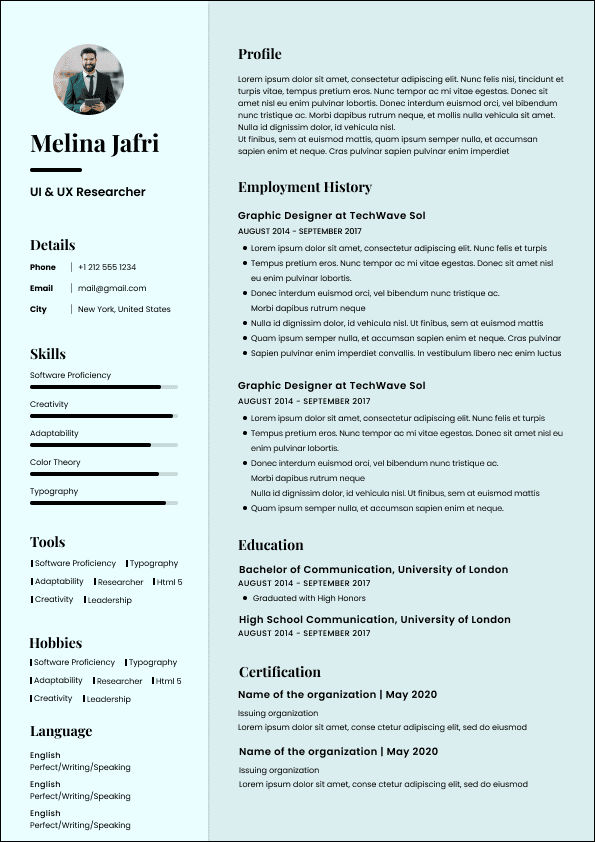
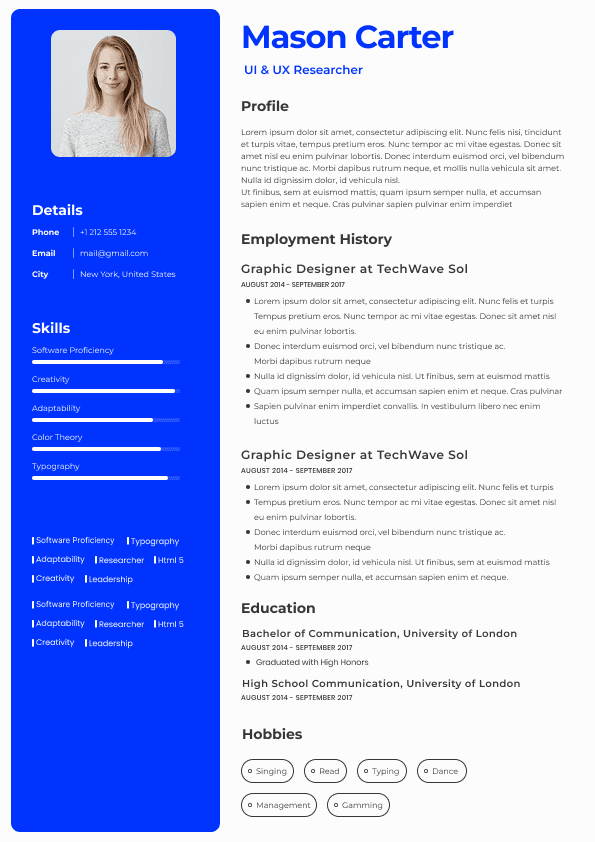
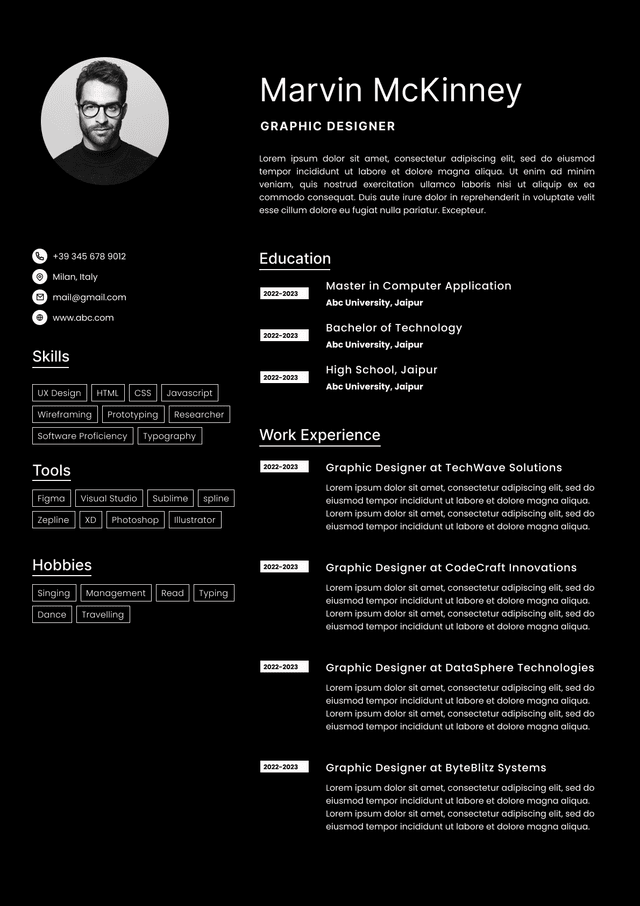
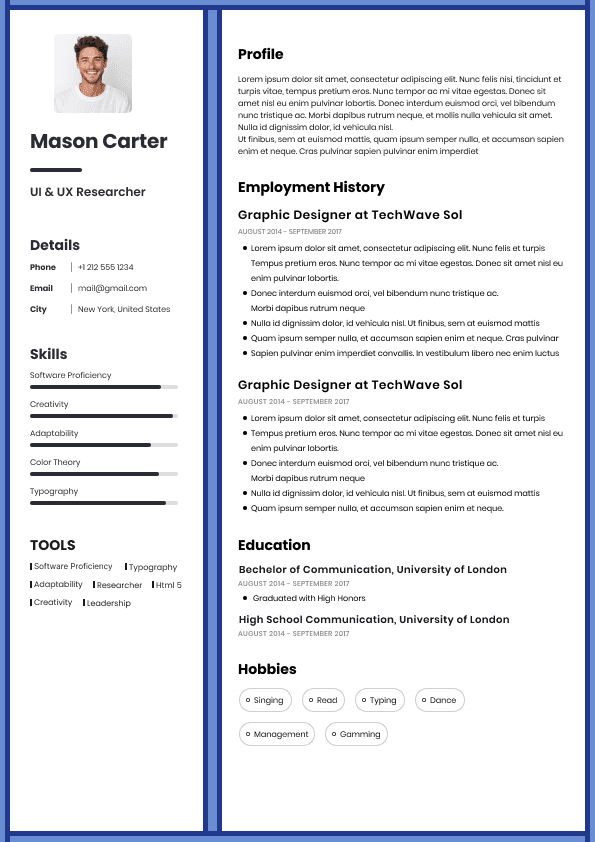
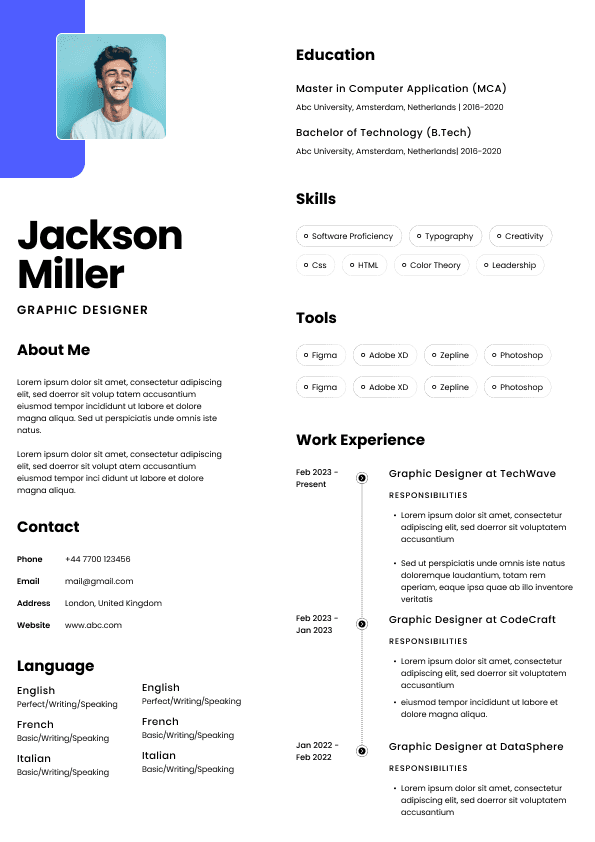
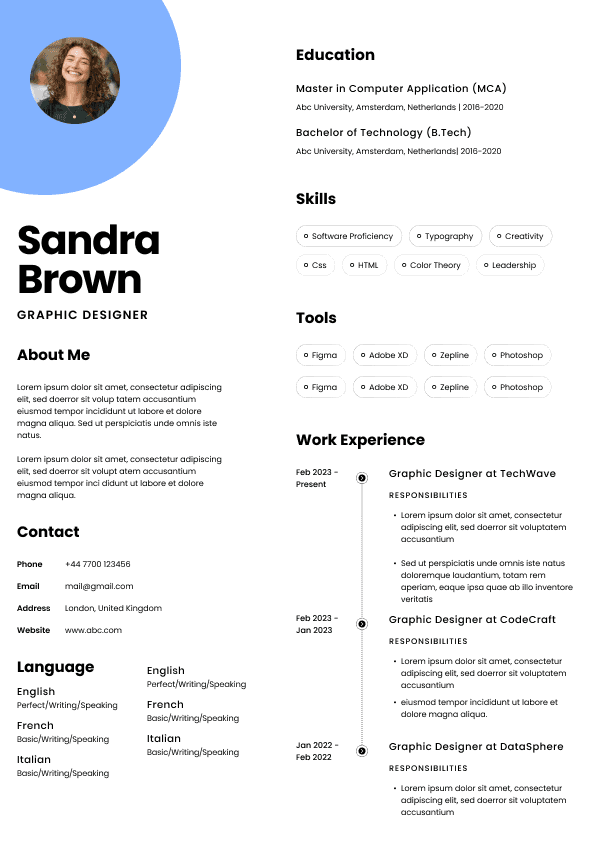
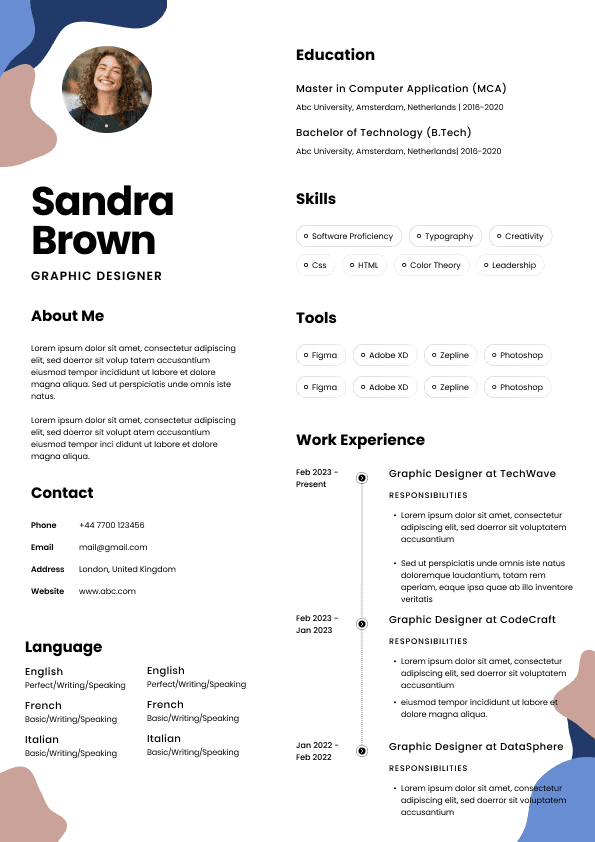
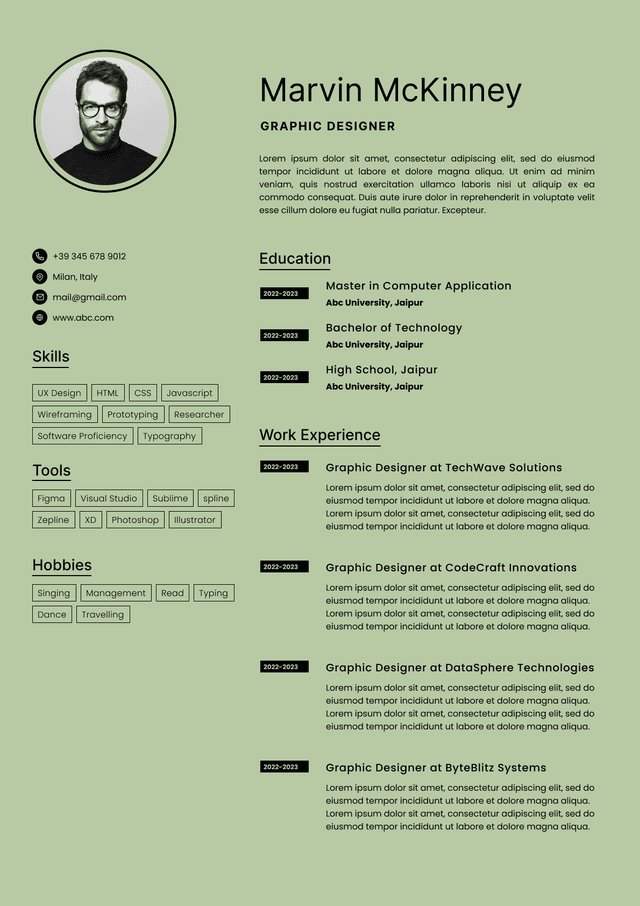
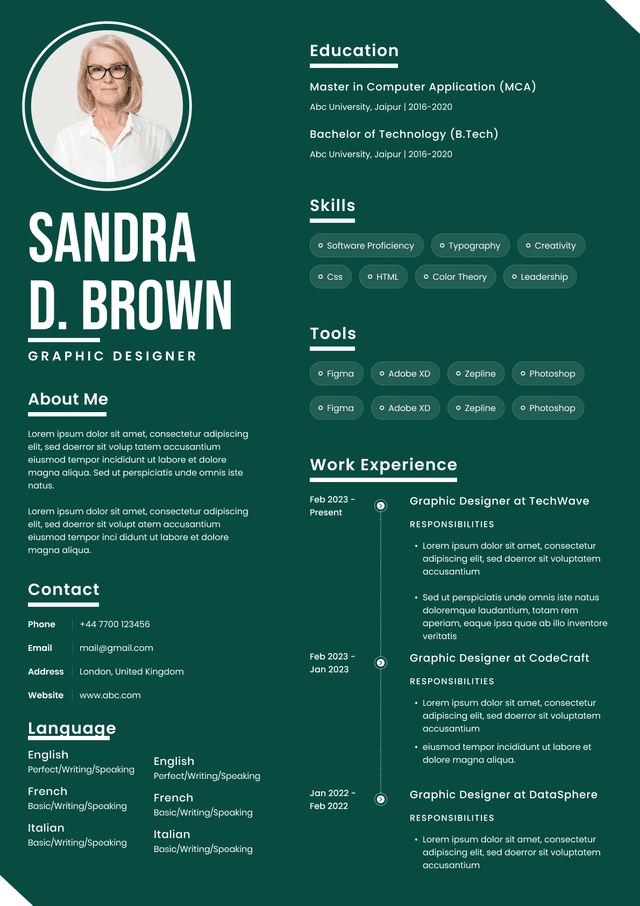
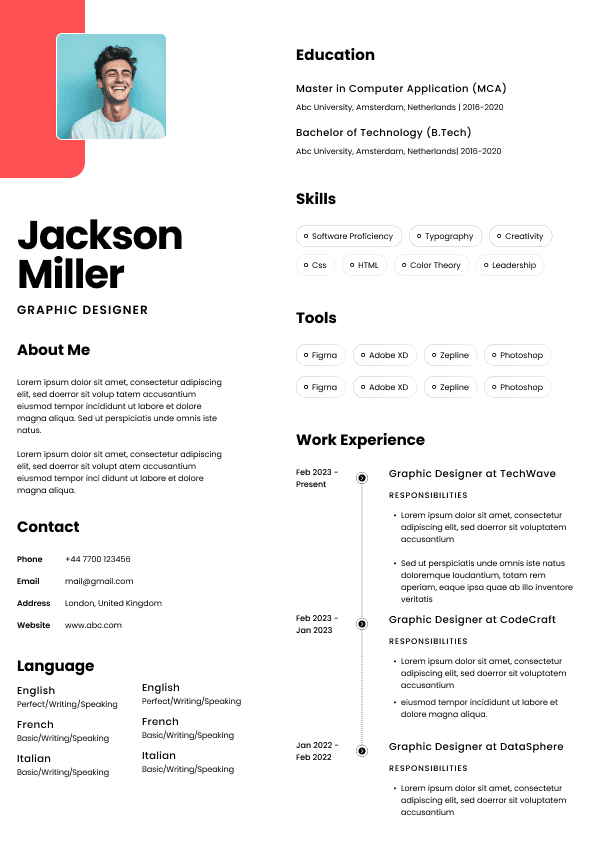
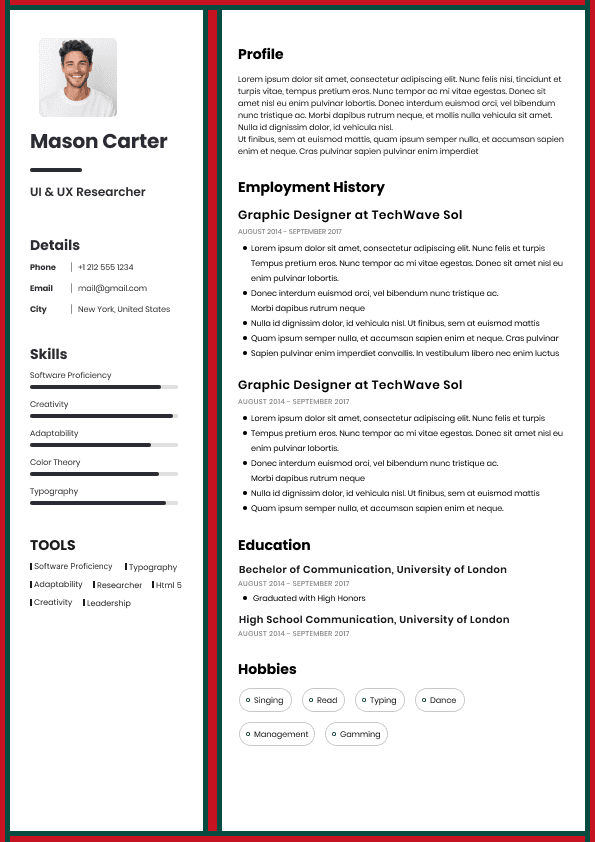
Choose from a wide range of NEWCV resume templates and customize your NEWCV design with a single click.
FAQ
A TypeScript developer resume gets rejected fast when it reads like a generic JavaScript resume with “TypeScript” added to the skills section. Recruiters and engineering managers want proof that you actually used TypeScript to solve real problems in production environments. That means showing typed APIs, scalable frontend architecture, strict typing improvements, testing workflows, performance optimization, deployment experience, and measurable business impact.
Most rejected TypeScript resumes fail for predictable reasons:
Vague bullets with no technical depth
No evidence of modern frameworks like React, Next.js, NestJS, or Node.js
Missing metrics and business outcomes
Keyword gaps that hurt ATS rankings
Most TypeScript resumes fail because they focus on technologies instead of outcomes.
Hiring managers are not impressed by long lists of frameworks. They care about whether you can contribute to a production engineering team. Your resume has to answer questions like:
Can this person build maintainable applications?
Do they understand typed architecture?
Have they worked on scalable systems?
Can they collaborate with product, QA, and DevOps teams?
Do they understand performance, testing, and debugging?
Will they ramp up quickly in our stack?
A weak TypeScript resume usually sounds like this:
Weak Example
“Worked on web applications using TypeScript and React.”
This is the single most common mistake on TypeScript resumes.
Many candidates add TypeScript to the skills section but never explain how it was used in actual projects. Recruiters immediately notice this inconsistency.
If your bullets never mention:
Type safety
Interfaces
Generics
API contracts
Schema validation
Typed components
DTOs
Most TypeScript resumes read like task lists.
That is a major problem because engineering hiring managers do not hire based on responsibilities alone. They hire based on impact.
Examples recruiters constantly reject:
“Worked on frontend development”
“Built web applications”
“Collaborated with team members”
“Fixed bugs and improved performance”
“Developed APIs”
These bullets are too vague to evaluate.
They fail because they do not answer:
A surprising number of resumes still look outdated.
Many candidates mention:
JavaScript
jQuery
HTML/CSS
but barely mention modern TypeScript ecosystem tools.
That creates a major relevance problem in ATS systems and recruiter screening.
The exact keywords depend on the role.
Important keywords often include:
React
Next.js
Redux Toolkit
React Query
Zustand
Tailwind CSS
Vite
One of the biggest hidden resume killers is role mismatch.
A frontend TypeScript resume should not look like a backend infrastructure resume.
A NestJS API engineer should not position themselves like a UI developer.
A React-focused TypeScript developer should not bury frontend expertise under generic full stack wording.
Recruiters scan resumes for role alignment in seconds.
If the job is for:
React + TypeScript frontend development
Next.js production applications
Design system engineering
Node.js API architecture
NestJS backend services
your resume should immediately reflect that specialization.
Strong frontend TypeScript resumes emphasize:
Component architecture
Many TypeScript resumes explain what the candidate did but never explain whether it mattered.
That is a major credibility issue.
Hiring managers want evidence of impact.
Strong engineering metrics include:
Performance improvements
Runtime error reduction
Load time optimization
User growth
API throughput
Test coverage increases
This mistake destroys interview performance.
Candidates often stuff their skills section with every framework they have touched once:
Angular
Vue
React
Svelte
GraphQL
Kubernetes
Rust
AWS
Experienced engineering managers assume:
If it is listed prominently, you can discuss it confidently
If it is listed under advanced skills, you have production experience
If it appears multiple times, you likely used it extensively
When candidates cannot explain architectural decisions, debugging approaches, or implementation details, credibility collapses.
Prioritize:
Technologies you used deeply
Tools you can explain confidently
Frameworks aligned with the target role
A surprising number of TypeScript resumes only discuss feature development.
That creates the impression of junior-level engineering maturity.
Modern engineering teams care heavily about:
Testing
Stability
Reliability
Observability
CI/CD
Monitoring
Debugging
Strong TypeScript resumes mention:
Jest
Vitest
Cypress
Playwright
Integration testing
E2E testing
Error monitoring
Logging systems
This mistake hurts junior developers more than almost anything else.
If you have limited professional experience, recruiters need proof that you can actually build things.
Without:
GitHub
Portfolio
Deployed applications
Technical projects
your resume may look theoretical instead of practical.
Strong entry-level candidates often include:
Full stack TypeScript apps
React dashboards
Next.js projects
Node.js APIs
Authentication systems
Database integrations
Testing workflows
Cloud deployments
A visually impressive resume can still fail completely in ATS systems.
Common ATS problems include:
Multi column layouts
Graphic heavy templates
Icons replacing text
Tables with critical information
Unreadable PDFs
Overdesigned formatting
Recruiters prefer resumes that are:
Clean
Scannable
Simple
Keyword optimized
Easy to skim quickly
Use:
Standard section headings
Single column layouts
Many developers stop at technical implementation.
Strong candidates connect engineering work to business value.
That matters because hiring managers want engineers who understand outcomes, not just code.
Strong TypeScript resumes explain:
Revenue impact
User experience improvement
Customer retention
Operational efficiency
Team productivity
Platform scalability
Reliability improvements
Instead of:
Weak Example
The best TypeScript resumes consistently demonstrate:
Strong technical specificity
Modern stack alignment
Production engineering experience
Quantifiable outcomes
Clear specialization
ATS optimization
Concise scannable bullets
Business awareness
They also avoid:
A strong TypeScript resume typically includes:
Short and role aligned.
Example focus:
Frontend TypeScript engineer
Full stack TypeScript developer
Backend Node.js + TypeScript engineer
Not generic “software developer” wording.
Focused and categorized.
Example categories:
Frontend
Backend
Most recruiter screening happens extremely fast.
The first review often lasts under 20 seconds.
Recruiters usually scan in this order:
Current role/title
Technical stack relevance
Company quality or project complexity
Keywords matching the job
Measurable achievements
Resume clarity
Engineering managers then look deeper into:
Architecture depth
A strong TypeScript developer resume is not about listing technologies. It is about proving engineering capability through specific technical decisions, measurable outcomes, and role aligned experience.
The resumes that consistently win interviews:
Show exactly how TypeScript was used
Demonstrate production impact
Align tightly with the target role
Include modern frameworks and tooling
Quantify results clearly
Emphasize maintainability, testing, scalability, and performance
Stay ATS friendly and easy to scan
Most rejected resumes fail because they sound generic, shallow, or disconnected from real engineering outcomes.


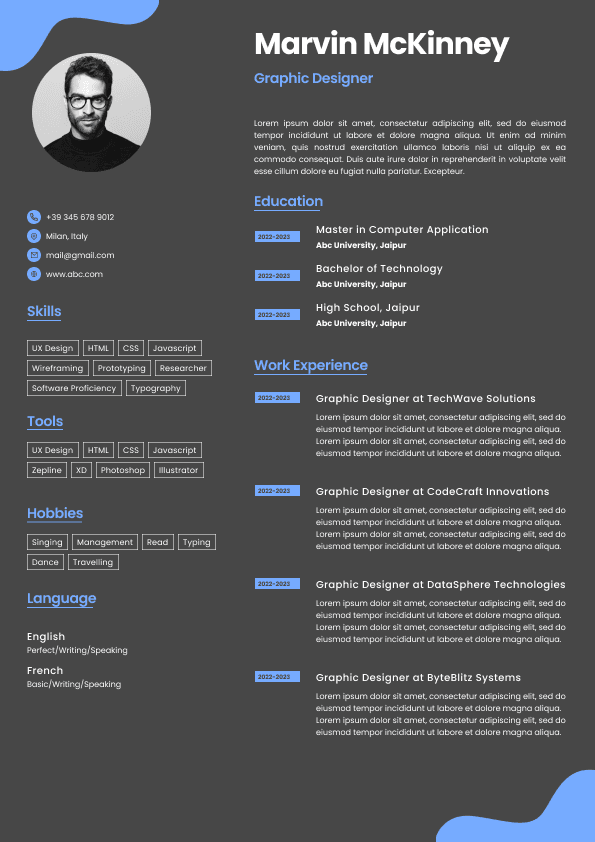
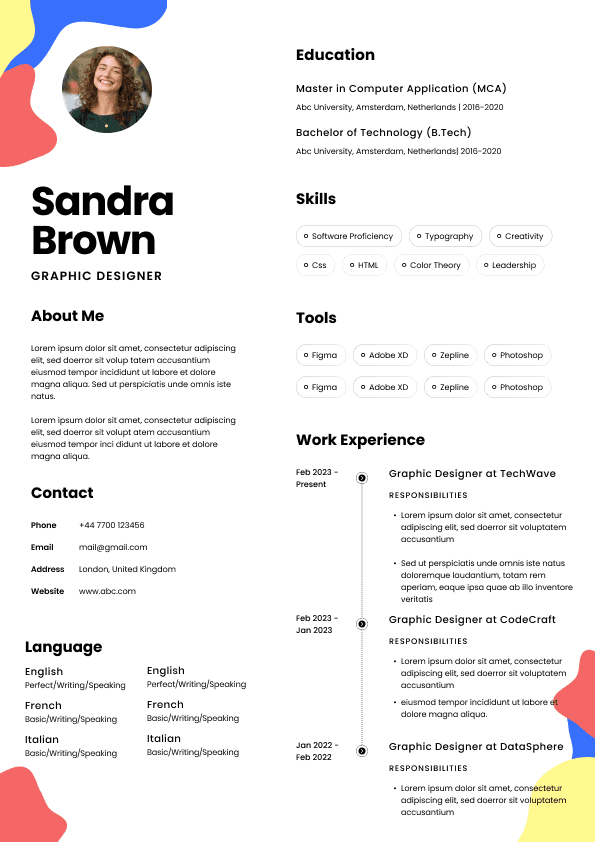
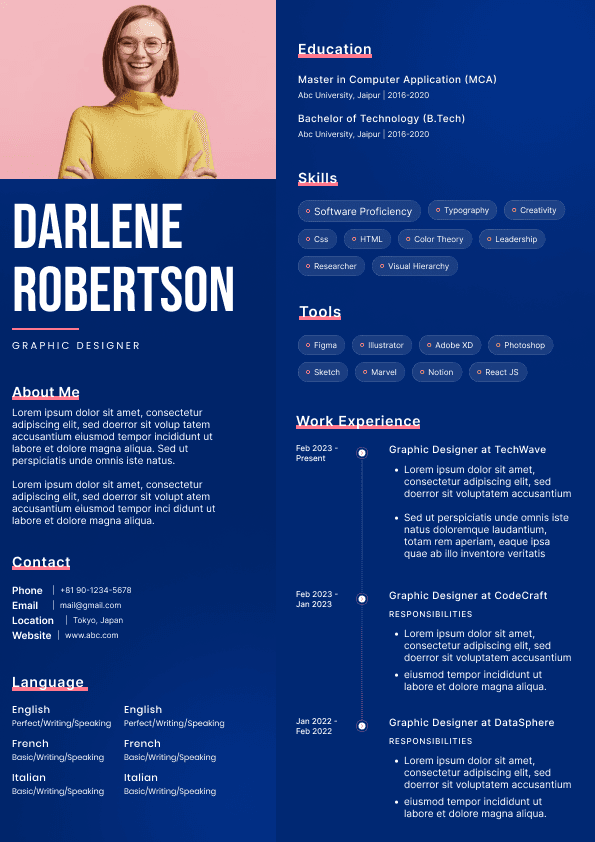
Use ATS-optimised Resume and resume templates that pass applicant tracking systems. Our Resume builder helps recruiters read, scan, and shortlist your Resume faster.


Use professional field-tested resume templates that follow the exact Resume rules employers look for.
Create Resume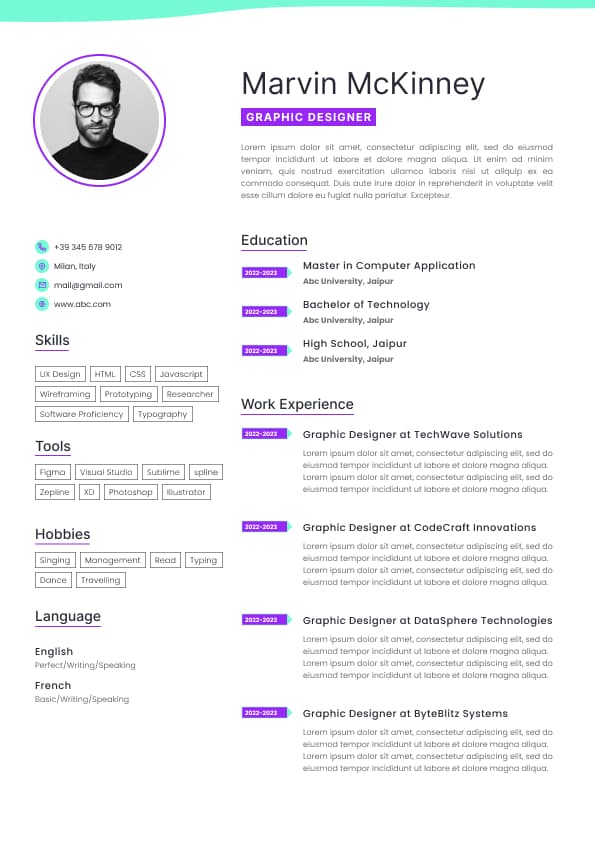
Use professional field-tested resume templates that follow the exact Resume rules employers look for.
Create ResumeOverloaded skills sections filled with technologies the candidate cannot explain
No GitHub, portfolio, or deployed projects for junior developers
The strongest TypeScript resumes position the candidate around a specific hiring need, not just general coding ability. That distinction is what separates resumes that get interviews from resumes recruiters skip in under 15 seconds.
This tells the recruiter almost nothing:
What kind of applications?
How large was the codebase?
What was improved?
What problems were solved?
Was TypeScript used properly or just added superficially?
Was the work frontend, backend, or full stack?
A stronger bullet shows technical depth and business impact together.
Good Example
“Built reusable React and TypeScript components for a multi tenant SaaS dashboard used by 40,000+ users, reducing duplicate UI code by 32% and improving page load performance by 21%.”
This works because it demonstrates:
Real TypeScript usage
Framework alignment
Scale
Business context
Quantifiable impact
Engineering maturity
That is how recruiters separate real TypeScript developers from keyword-stuffed applicants.
State management typing
Backend typing strategies
then your TypeScript expertise looks shallow.
Recruiters and engineering managers look for evidence that you understand why TypeScript matters in production environments.
Strong TypeScript implementation signals:
Maintainability
Reduced runtime bugs
Better developer experience
Safer refactoring
Scalable frontend architecture
Improved collaboration across teams
Instead of writing:
Weak Example
“Used TypeScript for frontend development.”
Write something like:
Good Example
“Implemented strict TypeScript typing across React components and API integrations, reducing runtime type related bugs by 38% during QA testing.”
Or:
Good Example
“Developed typed REST APIs with Node.js, Express, and TypeScript, improving API contract consistency across frontend and backend teams.”
Or:
Good Example
“Created reusable TypeScript utility types and shared interfaces that reduced duplicate validation logic across 12 internal services.”
This demonstrates actual engineering value.
What technologies were used?
What complexity level was involved?
What business impact occurred?
What engineering challenges were solved?
What measurable outcomes improved?
Strong TypeScript resume bullets combine:
Technical action
Stack details
Scope
Measurable result
A high-performing formula is:
Action + Technology + Problem Solved + Measurable Outcome
Example:
Good Example
“Optimized Next.js and TypeScript rendering performance using dynamic imports and code splitting, reducing initial page load time from 4.8s to 2.1s.”
Another:
Good Example
“Built NestJS microservices with TypeScript and PostgreSQL supporting 1.2M monthly API requests with 99.95% uptime.”
Another:
Good Example
“Refactored legacy JavaScript modules into strongly typed TypeScript services, decreasing production debugging time by 27%.”
These bullets immediately signal real engineering experience.
GraphQL
Jest
Cypress
Accessibility
SSR
Hydration
Webpack
Important keywords often include:
Node.js
Express
NestJS
Prisma
PostgreSQL
MongoDB
Redis
Kafka
REST APIs
GraphQL
Docker
AWS
CI/CD
Microservices
Recruiters usually expect overlap between frontend and backend tooling.
The strongest resumes mirror the exact terminology from the job description naturally throughout:
Skills section
Experience bullets
Project descriptions
Not just keyword dumping.
State management
Accessibility
Performance optimization
Design systems
Responsive UI
SSR/SSG
API integration
Strong backend TypeScript resumes emphasize:
API scalability
Authentication
Database optimization
Queue systems
Distributed systems
Logging
Testing
Infrastructure reliability
Strong full stack resumes show:
End to end ownership
Frontend and backend integration
Deployment pipelines
Cross functional collaboration
Production troubleshooting
Generic resumes perform poorly because they do not help recruiters place the candidate quickly.
Bug reduction
Deployment frequency
Uptime improvements
Cost savings
Productivity gains
Good Example
“Reduced frontend bundle size by 28% through lazy loading and TypeScript based module refactoring.”
Good Example
“Improved Jest test coverage from 54% to 87% across TypeScript services supporting payment processing workflows.”
Good Example
“Built internal TypeScript tooling that reduced onboarding time for new developers by 35%.”
Metrics create trust because they demonstrate outcomes instead of activity.
Terraform
Kafka
Recruiters may initially move them forward, but engineering interviews expose weak depth quickly.
Production experience over experimentation
A focused skills section usually performs better than an overloaded one.
Deployment readiness
Docker deployments
CI/CD pipelines
Production debugging
Good Example
“Implemented automated Jest and Cypress testing workflows for React and TypeScript applications, reducing regression defects by 41%.”
Good Example
“Diagnosed and resolved memory leak issues in Node.js TypeScript services, improving API stability during peak traffic events.”
Good Example
“Configured GitHub Actions CI/CD pipelines for TypeScript deployments across staging and production environments.”
These bullets signal engineering maturity beyond coding features.
Recruiters care less about flashy visuals and more about:
Technical complexity
Real functionality
Clean architecture
Deployment quality
Documentation
Problem solving
Good Example
“Developed a full stack expense tracking application using Next.js, TypeScript, Prisma, PostgreSQL, and Stripe integration with JWT authentication and responsive dashboard analytics.”
That sounds substantially stronger than:
Weak Example
“Built a finance app.”
Clear bullet points
Consistent spacing
Standard fonts
Simple formatting
Avoid:
Skill bars
Graphics
Infographics
Decorative icons
Excessive colors
ATS compatibility matters because many resumes never reach human review otherwise.
“Built admin dashboard in React and TypeScript.”
Write:
Good Example
“Built React and TypeScript admin dashboard that reduced customer support ticket resolution time by 24% through improved workflow visibility.”
That connects engineering work to business value.
Generic wording
Technology dumping
Outdated stacks
Weak project descriptions
Vague responsibilities
Most importantly, they make it easy for recruiters to understand exactly where the candidate fits.
Databases
Testing
Cloud/DevOps
Every bullet should show:
Technology used
Problem solved
Measurable outcome
Especially important for:
Entry level candidates
Career changers
Self taught developers
Strong additions for technical credibility.
Scalability experience
Testing maturity
Collaboration signals
Technical ownership
Product understanding
That is why vague resumes fail so quickly.
Your resume must reduce uncertainty immediately.
The best TypeScript resumes make recruiters think:
“This candidate already sounds like someone who can contribute to our team.”
That is the standard your resume should aim for.




 Upload Resume
 Import from Linkedin