STILL APPLYING. STILL HEARING NOTHING?BUILD YOUR RESUME

STILL APPLYING. STILL HEARING NOTHING?BUILD YOUR RESUME
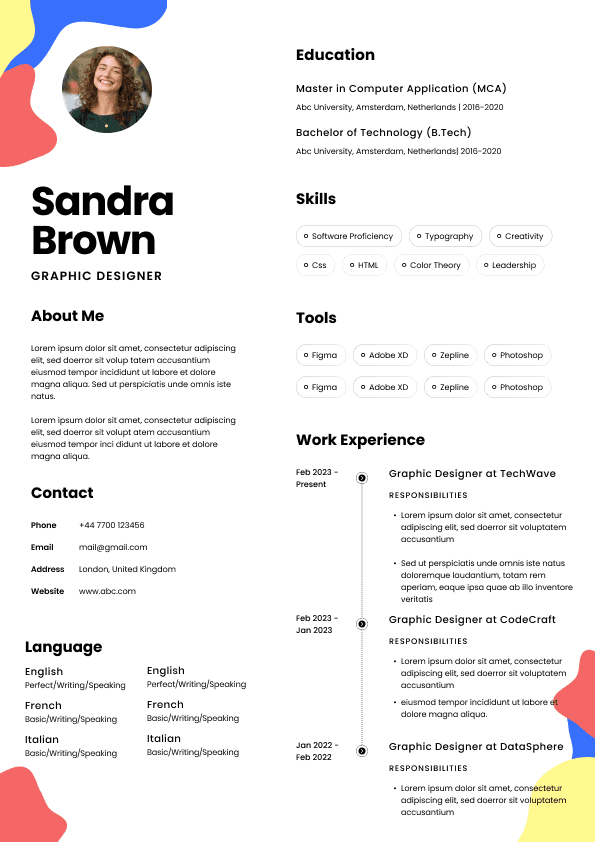
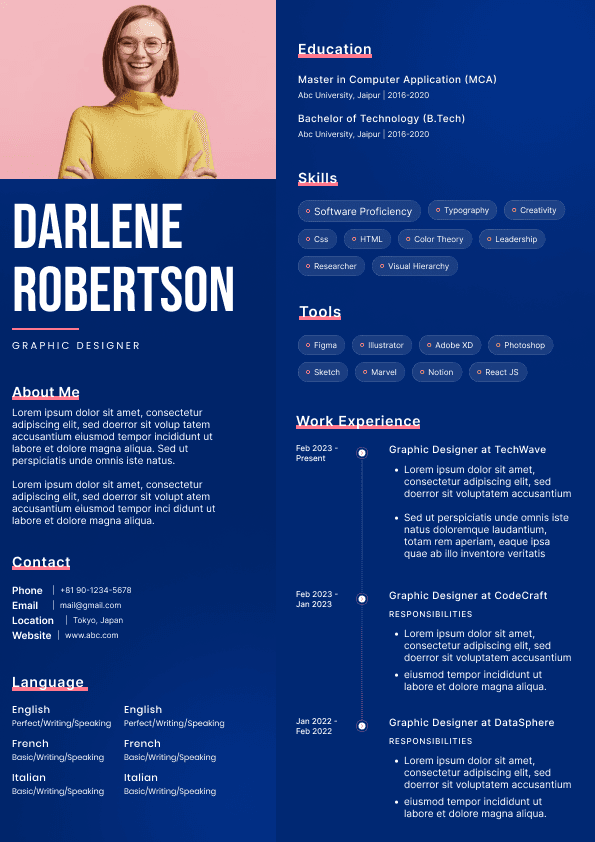
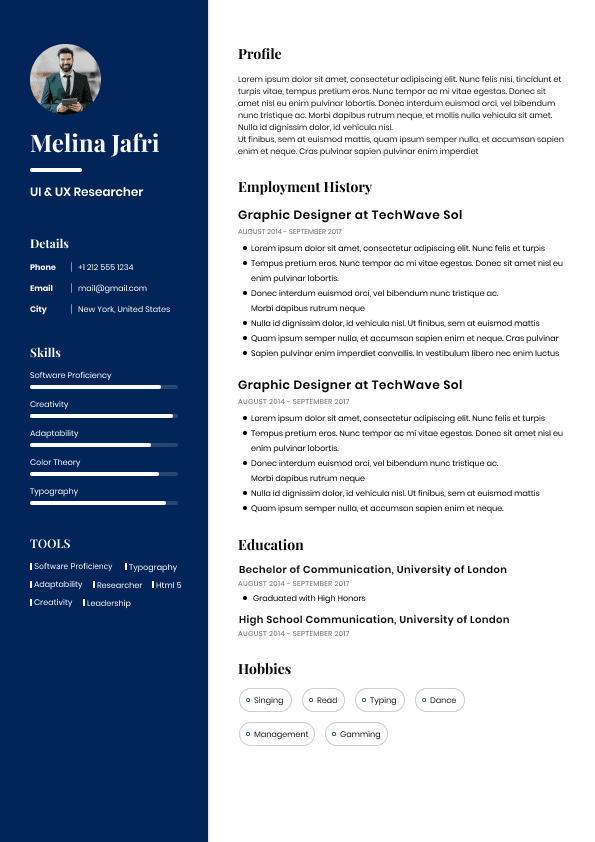
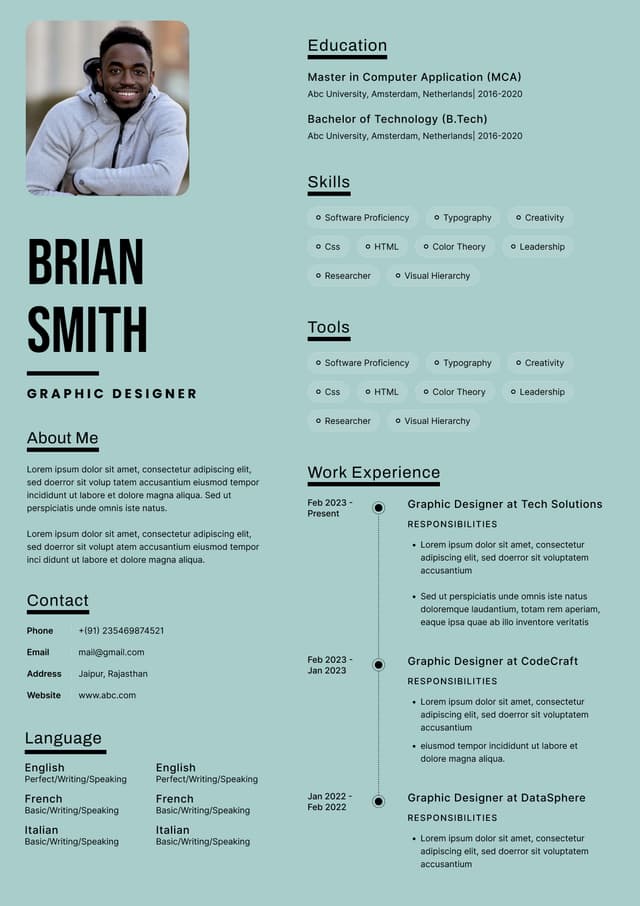
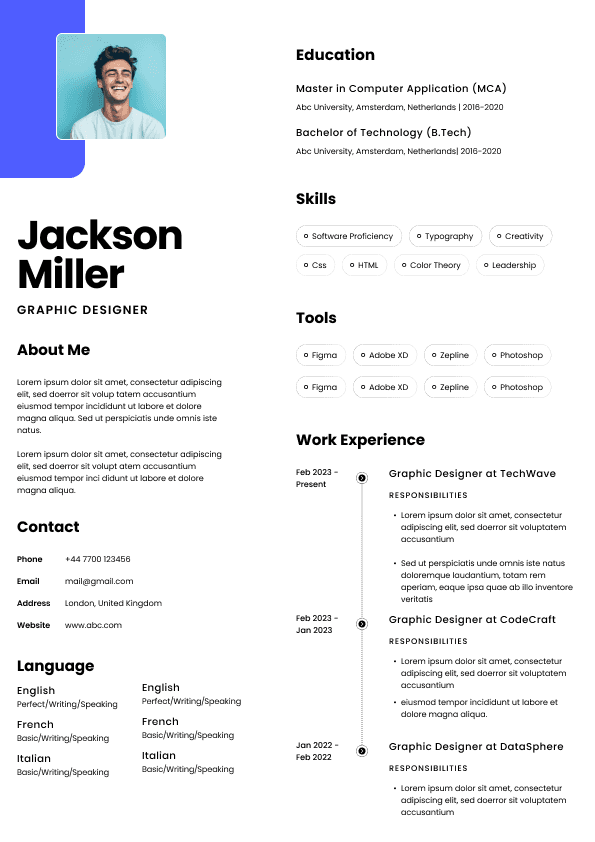
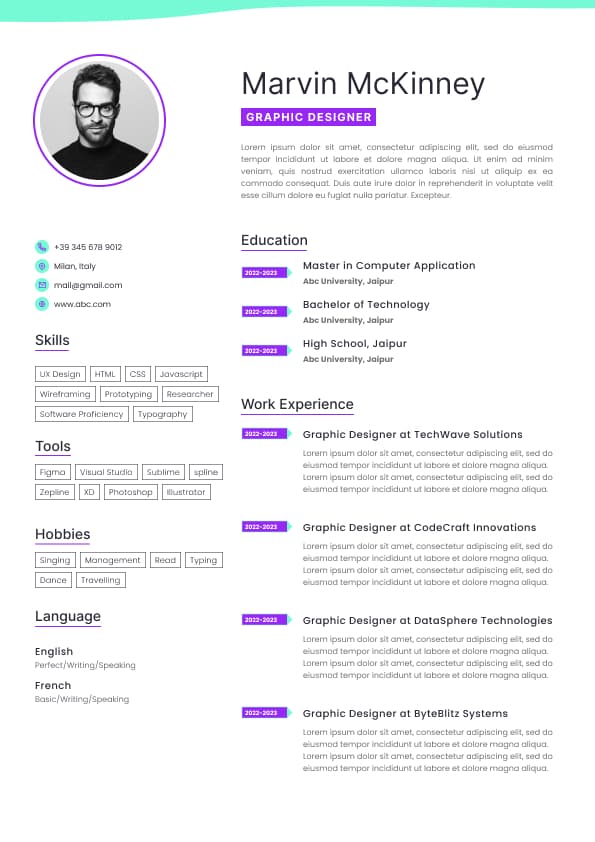
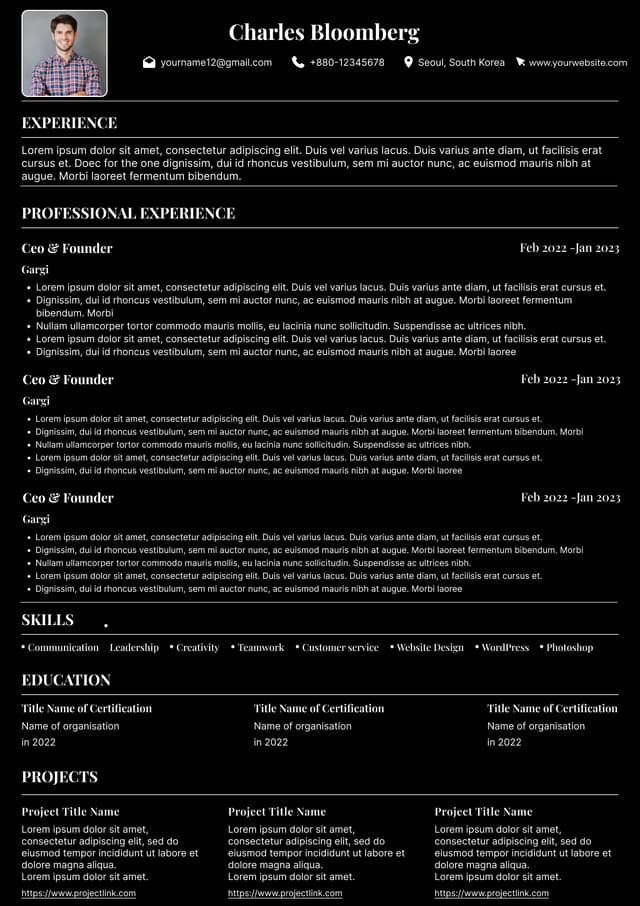
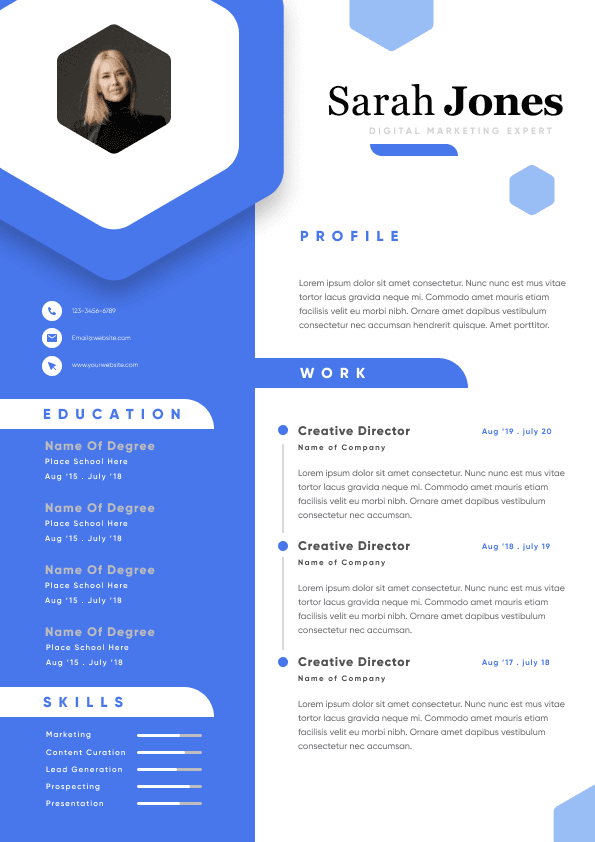
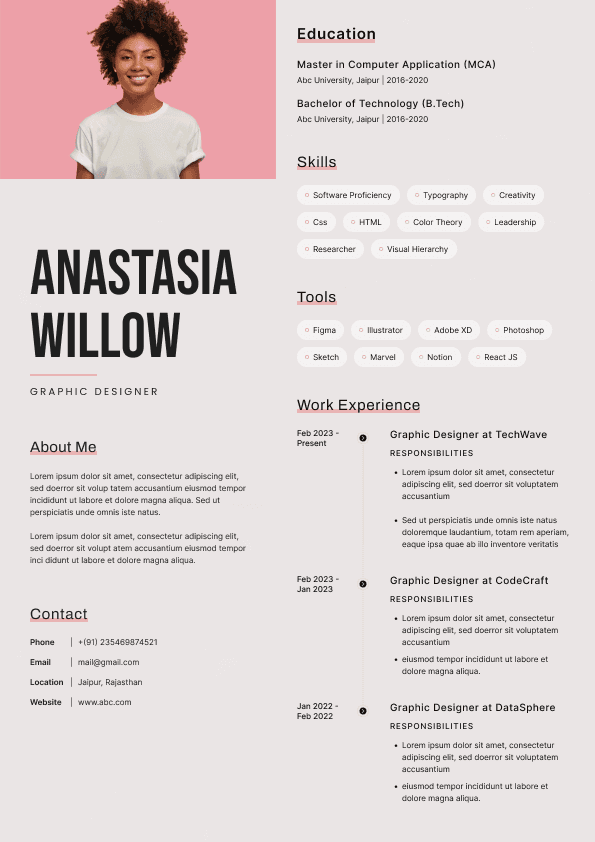
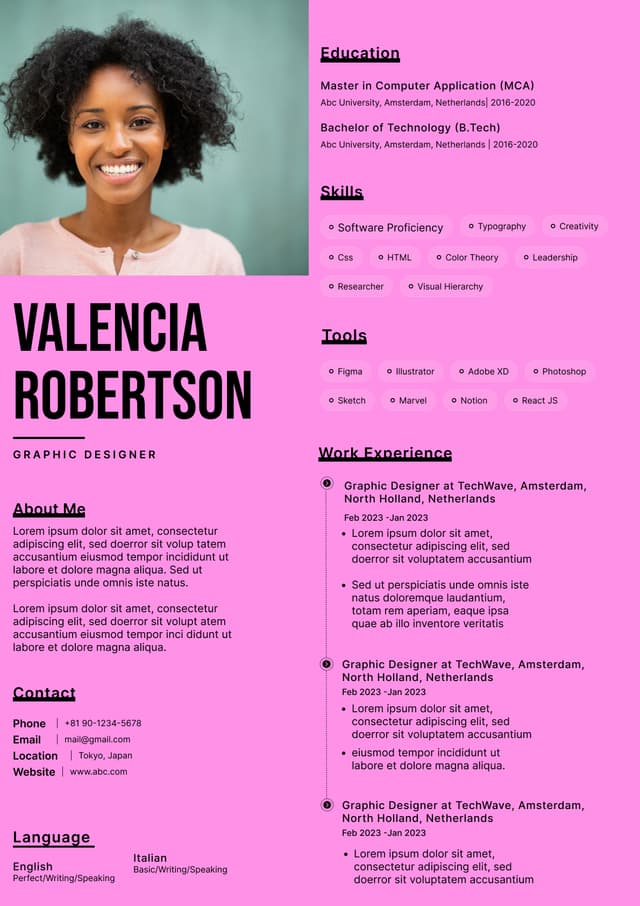
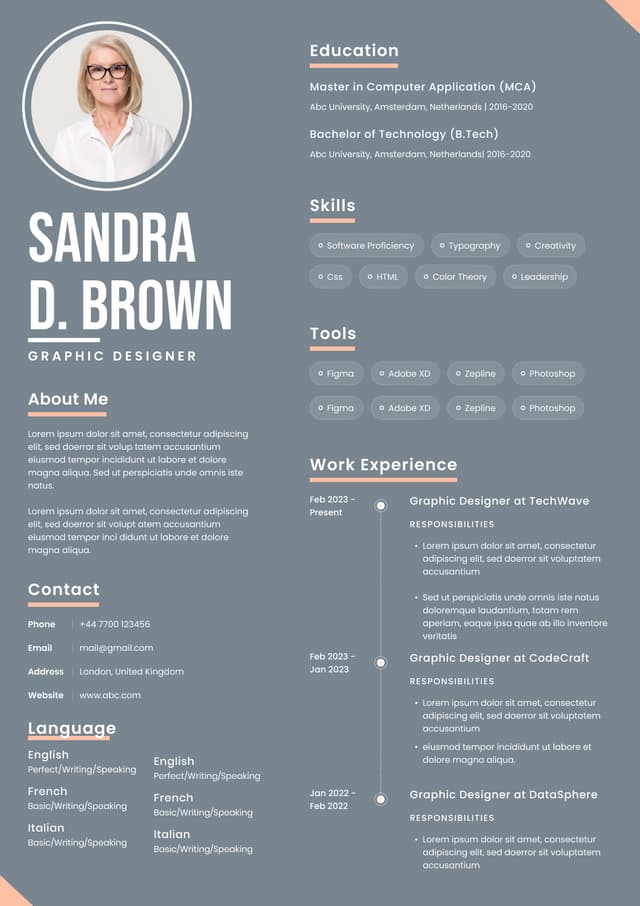
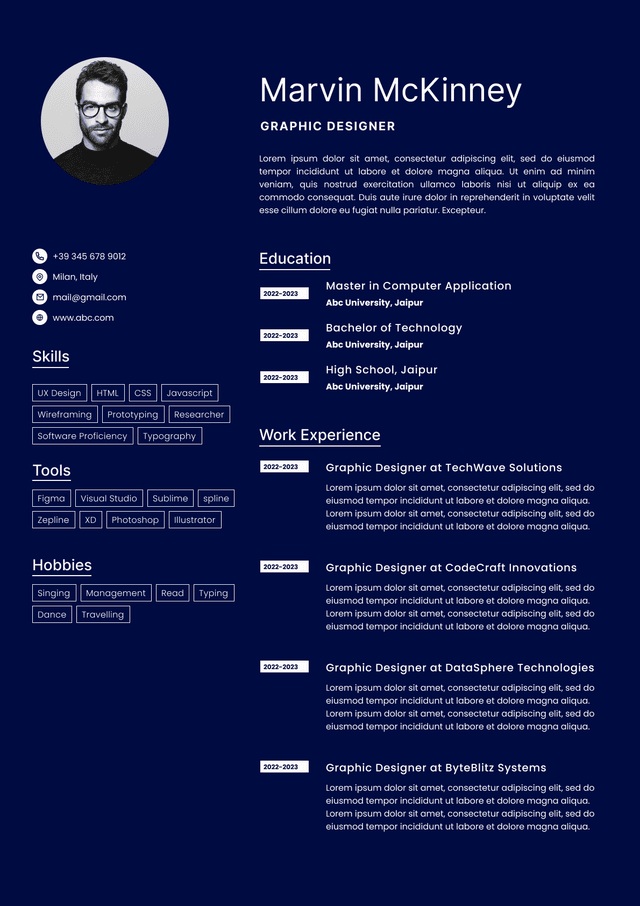
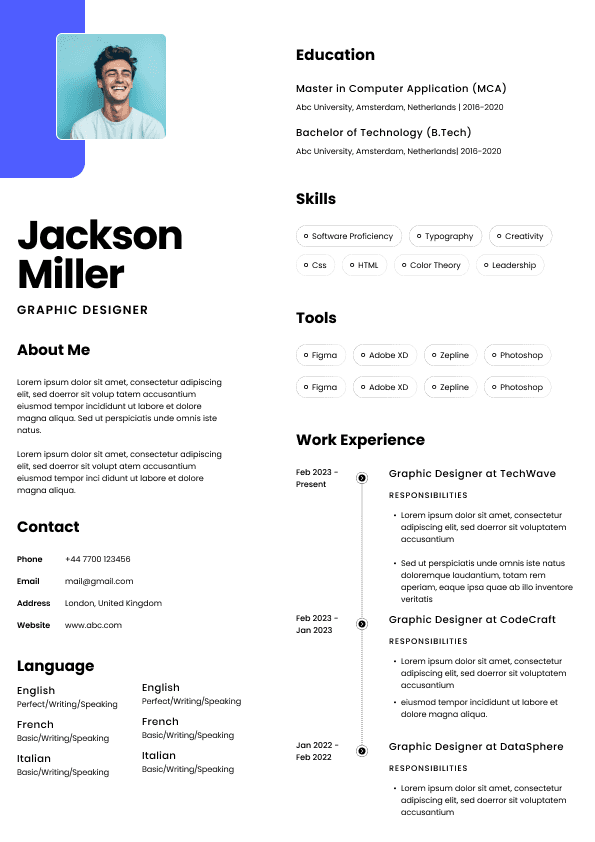
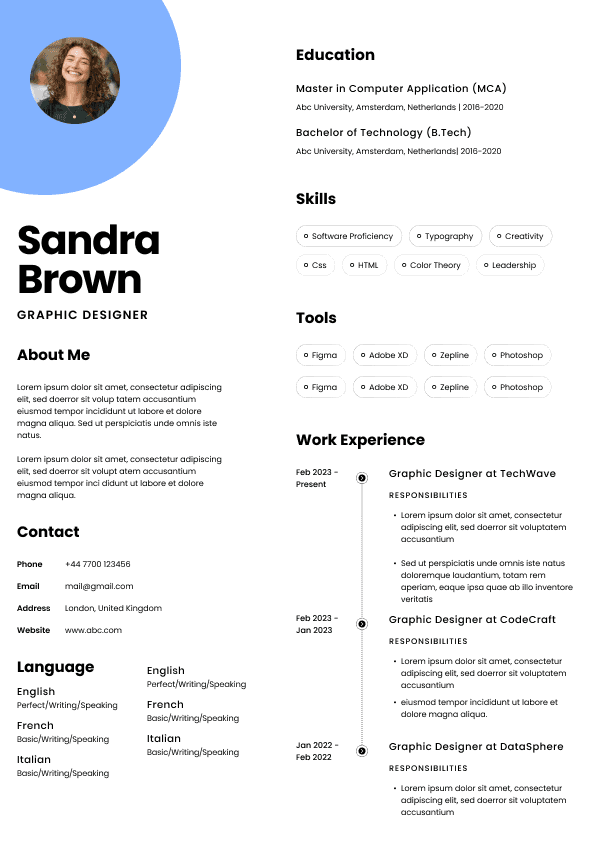
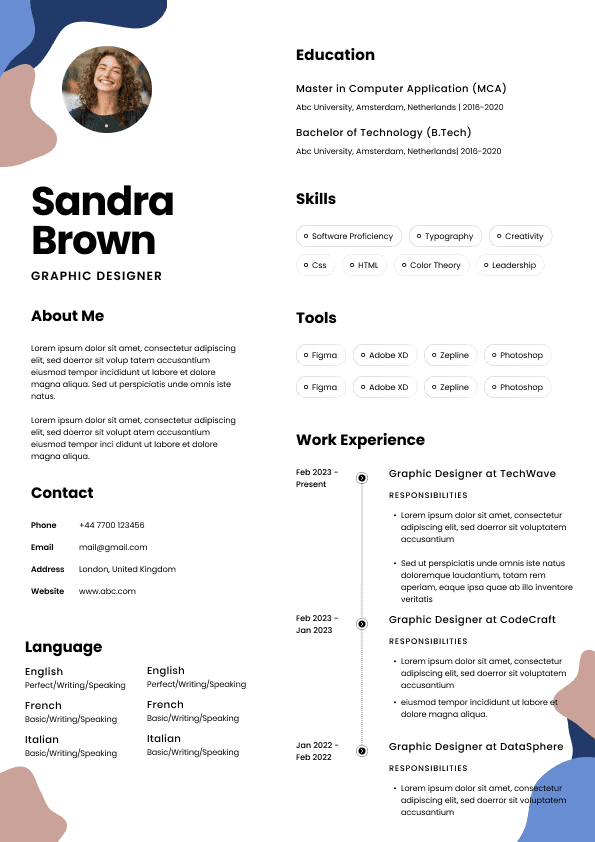
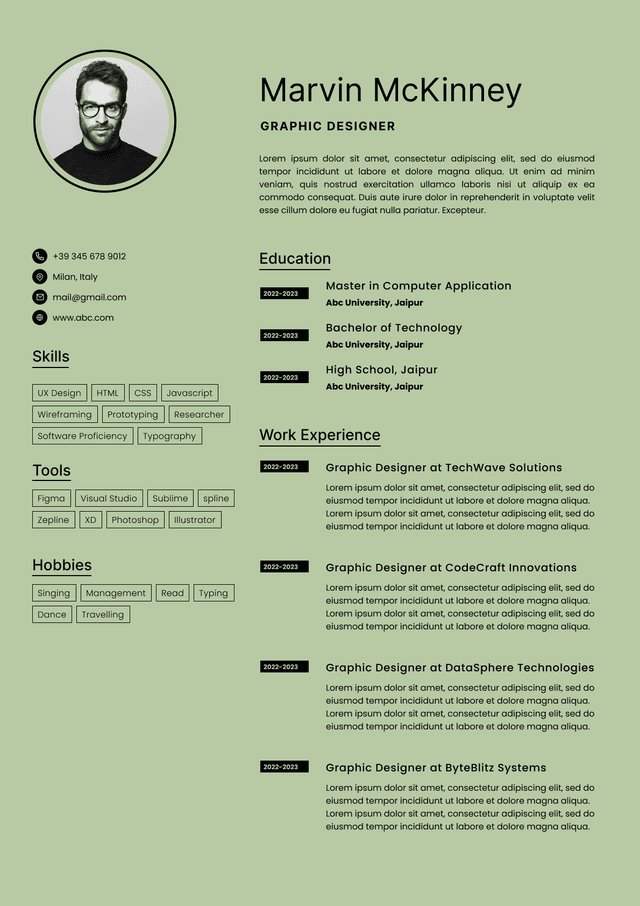
Choose from a wide range of NEWCV resume templates and customize your NEWCV design with a single click.
FAQ

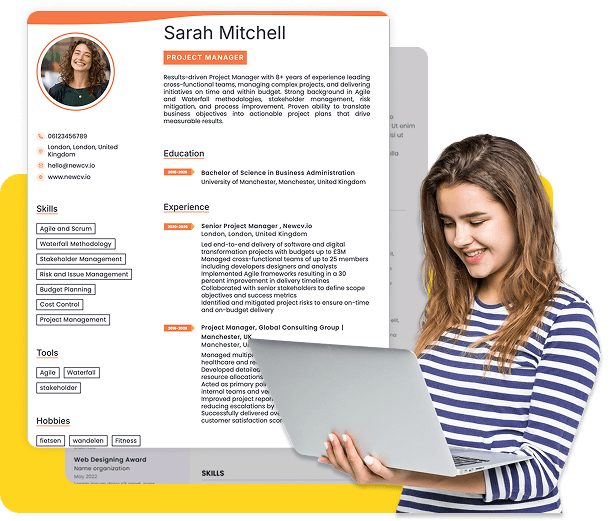
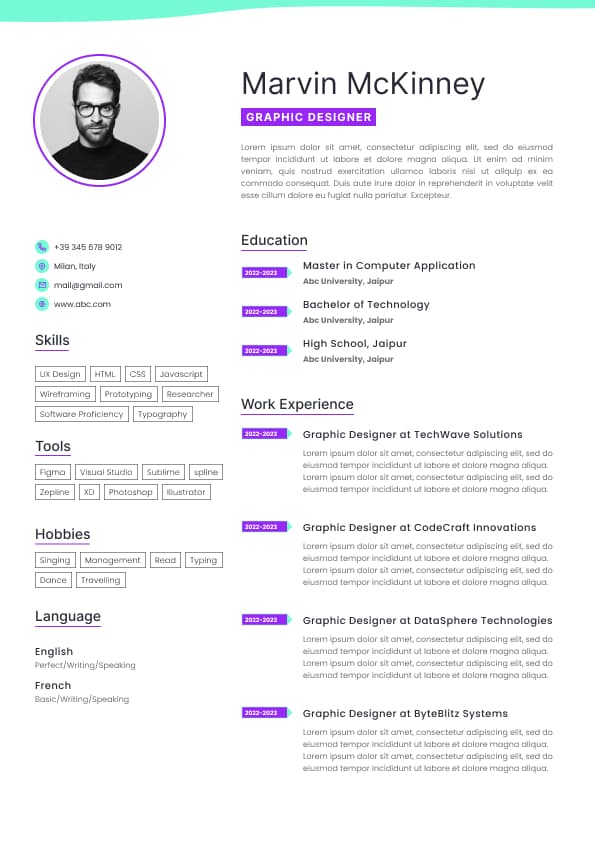
Use professional field-tested resume templates that follow the exact Resume rules employers look for.
Create ResumeA strong TypeScript developer resume is not just a list of tools. Recruiters and engineering managers evaluate whether your technical stack matches the company’s architecture, team maturity, and delivery environment. The best resumes show depth in the right areas: frontend frameworks, backend systems, testing, CI/CD, cloud infrastructure, APIs, performance tooling, and developer workflow tools.
Most TypeScript resumes fail because candidates dump every technology they have touched into one giant skills section. That creates credibility problems immediately. Hiring teams want to see a coherent engineering stack that aligns with real-world product development. A modern TypeScript developer resume should demonstrate how you build, test, deploy, monitor, and scale applications using tools that fit your level and specialization.
This guide explains exactly which TypeScript development tools belong on a resume, how recruiters evaluate them, and how to position your technical stack strategically for frontend, full-stack, and enterprise engineering roles.
Most recruiters screening TypeScript resumes are not deeply technical. However, they are trained to identify alignment patterns between your resume and the job description.
They look for signals like:
Modern frontend ecosystem experience
Full-stack development capability
Production-grade engineering practices
API integration and backend communication
Testing maturity
Cloud and deployment exposure
Collaboration in Agile product environments
Ability to work within scalable codebases
Hiring managers then evaluate technical depth more aggressively. They want evidence that you can contribute to an existing architecture without creating maintenance risk.
That means your resume needs to communicate:
Which technologies you used together
Whether your experience was production-level
Whether you understand modern engineering workflows
Whether your stack aligns with the company environment
A candidate listing React, TypeScript, Docker, AWS, PostgreSQL, and Jest together in coherent project experience looks substantially stronger than someone listing 40 disconnected tools.
The strongest TypeScript developer resumes organize tools by engineering function instead of dumping everything into one paragraph.
This improves ATS parsing and helps recruiters quickly validate stack alignment.
These are the foundational technologies most employers expect for TypeScript roles.
For frontend and full-stack TypeScript roles, these tools carry the most hiring weight:
React
Next.js
Angular
Vue.js
Remix
Vite
Tailwind CSS
Webpack
Rollup
Storybook
React and Next.js currently dominate US TypeScript hiring demand, especially for SaaS companies and startups.
Angular remains highly valuable in enterprise hiring environments, especially in finance, healthcare, and large internal systems.
Modern TypeScript hiring increasingly favors developers who can work across frontend and backend systems.
Important backend technologies include:
Node.js
Express.js
NestJS
Fastify
Prisma
TypeORM
tRPC
GraphQL
Apollo Server
Recruiters often prioritize candidates who understand API architecture and backend data flow, even for frontend-heavy roles.
Database knowledge significantly increases perceived engineering maturity.
High-value resume technologies include:
PostgreSQL
MongoDB
MySQL
Redis
DynamoDB
Elasticsearch
Firebase
Supabase
PostgreSQL is especially important for modern SaaS hiring because it signals exposure to relational data modeling and scalable backend architecture.
Many developers underestimate how much tooling influences recruiter perception.
Modern engineering organizations expect developers to work efficiently within collaborative workflows.
Useful resume additions include:
Visual Studio Code
WebStorm
IntelliJ IDEA
Cursor
GitHub Codespaces
Vim
However, editors alone are not strong resume differentiators. They should support broader engineering credibility rather than dominate the skills section.
These tools are extremely important because they indicate team-based development experience.
Strong options include:
Git
GitHub
GitLab
Bitbucket
GitHub Actions
GitLab CI/CD
Hiring managers often interpret strong Git workflow experience as evidence of professional software engineering discipline.
One of the biggest differences between junior and mid-level TypeScript resumes is testing maturity.
Candidates who include testing frameworks appear significantly more production-ready.
The strongest testing tools for TypeScript resumes include:
Jest
Vitest
React Testing Library
Cypress
Playwright
Supertest
Mocha
Chai
Selenium
Playwright and Cypress currently carry strong hiring value because companies increasingly prioritize end-to-end testing automation.
Testing tools signal:
Code quality awareness
Production reliability mindset
Experience in mature engineering teams
CI/CD familiarity
Reduced onboarding risk
Candidates without testing frameworks often appear less experienced, even when technically strong.
Modern TypeScript engineering roles increasingly overlap with infrastructure and deployment responsibilities.
Even frontend-focused engineers are now expected to understand deployment workflows.
Important DevOps technologies include:
Docker
Kubernetes
Terraform
Helm
Jenkins
GitHub Actions
GitLab CI/CD
CircleCI
Docker is especially valuable because it appears across startups, enterprise environments, and cloud-native engineering teams.
The strongest cloud platforms for TypeScript resumes are:
AWS
Azure
Google Cloud Platform
Vercel
Netlify
Cloudflare
Railway
Render
AWS remains the most requested platform in US engineering hiring.
Vercel and Netlify are highly relevant for frontend-heavy TypeScript positions.
Modern TypeScript applications rely heavily on APIs, distributed services, and integration workflows.
Candidates who show API fluency appear substantially more employable.
Strong resume tools include:
Postman
Swagger
OpenAPI
Insomnia
Apollo Studio
GraphQL Playground
These tools help validate:
API testing capability
Documentation awareness
Integration workflow experience
Backend communication skills
Postman is nearly universal across TypeScript hiring environments.
One area many competitors completely miss is observability tooling.
Senior engineers are often evaluated based on operational awareness, not just coding ability.
High-value tools include:
Datadog
Grafana
Prometheus
Sentry
New Relic
Splunk
AWS CloudWatch
Sentry is particularly common in frontend TypeScript environments because it demonstrates production debugging experience.
These tools matter for frontend-heavy roles:
Lighthouse
Chrome DevTools
WebPageTest
Performance optimization is increasingly important in hiring because companies care about Core Web Vitals, user experience, and frontend scalability.
Senior and staff-level TypeScript resumes require more architectural sophistication.
This is where advanced tooling becomes a differentiator.
Important enterprise-scale tools include:
Nx
Turborepo
Lerna
pnpm workspaces
These tools signal:
Large-scale codebase management
Multi-package architecture experience
Build optimization knowledge
Enterprise engineering exposure
Advanced backend TypeScript roles often involve:
Kafka
RabbitMQ
AWS SQS
AWS SNS
These tools indicate distributed systems experience, which carries strong hiring value for platform and infrastructure teams.
Modern TypeScript organizations increasingly prioritize runtime validation.
Important tools include:
Zod
Yup
Joi
Valibot
Zod has become especially popular in modern TypeScript ecosystems because of its strong integration with React, Next.js, and API validation workflows.
AI-assisted development is now mainstream in software engineering hiring.
Companies increasingly expect engineers to use AI tools productively.
Relevant tools include:
GitHub Copilot
Cursor
ChatGPT
Codex-style assistants
AI code review tools
However, simply listing AI tools is not enough.
What matters is demonstrating how they improved:
Developer productivity
Refactoring workflows
Testing automation
Documentation generation
Engineering velocity
For AI-focused TypeScript roles, valuable tools include:
OpenAI API
LangChain.js
Vector databases
Streaming chat APIs
These tools are especially relevant for SaaS startups building AI-powered products.
One of the biggest resume mistakes is creating a massive unreadable “Skills” section.
Recruiters skim resumes extremely quickly. Structure matters.
A high-performing TypeScript resume usually groups technologies like this:
Languages: TypeScript, JavaScript, SQL
Frontend: React, Next.js, Redux Toolkit, Tailwind CSS
Backend: Node.js, Express.js, NestJS, Prisma
Databases: PostgreSQL, MongoDB, Redis
Testing: Jest, Playwright, Cypress
Cloud & DevOps: AWS, Docker, GitHub Actions
Tools: Git, Postman, Jira, Swagger
This structure improves:
ATS readability
Recruiter scanning speed
Technical credibility
Stack coherence
Many TypeScript resumes get rejected because the skills section feels inflated or unrealistic.
Candidates sometimes list 60 to 100 technologies without demonstrating depth anywhere.
This creates immediate skepticism.
Recruiters assume:
Tutorial-level exposure only
Resume keyword stuffing
Weak production experience
Lack of specialization
A resume listing React, PHP, Swift, Unity, Hadoop, COBOL, and TensorFlow together often looks unfocused unless the candidate clearly explains the context.
Modern engineering hiring strongly favors focused technical positioning.
Avoid emphasizing outdated tools unless directly relevant to your target role.
Examples include:
jQuery-heavy positioning
Grunt
Bower
Legacy AngularJS without modern Angular
Old frontend build systems
These can unintentionally age your profile.
“Skills: JavaScript, TypeScript, React, Node, coding, APIs, databases, cloud, testing, frontend, backend.”
Problems:
Too vague
No technical depth
No production tooling
No stack relationships
Poor ATS optimization
No specialization signals
“Frontend: React, Next.js, TypeScript, Redux Toolkit, Tailwind CSS, Vite
Backend: Node.js, NestJS, Express.js, Prisma, GraphQL
Testing: Jest, Playwright, React Testing Library
Cloud & DevOps: AWS, Docker, GitHub Actions, Kubernetes
Databases: PostgreSQL, Redis, MongoDB
Developer Tools: GitHub, Jira, Postman, Swagger/OpenAPI”
Why this works:
Clearly structured
Production-oriented
Modern ecosystem alignment
Strong ATS parsing
Signals engineering maturity
Demonstrates coherent stack experience
Hiring managers are not simply matching keywords.
They evaluate whether your toolset suggests you can contribute quickly.
They ask questions like:
Does this developer understand scalable systems?
Have they worked in production environments?
Can they collaborate in modern Agile teams?
Do they understand deployment pipelines?
Can they debug and maintain applications effectively?
Are they frontend-only or truly full-stack?
Can they work independently?
Your technical stack acts as a proxy for engineering maturity.
That is why coherent, realistic tool selection matters more than quantity.
Strong combinations include:
This signals modern frontend SaaS experience.
High-value combinations include:
This is one of the strongest modern hiring combinations in US SaaS recruiting.
Common enterprise combinations include:
This aligns well with large corporate hiring environments.
Use ATS-optimised Resume and resume templates that pass applicant tracking systems. Our Resume builder helps recruiters read, scan, and shortlist your Resume faster.

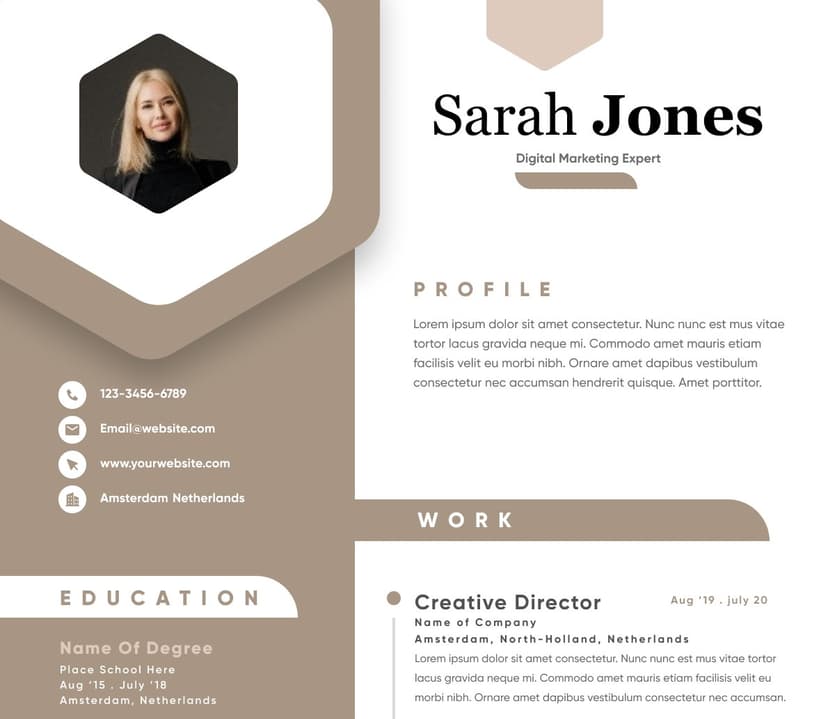
Use professional field-tested resume templates that follow the exact Resume rules employers look for.
Create Resume


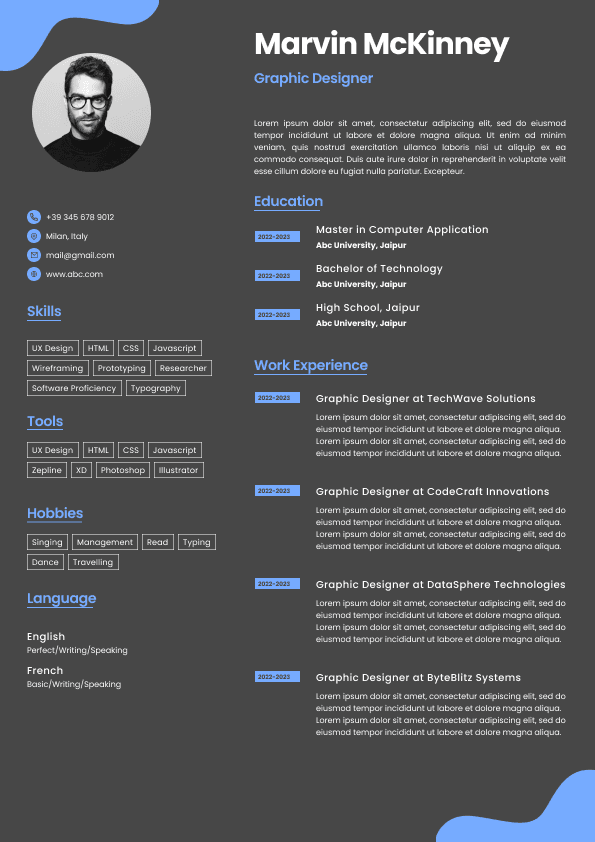
 Upload Resume
 Import from Linkedin