
Choose from a wide range of NEWCV resume templates and customize your NEWCV design with a single click.

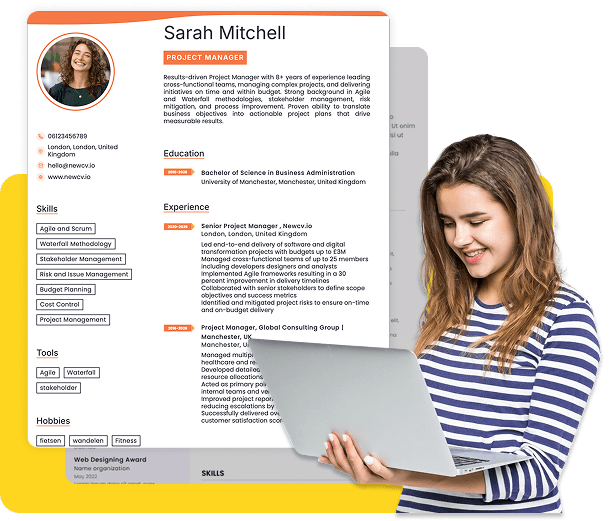
Use ATS-optimised Resume and resume templates that pass applicant tracking systems. Our Resume builder helps recruiters read, scan, and shortlist your Resume faster.

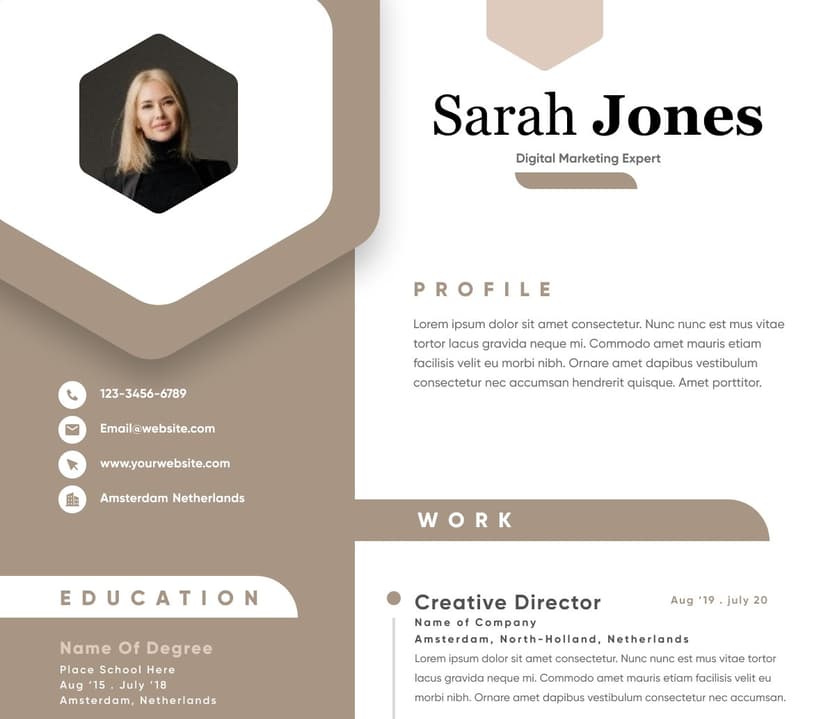
Use professional field-tested resume templates that follow the exact Resume rules employers look for.
Create Resume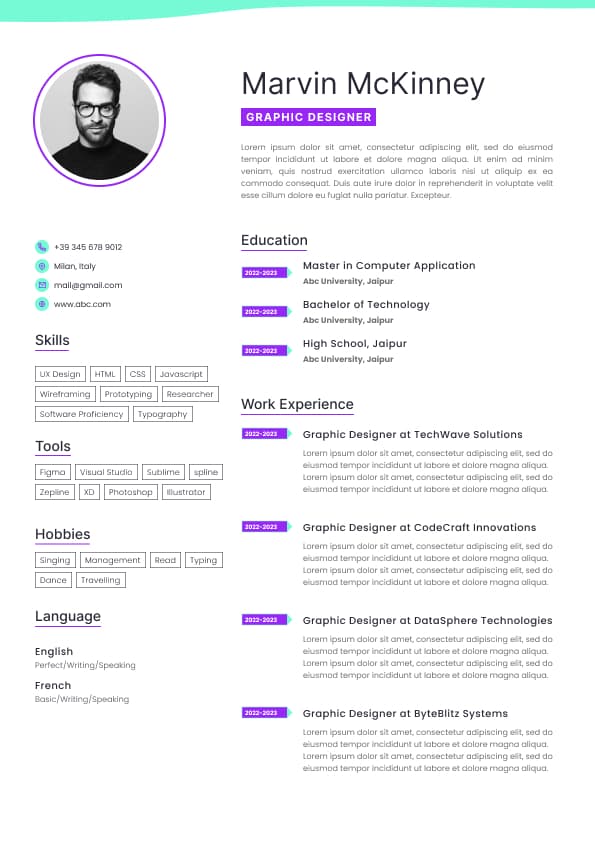
Use professional field-tested resume templates that follow the exact Resume rules employers look for.
Create ResumeSupport worker hiring in Australia is highly practical. Most employers are not looking for a “perfect” resume. They are looking for proof you can safely support vulnerable people, communicate professionally, manage difficult situations, and show up reliably.
A strong support worker resume in Australia needs to demonstrate three things immediately:
•You understand person-centred care
• You meet compliance and screening requirements
• You have the right mix of soft skills and practical support experience
Most resumes fail because they are too generic, too emotional, or too focused on duties instead of outcomes. Hiring managers see hundreds of applications that say things like “passionate support worker” or “good communication skills” without evidence.
The resumes that get interviews quickly show:
•Relevant care environments
• Client types supported
• Behavioural and manual handling experience
• NDIS, aged care, disability, or community support exposure
• Documentation and incident reporting capability
• Reliability, professionalism, and emotional maturity
In the Australian market, employers also screen heavily for compliance, especially for NDIS and aged care roles. Missing certifications or checks can move your application straight into the rejection pile even if you have strong experience.
Support worker recruitment in Australia is outcome-driven. Employers are trying to reduce risk while filling shifts quickly.
That means your resume is being evaluated for:
•Safety and compliance
• Reliability
• Communication ability
• Emotional resilience
• Practical support capability
• Cultural fit with vulnerable client groups
• Availability and flexibility
Recruiters are not only asking:
“Can this person do the job?”
They are also asking:
“Would I trust this person alone with a participant, resident, or client?”
That changes how your resume should be written.
A strong Australian support worker resume should feel calm, practical, trustworthy, and professional. Overly polished corporate language usually performs worse than direct, human language with clear examples.
For most support worker roles, the best format is a reverse chronological resume.
This works best because employers want to quickly assess:
•Recent care experience
• Stability and reliability
• Industry exposure
• Relevant environments
• Shift-based work history
A modern support worker resume should include:
•Professional summary
• Core skills section
• Certifications and compliance
• Work experience
• Education and training
• Additional licences or checks
If you are changing careers or entering support work for the first time, you can still use this structure but place transferable skills and certifications higher on the page.
Most recruiters spend less than 30 seconds on the initial scan.
The first screen usually focuses on:
For Australian support worker roles, recruiters often scan for:
•NDIS Worker Screening Check
• Working With Children Check
• National Police Check
• First Aid and CPR
• Driver’s licence
• Vehicle access
• Manual handling
• Medication training
• Cert III or Cert IV qualifications
If these are missing or hard to find, your resume becomes risky to shortlist.
Hiring managers want to know:
•Disability support
• Aged care
• Community care
• Mental health support
• Behaviour support
• Residential care
• Home care
• Youth support
The more clearly your experience matches the role, the stronger your chances.
Employers also screen for indicators of:
•Emotional regulation
• Reliability
• Professional boundaries
• Communication skills
• De-escalation capability
• Documentation accuracy
• Team collaboration
This is why generic resumes perform poorly. Employers need evidence, not claims.
Your professional summary should immediately position you as employable, compliant, and capable.
“Passionate support worker with good people skills looking for an opportunity to grow.”
This says almost nothing.
“Compassionate and reliable Disability Support Worker with 4+ years of experience supporting NDIS participants with intellectual disabilities, autism, and complex behaviours across home and community settings. Skilled in personal care, behaviour support implementation, manual handling, medication assistance, and incident documentation. Holds current First Aid, CPR, NDIS Worker Screening Check, and unrestricted Australian driver’s licence.”
This works because it instantly answers the recruiter’s biggest questions.
Many support worker resumes list random soft skills with no hiring value.
Instead, focus on operationally relevant capabilities.
Strong skills sections often include:
•Personal care support
• Manual handling
• Behaviour support
• Medication assistance
• Community access support
• Incident reporting
• Care documentation
• Emotional regulation
• Conflict de-escalation
• Verbal and written communication
• Autism support
• Mental health support
• Mobility assistance
• Domestic assistance
• Client-centred care
• NDIS support delivery
• Risk awareness
• Team collaboration
Tailor these to the specific role.
Emily Carter
Brisbane, QLD
0412 555 891
Reliable and compassionate Disability Support Worker with over 5 years of experience supporting NDIS participants across home, community, and supported independent living environments. Experienced working with clients with autism, psychosocial disabilities, intellectual disabilities, and complex behaviours. Skilled in personal care, behaviour support implementation, medication assistance, incident reporting, and community participation support. Recognised for professionalism, calm communication style, and strong client relationship management.
Personal care and hygiene support
Behaviour support implementation
Community access support
Medication assistance
Manual handling and mobility support
Incident reporting and documentation
Autism and intellectual disability support
Mental health support
Emotional regulation and de-escalation
NDIS participant support
Risk management awareness
Shift documentation and progress notes
Certificate III in Individual Support
Current First Aid and CPR
NDIS Worker Screening Check
Working With Children Check
National Police Check
Full Australian Driver’s Licence
Own reliable vehicle
CareChoice Australia – Brisbane, QLD
January 2022 – Present
Support NDIS participants with daily living activities, community participation, transport, and personal care
Implement behaviour support plans for clients with complex behavioural needs
Assist with medication administration and detailed progress documentation
Build positive therapeutic relationships with participants and families
Maintain accurate incident reporting and shift handover communication
Support participant independence goals in line with person-centred care principles
BlueSky Community Services – Brisbane, QLD
March 2020 – December 2021
Delivered in-home and community-based support for clients with physical and intellectual disabilities
Assisted with meal preparation, domestic assistance, transport, and social engagement
Supported clients during medical appointments and community outings
Maintained client confidentiality and professional boundaries
Worked flexible rotating shifts including weekends and overnight support
TAFE Queensland
Available for day, evening, overnight, and weekend shifts
Comfortable supporting high-needs participants
Strong understanding of NDIS practice standards
This is where most support worker resumes fail.
Many candidates simply list tasks.
Example:
•Assisted clients with daily activities
• Helped with personal care
• Worked with team members
This is weak because it lacks complexity, context, and evidence.
Instead, show:
•Client groups
• Care environments
• Level of responsibility
• Complexity
• Behavioural exposure
• Outcomes
A strong support worker bullet point usually includes:
•Who you supported
• What type of support you delivered
• Any complexity or risk involved
• The outcome or purpose
This sounds significantly stronger than generic task-based writing.
Support work is compassionate, but employers hire for professionalism and reliability first.
Overly emotional language can unintentionally create concerns around boundaries and resilience.
Phrases like:
•Team player
• Hard worker
• Friendly personality
Add little value unless supported by evidence.
If your checks and certifications are buried at the bottom, recruiters may never see them.
Compliance visibility matters heavily in Australian care recruitment.
Recruiters already know what support workers do.
They want to know:
•What level of support you handled
• What environments you worked in
• Whether you can manage complexity
Messy formatting creates concerns around documentation ability and professionalism.
In support work, documentation accuracy matters.
A poorly structured resume can quietly damage trust.
Most medium and large Australian providers now use applicant tracking systems.
That means keyword alignment matters.
Common ATS keywords include:
•Disability Support Worker
• NDIS
• Personal care
• Community access
• Behaviour support
• Manual handling
• Medication assistance
• Progress notes
• Incident reports
• Individual support
• Mental health support
• Aged care support
• Client-centred care
Do not keyword stuff.
Instead, naturally integrate relevant terminology into:
•Professional summary
• Skills section
• Work experience
Many Australian employers are open to career changers if the resume demonstrates:
•Transferable communication skills
• Emotional maturity
• Reliability
• Relevant certifications
• Genuine understanding of care work realities
Strong transferable backgrounds include:
•Hospitality
• Childcare
• Nursing
• Education support
• Retail leadership
• Allied health
• Community services
• Customer service
• Mental health support
The key is reframing transferable skills properly.
“Worked in retail assisting customers.”
“Managed high-pressure customer interactions, conflict resolution, and communication across fast-paced retail environments while maintaining professionalism and attention to detail.”
This positions transferable capability more strategically.
Support worker recruitment involves hidden risk assessment.
Hiring managers quietly assess whether your resume suggests:
•Reliability under pressure
• Emotional stability
• Professional judgement
• Respect for boundaries
• Safe documentation habits
• Consistency
• Shift reliability
Certain resume patterns create concern quickly.
These include:
•Excessive job hopping
• Vague employment history
• Overly emotional wording
• Poor grammar
• Aggressive self-promotion
• Missing compliance information
• No evidence of participant-focused care
In Australia’s support sector, trustworthiness often outweighs polished corporate writing.
Yes, especially for support work.
A good support worker cover letter can help if:
•You are changing careers
• You have limited experience
• You want to explain passion with professionalism
• You are applying to smaller providers
But the cover letter must stay practical.
Avoid overly emotional storytelling.
Employers want to know:
•Why you understand the role
• Why you can handle the work
• Why you are reliable
For most Australian support worker roles:
•1 page works for entry-level candidates
• 2 pages works best for experienced workers
More than 2 pages is rarely necessary unless you have highly specialised experience.
Recruiters prefer:
•Clear structure
• Fast readability
• Easy compliance visibility
• Relevant detail only
Not all support worker roles are identical.
Focus heavily on:
•NDIS
• Behaviour support
• Community participation
• Independence support
• Manual handling
• Complex behaviours
Focus on:
•Personal care
• Mobility assistance
• Dementia support
• Infection control
• Resident dignity
• Documentation
Focus on:
•Emotional regulation
• De-escalation
• Trauma-informed support
• Professional boundaries
• Case notes
• Community engagement
Focus on:
•Behaviour management
• Crisis response
• Communication
• Risk awareness
• Relationship building
• Trauma-informed care
Tailoring matters because Australian employers hire for immediate operational fit.
The strongest support worker resumes in Australia are not the most creative.
They are the clearest, safest, and most trustworthy.
A recruiter should immediately understand:
•Who you support
• What environments you work in
• What risks or complexities you can manage
• Whether you meet compliance requirements
• Whether you can be trusted with vulnerable clients
That is what gets interviews.
A well-written support worker resume should feel practical, emotionally mature, calm, and operationally reliable.
That is how experienced hiring managers assess candidates in the Australian care sector.


 Upload Resume
 Import from Linkedin