
Choose from a wide range of NEWCV resume templates and customize your NEWCV design with a single click.

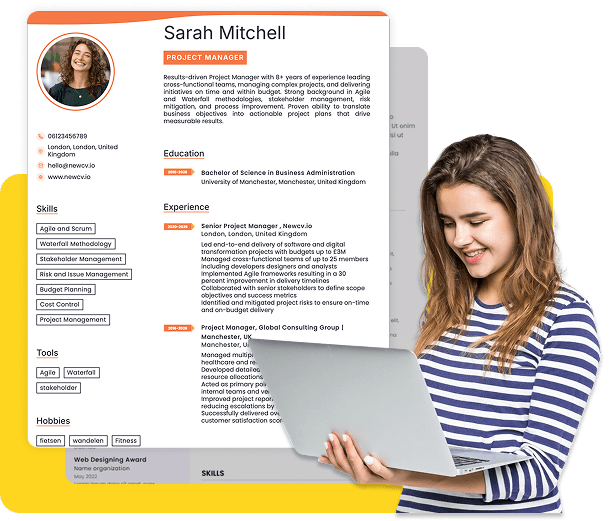
Use ATS-optimised Resume and resume templates that pass applicant tracking systems. Our Resume builder helps recruiters read, scan, and shortlist your Resume faster.

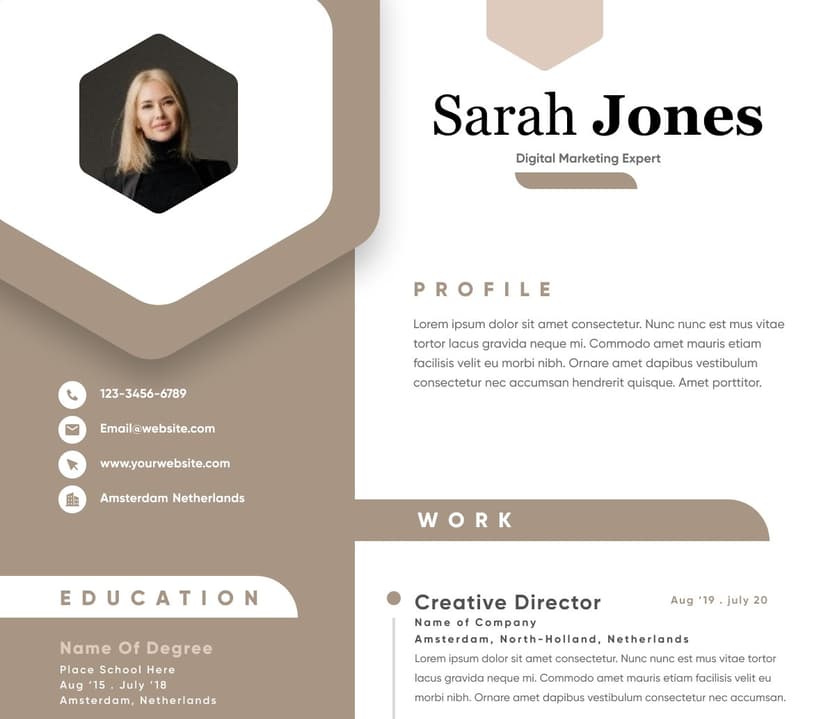
Use professional field-tested resume templates that follow the exact Resume rules employers look for.
Create Resume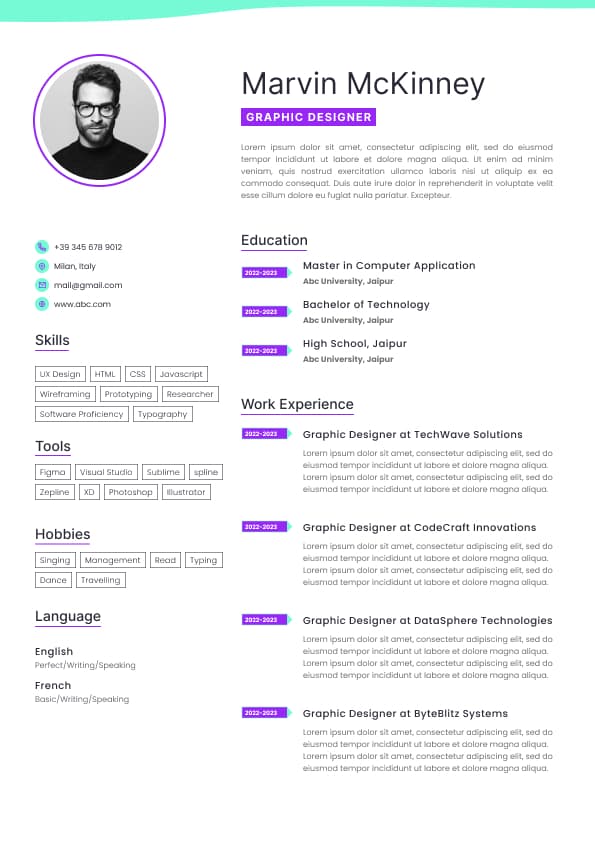
Use professional field-tested resume templates that follow the exact Resume rules employers look for.
Create ResumeSydney remains one of the strongest Australian job markets for foreign workers, but getting hired is far more competitive than most overseas candidates expect. Employers in Sydney prioritise candidates who already have valid Australian work rights, local experience, strong communication skills, and resumes aligned with Australian hiring standards. That does not mean sponsorship is impossible. It means you need a targeted strategy.
The foreigners getting hired fastest in Sydney are usually applying in skill-shortage industries, tailoring their resumes to Australian expectations, networking locally, and understanding how recruiters actually screen overseas applicants. Many candidates fail because they apply too broadly, use international-style CVs, or misunderstand how sponsorship works in Australia.
If your goal is to work in Sydney legally and realistically, this guide explains exactly where foreigners are getting hired, which visas employers support, what recruiters look for, and how to position yourself competitively in the current Sydney job market.
Yes, but your success depends heavily on three factors:
•Your visa or work rights
• Your occupation and industry demand
• How well you match Australian hiring expectations
Sydney employers generally fall into three hiring categories:
•Employers open to temporary visa holders already in Australia
• Employers willing to sponsor highly skilled candidates
• Employers avoiding sponsorship entirely
Most companies prefer candidates already living in Australia with unrestricted work rights because sponsorship involves cost, compliance obligations, and risk. However, industries facing severe talent shortages are still actively hiring foreigners.
The strongest opportunities currently exist for:
•Healthcare professionals
• Construction and engineering workers
• IT and cybersecurity specialists
• Teachers and early childhood educators
• Chefs and hospitality managers
• Tradespeople
• Accountants with Australian compliance knowledge
• Aged care workers
• Mining and infrastructure specialists
Your odds improve dramatically if your occupation appears on Australia’s skilled occupation lists or aligns with labour shortages in New South Wales.
This is where many overseas applicants misunderstand the Australian market.
Recruiters in Sydney are not only assessing technical skill. They are assessing employability risk.
When reviewing foreign applicants, hiring managers usually ask themselves:
•Does this candidate already have Australian work rights?
• Will communication be smooth with clients and teams?
• Do they understand Australian workplace culture?
• How difficult will onboarding be?
• Are they likely to stay long term?
• Will sponsorship create extra complexity?
• Can this person operate independently from day one?
Candidates who reduce uncertainty get shortlisted faster.
That is why two applicants with similar qualifications can get very different outcomes.
•Clear visa status on the resume
• Australian-style resume formatting
• Local certifications or licences where relevant
• Strong LinkedIn presence
• Industry-specific keywords matching ATS filters
• Sydney-based contact details if already in Australia
• Evidence of communication and stakeholder skills
• Local references or Australian work experience
•Generic international CVs
• Applying without understanding visa requirements
• Poor English communication
• Overly long resumes
• No explanation of work rights
• Applying for roles far outside skill level
• Mass applications without tailoring
Not all industries treat foreign applicants equally. Some sectors hire internationally regularly, while others strongly prefer local candidates.
Healthcare remains one of the most visa-friendly sectors in Australia.
Sydney hospitals, aged care providers, disability support organisations, and regional healthcare networks continue facing workforce shortages.
Strong opportunities include:
•Registered nurses
• Mental health nurses
• Aged care workers
• Physiotherapists
• Occupational therapists
• General practitioners
• Support workers
Foreign healthcare professionals usually need:
•Australian registration
• Skills assessment
• English language testing
• Compliance checks
Recruiters prioritise candidates who already started these processes.
Sydney’s infrastructure pipeline continues driving strong demand for skilled workers.
Employers struggle to find experienced:
•Electricians
• Plumbers
• Carpenters
• Welders
• Civil construction workers
• Project engineers
• Site managers
Trade roles often require:
•Australian licences
• White Card certification
• Local safety compliance
Many overseas tradespeople underestimate how important Australian licensing equivalency is during hiring.
Sydney’s tech market remains strong despite tighter hiring conditions compared to previous years.
Foreign professionals are still competitive in:
•Cybersecurity
• Cloud engineering
• Software development
• Data engineering
• AI and machine learning
• Enterprise architecture
• DevOps
However, the market is no longer forgiving for junior overseas applicants without niche skills.
Recruiters now prioritise:
•Proven commercial experience
• Strong communication skills
• Industry certifications
• Australian client exposure
• Technical specialisation
Generic software developer profiles face much heavier competition in 2026.
Hospitality remains one of the easiest entry points for foreigners already in Australia on working holiday or student visas.
Common roles include:
•Chefs
• Café staff
• Restaurant supervisors
• Hotel staff
• Baristas
• Kitchen hands
However, many hospitality jobs do not lead to sponsorship unless the role is highly specialised or regional.
Chefs remain one of the strongest hospitality pathways toward sponsorship and permanent residency.
Sydney schools and childcare centres continue hiring internationally due to shortages.
Strong demand exists for:
•Early childhood teachers
• Secondary maths teachers
• Science teachers
• Special education teachers
Foreign educators typically require:
•Qualification recognition
• Teacher registration
• Working with Children Check
Understanding visa strategy is critical because employers screen for work rights early.
This is one of the main employer-sponsored pathways.
Employers sponsor workers when they cannot fill roles locally.
Most successful sponsorship candidates have:
•In-demand skills
• Several years of experience
• Strong English communication
• Industry-specific expertise
Sponsorship is far more common in shortage occupations than general office roles.
Popular for younger foreigners wanting temporary work in Sydney.
Good for:
•Hospitality
• Retail
• Tourism
• Labouring
• Seasonal work
However, many professional employers avoid hiring working holiday candidates because of short visa duration.
Many foreigners work part time while studying in Sydney.
This can help build:
•Australian experience
• Local references
• Networking connections
But student visa work limitations can reduce employer interest for full-time professional roles.
Candidates pursuing permanent skilled migration are often more attractive to employers because they represent lower long-term risk.
Employers prefer stability.
The biggest mistake foreign candidates make is relying only on global job boards.
Sydney recruiters heavily use:
•SEEK
• LinkedIn
• Indeed Australia
• Jora
• Workforce Australia
Your profile needs Australian keyword alignment to appear in recruiter searches.
Australian resumes are typically:
•Two to four pages
• Achievement-focused
• Direct and concise
• Written in plain English
• Tailored to the role
Do not use:
•Photos
• Date of birth
• Marital status
• Nationality unless relevant to work rights
This matters enormously.
Recruiters hate uncertainty around visas.
A simple line works well:
Australian Work Rights: Temporary Graduate Visa valid until March 2028
Or:
Eligible for employer sponsorship
This immediately reduces recruiter friction.
A major reality of the Sydney market:
A significant number of jobs are filled through referrals and networking before public advertising gains traction.
Foreign candidates who only submit online applications are competing at the hardest stage of the process.
Better strategies include:
•Connecting with Sydney recruiters on LinkedIn
• Attending industry meetups
• Joining professional associations
• Reaching out to hiring managers directly
• Building local relationships
Networking is especially important in white-collar industries.
Sending 300 generic applications usually performs worse than sending 30 highly targeted ones.
Strong foreign candidates customise:
•Resume keywords
• Career summary
• Visa explanation
• Industry terminology
• Selection criteria responses
Australian recruiters spot generic applications instantly.
Most articles avoid this, but these concerns heavily influence hiring decisions.
Australian workplaces are highly collaborative and communication-driven.
Recruiters assess whether candidates can:
•Speak confidently with clients
• Handle stakeholder conversations
• Work in fast-paced teams
• Understand local workplace communication styles
Even technically strong candidates get rejected if communication seems weak.
Many employers simply do not understand sponsorship processes.
If your visa situation looks confusing, recruiters may move to easier candidates.
That is why clarity matters.
Hiring managers quietly assess whether candidates can adapt to:
•Australian workplace culture
• Team dynamics
• Communication expectations
• Independence and initiative
Candidates perceived as rigid or overly formal sometimes struggle despite strong qualifications.
Some employers worry foreigners may:
•Leave quickly
• Move interstate
• Pursue permanent residency elsewhere
• Accept another offer after sponsorship investment
Showing long-term commitment to Sydney helps reduce this concern.
Candidates physically present in Sydney usually outperform offshore applicants dramatically.
If you are already in Australia:
•Use a local mobile number
• Mention your Sydney location
• Be available for interviews quickly
• Attend networking events
• Apply for contract roles as entry pathways
Local availability creates a huge psychological advantage during recruitment.
Applying from overseas is harder but still possible.
Your best chance comes from positioning yourself as lower risk and higher value than local competition.
This is non-negotiable for most sponsorship pathways.
Sydney employers value experience from recognised global companies, regulated industries, and multinational environments.
Overseas candidates often blend together.
Tailored applications stand out significantly more.
This includes:
•Australian resume format
• Local terminology
• Relevant certifications
• Understanding Australian standards
Sydney salaries vary heavily by industry, visa type, and experience level.
General ranges include:
•Hospitality roles: AUD $55,000 to $75,000
• Registered nurses: AUD $85,000 to $120,000
• Software engineers: AUD $110,000 to $180,000
• Construction managers: AUD $140,000 to $220,000
• Accountants: AUD $80,000 to $130,000
• Cybersecurity specialists: AUD $140,000 to $250,000+
Sponsorship roles often require salaries meeting minimum migration thresholds.
Underpaid sponsorship offers can create visa compliance issues.
Recruiters quickly reject candidates who need sponsorship for roles unlikely to justify it.
For example:
•Entry-level office administration
• Junior marketing roles
• General customer service jobs
These roles usually have abundant local applicants.
This instantly signals unfamiliarity with Australian hiring practices.
Many resumes never reach recruiters because they fail ATS screening.
Use exact language from job ads naturally throughout the resume.
Australian hiring culture values clarity and directness.
Overly formal or inflated language can hurt credibility.
Strong candidates target specific industries and align themselves deeply with employer needs.
Weak candidates apply randomly across unrelated sectors.
There is no universal timeline.
Realistically:
•High-demand specialists may secure interviews within weeks
• Mid-level professionals often need several months
• Candidates requiring sponsorship may face longer hiring cycles
• Candidates without Australian experience usually need persistence
The biggest variable is market alignment, not just qualifications.
The strongest foreign applicants usually combine:
•In-demand skills
• Clear visa positioning
• Australian-style applications
• Strong communication
• Industry alignment
• Persistence
• Networking capability
Technical skill alone is rarely enough in the Sydney market.
Employers hire candidates who look employable, adaptable, and commercially low-risk.
That is the real hiring psychology many generic career articles completely miss.


 Upload Resume
 Import from Linkedin