
Choose from a wide range of NEWCV resume templates and customize your NEWCV design with a single click.

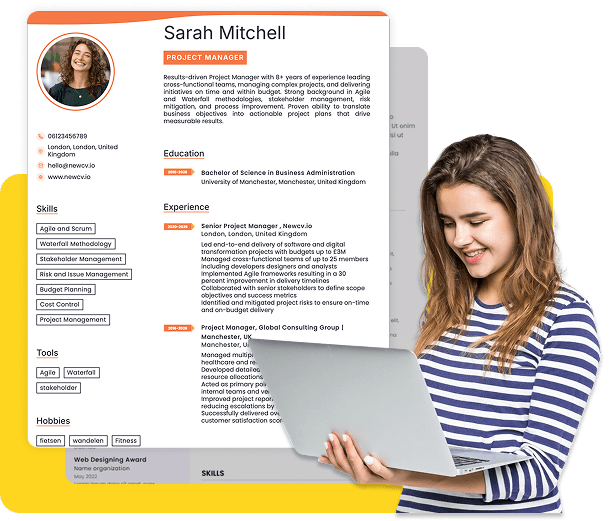
Use ATS-optimised Resume and resume templates that pass applicant tracking systems. Our Resume builder helps recruiters read, scan, and shortlist your Resume faster.

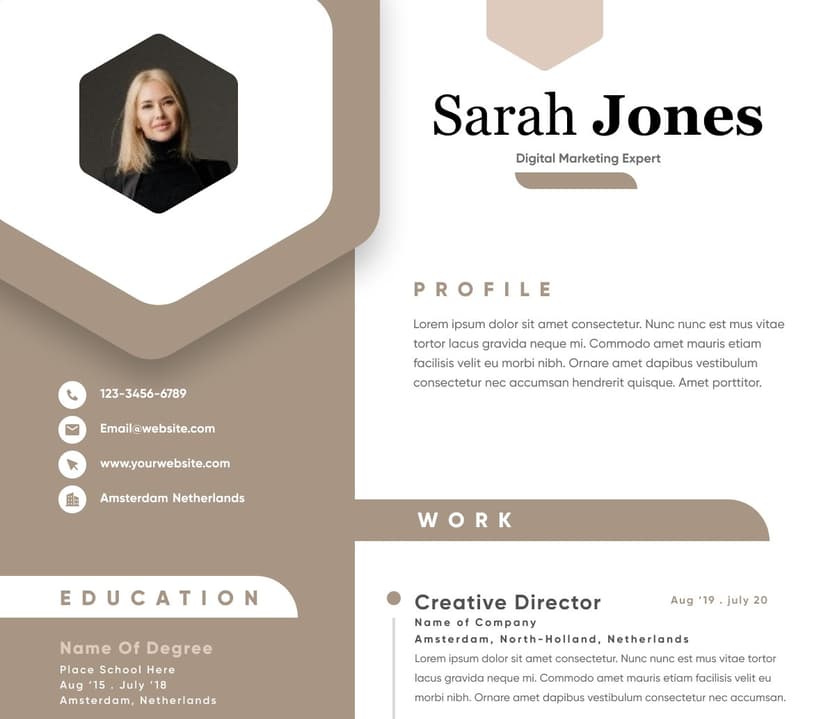
Use professional field-tested resume templates that follow the exact Resume rules employers look for.
Create Resume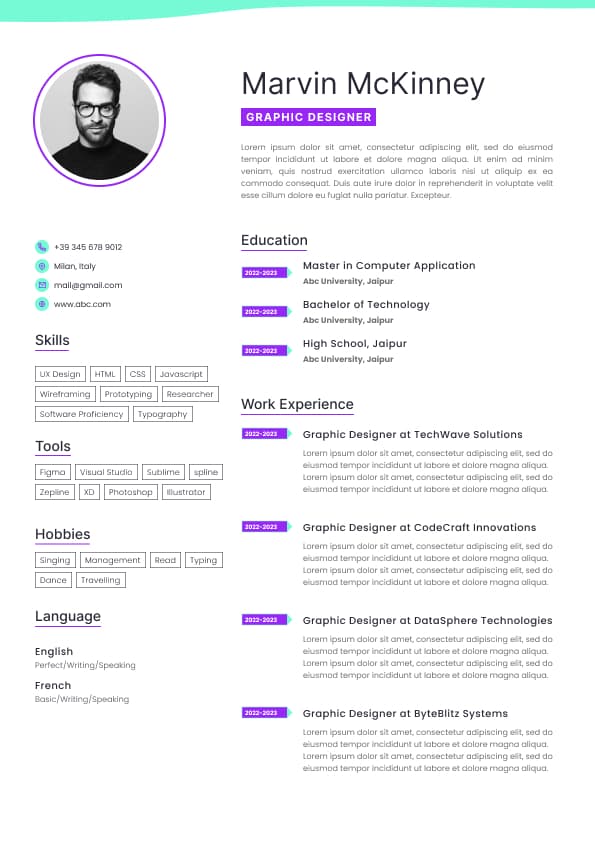
Use professional field-tested resume templates that follow the exact Resume rules employers look for.
Create ResumeMelbourne remains one of the best Australian cities for foreign workers looking for long term career opportunities, skilled migration pathways, and higher salaries. But most overseas candidates underestimate how differently Australian hiring works compared to Europe, Asia, the Middle East, or North America.
The biggest mistake foreigners make is applying for hundreds of jobs without adapting to Australian recruiter expectations. In Melbourne, employers screen heavily for work rights, local communication standards, resume structure, and role alignment. Even highly qualified international candidates get rejected early because their applications look “overseas” rather than locally competitive.
The good news is that Melbourne still has strong demand across healthcare, construction, engineering, education, hospitality, trades, aged care, logistics, IT, and professional services. Employers are actively hiring migrants and international workers where skills shortages exist. The key is knowing which industries sponsor, which employers avoid sponsorship, and how recruiters actually evaluate foreign applicants during screening.
This guide explains exactly how foreigners get jobs in Melbourne, what employers look for, which sectors hire internationally, and how to improve your chances of securing work in Australia.
Yes. Thousands of foreigners secure jobs in Melbourne every year across both skilled and entry level industries. However, your success depends heavily on four factors:
Your visa or work rights
Your occupation and industry demand
How well your resume matches Australian standards
Whether employers believe hiring you is low risk
Most Melbourne employers are open to international candidates if:
The role is difficult to fill locally
Your experience clearly matches the position
Your communication skills are strong
You already hold valid Australian work rights
The hiring process feels straightforward
What many overseas applicants misunderstand is this:
Australian employers are generally practical rather than prestige focused.
A famous overseas employer or university matters less than:
Clear role alignment
Local employability
Communication ability
Reliability
Ease of onboarding
This is why candidates with strong but poorly localised resumes often lose opportunities to less experienced applicants who present themselves better for the Australian market.
Some sectors are significantly more open to international hiring than others.
This is one of the strongest sectors for foreign workers in Melbourne.
High demand roles include:
Registered nurses
Aged care workers
Disability support workers
Physiotherapists
Occupational therapists
Mental health professionals
Medical specialists
Australia’s ageing population continues driving major workforce shortages, especially in Victoria.
Foreign healthcare workers with recognised qualifications often have strong long term migration opportunities.
Melbourne’s infrastructure and housing projects continue creating demand for:
Electricians
Plumbers
Carpenters
Civil construction workers
Project engineers
Site managers
Estimators
Trade shortages remain significant across Victoria.
However, employers strongly prefer candidates with:
Australian tickets and licences
Local safety certifications
Relevant site experience
Strong English communication skills
Melbourne’s tech sector hires international candidates more openly than many traditional industries.
Strong demand exists for:
Software engineers
Cybersecurity specialists
Data analysts
Cloud engineers
DevOps professionals
AI and machine learning specialists
Business analysts
Recruiters in tech care more about demonstrated capability than nationality. However, candidates still need resumes tailored for Australian hiring expectations.
Hospitality remains one of the easiest entry points for foreigners already in Australia.
Common roles include:
Bar staff
Waitstaff
Hotel reception
Kitchen hands
Chefs
Café staff
Venue supervisors
This sector heavily hires:
International students
Working holiday visa holders
Temporary visa holders
But competition is high for desirable venues in Melbourne CBD and inner suburbs.
Labour shortages continue across:
Warehouse operations
Delivery driving
Supply chain coordination
Forklift operation
Distribution centres
These roles can provide stable work opportunities for foreigners with valid work rights, even without Australian experience.
Most job seekers assume employers primarily assess qualifications.
In reality, Melbourne recruiters assess risk first.
Their internal questions usually sound more like this:
Can this person legally work here?
Will communication be easy?
Do they understand Australian workplace culture?
Will onboarding be difficult?
Will they stay long term?
Is sponsorship required?
Can they start quickly?
This is why two candidates with similar skills can get completely different outcomes.
The candidate who appears easier to hire usually wins.
Your visa status significantly affects hiring outcomes.
Candidates already holding Australian work rights are generally prioritised over sponsorship applicants.
Typically, Melbourne employers rank candidates in this order:
Australian citizens
Permanent residents
New Zealand citizens
Temporary visa holders with unrestricted work rights
Graduate visa holders
Sponsored visa applicants
This does not mean sponsorship is impossible.
It means you must provide enough value to justify the extra complexity.
Suitable for skilled workers in occupations facing shortages.
Often used for:
Healthcare
Engineering
IT
Trades
Employer sponsorship is required.
Common among younger travellers.
Useful for:
Hospitality
Tourism
Labouring
Farm work
Temporary seasonal work
Not ideal for long term corporate careers.
Strong pathway for international students graduating from Australian institutions.
Many Melbourne employers prefer graduate visa holders because:
They already live locally
They understand Australian culture
Hiring risk is lower
Permanent skilled migration remains viable for occupations on Australia’s skilled lists.
These pathways are strongest for:
Healthcare professionals
Engineers
IT specialists
Tradespeople
The main platforms include:
Seek
Indeed Australia
Jora
Workforce Australia
However, simply applying online is not enough.
Most foreign candidates lose opportunities because they:
Use overseas style resumes
Apply without tailoring
Ignore work rights messaging
Fail ATS screening
Apply for unrealistic roles
Many Melbourne recruiters search LinkedIn before reviewing resumes.
Your profile should clearly state:
Your current location
Australian work rights
Industry specialisation
Local availability
Visa status if beneficial
If you already hold valid work rights, hiding this can reduce interview chances.
Australian resumes differ from many international CV formats.
Melbourne recruiters usually want:
Clean formatting
Clear achievements
Concise writing
Direct communication
Strong alignment to the role
Local terminology
ATS friendly structure
Many overseas applicants submit 5 to 10 page CVs.
Most Australian recruiters prefer:
2 to 4 pages for experienced professionals
Clear relevance over excessive detail
Using non Australian terminology can create friction.
For example:
Weak Example
“Curriculum Vitae”
Good Example
“Resume”
Another issue is using unfamiliar job titles that recruiters cannot quickly interpret.
One of the biggest hidden rejection triggers is unclear visa status.
Recruiters often reject applications immediately if work rights are uncertain.
A simple line near the top can help:
“Full working rights in Australia”
or
“Temporary Graduate Visa valid until 2028”
Most international applicants assume rejection means they are underqualified.
Usually, that is not the real reason.
The actual issues are often:
Poor resume localisation
Generic applications
Weak alignment to the role
Lack of Australian keywords
Unclear work rights
Applying for sponsorship heavy roles unnecessarily
Communication concerns
Recruiters spend extremely little time on initial screening.
If your application creates confusion, uncertainty, or extra effort, it often gets rejected quickly.
Melbourne recruiters usually scan applications in this order:
This is often checked before experience.
Recruiters compare your previous roles against the advertised position.
Strong alignment matters more than broad experience.
Your resume itself becomes proof of communication ability.
Poor grammar or awkward phrasing damages confidence quickly.
Recruiters assess:
Whether you are already in Melbourne
Whether relocation is realistic
Whether sponsorship is needed
Whether salary expectations seem practical
This remains one of the strongest long term strategies.
Australian study provides:
Local qualifications
Local networking
Graduate recruitment access
Internship opportunities
Better employer confidence
Many foreigners secure permanent jobs after entering through contract positions.
Recruiters become far more comfortable hiring international candidates once local experience exists.
Some candidates struggle targeting highly competitive Melbourne CBD roles immediately.
Starting in regional Victoria can sometimes create faster pathways into the Australian market.
Some sectors are far less likely to sponsor international candidates unless highly specialised.
These often include:
General administration
Retail sales
Basic customer service
Junior marketing roles
Entry level office jobs
This is because local candidate supply is already strong.
Foreign candidates targeting these industries usually need existing work rights to compete effectively.
Melbourne salaries vary significantly by industry, experience, and visa status.
High demand skilled roles can command strong salaries, particularly in:
Healthcare
Construction
Mining related engineering
Cybersecurity
Cloud computing
Project management
However, many foreigners make the mistake of accepting below market pay because they feel disadvantaged.
Research local salary benchmarks carefully before accepting offers.
Underpricing yourself too aggressively can sometimes create recruiter suspicion rather than helping.
Australia’s hiring market is relationship driven.
Referrals, recruiter relationships, and professional networking strongly influence outcomes.
Foreigners who rely only on online applications often struggle unnecessarily.
Strong networking approaches include:
LinkedIn networking
Industry events
Professional associations
Alumni groups
Recruiter conversations
Community referrals
Even one local referral can dramatically improve interview chances.
The highest impact improvements are usually:
Reduce recruiter uncertainty immediately.
This alone can significantly increase interview rates.
Tailor applications specifically to each position.
Even short Australian experience improves credibility.
Australian hiring culture values clarity, confidence, and practicality.
Overly formal or heavily academic communication often performs worse than direct professional communication.
Not always.
This depends heavily on:
Industry
Role seniority
Skill shortages
Employer urgency
Shortage sectors care more about capability.
Incorrect.
Many medium sized businesses sponsor workers, especially in trades, healthcare, and specialist technical roles.
Mass applications usually fail.
Targeted, localised applications perform far better.
The most successful foreign candidates in Melbourne usually follow this sequence:
Clarify visa and work rights positioning
Localise their resume fully for Australia
Target shortage industries strategically
Focus on realistic role alignment
Build local recruiter relationships
Gain Australian experience quickly
Improve LinkedIn visibility
Apply selectively rather than blindly
This approach consistently outperforms mass application strategies.
Foreigners absolutely can build successful careers in Melbourne, but Australian employers hire differently from many overseas markets.
The candidates who succeed fastest are not always the most qualified.
They are usually the ones who:
Reduce hiring risk
Communicate clearly
Understand Australian expectations
Present themselves as locally employable
Apply strategically rather than emotionally
Melbourne remains one of Australia’s strongest cities for skilled international workers, particularly in sectors facing labour shortages. But success comes from positioning yourself correctly for the Australian market, not simply sending more applications.


 Upload Resume
 Import from Linkedin