
Choose from a wide range of NEWCV resume templates and customize your NEWCV design with a single click.

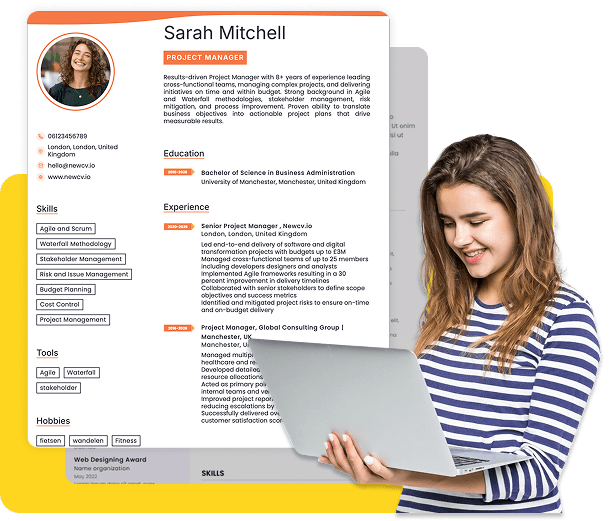
Use ATS-optimised Resume and resume templates that pass applicant tracking systems. Our Resume builder helps recruiters read, scan, and shortlist your Resume faster.

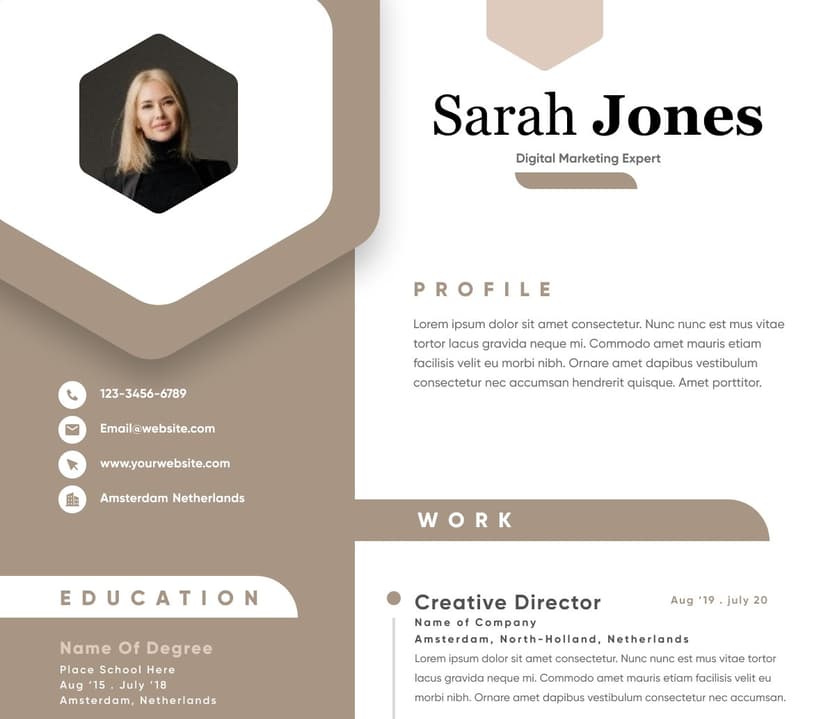
Use professional field-tested resume templates that follow the exact Resume rules employers look for.
Create Resume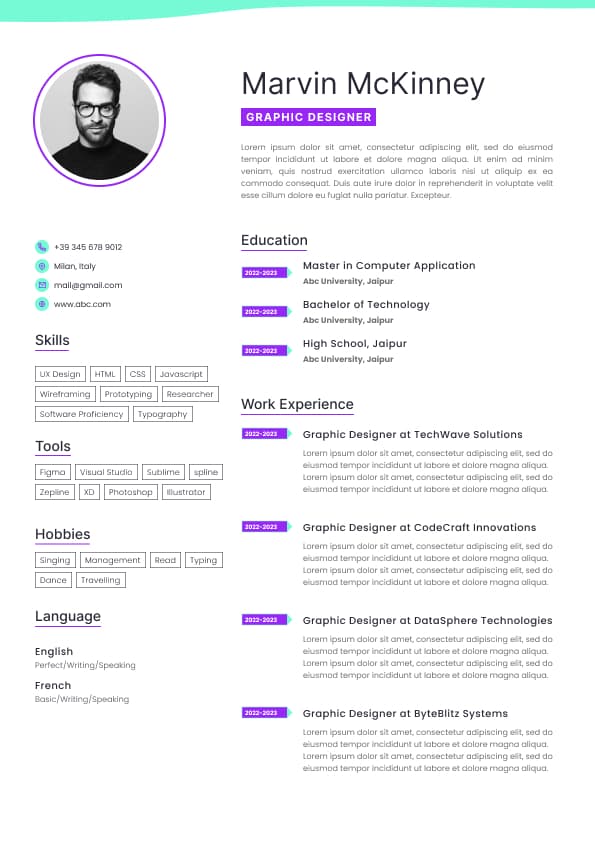
Use professional field-tested resume templates that follow the exact Resume rules employers look for.
Create ResumeAustralian job interviews are typically less formal than many candidates expect, but they are highly assessment-driven underneath the conversational style. Recruiters and hiring managers in Australia are usually evaluating three things quickly: whether you can do the job, whether you can communicate clearly, and whether you’ll fit into the team without creating friction.
Most interview questions in Australia follow predictable patterns. You’ll almost always be assessed on behavioural examples, communication style, accountability, teamwork, adaptability, and how practically you solve problems at work. Even highly technical roles are heavily influenced by cultural fit and stakeholder communication.
The candidates who perform best are not the ones with the most polished scripted answers. They’re the ones who understand what Australian employers are actually trying to assess behind each question and can answer with clear, relevant, workplace-based examples.
This guide breaks down the most common interview questions in Australia, what recruiters are really looking for, how hiring managers evaluate answers, common mistakes candidates make, and how to structure strong responses that align with Australian hiring expectations.
Most candidates think interviews are mainly about experience. In reality, Australian hiring managers usually assess five broader factors simultaneously:
Technical capability
Communication style
Reliability and accountability
Team compatibility
Commercial or operational judgement
In many Australian workplaces, especially corporate, government, healthcare, mining, logistics, construction, retail, and professional services environments, a technically strong candidate can still lose the role if they appear difficult to work with, overly rehearsed, vague, or lacking self-awareness.
Australian interview culture also tends to value authenticity over overly polished corporate language. Hiring managers generally respond better to practical, direct answers than highly scripted responses.
Within the first 10 to 15 minutes, recruiters often form early impressions based on:
How clearly you communicate
Whether your answers are structured
How relevant your examples are
Your level of accountability
Whether you answer directly or ramble
Your professionalism and self-awareness
How well your experience aligns with the role requirements
A candidate who communicates clearly with average experience often progresses further than a highly experienced candidate who gives disorganised answers.
While wording varies between industries and employers, these questions appear consistently across Australian interviews.
This is not a personal question. It’s an assessment of communication, relevance, and positioning.
Recruiters are assessing whether you can summarise your professional value quickly and confidently.
A strong answer usually covers:
Your current role or recent background
Key areas of expertise
Relevant achievements
Why your experience aligns with the position
A concise, career-focused overview that directly connects to the role.
Good Example
“I’ve spent the last five years working in logistics coordination across FMCG and warehousing environments. My background includes supplier management, inventory control, and transport scheduling, with a strong focus on improving operational efficiency. In my current role, I helped reduce delivery delays by improving communication processes between warehouse and transport teams. I’m now looking for a role with broader operational responsibility and stronger long-term growth opportunities.”
Long personal stories, unrelated history, or generic descriptions with no positioning.
Weak Example
“I was born overseas, moved to Australia in 2019, enjoy working with people, and have always been passionate about business.”
Australian employers want evidence that you researched the organisation and understand the role.
This question also tests motivation and seriousness.
Why the company interests you specifically
Why the role aligns with your career direction
Why you are likely to stay and perform well
Focus on:
Company reputation
Industry positioning
Team environment
Career alignment
Work type or operational exposure
Avoid generic flattery.
Candidates often say:
“I just want a new challenge.”
That answer usually signals weak motivation and poor preparation.
This question is about evidence, not adjectives.
Australian recruiters generally dislike vague self-promotion without proof.
Choose strengths directly connected to the role requirements.
Then support each one with workplace evidence.
Depending on the role:
Stakeholder communication
Problem-solving
Attention to detail
Time management
Leadership
Customer service
Technical capability
Adaptability
Operational efficiency
State the strength
Explain how you apply it
Give measurable or practical evidence
Good Example
“One of my strengths is staying calm under pressure in fast-paced operational environments. In my current role, we regularly manage urgent same-day delivery changes, and I’ve developed systems that help prioritise issues quickly without disrupting broader workflow timelines.”
Australian interviewers are usually testing self-awareness and accountability, not trying to trap you.
The wrong answer can damage credibility quickly.
“I work too hard”
“I’m a perfectionist”
Fake weaknesses disguised as strengths
Serious capability issues relevant to the role
A genuine but manageable weakness
Evidence of improvement
Self-awareness
Practical action taken
Good Example
“Earlier in my career, I used to take on too much work myself rather than delegate effectively. Over time, especially in team-based projects, I learned that stronger delegation actually improves overall delivery and team performance. I’ve become much better at setting clear responsibilities and checking progress without micromanaging.”
Behavioural interviews are extremely common across Australia.
These questions usually begin with:
“Tell me about a time when…”
“Give an example of…”
“Describe a situation where…”
Employers use these questions because past behaviour is considered one of the strongest predictors of future workplace performance.
Most Australian recruiters expect structured behavioural answers.
The STAR framework remains highly effective:
Situation
Task
Action
Result
However, many candidates misuse STAR by spending too long on background information.
Most of your answer should focus on:
Your actions
Your decision-making
The outcome
Your communication approach
Australian workplaces generally value professionalism, collaboration, and emotional control.
Hiring managers assess:
Communication maturity
Emotional intelligence
Professionalism under pressure
Resolution ability
Calm approach
Practical resolution
Accountability
Professional communication
Positive outcome
Candidates often blame other people excessively.
This creates risk concerns for employers.
Australian employers want candidates who remain productive without becoming chaotic under pressure.
Prioritisation
Clear communication
Calm decision-making
Practical execution
Accountability
How they assessed urgency
How they managed stakeholders
How they protected quality while moving quickly
This question assesses maturity and accountability.
Strong candidates:
Admit the mistake clearly
Explain the impact honestly
Focus on corrective action
Show learning and process improvement
Weak candidates:
Avoid responsibility
Blame others
Minimise the issue
Cannot explain what changed afterwards
Technical interviews in Australia are increasingly practical rather than theoretical.
Many employers now prioritise operational thinking over memorised textbook knowledge.
Problem-solving process
Communication clarity
Decision-making logic
Risk awareness
Real-world application
Stakeholder understanding
Even technical roles often include behavioural assessment because employers want people who can work effectively within teams.
Many candidates assume interview evaluation is highly objective. It usually is not.
Interview decisions are often influenced by:
Communication confidence
Relevance of examples
Clarity of thinking
Trustworthiness
Team fit perception
Risk reduction
This is why two candidates with similar resumes can receive very different outcomes.
Strong candidates usually:
Answer directly
Stay concise
Use relevant examples
Show ownership
Demonstrate practical thinking
Communicate calmly
Sound authentic rather than rehearsed
Candidates who sound memorised often perform poorly.
Australian interview culture generally rewards natural communication over robotic scripting.
Hiring managers want prepared candidates, not scripted performers.
Weak candidates often speak in broad statements without evidence.
“I’m a strong leader and team player.”
“In my previous role, I supervised a team of six during a warehouse system transition and introduced daily handover processes that reduced recurring dispatch errors.”
Specificity creates credibility.
One major reason candidates fail interviews is poor role alignment.
Strong candidates clearly connect their experience to the employer’s actual operational needs.
Weak candidates repeat generic career summaries without addressing the position.
Common behavioural answer problems include:
No clear outcome
Too much background detail
No explanation of personal contribution
Weak accountability
No measurable impact
Rambling answers
Most candidates skim the position description.
Strong candidates analyse it carefully.
Look for repeated themes such as:
Stakeholder management
Attention to detail
Fast-paced environment
Team collaboration
Customer focus
Compliance
Problem-solving
Leadership
These repeated themes usually become interview focus areas.
This is one of the most effective interview preparation strategies.
Prepare examples covering:
Conflict resolution
Leadership
Problem-solving
Pressure situations
Mistakes or learning experiences
Teamwork
Process improvement
Customer or stakeholder management
Strong candidates reuse and adapt examples strategically rather than inventing new answers for every question.
Hiring managers notice shallow research immediately.
Go beyond basic company pages.
Review:
Industry position
Recent business activity
Growth areas
Leadership messaging
Operational challenges
Customer base
Competitor positioning
This creates stronger interview conversations and better role alignment.
Australian employers often evaluate candidates based on the questions they ask.
Weak questions suggest low preparation.
“What does your company do?”
“How much annual leave do I get?” early in the process
Questions already answered in the interview
“What does success look like in this role over the first six months?”
“What are the biggest challenges currently facing the team?”
“What usually separates high-performing employees in this position?”
“How would you describe the management style within the team?”
These questions demonstrate commercial thinking and genuine engagement.
Video interviews are now standard across many Australian industries.
Candidates are assessed similarly online and in person.
Poor audio quality
Looking distracted
Weak eye contact
Reading from notes excessively
Unstable internet connection
Unprofessional environment
Stable setup
Neutral background
Professional lighting
Clear audio
Camera at eye level
Concise communication
Prepared notes used minimally
Final hiring decisions are rarely based on one perfect answer.
Employers usually ask:
Can this person perform consistently?
Will they work well with the team?
Do they communicate effectively?
Are they reliable?
Are they likely to create problems?
Can we trust them with responsibility?
This is why highly polished but overly corporate candidates sometimes lose to calmer, clearer, more practical communicators.
Australian hiring culture generally values competence, professionalism, and authenticity over performance theatre.
Candidates from highly formal corporate cultures sometimes unintentionally create distance during Australian interviews.
Australian workplaces often prefer communication that is:
Direct
Practical
Collaborative
Clear
Low ego
Solution-focused
This does not mean casual or unprofessional.
It means confident without sounding overly rehearsed, aggressive, or excessively polished.
Australian employers usually respond better to candidates who discuss contribution and outcomes rather than personal status or titles.
Improving processes
Supporting team outcomes
Delivering reliable results
Solving operational problems
Building stakeholder trust
Chasing prestige
Talking excessively about titles
Over-selling leadership without evidence
Sounding transactional
This question is heavily assessment-driven.
Employers are evaluating:
Professionalism
Emotional maturity
Risk factors
Accountability
Stability
Avoid negativity.
Even if your previous workplace was difficult, maintain professionalism.
Australian employers are usually assessing alignment and retention risk.
Strong answers show:
Career growth
Skill development
Long-term contribution
Realistic ambition
Weak answers often sound disconnected from the role.
Many candidates ignore post-interview strategy completely.
A concise professional follow-up can reinforce strong impressions.
Keep it brief.
Thank the interviewer, reaffirm interest, and reference something discussed during the interview.
Strong candidates review:
Which answers worked well
Which questions felt weak
Where they rambled
Which examples landed effectively
What objections may have existed
This dramatically improves future interview performance.


 Upload Resume
 Import from Linkedin