
Choose from a wide range of NEWCV resume templates and customize your NEWCV design with a single click.

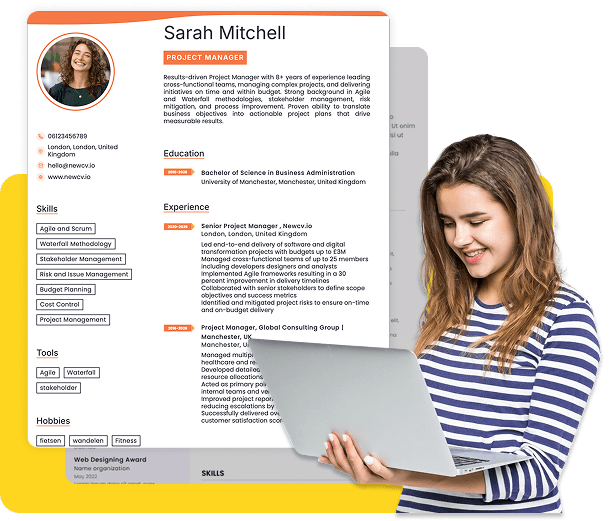
Use ATS-optimised Resume and resume templates that pass applicant tracking systems. Our Resume builder helps recruiters read, scan, and shortlist your Resume faster.

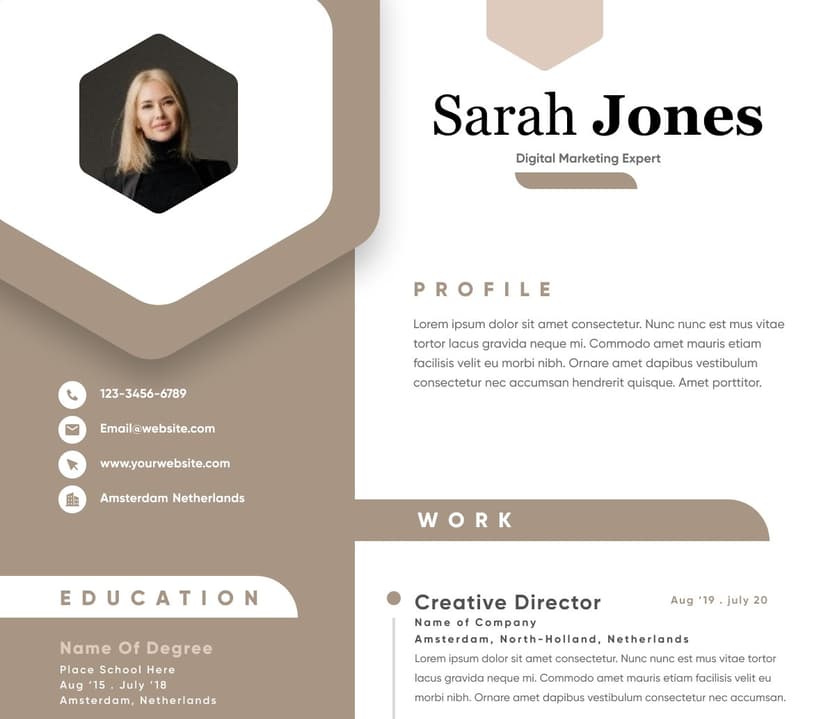
Use professional field-tested resume templates that follow the exact Resume rules employers look for.
Create Resume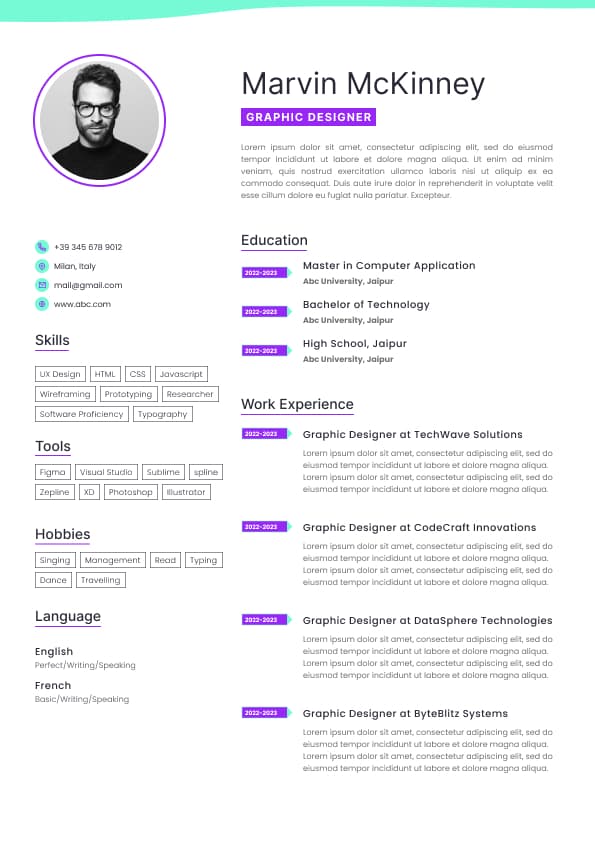
Use professional field-tested resume templates that follow the exact Resume rules employers look for.
Create ResumeA strong teacher resume in Australia is not about listing every classroom duty you’ve ever performed. Hiring managers and school leaders want fast evidence that you can manage behaviour, improve student outcomes, communicate professionally, and fit the school’s culture. Your resume must also align with Australian education hiring standards, including curriculum familiarity, registration requirements, and practical classroom capability.
Most teacher resumes fail because they are too generic, too long, or too focused on responsibilities instead of impact. Schools already know what teachers are supposed to do. What they need to know is whether you can do it effectively in their environment.
If you’re applying for teaching jobs in Australia, your resume should clearly demonstrate:
Classroom management capability
Curriculum delivery experience
Student engagement outcomes
Parent and stakeholder communication
Assessment and reporting skills
Most applicants assume schools hire based on qualifications first. In reality, principals and hiring panels usually assess in this order:
Can this person manage a classroom?
Will they fit the school environment?
Can they communicate professionally with students, staff, and parents?
Can they deliver curriculum effectively?
Are they low-risk operationally?
Do they genuinely understand the student cohort?
Your degree gets you considered. Your resume gets you shortlisted.
A strong Australian teacher resume demonstrates practical teaching capability, not just educational theory.
Hiring managers quickly scan for:
Behaviour management competency
Differentiated learning strategies
Familiarity with Australian curriculum frameworks
Professional development and compliance requirements
Cultural fit and communication style
Whether you’re a graduate teacher, experienced classroom teacher, relief teacher, or moving between states, your resume needs to position you as employable immediately, not as someone who “might be suitable”.
Relevant year-level experience
Subject specialisations
Evidence of student improvement
Behaviour management success
Technology integration
Communication skills
Leadership contribution
Extra-curricular involvement
Stability and professionalism
They are also assessing risk.
Schools avoid candidates whose resumes suggest:
Poor classroom control
Excessive job-hopping
Generic applications
Lack of adaptability
Weak communication skills
Overly academic language
No measurable contribution
For most teaching roles, the best format is a reverse chronological resume.
This is the standard expectation across:
Public schools
Catholic education systems
Independent schools
Early learning environments
TAFE and vocational settings
Your resume should ideally stay between:
2 pages for graduate teachers
2 to 3 pages for experienced teachers
Longer resumes are acceptable only when:
Applying for leadership roles
Applying in specialist education sectors
Extensive curriculum leadership exists
Significant pastoral or departmental responsibility applies
Include:
Full name
Mobile number
Professional email address
LinkedIn profile if relevant
Teacher registration details
Working With Children Check status
Location
Do not include:
Full residential address
Date of birth
Photo
Marital status
Your opening summary should immediately position you for the role.
Weak summaries are vague and overloaded with clichés.
Weak Example
“Passionate teacher dedicated to student success and lifelong learning.”
This says nothing meaningful.
Good Example
“Secondary English teacher with 6 years’ experience across NSW public and independent schools, specialising in senior literacy development, differentiated learning strategies, and student engagement improvement. Strong background in HSC preparation, behaviour management, and curriculum planning within diverse classroom environments.”
This works because it:
Identifies teaching area
Shows experience level
Aligns with hiring priorities
Includes practical teaching strengths
Uses relevant Australian education terminology
Skills should support employability, not just keyword stuffing.
Strong teacher resume skills include:
Classroom management
Differentiated instruction
Behaviour support strategies
Curriculum planning
Student assessment and reporting
Parent communication
Learning support adaptation
Literacy and numeracy intervention
Google Classroom
Microsoft Teams
Learning management systems
Australian Curriculum
VCE / HSC / QCE familiarity
Student wellbeing support
Inclusive education practices
Avoid generic filler like:
Hard-working
Team player
Motivated
Fast learner
These add no hiring value.
This is where most teacher resumes fail.
Too many candidates simply list responsibilities.
Hiring managers care more about outcomes, effectiveness, and teaching capability.
Taught Year 5 students
Prepared lesson plans
Managed classroom behaviour
Conducted assessments
These are expected baseline duties.
Improved Year 5 literacy outcomes through targeted guided reading interventions and differentiated classroom support
Developed behaviour management strategies that reduced classroom disruptions and improved student engagement
Designed curriculum-aligned lesson plans supporting diverse learning needs across mixed-ability classrooms
Collaborated with wellbeing staff and parents to support at-risk students and improve attendance outcomes
Strong bullet points show:
Impact
Strategy
Problem-solving
Practical teaching ability
Student-focused outcomes
Sarah Mitchell
Sydney, NSW
0412 000 000
sarahmitchell@email.com
NESA Accredited | Working With Children Check
Experienced secondary Humanities teacher with 8 years’ experience across NSW independent and public schools. Strong expertise in curriculum planning, student engagement, HSC preparation, and behaviour management within diverse classroom environments. Recognised for improving literacy outcomes, supporting student wellbeing initiatives, and contributing to collaborative faculty planning.
Classroom management
HSC preparation
Curriculum development
Student wellbeing support
Behaviour management
Differentiated learning
Parent communication
Assessment and reporting
Google Classroom
Faculty collaboration
Humanities Teacher
North Sydney Secondary College | Sydney, NSW
2019 – Present
Delivered History and Geography curriculum across Years 7–12 within NSW syllabus frameworks
Improved senior student assessment performance through targeted literacy support and structured revision planning
Developed differentiated learning strategies for students requiring additional academic support
Led cross-faculty collaboration initiatives improving consistency in assessment moderation
Supported student wellbeing programs alongside year advisers and leadership staff
Secondary Teacher
St Andrews College | Sydney, NSW
2016 – 2019
Managed diverse classroom environments with strong behaviour management practices
Integrated technology-based learning tools to improve classroom engagement
Supported extracurricular debating and academic extension programs
Maintained strong parent communication regarding student progress and wellbeing
Bachelor of Education (Secondary)
University of Newcastle
NESA Accreditation
Working With Children Check
First Aid Certification
Graduate teachers often worry about lacking experience.
Australian schools understand this.
What matters more is whether your resume demonstrates:
Classroom readiness
Professional communication
Practical placement experience
Behaviour management exposure
Curriculum familiarity
Adaptability
Your teaching placements matter heavily.
Treat them like real professional experience.
Do not minimise placements.
Hiring managers absolutely count them.
Delivered literacy and numeracy lessons across Years 3–4 during supervised teaching placement
Applied differentiated learning strategies supporting students with varying literacy levels
Assisted classroom teacher with behaviour management and student assessment activities
Built positive relationships with students, staff, and parents within a collaborative school environment
Many Australian education departments and larger school systems use applicant tracking systems.
This means your resume must contain relevant education keywords naturally.
Important ATS-friendly terms include:
Classroom management
Australian Curriculum
Behaviour management
Student wellbeing
Differentiated learning
Curriculum planning
Assessment and reporting
Inclusive education
Literacy intervention
Learning support
Parent communication
Student engagement
But keyword stuffing does not work anymore.
Recruiters can immediately spot resumes written for algorithms instead of humans.
The best resumes:
Use keywords naturally
Show practical evidence
Remain easy to scan
Prioritise clarity over density
Schools hire practical educators, not thesis writers.
Overly academic language creates distance and reduces readability.
If your resume could apply to:
Retail
Corporate administration
Customer service
…it is not specific enough for teaching.
Schools already know teachers plan lessons and mark assessments.
Show:
Student improvement
Engagement success
Behaviour outcomes
Collaboration impact
A teacher applying to:
Catholic schools
Regional schools
Independent schools
Low-SES schools
Should adapt positioning accordingly.
Strong applicants demonstrate understanding of the school environment.
Terms like:
Dynamic educator
Innovative thinker
Results-driven professional
Rarely help.
Specific evidence always performs better.
Focus on:
Curriculum alignment
Diverse classrooms
Behaviour management
Inclusion capability
Reporting processes
Include:
Values alignment
Pastoral care
Community contribution
Faith-based understanding if relevant
Emphasise:
Communication
Parent engagement
Academic outcomes
Extracurricular involvement
School culture contribution
Schools often prioritise:
Adaptability
Community engagement
Multi-subject flexibility
Long-term commitment
Australian school leaders scan resumes extremely quickly initially.
They usually notice:
Teaching area
Experience level
Registration status
School types worked in
Resume clarity
Stability
Classroom readiness
If your strongest selling points are buried halfway down page 2, you lose opportunities.
Your top third of page 1 matters most.
Yes.
In Australian education hiring, cover letters still matter significantly.
Especially for:
Catholic schools
Independent schools
Leadership positions
Regional schools
Your cover letter should:
Explain fit
Show understanding of the school
Demonstrate communication skills
Highlight relevant teaching strengths
It should not repeat your resume word-for-word.
Many candidates assume the “best-qualified” teacher always gets shortlisted.
That is rarely true.
Hiring decisions usually balance:
Classroom capability
Cultural fit
Communication style
Reliability
Team compatibility
Student engagement ability
Parent interaction confidence
Risk reduction
Schools want teachers who can:
Step in smoothly
Build relationships quickly
Handle pressure professionally
Contribute positively to staff culture
This is why polished but generic resumes often lose to more practical, school-aligned applications.
Experienced teachers should avoid writing resumes like long service records.
Instead, position yourself strategically around:
Leadership contribution
Student improvement
Faculty impact
Mentoring capability
Curriculum leadership
School-wide initiatives
The higher your experience level, the more schools expect evidence of influence beyond your classroom.


 Upload Resume
 Import from Linkedin