
Choose from a wide range of NEWCV resume templates and customize your NEWCV design with a single click.

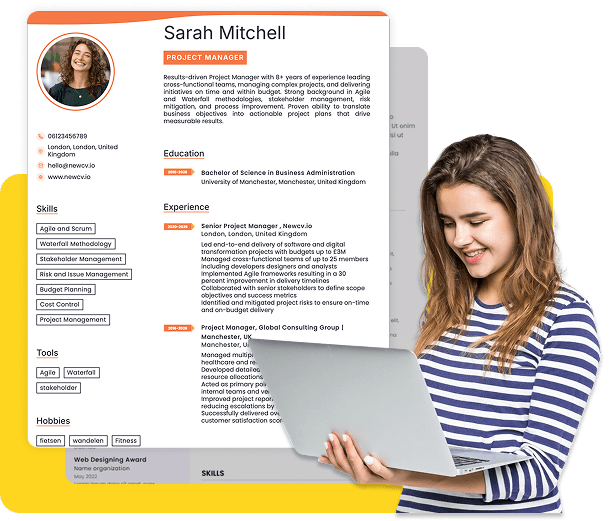
Use ATS-optimised Resume and resume templates that pass applicant tracking systems. Our Resume builder helps recruiters read, scan, and shortlist your Resume faster.

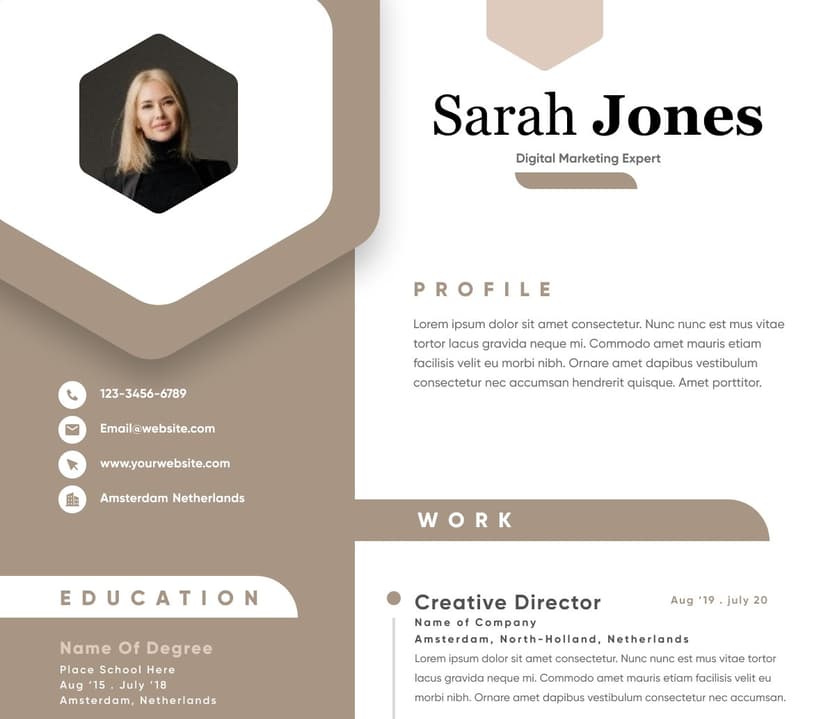
Use professional field-tested resume templates that follow the exact Resume rules employers look for.
Create Resume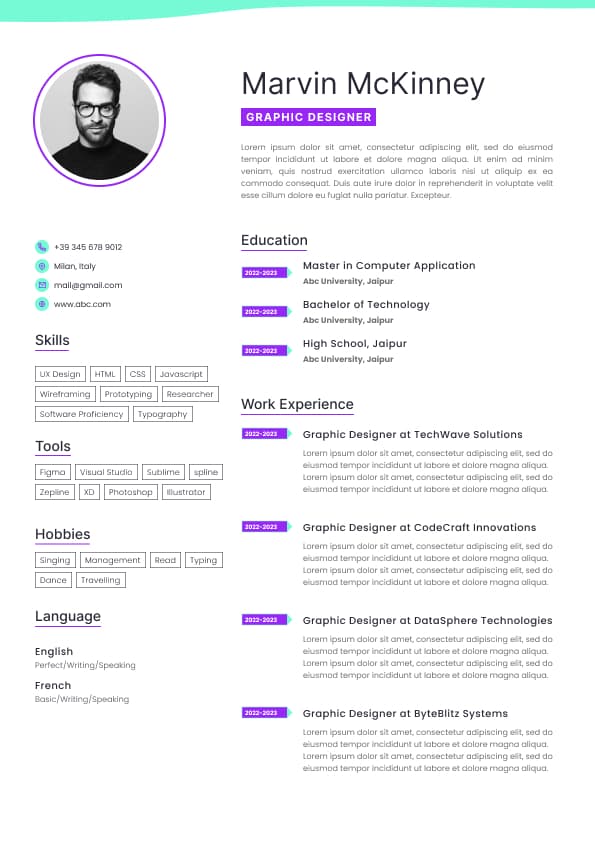
Use professional field-tested resume templates that follow the exact Resume rules employers look for.
Create ResumeA strong trade resume in Australia is not about fancy design or corporate language. It is about proving three things quickly: you are qualified, reliable, and ready to work safely on-site. Most hiring managers, labour hire recruiters, and construction supervisors spend less than 30 seconds scanning a trade resume before deciding whether to shortlist or move on.
What actually gets tradies hired is a resume that clearly shows licences, tickets, trade experience, machinery competency, site exposure, safety standards, and reliability. Employers want immediate confidence that you can step onto site with minimal risk and minimal training.
The biggest mistake most candidates make is writing a generic resume that hides critical information like White Card status, trade qualifications, shutdown experience, FIFO readiness, or specific equipment exposure. In Australia’s trade market, recruiters scan for operational capability first and personality second.
This guide breaks down exactly how Australian employers evaluate trade resumes, what to include, what to avoid, and how to position yourself competitively in construction, mining, manufacturing, maintenance, civil, and industrial trades.
Trade hiring in Australia is heavily risk-based. Employers are not just hiring for skill. They are hiring for reliability, safety, compliance, productivity, and site fit.
Most hiring decisions revolve around five core questions:
Can this person legally and safely work on-site?
Do they have experience in similar environments?
Can they work independently without constant supervision?
Will they fit operational demands and team culture?
Are they likely to show up consistently and stay employed?
That means your resume needs to communicate practical capability immediately.
For example, a commercial electrician applying for Tier 1 construction projects is evaluated differently from a maintenance fitter applying for shutdown work in WA mining operations.
Hiring managers look for relevance, not generic experience.
A good trade resume speaks directly to the environment you want to work in.
Australian trade resumes work best when they are simple, direct, ATS-friendly, and operationally focused.
The strongest structure is usually:
Include:
Full name
Mobile number
Professional email address
Location or region
Relevant licences if critical to the role
For example:
Electrical Licence
HR Licence
Forklift Ticket
Working at Heights
Confined Space
Do not waste space with:
Full home address
Date of birth
Marital status
Photo
These are unnecessary in Australia.
This section matters far more than most tradies realise.
Recruiters often make an initial shortlist decision from the top third of the first page.
A strong summary should immediately establish:
Trade qualification
Years of experience
Industry exposure
Core technical strengths
Safety focus
Work environment capability
Weak Example
“Hard-working tradesman looking for opportunities to grow.”
This says nothing useful.
Good Example
“Trade-qualified Boilermaker with 9+ years of experience across mining, shutdown, fabrication, and heavy industrial environments. Experienced in MIG, TIG, and flux-core welding, structural steel repairs, confined space work, and interpreting technical drawings. Strong safety record with current Working at Heights, White Card, and confined space certifications. Experienced in FIFO shutdown rosters across WA mine sites.”
The second example instantly reduces uncertainty for employers.
This is where most hiring decisions are made.
Australian employers care less about responsibilities and more about operational evidence.
Do not just list duties.
Instead, show:
Site types
Equipment used
Scale of work
Trade specialisation
Safety environments
Outcomes achieved
Compliance exposure
Recruiters often skim for keywords like:
Shutdown experience
FIFO
Preventative maintenance
Commissioning
PLC fault finding
Hydraulic systems
Structural steel
Civil infrastructure
Pipe welding
HVAC systems
If your resume hides these terms inside vague descriptions, you lose visibility.
Instead of this:
Weak Example
“Responsible for welding and fabrication duties.”
Use this:
Good Example
Performed structural steel fabrication and MIG welding across commercial construction and mining infrastructure projects
Completed shutdown maintenance work on conveyors, crushers, and fixed plant equipment
Interpreted technical and fabrication drawings for custom steel builds
Maintained compliance with site safety procedures and isolation protocols
Worked 12-hour FIFO rosters across WA mine sites with zero safety incidents
This creates a clearer hiring picture.
In Australia, trade recruitment is heavily compliance-driven.
Many resumes are rejected before technical review because critical tickets are missing or unclear.
Create a dedicated section for:
Examples include:
Electrical Licence
Plumbing Licence
Refrigeration Handling Licence
Cert III Trade Qualification
Carpentry Qualification
Heavy Vehicle Licence
Examples include:
White Card
Working at Heights
Confined Space
EWP
Forklift
Dogging
Rigging
First Aid
Gas Test Atmospheres
Particularly important in mining, civil, and industrial sectors.
Many recruiters specifically filter resumes based on these credentials.
If a recruiter cannot quickly confirm compliance capability, your resume may never reach the hiring manager.
One of the biggest resume mistakes in the Australian trades market is using the same resume for every role.
Trade hiring is highly environment-specific.
A resume for residential carpentry should not look identical to a resume for mining shutdown work.
The expectations are different.
Site experience
Project timelines
Tool competency
Ability to read plans
Team coordination
Safety compliance
Shutdown experience
FIFO adaptability
Heavy industry exposure
Permit systems
Isolation procedures
High-risk tickets
Preventative maintenance
Machinery troubleshooting
Lean processes
Downtime reduction
Automation familiarity
Your resume must align with the operational environment you are targeting.
Many tradies underestimate how often resumes are filtered before a human sees them.
Large employers, labour hire companies, mining contractors, and infrastructure firms frequently use ATS software.
The ATS scans for:
Trade keywords
Licences
Certifications
Industry terminology
Machinery names
Software systems
Site experience
Using graphics or tables
Uploading poor PDF scans
Missing exact ticket names
Using vague job titles
Omitting trade qualifications
Overdesigning the resume
Keep formatting simple.
Use:
Standard headings
Clear job titles
Bullet points
Simple fonts
Clean spacing
Avoid:
Text boxes
Icons
Infographics
Multi-column layouts
Most ATS systems parse simple formatting more accurately.
Trade employers often make decisions based on risk reduction.
They look for signs that you will:
Work safely
Require minimal supervision
Integrate into crews quickly
Maintain productivity
Stay employed
That means small resume details matter.
Shutdown work is acceptable if clearly labelled.
Otherwise, repeated short stints can raise concerns about reliability.
If your trade licence or White Card is not visible quickly, some recruiters move on immediately.
Employers want operational specificity.
Trade resumes should sound practical, not corporate.
Experienced recruiters spot exaggerated resumes quickly.
Credibility matters more than sounding impressive.
Many apprentices and newly qualified tradies assume they cannot compete.
That is not true.
Australian employers often hire based on attitude, reliability, and safety mindset when experience is limited.
The key is positioning.
Even if your experience is limited, highlight:
Safety awareness
Exposure to tools and equipment
Apprenticeship environments
Team collaboration
Reliability
Physical work environments
Good Example
“Recently qualified automotive mechanic with apprenticeship experience servicing commercial fleet vehicles in fast-paced workshop environments. Strong understanding of diagnostics, preventative maintenance, safety compliance, and customer turnaround requirements. Known for reliability, strong attendance, and willingness to take on additional workshop responsibilities.”
This sounds employable because it reflects workplace readiness.
Mining resumes in Australia operate differently from standard trade resumes.
Mining recruiters often scan for:
FIFO readiness
Shutdown experience
Camp experience
Remote work adaptability
Safety systems
Heavy industrial exposure
Medical compliance
Fatigue management awareness
If you have worked on recognised sites, include them where appropriate.
Examples:
2:1 FIFO roster
8:6 roster
Shutdown mobilisation
Mention:
JSA
Take 5
Isolation procedures
Permit systems
Toolbox talks
Specificity increases credibility.
Instead of:
“Worked on machinery.”
Use:
“Performed maintenance and breakdown repairs on CAT haul trucks and conveyor systems.”
Operational detail improves hiring confidence.
For most trade candidates:
2 pages is ideal
3 pages is acceptable for senior or highly technical roles
Long resumes usually fail because they dilute important information.
Recruiters prefer fast clarity.
Prioritise:
Relevant experience
Licences
Technical capability
Site exposure
Safety competency
Remove:
Irrelevant old jobs
Generic objectives
Excessive personal details
Repetitive bullet points
A concise, operationally focused resume performs better.
The best trade resumes naturally include operational keywords relevant to the role.
Commercial construction
Civil works
Fit-out
Structural steel
Site installation
Blueprint reading
FIFO
Shutdown
Fixed plant
Mobile plant
Isolation
Permit systems
Fault finding
PLC
Switchboards
Preventative maintenance
Instrumentation
Hydraulics
Pneumatics
Breakdown maintenance
Rotating equipment
Do not keyword stuff.
Use terms naturally within real experience.
The strongest trade candidates understand that resumes are business documents, not personal profiles.
Top-performing resumes communicate:
Immediate work readiness
Compliance capability
Relevant operational experience
Reliability
Safety mindset
Industry alignment
Average resumes stay generic.
The hiring manager should never need to guess:
What type of work you actually performed
What environments you worked in
What machinery you handled
What tickets you hold
Whether you can step into the role immediately
Clarity wins interviews.
The Australian trades market is competitive, especially in mining, infrastructure, and large-scale commercial projects.
The candidates who consistently secure interviews are not always the most experienced.
They are the candidates who reduce uncertainty fastest.
Your resume should answer the employer’s core concerns within seconds:
Can this person safely perform the work?
Have they done similar work before?
Are they operationally reliable?
Will they fit the site environment?
Can they start with minimal risk?
If your resume communicates those answers clearly, your interview rate improves significantly.
Tier 1 projects
EWP
Excavator operation
Lean manufacturing
CMMS systems
Breakdown maintenance


 Upload Resume
 Import from Linkedin