
Choose from a wide range of NEWCV resume templates and customize your NEWCV design with a single click.

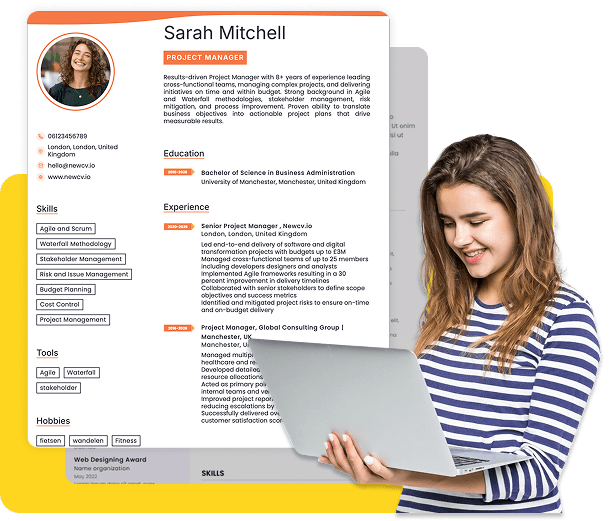
Use ATS-optimised Resume and resume templates that pass applicant tracking systems. Our Resume builder helps recruiters read, scan, and shortlist your Resume faster.
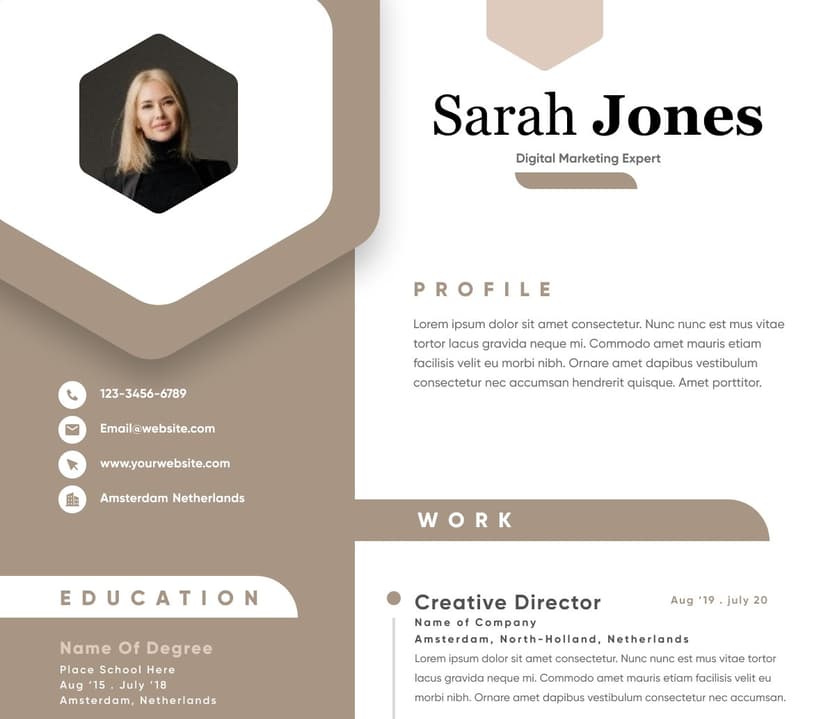
Use professional field-tested resume templates that follow the exact Resume rules employers look for.
Create Resume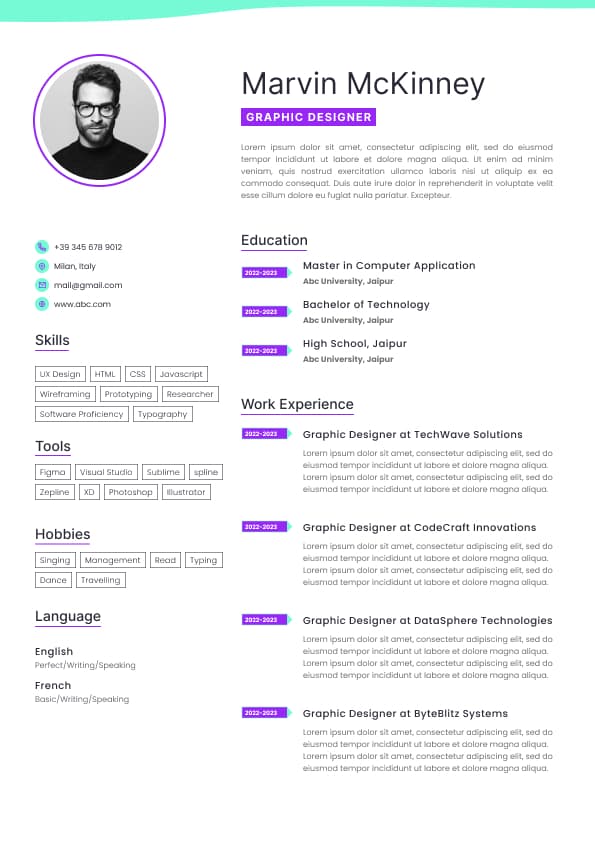
Use professional field-tested resume templates that follow the exact Resume rules employers look for.
Create ResumeA thank you email after an interview is not just a polite gesture in the Australian job market. It is a strategic follow up that can influence hiring decisions, especially when candidates are closely matched. The best thank you emails reinforce cultural fit, professionalism, communication skills, and genuine interest in the role without sounding overly formal or desperate.
In Australia, most hiring managers expect follow up communication to be concise, genuine, and commercially aware. A strong thank you email reminds the interviewer why you are a good hire, clarifies any missed points from the interview, and helps recruiters remember you positively during final discussions. A poor email, however, can damage your positioning by sounding generic, pushy, or overly rehearsed.
This guide explains exactly how to write an effective thank you email after an interview in Australia, what recruiters actually notice, what mistakes hurt candidates, and includes proven examples that align with modern Australian hiring expectations.
Many candidates assume thank you emails do not influence hiring outcomes. That is incorrect.
While a thank you email alone will not get someone hired, it absolutely contributes to overall candidate perception. In competitive hiring processes, especially across corporate, government, healthcare, professional services, tech, and client facing roles, small differentiators matter.
Australian hiring managers commonly use post interview behaviour to assess:
•Communication style
• Professionalism
• Attention to detail
• Enthusiasm for the role
• Stakeholder management skills
• Cultural fit
• Follow through and initiative
A thoughtful thank you email signals maturity and commercial awareness. It also shows you understand professional etiquette without overdoing it.
From a recruiter perspective, candidates who send strong follow ups are often viewed as:
•More engaged in the opportunity
• Better communicators
• More proactive
• Easier to represent internally
• More polished professionally
That said, the quality of the email matters far more than simply sending one.
In most Australian hiring situations, yes.
There are very few downsides to sending a concise, professional thank you email after an interview if it is done properly.
It is especially recommended for:
•Corporate roles
• Professional services
• Government positions
• Graduate programs
• Healthcare leadership roles
• Technology and project roles
• Sales and account management
• Executive and senior leadership interviews
• Relationship driven industries
It becomes even more important when:
•The interview was highly competitive
• Multiple rounds are involved
• You connected strongly with the interviewer
• You forgot to mention something important
• You are transitioning industries
• You are slightly underqualified on paper
• The role requires strong communication skills
However, there are situations where candidates should be careful.
Recruiters see poor thank you emails surprisingly often.
The biggest issue is not sending one. The biggest issue is sending a bad one.
Common mistakes include:
•Writing an overly long email
• Sounding desperate for the job
• Repeating your entire resume
• Using stiff corporate language
• Sending generic templates copied from Google
• Following up too aggressively
• Trying to oversell after the interview
• Adding irrelevant attachments
• Sending multiple unnecessary follow ups
Australian hiring culture generally values professionalism combined with authenticity. Excessive formality often feels unnatural.
“Dear Sir/Madam, I would like to formally express my deepest gratitude for allowing me the privilege of attending the interview process.”
This sounds robotic and disconnected from modern Australian workplace communication.
“Thanks again for taking the time to speak with me today. I enjoyed learning more about the team and the direction of the role.”
This sounds natural, professional, and credible.
The ideal timing is within 4 to 24 hours after the interview.
This timing works well because:
•The interview is still fresh
• Hiring discussions may already be happening
• You remain top of mind
• It demonstrates responsiveness without seeming impatient
Avoid:
•Sending it immediately within minutes
• Waiting several days
• Sending late at night unnecessarily
• Following up repeatedly before timelines expire
For panel interviews, send either:
•One email to the main contact asking them to pass on your thanks
• Individual personalised emails if you have direct contact details
Most hiring managers are not looking for a “perfect” email.
They are looking for signs of professionalism and self awareness.
The strongest thank you emails usually include:
•Appreciation for the interviewer’s time
• Genuine interest in the role
• Reference to a meaningful discussion point
• Reinforcement of suitability for the role
• Positive and concise communication
The best emails feel personal without becoming emotional or overly familiar.
A high performing thank you email in Australia is usually short.
Around 80 to 180 words is ideal.
Keep it simple and professional.
Good options include:
•Thank You – Marketing Manager Interview
• Thanks for Your Time Today
• Great Speaking With You Today
• Thank You for the Interview Opportunity
Avoid gimmicky or overly enthusiastic subject lines.
Thank the interviewer directly and reference the interview.
Briefly reinforce:
•Interest in the role
• Alignment with the team or company
• One meaningful discussion point
• Your value proposition if relevant
End professionally and confidently.
Do not beg for updates or reassurance.
**title email: **Thank You – Project Coordinator Interview
Hi Sarah,
Thanks again for taking the time to meet with me today regarding the Project Coordinator role.
I really enjoyed learning more about the team and the upcoming transformation projects, particularly the focus on stakeholder communication and delivery timelines.
After our discussion, I am even more confident that my background coordinating cross functional projects and managing competing priorities would allow me to contribute effectively in the role.
I also appreciated the insight you shared about the company culture and growth plans across the business.
Thanks again for the opportunity. I look forward to hearing about the next steps.
Kind regards,
Emily Chen
This email performs well because it:
•Sounds human and professional
• References a real interview discussion
• Reinforces candidate fit naturally
• Avoids desperation or over selling
• Matches Australian workplace communication style
• Respects the interviewer’s time
Most importantly, it feels authentic rather than templated.
For fast moving recruitment processes, shorter emails can work extremely well.
Thanks for Today’s InterviewThanks for Today’s Interview
Hi James,
Thanks for your time today. I enjoyed our conversation and learning more about the role and team.
The opportunity aligns strongly with my experience in client relationship management, and I would be excited to contribute to the business.
Appreciate the opportunity and look forward to hearing from you.
Kind regards,
Olivia Martin
Yes, but carefully.
A thank you email can strategically correct minor gaps from the interview if done naturally.
Good uses include:
•Clarifying a technical example
• Mentioning a relevant achievement forgotten during the interview
• Adding a concise point relevant to the role
Bad uses include:
•Rewriting your entire interview answer
• Defending weak responses excessively
• Over explaining mistakes
• Trying to force additional selling points
“One additional point I meant to mention was my experience leading system migration projects across multiple business units.”
This works because it is concise and relevant.
Most candidates do not realise that recruiters often share follow up communication with hiring managers.
Strong emails can reinforce positive impressions.
Poor emails can raise concerns around:
•Communication maturity
• Judgement
• Professional awareness
• Stakeholder management style
In client facing or leadership roles, this matters even more.
Recruiters also notice tone alignment.
Australian workplaces generally prefer communication that is:
•Professional but approachable
• Direct but respectful
• Confident without arrogance
• Friendly without being overly casual
Candidates who sound excessively corporate or scripted often feel less authentic.
Hiring managers are busy.
Long emails usually reduce impact rather than increase it.
Avoid phrases like:
•“I really need this opportunity”
• “This is my dream job”
• “Please choose me”
This weakens positioning.
Hiring managers instantly recognise copy pasted emails.
Personalisation matters.
One thank you email is enough initially.
Excessive follow ups create pressure.
Australian hiring culture generally values clear, natural communication over rigid corporate phrasing.
The thank you email should reinforce value, not restart the interview process.
Ideally both, depending on the process.
Send it directly to them.
Also thank the recruiter separately.
This matters because recruiters often advocate internally for candidates.
A professional recruiter relationship can influence:
•Interview feedback discussions
• Salary negotiations
• Final candidate comparisons
• Future opportunities
For panel interviews, the best approach depends on the situation.
Send individual personalised emails if possible.
This demonstrates attention to detail and stronger relationship building.
Send one concise email to the lead interviewer and ask them to pass on your thanks to the wider panel.
Avoid sending identical copy pasted emails to multiple people.
Absolutely.
Virtual interviews actually increase the importance of follow up communication because:
•Rapport can be harder to build online
• Candidates blur together more easily
• Communication skills become more visible
After video interviews, concise and personable follow ups stand out positively.
Sometimes directly. Often indirectly.
The reality is nuanced.
A thank you email usually will not rescue a poor interview.
However, it absolutely can:
•Strengthen an already positive impression
• Break ties between similar candidates
• Reinforce professionalism
• Improve recruiter advocacy
• Demonstrate stronger communication skills
• Keep you memorable during final decisions
In close hiring decisions, these details matter more than candidates realise.
Strong thank you emails work because they reinforce emotional momentum after the interview.
Good interviews create positive cognitive associations.
A thoughtful follow up extends that positive perception.
It also signals:
•Social intelligence
• Professional awareness
• Respect for people’s time
• Follow through capability
This is especially important for leadership, consulting, sales, HR, customer facing, and stakeholder heavy roles.
Most candidates think hiring decisions are purely skills based.
They are not.
Once candidates reach interview stage, hiring managers often compare:
•Confidence
• Communication style
• Trustworthiness
• Team fit
• Commercial awareness
• Professional maturity
Thank you emails become part of that overall evaluation.
The strongest candidates understand that every interaction contributes to perception.
Weak candidates think the interview ended when the meeting finished.
Strong candidates understand the hiring process continues until a contract is signed.
If you are interviewing for professional roles in Australia, sending a thoughtful thank you email is usually worth doing.
Keep it:
•Short
• Genuine
• Specific
• Professional
• Human sounding
Do not overcomplicate it.
The goal is not to impress with corporate language. The goal is to reinforce confidence in your professionalism and suitability.
A strong thank you email leaves hiring managers thinking:
“This candidate would probably communicate well internally and externally.”
That matters more than most applicants realise.


 Upload Resume
 Import from Linkedin