
Choose from a wide range of NEWCV resume templates and customize your NEWCV design with a single click.

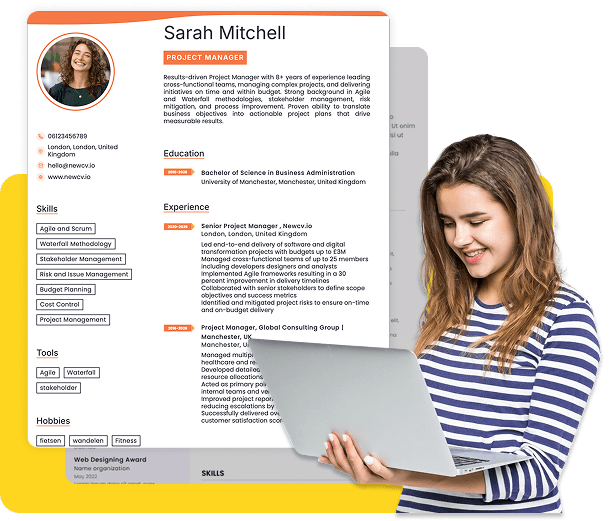
Use ATS-optimised Resume and resume templates that pass applicant tracking systems. Our Resume builder helps recruiters read, scan, and shortlist your Resume faster.
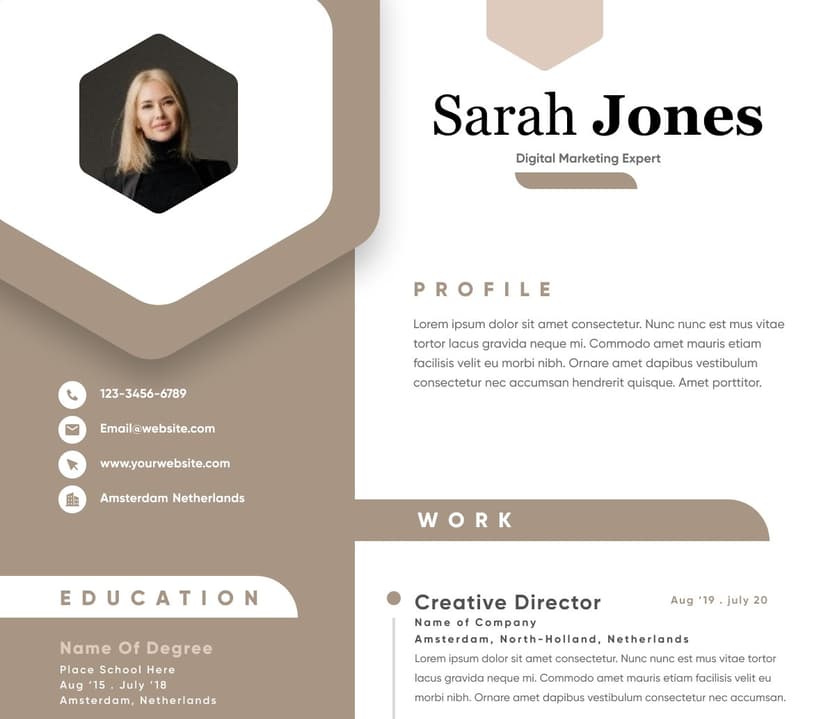
Use professional field-tested resume templates that follow the exact Resume rules employers look for.
Create Resume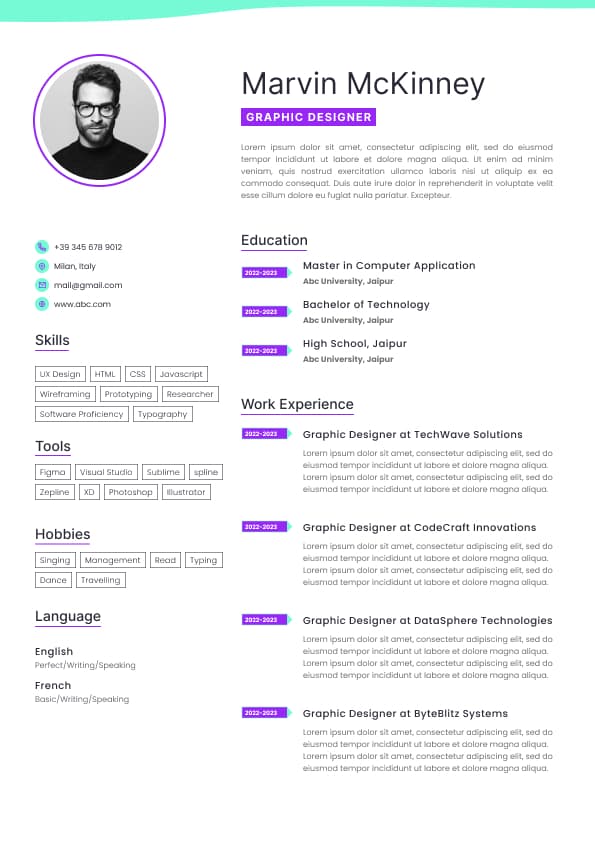
Use professional field-tested resume templates that follow the exact Resume rules employers look for.
Create ResumeMost LinkedIn About sections in Australia fail for one reason: they read like bland corporate biographies instead of strategic positioning statements.
Recruiters are not reading your About section for entertainment. They are scanning it to answer a few critical questions fast:
What do you actually do?
What level are you operating at?
What industries do you fit into?
Are you commercially valuable?
Are you aligned with the types of roles you want?
Do you sound credible, confident, and employable?
A strong LinkedIn About section improves three things simultaneously:
Most recruiters spend less than 30 seconds deciding whether to continue reviewing a profile.
The About section becomes highly influential once your headline and experience have already generated initial interest.
Recruiters typically evaluate:
Clarity of role identity
Seniority level
Industry relevance
Commercial impact
Communication quality
Career consistency
Technical and soft skill alignment
Recruiter search visibility on LinkedIn
Professional credibility with hiring managers
Conversion into interviews, networking opportunities, and inbound recruiter outreach
In the Australian market, hiring managers generally prefer profiles that feel commercially aware, practical, and authentic. Overly polished “personal brand” language often performs worse than clear, direct positioning.
Your About section should not try to impress everyone. It should strategically attract the right opportunities.
Leadership capability where relevant
Whether the candidate sounds credible or inflated
The biggest mistake candidates make is treating the About section like a motivational speech.
Recruiters are not looking for:
“Passionate professional”
“Results-driven team player”
“Dynamic self-starter”
“Thinking outside the box”
Generic buzzwords without evidence
These phrases have become invisible because they appear on thousands of profiles.
Instead, recruiters respond to specificity.
Instead of:
Weak Example
“Highly motivated marketing professional with a passion for innovation.”
Use:
Good Example
“B2B marketing specialist with 7+ years’ experience across SaaS and technology businesses, focused on demand generation, customer acquisition, and revenue-driven campaign strategy.”
The second version immediately communicates:
Role alignment
Industry relevance
Seniority
Commercial focus
Recruiter search keywords
That is how strong LinkedIn positioning works.
The highest-performing About sections usually follow a simple strategic structure.
Your first 2 to 3 lines matter most because LinkedIn truncates the section on desktop and mobile.
This opening should immediately establish:
Your professional identity
Your core expertise
Your industry or niche
Your value proposition
This section explains:
Years of experience
Industries worked in
Key strengths
Leadership exposure
Major achievements or commercial impact
This is critical for LinkedIn recruiter search visibility.
Include relevant terms naturally such as:
Stakeholder management
Project delivery
Financial analysis
Construction management
SaaS sales
WHS compliance
Supply chain optimisation
Talent acquisition
Civil engineering
LinkedIn search functions similarly to SEO.
Profiles with stronger keyword alignment appear more often in recruiter searches.
Australian hiring culture generally values:
Practicality
Collaboration
Communication skills
Professional humility
Reliability
This section can briefly show:
Leadership style
Team approach
Communication philosophy
Industry interests
Avoid trying to sound inspirational.
Keep it grounded and credible.
Your ending should subtly reinforce:
The opportunities you align with
Your professional interests
Your industry focus
Networking openness where relevant
Your About section should complement your resume, not duplicate it.
A resume is structured for formal application assessment.
A LinkedIn About section is designed for:
Discovery
Positioning
Credibility
Networking
Recruiter search visibility
If your About section simply repeats job duties, it loses strategic value.
This is one of the fastest ways to weaken your profile.
Phrases recruiters mentally skip:
“Hard-working professional”
“Excellent communication skills”
“Proven track record”
“Go-getter mentality”
“Fast learner”
These statements mean nothing without context.
Many mid-level candidates unintentionally create credibility problems by overstating leadership language.
For example:
Weak Example
“Visionary transformational leader driving enterprise-wide innovation.”
This often creates scepticism unless supported by senior executive experience.
Australian recruiters generally respond better to commercially grounded language.
Long About sections are not automatically stronger.
If your profile takes too long to understand, recruiters disengage.
Strong About sections are:
Clear
Focused
Search-optimised
Commercially relevant
Easy to scan
For most Australian professionals:
250 to 450 words is ideal
Senior executives may require more depth
Graduates and early-career candidates should stay tighter
The goal is not maximum length.
The goal is maximum positioning clarity.
Most candidates underestimate how keyword-driven recruiter searches are.
Recruiters commonly search combinations like:
“Project Manager construction Sydney”
“Financial Analyst SAP Melbourne”
“HR Business Partner healthcare”
“Talent Acquisition mining Perth”
“Account Executive SaaS Australia”
If your About section lacks relevant terminology, your visibility decreases.
However, keyword stuffing also hurts readability.
The strongest profiles naturally integrate:
Job titles
Industry terminology
Systems and tools
Functional expertise
Sector language
Technical capabilities
This improves discoverability without sounding robotic.
A strong formula looks like this:
Your role identity and experience level.
Industry focus, technical expertise, commercial strengths.
Outcomes, achievements, scale, leadership, operational impact.
Collaboration style, leadership approach, communication strengths.
Current interests, opportunities, professional direction.
This structure works because it mirrors how recruiters evaluate candidates internally.
Recruiters focus heavily on alignment and searchability.
Hiring managers look deeper.
They assess whether you sound like someone they would trust inside their team.
That means your About section should also demonstrate:
Commercial awareness
Communication maturity
Industry understanding
Professional confidence
Clear thinking
Hiring managers are highly sensitive to exaggeration.
Profiles that feel inflated often create doubt before interview stage.
The strongest About sections sound experienced, not performative.
Focus on:
Education relevance
Internship experience
Technical capability
Career direction
Industry interest
Avoid pretending to have extensive leadership exposure.
Clarity matters more than sounding senior.
This is where positioning becomes highly competitive.
You should clearly define:
Specialisation
Industry expertise
Commercial outcomes
Functional strengths
Team or project leadership
This level benefits most from strategic keyword alignment.
Executive About sections should focus less on task execution and more on:
Business impact
Strategic leadership
Transformation
Operational scale
Commercial performance
Stakeholder influence
Executive profiles that sound too tactical can weaken perceived seniority.
LinkedIn visibility carries significantly more weight in some sectors than others.
Highly LinkedIn-driven industries include:
Technology
SaaS
Recruitment
Consulting
Financial services
Professional services
Marketing
HR and talent acquisition
Corporate sales
Mining leadership and engineering recruitment
Healthcare leadership roles
For blue-collar, trades, or operational sectors, LinkedIn still matters for management and white-collar progression but often less for frontline hiring.
Usually, yes — but strategically.
Open desperation weakens positioning.
Professional openness strengthens it.
Instead of:
Weak Example
“Desperately seeking new opportunities immediately.”
Use:
Good Example
“Open to connecting regarding leadership opportunities across operations, logistics, and supply chain transformation.”
This keeps positioning professional and commercially credible.
A major issue in modern LinkedIn advice is excessive focus on “personal branding”.
Many candidates end up sounding artificial.
Australian hiring culture generally prefers:
Directness
Practicality
Credibility
Substance over hype
Your About section is not meant to sound like a motivational influencer.
It should sound like someone credible enough to hire.
That distinction matters.
Instead of:
Weak Example
“Experienced leader with strong stakeholder skills.”
Use:
Good Example
“Led cross-functional teams across infrastructure and capital works projects involving government stakeholders, contractors, and operational leadership groups.”
Specificity creates trust.
Recruiters mentally calibrate candidate level through scale indicators.
Examples:
Team size
Budget ownership
Revenue impact
Project value
Geographic scope
Client portfolio size
This immediately improves seniority perception.
Every industry has language patterns recruiters recognise.
For example:
Technology:
SaaS
Customer lifecycle
GTM strategy
CRM optimisation
Construction:
Tier 1 projects
Contract administration
WHS compliance
Site coordination
Healthcare:
Patient outcomes
Clinical governance
Aged care standards
Multidisciplinary teams
Industry alignment increases recruiter confidence quickly.
By the end of reading your About section, recruiters should clearly understand:
What you do
Where you fit
Why you are commercially valuable
If those three things are unclear, the section is underperforming.


 Upload Resume
 Import from Linkedin