
Choose from a wide range of NEWCV resume templates and customize your NEWCV design with a single click.

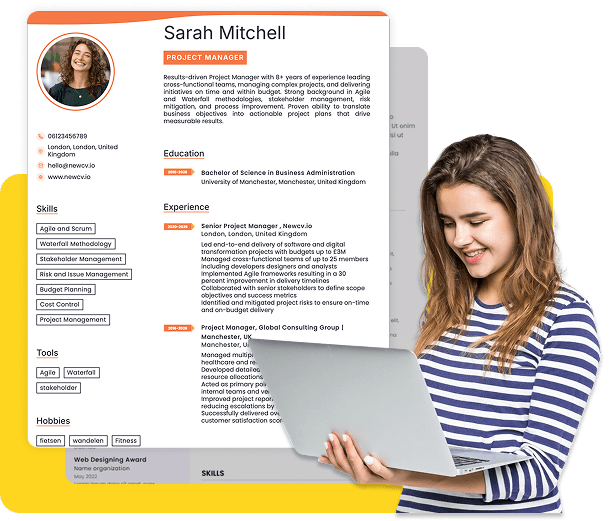
Use ATS-optimised Resume and resume templates that pass applicant tracking systems. Our Resume builder helps recruiters read, scan, and shortlist your Resume faster.

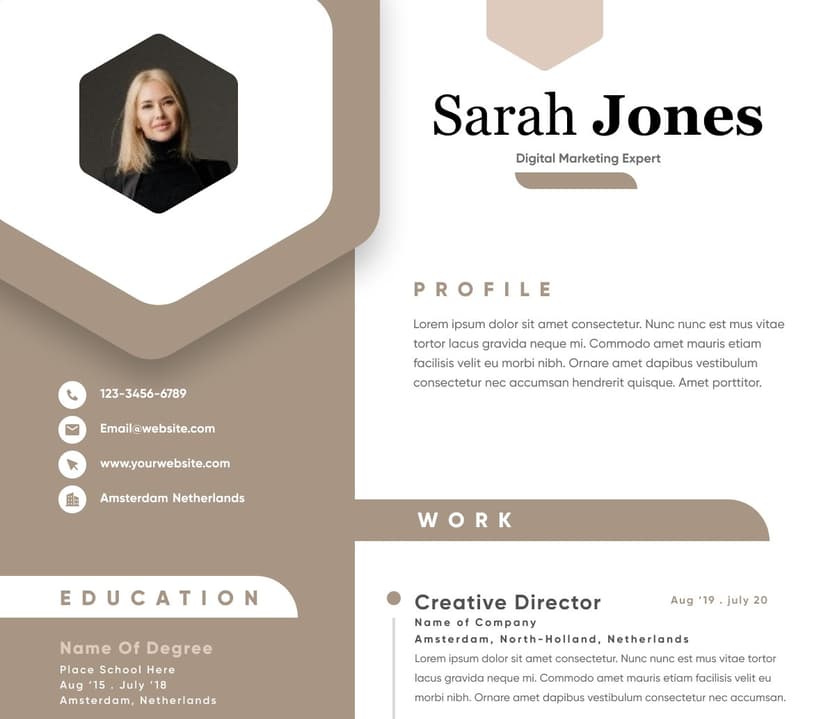
Use professional field-tested resume templates that follow the exact Resume rules employers look for.
Create Resume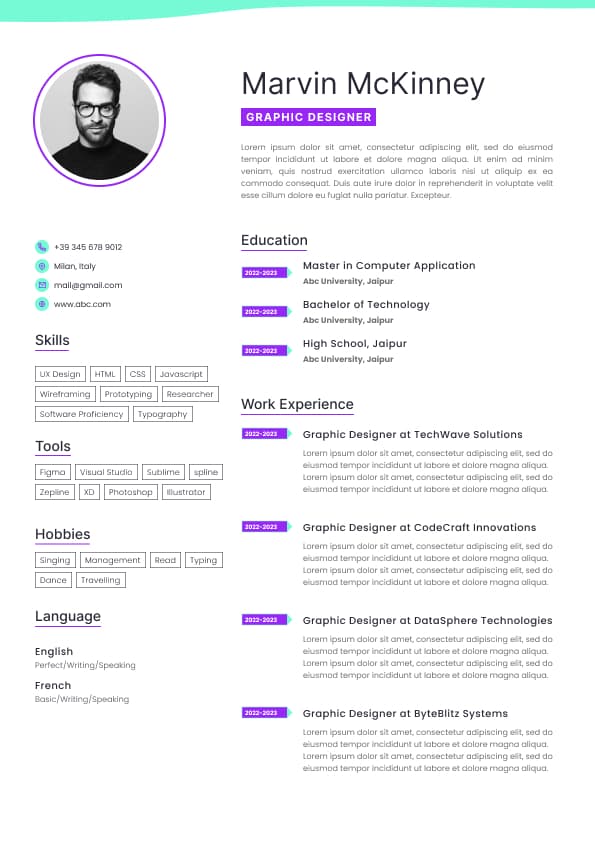
Use professional field-tested resume templates that follow the exact Resume rules employers look for.
Create ResumeIf you’re searching for sponsorship jobs in Australia, the reality is this: employers do sponsor overseas workers, but only when the candidate solves a genuine hiring problem. Most applicants fail because they apply broadly, target the wrong employers, misunderstand visa pathways, or position themselves like local candidates instead of sponsorship-dependent applicants.
In the Australian market, sponsorship is not simply about being qualified. Employers assess visa risk, relocation practicality, skill shortages, onboarding costs, long-term retention, and whether hiring locally would be easier. Candidates who understand this hiring logic dramatically improve their chances.
The strongest sponsorship candidates usually have:
Experience in shortage occupations
Strong English communication
Industry-recognised skills or licences
A clear visa pathway
A sponsorship job is a role where an Australian employer agrees to sponsor an overseas worker for a visa because they cannot easily fill the position locally.
In most cases, this involves:
Temporary Skill Shortage (Subclass 482) visa sponsorship
Employer Nomination Scheme (Subclass 186) pathways
Regional employer sponsorship options
Labour agreement streams in high-shortage sectors
The employer becomes an approved sponsor and supports the visa application process.
However, sponsorship is expensive and administratively complex for employers. That means Australian companies do not sponsor simply because a candidate wants to move to Australia. They sponsor when:
Skills are difficult to source locally
The role is business-critical
Some sectors sponsor consistently because Australia has ongoing labour shortages. Others sponsor only selectively.
This remains one of the strongest sponsorship sectors nationally.
High-demand roles include:
Registered nurses
Aged care workers
Mental health nurses
General practitioners
Medical specialists
Sonographers
Physiotherapists
Experience in comparable markets
Resume positioning aligned to Australian hiring expectations
This guide explains how sponsorship hiring actually works in Australia, which industries sponsor most often, how employers assess overseas applicants, and how to strategically position yourself to get hired.
The candidate is clearly stronger than available local applicants
The hiring timeline justifies sponsorship costs
This is why generic applications rarely work.
Occupational therapists
Regional Australia offers significantly stronger sponsorship opportunities than major metro areas.
Healthcare employers prioritise:
AHPRA registration eligibility
English proficiency
Clinical experience in comparable systems
Ability to relocate quickly
Long-term retention potential
Candidates often underestimate how heavily communication skills influence hiring decisions in Australian healthcare settings.
Australia’s infrastructure pipeline continues driving sponsorship demand.
Common sponsored roles include:
Civil engineers
Structural engineers
Electrical engineers
Mining engineers
Project engineers
Quantity surveyors
Site managers
Mining and energy sectors particularly sponsor experienced professionals with:
FIFO experience
Remote-site exposure
Major project delivery backgrounds
Safety-focused cultures
Australian employers strongly favour candidates who already understand Western workplace safety standards.
Trades remain one of Australia’s biggest skill shortage categories.
High-demand trades include:
Electricians
Welders
Diesel mechanics
Carpenters
Plumbers
Heavy vehicle mechanics
HVAC technicians
However, sponsorship in trades is more complex than many candidates realise.
Employers often require:
Trade recognition or licensing equivalency
Australian-standard compliance knowledge
Site safety certifications
Practical English communication
Candidates who only have theoretical qualifications without hands-on experience struggle significantly.
Tech sponsorship still exists, but the market is far more competitive than it was during the pandemic hiring boom.
Strong sponsorship potential remains in:
Cybersecurity
Cloud engineering
Enterprise architecture
Data engineering
DevOps
SAP consulting
AI engineering
Software engineering in niche stacks
Entry-level tech sponsorship is now extremely limited.
Australian employers increasingly expect:
Commercial project experience
Clear business impact
Strong stakeholder communication
Modern cloud ecosystem knowledge
Local market adaptability
Candidates relying purely on certifications without practical delivery experience are frequently filtered out.
Regional Australia continues using sponsorship heavily in:
Hospitality
Tourism
Food production
Agriculture
Meat processing
Regional operations
These roles often provide:
Faster sponsorship access
Lower competition
Regional migration advantages
But candidates must understand the trade-off:
Regional placement obligations
Lower salaries in some sectors
Lifestyle adjustment requirements
Longer pathways to permanent residency in some cases
This is where most online advice fails.
Australian employers do not evaluate sponsored candidates the same way they evaluate local applicants.
Hiring managers typically assess overseas applicants through five filters:
Employers prefer candidates requiring minimal transition time.
They prioritise:
Similar industry environments
Comparable regulations
Familiar systems or tools
Strong communication skills
Proven achievements
A strong sponsorship candidate reduces perceived onboarding risk.
Sponsorship involves:
Legal obligations
Government fees
Compliance responsibilities
Processing delays
Immigration risk
If a local candidate appears “good enough”, many employers choose the simpler option.
This is why overseas applicants must position themselves as clearly valuable, not merely qualified.
Retention matters heavily.
Employers worry about:
Candidates using sponsorship only to enter Australia
Short-term relocations
Visa instability
Poor cultural adjustment
Family relocation complications
Candidates demonstrating long-term commitment to Australia often perform better in interviews.
Australian hiring culture values:
Direct communication
Collaboration
Accountability
Practical problem-solving
Initiative without arrogance
Overly formal communication or highly hierarchical workplace behaviour can create concern during interviews.
Employers strongly prefer candidates who:
Understand their visa options
Know sponsorship requirements
Have realistic salary expectations
Understand processing timelines
Confused candidates create administrative friction.
Most sponsorship jobs are not advertised using the word “sponsorship”.
This is one of the biggest mistakes overseas candidates make.
Instead of searching only:
Use searches like:
“482 visa available”
“international applicants welcome”
“relocation assistance”
“skills shortage role”
“regional sponsorship”
“employer sponsored”
Also target:
Accredited sponsors
Regional employers
Industry-specific recruitment agencies
Healthcare networks
Mining contractors
Government-supported shortage programs
LinkedIn alone is not enough.
Many sponsorship hires occur through:
Recruiters
Referrals
Niche industry job boards
Direct employer outreach
Regional hiring campaigns
Most overseas candidates unknowingly create risk signals.
Generic applications fail quickly.
Australian employers sponsor specialists, not broad generalists with unclear value.
Many international resumes:
Focus on responsibilities instead of achievements
Lack measurable outcomes
Use irrelevant formatting
Include excessive personal details
Fail ATS screening
Australian resumes should prioritise:
Clear achievements
Commercial impact
Technical capability
Concise structure
Strong readability
Even technically strong candidates lose opportunities because communication concerns create operational risk.
This matters especially in:
Healthcare
Client-facing roles
Leadership positions
Safety-critical industries
Some overseas applicants expect Australian salaries without understanding:
Market rates
Regional pay differences
Sponsorship cost implications
Industry award structures
Experienced recruiters quickly identify candidates who have not researched the market.
Some roles almost never justify sponsorship due to large local candidate pools.
These include many:
Entry-level office jobs
General administration roles
Junior marketing positions
Basic customer service jobs
Graduate-level business roles
Candidates targeting oversupplied sectors often waste months applying unsuccessfully.
Do not apply broadly.
Focus on:
Roles with verified shortages
Industries already sponsoring internationally
Regional opportunities
Employers with sponsorship history
Specialisation consistently beats volume.
Strong candidates proactively reduce employer uncertainty.
This includes:
Australian-standard resume formatting
Local certifications where possible
Industry licensing preparation
Time zone interview flexibility
Understanding Australian workplace expectations
Employers notice candidates who already operate like future local hires.
Your resume should answer one core recruiter question immediately:
“Why should we sponsor this person instead of hiring locally?”
That means highlighting:
Hard-to-find expertise
Commercial outcomes
Industry depth
Technical capability
Leadership impact
Niche specialisation
Generic resumes rarely survive sponsorship screening.
“Responsible for managing engineering projects and coordinating teams.”
“Delivered $48M civil infrastructure project six weeks ahead of schedule while managing multidisciplinary contractor teams across three major sites.”
The second example justifies sponsorship value.
Regional employers often:
Face stronger labour shortages
Receive migration incentives
Sponsor more actively
Have lower applicant competition
However, candidates should assess:
Career growth
Lifestyle suitability
Long-term visa strategy
Family implications
Regional pathways work best when approached strategically, not desperately.
Australian employers often test sponsorship candidates more aggressively than local applicants.
Expect questions around:
Relocation timing
Visa understanding
Long-term plans
Adaptability
Salary expectations
Communication style
Candidates who appear uncertain create hiring hesitation.
Strong interview positioning includes:
Clear migration reasoning
Practical relocation planning
Understanding of the employer’s business challenges
Evidence of adaptability
Confidence without entitlement
Sometimes, but not equally across industries.
Agencies most involved in sponsorship include:
Healthcare recruiters
Mining recruiters
Engineering recruitment firms
Regional workforce agencies
Construction recruiters
However, agencies usually prioritise:
Highly placeable candidates
Immediate skill shortages
Strong communication
Relevant experience
Many candidates expect recruiters to “find sponsorship jobs” for them. That is not how Australian recruitment works.
Recruiters respond to candidates who already fit urgent hiring needs.
Many candidates confuse sponsorship with permanent residency.
A sponsorship role may:
Lead to permanent residency
Remain temporary
Depend on employer nomination
Require regional commitments
Employers also assess whether:
The visa pathway is stable
The candidate qualifies properly
Long-term sponsorship is viable
Candidates who understand migration pathways professionally appear lower risk during hiring.
Competition is extremely high in 2026.
One sponsored role may attract:
Hundreds of overseas applicants
Candidates from multiple countries
Highly experienced specialists
Applicants already in Australia
This means average applications rarely succeed.
The candidates who consistently secure sponsorship usually:
Target strategically
Apply selectively
Position themselves commercially
Understand employer pain points
Demonstrate niche value
Communicate clearly
Reduce perceived hiring risk
Sponsorship success is rarely about luck.
Within the first 15 to 30 seconds of reviewing your application, employers want evidence of:
Relevant experience
Marketable skills
Communication capability
Commercial value
Visa clarity
Practical employability
If your application creates confusion, recruiters move on quickly.
Australian recruitment is highly time-sensitive. Hiring teams often screen large volumes rapidly.
Clarity wins.
Unfortunately, overseas applicants are frequently targeted by scams.
Be cautious of:
Employers demanding upfront sponsorship payments
Guaranteed visa promises
Fake migration-linked jobs
Unrealistically high salaries
“No experience needed” sponsorship offers
Informal cash-payment arrangements
Legitimate Australian sponsorship employers follow formal processes and compliance obligations.
If something feels unusually easy, it usually is not genuine.


 Upload Resume
 Import from Linkedin