STILL APPLYING. STILL HEARING NOTHING?BUILD YOUR RESUME

STILL APPLYING. STILL HEARING NOTHING?BUILD YOUR RESUME
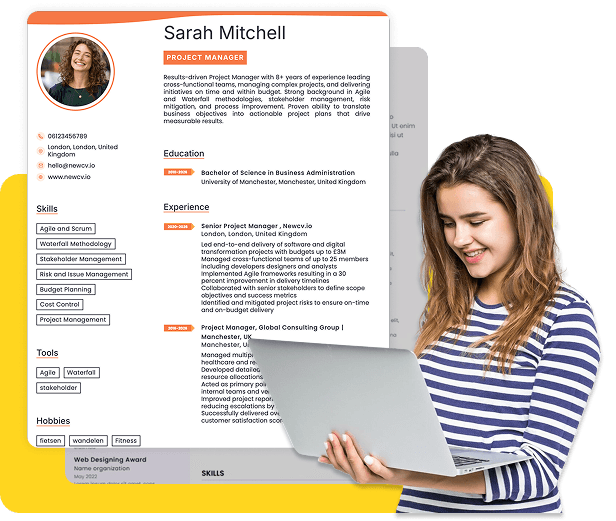
Choose from a wide range of NEWCV resume templates and customize your NEWCV design with a single click.
FAQ

If you want to land an Android developer internship in today’s market, strong grades alone are not enough. Most hiring managers and recruiters screen Android intern candidates based on proof of practical development ability, not coursework titles. The candidates who consistently get interviews usually have three things: real Android projects, a clean GitHub profile, and evidence they can build production-style apps using modern Android tools like Kotlin, Jetpack Compose, APIs, Firebase, and Git.
The biggest mistake students make is applying with generic resumes and tutorial-level projects that look identical to thousands of other applicants. Recruiters can spot this immediately.
To stand out for an Android developer internship in 2026, you need to position yourself like an early-career engineer, not just a student. That means showing ownership, technical decision-making, app architecture awareness, debugging ability, and genuine Android development interest through projects, GitHub activity, and interview performance.
This guide breaks down exactly what recruiters and engineering teams look for when hiring Android developer interns and how to build an application that gets interviews.
Most Android internship candidates assume companies expect deep expertise. That is rarely true for internships.
Hiring teams usually evaluate interns based on potential, learning speed, and practical fundamentals.
Here’s what recruiters and Android engineering managers typically prioritize:
Evidence you can build functional Android apps
Familiarity with modern Android development tools
Ability to learn quickly and debug problems
Strong communication and collaboration potential
Consistent interest in Android development
Basic software engineering fundamentals
GitHub or portfolio proof of hands-on work
For big tech Android internships, the bar is higher because competition is intense. However, even those companies do not expect senior-level Android knowledge from interns.
They want candidates who demonstrate strong fundamentals, clean thinking, curiosity, and technical initiative.
Many applicants overload their resume with every technology they have touched once. That hurts credibility.
Recruiters prefer focused technical stacks that align with actual Android development workflows.
The strongest Android internship skill set usually includes:
Kotlin
Android Studio
Android SDK
Jetpack Compose
XML layouts
Activities and Fragments
RecyclerView or LazyColumn
Navigation components
REST APIs
Firebase
Room database
Coroutines
MVVM architecture
Git and GitHub
Debugging
Problem-solving
API integration
Version control workflows
Basic testing knowledge
UI responsiveness
Mobile performance awareness
These are not always required, but they help candidates stand out:
Published Play Store apps
Open-source contributions
CI/CD familiarity
AI integrations in mobile apps
Material Design implementation
Unit testing basics
Firebase authentication
Real-time databases
Mobile accessibility awareness
Recruiters often decide whether to continue reviewing an internship resume within seconds.
The biggest problem is that many student resumes look nearly identical.
Here are the most common rejection triggers.
If your projects look copied from YouTube tutorials with no customization, recruiters notice immediately.
A weather app alone is not impressive anymore.
What matters is:
Did you extend the functionality?
Did you solve meaningful problems?
Did you improve UX?
Did you implement architecture patterns properly?
Did you deploy or publish the app?
Listing 30 technologies does not make you stronger.
Recruiters usually trust candidates more when the stack looks realistic and aligned with actual project work.
This is one of the biggest missed opportunities.
Most students describe projects like this:
Weak Example
That tells recruiters almost nothing.
A stronger project description explains complexity, technical decisions, and outcomes.
Good Example
The second version demonstrates technical depth and engineering awareness.
For Android internships, GitHub matters more than many students realize.
Recruiters and engineers often check:
Commit consistency
Code organization
README quality
Project complexity
Architecture structure
Problem-solving evidence
An empty GitHub profile weakens credibility significantly.
Projects are often the single biggest factor in internship interview selection.
Strong Android internship projects should demonstrate:
Real functionality
Clean architecture
API integration
UI/UX awareness
State management
Data persistence
Practical problem-solving
Here are the project categories that consistently perform well with recruiters.
CRUD apps remain effective because they test real development fundamentals.
Good examples include:
Task management apps
Student management systems
Habit trackers
Inventory apps
Workout tracking apps
What recruiters evaluate:
Data flow handling
Database integration
UI consistency
State management
Error handling
Firebase projects are highly valuable for internship candidates because they reflect modern mobile workflows.
Strong Firebase implementations include:
Authentication systems
Real-time chat apps
Cloud storage integration
Push notifications
Analytics tracking
Recruiters especially like seeing authentication and real-time functionality because they indicate practical app engineering experience.
AI-related Android projects are becoming strong differentiators in internship hiring.
High-impact examples include:
AI note summarizers
Chatbot assistants
AI productivity tools
Image recognition apps
Voice command apps
However, recruiters care more about implementation quality than simply adding “AI” to the project title.
These often outperform flashy ideas because they reflect practical user-focused development.
Strong examples include:
Expense trackers
Study planners
Focus timers
Habit builders
Calendar productivity apps
What matters most is execution quality.
A GitHub profile is often treated like proof of work.
Even if recruiters do not deeply review your code, engineers frequently do during screening.
Here’s what creates a strong GitHub profile.
Good repositories include:
Proper README files
Installation instructions
Screenshots or demos
Clean folder structure
Meaningful commit history
Recruiters trust candidates more when they see projects evolving over time.
That signals genuine development experience instead of last-minute resume projects.
Strong internship repositories often include:
API integrations
Architecture patterns
Error handling
State management
Data persistence
Modular structure
If possible, publish at least one app.
This creates a major credibility boost because deployment requires:
Testing
App signing
Store compliance
UI polishing
Release management
Very few internship applicants actually complete this step.
Most Android internship interviews focus on fundamentals rather than advanced mobile engineering.
However, weak fundamentals eliminate candidates quickly.
Expect questions about:
Variables and null safety
Data classes
Functions
Collections
Coroutines basics
Object-oriented programming
Interviewers frequently test:
Activity lifecycle
Fragment lifecycle
Configuration changes
State handling
Weak lifecycle understanding is one of the most common internship interview failures.
Companies may ask:
Compose basics
State management
LazyColumn
UI recomposition
Layout design
Traditional XML knowledge still matters in many companies.
You should understand:
REST APIs
Retrofit basics
JSON parsing
Async requests
Error handling
Common internship-level database topics:
Room database
SQLite basics
Data persistence
CRUD operations
You do not need advanced architecture expertise, but you should understand:
Separation of concerns
ViewModel purpose
State handling
Repository patterns
Technical correctness alone does not guarantee internship offers.
Interviewers also evaluate:
Communication clarity
Problem-solving process
Learning mindset
Collaboration potential
Debugging approach
Candidates who explain their thinking clearly often outperform technically stronger applicants who communicate poorly.
Big tech Android internships usually involve:
More competitive screening
Stronger DSA expectations
Multiple interview rounds
Higher project quality expectations
Smaller companies and startups often prioritize:
Practical Android experience
Shipping ability
Fast learning
Product mindset
This is important strategically.
If your strength is app building rather than algorithms, startups may provide better early opportunities.
Many students assume they cannot compete without previous internships.
That is false.
Recruiters often hire first-time candidates when they show strong evidence of self-driven learning.
Here’s how to compensate for no experience.
One excellent project is usually better than six weak projects.
Focus on depth instead of quantity.
Recruiters look for candidates who:
Solved real problems
Improved apps independently
Refactored code
Learned new technologies proactively
Hackathons help because they demonstrate:
Collaboration
Fast execution
Product thinking
Real engineering pressure
Even small contributions can improve credibility significantly.
Your resume should position you as an emerging Android engineer, not just a student taking classes.
The strongest internship resumes usually emphasize:
Android projects first
Technical stack relevance
GitHub links
Practical outcomes
Engineering contribution
Within seconds, recruiters should understand:
You build Android apps
You use modern Android tools
You understand software engineering basics
You are serious about Android development
If your resume buries projects below unrelated content, you lose attention fast.
There is no magic number.
Most successful Android internship candidates have:
Two to four strong Android projects
One polished flagship project
Active GitHub repositories
Evidence of consistent improvement
Five shallow apps are weaker than one technically impressive app.
Certain signals consistently attract recruiter attention.
This immediately separates candidates from the majority of applicants.
Well-written READMEs create a surprisingly strong first impression.
Candidates who discuss:
User experience
Performance
Scalability
Error handling
Accessibility
usually appear more advanced than typical interns.
If your profile is scattered across unrelated technologies, positioning becomes weaker.
Candidates with clear Android specialization often perform better for Android-specific internships.
Coursework alone rarely creates competitive positioning anymore.
Some resumes still emphasize obsolete Android practices.
Recruiters increasingly prefer candidates familiar with:
Kotlin
Jetpack Compose
Coroutines
MVVM
Poor UI design hurts technical credibility more than students realize.
Even internship projects benefit from measurable impact.
Examples include:
Reduced API response latency
Improved app startup performance
Increased offline functionality
Enhanced user navigation flow
If you want the highest ROI improvements quickly, prioritize these in order:
Build one polished flagship Android app
Clean up your GitHub profile
Learn Kotlin deeply
Understand Android lifecycle concepts
Practice explaining technical decisions clearly
Add Firebase and API integrations
Learn basic MVVM architecture
Practice internship interview questions consistently
This combination addresses the exact areas recruiters and interviewers evaluate most heavily.
Use ATS-optimised Resume and resume templates that pass applicant tracking systems. Our Resume builder helps recruiters read, scan, and shortlist your Resume faster.

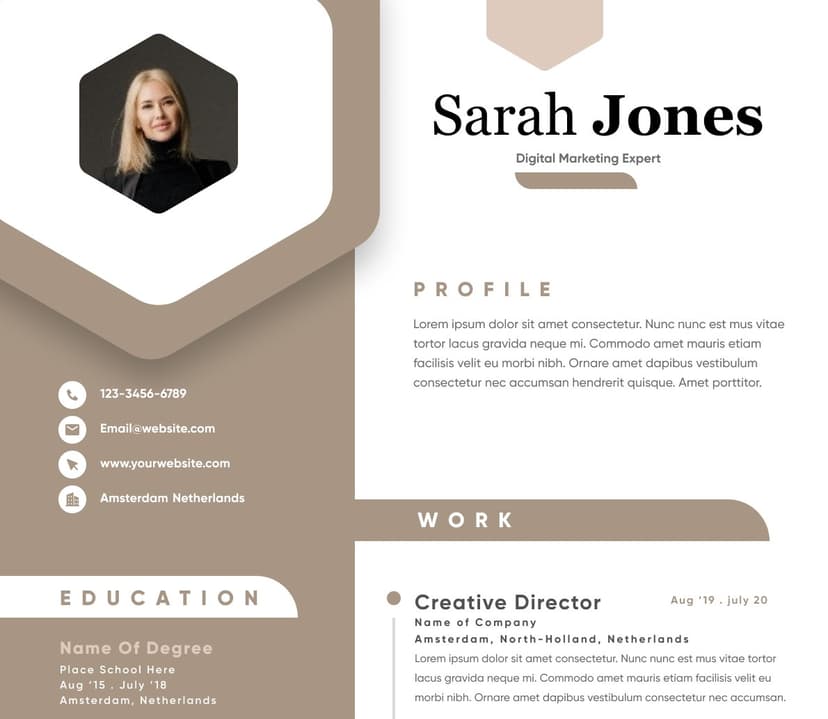
Use professional field-tested resume templates that follow the exact Resume rules employers look for.
Create Resume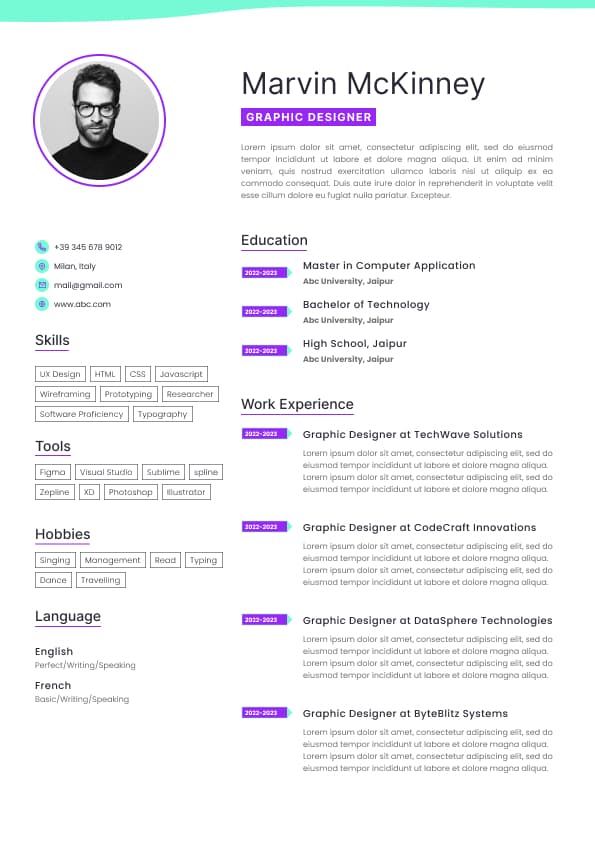
Use professional field-tested resume templates that follow the exact Resume rules employers look for.
Create Resume


 Upload Resume
 Import from Linkedin