STILL APPLYING. STILL HEARING NOTHING?BUILD YOUR RESUME

STILL APPLYING. STILL HEARING NOTHING?BUILD YOUR RESUME
Choose from a wide range of NEWCV resume templates and customize your NEWCV design with a single click.
FAQ
An Android developer resume gets interviews when it proves three things quickly: you can ship production mobile apps, work within modern Android architecture, and improve measurable business or app performance outcomes. Most Android resumes fail because they read like technology inventories instead of evidence of engineering impact.
Hiring managers are not looking for someone who “knows Kotlin.” They are looking for developers who can build scalable Android applications, reduce crashes, improve app performance, maintain clean architecture, collaborate with product and backend teams, and ship reliable releases through modern CI/CD workflows.
The strongest Android developer resumes show:
Real Android technologies used in production
Measurable app or engineering impact
Clear ownership of mobile features or architecture
Strong modern Android stack alignment
Most recruiters scan an Android resume in under 10 seconds before deciding whether to continue reading. The first screen is usually not technical. It is pattern recognition.
Recruiters quickly look for:
Android-specific technical alignment
Mobile app development experience
Kotlin or Java expertise
Modern Android stack familiarity
Production release experience
Scale, performance, or business impact
Team collaboration and Agile workflow experience
Engineering managers then go deeper.
For nearly all Android developer roles in the US market, the reverse-chronological resume format performs best.
Use this structure:
Resume summary
Technical skills
Professional experience
Projects
Education
Certifications if relevant
Avoid:
Functional resumes
Your summary should position you for the exact Android role you want.
It should not be generic.
Results-driven Android Developer with 5+ years of experience building scalable native Android applications using Kotlin, Jetpack Compose, MVVM, Coroutines, Retrofit, Room, and Firebase. Experienced in performance optimization, modular architecture, CI/CD mobile delivery, and Play Store releases. Proven ability to improve app stability, reduce crashes, and deliver high-impact mobile features in Agile environments.
Entry-level Android Developer with strong Kotlin and Jetpack Compose foundations and hands-on experience building Android portfolio applications with REST APIs, Room database integration, Firebase authentication, and MVVM architecture. Passionate about mobile UX, clean architecture, and scalable Android app development.
The technical skills section matters more in Android hiring than in many other engineering roles because recruiters often search by exact technologies.
Group skills strategically.
Languages
Kotlin
Java
Android Frameworks & Libraries
Jetpack Compose
Android SDK
MVVM
Hilt
Michael Carter
Austin, Texas
michaelcarter.dev@email.com
LinkedIn: linkedin.com/in/michaelcarterdev
GitHub: github.com/michaelcarterdev
Experienced Android Developer with 6+ years of experience building and optimizing native Android applications using Kotlin, Jetpack Compose, MVVM, Hilt, Retrofit, and Firebase. Proven success improving application performance, release reliability, and crash-free sessions across consumer and enterprise mobile applications.
Languages
Kotlin
Java
Frameworks & Libraries
Daniel Nguyen
Seattle, Washington
Kotlin Android Developer with strong expertise building scalable Android applications using Jetpack Compose, Coroutines, StateFlow, Hilt, Retrofit, and Room. Experienced in modern Android architecture, offline-first mobile design, and CI/CD release workflows.
NextWave Apps | Seattle, Washington
2020 – Present
Developed Android app modules using Kotlin, Jetpack Compose, Navigation, ViewModel, StateFlow, Hilt, Retrofit, and Room
Built reusable Compose components, design-system patterns, offline caching, authentication flows, and push notification features
Reduced UI defects by 27% by improving component state management, screenshot testing, and accessibility checks
Rachel Simmons
Chicago, Illinois
Android Developer specializing in Java-based Android applications, Android SDK modernization, performance optimization, and legacy mobile architecture improvements.
Velocity Systems | Chicago, Illinois
2019 – Present
Maintained and modernized Java-based Android applications using Android SDK, XML layouts, Retrofit, SQLite, RxJava, and Gradle
Refactored legacy Activities and Fragments into MVVM architecture with ViewModel and repository layers
Reduced ANRs by 35% by moving blocking work off the main thread and improving background task handling
Anthony Ramirez
San Francisco, California
Senior Android Developer with 9+ years of experience leading Android architecture, mobile scalability initiatives, CI/CD modernization, and high-volume production app releases across fintech and healthcare platforms.
FinEdge Technologies | San Francisco, California
2018 – Present
Led Android architecture for a multi-module Kotlin app using Clean Architecture, Jetpack Compose, Hilt, Coroutines, Flow, and modular Gradle builds
Owned release readiness, Play Store deployments, performance budgets, crash monitoring, and app quality metrics
Increased release frequency by 40% by improving CI/CD pipelines, automated testing, feature flags, and build caching
Sophia Patel
Atlanta, Georgia
Entry-level Android Developer with hands-on experience building Android portfolio applications using Kotlin, Jetpack Compose, Firebase, Retrofit, and MVVM architecture. Strong foundation in Android lifecycle management, APIs, debugging, and mobile UI development.
Built Android portfolio projects using Kotlin, Jetpack Compose, Android Studio, Retrofit, Room, Firebase, and Git
Created REST API integrations, login flows, local database storage, responsive mobile screens, and unit tests
Completed Android coursework focused on Kotlin, Android lifecycle, MVVM, RecyclerView, Compose, APIs, and debugging
Contributed to team projects using GitHub pull requests, issue tracking, code reviews, and Agile task boards
Jetpack Compose is now a major Android hiring keyword.
Many companies are actively modernizing Android UI architecture, and resumes that still focus only on XML layouts can appear outdated.
Strong Compose resumes show:
Reusable composable architecture
State management knowledge
Navigation implementation
Performance optimization
Design-system experience
Accessibility awareness
Most Android resumes are rejected before a human review because they lack enough relevant Android-specific keyword coverage.
Include technologies naturally throughout your resume.
Kotlin
Java
Android SDK
Jetpack Compose
MVVM
Clean Architecture
Hilt
This is one of the biggest reasons Android resumes fail.
Weak Example
Good Example
Specificity creates credibility.
Hiring managers care about outcomes.
Technology without measurable impact sounds junior.
Bad:
Better:
Most mid-level Android developers underestimate how much architecture and reliability matter in senior hiring.
Senior Android resumes should demonstrate:
Technical ownership
Architectural decision-making
Scalability
Cross-functional leadership
Release reliability
Performance optimization
Mentorship
Projects matter heavily for:
Entry-level Android developers
Career switchers
New graduates
Self-taught developers
Strong Android projects should include:
Real APIs
Authentication
Local storage
Offline support
The Android market has become significantly more competitive because companies now expect:
Modern Android architecture knowledge
Kotlin fluency
Compose adoption
Testing discipline
CI/CD familiarity
Product collaboration ability
The strongest Android resumes position candidates as engineers who can contribute to production reliability and long-term maintainability, not just feature delivery.
That distinction matters enormously during hiring decisions.
A candidate who demonstrates:

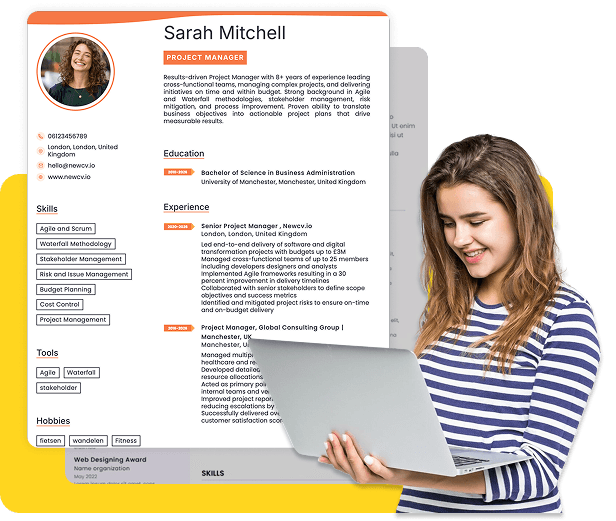
Use ATS-optimised Resume and resume templates that pass applicant tracking systems. Our Resume builder helps recruiters read, scan, and shortlist your Resume faster.
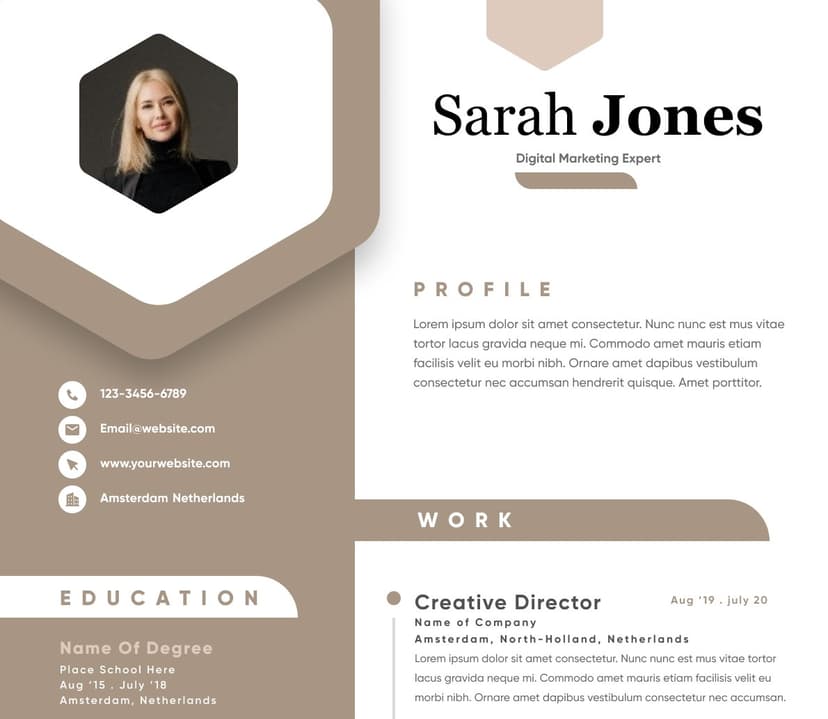
Use professional field-tested resume templates that follow the exact Resume rules employers look for.
Create Resume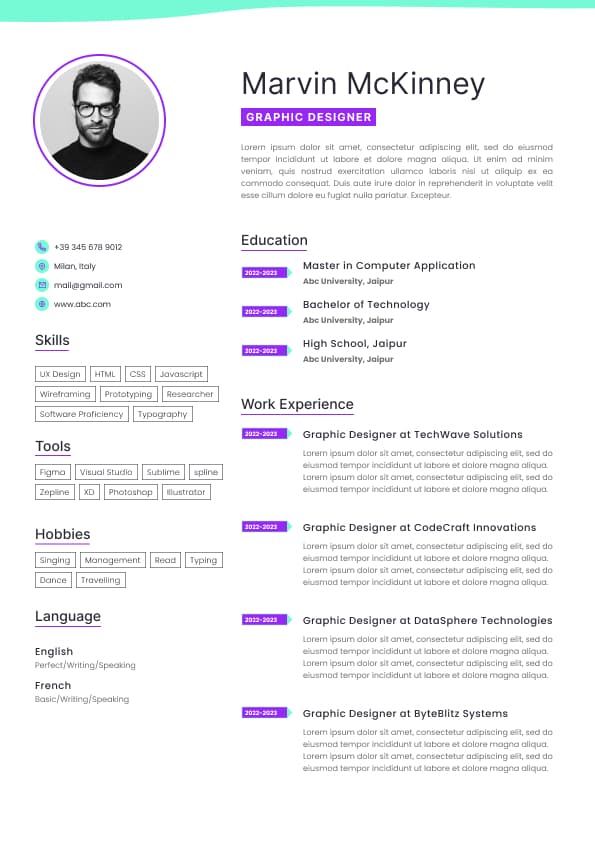
Use professional field-tested resume templates that follow the exact Resume rules employers look for.
Create ResumeEvidence of collaboration and release execution
This guide includes recruiter-approved Android developer resume examples for multiple experience levels and specialization paths, including Kotlin, Java, Jetpack Compose, senior Android engineering, and entry-level Android development roles.
They evaluate:
Architecture maturity
Code maintainability
State management knowledge
Performance optimization ability
Testing discipline
Scalability decisions
Ownership level
Platform expertise
A weak Android resume lists tools.
A strong Android resume explains outcomes.
Weak Example
Good Example
The second version immediately communicates production readiness, technical depth, and business scale.
Long objective statements
Multi-column ATS-unfriendly layouts
Excessive graphics or icons
Generic “soft skills” sections
Most ATS systems used by US employers parse simple formatting more accurately.
Retrofit
Room
Coroutines
Flow
Navigation Component
Firebase
Testing & Debugging
JUnit
Espresso
Mockito
Robolectric
Firebase Crashlytics
Build & DevOps
Gradle
Fastlane
GitHub Actions
Firebase App Distribution
CI/CD
Tools & Platforms
Android Studio
Git
Play Console
REST APIs
Jetpack Compose
Android SDK
MVVM
Coroutines
Hilt
Retrofit
Room
Firebase
Testing & CI/CD
JUnit
Espresso
GitHub Actions
Fastlane
BrightPath Mobile | Austin, Texas
2021 – Present
Designed, developed, tested, and released native Android applications serving 500,000+ monthly active users
Built Kotlin-based Android features using Jetpack Compose, MVVM, Hilt, Retrofit, Room, Coroutines, Flow, and Firebase
Improved app startup time by 32% through lazy initialization, baseline profile optimization, and dependency cleanup
Collaborated with product managers, UX designers, QA engineers, and backend teams in Agile sprints
Reduced crash-free session issues by improving error handling, logging, Firebase Crashlytics monitoring, and regression testing
AppForge Labs | Dallas, Texas
2018 – 2021
Developed Android UI features and reusable mobile components using Kotlin and XML layouts
Integrated REST APIs, analytics SDKs, authentication flows, and push notification systems
Improved release quality through automated testing and mobile CI/CD workflows
Supported Play Store deployments, bug fixes, and feature release cycles
Bachelor of Science in Computer Science
University of Texas at Dallas
Integrated REST APIs, Firebase Cloud Messaging, Google Maps, analytics SDKs, payment SDKs, and secure user sessions
Supported CI/CD mobile releases using GitHub Actions, Gradle, Firebase App Distribution, Fastlane, and Play Console
Added unit tests and instrumentation tests using JUnit, Mockito, Espresso, and Robolectric
Partnered with backend engineers to stabilize API integration, authentication, data sync, and error handling
Mentored junior Android developers on Kotlin best practices, Compose state management, testing, accessibility, and code reviews
Delivered high-impact mobile features across fintech, healthcare, retail, subscription, and enterprise Android apps
Demonstrated strong learning ability, documentation habits, mobile UX awareness, and Android development fundamentals
Built reusable Jetpack Compose UI components used across 15+ Android application screens
Improved Compose recomposition efficiency and reduced unnecessary UI rendering through optimized state handling
Implemented Material 3 design system architecture using Compose theming and reusable UI patterns
Migrated XML-based Android screens to Jetpack Compose, reducing UI development complexity and improving maintainability
Retrofit
Room
Coroutines
Flow
Firebase
REST APIs
Android Studio
Gradle
CI/CD
Espresso
JUnit
GitHub Actions
Fastlane
Play Console
Mobile app development
Native Android development
Do not keyword stuff.
Recruiters can immediately recognize artificial keyword dumping.
Older Android technologies are not necessarily bad.
But resumes that heavily emphasize:
AsyncTask
Legacy Fragments
Java-only stacks
XML-only UI development
without modernization experience can create concerns about adaptability.
If you worked on legacy apps, explain modernization efforts clearly.
Product collaboration
Senior candidates who only describe coding tasks often lose interviews to candidates who demonstrate broader engineering ownership.
Modern architecture
Testing
Deployment readiness
Weak tutorial-clone projects rarely help.
Hiring managers can identify copied projects quickly.
Performance optimization
Architecture ownership
Stability improvements
Release quality
Collaboration
will usually outperform candidates with broader but shallower technology exposure.


 Upload Resume
 Import from Linkedin