STILL APPLYING. STILL HEARING NOTHING?BUILD YOUR RESUME

STILL APPLYING. STILL HEARING NOTHING?BUILD YOUR RESUME
Choose from a wide range of NEWCV resume templates and customize your NEWCV design with a single click.
FAQ
An Android developer resume lives or dies based on the quality of the experience bullet points. Most candidates fail because they list generic duties instead of showing engineering impact, technical depth, scalability, collaboration, and measurable business outcomes. Hiring managers are not looking for someone who merely “developed Android apps.” They want proof that you can build production-ready mobile applications, improve app performance, solve real engineering problems, collaborate across teams, and ship reliable features at scale.
Strong Android developer resume bullet points should demonstrate:
Technical ownership
Modern Android engineering practices
Product and business impact
Performance optimization
Most recruiters spend less than 10 seconds on the initial resume scan. During that time, they look for signals that indicate technical credibility and real-world engineering experience.
For Android developers, recruiters and hiring managers typically evaluate:
Kotlin and Java expertise
Android SDK proficiency
Jetpack Compose or XML UI experience
MVVM, Clean Architecture, or modular architecture exposure
API integration experience
Performance optimization work
Firebase and analytics integrations
The highest-performing Android resumes usually follow a structure like this:
Action Verb + Technical Work + Scope + Business or Technical Impact
“Responsible for Android application development.”
Why it fails:
No technologies
No ownership
No measurable impact
Sounds passive
Provides zero differentiation
“Developed and released Kotlin-based Android features used by 500K+ monthly active users, reducing app crash rates by 28% through improved exception handling and lifecycle management.”
Strong action verbs immediately improve resume quality because they communicate ownership and technical contribution.
Use action verbs naturally instead of repeating the same words throughout the resume.
Engineered
Developed
Architected
Implemented
Built
Optimized
Refactored
These examples work well for mid-level and senior Android developer resumes.
Designed, developed, tested, and released native Android applications using Kotlin, Java, Android SDK, and Jetpack libraries
Built reusable Android UI components using Jetpack Compose and XML layouts for scalable mobile applications
Implemented RESTful API integrations, offline caching, authentication flows, and push notification systems
Collaborated with product managers, UX designers, backend engineers, and QA teams to deliver mobile features aligned with business goals
Participated in Agile sprint planning, backlog refinement, code reviews, retrospectives, and release planning sessions
Debugged ANRs, crashes, memory leaks, device fragmentation issues, and production defects across Android devices
Engineered native Android applications using Kotlin and Android SDK for high-performance mobile experiences
Developed modular Android features supporting scalable application growth and reusable code architecture
Implemented Android app functionality using MVVM architecture, LiveData, ViewModel, and Repository patterns
Built secure authentication flows including OAuth, biometric login, and multi-factor authentication support
Delivered production-ready Android releases through Google Play Console deployment workflows
Jetpack Compose experience has become a major differentiator in modern Android hiring.
Built dynamic Android UI screens using Jetpack Compose, reducing UI development time by 35%
Migrated legacy XML layouts to Jetpack Compose components to improve maintainability and UI consistency
Developed reusable Compose UI libraries supporting scalable design system implementation across Android applications
Optimized Compose rendering performance and recomposition behavior to improve user experience on low-memory devices
Collaborated with UX designers to implement responsive Compose interfaces aligned with Material Design guidelines
Performance work strongly signals senior-level engineering capability.
Reduced Android app startup time by 42% through lazy loading, dependency optimization, and asynchronous initialization
Improved app crash-free sessions from 96.1% to 99.3% using Firebase Crashlytics monitoring and structured debugging workflows
Optimized memory consumption and eliminated memory leaks using LeakCanary, profiler analysis, and lifecycle-aware components
Reduced APK size by 28% through resource shrinking, ProGuard optimization, and modular architecture improvements
Enhanced UI rendering performance and minimized frame drops across Android devices with varying hardware capabilities
Integrated RESTful APIs, GraphQL services, and WebSocket connections for real-time Android application functionality
Implemented Retrofit, OkHttp, and Coroutines for asynchronous API communication and improved network reliability
Developed secure API authentication workflows using JWT tokens, OAuth, and encrypted local storage
Built offline-first Android features using Room database synchronization and background data refresh mechanisms
Improved API response handling and retry logic to reduce failed network requests in unstable connectivity environments
Testing experience separates stronger engineering candidates from average applicants.
Developed unit tests and instrumentation tests using JUnit, Espresso, Mockito, and Robolectric frameworks
Increased automated Android test coverage from 45% to 82% to improve release confidence and reduce regression defects
Automated UI testing workflows for critical application features and production release validation
Collaborated with QA engineers to identify edge-case failures, device compatibility issues, and performance bottlenecks
Built automated regression testing pipelines integrated with CI/CD release workflows
CI/CD experience is especially valuable for senior, lead, and enterprise Android positions.
Built CI/CD pipelines using GitHub Actions, Jenkins, Bitrise, and Gradle automation for Android release workflows
Automated APK generation, signing, testing, and beta distribution processes for faster production releases
Reduced Android deployment time by 60% through release automation and pipeline optimization
Maintained secure build environments and credential management for Google Play release infrastructure
Integrated automated quality checks, linting, and static analysis tools into Android deployment pipelines
Most resumes focus too heavily on responsibilities and not enough on achievements.
Achievements demonstrate business impact and engineering effectiveness.
Increased Android app user retention by 18% after redesigning onboarding flows and improving application performance
Reduced production crash rates by 37% through structured debugging, monitoring, and exception handling improvements
Improved Google Play Store ratings from 3.8 to 4.5 stars by addressing usability issues and stability defects
Delivered Android features supporting over 2 million monthly active users across enterprise mobile platforms
Migrated legacy Android applications from Java to Kotlin, reducing technical debt and improving development velocity
Android Developer
ABC Mobile Solutions | Austin, TX
Developed native Android applications using Kotlin, Android SDK, and Jetpack libraries for consumer-facing mobile platforms
Built scalable Jetpack Compose UI components supporting reusable design systems across multiple applications
Integrated REST APIs, Firebase services, authentication flows, and push notification systems into Android products
Reduced application crash rates by 31% through proactive debugging, monitoring, and lifecycle optimization initiatives
Collaborated with product managers and UX designers during Agile sprint planning and feature delivery cycles
Improved Android app startup performance by optimizing dependency injection and asynchronous initialization workflows
Senior Android Developer
Fintech Mobile Labs | New York, NY
Architected and delivered Kotlin-based Android applications supporting over 1.8 million active financial services users
Led migration from legacy Java/XML architecture to Jetpack Compose and MVVM-based modular architecture
Improved crash-free sessions from 95.4% to 99.2% using Firebase Crashlytics analysis and proactive stability engineering
Built secure mobile authentication systems including biometric verification and encrypted credential storage
Designed CI/CD pipelines for Android build automation, testing, signing, and Google Play release management
Mentored junior Android engineers through code reviews, architecture discussions, and engineering best practices
Built secure Android payment workflows and transaction processing features for financial applications
Implemented PCI-compliant mobile security controls and encrypted financial data storage solutions
Developed real-time banking and payment integrations using secure API communication frameworks
Developed HIPAA-compliant Android healthcare applications supporting patient engagement and secure medical data access
Integrated telehealth video functionality and secure patient messaging systems into Android applications
Improved mobile healthcare usability for patients through accessibility-focused Android feature development
Developed Android shopping experiences including checkout workflows, payment integrations, and personalized recommendations
Improved mobile conversion rates through Android app performance optimization and streamlined checkout UX
Integrated analytics platforms to monitor customer purchasing behavior and app engagement metrics
Built enterprise Android applications supporting internal operations, field service workflows, and employee productivity tools
Integrated Android applications with enterprise authentication systems and internal API infrastructure
Developed secure mobile workflows aligned with enterprise compliance and security standards
This is the most common problem in Android developer resumes.
“Worked on Android applications.”
“Developed Kotlin-based Android features supporting 750K+ active users while improving app stability and rendering performance.”
Specificity creates credibility.
Hiring managers care about outcomes, not just tasks.
Strong candidates explain:
What they built
Why it mattered
What improved
How users or the business benefited
Listing every Android technology without context weakens credibility.
Instead of dumping tools, demonstrate usage through accomplishments.
“Kotlin, Java, Firebase, Retrofit, MVVM, Jetpack Compose.”
“Implemented MVVM architecture with Kotlin Coroutines, Retrofit, and Jetpack Compose to improve Android feature scalability and reduce UI maintenance overhead.”
Quantified results dramatically improve resume quality.
Useful Android metrics include:
Crash rate reductions
Startup performance improvements
User growth
App ratings
API latency improvements
Release frequency improvements
Test coverage increases
Retention improvements
Passive wording weakens technical authority.
“Was responsible for bug fixes.”
“Debugged and resolved Android production defects, reducing critical crash incidents by 24%.”
A strong Android developer resume typically includes:
4 to 6 bullet points for recent roles
3 to 5 bullet points for older positions
More detail for highly relevant Android positions
Fewer details for unrelated experience
Every bullet point should earn its place.
If a bullet point does not demonstrate:
Technical depth
Impact
Ownership
Outdated Android resumes often fail because they only mention:
Java
XML layouts
Basic Android SDK usage
Modern hiring teams increasingly prioritize:
Kotlin
Jetpack Compose
Coroutines
MVVM
Clean Architecture
Senior Android engineers are expected to think beyond feature delivery.
Strong resumes include:
Crash reduction initiatives
Performance optimization
Memory management
Release reliability
Architecture improvements
Scalability decisions
These signals strongly influence interview selection.
Android developers do not work in isolation.
Hiring managers look for collaboration with:
Product managers
UX designers
Backend engineers
QA teams
DevOps engineers
Stakeholders
Candidates who show cross-functional communication often outperform equally technical candidates.
Your resume is not a job description archive.
It is a marketing document designed to prove:
Engineering capability
Business impact
Technical maturity
Hiring readiness
Every bullet point should reinforce those goals.
If space is limited, prioritize:
Kotlin
Android SDK
Jetpack Compose
Performance optimization
Architecture
Testing
API integrations
Production stability
An Android fintech role should emphasize:
Security
Authentication
Transactions
Compliance
An e-commerce role should emphasize:
Conversion
Performance
Payments
Customer experience
Industry alignment increases recruiter confidence immediately.

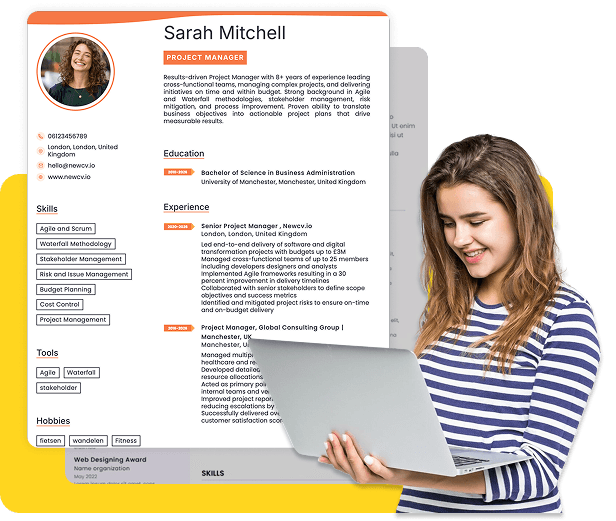
Use ATS-optimised Resume and resume templates that pass applicant tracking systems. Our Resume builder helps recruiters read, scan, and shortlist your Resume faster.

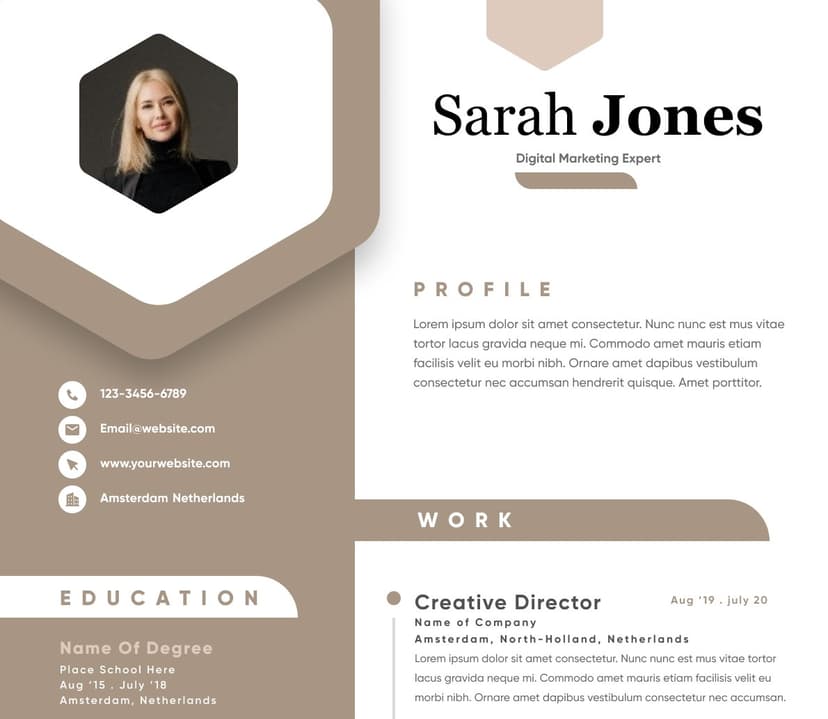
Use professional field-tested resume templates that follow the exact Resume rules employers look for.
Create Resume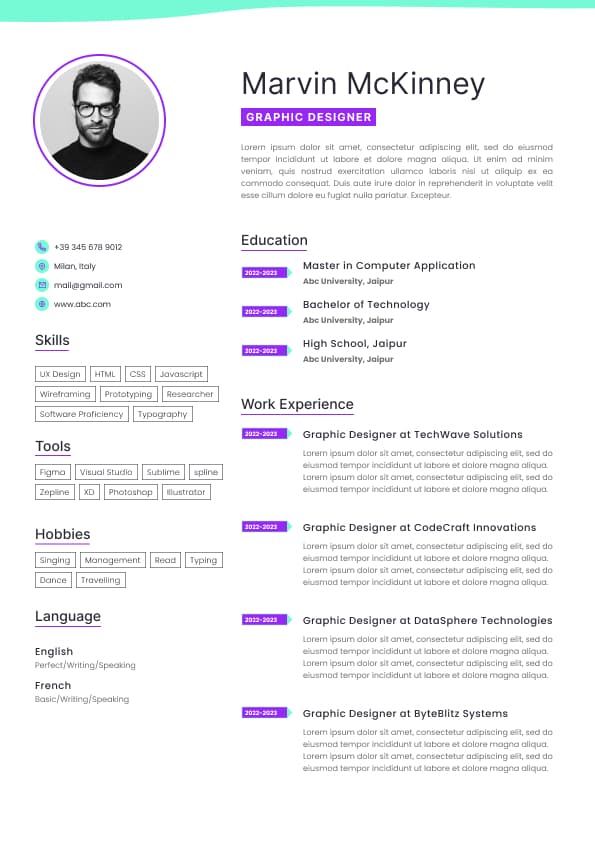
Use professional field-tested resume templates that follow the exact Resume rules employers look for.
Create ResumeCross-functional collaboration
Production debugging experience
Architecture knowledge
CI/CD and testing maturity
Metrics and outcomes whenever possible
This guide provides recruiter-approved Android developer resume bullet points, responsibilities, action verbs, achievements, and work experience examples designed for the modern US job market.
CI/CD and testing practices
Collaboration with product and design teams
Experience shipping apps to Google Play
Debugging and production support capability
Scalable application development experience
Weak resumes read like generic HR job descriptions. Strong resumes show engineering contribution, ownership, technical decisions, and measurable outcomes.
Why it works:
Strong action verb
Clear technologies
Scale included
Quantified impact
Demonstrates engineering thinking
Integrated
Automated
Debugged
Migrated
Modularized
Secured
Released
Designed
Tested
Improved
Collaborated
Delivered
Maintained
Enhanced
Analyzed
Streamlined
Reduced
Accelerated
Scaled
Improved application startup time, rendering performance, battery efficiency, and APK optimization for production releases
Developed unit tests, instrumentation tests, and UI automation testing frameworks to improve release stability
Integrated Firebase services including Crashlytics, Analytics, Cloud Messaging, and Remote Config
Maintained CI/CD pipelines for automated builds, testing, signing, and Google Play release deployments
Refactored legacy Java codebases into Kotlin-based modern Android architecture patterns
Built scalable Android app features supporting fintech, healthcare, e-commerce, SaaS, and enterprise applications
Optimized API response handling, reducing screen load times by 45% across mobile application workflows
Led Android architecture modernization initiatives using MVVM and modular design principles
Reduced release rollback incidents through automated testing and CI/CD deployment improvements
Implemented analytics tracking frameworks that improved mobile product decision-making and user behavior visibility
Improved Android accessibility compliance to meet WCAG and ADA mobile usability standards
Developed automated unit tests and instrumentation testing suites to improve production release reliability
Collaborated with backend engineering teams to optimize API latency and improve mobile application responsiveness
Reduced Android release cycle timelines by 40% through automation and deployment workflow improvements
Conversion improvements
APK size reductions
Scale
Collaboration
Optimization
Results
It probably should not stay on the resume.
Modularization
CI/CD
Testing automation
Performance optimization
Firebase observability
Even experienced developers lose interviews if their resume looks technologically outdated.
CI/CD
These areas carry the strongest hiring weight in modern Android recruiting.


 Upload Resume
 Import from Linkedin