STILL APPLYING. STILL HEARING NOTHING?BUILD YOUR RESUME

STILL APPLYING. STILL HEARING NOTHING?BUILD YOUR RESUME
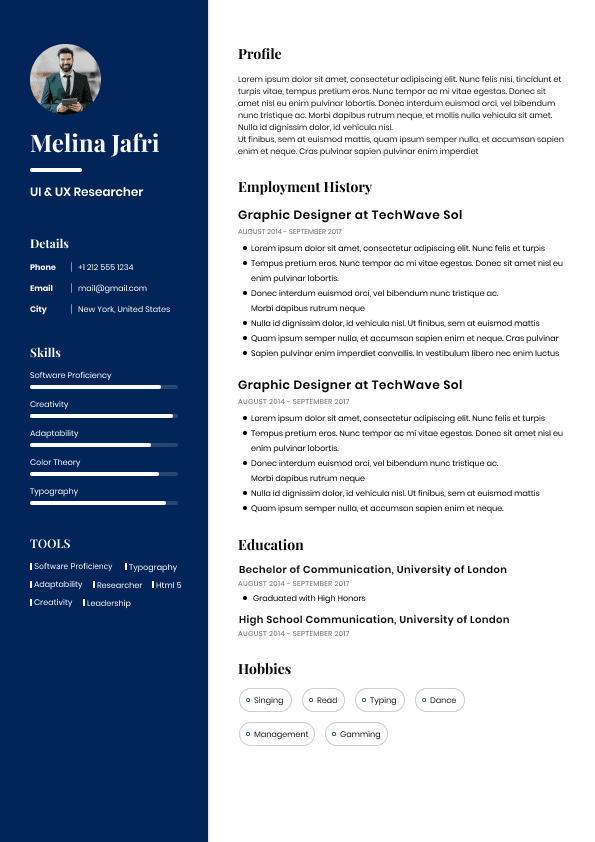
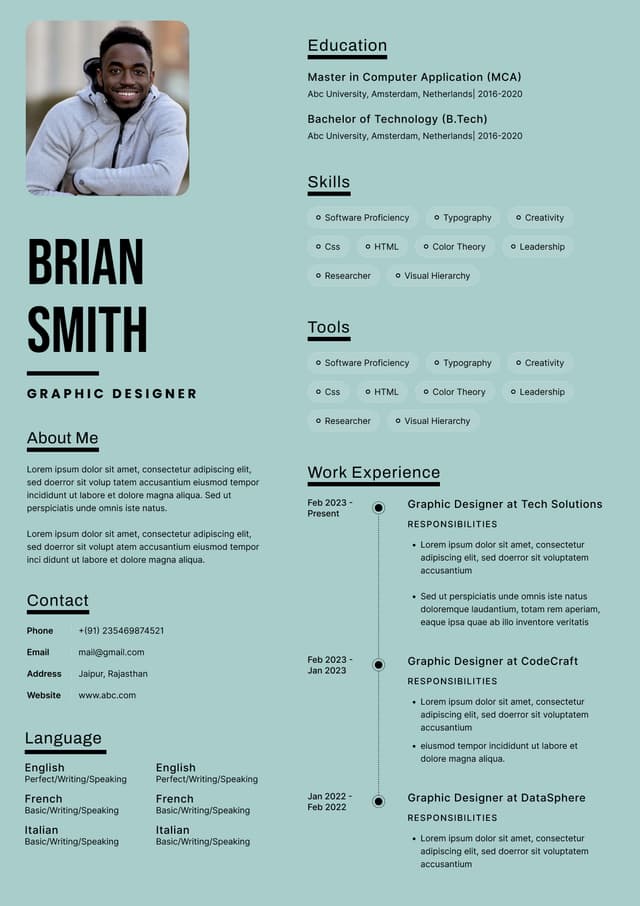
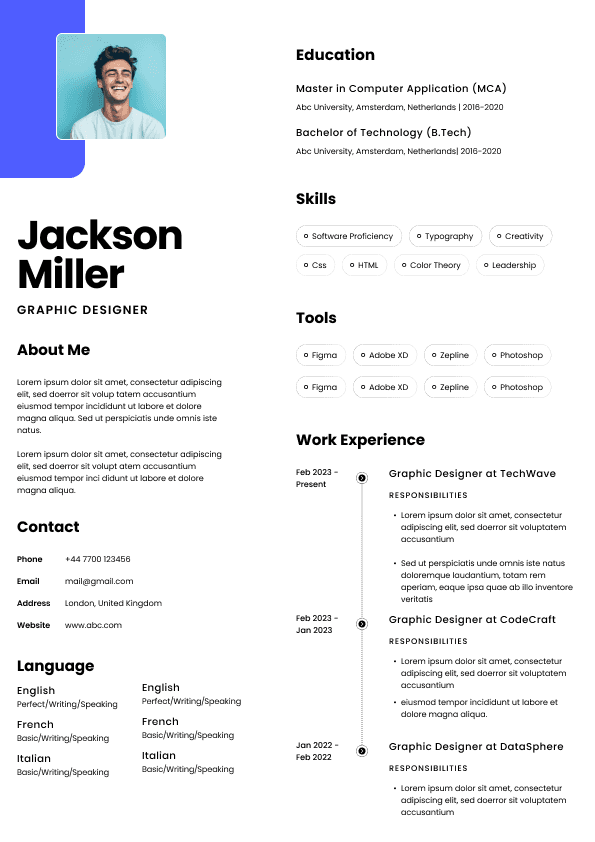
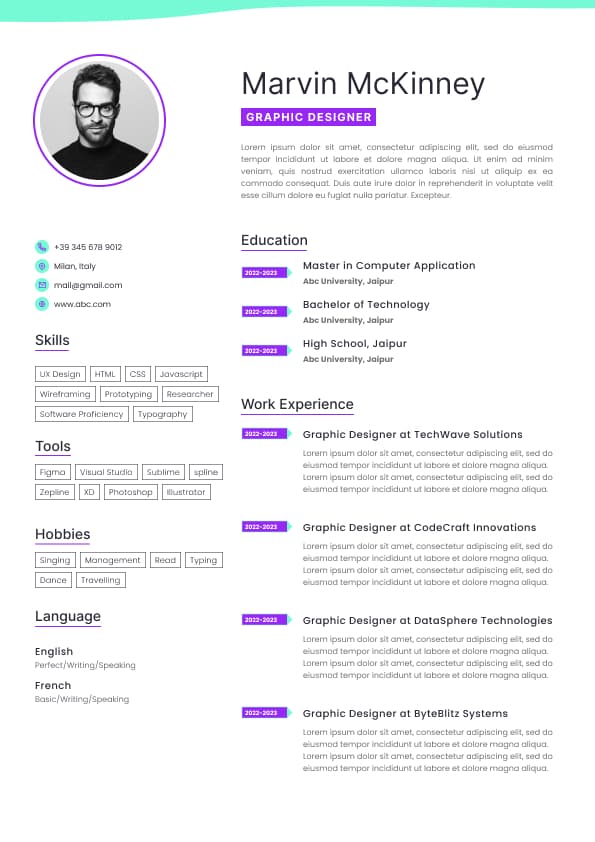
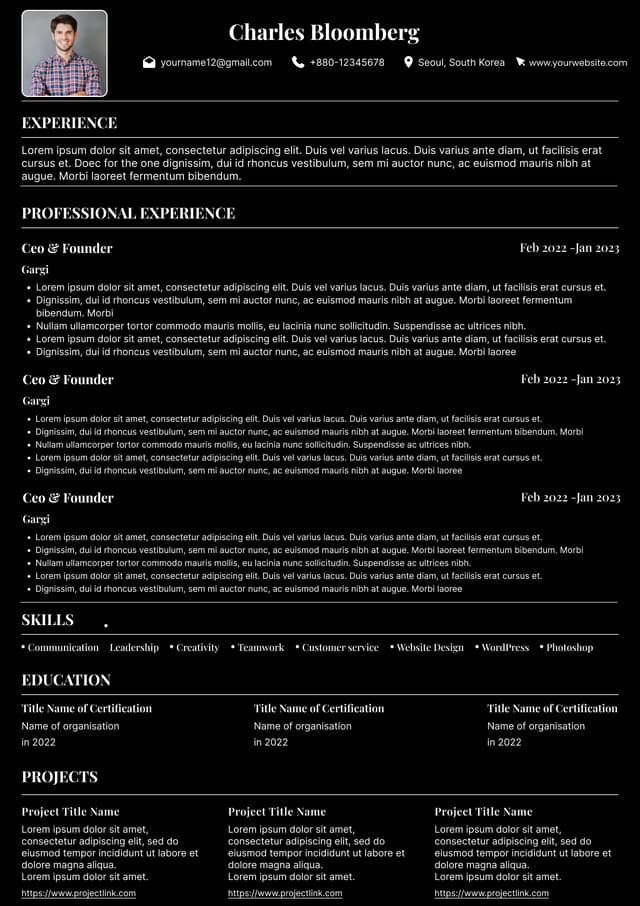
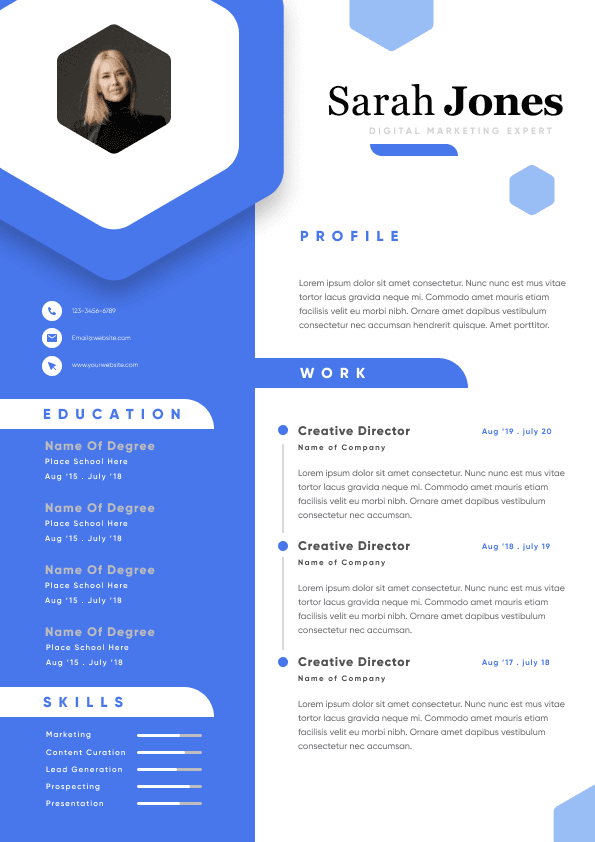
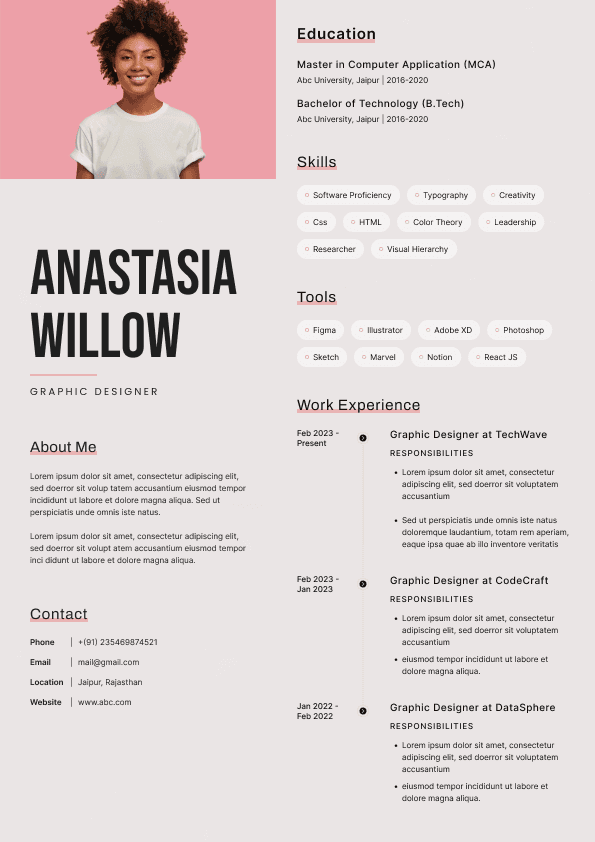
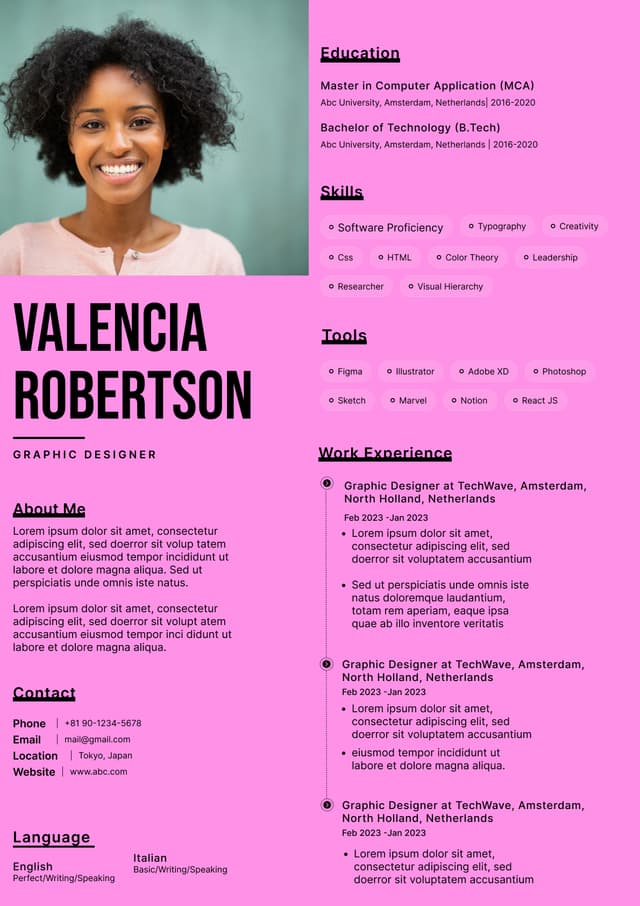
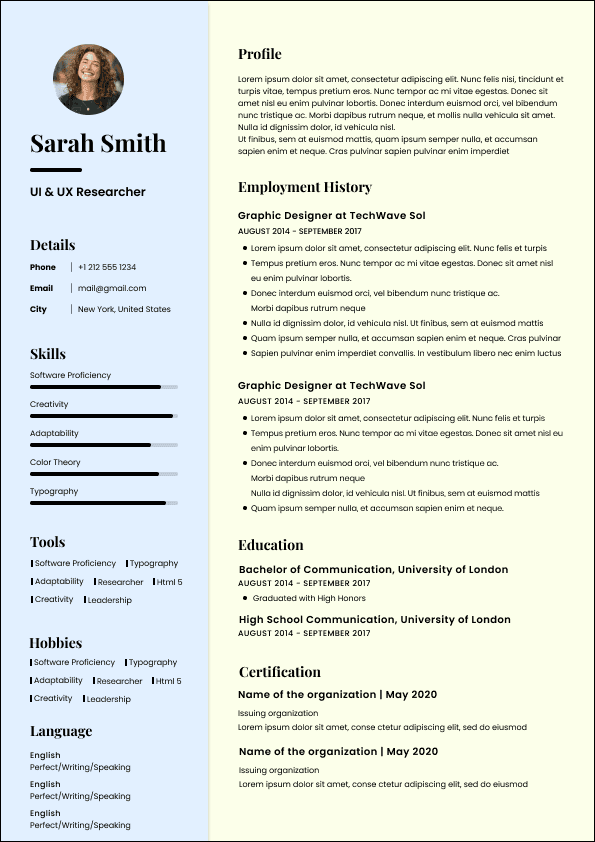
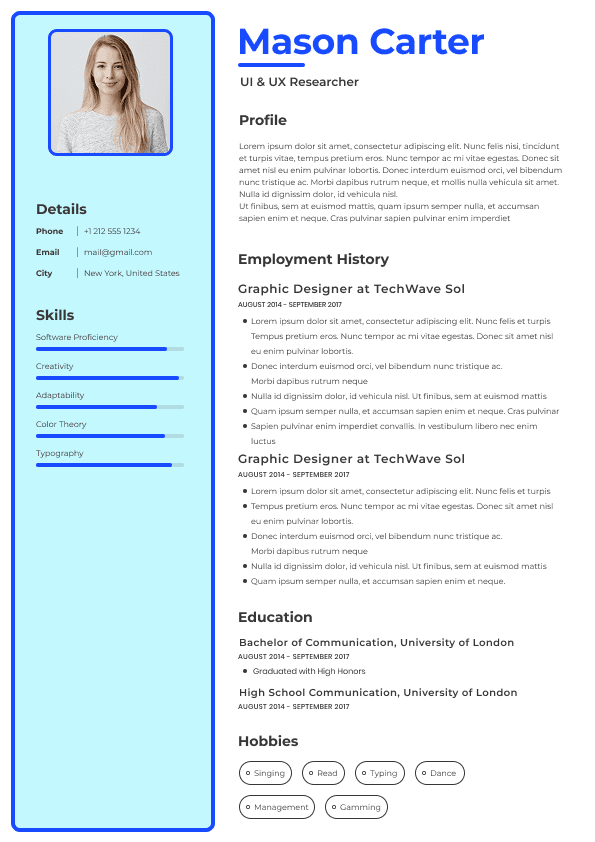
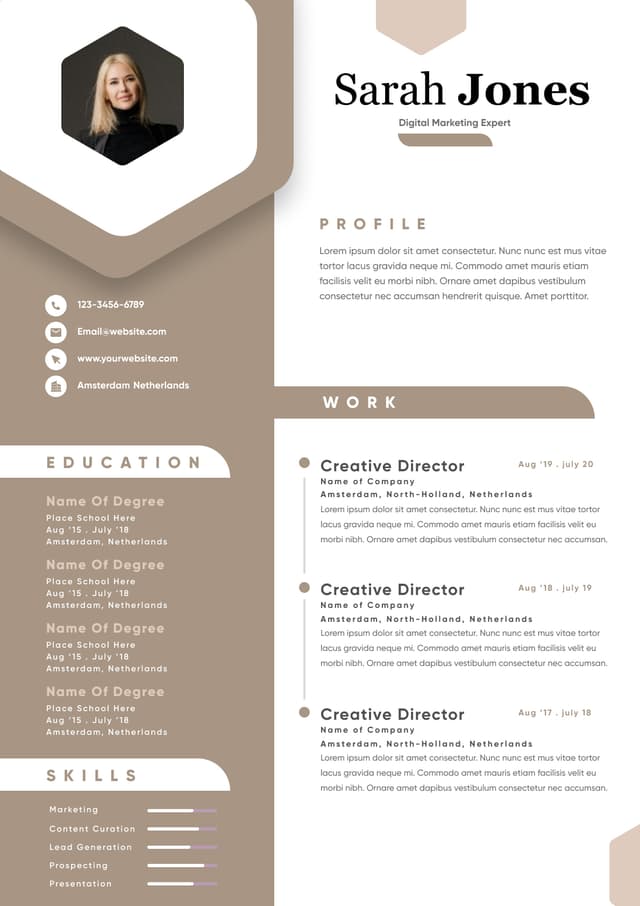
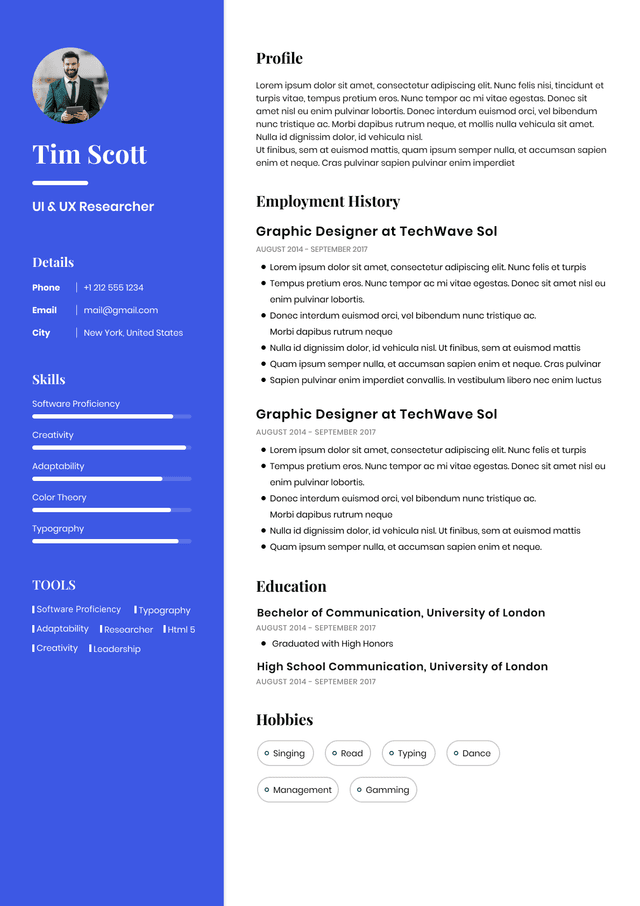
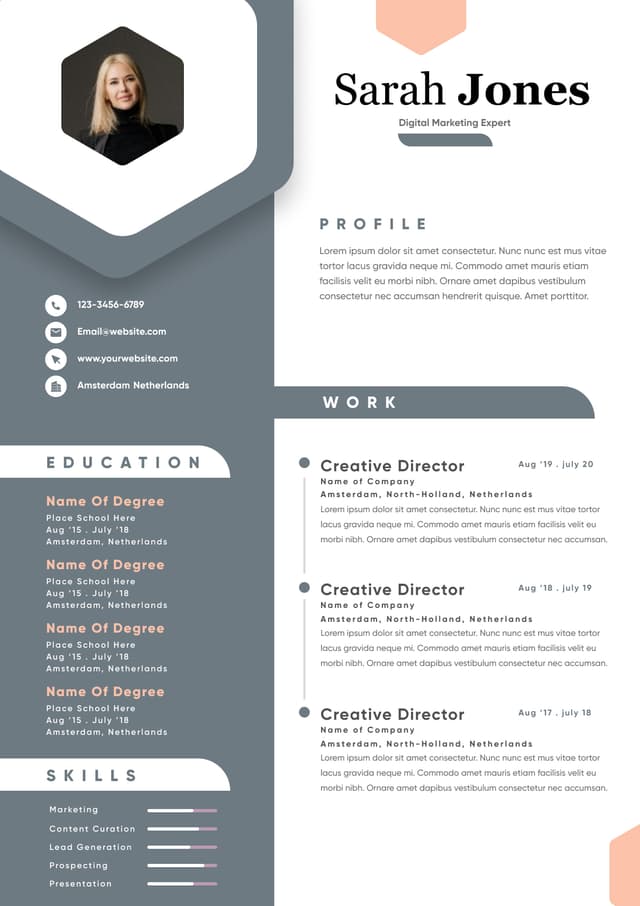
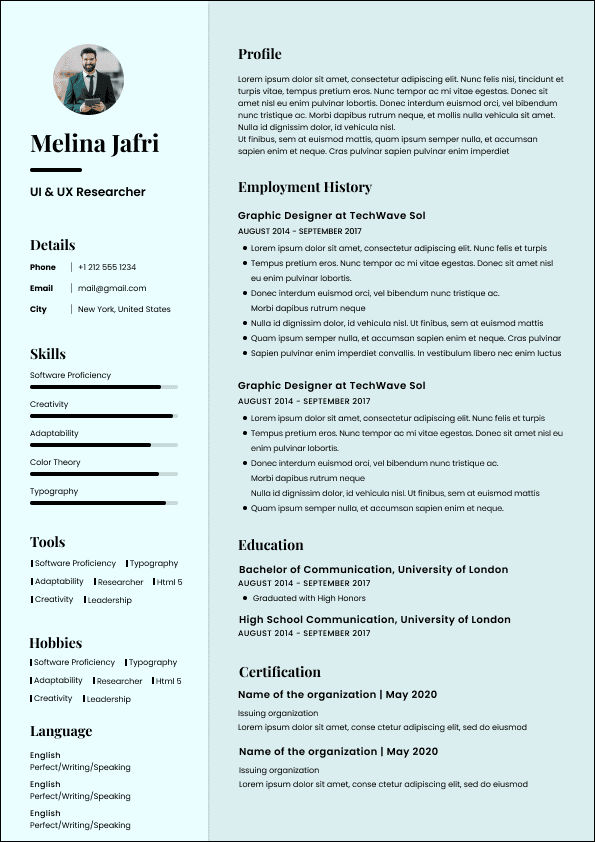
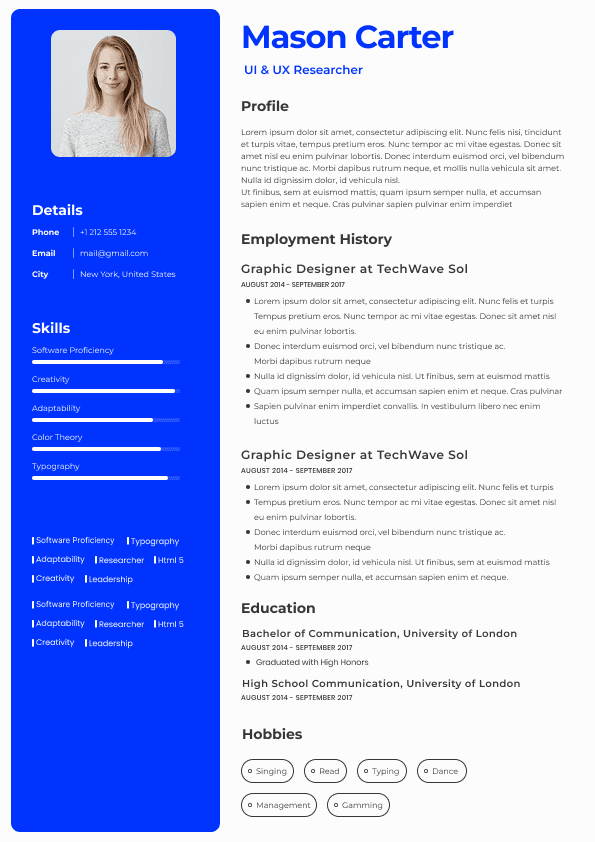
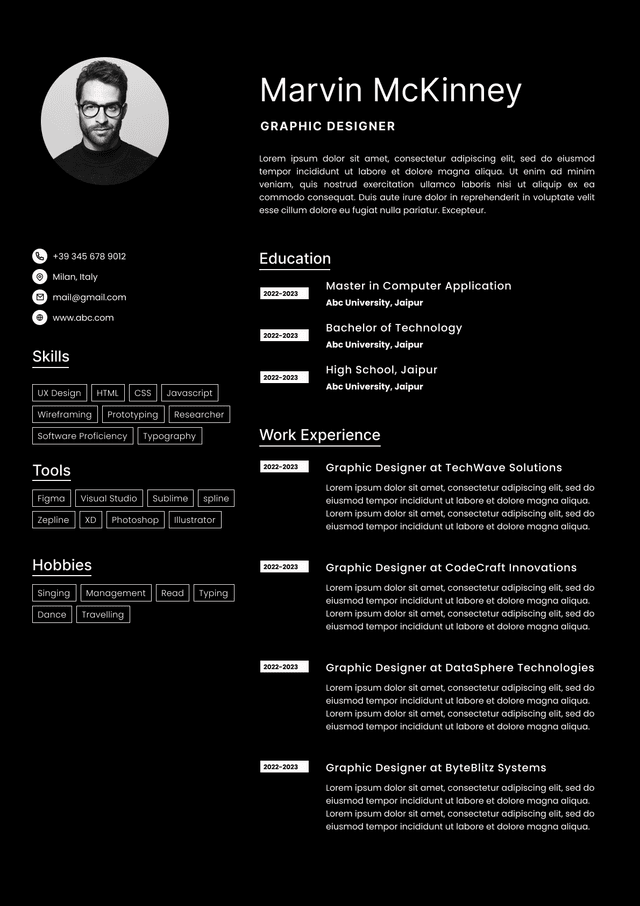
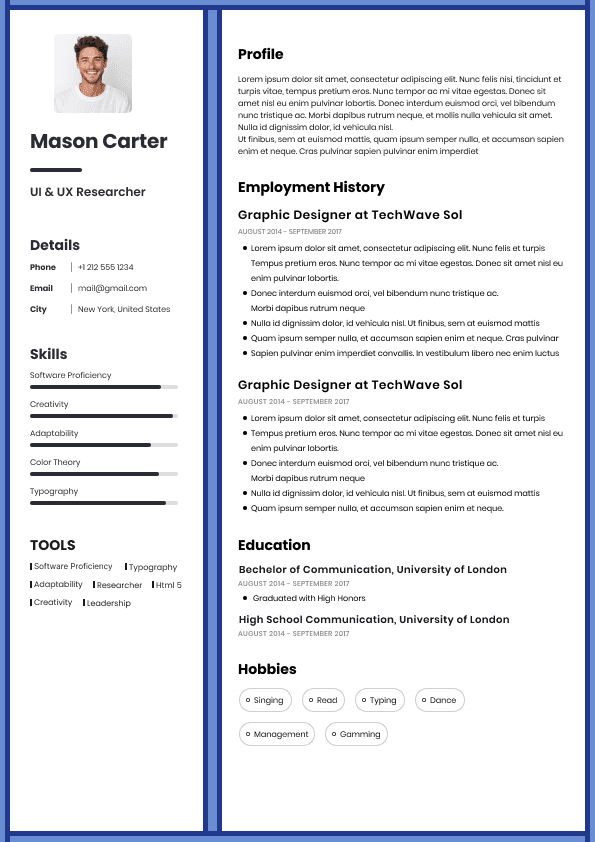
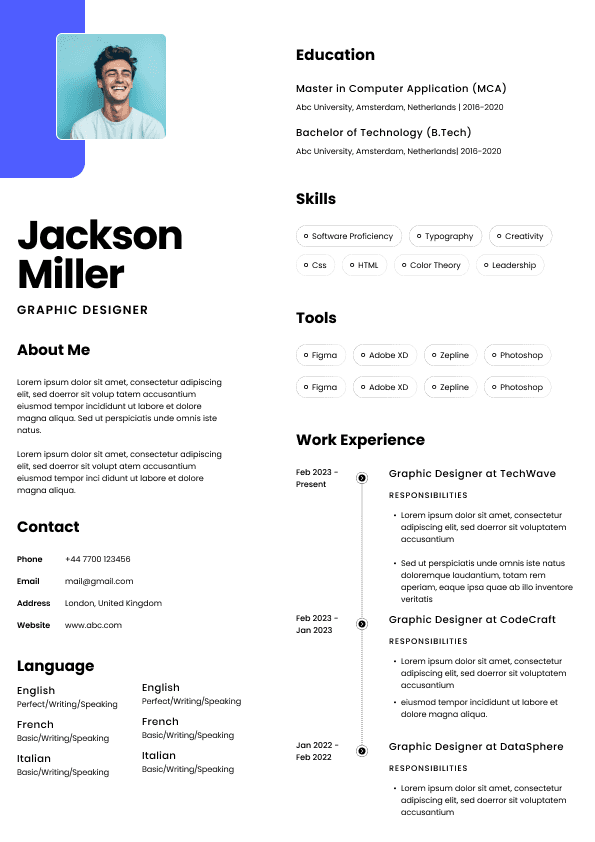
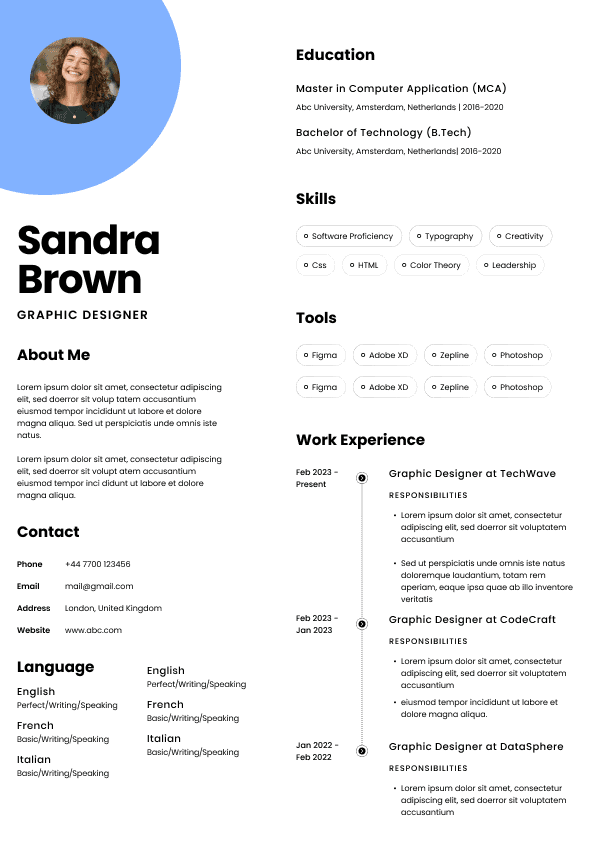
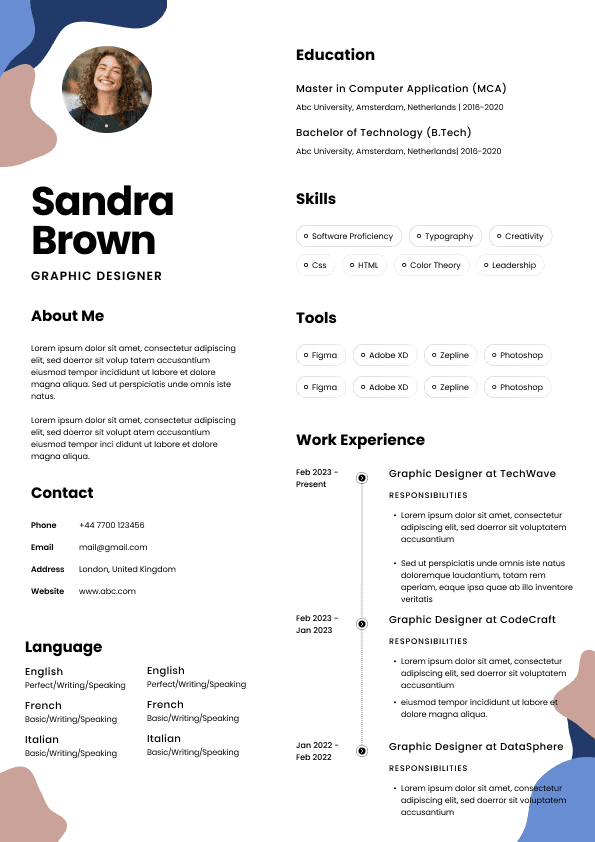
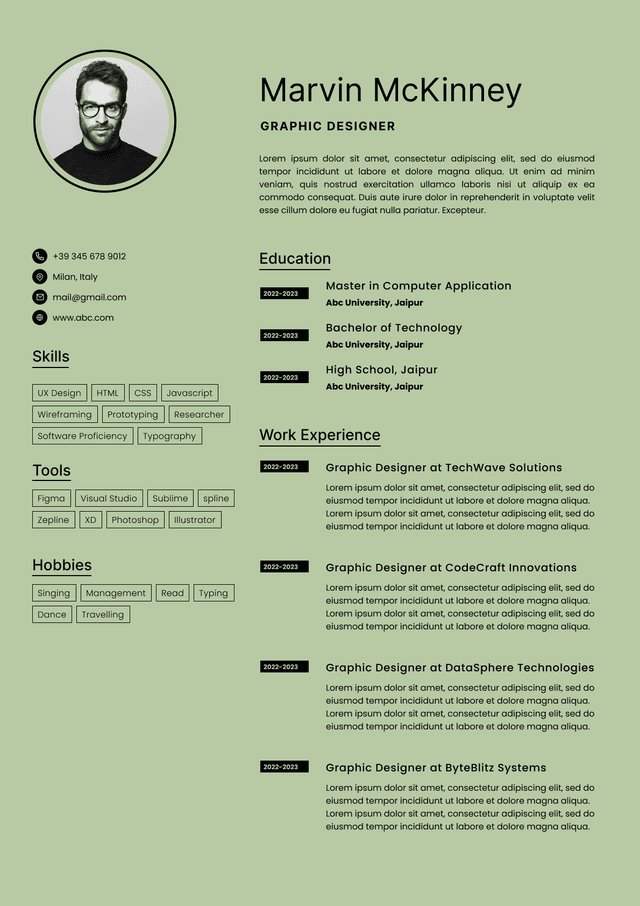
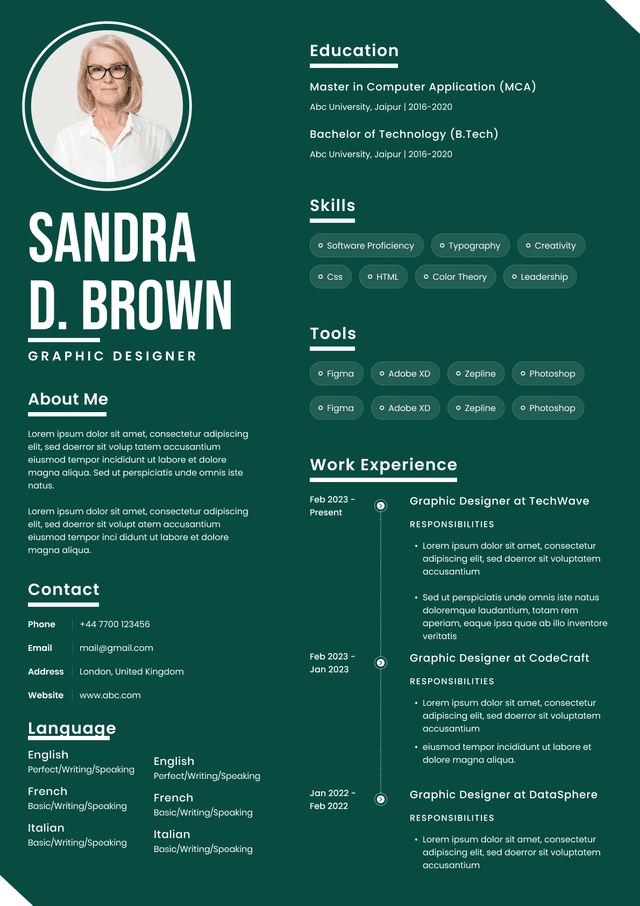
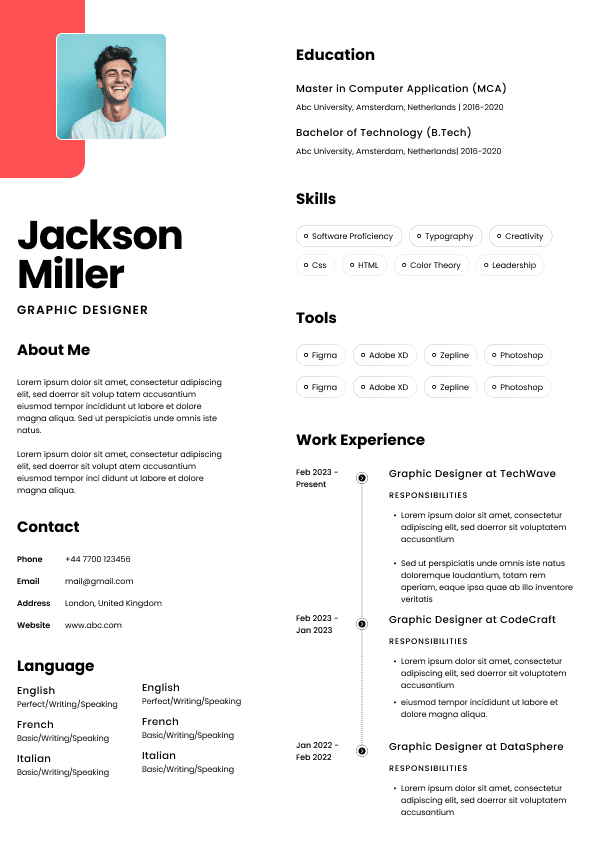
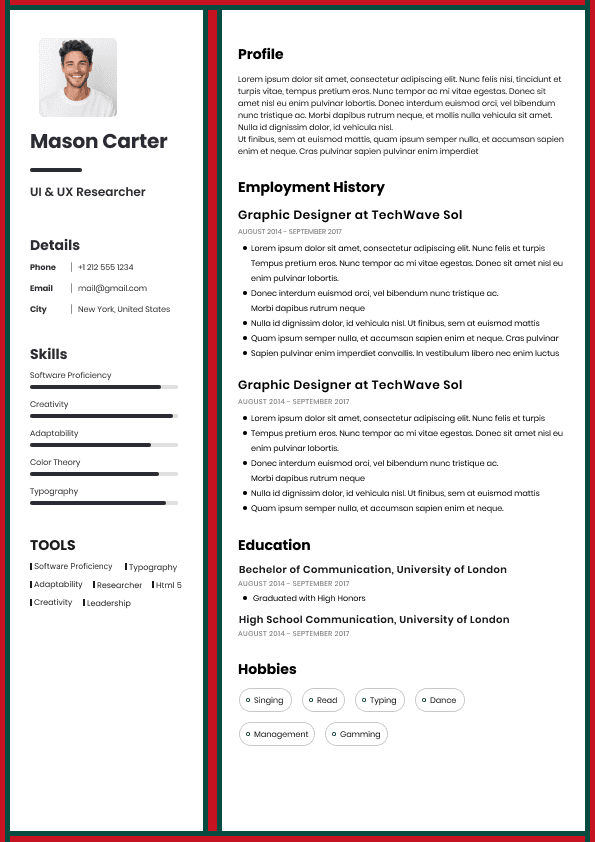
Choose from a wide range of NEWCV resume templates and customize your NEWCV design with a single click.
FAQ


A strong JavaScript developer resume summary immediately tells recruiters three things: your technical stack, your level of experience, and the business impact of your work. Most candidates fail because they write vague summaries filled with buzzwords like “passionate developer” or “team player” without proving technical depth or delivery capability.
Hiring managers scanning JavaScript resumes typically spend less than 10 seconds deciding whether to continue reading. Your summary must quickly establish relevance for the exact role: frontend, backend, full stack, React-focused, Node.js-focused, or senior engineering leadership.
The best JavaScript developer summaries are:
Specific about technologies
Aligned with the target role
Focused on measurable outcomes
Written for recruiter keyword matching and hiring-manager credibility
Short enough to scan quickly
Below are recruiter-approved JavaScript developer resume summary and objective examples for different experience levels and specializations.
Recruiters are not reading your summary like a career bio. They are checking whether you match the technical and business requirements of the role.
For JavaScript developer roles, most recruiters screen for:
JavaScript ecosystem alignment
Frontend, backend, or full stack specialization
Framework experience like React, Next.js, Node.js, Vue, or Angular
API and database experience
Production-level engineering experience
Scalability and performance optimization
Agile collaboration
Testing and deployment practices
Seniority signals
Communication and ownership
A weak summary forces recruiters to guess your value. A strong summary reduces uncertainty immediately.
Most candidates make the same mistakes:
Listing soft skills instead of technical positioning
Writing generic statements with no specialization
Mentioning too many unrelated technologies
Using outdated terminology
Including career goals instead of employer value
Writing summaries longer than recruiters will read
Failing to align with the target job description
Weak Example
“Hardworking JavaScript developer with excellent communication skills seeking an opportunity to grow professionally.”
Why this fails:
No technical depth
No framework specialization
No experience level
No business value
Sounds interchangeable with thousands of resumes
Good Example
“Frontend JavaScript Developer with 4+ years of experience building responsive React and Next.js applications with TypeScript, REST APIs, Jest, and CI/CD pipelines. Improved page performance, reduced UI defects, and delivered scalable user-facing features in Agile SaaS environments.”
Why this works:
Clear specialization
Modern stack alignment
Business impact
Relevant keywords for ATS
Strong hiring-market relevance
“Results-driven JavaScript Developer with 5+ years of experience building responsive web applications, reusable UI components, REST API integrations, and full stack features using JavaScript, TypeScript, React, Next.js, Node.js, PostgreSQL, Jest, Cypress, Docker, and AWS. Strong background in Agile development, frontend performance, accessibility, code quality, testing, CI/CD, and production support.”
“JavaScript Developer with experience building scalable web applications using React, Node.js, TypeScript, REST APIs, and cloud-based deployment workflows.”
“JavaScript Developer skilled in frontend and backend web development using React, Node.js, HTML, CSS, Git, and REST APIs.”
“Professional JavaScript Developer with experience developing modern web applications, integrating APIs, improving frontend performance, and collaborating across product, design, and engineering teams to deliver scalable digital products.”
“Full stack JavaScript Developer experienced in React, Node.js, TypeScript, Express, PostgreSQL, Docker, and AWS. Proven ability to develop scalable SaaS applications, optimize performance, and deliver production-ready features in Agile engineering teams.”
Frontend hiring managers prioritize:
React ecosystem depth
UI architecture
Performance optimization
Accessibility
Responsive design
State management
Component scalability
User experience quality
“Frontend JavaScript Developer with 4+ years of experience building responsive and accessible web applications using React, Next.js, TypeScript, Redux, Tailwind CSS, and REST APIs. Skilled in performance optimization, reusable component architecture, testing, and modern frontend workflows.”
“React JavaScript Developer experienced in building scalable SPA and SSR applications using React, Next.js, TypeScript, GraphQL, Jest, Cypress, and modern CI/CD pipelines. Strong background in improving Core Web Vitals and frontend maintainability.”
“Senior Frontend JavaScript Developer with expertise in React architecture, design systems, frontend scalability, accessibility compliance, and engineering mentorship. Led modernization initiatives that improved application performance and reduced frontend defects across enterprise platforms.”
Backend-focused JavaScript roles are evaluated differently. Recruiters look for:
Node.js depth
API development
Database architecture
Scalability
Authentication and security
Cloud infrastructure
Microservices
Performance optimization
“Backend JavaScript Developer with experience designing scalable Node.js and Express services, RESTful APIs, authentication systems, and PostgreSQL database solutions. Skilled in Docker, AWS, CI/CD workflows, automated testing, and backend performance optimization.”
“Node.js Developer with strong experience building secure APIs, event-driven services, database integrations, and cloud-native backend systems using JavaScript, TypeScript, Express, MongoDB, Redis, and AWS.”
“Senior Backend JavaScript Engineer with 8+ years of experience developing scalable Node.js platforms, API architecture, distributed systems, and cloud infrastructure. Proven success improving system reliability, reducing latency, and mentoring engineering teams.”
Full stack roles require balance. One of the biggest recruiter red flags is candidates claiming “full stack” experience while clearly leaning heavily frontend or backend.
Strong full stack summaries show:
End-to-end ownership
Frontend and backend competency
Database knowledge
Deployment workflows
API development
Product delivery capability
“Full Stack JavaScript Developer experienced in building end-to-end SaaS applications using React, Next.js, TypeScript, Node.js, Express, PostgreSQL, GraphQL, Docker, and AWS. Skilled in frontend architecture, API design, database modeling, authentication, automated testing, and CI/CD workflows.”
“Full Stack JavaScript Engineer with experience delivering scalable SaaS platforms across frontend, backend, and cloud infrastructure layers. Strong background in React, Node.js, PostgreSQL, Docker, Kubernetes, and modern DevOps practices.”
“Product-focused Full Stack JavaScript Developer experienced building MVPs, customer-facing features, backend services, and scalable deployment pipelines in fast-paced startup environments.”
Senior-level summaries must demonstrate more than coding ability.
Hiring managers expect:
Technical leadership
Architecture ownership
Mentorship
Cross-functional collaboration
Scalability decisions
Business impact
System modernization
Delivery leadership
“Senior JavaScript Developer with 8+ years of experience leading frontend architecture, React/TypeScript development, Node.js services, design-system implementation, performance optimization, mentoring, code reviews, and scalable product delivery. Proven record improving Core Web Vitals, reducing defects, modernizing legacy JavaScript, and accelerating engineering delivery.”
“Lead JavaScript Engineer with experience driving architecture decisions, mentoring engineering teams, modernizing legacy applications, and delivering scalable React and Node.js platforms for enterprise and SaaS environments.”
“Senior Full Stack JavaScript Developer with expertise in distributed systems, frontend scalability, API architecture, cloud infrastructure, and engineering process improvement. Strong record of leading cross-functional delivery and improving development velocity.”
Entry-level candidates should usually use an objective instead of a summary because they lack substantial professional experience.
The biggest mistake entry-level developers make is focusing on what they want instead of what they can contribute.
“Motivated entry-level JavaScript Developer seeking to apply strong JavaScript fundamentals, project experience, debugging ability, and knowledge of React, Node.js, TypeScript, HTML, CSS, REST APIs, Git, and responsive design to build reliable, user-focused web applications.”
“Junior Frontend JavaScript Developer seeking an opportunity to contribute React, JavaScript, HTML, CSS, and UI development skills while building scalable and accessible web applications.”
“JavaScript Developer with hands-on project experience in React, Node.js, APIs, and full stack application development seeking a junior engineering role focused on building modern web applications.”
“Recent Computer Science graduate seeking a JavaScript Developer role where strong programming fundamentals, frontend development experience, and problem-solving skills can contribute to scalable web application development.”
One generic summary dramatically lowers interview conversion rates.
Recruiters compare your summary directly against the job description. If the alignment is weak, they assume your fit is weak.
Prioritize:
React
Next.js
TypeScript
UI performance
Accessibility
Responsive design
State management
Design systems
Prioritize:
Node.js
APIs
Databases
Authentication
Cloud infrastructure
Scalability
Performance
Microservices
Balance:
Frontend frameworks
Backend architecture
Databases
Deployment workflows
Product ownership
End-to-end development
Emphasize:
Leadership
Architecture
Mentorship
Scalability
Cross-functional collaboration
Business outcomes
System modernization
Most effective JavaScript summaries are:
2 to 4 lines
Roughly 40 to 90 words
Easy to scan quickly
Dense with relevant information
Long summaries often reduce readability and weaken recruiter engagement.
Your goal is not to tell your life story. Your goal is to earn continued reading.
Modern ATS systems do not “score” resumes the way many candidates think, but keyword alignment still matters because recruiters search resumes using technical filters.
Strong JavaScript summaries naturally include:
JavaScript
TypeScript
React
Node.js
Next.js
APIs
AWS
Docker
PostgreSQL
CI/CD
GraphQL
Agile
Testing frameworks
The key is contextual relevance, not keyword stuffing.
Weak Example
“JavaScript Developer with JavaScript, React, Node.js, TypeScript, HTML, CSS, APIs, Git, AWS, Docker, MongoDB.”
This looks artificial and recruiter-unfriendly.
Good Example
“JavaScript Developer experienced building React and Node.js applications with TypeScript, REST APIs, PostgreSQL, Docker, AWS, and CI/CD workflows in Agile SaaS environments.”
This reads naturally while still improving ATS discoverability.
A generic software developer summary weakens positioning.
Hiring managers want specialization.
Instead of:
“Software Developer with programming experience…”
Use:
“Frontend JavaScript Developer specializing in React and TypeScript…”
Avoid phrases like:
Passionate developer
Team player
Go-getter
Hard worker
Self-starter
These do not differentiate candidates.
Technology overload creates credibility problems.
Recruiters become skeptical when candidates list every framework in the ecosystem.
Prioritize:
Technologies you can discuss deeply
Technologies relevant to the target role
Technologies used professionally or in strong projects
Responsibilities do not sell value.
Impact does.
Instead of:
“Responsible for developing frontend applications…”
Use:
“Developed reusable React components that improved frontend delivery speed and reduced UI inconsistencies.”
Experienced developers should rarely use career objectives.
Objectives are mainly useful for:
Entry-level candidates
Career changers
Internship applicants
Experienced developers should use summaries instead.
A strong formula is:
Experience Level + Specialization + Core Stack + Business Impact
“Frontend JavaScript Developer with 5+ years of experience building scalable React and Next.js applications using TypeScript, GraphQL, and AWS. Improved frontend performance, reduced UI defects, and delivered reusable component systems in Agile SaaS environments.”
This structure works because it quickly answers:
Who are you?
What do you specialize in?
What technologies do you use?
What business value do you create?
Professional development experience
Internship experience with measurable impact
Relevant production work
Multiple technical projects
Specialized skills
Entry-level
Changing careers
Recent graduate
Transitioning into JavaScript development
Applying for internships
Using the wrong format signals weak positioning.
The summary section is not the most important part of your resume, but it strongly influences whether recruiters continue reading.
Your summary should make the recruiter think:
“This candidate clearly matches the role.”
The strongest JavaScript resume summaries:
Match the exact role type
Reflect modern tech stacks
Demonstrate technical credibility
Include business outcomes
Avoid generic language
Support ATS discoverability naturally
Align with current hiring expectations
Most importantly, your summary must support the rest of the resume. If your summary claims senior-level architecture expertise but your experience section does not support it, recruiters will notice immediately.
Consistency builds credibility.
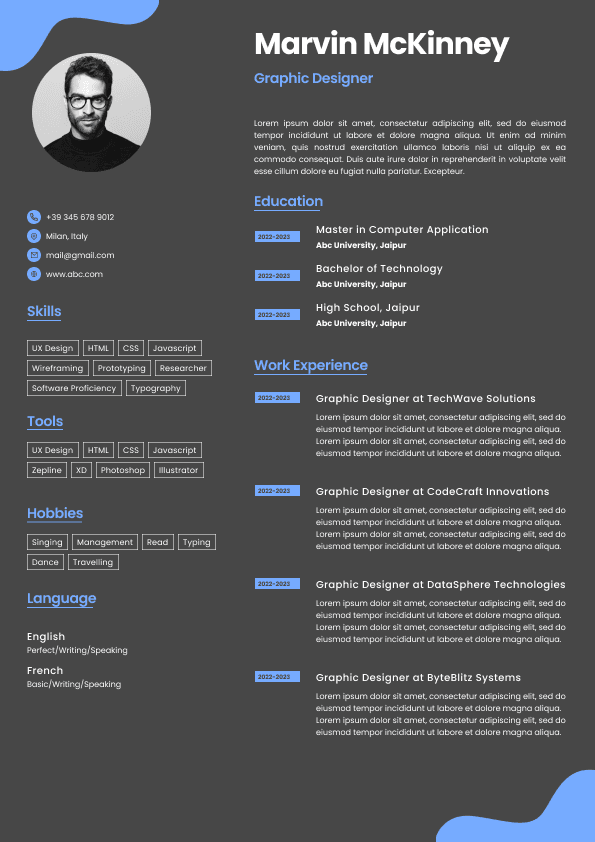
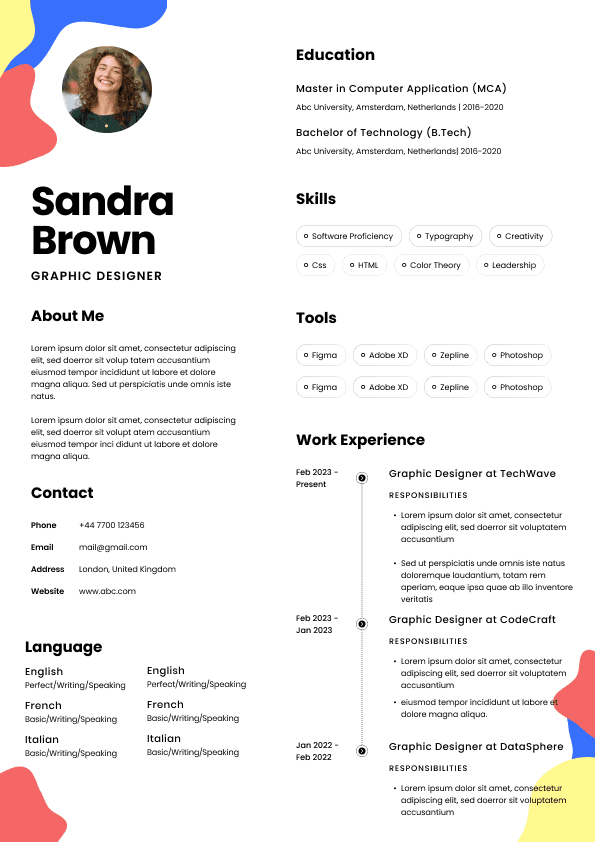
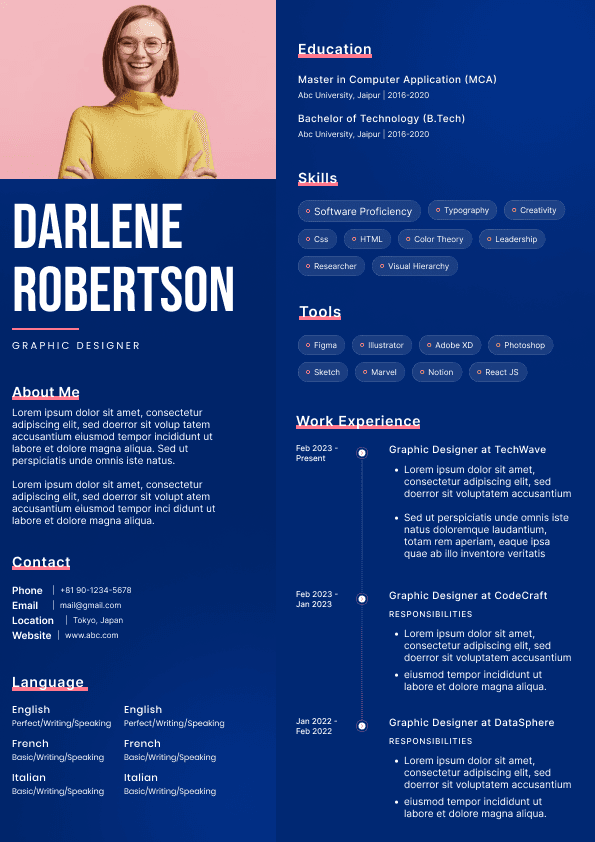
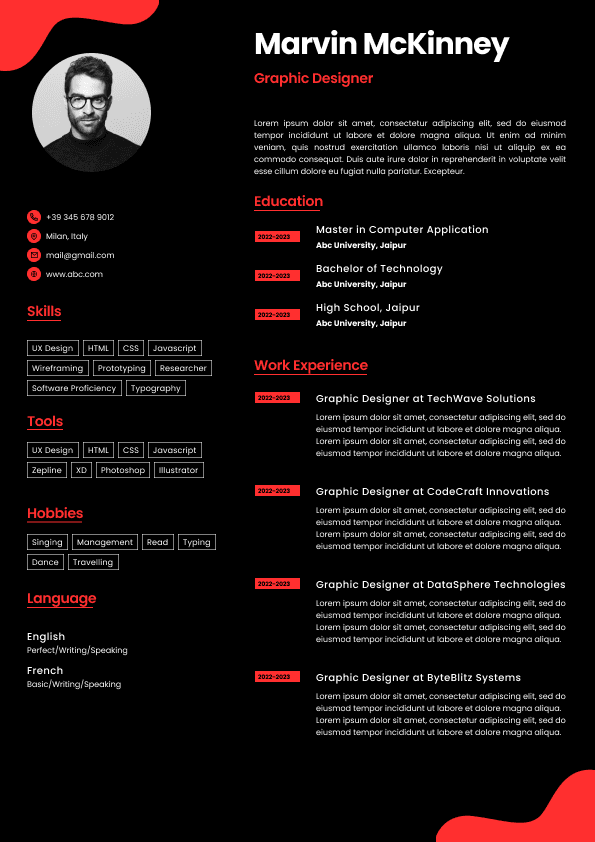
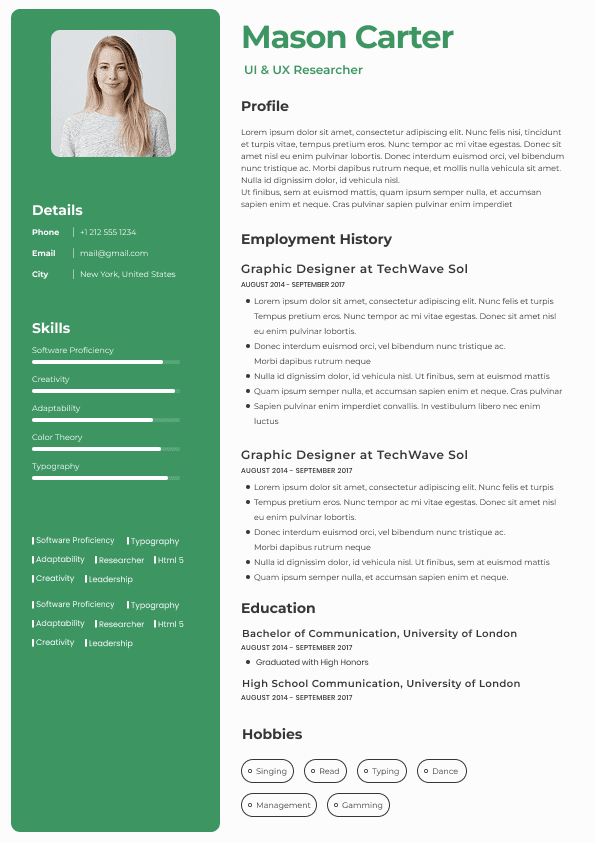
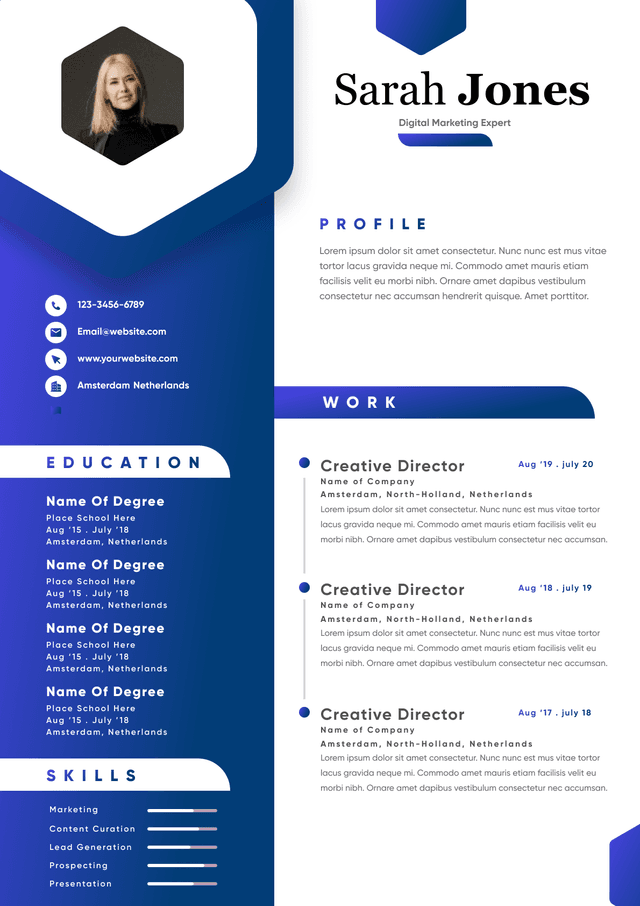
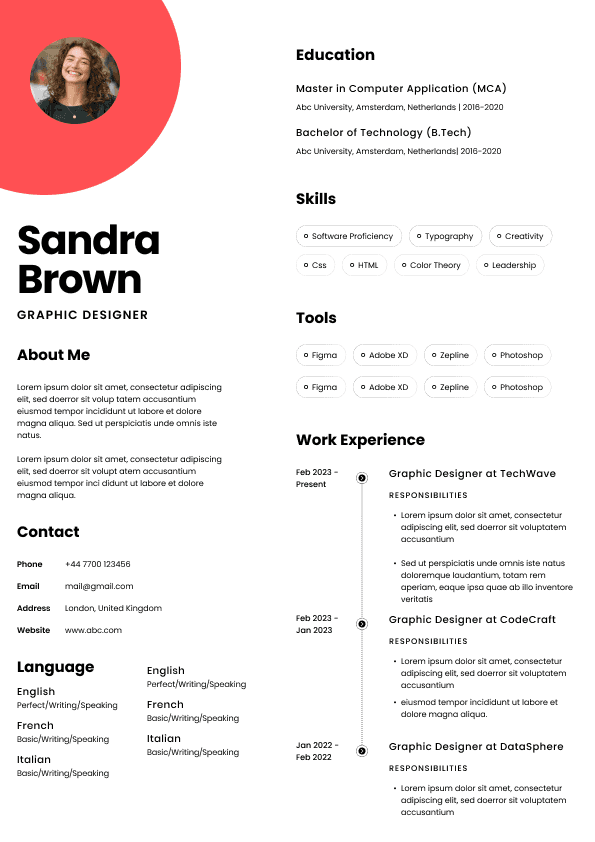
Use ATS-optimised Resume and resume templates that pass applicant tracking systems. Our Resume builder helps recruiters read, scan, and shortlist your Resume faster.


Use professional field-tested resume templates that follow the exact Resume rules employers look for.
Create Resume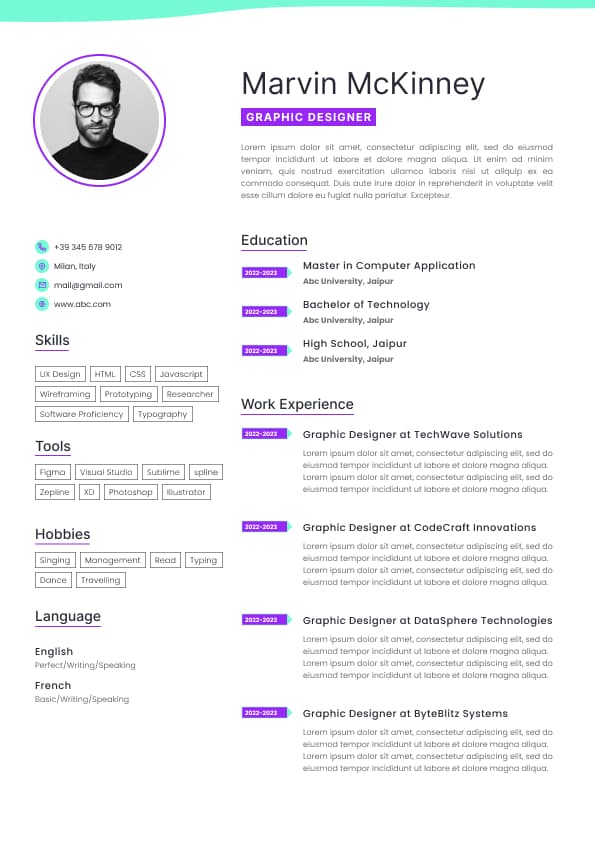
Use professional field-tested resume templates that follow the exact Resume rules employers look for.
Create Resume



 Upload Resume
 Import from Linkedin