STILL APPLYING. STILL HEARING NOTHING?BUILD YOUR RESUME

STILL APPLYING. STILL HEARING NOTHING?BUILD YOUR RESUME
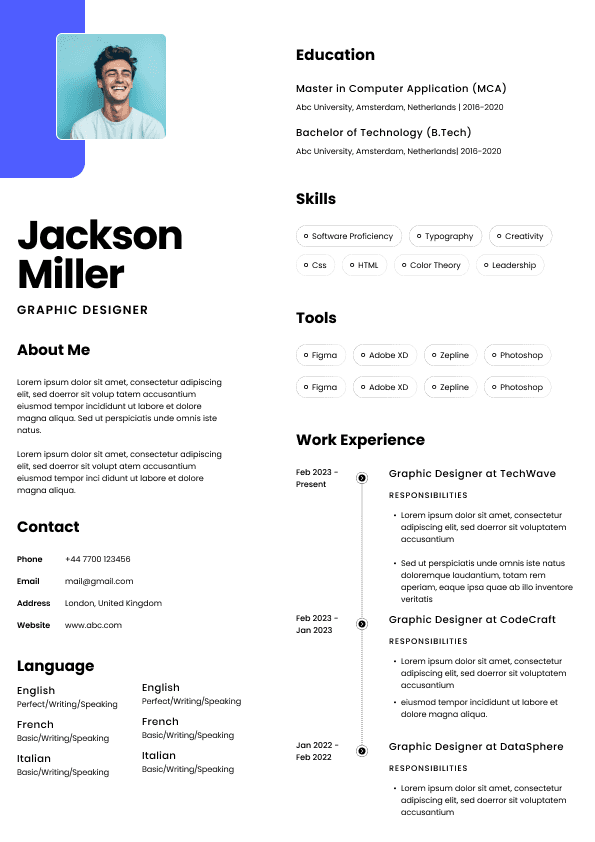
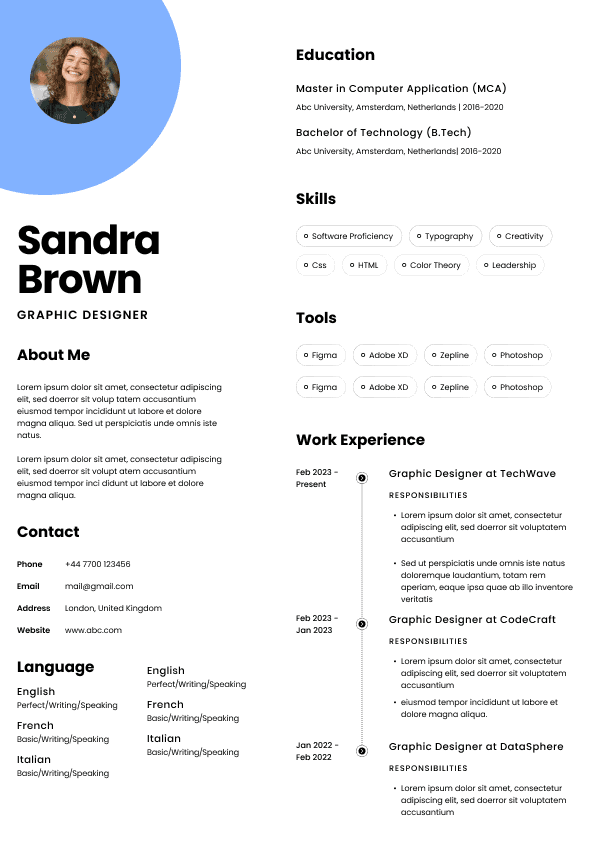
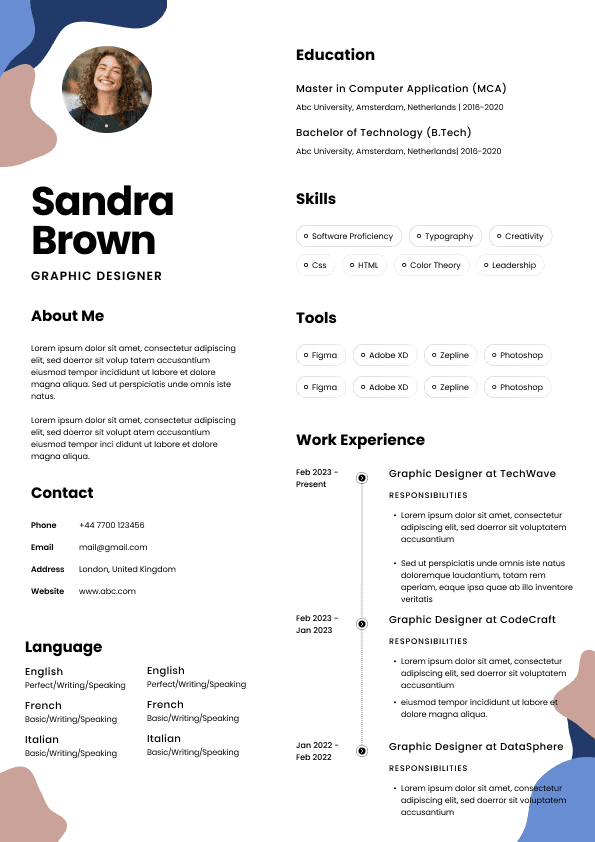
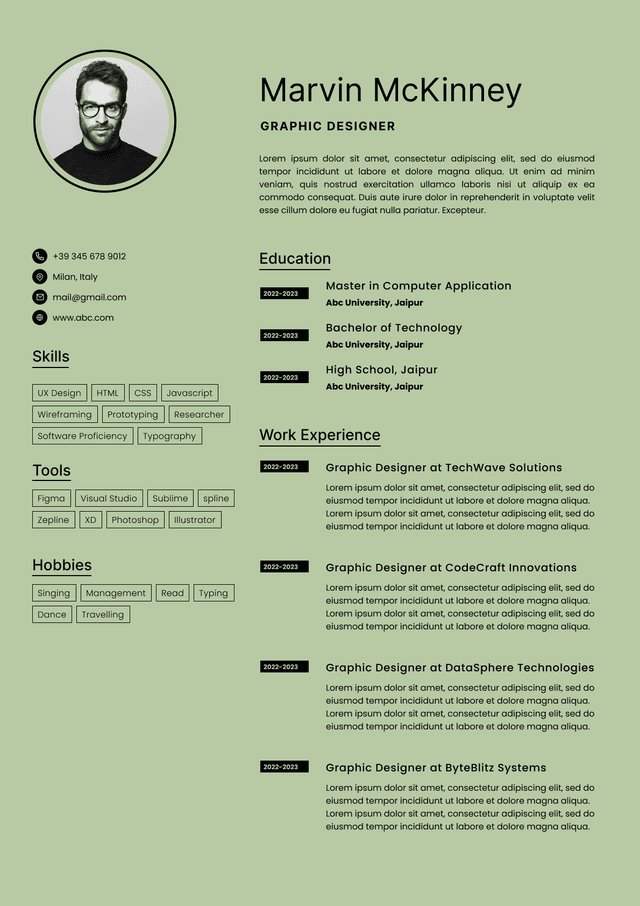
Choose from a wide range of NEWCV resume templates and customize your NEWCV design with a single click.
FAQ

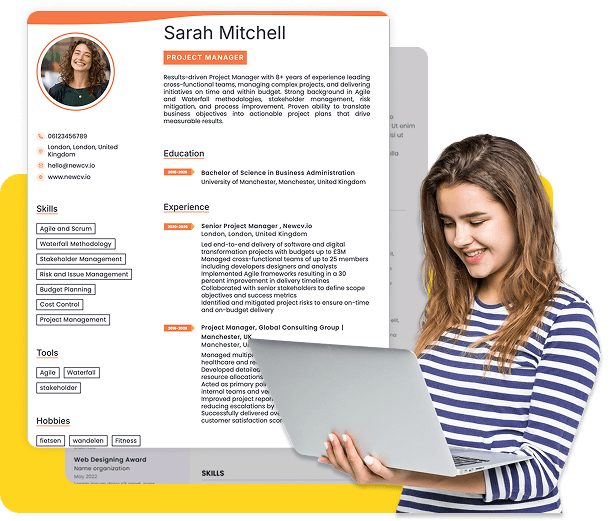
The best JavaScript developer resume format depends on your experience level, technical depth, and project history. In the US job market, recruiters and hiring managers typically spend less than 10 seconds on an initial resume scan. That means your resume format must make technical qualifications immediately visible, ATS-readable, and easy to evaluate.
For most JavaScript developers, the reverse chronological resume format performs best because it clearly shows career progression, technologies used, project impact, and recent experience. However, bootcamp graduates, self-taught developers, and career changers often benefit from a functional or combination format that emphasizes projects and technical skills over formal job history.
A strong JavaScript developer resume template should:
Be ATS-friendly and easy to parse
Highlight technical skills near the top
Showcase frameworks like React, Node.js, Vue, or Angular
Include measurable project outcomes
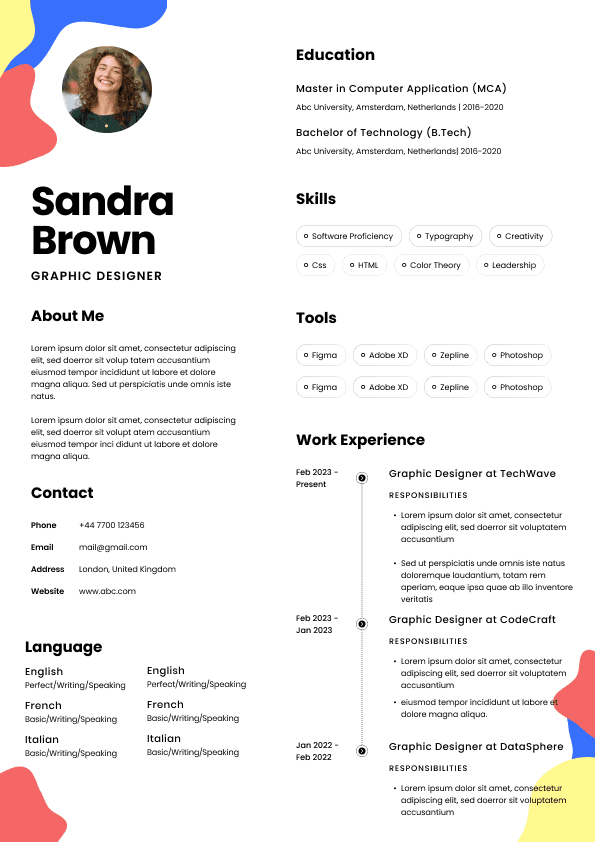
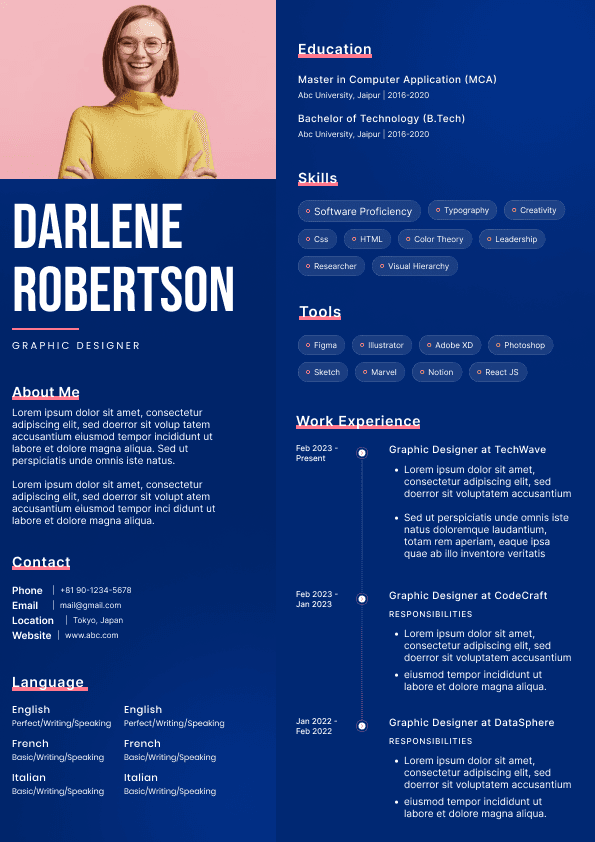
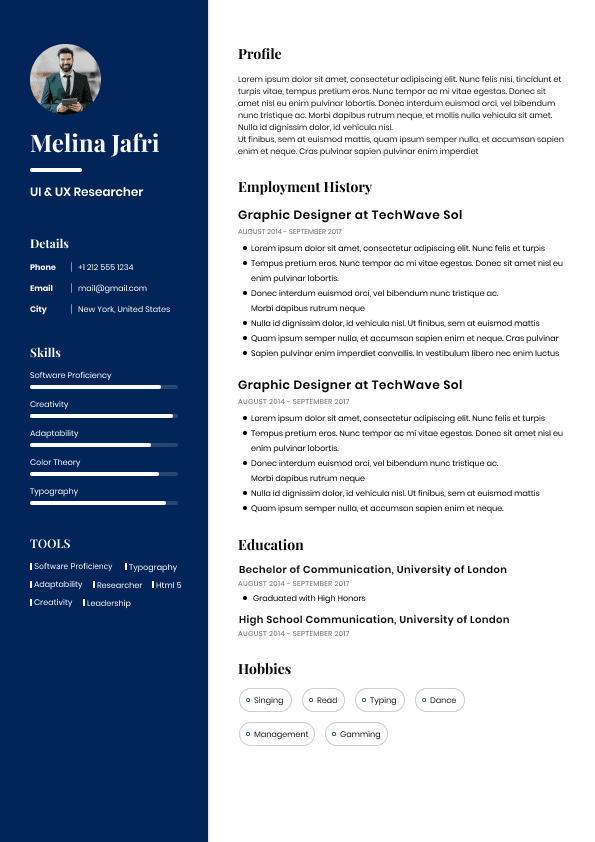
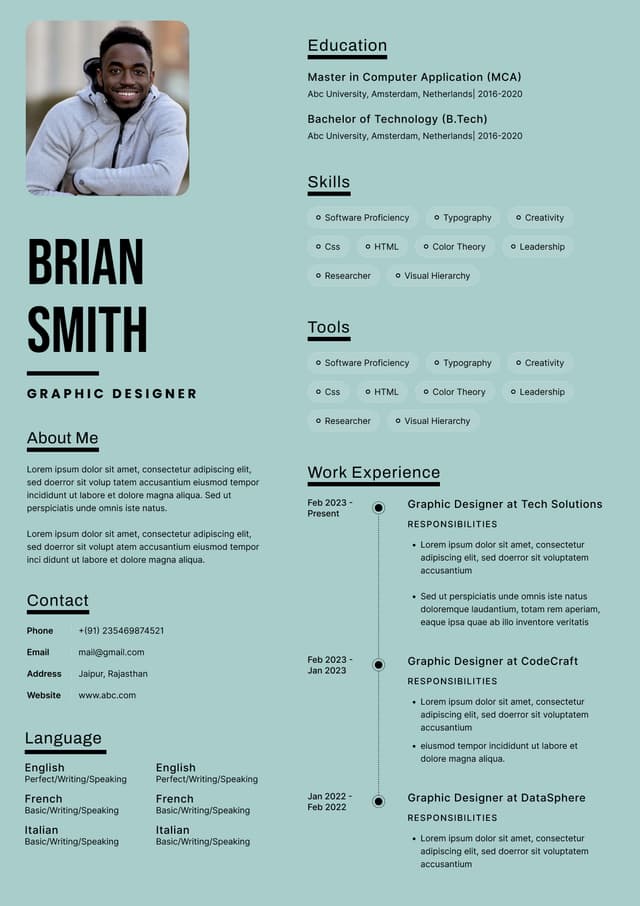
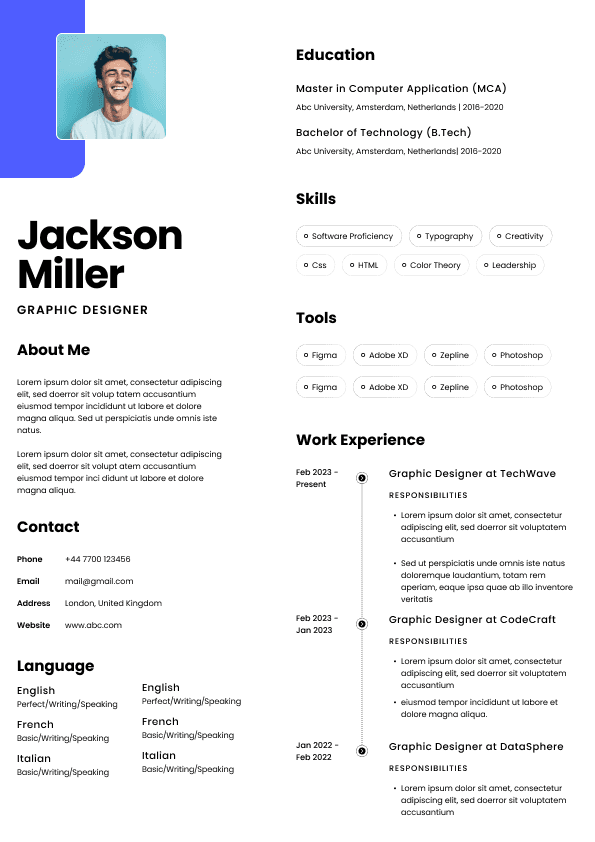
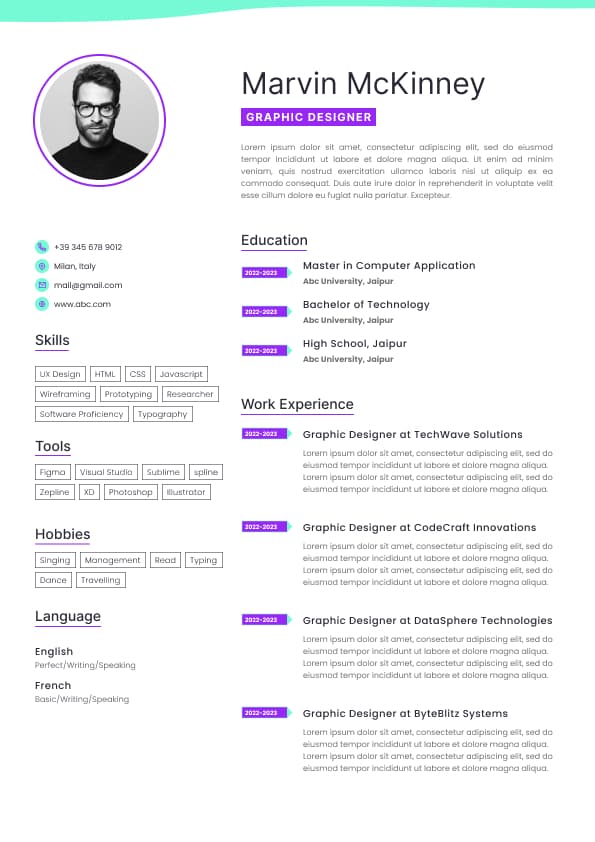
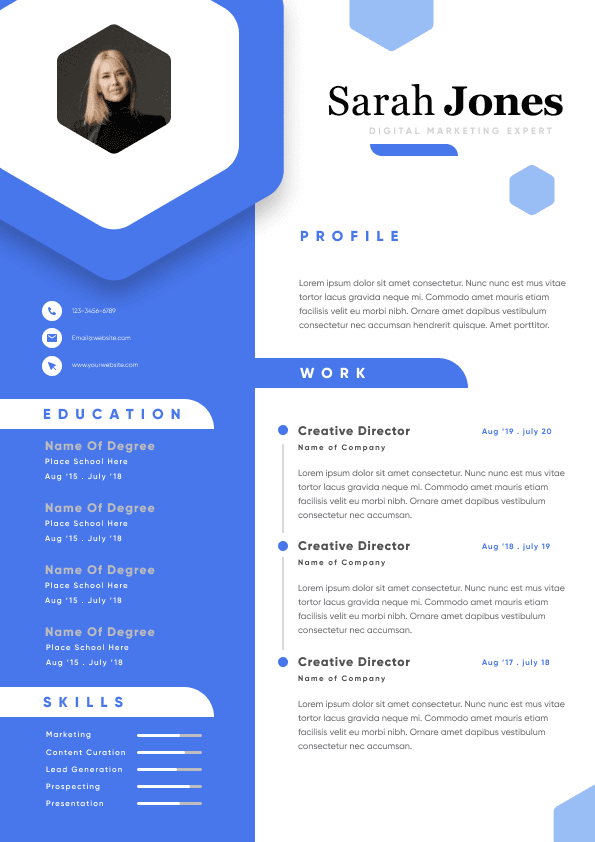
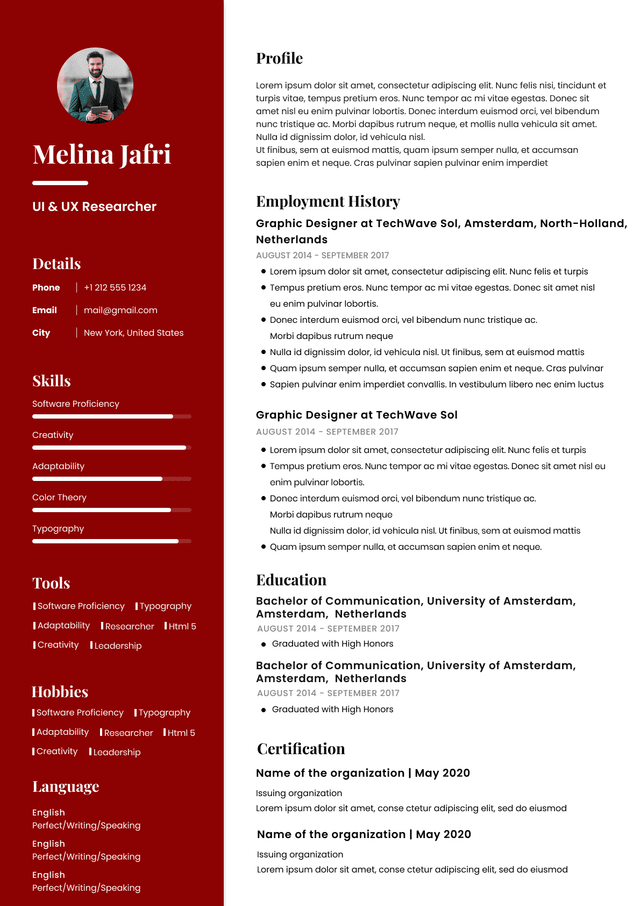
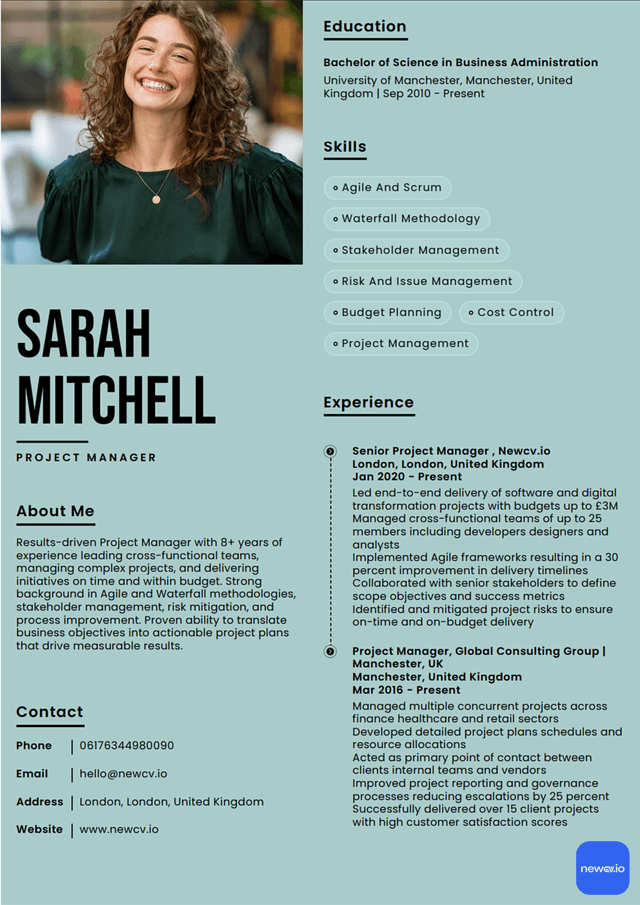
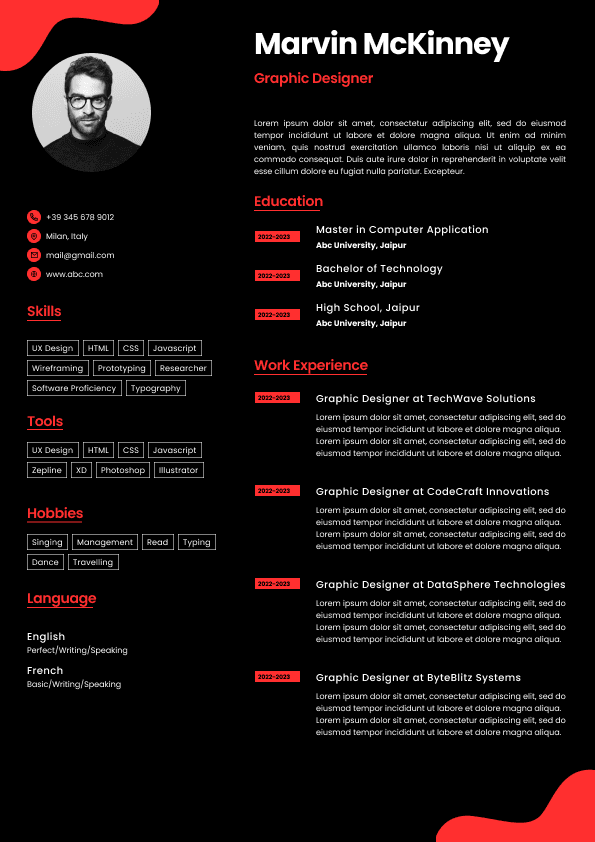
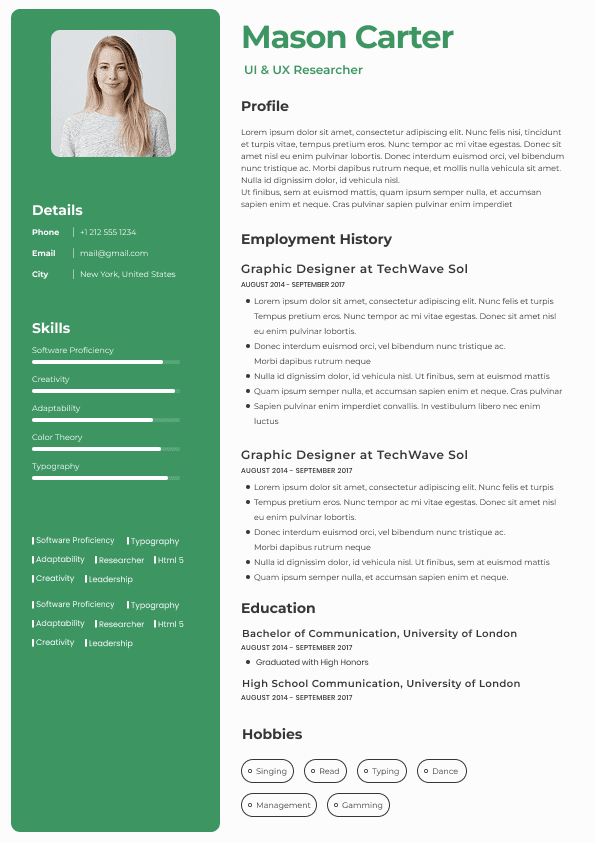
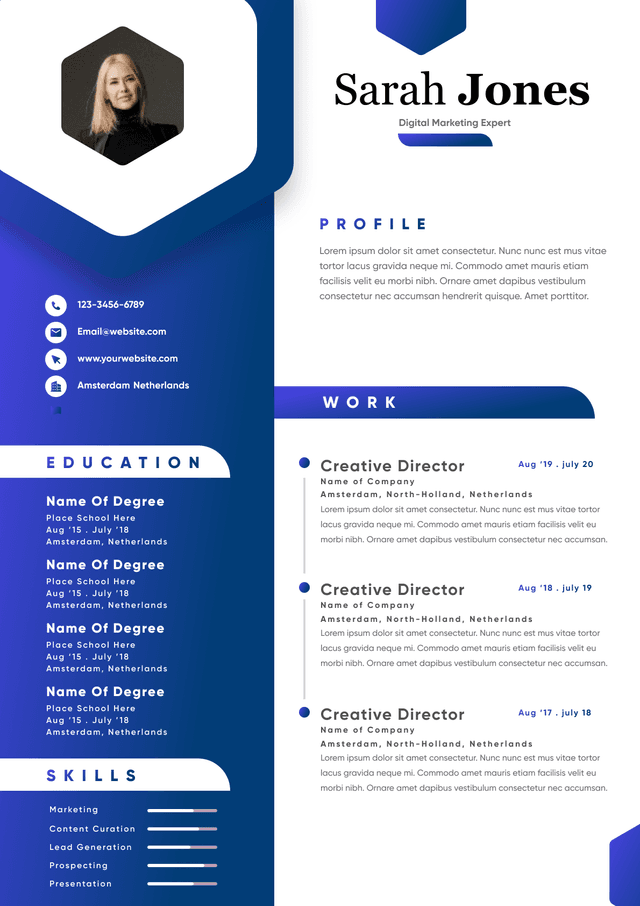
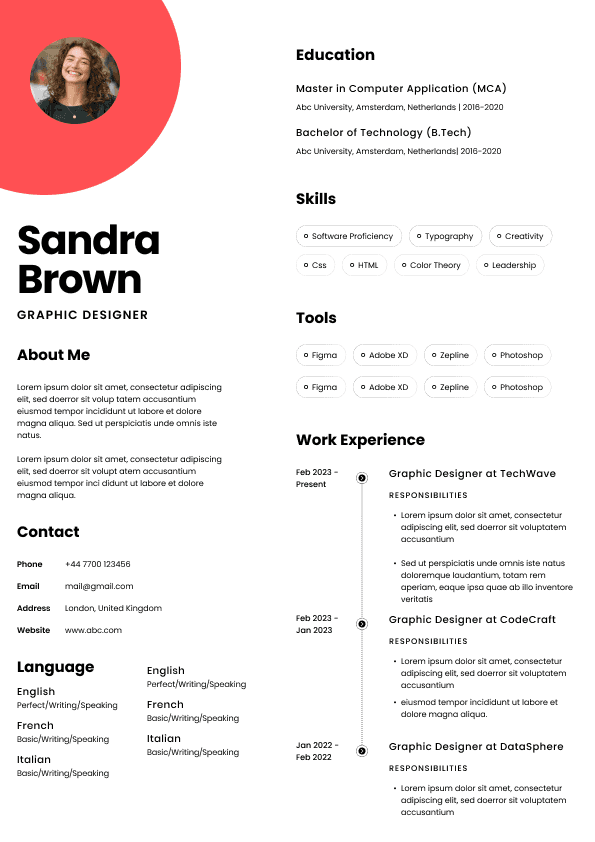
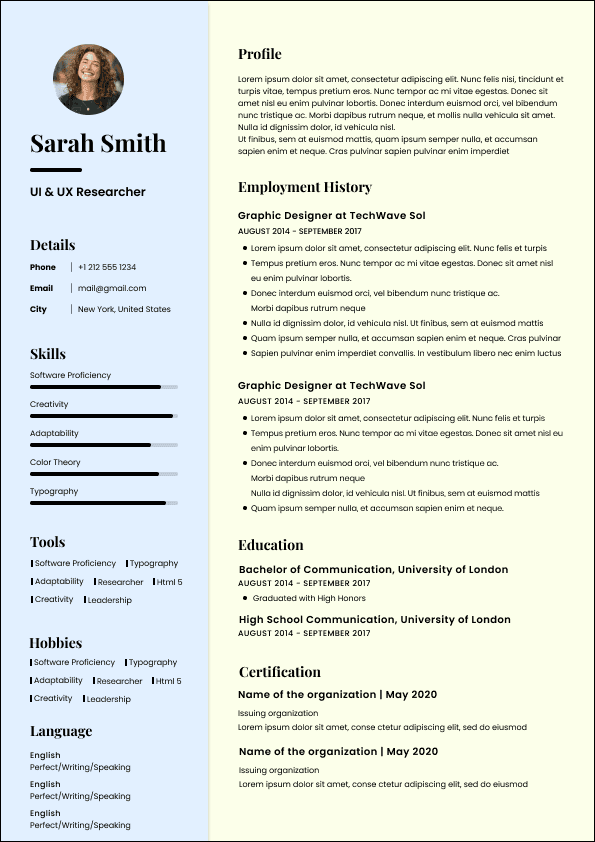
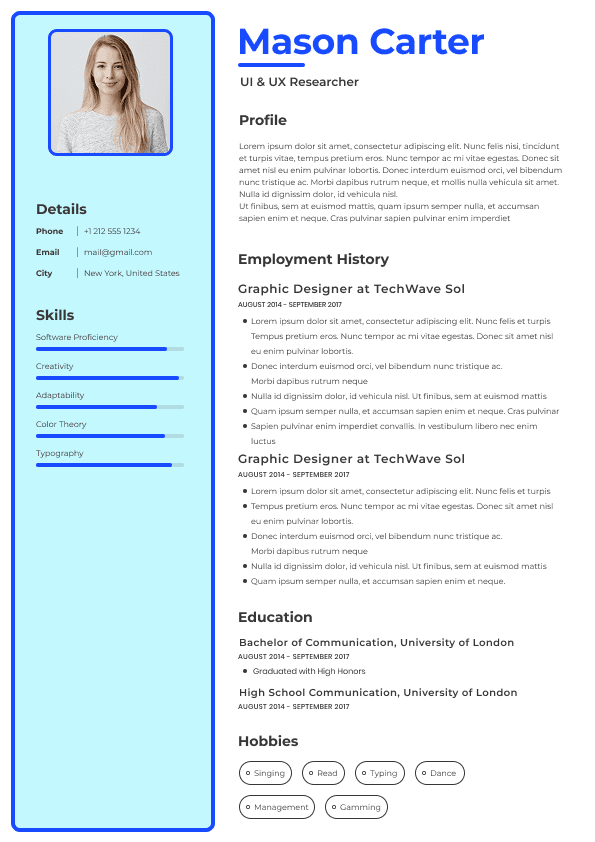
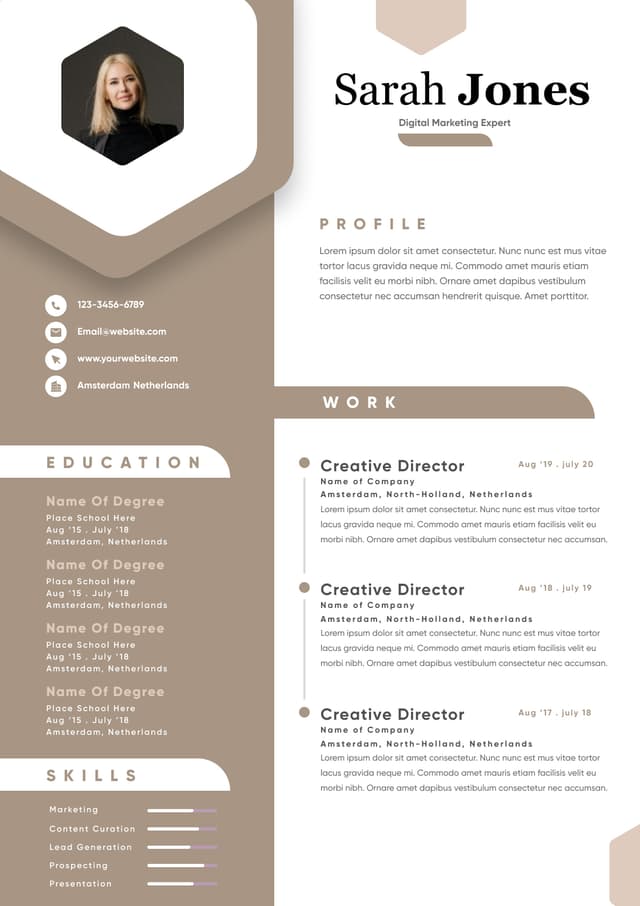
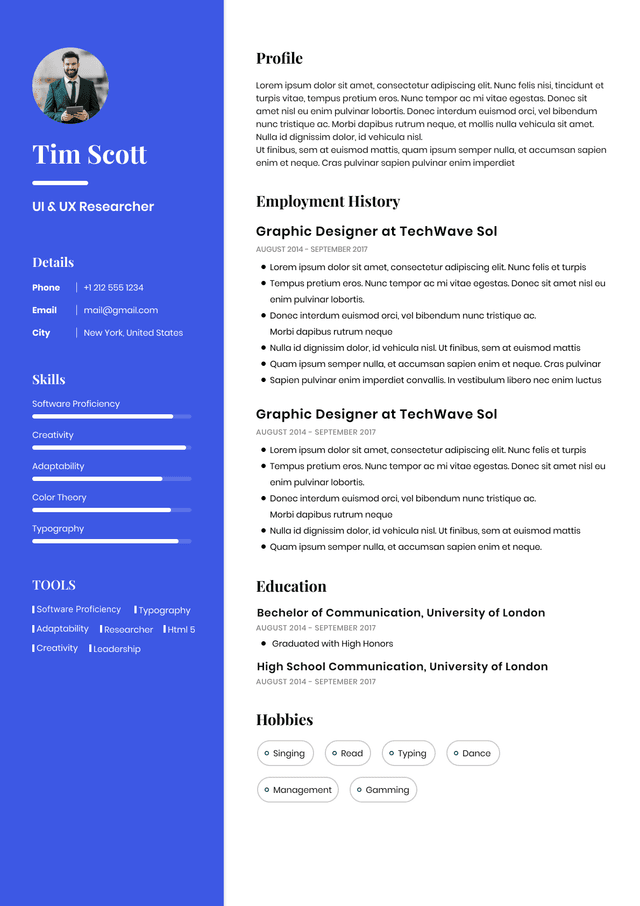
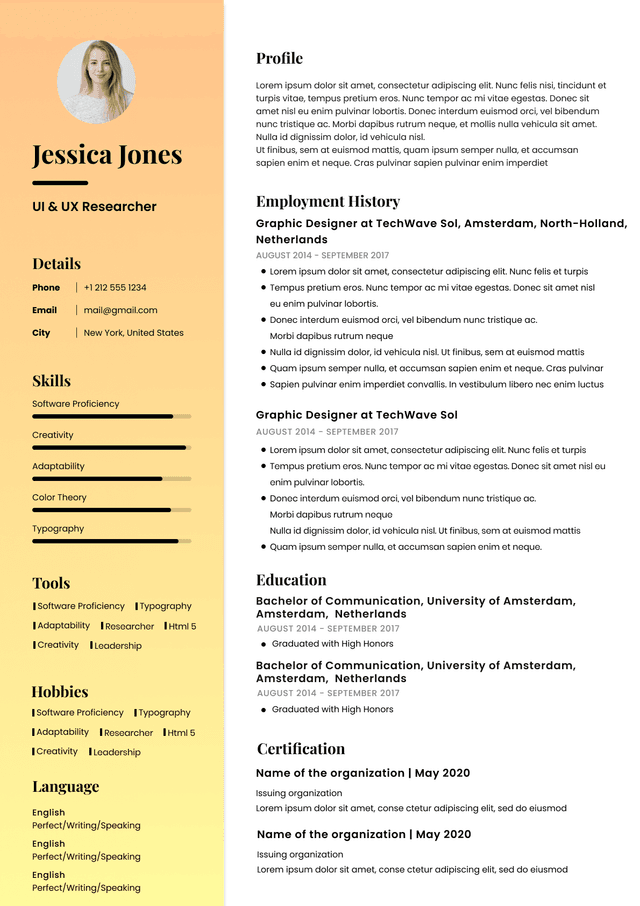
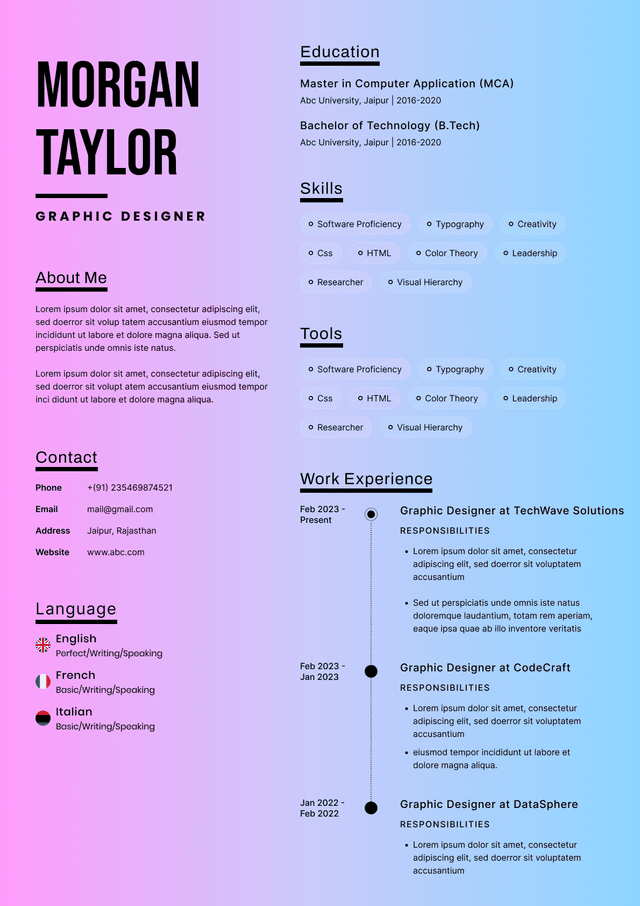
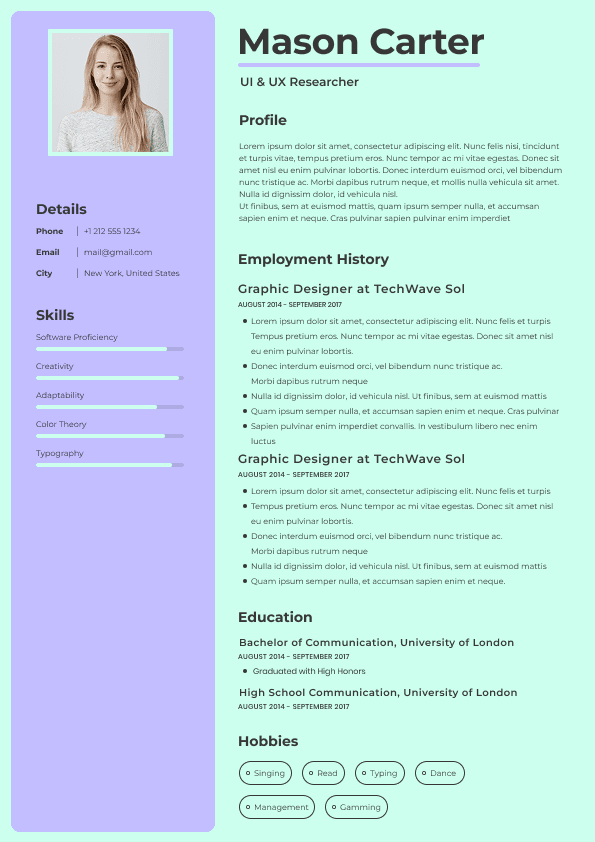
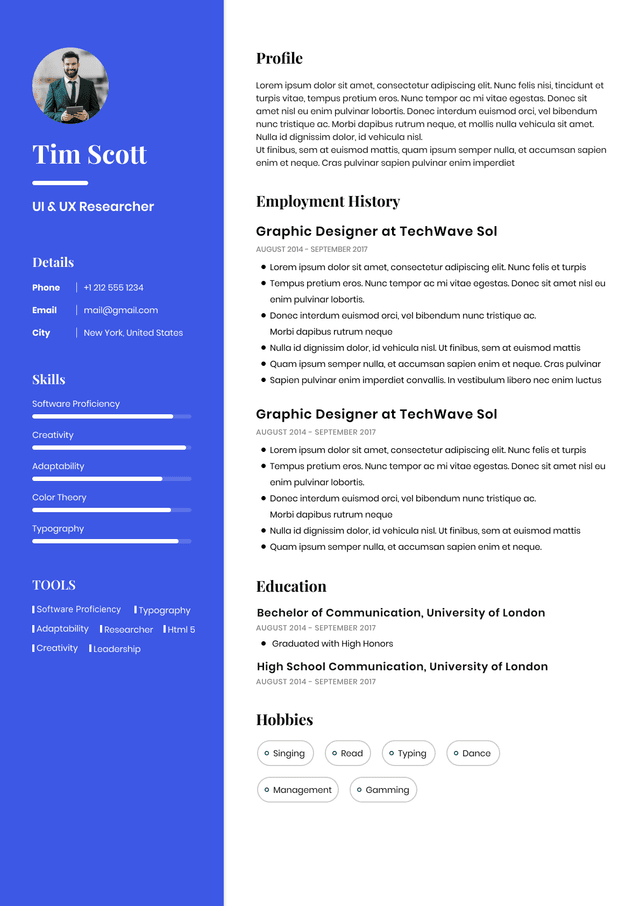
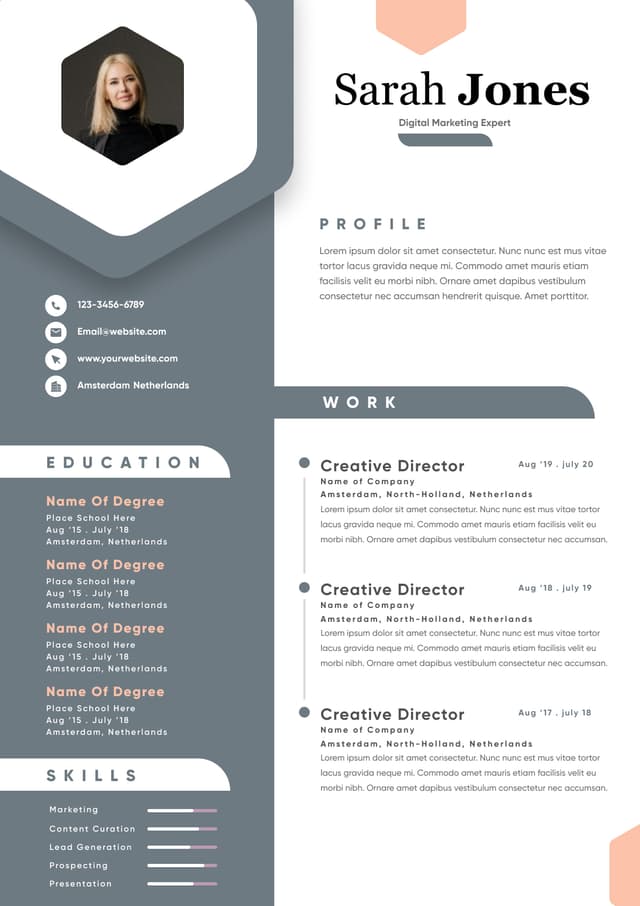
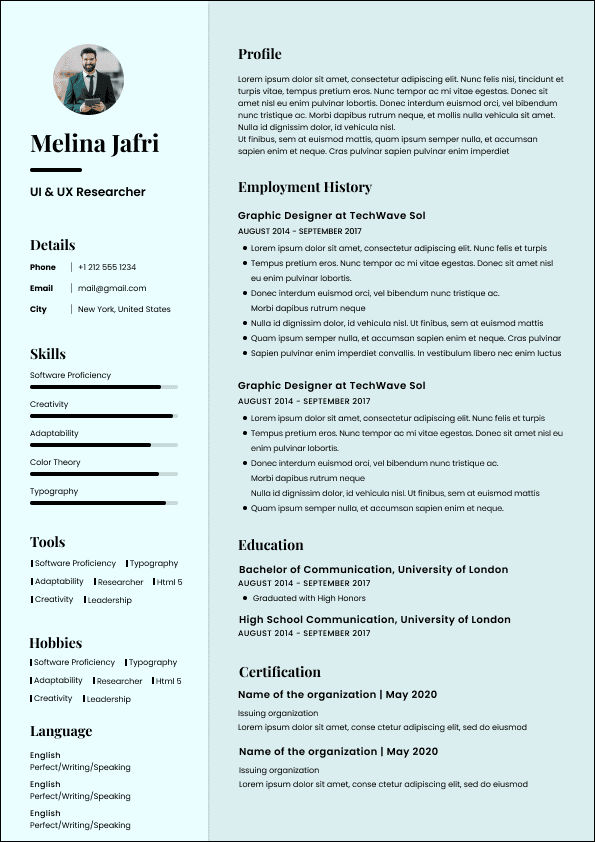
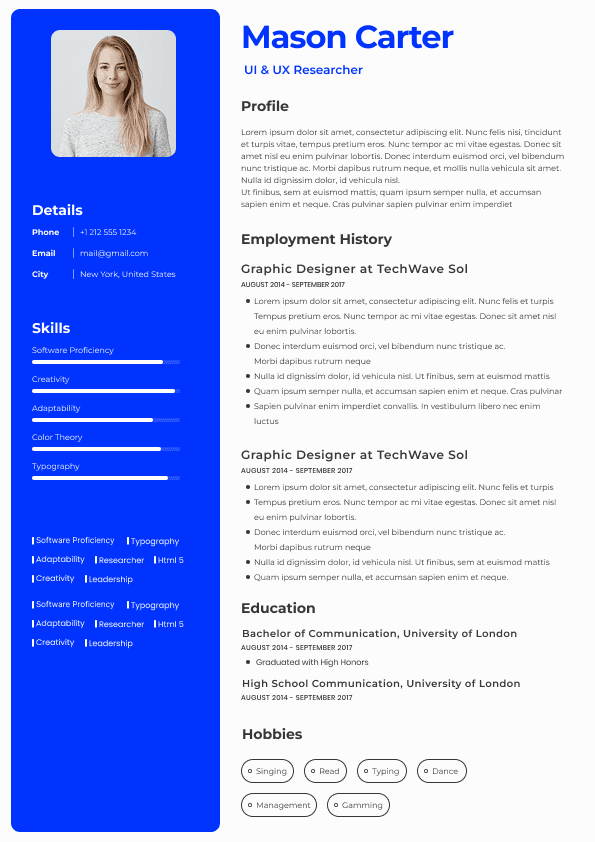
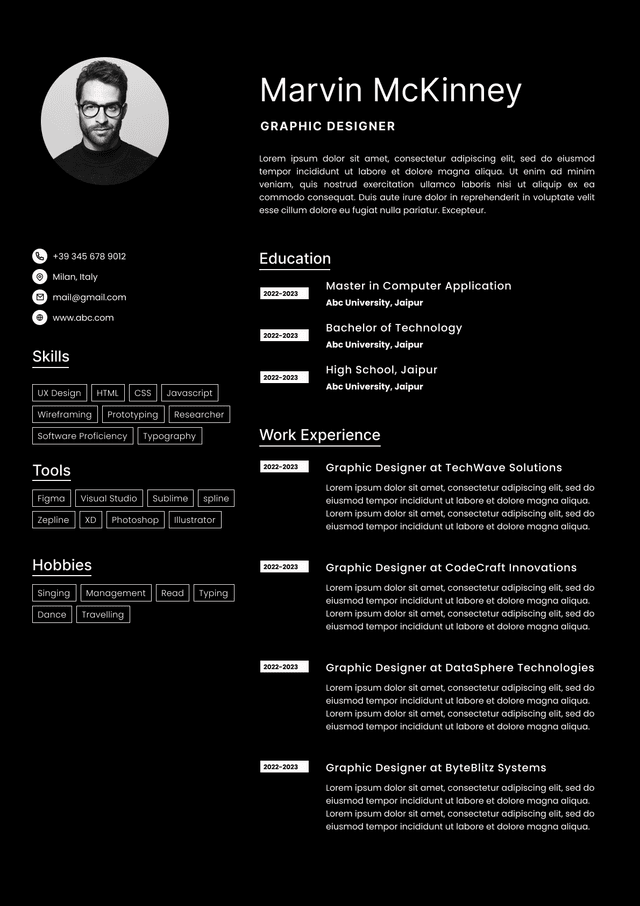
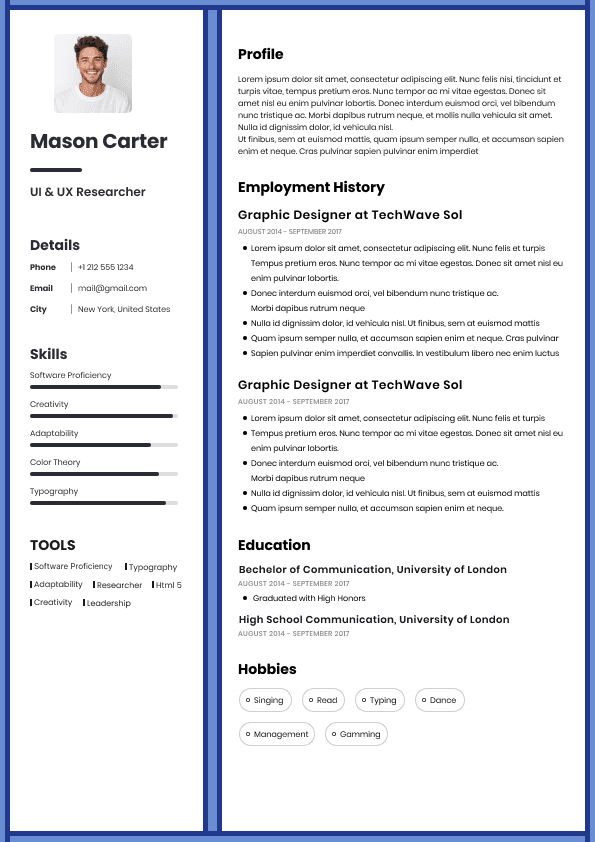
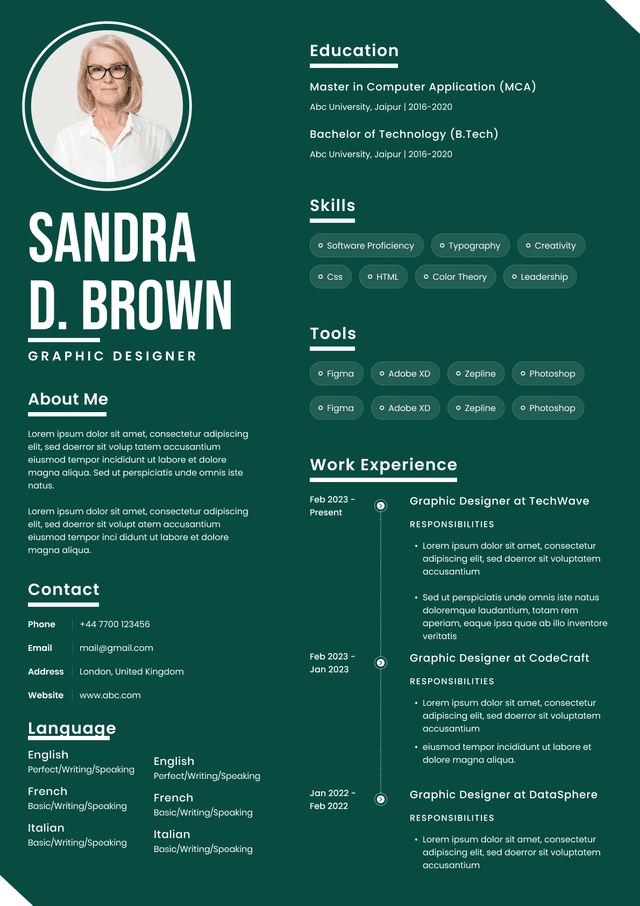
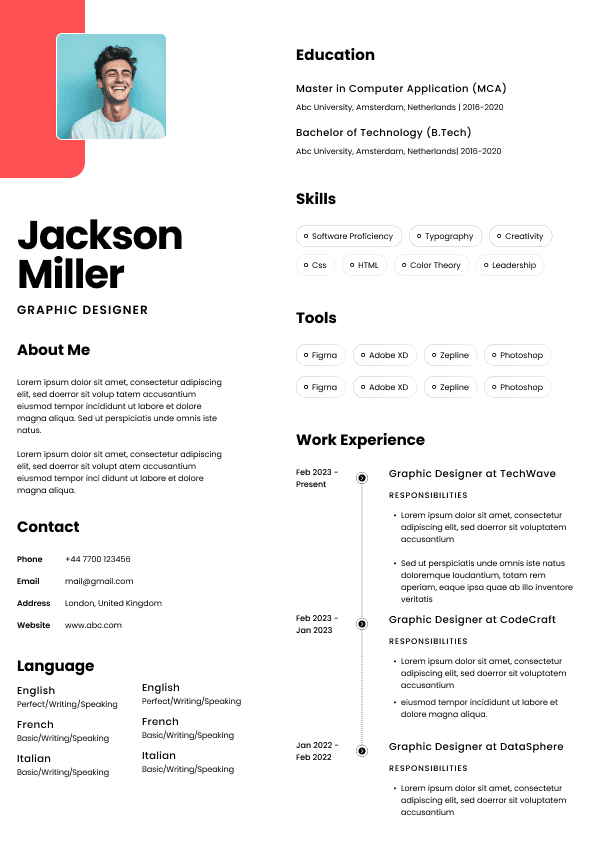
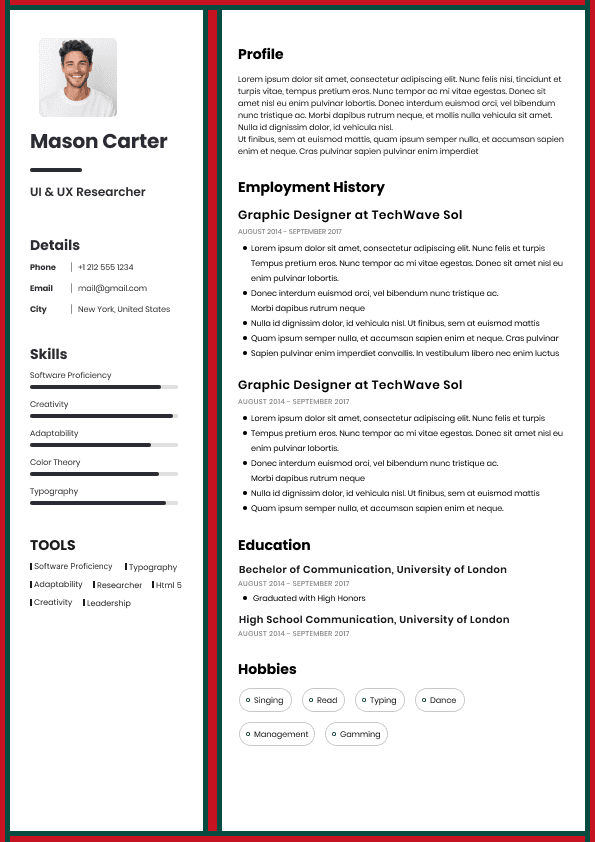
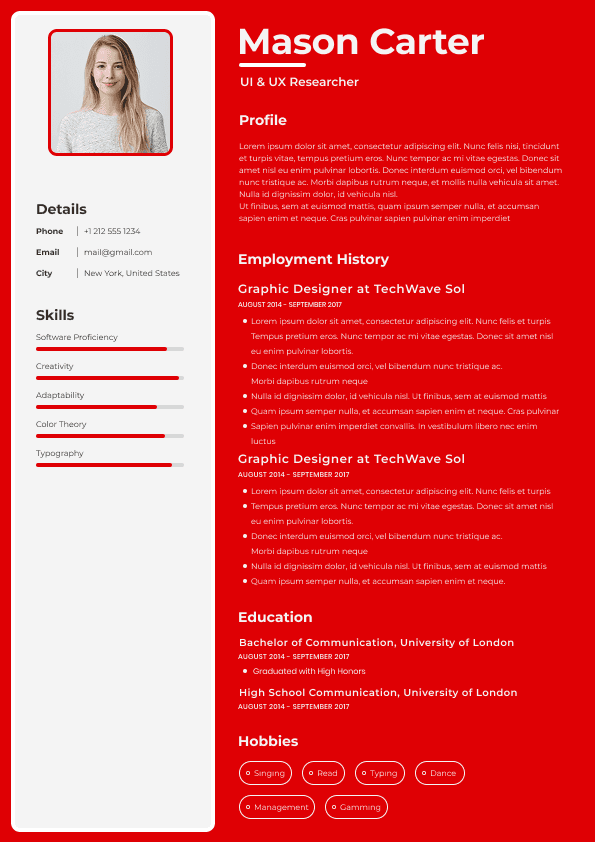
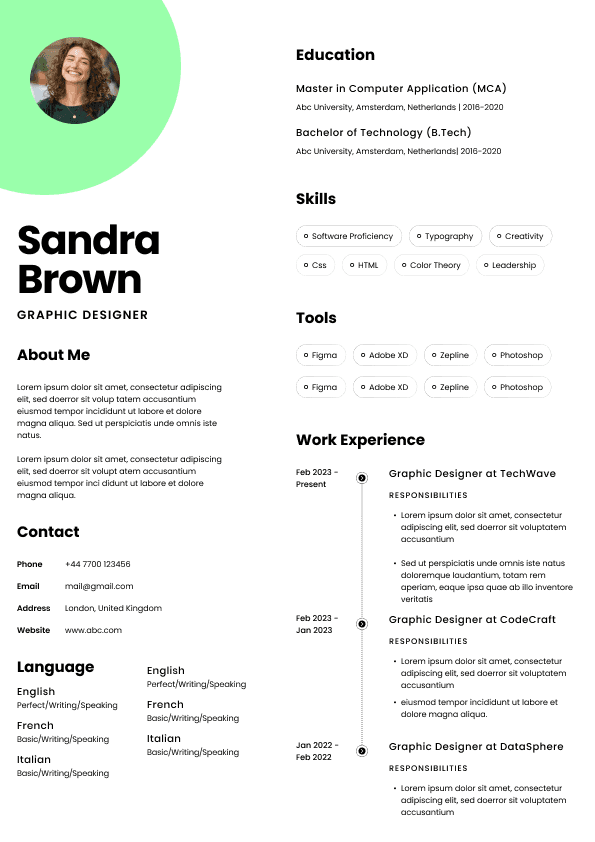
Avoid graphics, columns, icons, and skill bars
Prioritize readability for recruiters and engineering managers
The difference between getting interviews and getting ignored often comes down to structure, keyword placement, and how quickly your resume communicates technical credibility.
Choosing the right format is a strategic decision. Recruiters evaluate resumes differently depending on seniority, specialization, and hiring urgency.
This is the strongest option for most experienced JavaScript developers.
It works best for:
Mid-level developers
Senior frontend engineers
React developers
Full stack JavaScript engineers
Candidates with stable work history
Developers applying to US tech companies
Why recruiters prefer it:
Shows progression and promotions clearly
Makes recent tech stacks easy to evaluate
Helps hiring managers assess project complexity
Aligns with ATS parsing systems
Typical structure:
Contact information
Professional summary
Technical skills
Work experience
Projects
Education
Certifications
This format is especially effective when your experience includes modern JavaScript ecosystems like:
React
Next.js
Node.js
TypeScript
GraphQL
AWS
Docker
CI/CD pipelines
This format prioritizes skills and projects instead of work history.
Best for:
Self-taught developers
Bootcamp graduates
Career changers
Freelancers with inconsistent timelines
Junior developers with limited experience
Recruiter reality:
Functional resumes can work, but many recruiters are skeptical because they sometimes hide weak experience or employment gaps. If you use this format, your projects must be exceptionally strong and technically credible.
What makes it effective:
Strong GitHub portfolio
Real deployed applications
Clear technology stacks
Business impact explanations
Open-source contributions
This is often the highest-performing format for modern JavaScript developers.
Best for:
Frontend engineers with major projects
React developers
Full stack JavaScript developers
Developers with freelance and full-time experience
Candidates with strong portfolios but shorter work history
Why it works:
Balances projects and professional experience
Gives technical depth early in the resume
Helps showcase multiple frameworks
Strong for startup hiring and modern SaaS companies
This format is increasingly common because many JavaScript developers build meaningful applications outside traditional employment.
ATS optimization is not optional anymore. Most US employers use applicant tracking systems before a human ever sees your resume.
An ATS-friendly JavaScript developer resume template should avoid formatting elements that break parsing.
ATS software performs best with:
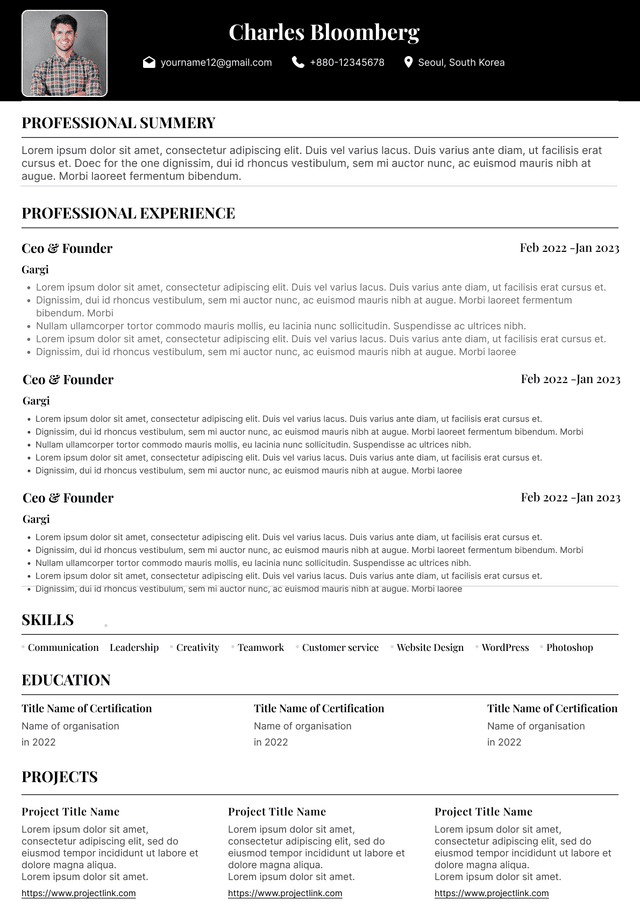
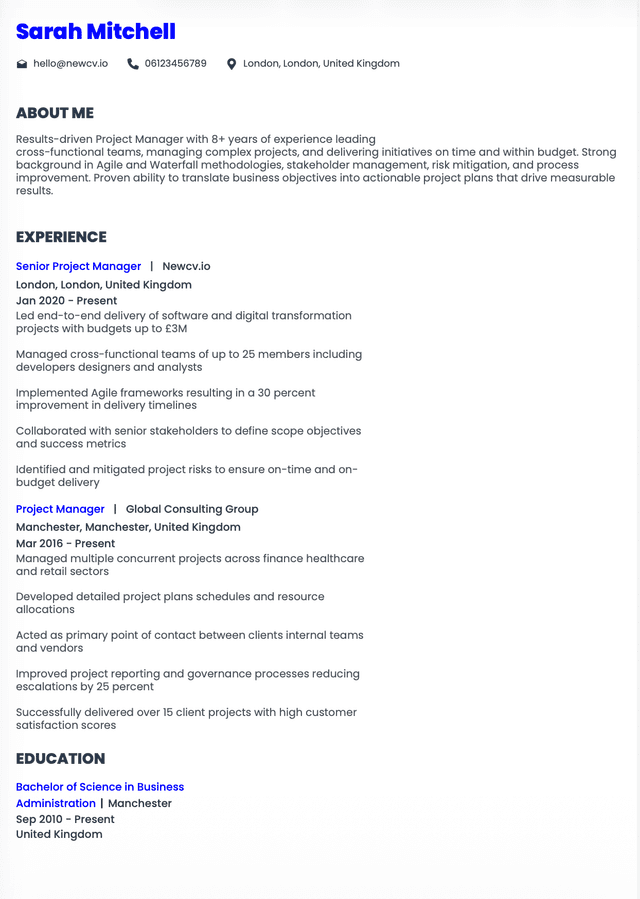
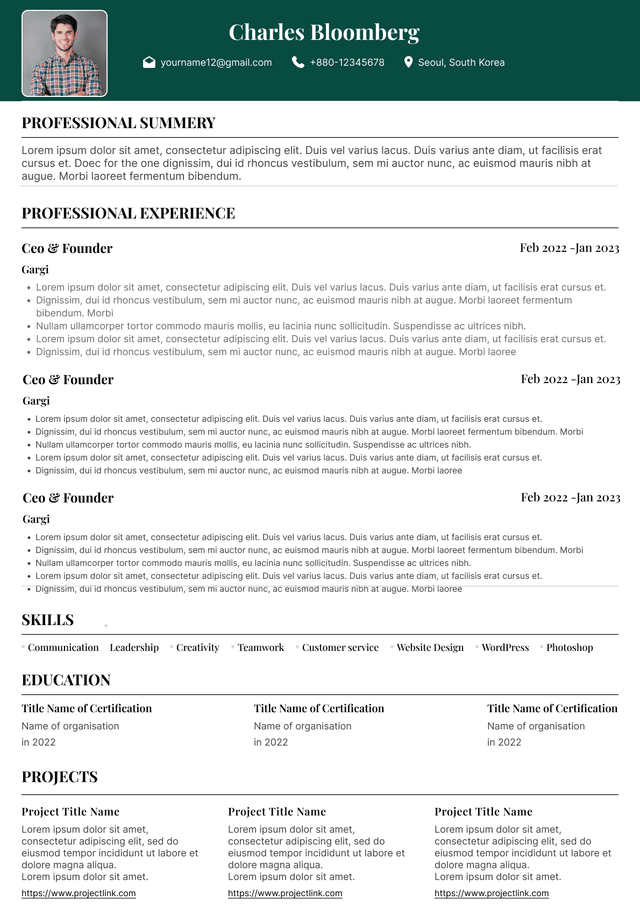
Single-column layouts
Standard section headings
Simple fonts
Plain bullet formatting
Consistent spacing
Text-based skill sections
Many resume templates fail because they prioritize design over functionality.
Avoid:
Tables
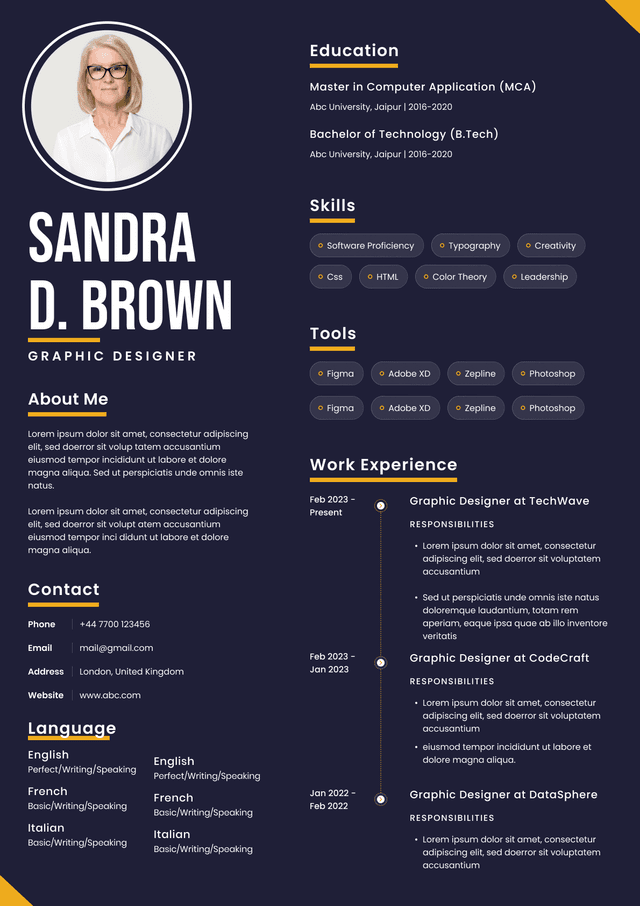
Multiple columns
Icons
Graphics
Progress bars
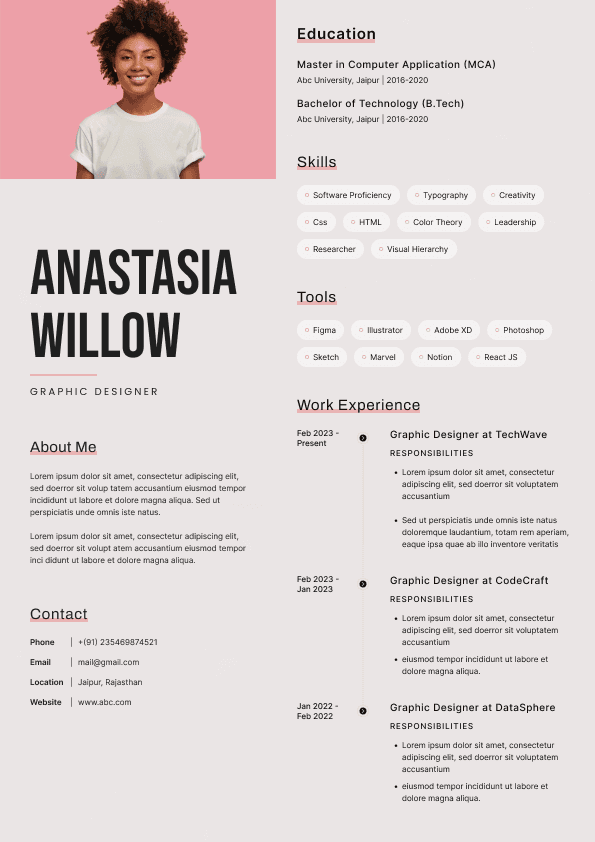
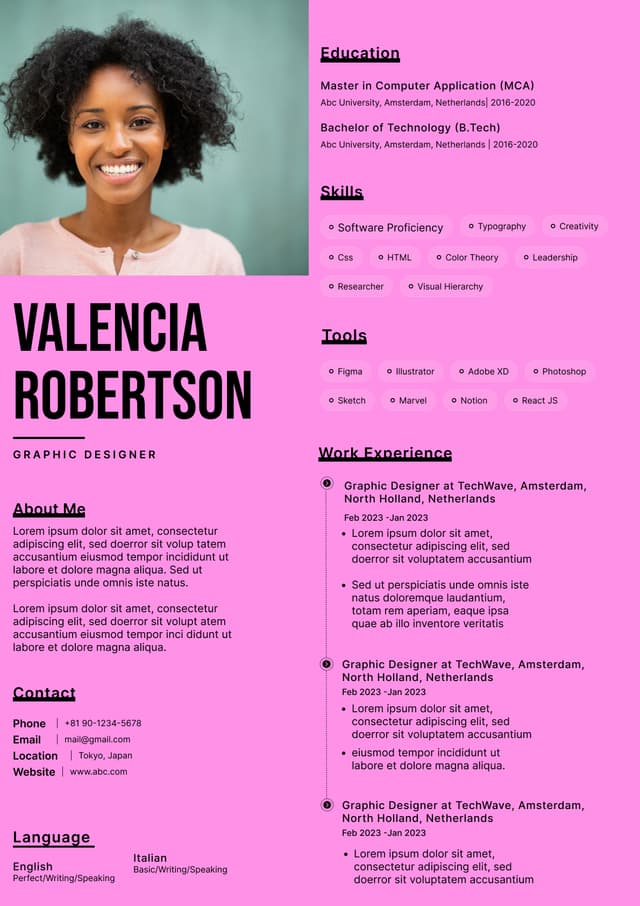
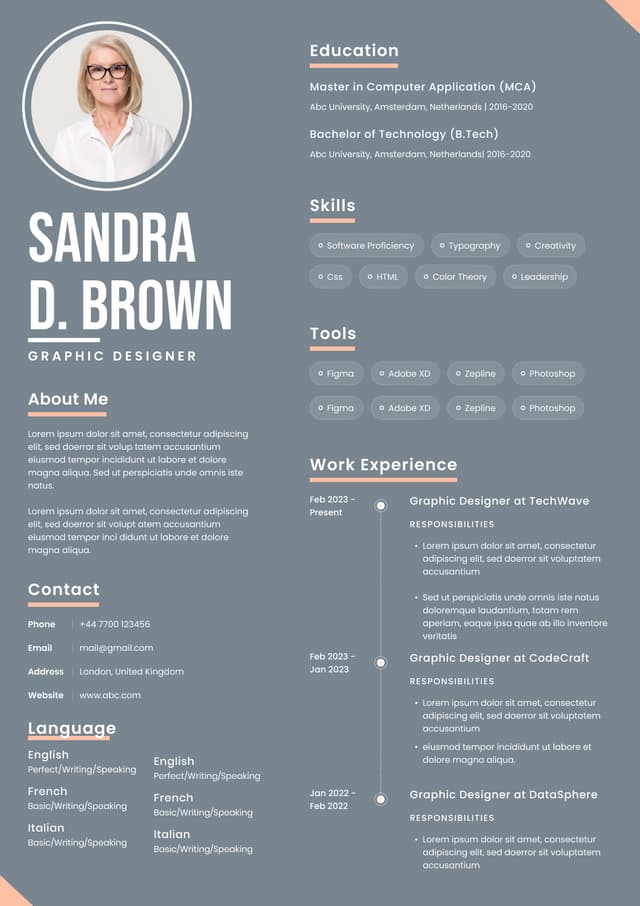
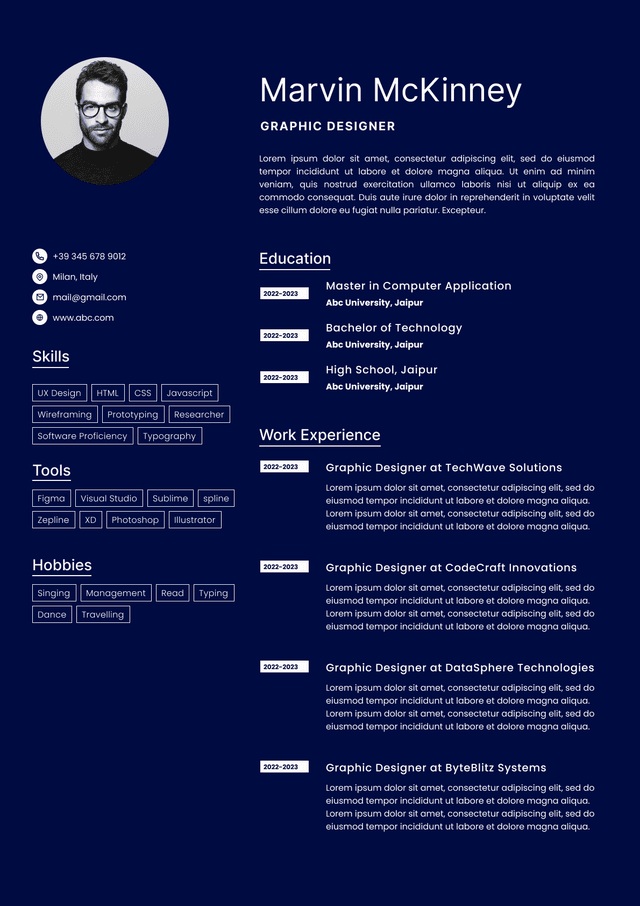
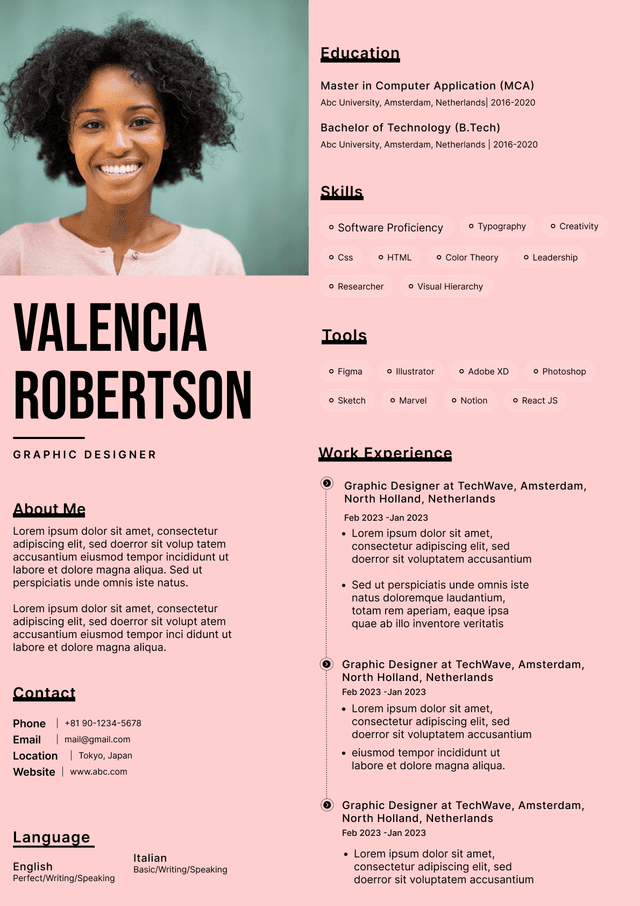
Headshot photos
Text boxes
Decorative formatting
Complex PDF exports
A visually impressive resume that cannot be parsed correctly is often rejected before recruiter review.
Layout affects scan speed, readability, and technical evaluation.
For most JavaScript developers, this order performs best:
Include:
Full name
Phone number
Professional email
GitHub
Portfolio website
Location
Do not include:
Full mailing address
Personal social media
Irrelevant links
This should immediately position you technically.
Strong summaries include:
Years of experience
Core frameworks
Specialization
Business impact
Architecture or scale exposure
Weak Example
“Hardworking JavaScript developer seeking opportunities to grow.”
Why it fails:
Generic
No technical depth
No specialization
No measurable value
Good Example
“Frontend JavaScript developer with 5+ years of experience building React and TypeScript applications for SaaS platforms serving 500K+ users. Specialized in performance optimization, component architecture, and scalable frontend systems.”
Why it works:
Specific
Technically focused
Business-oriented
Easy for recruiters to classify quickly
This is one of the most important sections on the entire resume.
Recruiters scan here first to determine:
Stack alignment
Seniority
Relevance
Interview viability
Best practice:
Group skills by category.
Example structure:
Languages: JavaScript, TypeScript, HTML5, CSS3
Frontend: React, Next.js, Redux, Vue.js
Backend: Node.js, Express.js
Databases: PostgreSQL, MongoDB, MySQL
Testing: Jest, Cypress, React Testing Library
Cloud & DevOps: AWS, Docker, GitHub Actions
Tools: Git, Jira, Webpack, Vite
Avoid giant keyword dumps with no organization.
Most resume advice online ignores actual recruiter behavior.
Here is what recruiters and hiring managers really evaluate.
The first question is:
“Does this candidate match our stack?”
If the company uses React and TypeScript, but your resume only emphasizes vanilla JavaScript, you may get filtered out even if you are technically capable.
This is why keyword alignment matters.
Recruiters look for evidence of:
Real production applications
Scale
Collaboration
Architecture decisions
API integrations
State management
Testing practices
Strong bullets explain technical scope and outcomes.
Hiring managers care about business outcomes, not just coding tasks.
High-performing resume bullets include:
Performance improvements
Revenue impact
User growth
Conversion optimization
Load-time reduction
Engineering efficiency
Weak Example
“Built frontend components using React.”
Good Example
“Developed reusable React component library that reduced frontend development time by 35% across 4 internal SaaS products.”
The second example demonstrates:
Scope
Technical ownership
Business value
Engineering impact
Resume length should reflect career depth, not arbitrary rules.
Best for:
Entry-level developers
Junior frontend developers
Internships
Bootcamp graduates
Candidates with under 3 years of experience
Best for:
Senior developers
Lead engineers
Full stack developers
Architects
Developers with extensive project portfolios
Recruiter insight:
Strong technical candidates are not rejected for having two pages. They are rejected for having weak content.
Here is the highest-performing structure for most developers.
Include:
Name
Title
Phone
GitHub
Portfolio
Keep it concise and technically focused.
Use categorized technical stacks.
Each role should include:
Tech stack
Scope
Achievements
Metrics
Architecture exposure
Team collaboration
Especially important for:
React developers
Self-taught developers
Bootcamp graduates
Open-source contributors
Strong project entries include:
Live demo
GitHub link
Technical stack
Business problem solved
Performance considerations
Keep concise unless recently graduated.
Include only relevant certifications such as:
AWS Certified Developer
Meta Front-End Developer
Google Cloud certifications
Scrum certifications if applicable
Formatting directly impacts readability.
Use:
Arial
Calibri
Aptos
Helvetica
Avoid:
Decorative fonts
Script fonts
Unusual typography
Recommended:
10–12 pt body text
14–18 pt headings
Good spacing improves scan speed dramatically.
Crowded resumes feel harder to evaluate and create negative perception even when the content is strong.
React resumes should be more specialized than general JavaScript resumes.
Recruiters hiring React developers look specifically for:
Component architecture
State management
Performance optimization
Hooks
TypeScript
API integration
Testing
Next.js experience
SSR or SSG exposure
Many JavaScript resumes fail because they stay too broad.
If you are targeting React roles, your resume should clearly position you as a React specialist.
Frontend resumes require balance between design credibility and ATS compatibility.
Ironically, many frontend developers create resumes that are visually impressive but technically terrible for ATS systems.
Use:
Clean hierarchy
Simple formatting
Strong technical categorization
Real project metrics
Production-level achievements
Avoid:
Dribbble-style resume designs
Heavy color usage
Graphic-based layouts
Multi-column templates
Recruiter reality:
Most engineering recruiters care far more about clarity and technical relevance than visual creativity.
Long skill lists without depth create skepticism.
Recruiters often assume:
Keyword stuffing
Surface-level knowledge
Inflated experience
It is better to demonstrate depth in fewer technologies.
Many candidates describe projects without explaining:
Scale
Challenges
Technical decisions
Results
Projects should demonstrate engineering thinking, not just tool usage.
Most summaries fail because they could apply to anyone.
Strong summaries position you clearly.
For many frontend and JavaScript roles, missing technical proof creates friction.
Especially for:
Junior developers
Bootcamp graduates
Freelancers
Self-taught candidates
ATS parsing failures remain one of the biggest hidden rejection factors.
Simple resumes consistently outperform visually complex resumes in technical hiring pipelines.
Standing out is not about creativity. It is about clarity, relevance, and technical credibility.
Strong candidates demonstrate:
Architecture decisions
Optimization work
Scalability improvements
Cross-team collaboration
System thinking
Metrics create credibility.
Examples:
Reduced bundle size by 40%
Improved Lighthouse score from 58 to 92
Increased page speed by 35%
Supported 1M+ monthly users
Reduced deployment failures by 60%
A React-focused role should not receive a generic full stack resume.
Tailoring should include:
Stack alignment
Relevant frameworks
Matching terminology
Relevant project emphasis
This dramatically improves recruiter response rates.
Most developers do not need expensive resume templates.
What matters:
ATS compatibility
Clarity
Structure
Technical storytelling
A free ATS-friendly template often performs better than expensive designer templates.
Good templates prioritize:
Readability
Technical hierarchy
Recruiter scan patterns
ATS parsing compatibility
Best for:
Preserving formatting
Direct applications
Email submissions
Useful when:
ATS compatibility is uncertain
Recruiters explicitly request DOCX
Staffing agencies require editable versions
Best practice:
Keep both versions ready.
Use ATS-optimised Resume and resume templates that pass applicant tracking systems. Our Resume builder helps recruiters read, scan, and shortlist your Resume faster.

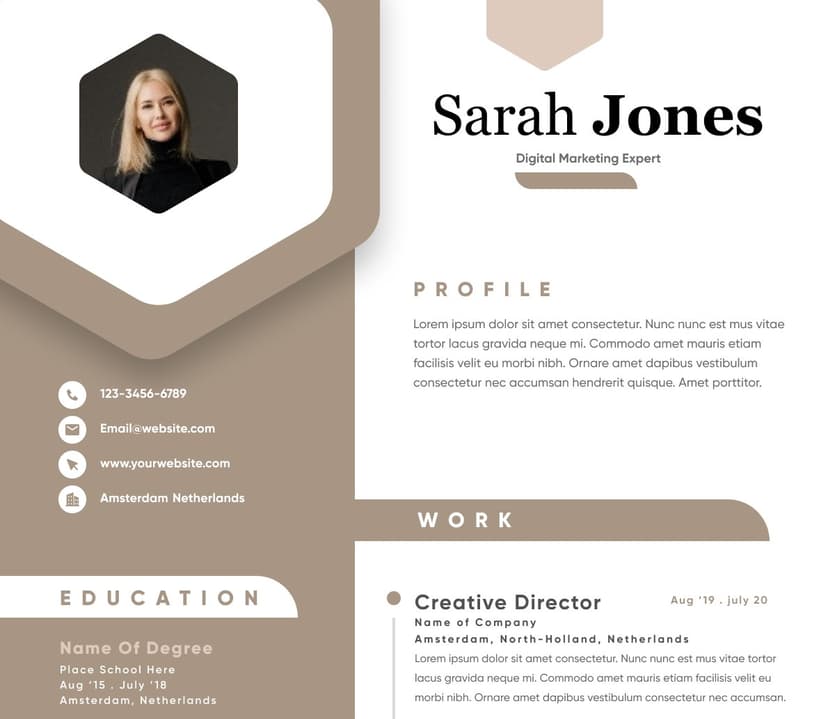
Use professional field-tested resume templates that follow the exact Resume rules employers look for.
Create Resume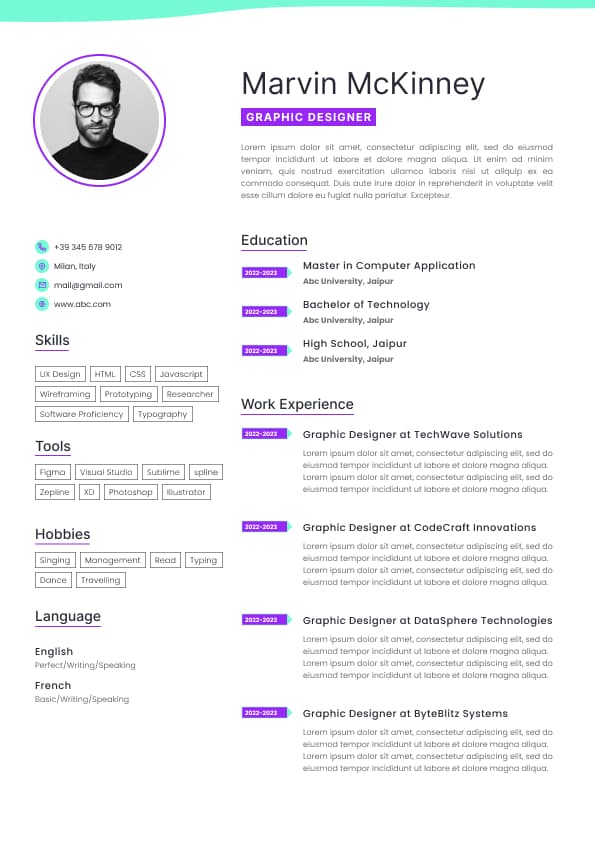
Use professional field-tested resume templates that follow the exact Resume rules employers look for.
Create Resume


 Upload Resume
 Import from Linkedin