STILL APPLYING. STILL HEARING NOTHING?BUILD YOUR RESUME

STILL APPLYING. STILL HEARING NOTHING?BUILD YOUR RESUME
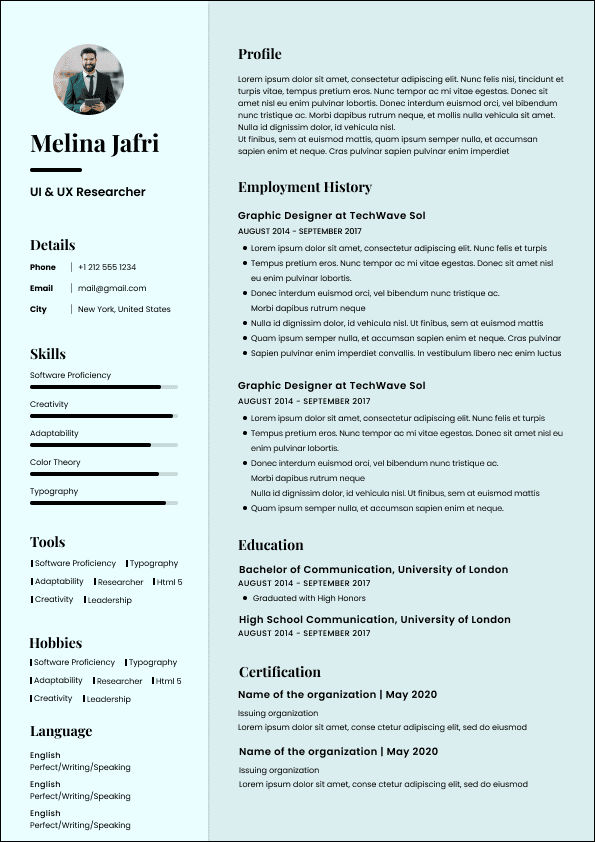
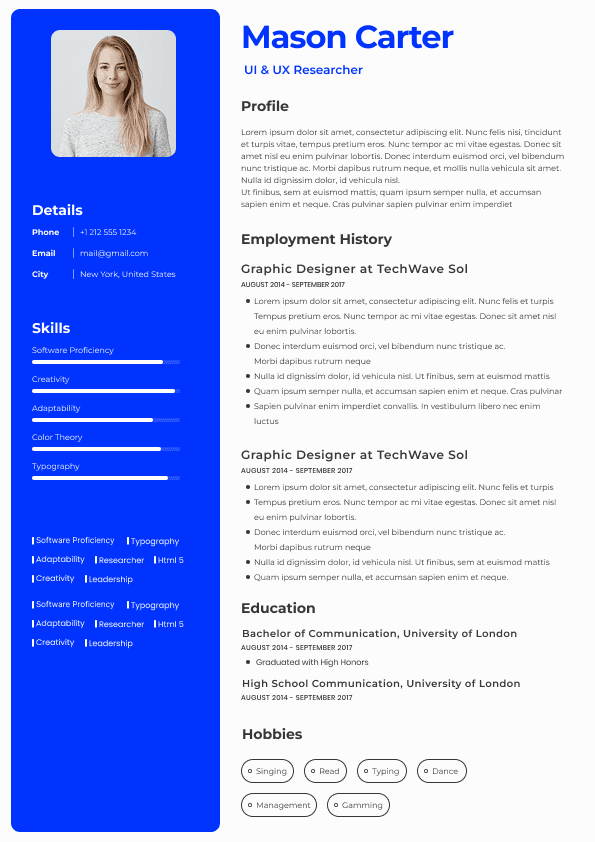
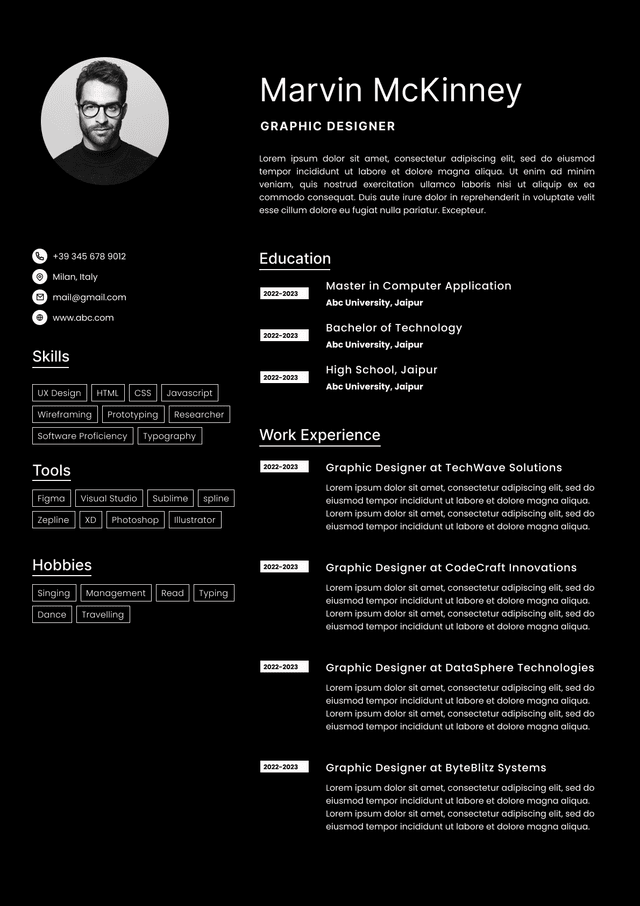
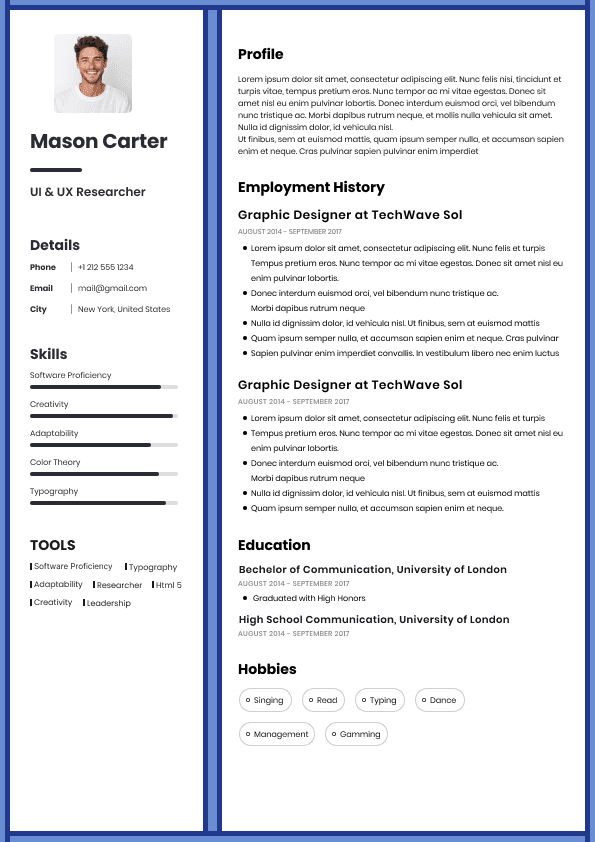
Choose from a wide range of NEWCV resume templates and customize your NEWCV design with a single click.
FAQ
A strong JavaScript developer resume does not just list frameworks like React, Node.js, or TypeScript. It proves you can build, ship, debug, scale, and maintain real production applications. In the U.S. hiring market, recruiters and engineering managers look for evidence of technical depth, business impact, clean architecture decisions, collaboration skills, and modern development workflows.
Most JavaScript resumes fail because they read like technology inventories instead of showing outcomes. Hiring managers want to see how you improved performance, built scalable frontend systems, integrated APIs, reduced bugs, optimized user experience, or delivered production-ready applications. Your resume should immediately communicate what type of JavaScript developer you are, what environments you have worked in, and how you contribute to engineering teams.
This guide breaks down exactly how to structure a JavaScript developer resume that aligns with current employer expectations across frontend, backend, full stack, SaaS, FinTech, healthcare, and enterprise web development roles.
Most recruiters spend less than 10 seconds on the initial resume scan. Engineering managers spend slightly longer, but they evaluate differently. Recruiters screen for alignment. Hiring managers screen for capability.
Your resume must satisfy both.
Recruiters typically evaluate:
Relevant JavaScript frameworks
Years of experience
Industry alignment
Technical stack compatibility
Employment stability
Keywords matching the job description
Clear role progression
For most JavaScript developer roles in the U.S., the ideal structure is:
Header
Professional Summary
Technical Skills
Professional Experience
Projects
Education
Certifications (optional)
This structure works because it mirrors how engineering recruiters and hiring managers review technical candidates.
Your summary should position you immediately.
Do not waste space on generic statements like:
Weak Example
“Motivated JavaScript developer seeking opportunities to grow skills.”
This says nothing meaningful.
Instead, establish:
Experience level
Technical specialization
Framework expertise
Industry environment
Business impact
Good Example
“Full stack JavaScript developer with 6+ years of experience building scalable SaaS applications using React, Node.js, TypeScript, and AWS. Proven track record improving frontend performance, developing REST APIs, reducing production defects, and delivering responsive enterprise applications in Agile environments.”
Modern JavaScript hiring has shifted heavily toward ecosystem specialization.
Generic “JavaScript Developer” positioning is weaker than stack-specific positioning.
For frontend-focused roles, employers expect:
JavaScript ES6+
TypeScript
React
Next.js
Vue.js
Angular
Redux or Zustand
This is the most important section of your resume.
Most candidates fail because they describe responsibilities instead of engineering impact.
Weak Example
Developed web applications using React and JavaScript
Worked with APIs
Fixed bugs and improved UI
These bullets are vague and forgettable.
They do not communicate:
Scale
Complexity
Not all JavaScript developer resumes should look the same.
The market now rewards specialization.
Frontend-focused employers prioritize:
UI architecture
Component systems
Accessibility
Responsive design
Performance optimization
Design collaboration
State management
Browser compatibility
Your resume should emphasize:
Backend-focused resumes should emphasize:
API development
Scalability
Database architecture
Authentication
Server performance
Cloud infrastructure
Security practices
Strong backend bullets often mention:
Request throughput
Full stack candidates must avoid looking shallow.
Many resumes claim “full stack” but only demonstrate frontend capability.
Strong full stack resumes show:
Frontend ownership
Backend development
Database experience
Deployment workflows
Cross-functional delivery
End-to-end application development
Hiring managers want developers who can contribute across systems without sacrificing engineering quality.
React remains the dominant frontend hiring ecosystem in the U.S.
However, simply listing React is no longer enough.
Strong React resumes show:
Hooks expertise
State management
Component architecture
Performance optimization
SSR or SSG experience
Next.js familiarity
Testing workflows
For Node.js positions, employers want backend engineering credibility.
Strong Node.js resumes demonstrate:
REST API development
Authentication systems
Middleware architecture
Database integrations
API security
Logging and monitoring
Server optimization
Scalable backend systems
Many employers now treat TypeScript as a baseline expectation.
Especially for:
Enterprise applications
SaaS companies
FinTech environments
Scalable frontend systems
Large engineering organizations
Candidates who only show vanilla JavaScript experience often lose interviews to developers with strong TypeScript implementation experience.
Your resume should demonstrate:
Type-safe architecture
Industry context matters more than many candidates realize.
SaaS employers prioritize:
Scalability
Subscription workflows
Dashboard interfaces
Multi-tenant architecture
Performance optimization
Product iteration speed
FinTech employers heavily prioritize:
Large skill sections can backfire.
Hiring managers often interpret long technology lists as shallow exposure instead of expertise.
Focus on technologies you can confidently discuss in technical interviews.
Generic bullets signal low ownership.
Avoid phrases like:
Responsible for
Worked on
Assisted with
Helped develop
These weaken perceived impact.
Modern JavaScript hiring strongly values performance optimization.
Especially for frontend engineers.
Candidates who mention:
Core Web Vitals
Lazy loading
Code splitting
Rendering optimization
API efficiency
Build optimization
often stand out significantly.
Engineering is collaborative.
Your resume should show experience working with:
Product managers
Designers
QA teams
DevOps engineers
Backend developers
Stakeholders
Strong technical candidates who cannot collaborate effectively become hiring risks.
Avoid meaningless filler like:
Ninja
Rockstar
Passionate
Hardworking
Team player
Technical hiring managers care about outcomes and engineering capability.
Not personality clichés.
ATS optimization still matters, especially in larger U.S. companies.
But keyword stuffing is ineffective.
The best approach is natural semantic alignment.
Depending on the role:
JavaScript
TypeScript
React
Next.js
Node.js
REST APIs
Junior candidates are not expected to have deep production ownership.
But employers still expect:
Solid JavaScript fundamentals
Personal or academic projects
GitHub activity
Framework familiarity
Debugging ability
Learning agility
Strong junior resumes often include:
Portfolio projects
Senior-level hiring changes completely.
Employers expect:
Architectural ownership
Mentorship
Scalability decisions
Cross-team collaboration
Technical leadership
System design thinking
Performance optimization
Delivery accountability
JavaScript is one of the most saturated engineering markets.
Standing out requires positioning, not just experience.
Quantified business impact
TypeScript expertise
Next.js production experience
Performance optimization results
Design system ownership
Testing automation
Cloud deployment experience
For most candidates:
Keep resume length to 1 page under 7 years of experience
Use 2 pages for senior-level engineers only when necessary
Use clean formatting with strong readability
Avoid graphics and visual resume templates
Use ATS-friendly formatting
Prioritize accomplishments over dense technical summaries
The best-performing technical resumes are usually simple, structured, and highly outcome-focused.
Not overly designed.
The strongest JavaScript developer resumes do three things exceptionally well:
Clearly define technical specialization
Demonstrate measurable engineering impact
Show production-level development maturity
Most resumes fail because they focus on technologies instead of outcomes.
Hiring managers are not trying to hire someone who merely knows React, Node.js, or TypeScript.
They are trying to hire developers who can:
Solve engineering problems
Ship reliable applications
Improve user experience


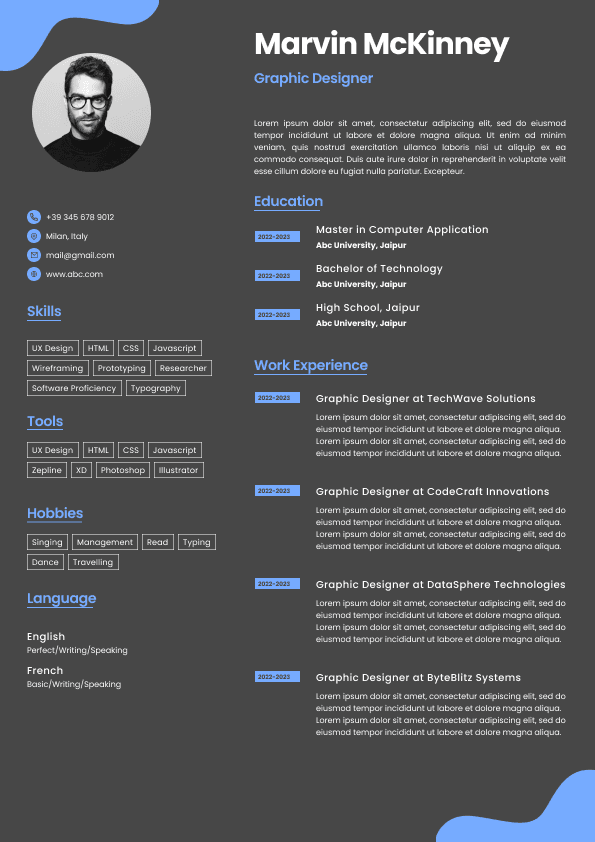
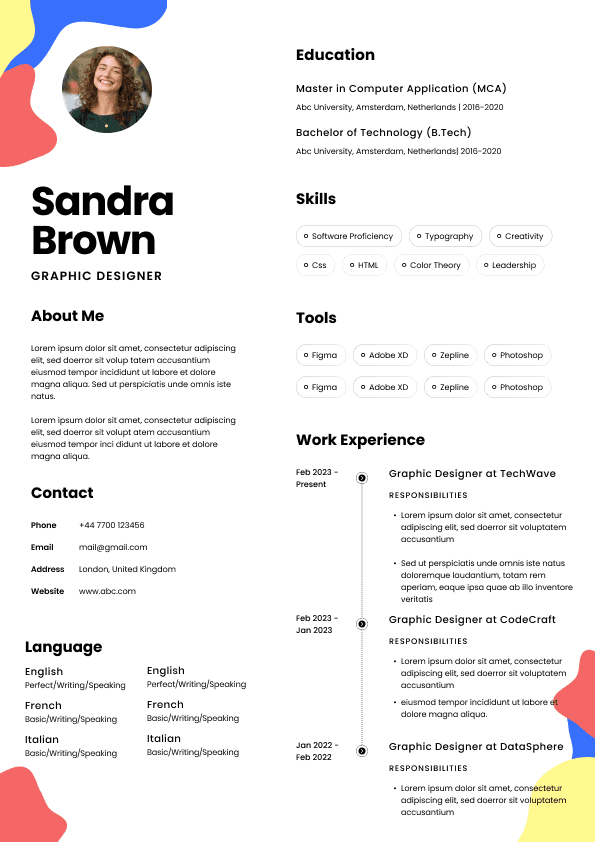
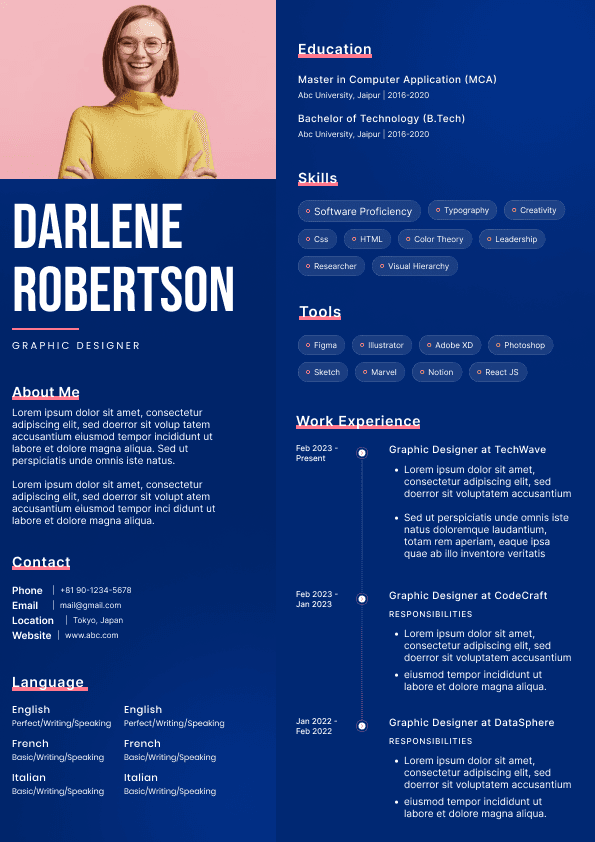
Use ATS-optimised Resume and resume templates that pass applicant tracking systems. Our Resume builder helps recruiters read, scan, and shortlist your Resume faster.


Use professional field-tested resume templates that follow the exact Resume rules employers look for.
Create Resume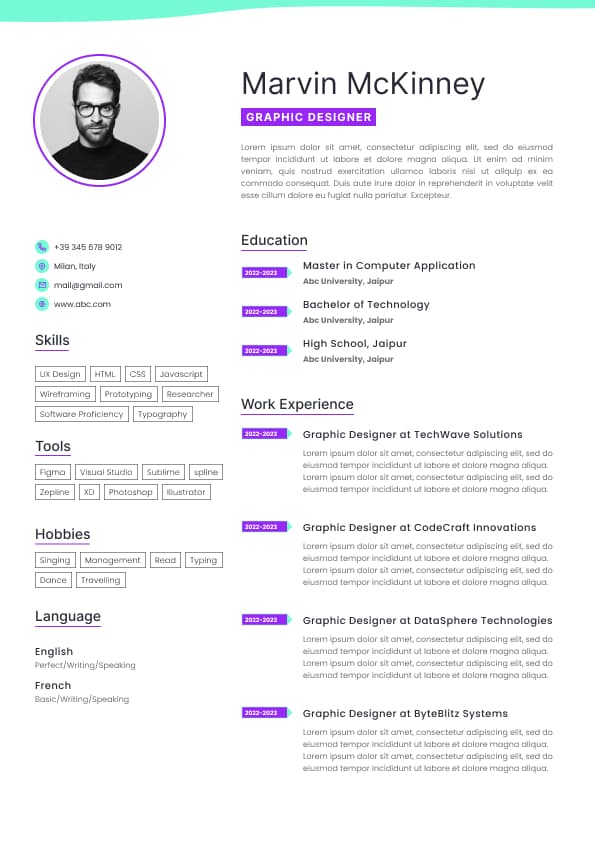
Use professional field-tested resume templates that follow the exact Resume rules employers look for.
Create ResumeModern tooling familiarity
Hiring managers evaluate:
Architecture understanding
Frontend or backend depth
Scalability experience
Code quality mindset
Debugging ability
Performance optimization
API integration experience
Ownership and collaboration
Production deployment experience
Engineering maturity
The biggest mistake candidates make is optimizing only for ATS keywords while ignoring technical credibility.
A resume filled with buzzwords but lacking measurable engineering outcomes gets rejected quickly in technical reviews.
A high-performing JavaScript developer resume demonstrates:
Modern framework expertise
Business impact from engineering work
Scalable application development
Performance optimization
Production-level debugging
API integration capabilities
Frontend architecture understanding
Backend service development
Testing and deployment workflows
Cross-functional collaboration
Weak resumes focus only on tasks.
Strong resumes show technical decisions and measurable outcomes.
This works because it immediately tells employers:
Seniority
Technical stack
Application type
Business relevance
Delivery environment
HTML5
CSS3
Tailwind CSS
Responsive design
Accessibility standards
Component architecture
State management
Performance optimization
Webpack or Vite
Storybook
REST APIs
GraphQL
For backend and Node.js roles:
Node.js
Express.js
NestJS
REST API development
GraphQL
Authentication and authorization
JWT
OAuth
PostgreSQL
MongoDB
Redis
Microservices
API security
Docker
AWS
CI/CD pipelines
Server-side debugging
These skills increasingly separate mid-level from senior candidates:
Jest
React Testing Library
Cypress
Playwright
Vitest
ESLint
Prettier
GitHub Actions
CI/CD automation
Agile/Scrum
Jira
Code reviews
Pull requests
Many developers underestimate how important testing and deployment workflows have become.
Senior-level hiring managers expect developers to own code quality, not just write features.
Ownership
Results
Technical depth
Good Example
Built and maintained React and TypeScript frontend architecture supporting 250K+ monthly users across a SaaS analytics platform
Reduced page load times by 38% through code splitting, lazy loading, and Core Web Vitals optimization initiatives
Developed reusable UI component library that reduced frontend development time by 25% across engineering teams
Integrated REST and GraphQL APIs with secure authentication flows using JWT and OAuth2
Implemented automated testing workflows using Jest and Cypress, reducing production defects by 32%
Collaborated with product managers, designers, and backend engineers in Agile sprint environments to deliver customer-facing features on schedule
These bullets work because they show:
Scale
Technologies
Business outcomes
Engineering ownership
Collaboration
Technical maturity
React or Next.js expertise
UI performance metrics
Component libraries
Design system work
Lighthouse improvements
Accessibility compliance
Hiring managers want proof that you can build polished, scalable interfaces.
API latency improvements
Database optimization
Microservices
Containerization
AWS or cloud deployment
Design system development
Recruiters increasingly look for TypeScript alongside React.
React-only resumes without TypeScript are becoming less competitive for mid-level and senior roles.
Weak Node.js resumes often look too frontend-heavy.
If applying for backend roles, reduce emphasis on UI-focused accomplishments.
Interface development
Scalable component systems
Refactoring legacy JavaScript codebases
TypeScript migration initiatives
Security
Authentication
Compliance awareness
Transaction reliability
API integrity
Data protection
Strong FinTech resumes often reference:
Secure payment integrations
Encryption
Fraud prevention
Audit logging
Financial reporting systems
Healthcare employers evaluate:
HIPAA awareness
Data privacy
Accessibility compliance
Secure patient data handling
Reliability
Healthcare technology resumes should emphasize trust, compliance, and stability.
GraphQL
Express.js
Frontend development
Backend development
Full stack development
CI/CD
Jest
AWS
Agile
Git
However, context matters more than repetition.
A strong resume naturally integrates these technologies through real accomplishments.
Bootcamp projects
Open-source contributions
Internship experience
Freelance work
The biggest mistake junior developers make is underselling projects.
Well-executed projects can absolutely compensate for limited professional experience.
Senior resumes should sound strategic, not task-oriented.
Scalable API architecture
Accessibility implementation
Open-source contributions
Many engineering leaders look for signals of engineering maturity, including:
Clean communication
Thoughtful architecture decisions
Product thinking
Ownership mindset
Documentation habits
Stability under pressure
Ability to debug complex systems
Your resume should indirectly communicate these qualities through accomplishments and phrasing.
Collaborate effectively
Scale systems responsibly
Maintain production quality
Your resume should make those capabilities obvious within seconds.
That is what consistently drives interviews in today’s U.S. JavaScript hiring market.



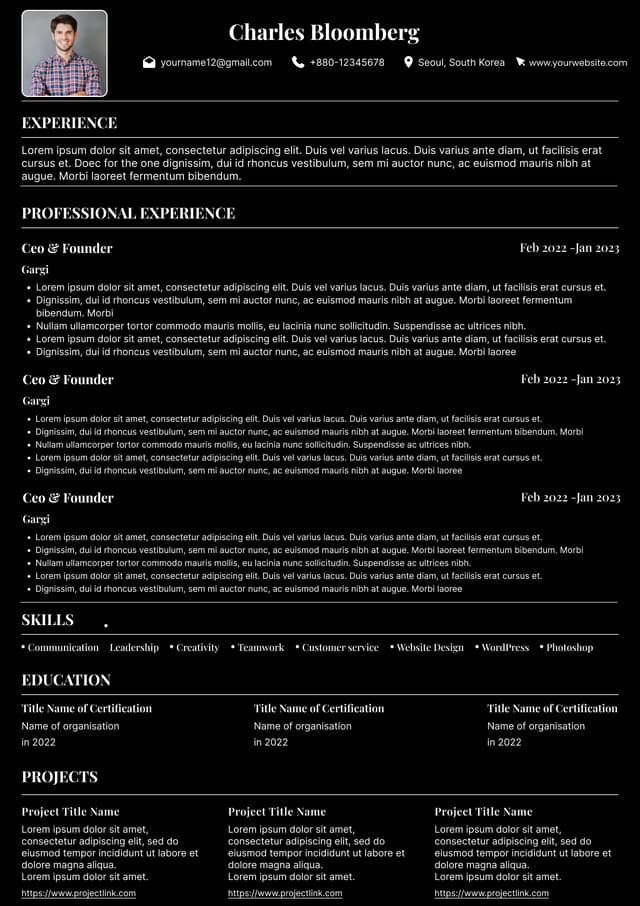
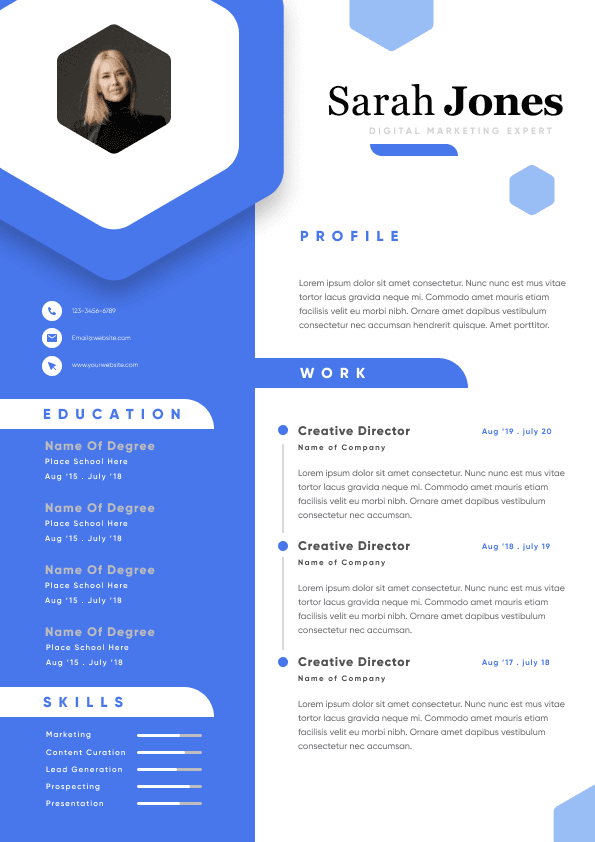
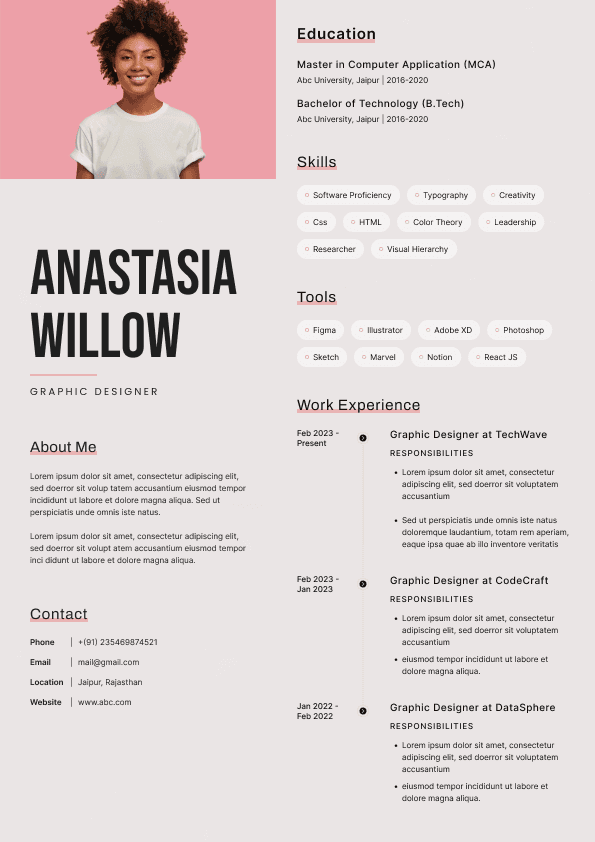
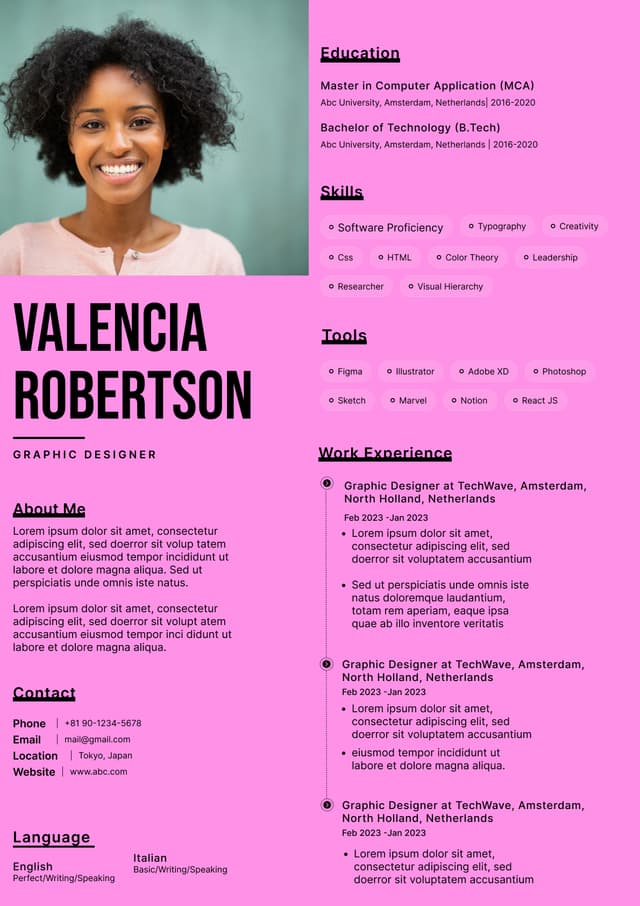




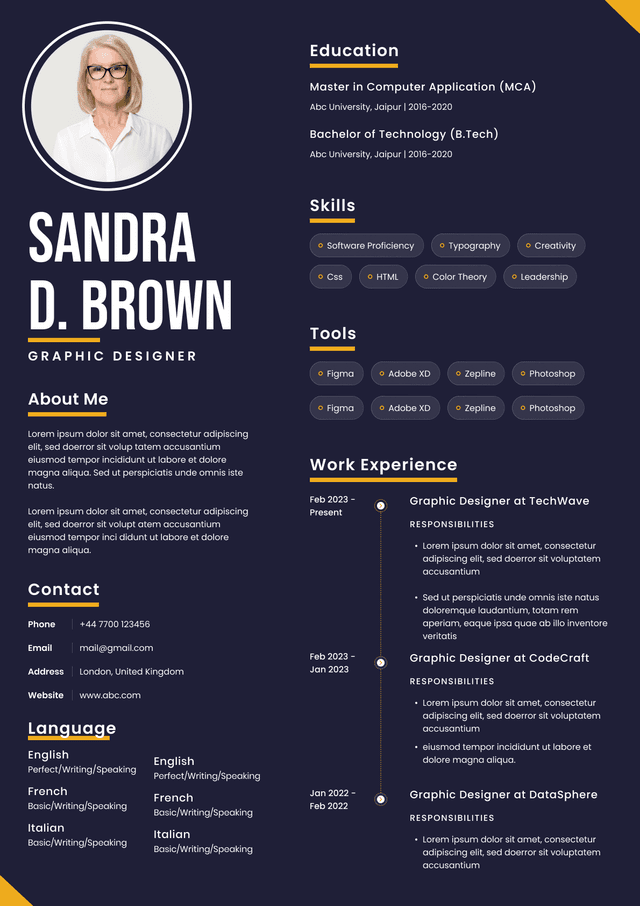

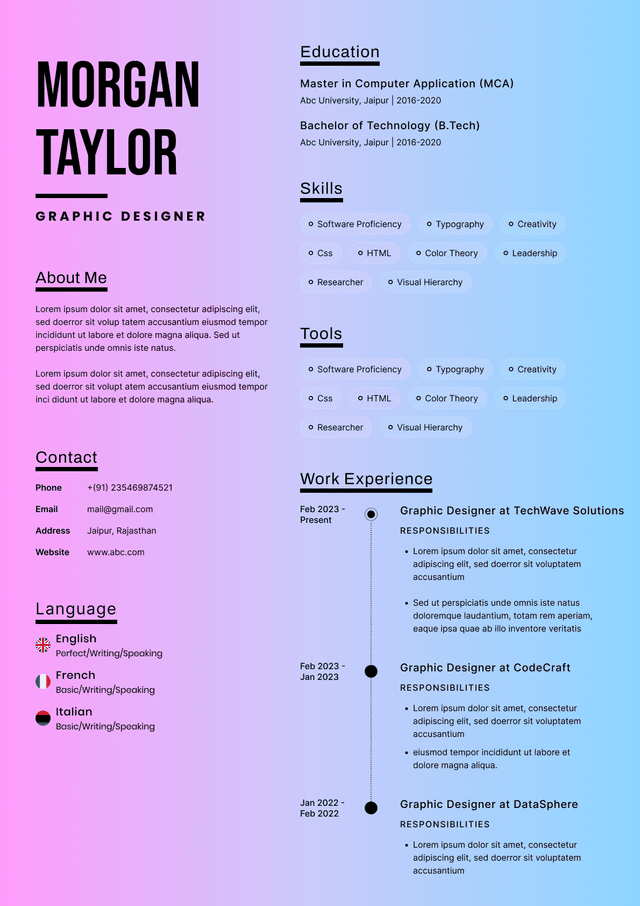
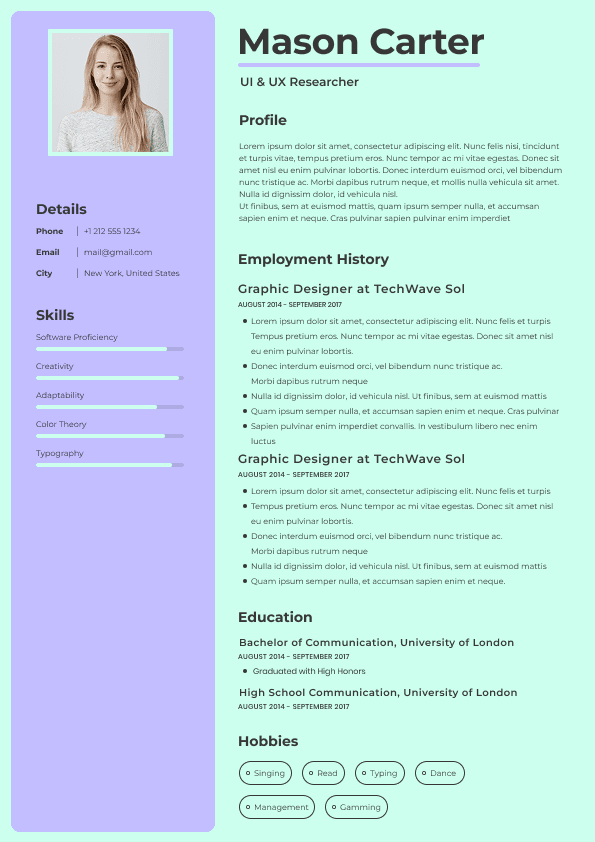
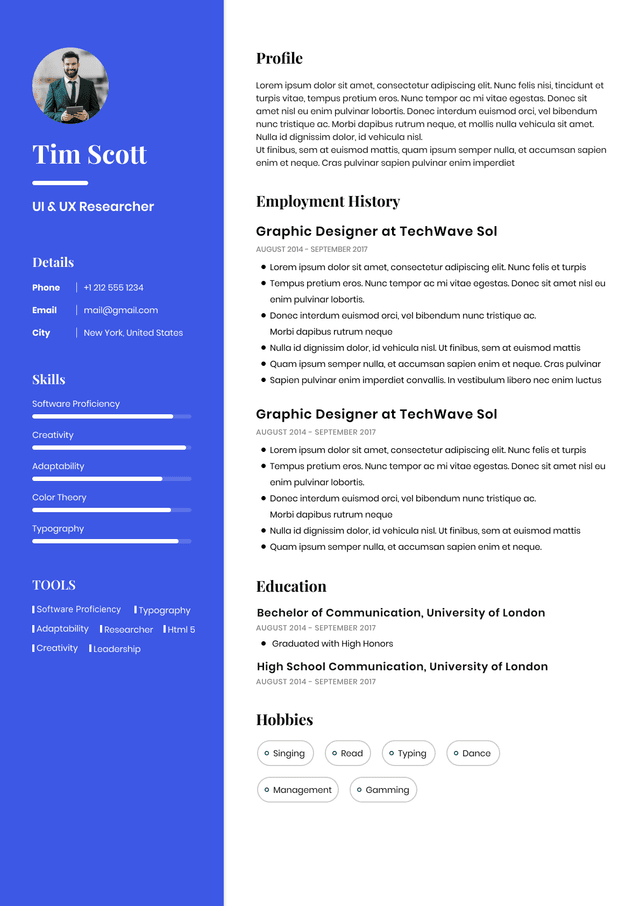

 Upload Resume
 Import from Linkedin