STILL APPLYING. STILL HEARING NOTHING?BUILD YOUR RESUME

STILL APPLYING. STILL HEARING NOTHING?BUILD YOUR RESUME
FAQ
A strong JavaScript developer resume does not just list React, Node.js, or TypeScript. It proves you can build production-grade applications, solve business problems, improve performance, and ship reliable code in real environments. Recruiters and hiring managers look for measurable engineering impact, modern JavaScript ecosystem knowledge, and evidence that you can contribute to teams using Agile workflows, Git-based collaboration, CI/CD pipelines, APIs, cloud infrastructure, and frontend frameworks.
The biggest mistake JavaScript developers make is writing resumes that read like generic technology inventories instead of business-impact engineering documents. Hiring teams want to know what you built, how complex it was, which technologies you used, and what improved because of your work. That means showing outcomes like reduced API latency, improved Core Web Vitals, faster load times, increased conversion rates, better accessibility, lower bug rates, and scalable frontend architecture.
This guide explains exactly how to write a JavaScript developer resume that gets interviews in today’s US job market.
Most recruiters spend less than 10 seconds on the first resume scan. For JavaScript developers, the initial evaluation usually focuses on five things:
Tech stack relevance
Level of production experience
Framework depth
Business impact
Resume clarity and ATS compatibility
Hiring managers are not simply searching for “JavaScript.” They are matching candidates against real engineering needs.
For example:
A React-heavy SaaS company wants frontend architecture and state management experience
Your professional summary should position you clearly within the JavaScript ecosystem.
Do not write vague summaries like:
Weak Example
“Motivated JavaScript developer with strong coding skills seeking opportunities to grow.”
This tells recruiters nothing meaningful.
Instead, create a summary that includes:
Job title
Years of experience
Core JavaScript stack
Type of systems built
Business or technical impact
Relevant specialization
Many JavaScript resumes fail ATS screening because skills are either too vague or poorly organized.
Recruiters and applicant tracking systems both scan for recognizable ecosystem keywords.
Use categorized technical skills sections.
Languages
JavaScript
TypeScript
HTML5
CSS3
SQL
Frontend
Your work experience section determines whether you get interviews.
The biggest resume mistake developers make is describing responsibilities instead of engineering outcomes.
Avoid this:
Weak Example
Responsible for frontend development using React
Worked on APIs with Node.js
Participated in Agile meetings
This sounds junior, generic, and low-impact.
Instead, combine:
Action
Technology
Scope
Hiring managers trust measurable outcomes more than self-described skill claims.
Strong KPIs separate real production developers from tutorial-level candidates.
Include metrics like:
Page load speed improvements
Core Web Vitals improvements
Bundle size reduction
Conversion rate improvements
API performance gains
Deployment frequency
Not all JavaScript developer jobs evaluate candidates the same way.
A frontend React role differs significantly from a backend Node.js role.
Tailoring matters.
Prioritize:
React
TypeScript
UI architecture
Accessibility
Responsive design
State management
Projects matter heavily for:
Entry-level developers
Bootcamp graduates
Self-taught developers
Career changers
Junior candidates
But weak project descriptions hurt credibility.
Avoid listing tutorial projects without business context.
Strong projects include:
Real-world functionality
Modern hiring workflows rely heavily on applicant tracking systems.
ATS systems scan for:
Keywords
Job title alignment
Stack relevance
Skills matching
Experience consistency
Use keywords naturally throughout your resume:
JavaScript Developer
Overdesigned resumes frequently fail ATS parsing.
Keep formatting clean and recruiter-friendly.
Use standard section headings
Keep fonts professional and readable
Use consistent spacing
Avoid graphics and icons
Submit as PDF unless otherwise requested
Keep resume length to 1–2 pages
Use bullet points for achievements
Certifications alone do not get developers hired.
But relevant certifications can strengthen credibility when paired with real project or production experience.
Meta Front-End Developer
AWS Certified Developer
Microsoft Azure Developer Associate
JavaScript Algorithms and Data Structures
React Certifications
TypeScript Training
Many technically capable developers lose interviews before speaking to recruiters because their resumes communicate weak positioning.
Bad:
React
Node.js
MongoDB
Good:
Hiring managers care more about outcomes than assigned tasks.
Tutorial clones reduce credibility.
Senior recruiters look for:
Scalability
Hiring managers usually evaluate resumes differently from recruiters.
Recruiters screen for relevance.
Hiring managers screen for engineering capability.
They want proof you worked on actual applications used by real users.
Did you build:
Internal tools?
Enterprise systems?
Customer-facing SaaS products?
E-commerce platforms?
Fintech applications?
Complexity matters.
They assess:
Junior developers often undersell themselves.
You do not need FAANG experience to write a strong JavaScript resume.
You need proof of practical capability.
Focus on:
Strong projects
Modern stack relevance
GitHub quality
Technical depth
Deployment experience
Problem-solving examples
Senior candidates need more than technical skills.
At senior levels, hiring managers evaluate:
Architecture leadership
Mentorship
Cross-team collaboration
System scalability
Engineering process improvement
Product impact
Led frontend modernization initiatives
Before applying, verify that your resume:
Clearly identifies your JavaScript specialization
Matches the target role’s tech stack
Includes measurable technical outcomes
Demonstrates production-level development experience
Shows framework and architecture depth
Uses ATS-friendly formatting
Includes relevant modern keywords naturally
Highlights business impact alongside coding work
Most recruiters spend less than 10 seconds on the first resume scan. For JavaScript developers, the initial evaluation usually focuses on five things:
Tech stack relevance
Level of production experience
Framework depth
Business impact
Resume clarity and ATS compatibility
Hiring managers are not simply searching for “JavaScript.” They are matching candidates against real engineering needs.
For example:
A React-heavy SaaS company wants frontend architecture and state management experience
Your professional summary should position you clearly within the JavaScript ecosystem.
Do not write vague summaries like:
Weak Example
“Motivated JavaScript developer with strong coding skills seeking opportunities to grow.”
This tells recruiters nothing meaningful.
Instead, create a summary that includes:
Job title
Years of experience
Core JavaScript stack
Type of systems built
Business or technical impact
Relevant specialization
Many JavaScript resumes fail ATS screening because skills are either too vague or poorly organized.
Recruiters and applicant tracking systems both scan for recognizable ecosystem keywords.
Use categorized technical skills sections.
Languages
JavaScript
TypeScript
HTML5
CSS3
SQL
Frontend
Your work experience section determines whether you get interviews.
The biggest resume mistake developers make is describing responsibilities instead of engineering outcomes.
Avoid this:
Weak Example
Responsible for frontend development using React
Worked on APIs with Node.js
Participated in Agile meetings
This sounds junior, generic, and low-impact.
Instead, combine:
Action
Technology
Scope
Hiring managers trust measurable outcomes more than self-described skill claims.
Strong KPIs separate real production developers from tutorial-level candidates.
Include metrics like:
Page load speed improvements
Core Web Vitals improvements
Bundle size reduction
Conversion rate improvements
API performance gains
Deployment frequency
Not all JavaScript developer jobs evaluate candidates the same way.
A frontend React role differs significantly from a backend Node.js role.
Tailoring matters.
Prioritize:
React
TypeScript
UI architecture
Accessibility
Responsive design
State management
Projects matter heavily for:
Entry-level developers
Bootcamp graduates
Self-taught developers
Career changers
Junior candidates
But weak project descriptions hurt credibility.
Avoid listing tutorial projects without business context.
Strong projects include:
Real-world functionality
Modern hiring workflows rely heavily on applicant tracking systems.
ATS systems scan for:
Keywords
Job title alignment
Stack relevance
Skills matching
Experience consistency
Use keywords naturally throughout your resume:
JavaScript Developer
Overdesigned resumes frequently fail ATS parsing.
Keep formatting clean and recruiter-friendly.
Use standard section headings
Keep fonts professional and readable
Use consistent spacing
Avoid graphics and icons
Submit as PDF unless otherwise requested
Keep resume length to 1–2 pages
Use bullet points for achievements
Certifications alone do not get developers hired.
But relevant certifications can strengthen credibility when paired with real project or production experience.
Meta Front-End Developer
AWS Certified Developer
Microsoft Azure Developer Associate
JavaScript Algorithms and Data Structures
React Certifications
TypeScript Training
Many technically capable developers lose interviews before speaking to recruiters because their resumes communicate weak positioning.
Bad:
React
Node.js
MongoDB
Good:
Hiring managers care more about outcomes than assigned tasks.
Tutorial clones reduce credibility.
Senior recruiters look for:
Scalability
Hiring managers usually evaluate resumes differently from recruiters.
Recruiters screen for relevance.
Hiring managers screen for engineering capability.
They want proof you worked on actual applications used by real users.
Did you build:
Internal tools?
Enterprise systems?
Customer-facing SaaS products?
E-commerce platforms?
Fintech applications?
Complexity matters.
They assess:
Junior developers often undersell themselves.
You do not need FAANG experience to write a strong JavaScript resume.
You need proof of practical capability.
Focus on:
Strong projects
Modern stack relevance
GitHub quality
Technical depth
Deployment experience
Problem-solving examples
Senior candidates need more than technical skills.
At senior levels, hiring managers evaluate:
Architecture leadership
Mentorship
Cross-team collaboration
System scalability
Engineering process improvement
Product impact
Led frontend modernization initiatives
Before applying, verify that your resume:
Clearly identifies your JavaScript specialization
Matches the target role’s tech stack
Includes measurable technical outcomes
Demonstrates production-level development experience
Shows framework and architecture depth
Uses ATS-friendly formatting
Includes relevant modern keywords naturally
Highlights business impact alongside coding work
Most JavaScript developer resumes should stay between one and two pages. Junior developers usually fit comfortably on one page. Mid-level and senior developers with significant project history often need two pages to properly demonstrate technical depth and measurable impact.
Yes, especially if you are entry-level, self-taught, or transitioning careers. But only include projects that demonstrate real engineering capability, such as API integration, authentication, deployment, testing, performance optimization, or scalable architecture. Avoid tutorial clones without customization.
Important keywords often include JavaScript, TypeScript, React, Node.js, frontend developer, full stack JavaScript, REST API, CI/CD, AWS, Agile, Git, responsive design, testing, and performance optimization. Use them naturally within your experience and project descriptions instead of keyword stuffing.
Use standard section headings, simple formatting, readable fonts, and text-based layouts. Avoid graphics, tables, icons, or unusual design elements that may break ATS parsing. Match relevant keywords from the job description throughout your resume.
Recruiters prioritize stack relevance, measurable results, production experience, and alignment with the job posting. They want clear evidence that you can build and maintain real applications using the technologies required for the role.
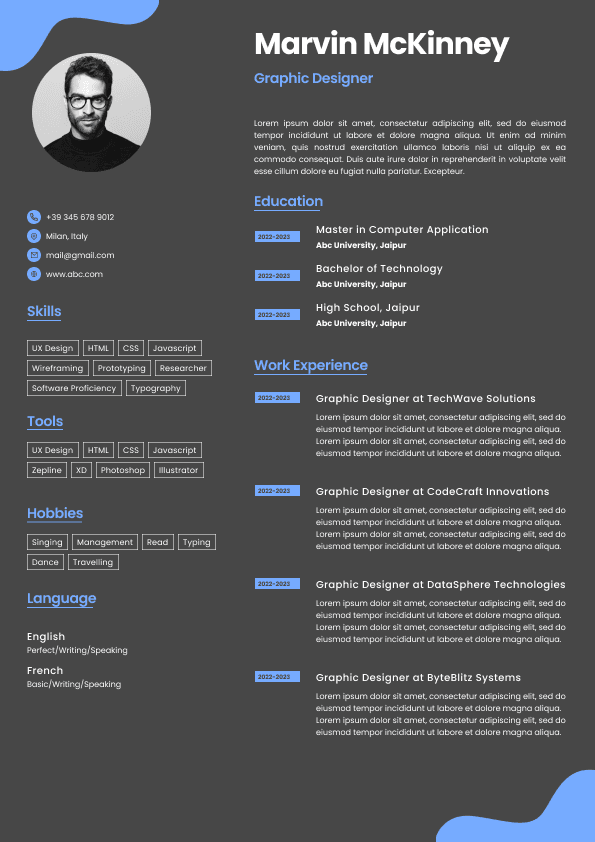
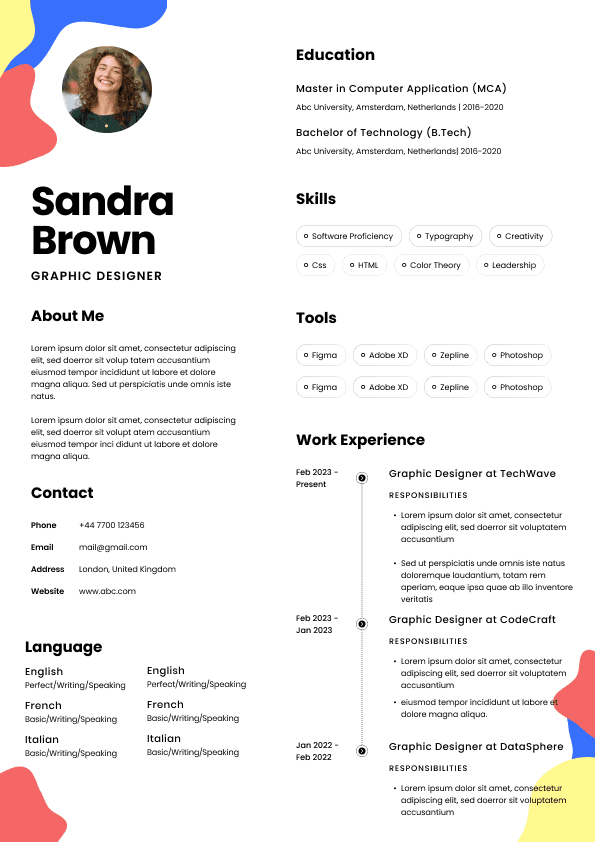
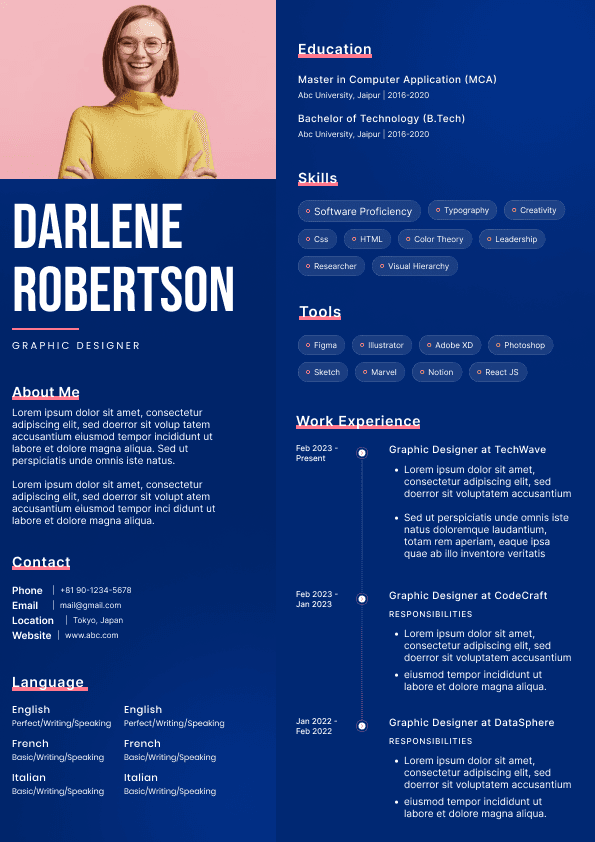
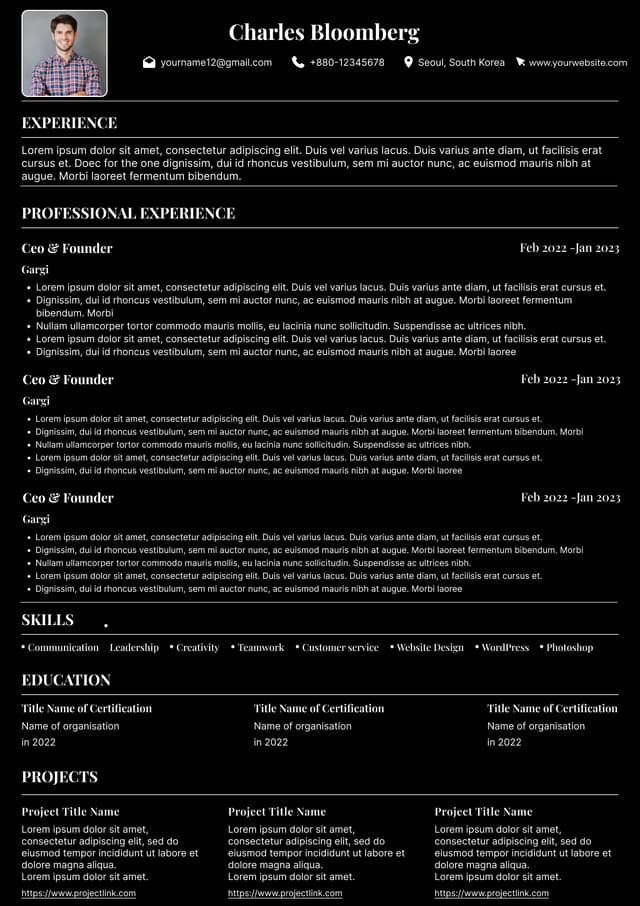
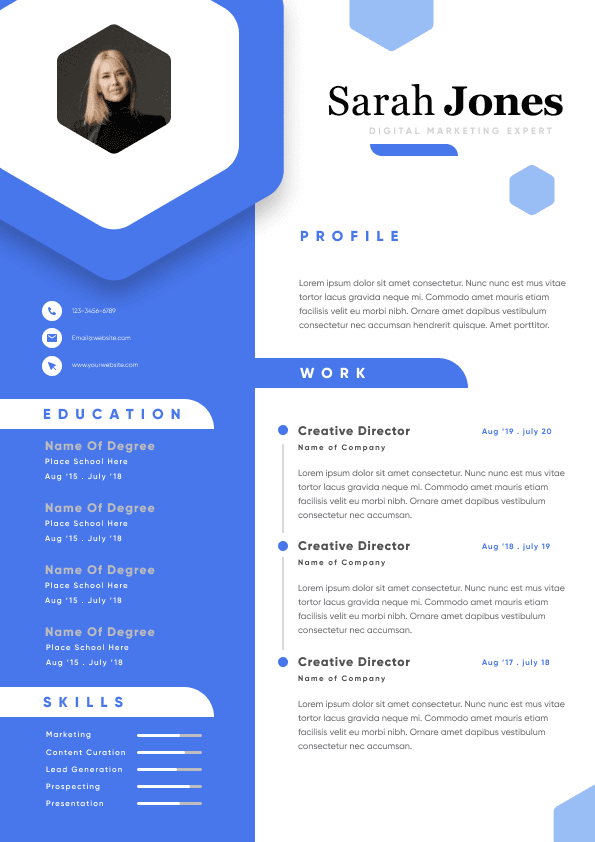
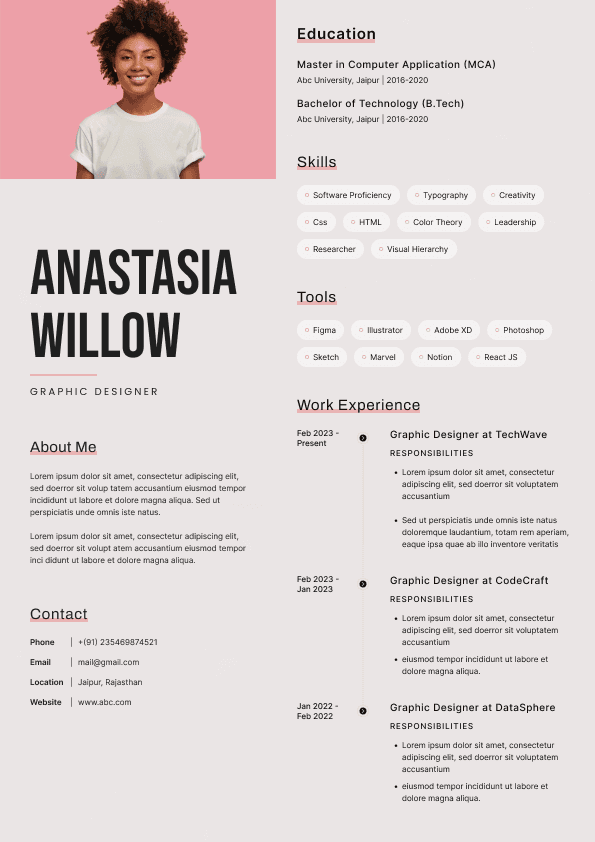
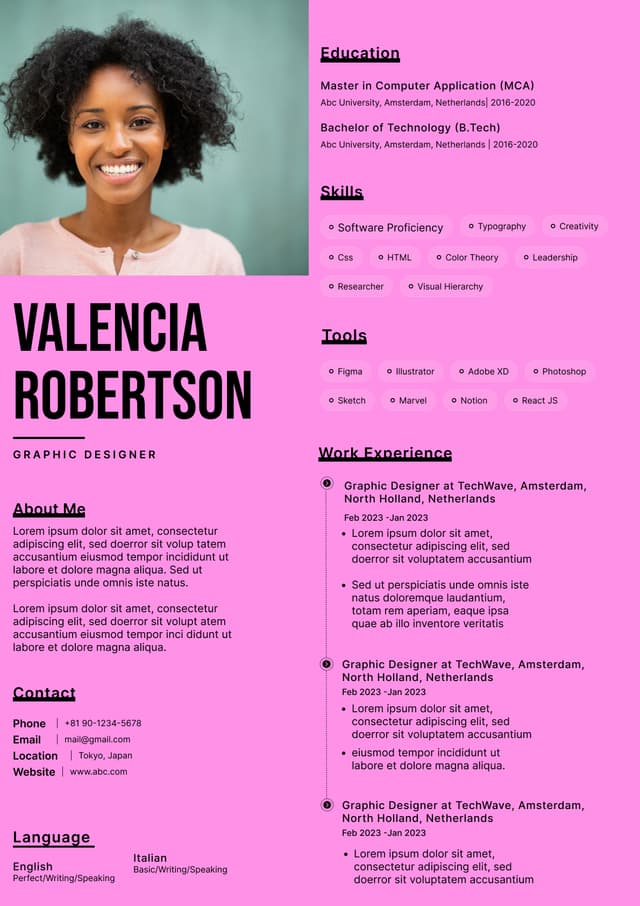
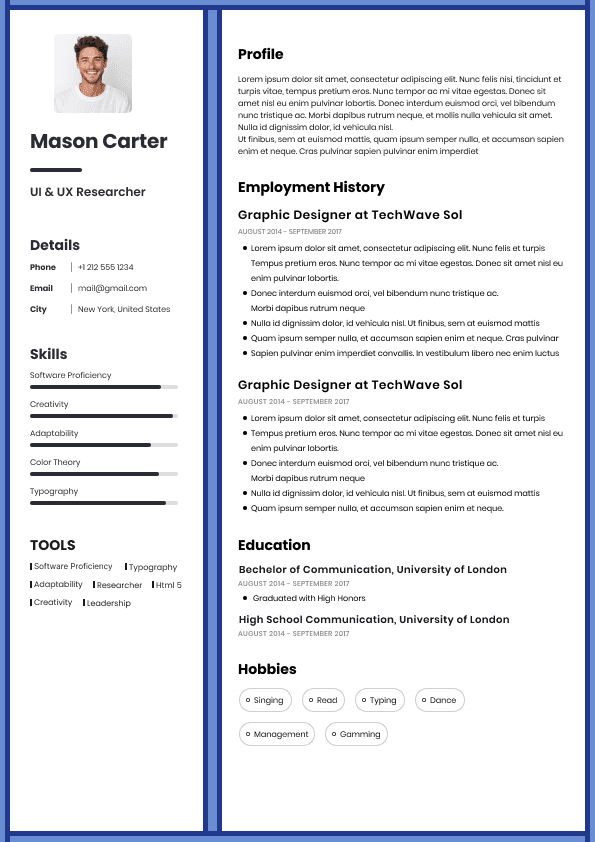
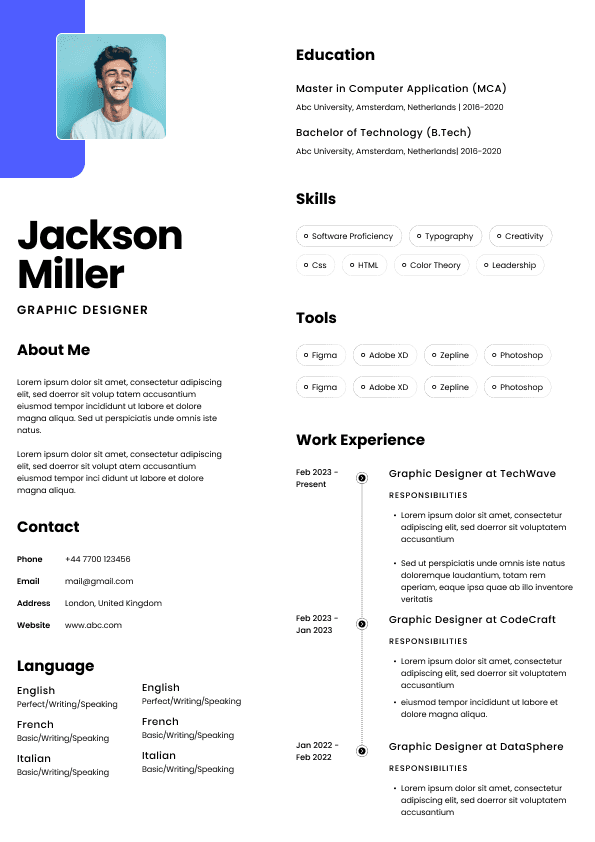
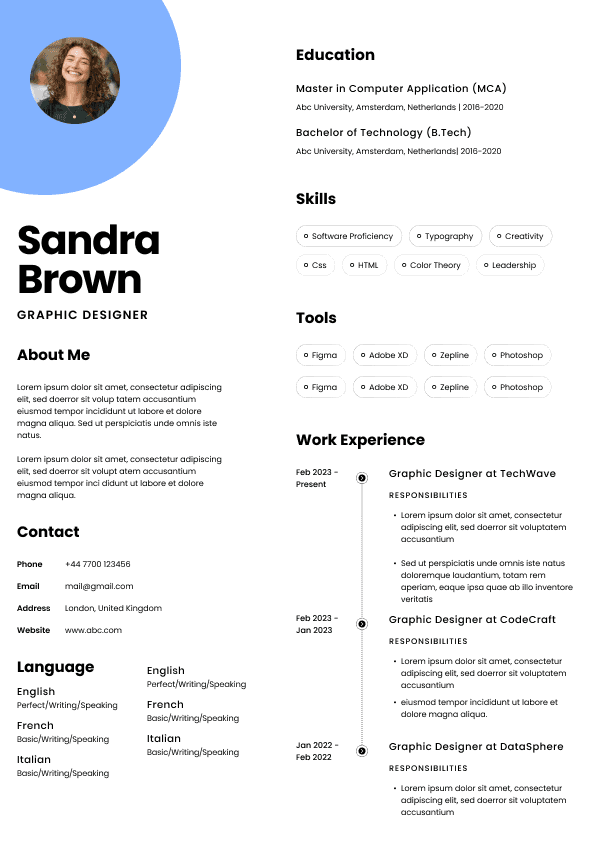
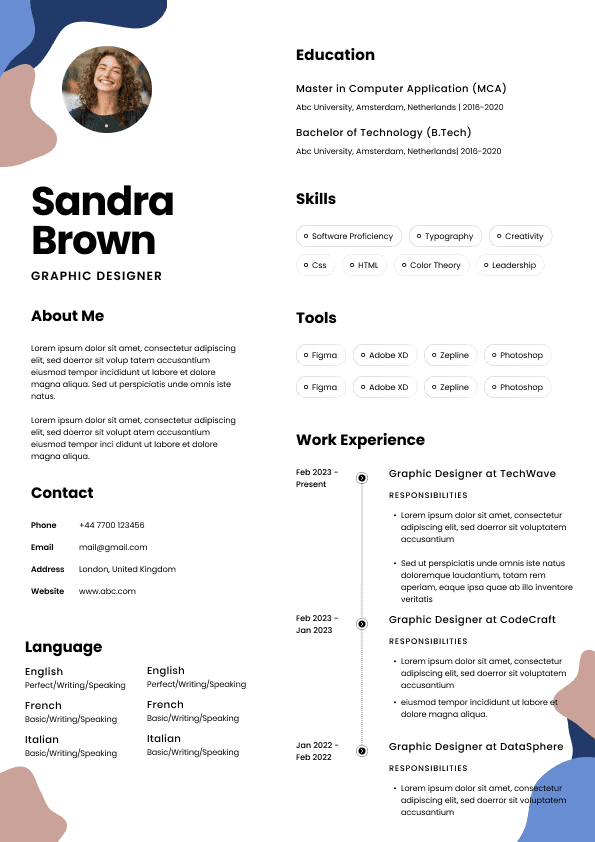
Choose from a wide range of NEWCV resume templates and customize your NEWCV design with a single click.


Use ATS-optimised Resume and resume templates that pass applicant tracking systems. Our Resume builder helps recruiters read, scan, and shortlist your Resume faster.


Use professional field-tested resume templates that follow the exact Resume rules employers look for.
Create Resume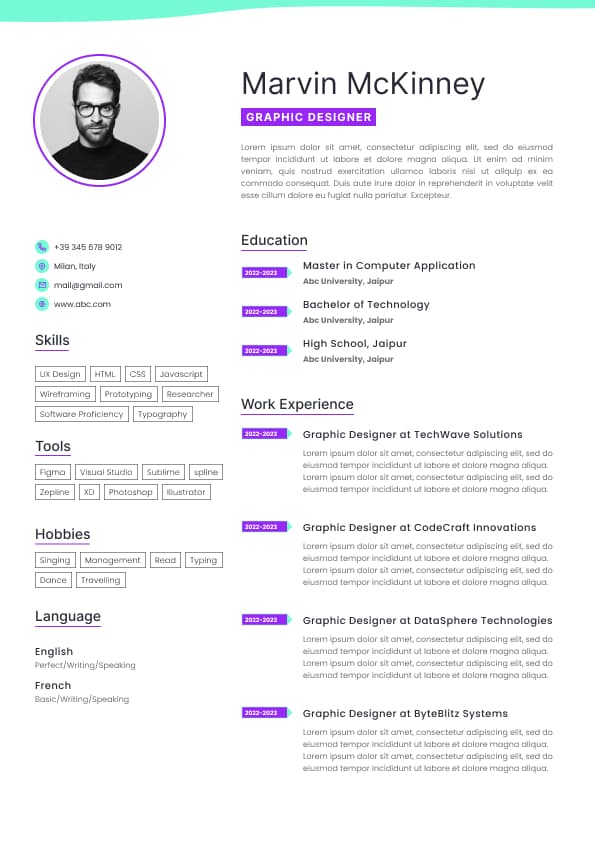
Use professional field-tested resume templates that follow the exact Resume rules employers look for.
Create ResumeA Node.js backend team wants API performance and scalability experience
A startup may prioritize full stack JavaScript versatility
An enterprise company may prioritize testing, CI/CD, security, and Agile delivery
This is why generic resumes fail.
A strong JavaScript developer resume immediately answers these questions:
What kind of developer are you?
Which JavaScript ecosystem technologies do you specialize in?
What systems have you built?
What scale did you support?
What measurable improvements did you deliver?
Can you work in modern engineering teams?
Good Example
“Full Stack JavaScript Developer with 6+ years of experience building scalable SaaS applications using React, Node.js, TypeScript, and AWS. Improved frontend performance by 42%, reduced API response times by 35%, and delivered enterprise-grade features supporting more than 500K monthly users in Agile development environments.”
This works because it immediately establishes:
Seniority
Technical specialization
Business impact
Production-level experience
React
Next.js
Redux
Vue.js
Tailwind CSS
Material UI
Responsive Design
Backend
Node.js
Express.js
REST APIs
GraphQL
Authentication
WebSockets
Databases
MongoDB
PostgreSQL
MySQL
Redis
Testing
Jest
Cypress
React Testing Library
Playwright
DevOps & Cloud
AWS
Docker
Kubernetes
GitHub Actions
CI/CD
Tools
Git
Jira
Figma
Postman
Agile/Scrum
This structure helps recruiters quickly identify stack alignment.
It also improves ATS keyword parsing significantly.
Business outcome
Metrics
Use this framework:
Action Verb + Technology + System/Feature + Measurable Result
Built reusable React and TypeScript component architecture that reduced frontend development time by 30% across multiple SaaS products
Optimized Core Web Vitals using lazy loading, code splitting, and bundle optimization, improving Lighthouse performance scores from 61 to 92
Developed scalable Node.js and Express APIs handling more than 2 million monthly requests with 99.98% uptime
Reduced API response latency by 38% through database query optimization and Redis caching implementation
Implemented automated CI/CD pipelines using GitHub Actions and Docker, decreasing deployment failures by 45%
Improved accessibility compliance to WCAG 2.1 AA standards across customer-facing applications, reducing usability complaints by 60%
Migrated legacy JavaScript codebase to TypeScript, decreasing production bugs by 28%
These bullets communicate engineering maturity and business value simultaneously.
Bug reduction
Accessibility improvements
User growth supported
Test coverage increases
Infrastructure scaling
Revenue impact
Time savings
System uptime
Reduced bundle size by 41% using dynamic imports and tree shaking
Increased frontend test coverage from 42% to 88% using Jest and React Testing Library
Improved checkout conversion rate by 18% through React UI optimization and performance tuning
Supported migration from monolithic architecture to microservices using Node.js APIs and Docker containers
Metrics transform resumes from task lists into business-impact documents.
Performance optimization
Core Web Vitals
Design system work
Prioritize:
API development
Authentication
Scalability
Databases
Microservices
Cloud infrastructure
Performance optimization
Security
Logging and monitoring
Demonstrate:
End-to-end ownership
Frontend + backend delivery
System integration
Deployment workflows
Cross-functional collaboration
Product thinking
Recruiters reject many resumes because candidates present themselves too broadly without matching the actual role.
Production-like architecture
Authentication
APIs
Deployment
Testing
Performance optimization
State management
Database integration
Built full stack e-commerce application using React, Node.js, Express, MongoDB, and Stripe API with JWT authentication, admin dashboard functionality, and responsive mobile-first UI
Implemented server-side rendering using Next.js, improving SEO visibility and reducing initial page load time by 47%
Deployed cloud-hosted application using AWS and Docker with automated CI/CD workflows through GitHub Actions
This sounds substantially stronger than:
“Created React shopping app.”
React Developer
Frontend Developer
Full Stack JavaScript
TypeScript
Node.js
REST API
Responsive Design
CI/CD
Agile
Git
AWS
Testing
Performance Optimization
Accessibility
Do not keyword stuff.
Instead, integrate terms naturally into:
Summary
Skills section
Work experience
Projects
Maintain clear hierarchy
Order matters.
Recommended structure:
Professional Summary
Technical Skills
Work Experience
Projects
Education
Certifications
Recruiters usually prioritize experience and skills before education.
GitHub Actions Training
Scrum Certifications
Security Certifications
Certifications help most when:
You are transitioning careers
You lack formal CS education
You are early-career
You are moving into cloud or DevOps-heavy roles
Maintainability
Testing
Performance
Deployment
Collaboration
Technical work should connect to:
Revenue
User experience
Performance
Efficiency
Reliability
Tailoring matters more in software engineering than many candidates realize.
Architecture exposure
Framework mastery
Performance understanding
API design
Testing maturity
Scalability awareness
Strong resumes show ownership language like:
Led
Architected
Implemented
Optimized
Migrated
Scaled
Weak resumes use passive wording.
Compensate with:
Portfolio quality
Real-world projects
Open-source contributions
Technical documentation
Measurable project outcomes
Position transferable strengths:
Business understanding
Stakeholder communication
Product collaboration
Domain expertise
Project ownership
Technical capability plus business maturity is highly valuable.
Designed microfrontend architecture supporting multiple product teams
Reduced deployment cycles through CI/CD automation
Mentored junior developers and established engineering best practices
Collaborated with product, UX, and DevOps teams to improve release velocity
Senior resumes should sound like engineering leadership, not individual task execution.
Demonstrates collaboration and Agile workflow experience
Avoids generic responsibility-based bullet points
The strongest JavaScript developer resumes communicate one thing clearly:
You build reliable, scalable software that creates measurable value.
A Node.js backend team wants API performance and scalability experience
A startup may prioritize full stack JavaScript versatility
An enterprise company may prioritize testing, CI/CD, security, and Agile delivery
This is why generic resumes fail.
A strong JavaScript developer resume immediately answers these questions:
What kind of developer are you?
Which JavaScript ecosystem technologies do you specialize in?
What systems have you built?
What scale did you support?
What measurable improvements did you deliver?
Can you work in modern engineering teams?
Good Example
“Full Stack JavaScript Developer with 6+ years of experience building scalable SaaS applications using React, Node.js, TypeScript, and AWS. Improved frontend performance by 42%, reduced API response times by 35%, and delivered enterprise-grade features supporting more than 500K monthly users in Agile development environments.”
This works because it immediately establishes:
Seniority
Technical specialization
Business impact
Production-level experience
React
Next.js
Redux
Vue.js
Tailwind CSS
Material UI
Responsive Design
Backend
Node.js
Express.js
REST APIs
GraphQL
Authentication
WebSockets
Databases
MongoDB
PostgreSQL
MySQL
Redis
Testing
Jest
Cypress
React Testing Library
Playwright
DevOps & Cloud
AWS
Docker
Kubernetes
GitHub Actions
CI/CD
Tools
Git
Jira
Figma
Postman
Agile/Scrum
This structure helps recruiters quickly identify stack alignment.
It also improves ATS keyword parsing significantly.
Business outcome
Metrics
Use this framework:
Action Verb + Technology + System/Feature + Measurable Result
Built reusable React and TypeScript component architecture that reduced frontend development time by 30% across multiple SaaS products
Optimized Core Web Vitals using lazy loading, code splitting, and bundle optimization, improving Lighthouse performance scores from 61 to 92
Developed scalable Node.js and Express APIs handling more than 2 million monthly requests with 99.98% uptime
Reduced API response latency by 38% through database query optimization and Redis caching implementation
Implemented automated CI/CD pipelines using GitHub Actions and Docker, decreasing deployment failures by 45%
Improved accessibility compliance to WCAG 2.1 AA standards across customer-facing applications, reducing usability complaints by 60%
Migrated legacy JavaScript codebase to TypeScript, decreasing production bugs by 28%
These bullets communicate engineering maturity and business value simultaneously.
Bug reduction
Accessibility improvements
User growth supported
Test coverage increases
Infrastructure scaling
Revenue impact
Time savings
System uptime
Reduced bundle size by 41% using dynamic imports and tree shaking
Increased frontend test coverage from 42% to 88% using Jest and React Testing Library
Improved checkout conversion rate by 18% through React UI optimization and performance tuning
Supported migration from monolithic architecture to microservices using Node.js APIs and Docker containers
Metrics transform resumes from task lists into business-impact documents.
Performance optimization
Core Web Vitals
Design system work
Prioritize:
API development
Authentication
Scalability
Databases
Microservices
Cloud infrastructure
Performance optimization
Security
Logging and monitoring
Demonstrate:
End-to-end ownership
Frontend + backend delivery
System integration
Deployment workflows
Cross-functional collaboration
Product thinking
Recruiters reject many resumes because candidates present themselves too broadly without matching the actual role.
Production-like architecture
Authentication
APIs
Deployment
Testing
Performance optimization
State management
Database integration
Built full stack e-commerce application using React, Node.js, Express, MongoDB, and Stripe API with JWT authentication, admin dashboard functionality, and responsive mobile-first UI
Implemented server-side rendering using Next.js, improving SEO visibility and reducing initial page load time by 47%
Deployed cloud-hosted application using AWS and Docker with automated CI/CD workflows through GitHub Actions
This sounds substantially stronger than:
“Created React shopping app.”
React Developer
Frontend Developer
Full Stack JavaScript
TypeScript
Node.js
REST API
Responsive Design
CI/CD
Agile
Git
AWS
Testing
Performance Optimization
Accessibility
Do not keyword stuff.
Instead, integrate terms naturally into:
Summary
Skills section
Work experience
Projects
Maintain clear hierarchy
Order matters.
Recommended structure:
Professional Summary
Technical Skills
Work Experience
Projects
Education
Certifications
Recruiters usually prioritize experience and skills before education.
GitHub Actions Training
Scrum Certifications
Security Certifications
Certifications help most when:
You are transitioning careers
You lack formal CS education
You are early-career
You are moving into cloud or DevOps-heavy roles
Maintainability
Testing
Performance
Deployment
Collaboration
Technical work should connect to:
Revenue
User experience
Performance
Efficiency
Reliability
Tailoring matters more in software engineering than many candidates realize.
Architecture exposure
Framework mastery
Performance understanding
API design
Testing maturity
Scalability awareness
Strong resumes show ownership language like:
Led
Architected
Implemented
Optimized
Migrated
Scaled
Weak resumes use passive wording.
Compensate with:
Portfolio quality
Real-world projects
Open-source contributions
Technical documentation
Measurable project outcomes
Position transferable strengths:
Business understanding
Stakeholder communication
Product collaboration
Domain expertise
Project ownership
Technical capability plus business maturity is highly valuable.
Designed microfrontend architecture supporting multiple product teams
Reduced deployment cycles through CI/CD automation
Mentored junior developers and established engineering best practices
Collaborated with product, UX, and DevOps teams to improve release velocity
Senior resumes should sound like engineering leadership, not individual task execution.
Demonstrates collaboration and Agile workflow experience
Avoids generic responsibility-based bullet points
The strongest JavaScript developer resumes communicate one thing clearly:
You build reliable, scalable software that creates measurable value.
Yes. Tailoring significantly improves interview rates. Adjust your summary, keywords, technical skills emphasis, and experience bullets to align with the company’s stack, seniority expectations, and product environment.

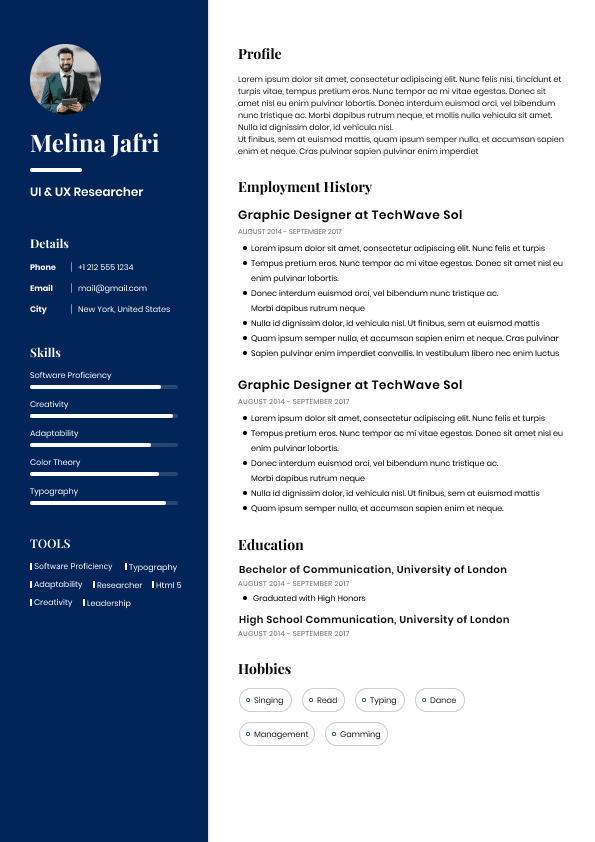
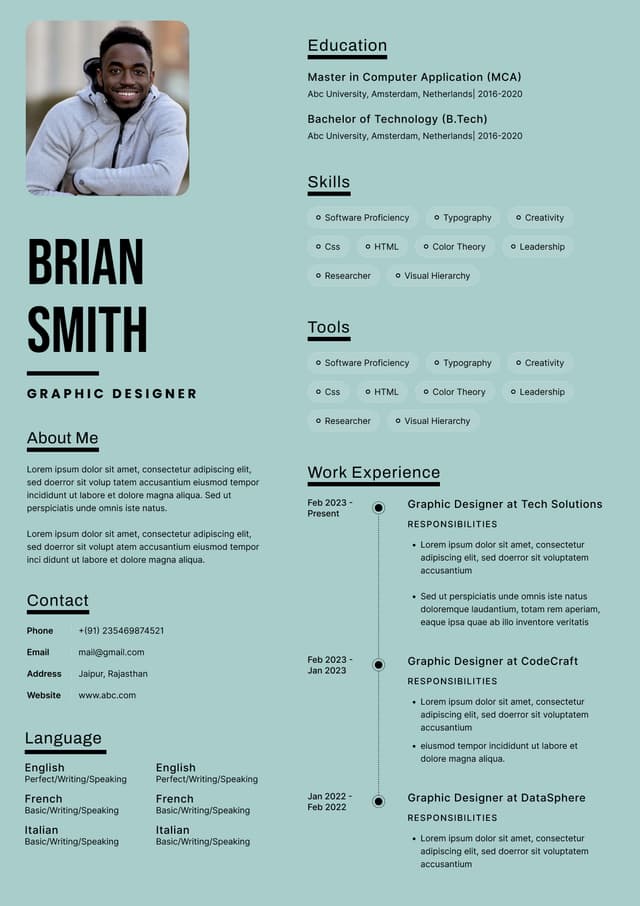
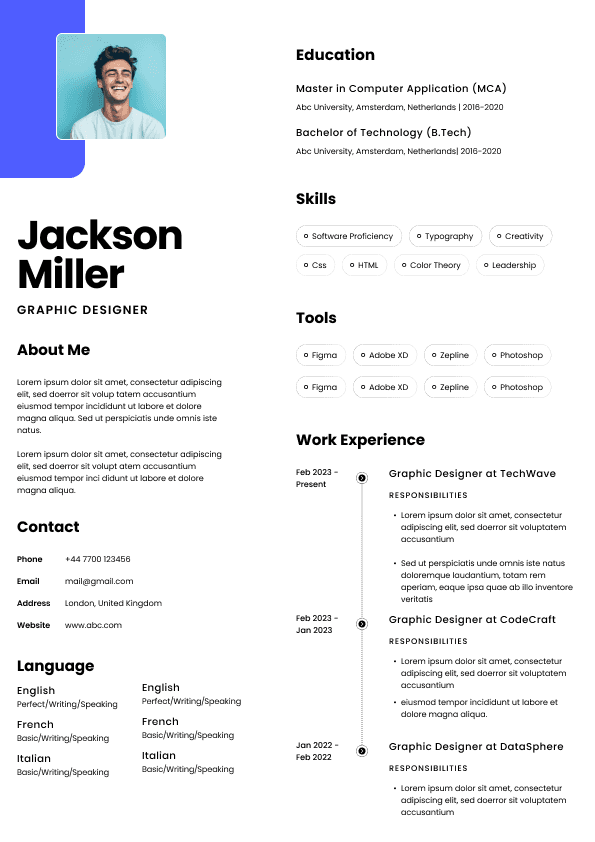
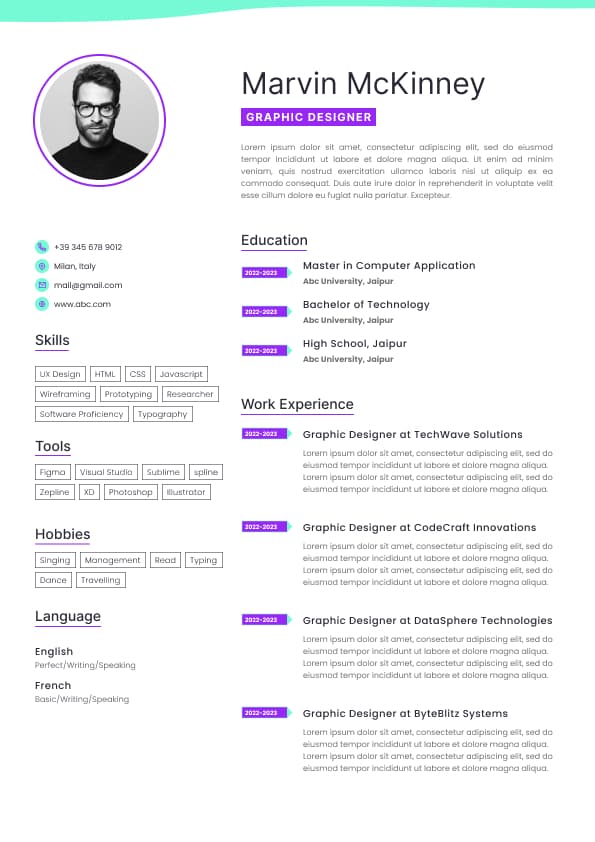

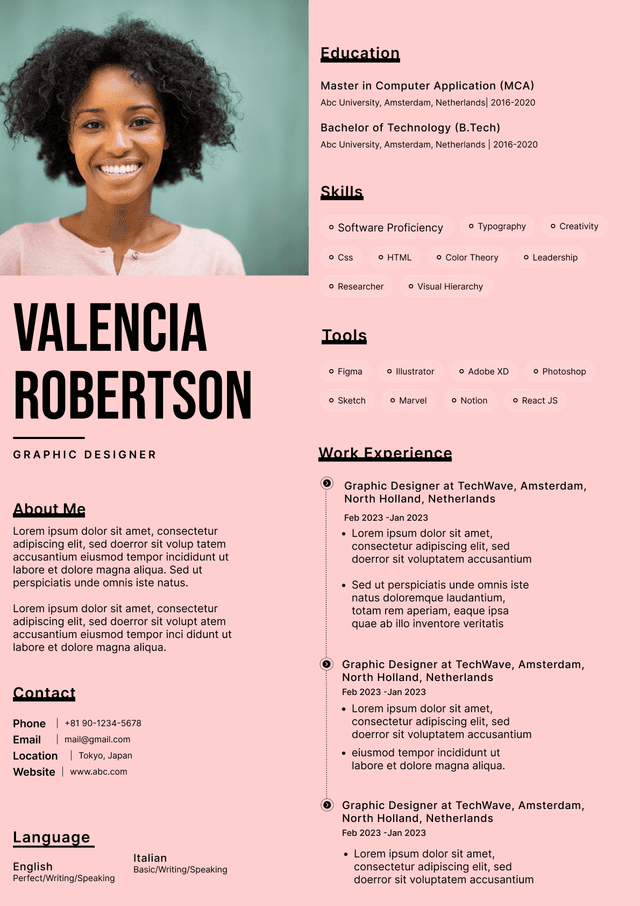
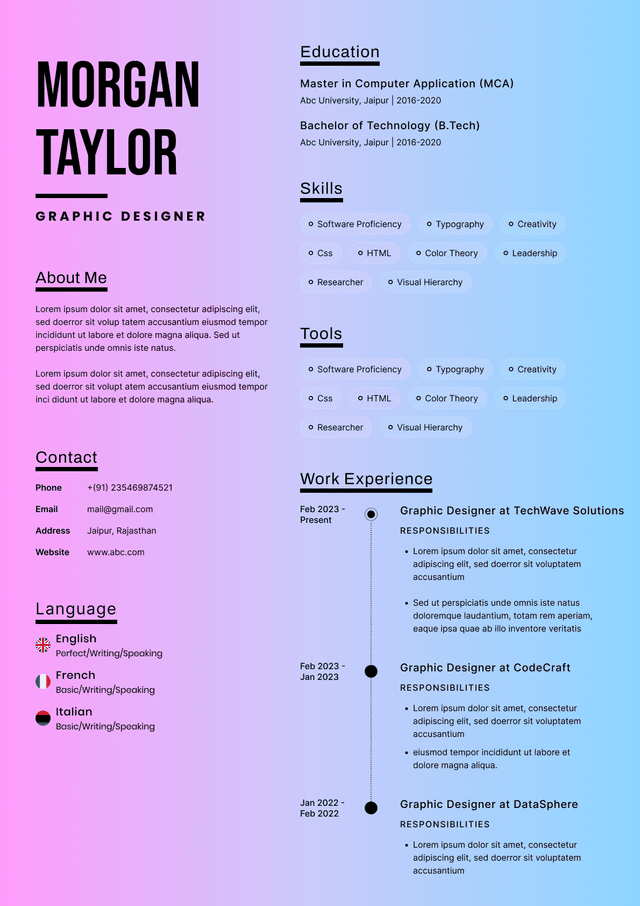
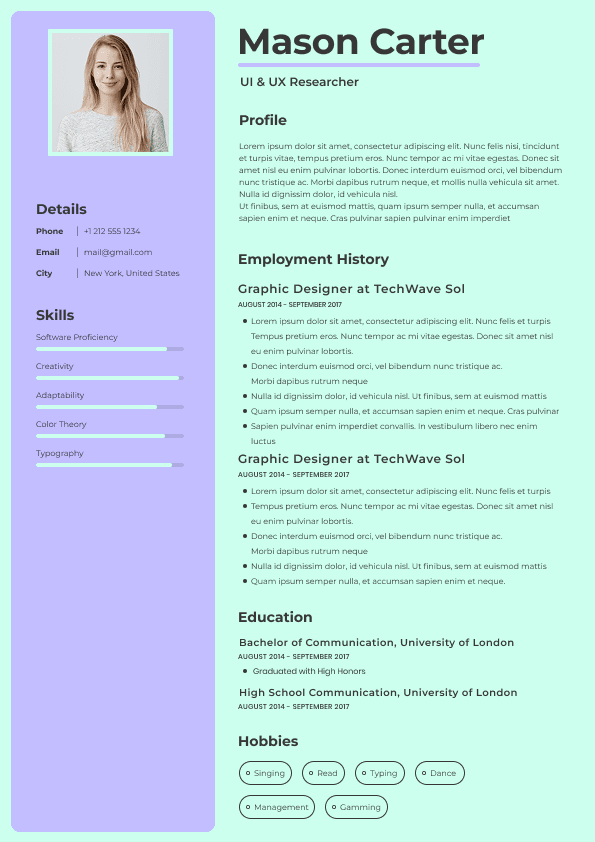
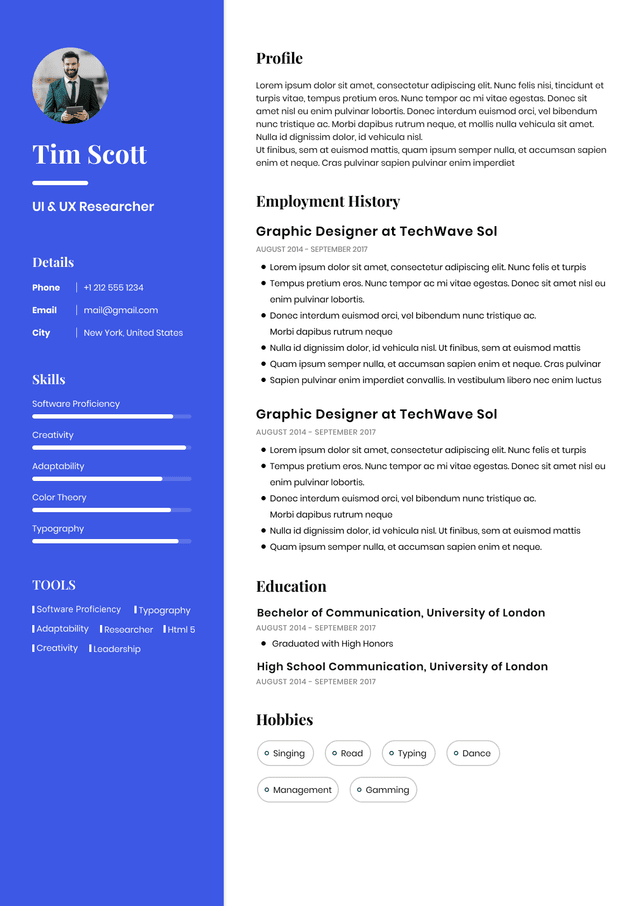
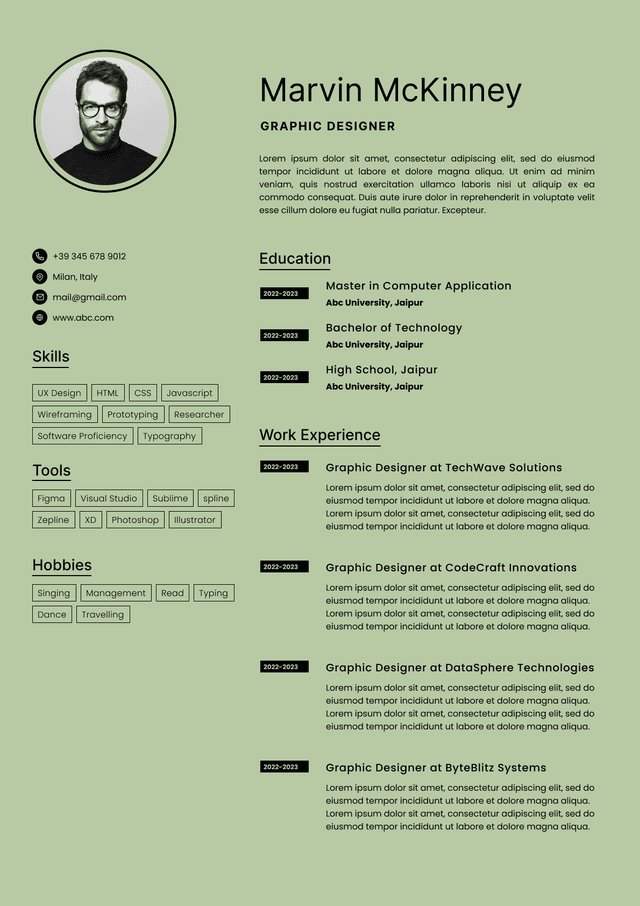
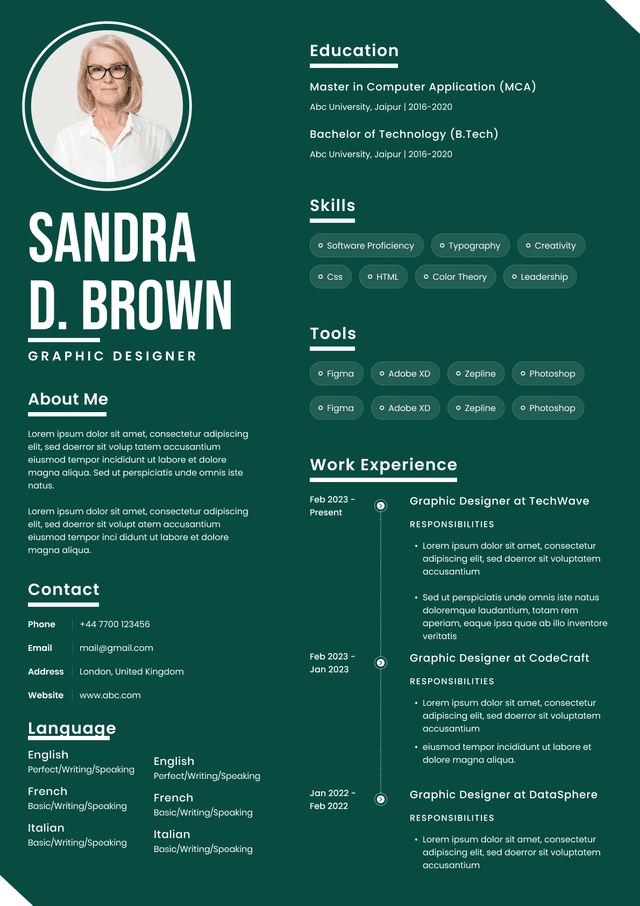
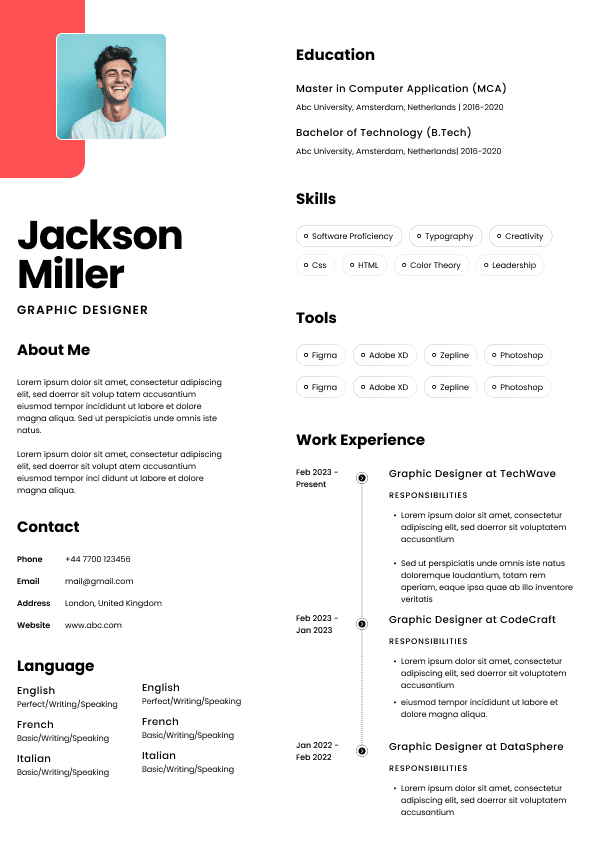
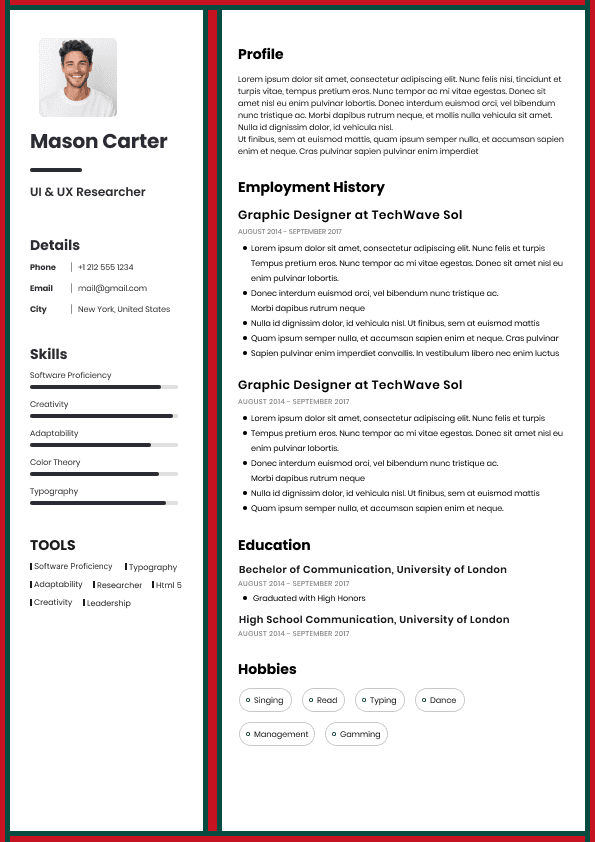


 Upload Resume
 Import from Linkedin