STILL APPLYING. STILL HEARING NOTHING?BUILD YOUR RESUME

STILL APPLYING. STILL HEARING NOTHING?BUILD YOUR RESUME
Choose from a wide range of NEWCV resume templates and customize your NEWCV design with a single click.
FAQ
A strong Python developer resume does not just list technologies. It proves business impact with measurable results. Hiring managers want evidence that you improved performance, reduced costs, scaled systems, accelerated deployments, strengthened reliability, or automated operations. Generic bullet points like “worked on APIs” or “developed backend systems” rarely survive modern recruiter screening or ATS filtering.
The highest-performing Python resumes combine technical depth with quantified outcomes. That means showing metrics tied to API performance, cloud infrastructure, scalability, CI/CD speed, uptime, security, test coverage, or operational efficiency. Whether you are a Python backend engineer, FastAPI developer, Django developer, or cloud-focused Python engineer, measurable achievements dramatically increase interview conversion rates because they help recruiters instantly assess impact, seniority, and technical ownership.
This guide breaks down the best Python developer resume metrics examples, explains why they work, and shows how recruiters actually evaluate them during resume screening.
Most Python developers underestimate how quickly resumes are evaluated.
In technical hiring, recruiters typically scan resumes in under 30 seconds before deciding whether to move a candidate forward. Engineering managers may spend slightly longer, but their evaluation framework is similar:
What systems did this person build?
How complex were the environments?
Did they improve performance, scalability, or reliability?
Can they operate at production scale?
Do they understand cloud infrastructure and backend architecture?
Did their work create measurable business or engineering impact?
The strongest Python resume achievements answer all of those questions simultaneously.
For example:
Most high-performing technical resume bullets follow a consistent structure:
Action + Technical Scope + Measurable Result + Business or Engineering Impact
A strong Python achievement usually includes:
The technology stack
The technical challenge
The optimization or implementation
The measurable outcome
The operational or business effect
This works because it combines:
Many developers struggle because they measure the wrong things.
Recruiters care most about metrics tied to engineering outcomes, scalability, reliability, and operational impact.
The strongest Python resume metrics include:
API response latency improvements
Query optimization gains
Reduced processing times
Faster deployment pipelines
Improved build speeds
Example
Backend engineering resumes should emphasize scalability, reliability, architecture, API performance, and production systems.
These are the types of achievements recruiters expect from modern Python backend engineers.
Built scalable Python microservices handling 5M+ API requests daily with 99.99% uptime
Designed multi-tenant REST APIs supporting enterprise SaaS customers across 30+ countries
Integrated 20+ third-party APIs including Stripe, Twilio, Salesforce, HubSpot, Slack, and Auth0
Reduced API error rates by 38% through centralized exception handling and automated regression testing
Improved backend throughput by 47% using asynchronous task processing with Celery and RabbitMQ
FastAPI hiring has increased significantly because companies want lightweight, high-performance Python APIs for cloud-native applications.
Recruiters screening FastAPI resumes specifically look for:
Async architecture experience
High-throughput API systems
Performance optimization
Microservices experience
Kubernetes or Docker exposure
Production scalability
Django resumes are strongest when they show large-scale application ownership, modernization work, backend optimization, and platform scalability.
Recruiters often worry Django candidates only worked on smaller CRUD applications. Strong metrics help eliminate that concern immediately.
Refactored 50,000+ lines of monolithic Django code into scalable Python microservices
Improved Django application performance by 48% through ORM optimization and Redis caching
Built enterprise Django platform supporting 250K+ monthly active users
Reduced page load times by 57% through query optimization and asynchronous background processing
Implemented RBAC authentication system improving enterprise security compliance across customer accounts
Cloud-focused Python engineers should emphasize:
AWS or GCP optimization
Kubernetes operations
Infrastructure automation
Cost reduction
Reliability engineering
Observability
Reduced AWS infrastructure costs by 31% through Kubernetes autoscaling and Docker optimization
Most Python resumes fail for predictable reasons.
Weak Example
This says nothing about effectiveness.
Good Example
Weak Example
Recruiters do not know:
What performance?
What system?
Many developers struggle because they were never given formal KPIs.
You can still build strong achievement bullets by estimating responsibly using:
Traffic volume
User scale
Deployment frequency
Team impact
Time reduction
Operational efficiency
Incident reduction
Automation scope
Modern ATS systems analyze technical relevance before recruiters even open resumes.
Strong Python achievement bullets naturally improve ATS performance because they contain:
Python
FastAPI
Django
Flask
PostgreSQL
Redis
Docker
Kubernetes
Senior Python engineers usually demonstrate:
Architecture ownership
Cross-functional leadership
Platform scalability
Reliability engineering
Cost optimization
Infrastructure modernization
Team enablement
Hiring managers interpret resume achievements differently than recruiters.
Recruiters focus on qualification matching and technical relevance.
Engineering managers focus on:
System complexity
Scalability
Production ownership
Architecture maturity
Decision-making capability
Operational awareness
For example:
The strongest placement for measurable results is usually inside professional experience sections.
However, metrics can also strengthen:
Example
Especially valuable for:
Junior developers
Career changers
Open-source contributors
Freelancers

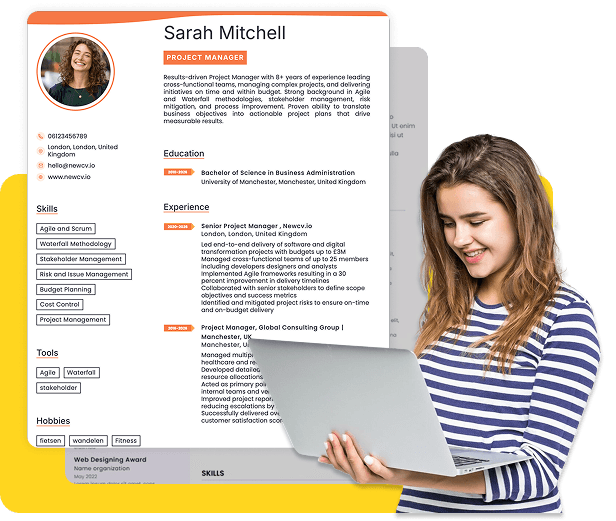
Use ATS-optimised Resume and resume templates that pass applicant tracking systems. Our Resume builder helps recruiters read, scan, and shortlist your Resume faster.

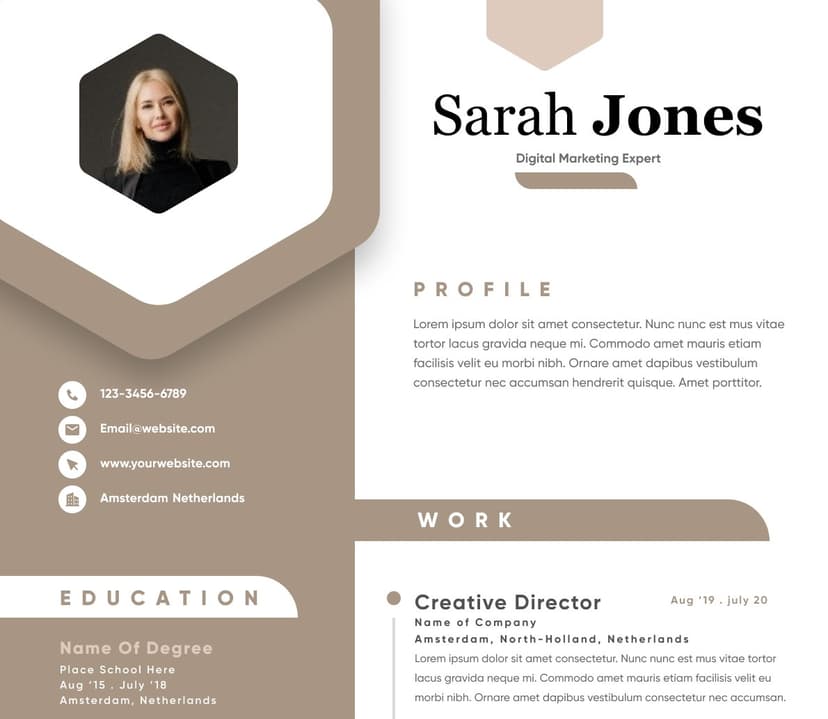
Use professional field-tested resume templates that follow the exact Resume rules employers look for.
Create Resume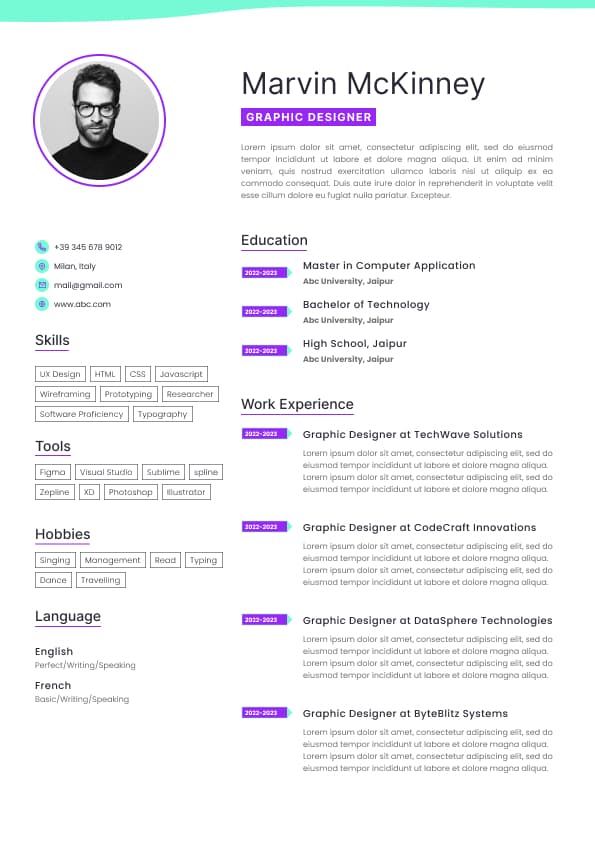
Use professional field-tested resume templates that follow the exact Resume rules employers look for.
Create ResumeWeak Example
This sounds generic because it lacks scale, impact, ownership, and measurable outcomes.
Good Example
This immediately communicates:
Scale
Production environment experience
Cloud infrastructure exposure
Reliability ownership
Backend architecture capability
Seniority level
That is how recruiters infer technical strength quickly.
Technical specificity
Ownership
Engineering depth
Quantified outcome
Real production relevance
Requests handled per day
Concurrent users supported
Distributed systems scale
Microservices migration scope
Example
Cost reduction
Resource optimization
Kubernetes efficiency
Deployment automation improvements
Example
Uptime improvements
Incident reduction
Error rate reduction
Monitoring implementation
Example
Manual workload reduction
Process acceleration
Operational efficiency gains
Example
Vulnerability reduction
Authentication improvements
Compliance enhancements
Example
Improved PostgreSQL database performance by 55% through indexing optimization and query refactoring
Reduced database query execution times from 3.8 seconds to under 900ms across high-volume transactional systems
Optimized ORM performance in Django application serving 2M+ monthly users
Migrated legacy MySQL workloads to PostgreSQL with zero production downtime
Reduced CI/CD deployment times from 45 minutes to 7 minutes using GitHub Actions and containerized pipelines
Automated backend deployment workflows across staging and production Kubernetes clusters
Improved release reliability through automated integration testing and blue-green deployment strategies
Increased backend test coverage from 58% to 96% using PyTest, mocking frameworks, and GitHub Actions
Improved FastAPI response latency by 62% using async processing, Redis caching, and optimized PostgreSQL queries
Developed FastAPI services processing over 8M API requests daily across Kubernetes infrastructure
Reduced API response times from 1.9 seconds to 450ms through asynchronous endpoint optimization
Built event-driven FastAPI architecture using Kafka and Celery for distributed background task processing
Improved API reliability to 99.99% uptime through container orchestration and automated health monitoring
Designed scalable FastAPI backend supporting multi-tenant SaaS platform with role-based access control
These bullets demonstrate:
Real production systems
Scalability
Performance engineering
Modern backend architecture
Cloud-native development
Operational ownership
Most competing resumes fail because they only mention FastAPI without proving production-level impact.
Migrated legacy Django deployment pipelines to Docker and Kubernetes infrastructure
Reduced production downtime by 43% through proactive monitoring and automated rollback deployment strategies
When recruiters see Django modernization projects, they often interpret them as signals of senior engineering capability because legacy refactoring requires:
Architecture understanding
Risk management
Cross-team coordination
Production system ownership
Scalability planning
That makes modernization achievements especially valuable on resumes.
Automated cloud provisioning using Terraform and Python scripting across multi-environment AWS deployments
Improved deployment reliability by implementing infrastructure-as-code workflows and automated rollback systems
Optimized Docker image build times by 70% across CI/CD deployment pipelines
Reduced cloud resource waste by implementing automated scaling policies and observability tooling
Improved application uptime to 99.99% using Kubernetes health checks and distributed monitoring systems
Built centralized observability platform using Datadog, Prometheus, and Grafana for Python microservices ecosystem
Infrastructure cost optimization is highly valued because it directly impacts business profitability.
Engineering leaders increasingly prioritize developers who understand both software engineering and infrastructure economics.
A Python engineer who can reduce cloud spend while improving scalability becomes far more valuable than someone who only writes application logic.
What technology?
What business impact?
Good Example
Recruiters immediately distrust resumes overloaded with vague phrases like:
Cutting-edge
Dynamic
Innovative
Synergy
Results-driven
Strong technical resumes rely on proof, not hype.
Experienced engineering managers can detect fake metrics quickly.
For example:
That damages credibility instantly.
Use believable engineering metrics grounded in real operational improvements.
Instead of:
Use:
Instead of:
Use:
Specificity often matters almost as much as raw metrics.
AWS
Celery
Kafka
RabbitMQ
CI/CD
GitHub Actions
Terraform
REST APIs
Microservices
The key is integrating these naturally into measurable accomplishments rather than keyword stuffing.
This lacks context and weakens readability.
This improves:
ATS matching
Recruiter readability
Technical credibility
Interview conversion potential
Led migration from monolithic Django architecture to scalable Python microservices reducing deployment failures by 46%
Designed event-driven backend systems using Kafka, Celery, and FastAPI supporting enterprise-scale transaction processing
Reduced cloud infrastructure spend by $420K annually through Kubernetes optimization and resource governance strategies
Implemented engineering observability standards reducing mean time to resolution by 52%
Standardized CI/CD pipelines across 14 engineering teams improving deployment consistency and release reliability
The difference between mid-level and senior resumes is usually not technology exposure. It is scope, ownership, and organizational impact.
The second bullet signals:
Distributed systems experience
Scale
Reliability ownership
Infrastructure exposure
Architecture capability
Production engineering maturity
That is why measurable achievements matter so heavily in technical hiring.
Useful for senior engineers leading architecture, DevOps, or platform modernization initiatives.


 Upload Resume
 Import from Linkedin