STILL APPLYING. STILL HEARING NOTHING?BUILD YOUR RESUME

STILL APPLYING. STILL HEARING NOTHING?BUILD YOUR RESUME
Choose from a wide range of NEWCV resume templates and customize your NEWCV design with a single click.
FAQ
Most Python developer resumes fail for one reason: they list technologies without proving engineering capability. Recruiters and hiring managers are not just scanning for “Python” or “Django.” They are evaluating whether you can build, scale, secure, test, deploy, and maintain production systems in a real engineering environment.
The strongest Python developer resumes combine four things clearly:
Core Python engineering skills
Backend architecture and API development expertise
Modern cloud and DevOps capabilities
Operational and collaboration skills that prove production readiness
A resume that only lists frameworks and tools looks junior, even if the candidate has years of experience. A resume that demonstrates system ownership, scalability, debugging ability, deployment experience, and engineering judgment immediately stands out.
This guide breaks down the exact Python developer resume skills recruiters prioritize today, how hiring managers evaluate them, and how to present them strategically on your resume.
Recruiters typically evaluate Python developer resumes in three stages:
Applicant Tracking Systems scan for:
Python
Django
Flask
FastAPI
APIs
PostgreSQL
AWS
Every serious Python developer resume should demonstrate strong foundational engineering ability.
Critical core Python skills include:
Object-oriented programming
Functional programming concepts
Exception handling
Concurrency and async programming
Multiprocessing
Memory optimization
Data structures and algorithms
Database knowledge strongly affects backend hiring decisions because backend engineers constantly work with data architecture and performance optimization.
Most valuable database skills include:
PostgreSQL
MySQL
MongoDB
Redis
Elasticsearch
Query optimization
Database indexing
Replication
Cloud experience is now expected for mid-level and senior Python roles.
The most valuable AWS-related skills include:
EC2
Lambda
ECS
EKS
S3
RDS
CloudWatch
Modern backend hiring increasingly overlaps with DevOps practices.
Most valuable DevOps resume skills include:
Docker
Kubernetes
Terraform
GitHub Actions
Jenkins
CI/CD pipelines
Infrastructure as Code
Deployment automation
Testing experience strongly influences hiring confidence.
Many resumes fail because candidates mention testing vaguely without demonstrating real engineering discipline.
Strong testing skills include:
PyTest
Unit testing
Integration testing
API testing
Mocking
Test automation
TDD
Security awareness is increasingly important for backend engineers.
High-value security skills include:
JWT authentication
OAuth2
Role-based access control
Encryption
Secure API development
OWASP principles
Input validation
Rate limiting
Senior-level Python hiring heavily emphasizes architecture and scalability.
Important system design skills include:
Scalable system architecture
Event-driven architecture
Distributed systems
Caching strategies
Load balancing
Message queues
Asynchronous processing
High-availability systems
Soft skills should never appear as generic filler.
Most resumes fail because they simply list:
Communication
Teamwork
Leadership
Without context, these terms add little value.
Strong resumes show:
Cross-functional collaboration
Mentoring junior developers
Incident response participation
Operational experience is one of the biggest hidden differentiators in backend hiring.
Many resumes focus only on coding.
But production engineering teams care heavily about:
Reliability
Deployment support
Monitoring
Incident handling
Debugging production systems
High-value operational skills include:
CI/CD maintenance
Incident response
The best Python developer resumes organize skills strategically instead of dumping large keyword lists.
A high-performing structure looks like this:
Python
SQL
Bash
Django
Flask
FastAPI
A long keyword dump often signals shallow experience.
Hiring managers prefer:
Fewer tools
Clearer expertise
Stronger project ownership
Weak terms include:
Backend development
APIs
Databases
These lack specificity.
Senior developers focus less on tools and more on:
System ownership
Scalability
Reliability
Architectural decisions
Team influence
Python
Django
Most important:
APIs
Databases
Scalability
Docker
Cloud platforms
Authentication systems
Most important:
Django REST Framework
Technical hiring decisions are rarely based on tools alone.
Hiring managers evaluate:
Complexity handled
Scale managed
Production exposure
Problem-solving ability
Engineering judgment
Two candidates may both know Django.
The stronger candidate demonstrates:
Query optimization
Scalability improvements

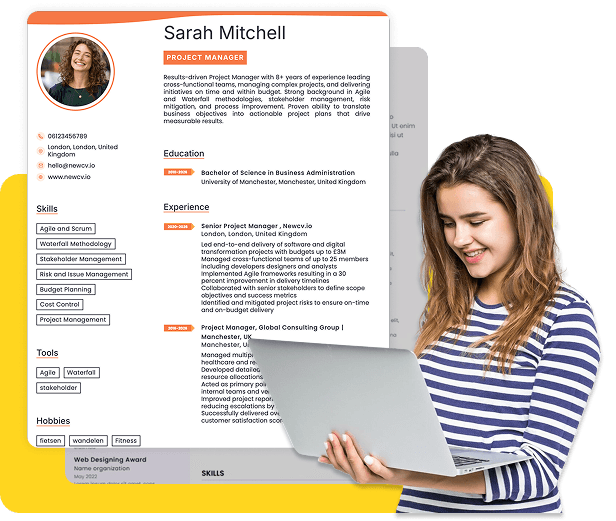
Use ATS-optimised Resume and resume templates that pass applicant tracking systems. Our Resume builder helps recruiters read, scan, and shortlist your Resume faster.

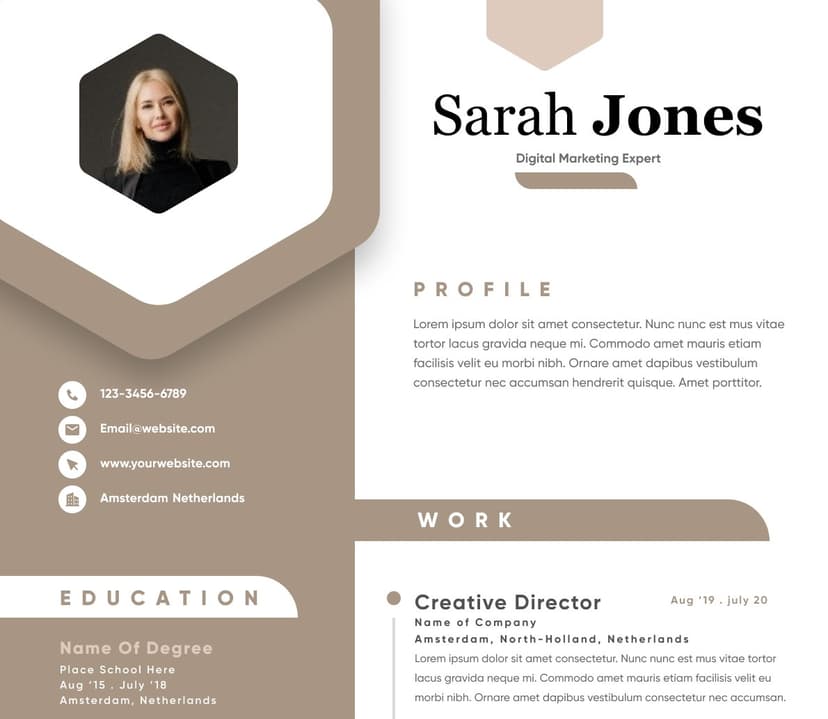
Use professional field-tested resume templates that follow the exact Resume rules employers look for.
Create Resume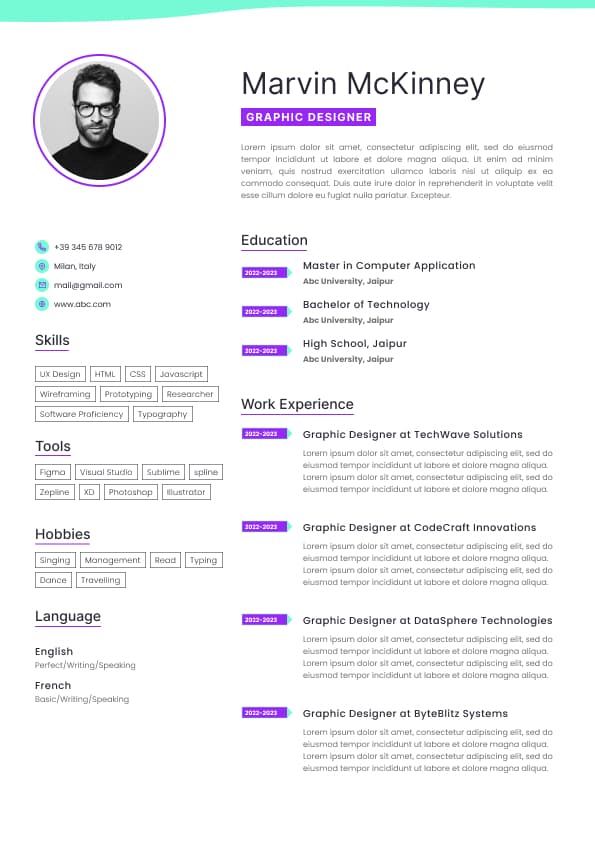
Use professional field-tested resume templates that follow the exact Resume rules employers look for.
Create ResumeDocker
Kubernetes
CI/CD
Microservices
REST APIs
PyTest
Redis
Celery
If these core terms are missing, the resume may never reach a human reviewer.
Once the resume passes ATS screening, recruiters assess:
Whether the candidate worked on real production systems
Backend complexity level
Infrastructure exposure
Engineering ownership
Team collaboration
Scalability experience
Deployment and operational involvement
This is where many resumes fail. Listing tools alone is not enough.
Engineering leaders look for:
Architectural thinking
Problem-solving ability
Production reliability mindset
Security awareness
Maintainable code practices
Communication and collaboration
Ability to work independently
Strong resumes show impact, not just participation.
Python scripting
Package management
Virtual environments
Hiring managers especially value developers who understand performance optimization and concurrency because these skills directly impact production systems.
Backend development is the core hiring focus for most Python developer roles.
Key backend skills include:
REST API development
GraphQL APIs
Authentication and authorization
Session management
Distributed systems
Microservices architecture
API versioning
Request validation
Background job processing
Message queue integration
Recruiters increasingly prioritize developers who understand service communication patterns and scalable API design.
Django remains one of the most searched and requested Python backend frameworks in hiring.
Important Django resume skills include:
Django ORM
Django REST Framework
Middleware
Authentication systems
Django signals
Query optimization
Admin customization
Celery integration
Caching strategies
Django security best practices
Hiring managers look for candidates who understand production-grade Django development, not just CRUD applications.
Modern Python backend hiring increasingly includes FastAPI because of performance and async capabilities.
Strong Flask and FastAPI skills include:
Async API development
Dependency injection
OpenAPI documentation
JWT authentication
Background tasks
Middleware implementation
Request lifecycle management
SQLAlchemy integration
Validation using Pydantic
FastAPI experience is particularly valuable in modern startup and cloud-native environments.
Transaction management
ORM optimization
Many recruiters prioritize PostgreSQL specifically because it is heavily used in scalable backend environments.
Candidates stand out when they demonstrate:
Complex query optimization
Performance tuning
Schema design
Partitioning
Connection pooling
Migration management
Backend scalability often depends on caching and state management.
Strong resumes mention:
Redis caching
Session storage
Queue systems
Rate limiting
Distributed caching
This signals production engineering maturity.
IAM
API Gateway
While AWS dominates hiring demand, Azure and GCP remain highly valuable in enterprise environments.
Useful cloud skills include:
Kubernetes deployment
Container orchestration
Managed databases
Infrastructure automation
Serverless architecture
Most companies do not expect backend developers to be full DevOps engineers.
However, they do expect:
Ability to deploy services
Understanding of cloud environments
Basic infrastructure troubleshooting
Production debugging awareness
Monitoring familiarity
Developers who understand deployment pipelines are significantly more competitive.
Linux administration
Many Python developers still list only application-layer skills.
But engineering teams increasingly want developers who can:
Containerize applications
Debug deployment issues
Work with orchestration platforms
Understand runtime environments
These skills reduce operational friction for engineering teams.
Regression testing
End-to-end testing
Developers who emphasize testing often appear:
More senior
More reliable
Easier to onboard
Less likely to introduce production bugs
Testing skills signal engineering professionalism.
Secret management
Many developers ignore security entirely on their resumes, which creates a major competitive gap.
Backend engineers who demonstrate security awareness appear more production-ready and lower-risk.
Service orchestration
Many backend systems depend on:
RabbitMQ
Kafka
Celery
AWS SQS
Candidates with real asynchronous processing experience often outperform candidates with only API experience.
Technical documentation ownership
Pull request reviews
Agile sprint collaboration
Recruiters consistently prioritize:
Problem-solving
Ownership mentality
Clear communication
Adaptability
Technical collaboration
Critical thinking
Ownership is especially important.
Engineering managers strongly prefer developers who proactively solve problems instead of waiting for direction.
Production support
Monitoring and observability
Engineering estimation
Sprint planning
Technical documentation
Backend developers increasingly participate in:
On-call rotations
Deployment management
Infrastructure debugging
Service reliability initiatives
Candidates with operational experience are often viewed as significantly more senior.
SQLAlchemy
Celery
PostgreSQL
MySQL
MongoDB
Redis
Elasticsearch
AWS
Docker
Kubernetes
Terraform
CI/CD
PyTest
Integration testing
OAuth2
JWT
OWASP
Microservices
Distributed systems
Event-driven architecture
Message queues
Scalability optimization
This structure improves:
ATS readability
Recruiter scanning speed
Technical clarity
Perceived seniority
“Worked with APIs and databases.”
“Built scalable REST APIs using FastAPI and PostgreSQL with Redis caching and JWT authentication.”
The second example demonstrates actual engineering capability.
Production systems experience is one of the strongest differentiators in backend hiring.
Strong resumes mention:
Scalability improvements
Deployment ownership
Monitoring systems
Incident response
Performance optimization
Do not waste valuable resume space listing vague personality traits.
Demonstrate soft skills through accomplishments instead.
APIs
SQL
Distributed system architecture
Event-driven services
Scalable backend platforms
Production reliability
Infrastructure automation
Engineering leadership
This difference significantly affects recruiter perception.
ORM optimization
Authentication
Celery
PostgreSQL
Caching
Most important:
Async programming
API performance
Pydantic
SQLAlchemy
JWT authentication
OpenAPI documentation
Most important:
Docker
Kubernetes
Terraform
CI/CD
Cloud infrastructure
Monitoring systems
Distributed system experience
Security awareness
Operational ownership
That is what separates interview-worthy resumes from average ones.


 Upload Resume
 Import from Linkedin