STILL APPLYING. STILL HEARING NOTHING?BUILD YOUR RESUME

STILL APPLYING. STILL HEARING NOTHING?BUILD YOUR RESUME
Choose from a wide range of NEWCV resume templates and customize your NEWCV design with a single click.
FAQ
A Python developer resume should usually be one page for junior developers, bootcamp graduates, and candidates with less than five years of experience. Senior Python engineers, backend architects, AI engineers, cloud platform developers, and infrastructure-focused candidates can extend to two pages when the additional content directly supports hiring decisions.
The biggest mistake Python developers make is treating the resume like a technical inventory instead of a hiring document. Recruiters do not hire based on the number of technologies listed. They shortlist candidates based on clarity, backend ownership, production impact, scalability experience, cloud exposure, and evidence of real engineering outcomes.
A strong Python developer resume structure makes it easy for recruiters and hiring managers to quickly evaluate:
Technical depth
Backend engineering capability
Production-level Python experience
Cloud and infrastructure exposure
Resume length depends on engineering seniority, project complexity, and production ownership.
A one-page resume is ideal for:
Junior Python developers
Entry-level backend developers
Computer science students
Bootcamp graduates
Python developers with under 5 years of experience
Candidates without extensive production ownership
Recruiters spend extremely limited time on initial screening. For junior candidates, concise resumes perform better because they force prioritization and improve readability.
A one-page resume works when:
Python developer resumes should follow a modern technical resume structure optimized for recruiter scanning and engineering evaluation.
The most effective structure is:
Your header should include:
Full name
City and state
Phone number
Professional email
LinkedIn profile
GitHub profile
Portfolio or personal website
Technical skills should be organized strategically, not dumped randomly.
Recruiters scan technical sections very quickly to determine:
Stack alignment
ATS keyword matching
Role relevance
Engineering depth
The best structure uses grouped categories.
Languages: Python, SQL, Bash, JavaScript
Frameworks: Django, Flask, FastAPI
Work experience determines whether you get interviews.
Most Python resumes fail because they describe tasks instead of engineering outcomes.
Recruiters and hiring managers evaluate:
Production-level backend ownership
API development experience
Cloud deployment exposure
Scalability work
Technical complexity
Engineering impact
Backend-focused resumes should emphasize infrastructure and production systems more heavily than frontend collaboration.
For backend Python engineers, the best layout is:
Header
Professional summary
Technical skills
Work experience
Projects
Certifications
Open-source contributions
Senior Python resumes should feel fundamentally different from junior resumes.
The evaluation criteria change significantly at senior levels.
Senior candidates are screened for:
Architecture thinking
System design capability
Production reliability ownership
Team leadership
Scalability decisions
Platform engineering
Certifications are supportive, not primary hiring drivers for Python developers.
Recruiters prioritize:
Production experience
Real engineering impact
Technical ownership
However, certifications can help in specific situations.
Strong certifications include:
AWS Certified Developer
AWS Solutions Architect
Google Cloud Professional Developer
Open-source contributions can significantly improve Python developer resumes, especially for backend and infrastructure engineers.
They demonstrate:
Real coding ability
Collaboration
Git proficiency
Code review experience
Engineering initiative
Even small contributions can help if they are:
Relevant
Active
Long technology dumps weaken credibility.
Recruiters assume:
Shallow familiarity
Resume padding
Lack of specialization
Prioritize technologies relevant to your target role.
Generic bullets destroy technical differentiation.
Avoid phrases like:
Worked on backend systems
Helped develop APIs
The strongest Python resumes consistently show three things:
Recruiters should immediately understand:
Backend engineer
Platform engineer
AI engineer
DevOps-oriented developer
Cloud-native engineer
Infrastructure-focused engineer
Unclear positioning weakens interview conversion.
Before submitting your Python resume, verify:
Resume length matches experience level
Technical skills are organized clearly
Backend and cloud technologies are visible
Work experience focuses on outcomes
GitHub and LinkedIn are included
Projects demonstrate real engineering ability
Metrics support technical claims
Resume formatting is easy to scan

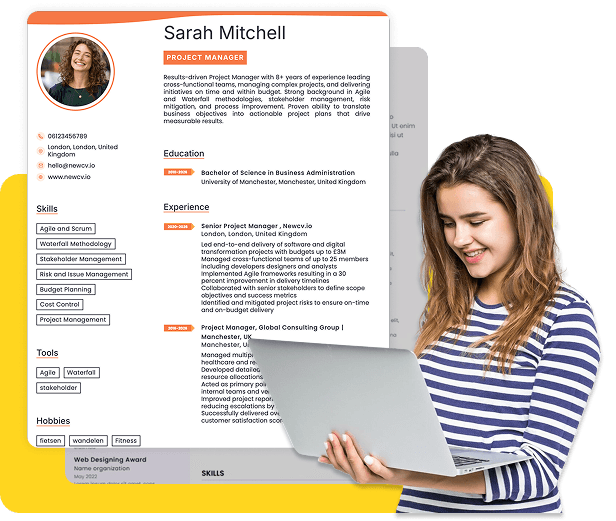
Use ATS-optimised Resume and resume templates that pass applicant tracking systems. Our Resume builder helps recruiters read, scan, and shortlist your Resume faster.

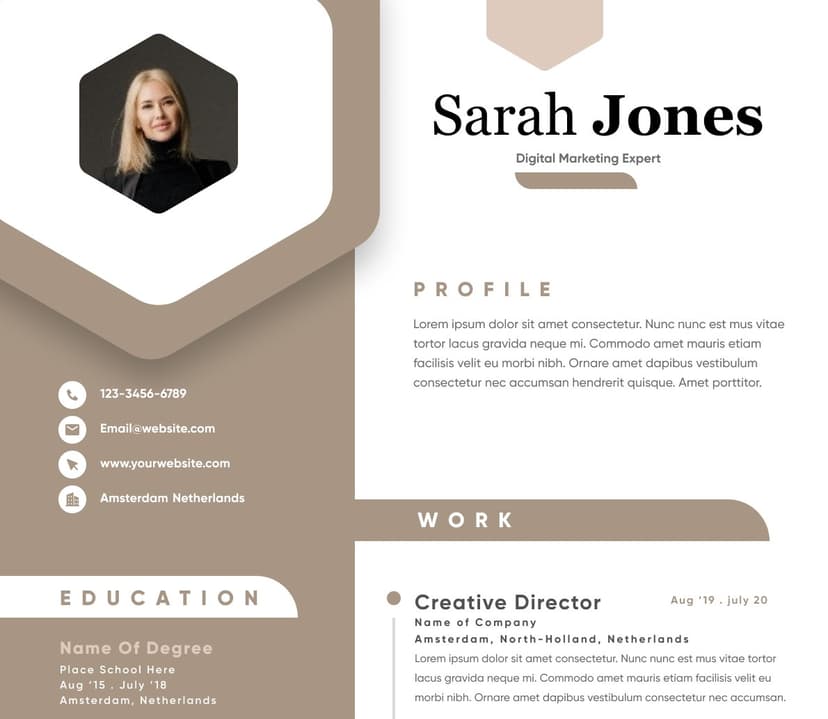
Use professional field-tested resume templates that follow the exact Resume rules employers look for.
Create Resume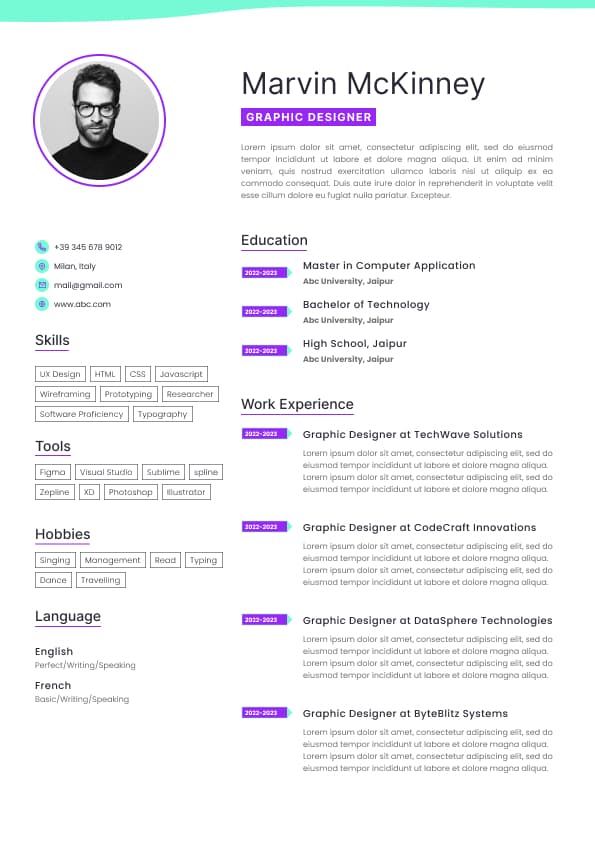
Use professional field-tested resume templates that follow the exact Resume rules employers look for.
Create ResumeAPI and system design knowledge
Project ownership
Business impact
The best Python resumes are concise, technically credible, and structured around how engineering teams actually evaluate candidates.
Experience is still growing
Projects are limited
Technical stack is focused
Responsibilities are not deeply architectural
Achievements can be summarized clearly
Junior candidates often damage their resumes by adding:
Long summaries
Irrelevant coursework
Basic Python explanations
Generic soft skills
Excessive tools lists
Outdated technologies
Hiring managers assume junior engineers are still learning. What matters more is:
Code quality exposure
Practical projects
APIs built
GitHub activity
Framework familiarity
Deployment experience
Problem-solving capability
Two pages are completely acceptable for:
Senior Python engineers
Backend platform engineers
AI and ML engineers using Python
DevOps-oriented Python developers
Cloud-native backend engineers
Infrastructure engineers
Staff-level engineers
Engineering leads
Senior resumes naturally require more space because employers evaluate:
Architecture ownership
Scalability decisions
Distributed systems experience
Infrastructure complexity
Cloud migrations
Performance optimization
Team leadership
Cross-functional collaboration
A second page becomes justified when you have:
Multiple significant engineering roles
Large-scale production systems
Kubernetes or cloud infrastructure work
CI/CD ownership
High-impact backend achievements
Open-source contributions
Technical speaking or publications
Complex project portfolios
The key rule is simple:
A two-page Python resume must contain high-value engineering content. If page two exists only because of verbosity, recruiters will notice immediately.
Technical blog if relevant
For backend and infrastructure engineers, GitHub matters significantly more than many candidates realize.
Recruiters and engineering managers often check:
Repository quality
Code consistency
Framework familiarity
Deployment examples
Open-source activity
Project complexity
The summary should immediately position your engineering level and specialization.
Weak summaries are generic and vague.
Weak Example
“Python developer with strong communication skills seeking opportunities to grow.”
This tells recruiters nothing useful.
Good Example
“Backend Python engineer with 7+ years of experience building scalable APIs, cloud-native microservices, and distributed backend systems using Python, Django, FastAPI, PostgreSQL, AWS, Docker, and Kubernetes.”
A strong Python summary should quickly communicate:
Years of experience
Backend specialization
Infrastructure exposure
Cloud environment familiarity
Core technologies
Engineering focus area
Avoid:
Buzzwords
Objective statements
Generic personality traits
Long paragraphs
Soft skill-heavy summaries
Cloud Platforms: AWS, Azure, GCP
Databases: PostgreSQL, MySQL, MongoDB, Redis
DevOps Tools: Docker, Kubernetes, Terraform, Jenkins
Messaging Systems: Kafka, RabbitMQ
Testing: Pytest, UnitTest
CI/CD: GitHub Actions, GitLab CI
Monitoring: Prometheus, Grafana
Version Control: Git
This structure improves:
Recruiter readability
ATS parsing
Technical credibility
Engineering organization
Senior Python engineers should emphasize:
Scalability technologies
Infrastructure tooling
Cloud-native architecture
Performance optimization tools
Distributed systems exposure
This matters because senior backend hiring decisions are rarely based on Python alone.
Employers hire senior engineers for:
System ownership
Reliability
Scalability
Architecture decisions
Platform thinking
Measurable outcomes
Strong bullets combine:
Action
Technology
Scope
Impact
The ideal formula is:
Action + Technology + Engineering Scope + Measurable Result
Good Example
“Built RESTful APIs using FastAPI and PostgreSQL supporting 2M+ monthly transactions while reducing response latency by 38%.”
This works because it demonstrates:
Technical stack
Backend ownership
Scale
Performance improvement
Weak bullets sound passive or generic.
Weak Example
“Responsible for backend development using Python.”
This creates several problems:
No measurable impact
No scope
No scale
No engineering complexity
No business value
High-performing Python resumes often include:
API optimization
Cloud migration projects
Database performance improvements
CI/CD implementation
Kubernetes deployments
Infrastructure automation
Async processing systems
Microservices architecture
Security improvements
Monitoring and observability initiatives
Hiring managers want evidence that you improved systems, not just maintained them.
Education
This structure prioritizes the sections recruiters evaluate first.
Projects carry unusual importance in Python hiring because Python is heavily used in:
Startups
Automation
AI tooling
APIs
Data engineering
Internal platforms
Strong projects help demonstrate:
Real coding ability
Initiative
Deployment knowledge
Framework familiarity
Engineering maturity
High-value projects include:
SaaS applications
API platforms
Authentication systems
Cloud-native services
AI integrations
Infrastructure automation tools
Data pipelines
Web scraping systems
Kubernetes deployments
Async backend services
Projects should include:
Technologies used
Deployment method
Real functionality
Scale if applicable
GitHub links
Infrastructure maturity
Engineering judgment
A senior resume should demonstrate:
Ownership
Complexity
Decision-making
Impact
Senior engineers damage credibility when they:
Over-list technologies
Include beginner projects
Write generic summaries
Use task-based bullets
Add irrelevant certifications
Include outdated frameworks
Over-explain technical basics
Senior resumes should sound decisive and outcome-focused.
High-performing senior Python resumes often show:
Service scaling experience
Kubernetes and Docker expertise
Cloud architecture ownership
Database optimization
API gateway implementation
Event-driven systems
Platform reliability work
Infrastructure automation
Mentoring responsibilities
Cross-team technical leadership
Kubernetes certifications
Terraform certifications
Azure Developer certifications
These certifications matter more when applying for:
Cloud engineering roles
DevOps-heavy backend positions
Infrastructure engineering roles
Enterprise platform teams
Low-impact certifications include:
Generic coding certificates
Introductory Python certificates
Extremely short online course completions
Senior recruiters rarely prioritize beginner certificates once real experience exists.
Technically credible
Recruiters are not expecting viral repositories.
They look for:
Clean project organization
Meaningful commits
Active development
Documentation quality
Real technical work
Even internal tooling projects can strengthen your profile.
Responsible for Python development
These fail to communicate engineering value.
Hiring managers care about production outcomes.
Strong resumes demonstrate:
Performance gains
Scalability improvements
Reliability enhancements
Deployment ownership
Operational efficiency
Many Python developers unintentionally create academic-style resumes.
This usually includes:
Long paragraphs
Research-heavy formatting
Excessive theory
Weak business outcomes
Industry hiring focuses on execution and impact.
Recruiters increasingly recognize generic AI resume phrasing.
Warning signs include:
Repetitive buzzwords
Robotic summaries
Empty achievement statements
Generic leadership language
Authentic technical specificity performs much better.
Strong candidates demonstrate:
Real deployments
Operational ownership
System scale
Reliability improvements
API ecosystems
Infrastructure exposure
Metrics dramatically improve engineering credibility.
Useful metrics include:
Latency reduction
Deployment frequency
Uptime improvement
Cost savings
API throughput
Database optimization
Incident reduction
Engineering resumes without measurable outcomes feel incomplete.
Bullet points show ownership and impact
Technologies align with target roles
A strong Python resume should quickly answer the recruiter’s core question:
“Can this engineer contribute to production systems with minimal ramp-up risk?”
The more clearly your resume proves that answer, the stronger your interview conversion rate becomes.


 Upload Resume
 Import from Linkedin