STILL APPLYING. STILL HEARING NOTHING?BUILD YOUR RESUME

STILL APPLYING. STILL HEARING NOTHING?BUILD YOUR RESUME
Choose from a wide range of NEWCV resume templates and customize your NEWCV design with a single click.
FAQ
If you have no professional experience as a TypeScript developer, your resume still can absolutely get interviews. Entry-level hiring managers are not expecting years of work history. What they are evaluating is whether you can write clean code, solve problems, learn quickly, and contribute to a real development workflow.
For junior TypeScript roles, recruiters primarily look for proof of practical ability. That means strong projects, GitHub activity, relevant technical skills, clear documentation, and evidence that you understand modern frontend or full stack development practices.
A weak entry-level TypeScript resume usually fails because it looks empty, generic, or disconnected from real development work. A strong one replaces missing work experience with project-based credibility. That includes TypeScript applications, APIs, testing, Git workflows, deployment experience, and technical problem-solving.
The goal is not to pretend you are senior. The goal is to show that you are already operating like a junior developer who can ramp up quickly inside a real engineering team.
Most entry-level applicants assume recruiters are expecting professional experience. For junior TypeScript roles, that is often not true.
Hiring teams know many candidates come from:
Computer science programs
Coding bootcamps
Self-taught backgrounds
Career transitions
Internship pipelines
Freelance or personal project experience
What separates interview-worthy candidates from ignored applicants is whether the resume demonstrates practical engineering readiness.
Recruiters evaluate these signals fast:
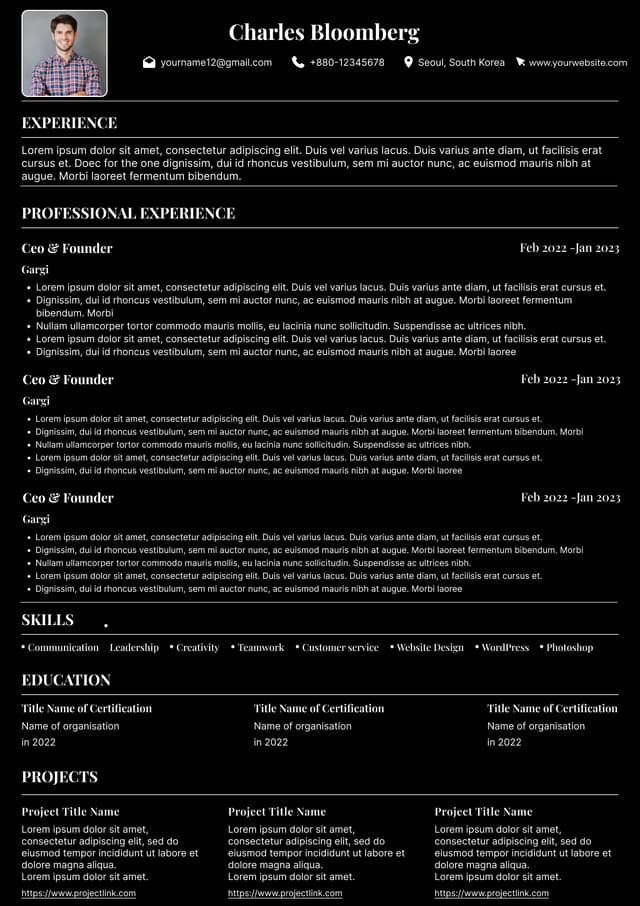
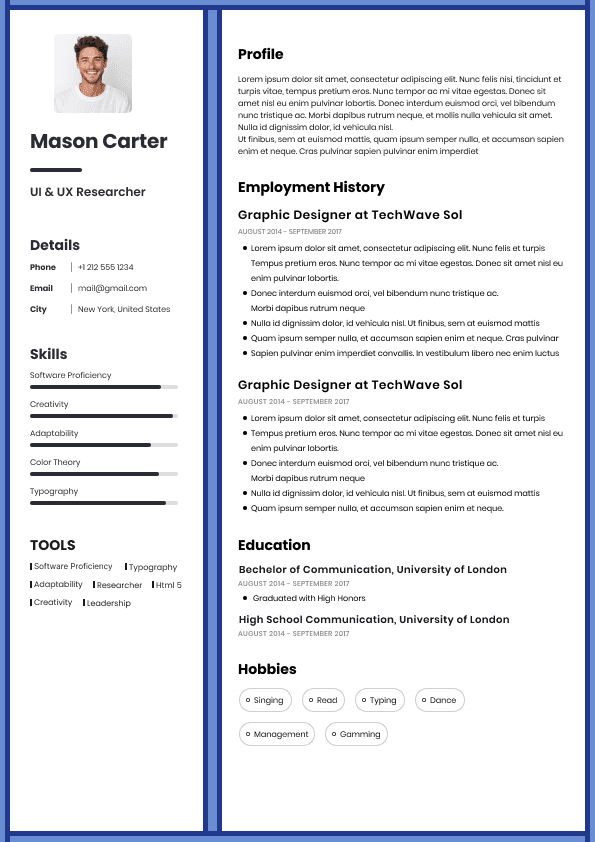
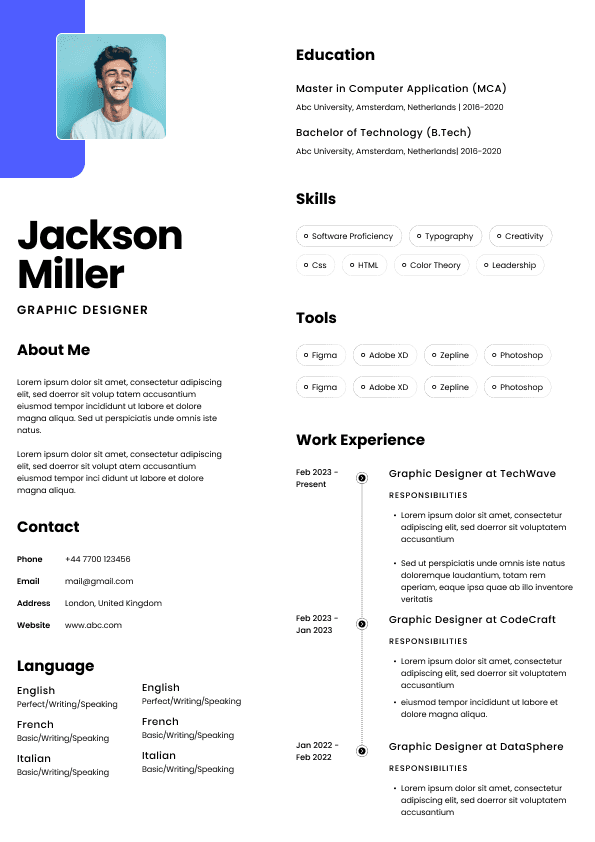
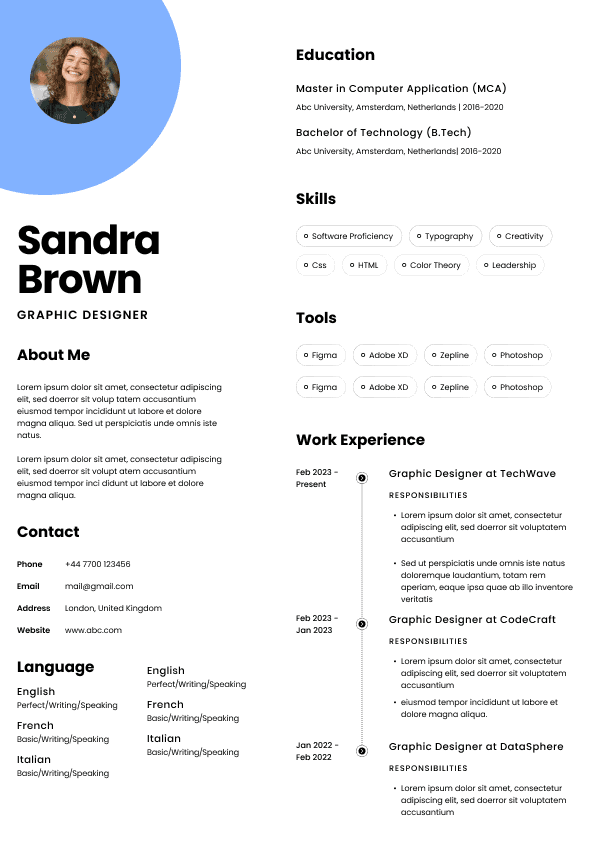
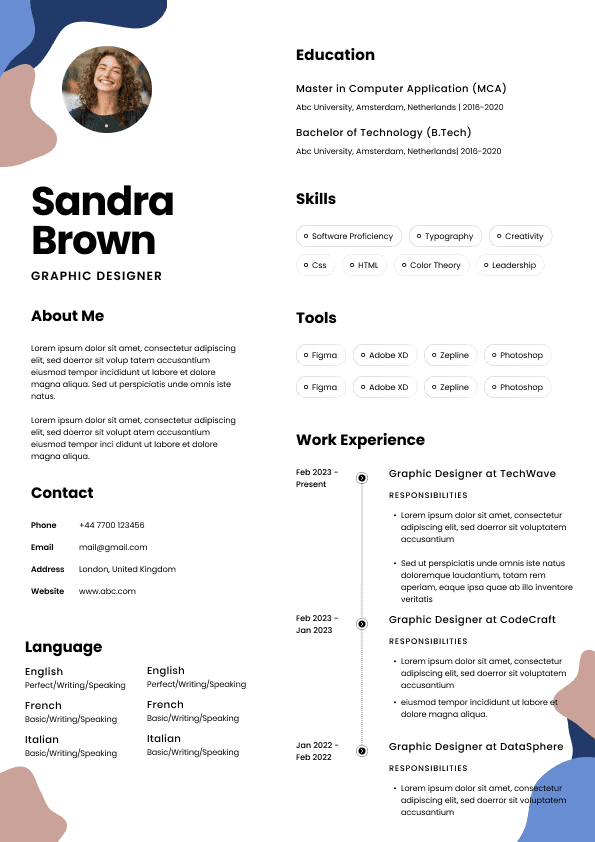
For entry-level developers, structure matters more than most candidates realize.
A poorly organized resume creates the impression that your thinking is disorganized. Engineering hiring managers notice that immediately.
Use this order:
Include:
Name
Phone number
Professional email
GitHub
Portfolio website
Your GitHub matters heavily for junior TypeScript roles. If your GitHub is empty, inactive, or poorly organized, it weakens your application significantly.
For no-experience TypeScript resumes, projects are the core proof of competency.
Most recruiters spend more time reading project sections than education sections for junior developer candidates.
Your projects should demonstrate:
Real functionality
Problem-solving
Technical decision-making
Clean architecture
TypeScript usage
Deployment familiarity
A strong project includes:
Most junior developers waste their project section with vague descriptions.
Bad bullets describe responsibilities.
Strong bullets describe outcomes, implementation details, and technical decisions.
“Worked on a React application using TypeScript.”
This tells recruiters almost nothing.
“Built a full stack task management application using TypeScript, React, Node.js, Express, and PostgreSQL with JWT authentication and protected API routes.”
Why this works:
Shows architecture
Shows stack usage
Shows backend understanding
Demonstrates security concepts
One of the biggest mistakes junior developers make is apologizing for lack of experience indirectly through weak wording.
Do not frame yourself as inexperienced.
Frame yourself as technically capable and actively building.
Avoid:
“Learning coding”
“Trying to become a developer”
“Looking for opportunities”
Use:
“Built”
“Developed”
“Implemented”
Many junior resumes overload skills sections with every framework imaginable.
That usually backfires.
Recruiters prefer candidates with believable depth over fake breadth.
For entry-level TypeScript positions, prioritize:
Interfaces
Types
Generics
Async/await
Error handling
API integration
For junior developers, GitHub often acts as a second resume.
Many candidates lose credibility because their GitHub is:
Empty
Disorganized
Inactive
Full of incomplete tutorial projects
Hiring managers absolutely check repositories for technical roles.
Consistent commits
Clear repository names
If you are a computer science student or recent graduate, your education section still matters.
But recruiters care more about relevance than prestige for junior developer roles.
Good examples:
Data Structures and Algorithms
Web Development
Database Systems
Software Engineering
Operating Systems
Skip irrelevant coursework.
If you attended a coding bootcamp:
Most rejected junior resumes fail for predictable reasons.
Anyone can copy a skills list.
Recruiters care about demonstrated implementation.
Stuffing terms like:
AI
Blockchain
Microservices
Kubernetes
without actual supporting projects damages credibility.
If your project bullets sound interchangeable with thousands of other applicants, your resume becomes invisible.
Applicant Tracking Systems matter, but many candidates misunderstand them.
ATS optimization is not about stuffing keywords randomly.
It is about alignment.
If the job description includes:
TypeScript
React
REST APIs
Node.js
Jest
those technologies should appear naturally in your resume where relevant.
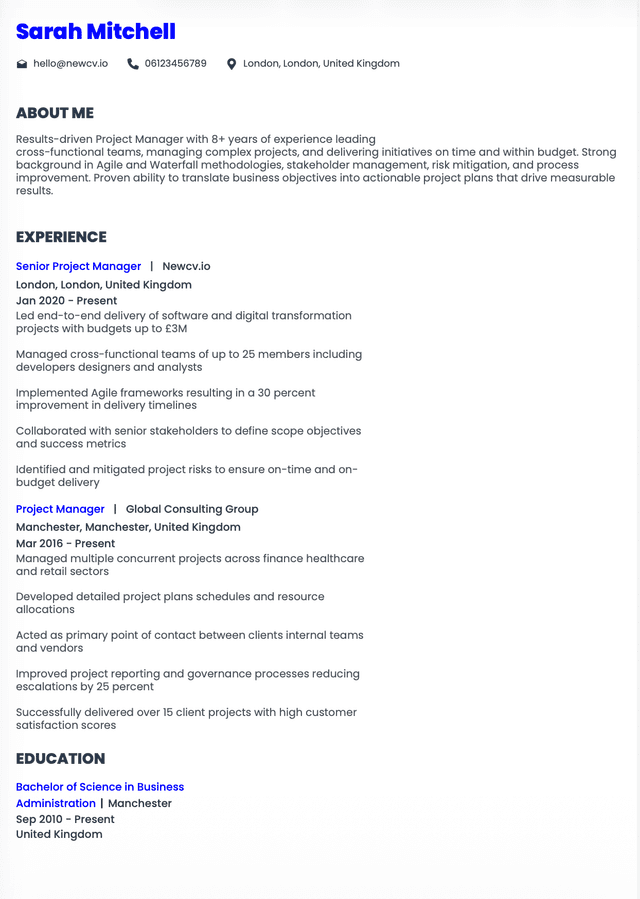
Use recognizable sections:
James Carter
Austin, TX
jamescarter.dev@gmail.com
github.com/jamescarterdev
linkedin.com/in/jamescarterdev
jamescarter.dev
Professional Summary
Entry-level TypeScript developer with hands-on experience building full stack web applications using React, Node.js, Express, and PostgreSQL. Developed typed REST APIs, reusable frontend components, and tested application workflows through academic and personal projects. Strong understanding of TypeScript fundamentals, Git workflows, debugging, and modern JavaScript development practices.
Technical Skills
Languages: TypeScript, JavaScript, SQL, HTML, CSS
Frontend: React, Next.js, Tailwind CSS, Vite
Backend: Node.js, Express, NestJS
Databases: PostgreSQL, MongoDB, Prisma
Most entry-level TypeScript candidates think hiring is purely technical.
It is not.
Recruiters and hiring managers evaluate risk.
The core question is:
“Can this candidate become productive quickly without excessive hand-holding?”
Strong resumes reduce perceived hiring risk by demonstrating:
Consistent learning
Practical project execution
Technical curiosity
Workflow familiarity
Communication ability
Ownership mentality
The candidates who get interviews are usually not the ones with the most technologies listed.
If you currently have no TypeScript work experience, focus your energy here:
Build 2 to 4 polished projects instead of 15 unfinished ones
Create strong GitHub repositories with documentation
Tailor your skills section to each job description
Use realistic, technically detailed project bullets
Include deployment links whenever possible
Practice explaining your projects clearly in interviews
Apply consistently to junior developer and internship roles


Use ATS-optimised Resume and resume templates that pass applicant tracking systems. Our Resume builder helps recruiters read, scan, and shortlist your Resume faster.


Use professional field-tested resume templates that follow the exact Resume rules employers look for.
Create Resume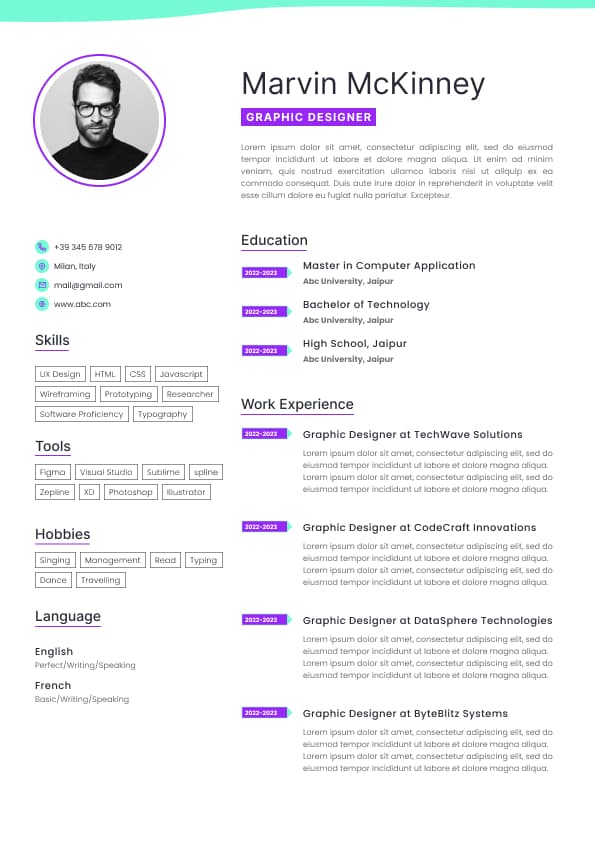
Use professional field-tested resume templates that follow the exact Resume rules employers look for.
Create ResumeCan this person actually build something useful?
Do they understand TypeScript beyond syntax memorization?
Have they worked with modern frontend or backend tooling?
Do they understand APIs, debugging, Git, and testing?
Can they explain projects clearly?
Does their resume feel real or keyword-stuffed?
Would an engineer trust them with junior-level tasks?
Most resumes fail because they only list technologies without proving usage.
Strong junior TypeScript resumes demonstrate:
TypeScript used in real applications
React, Node.js, or Next.js project experience
Typed APIs and interfaces
GitHub repositories with meaningful commits
Deployed projects with live links
Problem-solving examples
Testing or debugging exposure
Collaboration signals like pull requests or Agile workflows
Evidence of learning and iteration
Even unpaid experience counts if the work looks legitimate and technically credible.
Do not write generic summaries like:
Weak Example
“Motivated developer seeking opportunities to grow skills.”
This says nothing.
Instead, position yourself around technical capability.
Good Example
“Entry-level TypeScript developer with hands-on experience building full stack web applications using React, Node.js, Express, and PostgreSQL. Developed typed REST APIs, reusable frontend components, and tested application workflows through personal and academic projects. Strong understanding of TypeScript fundamentals, Git workflows, debugging, and modern JavaScript development practices.”
This works because it sounds specific and credible.
Group skills logically.
Example:
Languages: TypeScript, JavaScript, SQL, HTML, CSS
Frontend: React, Next.js, Tailwind CSS, Vite
Backend: Node.js, Express, NestJS
Databases: PostgreSQL, MongoDB, Prisma
Tools: Git, GitHub, Docker, Postman, VS Code
Testing: Jest, React Testing Library
Concepts: REST APIs, async/await, authentication, type safety, CI/CD basics
Avoid listing technologies you cannot discuss confidently in interviews.
Clear purpose
Modern stack
Typed code
Authentication or API integration
Error handling
Responsive UI
GitHub repository
README documentation
Live deployment
Weak beginner projects often fail because they are too basic.
Calculator app
Basic to-do list with no backend
Tutorial clone with no customization
Unfinished GitHub repositories
These projects do not differentiate candidates anymore.
Full stack task management platform
Expense tracker with authentication
Developer collaboration dashboard
Real-time chat app
E-commerce storefront
Job application tracker
API aggregation dashboard
AI-powered productivity app
The technical depth matters more than flashy design.
Sounds like real engineering work
Developed typed REST API endpoints and reusable React components to improve maintainability and reduce frontend integration errors
Implemented form validation, error handling, and asynchronous API requests using async/await and Axios
Created TypeScript interfaces and reusable utility functions to enforce type safety across frontend and backend workflows
Used Git and GitHub for pull requests, version control, issue tracking, and collaborative project management
Wrote unit tests with Jest and React Testing Library to validate application behavior and improve reliability
Deployed applications using Vercel, Railway, and Render with environment variable configuration and deployment documentation
Integrated PostgreSQL database models using Prisma ORM for structured data management
Solved algorithmic coding challenges covering arrays, recursion, promises, objects, sorting, and data structures
Strong bullet points create confidence that you can contribute inside a real engineering environment.
“Integrated”
“Designed”
“Tested”
“Deployed”
Recruiters respond to demonstrated execution.
Type annotations
Functions and modules
React
Next.js
State management basics
Responsive UI
Tailwind CSS
Form handling
Node.js
Express
REST APIs
Authentication basics
Database integration
Git
GitHub
Pull requests
Debugging
Testing
CI/CD basics
These are the skills most commonly associated with junior TypeScript job postings.
README documentation
Screenshots or demos
Deployment links
Organized code structure
Real project complexity
Meaningful commit messages
A polished GitHub profile can compensate heavily for lack of professional experience.
Strong README files demonstrate:
Communication ability
Engineering professionalism
Documentation habits
Collaboration readiness
Include:
Project overview
Tech stack
Features
Installation instructions
Deployment links
Screenshots
Future improvements
Junior developers who document projects well consistently outperform equally skilled candidates who do not.
Include graduation date
Mention technologies learned
Add capstone projects
Highlight collaborative development experience
If you are self-taught:
Focus heavily on projects
Certifications can help slightly
GitHub becomes more important
Portfolio quality matters more than credentials
A strong self-taught portfolio can absolutely compete with degree holders for junior TypeScript positions.
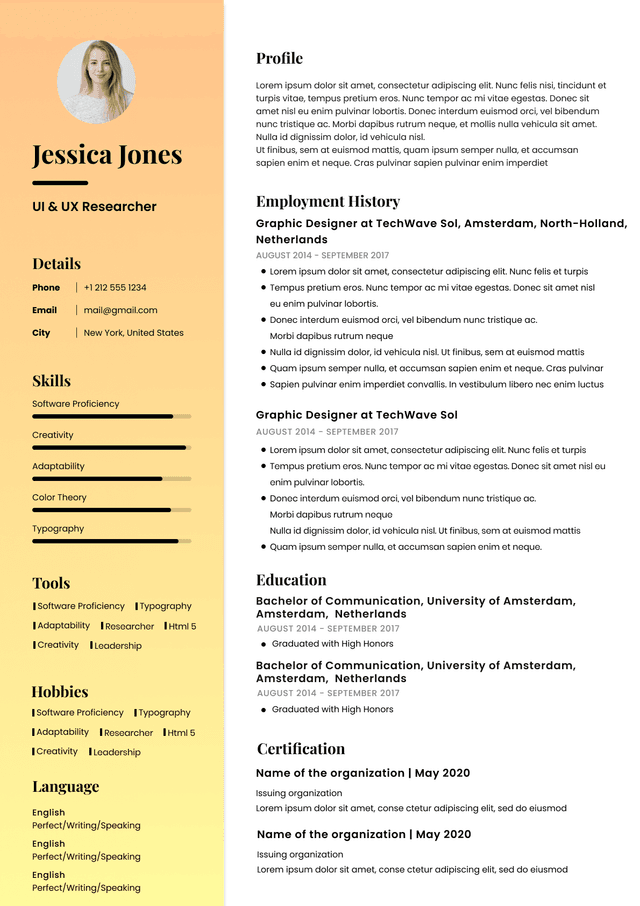
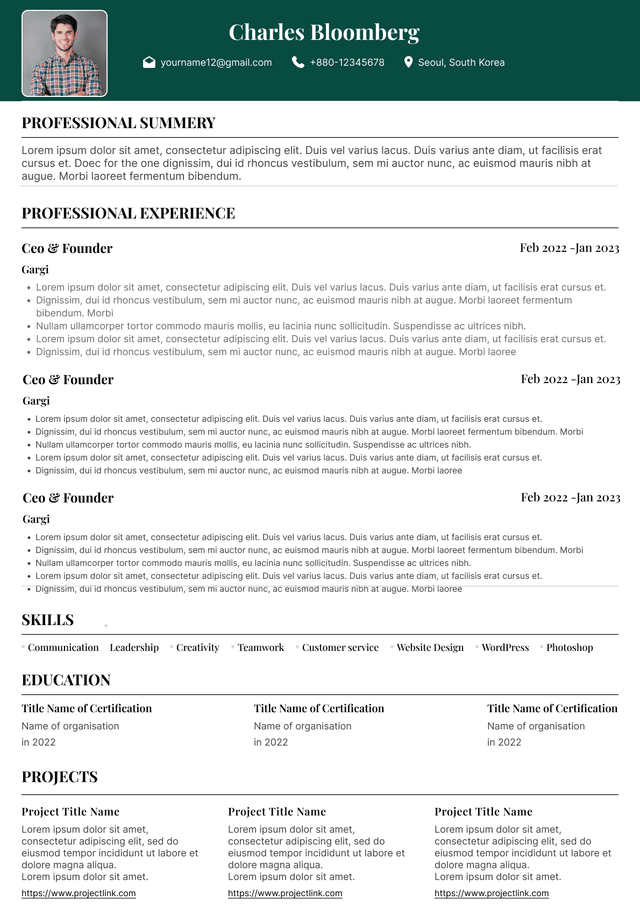
Messy spacing, inconsistent alignment, and cluttered layouts create a negative impression immediately.
Engineers often associate resume organization with engineering thinking quality.
For junior TypeScript roles, missing GitHub links is a major weakness.
Hiring managers recognize tutorial clones instantly.
You need projects showing customization, technical decisions, or independent problem-solving.
Summary
Skills
Projects
Experience
Education
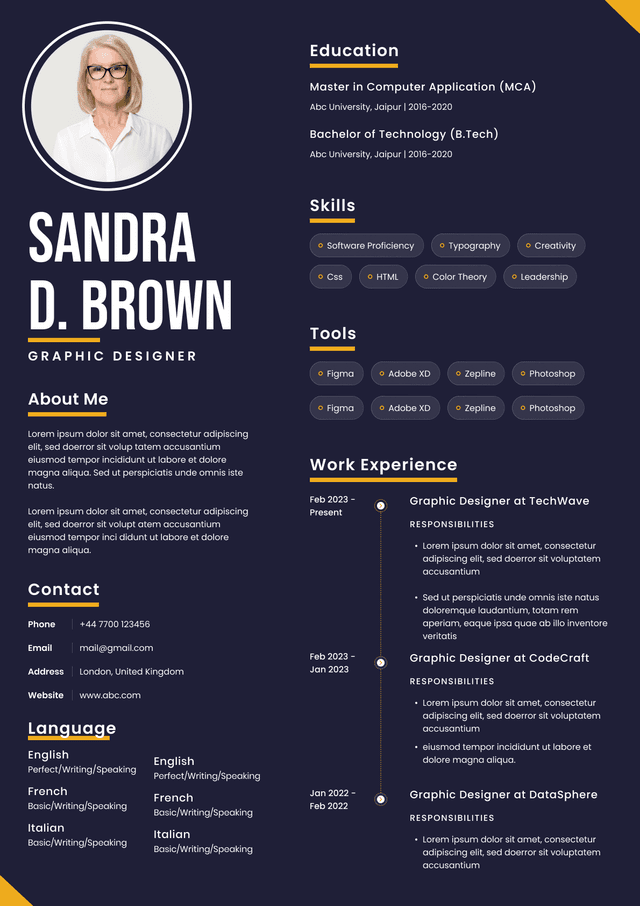
Overly creative formatting can break ATS parsing.
Most modern ATS systems handle PDFs correctly.
But if a company specifically requests DOCX format, follow instructions exactly.
Tools: Git, GitHub, Docker, Postman, VS Code
Testing: Jest, React Testing Library
Concepts: REST APIs, async/await, authentication, CI/CD basics, Agile workflows
Projects
TaskFlow Project Management App
GitHub: github.com/jamescarterdev/taskflow
Built a full stack task management platform using TypeScript, React, Node.js, Express, and PostgreSQL
Developed JWT authentication, protected routes, and role-based authorization workflows
Created reusable frontend components and typed REST API endpoints to improve maintainability
Implemented form validation, asynchronous API handling, and centralized error management
Wrote unit tests using Jest and React Testing Library
Deployed frontend and backend applications using Vercel and Railway
Developer Portfolio Dashboard
GitHub: github.com/jamescarterdev/dev-dashboard
Built a responsive dashboard application integrating GitHub and REST API data using TypeScript and React
Implemented async/await workflows, reusable hooks, and typed API response handling
Added filtering, pagination, and dynamic state management features
Documented setup instructions and deployment workflows through detailed README documentation
Education
Bachelor of Science in Computer Science
University of Texas at Austin
Relevant Coursework:
Data Structures and Algorithms
Database Systems
Software Engineering
Web Development
They are the ones whose resumes feel believable, focused, and technically mature for their level.
Improve one project deeply instead of constantly starting new ones
A well-positioned junior TypeScript developer resume can absolutely compete in today’s market even without formal experience.
Most hiring managers are not looking for perfection at the entry level.
They are looking for proof that you can already think and work like a developer.



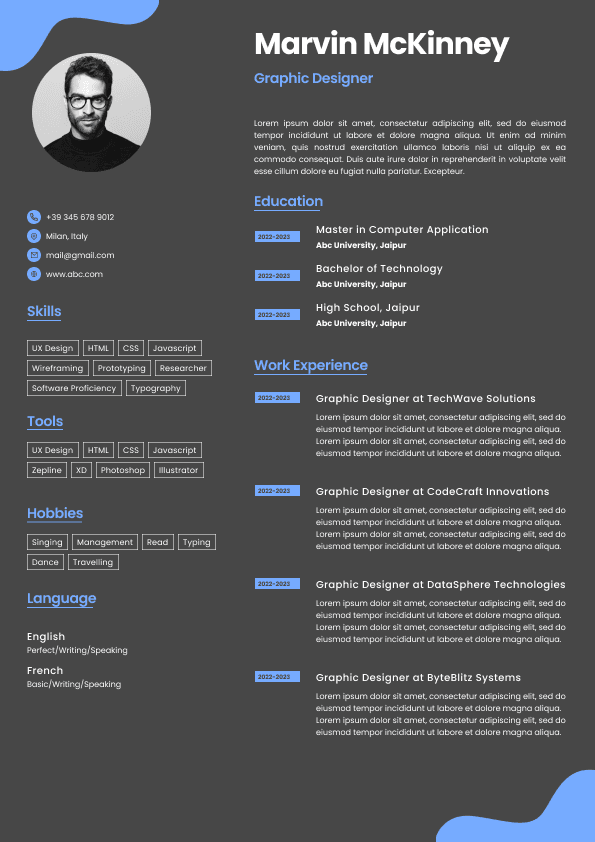
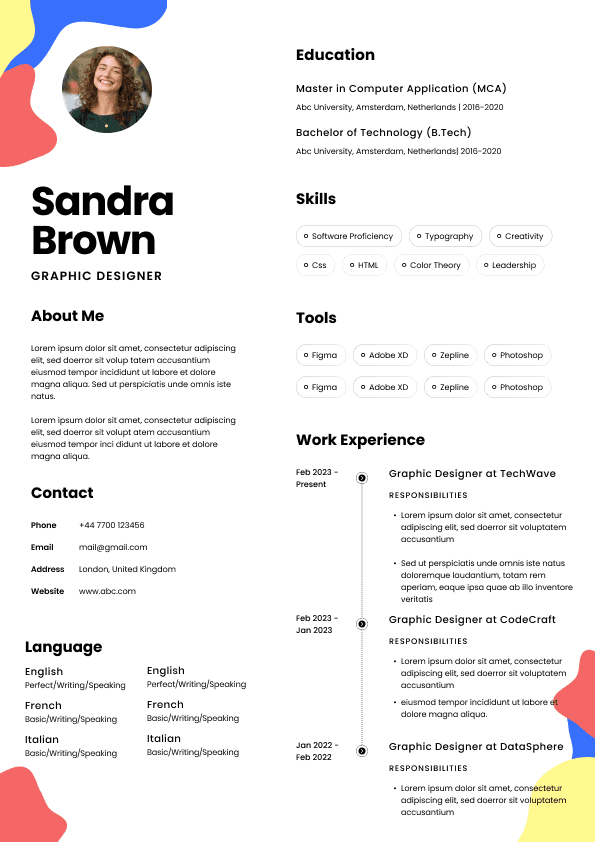
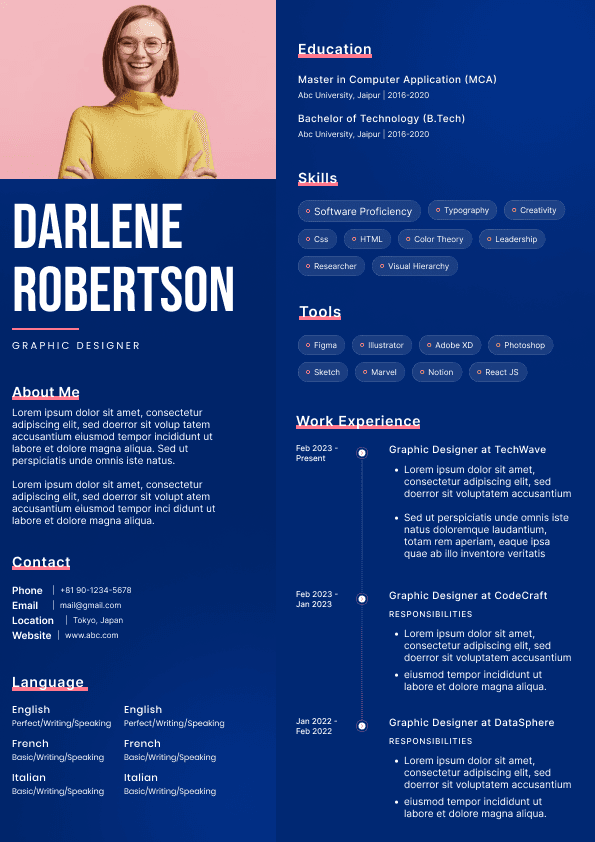
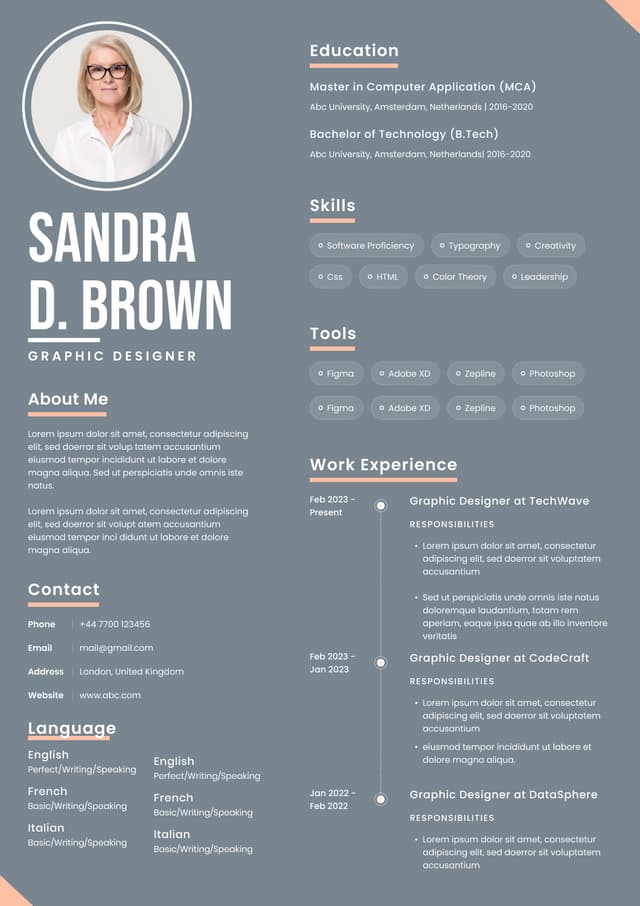
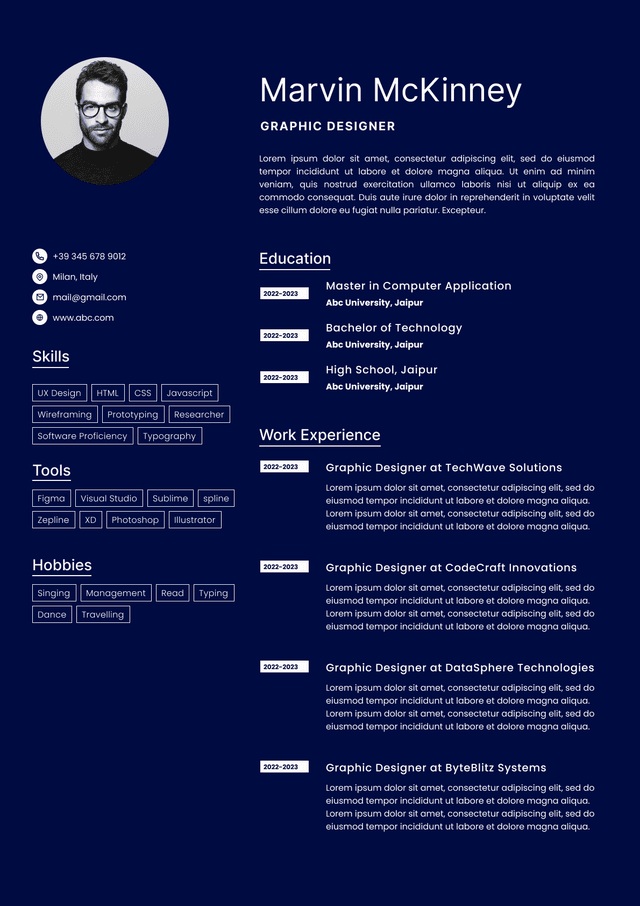
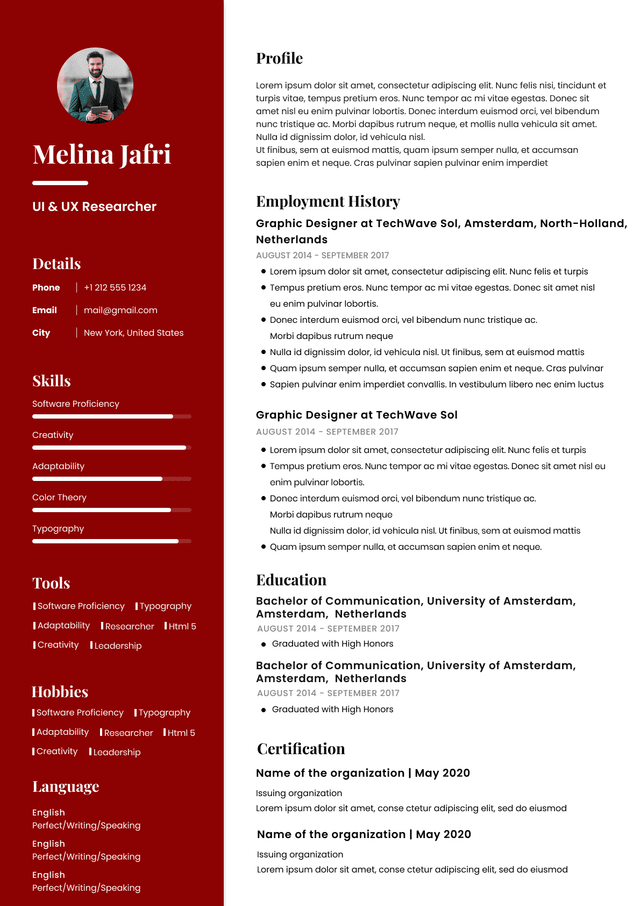

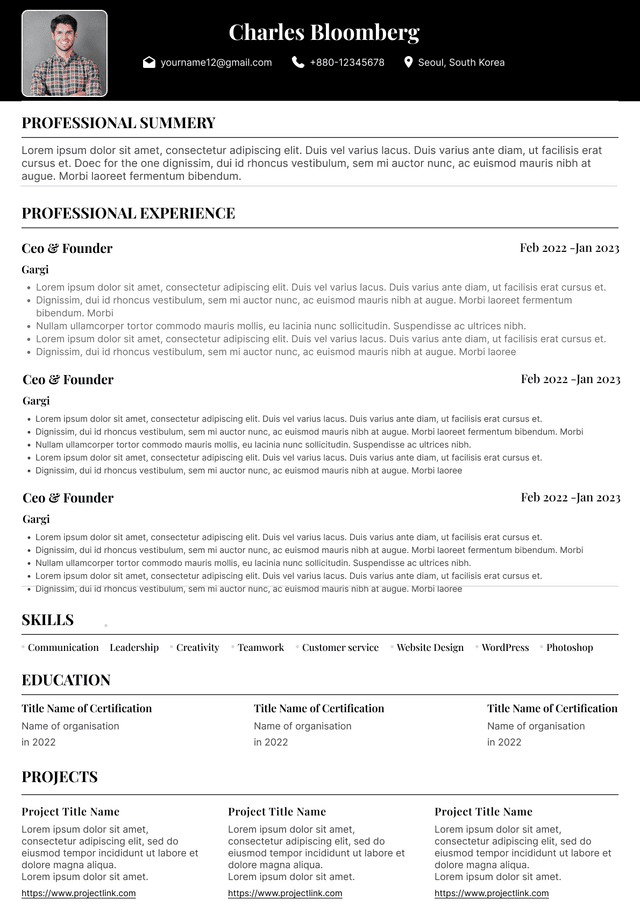
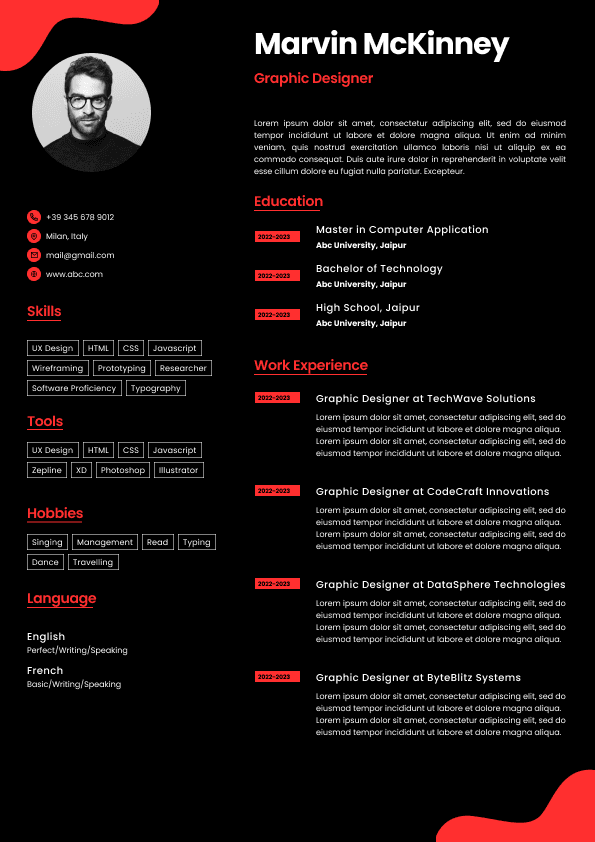
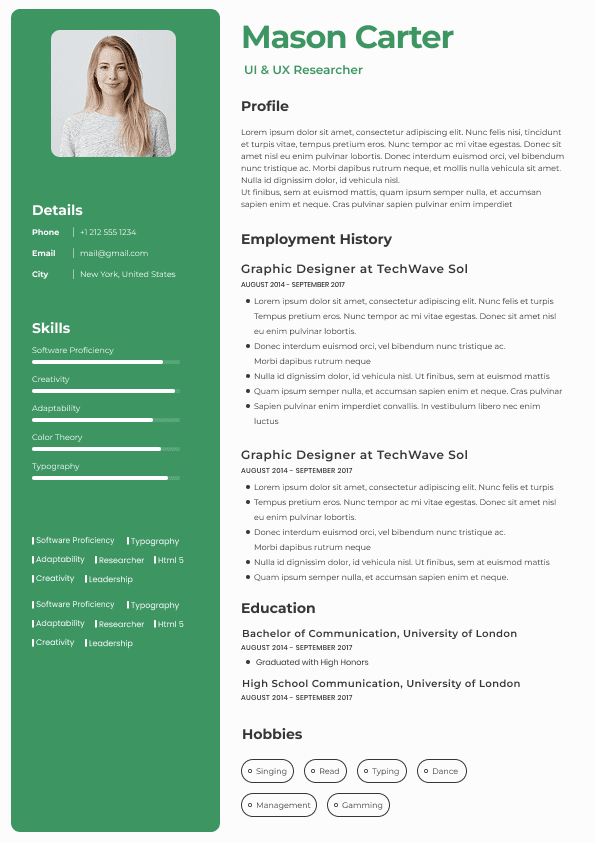
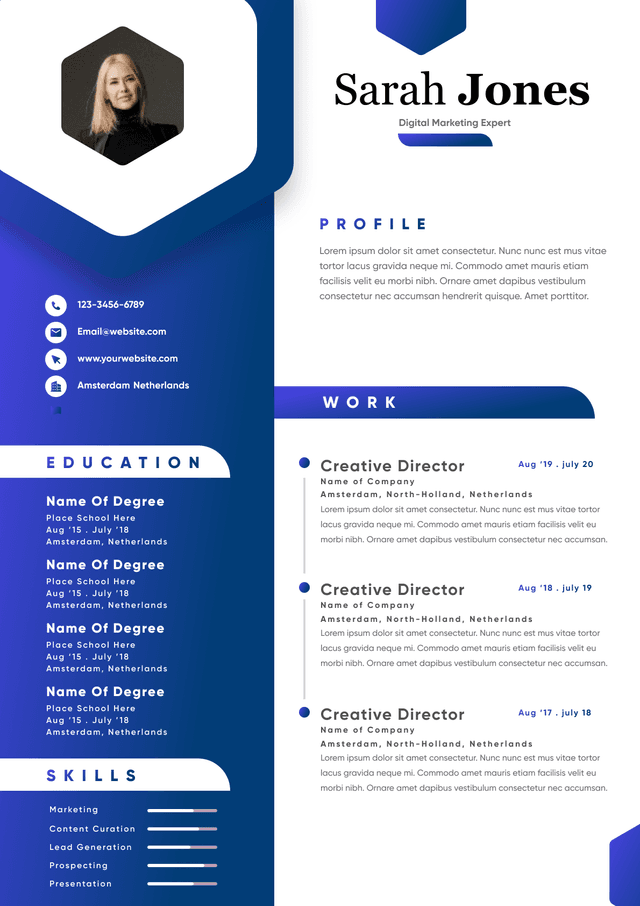
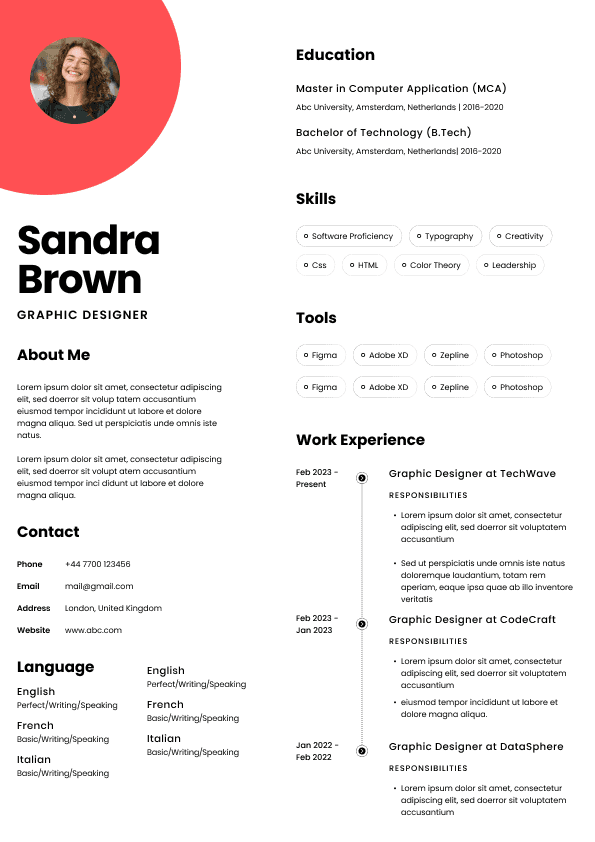
 Upload Resume
 Import from Linkedin