STILL APPLYING. STILL HEARING NOTHING?BUILD YOUR RESUME

STILL APPLYING. STILL HEARING NOTHING?BUILD YOUR RESUME
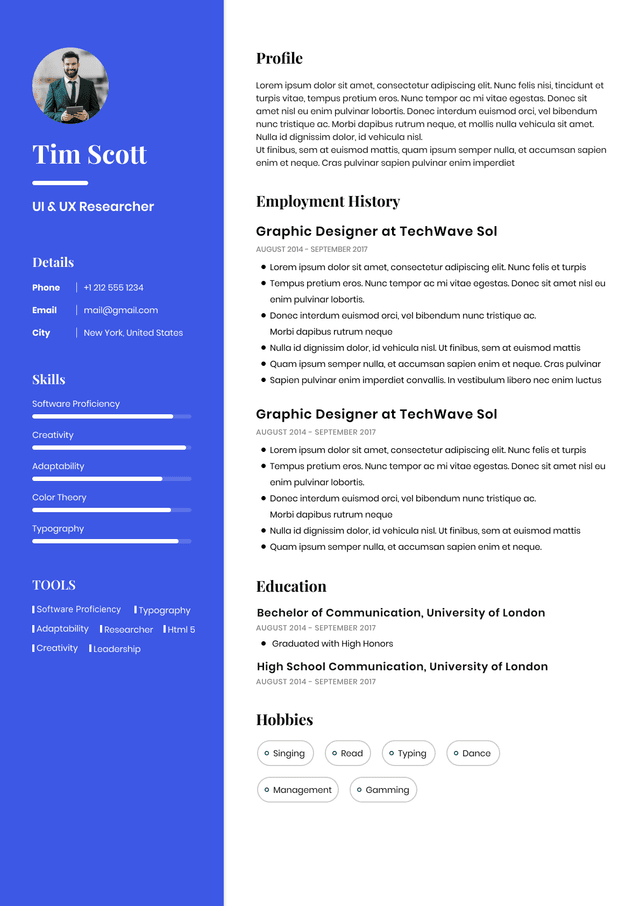
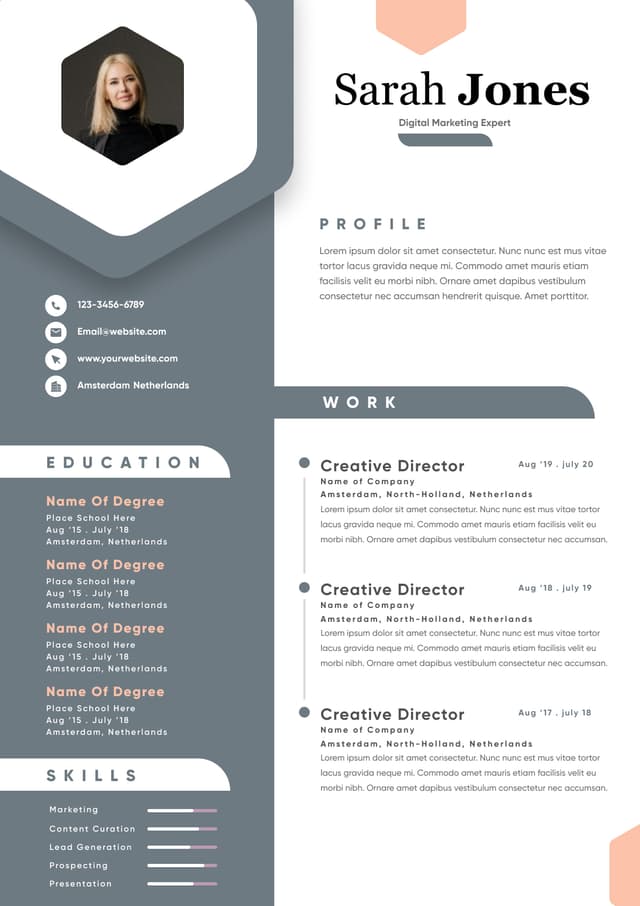
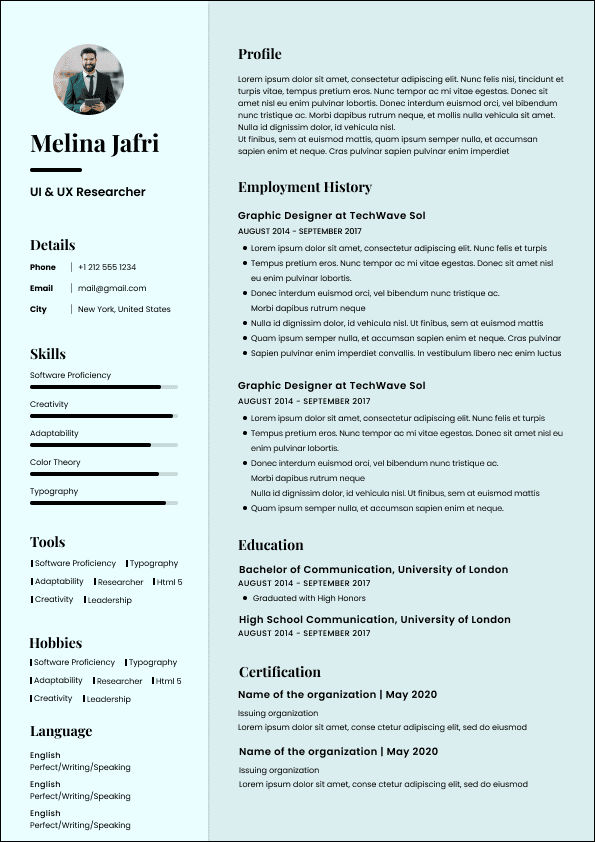
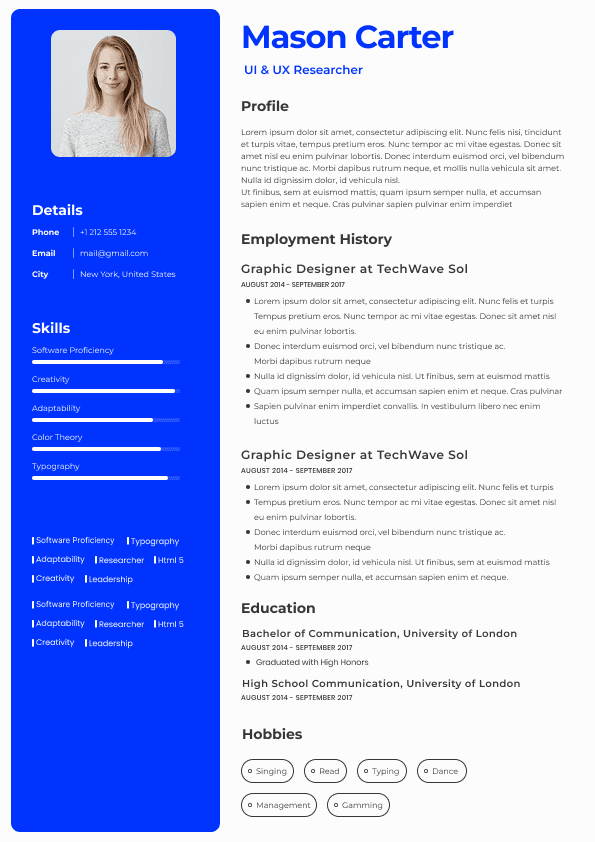
Choose from a wide range of NEWCV resume templates and customize your NEWCV design with a single click.
FAQ
A strong TypeScript developer resume is not just a list of technologies. Hiring managers look for evidence that you can build scalable applications, work across modern frontend or backend ecosystems, collaborate in production environments, and solve engineering problems without creating technical debt. The best resumes combine deep TypeScript expertise with operational engineering skills, product awareness, and measurable delivery outcomes.
Most candidates fail because they either overload the resume with every JavaScript framework they have touched or list vague soft skills without proving impact. Recruiters screening TypeScript resumes typically evaluate four things first: framework alignment, architecture experience, production readiness, and code quality discipline.
If your skills section is weak, outdated, or poorly structured, your resume will likely get filtered out before a technical interview even happens. This guide breaks down the exact TypeScript developer resume skills employers expect in today’s US hiring market, including hard skills, soft skills, operational abilities, ATS keywords, and strategic positioning advice.
Most engineering recruiters spend less than 30 seconds on the initial resume scan. During that scan, they are trying to answer a few critical questions quickly:
Can this developer work in our stack immediately?
Have they shipped production-grade applications?
Do they understand scalable engineering practices?
Can they collaborate effectively with product and engineering teams?
Are they specialized or too generic?
For TypeScript roles specifically, recruiters also look for signs that the candidate understands typed architecture, maintainable codebases, testing discipline, and modern framework ecosystems.
A resume that simply lists “TypeScript, React, Node.js” without context is weak. A resume that demonstrates production usage, performance optimization, testing ownership, API design, and scalable architecture immediately stands out.
Below are the most valuable skills categories to include on a modern TypeScript developer resume.
These are foundational technical requirements for nearly all TypeScript developer roles.
TypeScript
JavaScript
HTML5
CSS3
SQL
Node.js
ES6+
Modern TypeScript applications rely heavily on database performance and data architecture.
Strong database skills include:
PostgreSQL
MySQL
MongoDB
Redis
Prisma
ORM usage
Query optimization
Schema design
This category is commonly underrepresented on TypeScript resumes, which creates a major opportunity for candidates.
Developers who understand deployment and infrastructure workflows are significantly more valuable in modern engineering organizations.
AWS
Azure
Google Cloud Platform
Vercel
Netlify
Serverless architecture
Lambda functions
One of the biggest resume mistakes TypeScript developers make is treating testing as optional.
In modern engineering teams, testing discipline is viewed as a sign of engineering maturity.
Jest
Vitest
React Testing Library
Cypress
Playwright
TDD
Unit testing
Security awareness is becoming a larger hiring factor, especially in fintech, healthcare, SaaS, and enterprise environments.
OWASP principles
Secure coding practices
XSS prevention
CSRF protection
Input validation
Authentication systems
Authorization controls
Performance optimization is one of the strongest differentiators for mid-level and senior TypeScript developers.
Core Web Vitals optimization
Bundle optimization
Lazy loading
Code splitting
Rendering optimization
API latency reduction
Caching strategies
Technical skills get interviews. Soft skills often determine who gets hired.
Engineering managers want developers who improve team velocity, communication, and delivery reliability.
Problem-solving
Communication
Ownership
Collaboration
Adaptability
Critical thinking
Attention to detail
Operational engineering skills are frequently ignored on resumes even though they matter heavily in real hiring decisions.
These skills show that you understand how software teams actually function in production environments.
Agile/Scrum delivery
Sprint planning
Code reviews
Pull request management
Technical documentation
Incident response
Production support
A poorly structured skills section can weaken even strong technical experience.
Organize skills into logical categories instead of dumping technologies randomly.
A strong structure looks like this:
Languages
Frontend Technologies
Backend Technologies
Databases
Cloud & DevOps
Testing
Security
Applicant Tracking Systems scan for role-specific keywords before recruiters even see the resume.
If important keywords are missing, strong candidates can get filtered out automatically.
TypeScript
React
Angular
Node.js
REST APIs
GraphQL
Next.js
Many candidates try to impress recruiters by listing every framework they have ever touched.
This backfires.
Hiring managers usually interpret overloaded skill lists as shallow experience.
Prioritize depth and relevance over quantity.
Outdated frontend tooling can weaken your positioning.
For example, listing old libraries without modern ecosystem knowledge may create concerns about current engineering relevance.
“Hardworking” and “team player” add almost no value.
Show soft skills through achievements and collaboration examples instead.
One of the biggest reasons qualified candidates get rejected is poor alignment with the actual role.
A React-heavy position should emphasize:
React
Recruiters expect:
Strong fundamentals
Framework familiarity
Clean coding habits
Learning ability
Collaboration potential
Junior candidates do not need deep architecture experience, but they do need evidence of practical project work.
Recruiters expect:
Production experience
The strongest TypeScript resumes usually have five characteristics:
The resume immediately communicates whether the candidate is:
Frontend-focused
Backend-focused
Full stack
Platform-oriented
Performance-focused
Enterprise-focused
Confused positioning weakens recruiter confidence.
Strong resumes quantify outcomes.


Use ATS-optimised Resume and resume templates that pass applicant tracking systems. Our Resume builder helps recruiters read, scan, and shortlist your Resume faster.

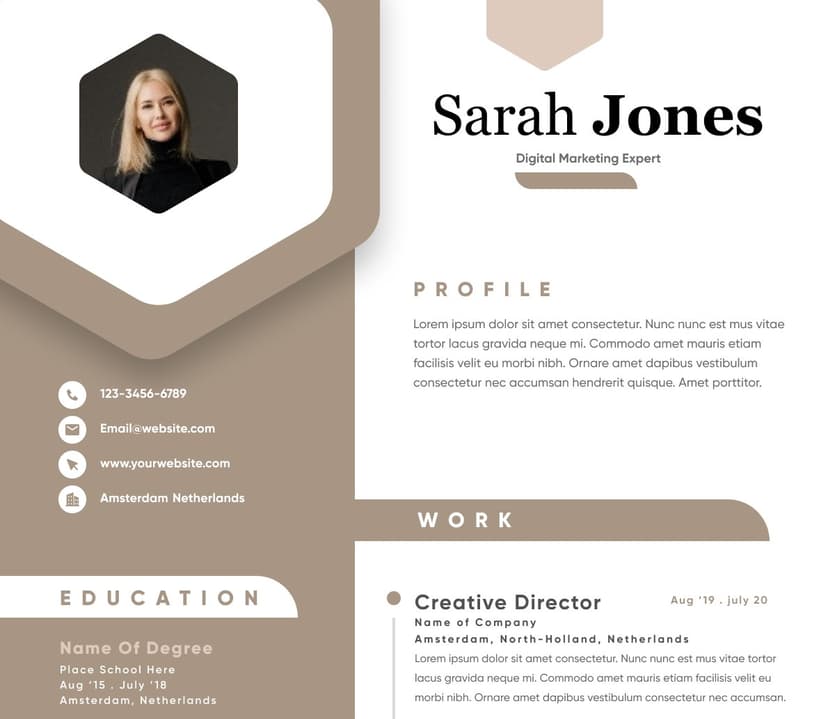
Use professional field-tested resume templates that follow the exact Resume rules employers look for.
Create Resume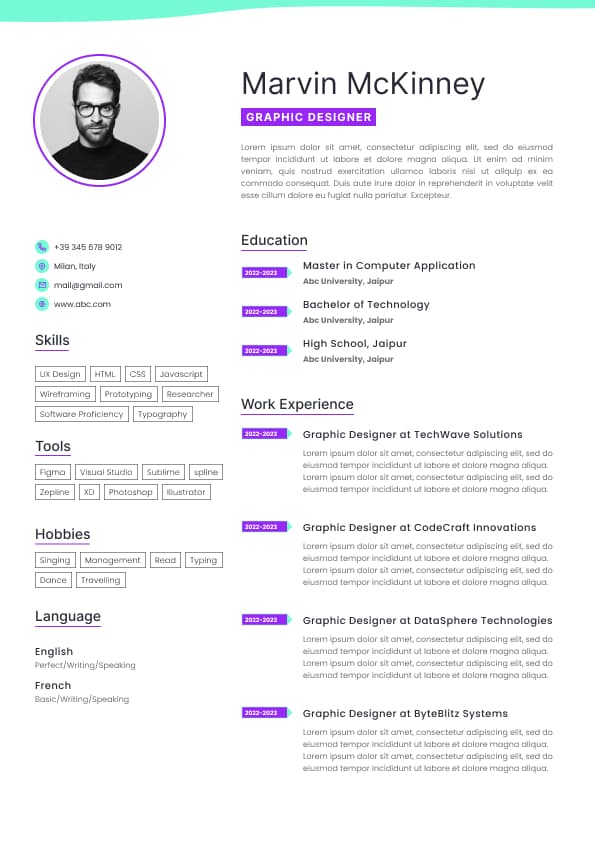
Use professional field-tested resume templates that follow the exact Resume rules employers look for.
Create ResumeAsync programming
Object-oriented programming
Functional programming
DOM manipulation
API integration
Recruiters expect TypeScript developers to have strong JavaScript fundamentals. Candidates who rely only on frameworks without understanding core language behavior often fail technical interviews.
This is where stronger candidates separate themselves from average frontend developers.
Interfaces
Custom types
Generics
Enums
Utility types
Type narrowing
Strict mode
Modules
Decorators
Type inference
Union and intersection types
Advanced typing patterns
Typed API contracts
Type-safe architecture
Runtime validation
Dependency injection
Many resumes list “TypeScript” but fail to show actual depth. Senior hiring managers specifically look for advanced type system usage because it directly impacts scalability and maintainability in large applications.
Frontend TypeScript roles heavily prioritize framework specialization and UI architecture experience.
React
Angular
Vue.js
Next.js
Redux
Zustand
Component architecture
Responsive design
Accessibility
Server-side rendering
Static site generation
Design systems
State management
Webpack
Vite
Tailwind CSS
Material UI
Styled Components
Frontend performance optimization
Core Web Vitals
For React-focused roles, recruiters usually prioritize component scalability, performance optimization, and state management experience over basic UI development.
Angular-focused employers often value enterprise architecture experience, RxJS knowledge, and dependency injection patterns.
Many TypeScript jobs today are full stack or backend-oriented, especially in SaaS and cloud-native companies.
Node.js
Express.js
NestJS
REST APIs
GraphQL
Authentication
Authorization
JWT
OAuth
API security
Microservices
WebSockets
Event-driven architecture
Middleware development
API versioning
Backend validation
Request handling
Rate limiting
NestJS experience is increasingly valuable because many enterprise TypeScript teams use it for scalable backend architecture.
Full stack TypeScript developers are evaluated differently than frontend-only candidates.
Hiring managers expect evidence that you can manage application flow across the frontend, backend, database, and deployment layers.
Important skills include:
End-to-end application development
API contract management
Frontend and backend integration
Database modeling
Deployment pipelines
Full stack debugging
Cross-system troubleshooting
Monorepo architecture
Shared type systems
Distributed application architecture
Candidates who can demonstrate ownership across the stack often move faster through hiring pipelines because they reduce dependency bottlenecks inside engineering teams.
Indexing
Data modeling
Transactions
Database migrations
Connection pooling
Caching strategies
Recruiters often prioritize PostgreSQL experience in startup and SaaS environments because it aligns with modern TypeScript backend ecosystems.
Candidates who understand query optimization and indexing tend to perform better during system design discussions.
Cloud deployment
CDN configuration
Infrastructure monitoring
Docker
CI/CD pipelines
GitHub Actions
GitLab CI/CD
Kubernetes
Environment configuration
Monitoring
Logging
Deployment automation
Release management
Candidates who can independently deploy and maintain applications often receive stronger compensation offers because they reduce operational overhead.
Integration testing
End-to-end testing
Test automation
Mocking
Coverage analysis
Recruiters frequently associate strong testing skills with lower production risk and better code quality.
Candidates who mention measurable testing impact perform better.
Weak Example
“Used Jest for testing.”
Good Example
“Built automated Jest and Cypress test suites that reduced production regression bugs by 38%.”
The second example demonstrates business impact and engineering ownership.
Access management
API security
Encryption handling
Role-based access control
Most candidates barely mention security. Including practical security experience immediately improves perceived engineering maturity.
Memoization
Database performance optimization
Image optimization
Recruiters love measurable performance outcomes.
Weak Example
“Improved frontend performance.”
Good Example
“Reduced frontend load time by 42% through bundle splitting, lazy loading, and rendering optimization.”
Specific metrics dramatically increase resume credibility.
Time management
Mentoring
Product thinking
Documentation
Cross-functional communication
The key is proving these skills through outcomes rather than simply listing them.
Instead of writing:
Strong communication skills
Team player
Detail-oriented
Use experience bullets that demonstrate those behaviors.
Good Example
“Collaborated with product managers and designers to redesign onboarding flows, improving user activation rates by 27%.”
This shows collaboration, communication, and product thinking naturally.
Release management
Backlog refinement
Cross-functional collaboration
Engineering estimation
Technical debt management
Hiring managers often trust candidates more when they demonstrate operational awareness because it signals readiness for real engineering workflows.
Methodologies
This improves ATS readability and helps recruiters scan quickly.
Languages: TypeScript, JavaScript, SQL, HTML5, CSS3
Frontend: React, Next.js, Redux, Tailwind CSS, Responsive Design, Accessibility
Backend: Node.js, Express.js, NestJS, REST APIs, GraphQL
Databases: PostgreSQL, MongoDB, Redis, Prisma
Cloud & DevOps: AWS, Docker, GitHub Actions, CI/CD, Vercel
Testing: Jest, Cypress, Playwright, React Testing Library
Methodologies: Agile, Code Reviews, TDD, Sprint Planning
This structure is recruiter-friendly and ATS-optimized.
Jest
PostgreSQL
AWS
Docker
CI/CD
Full stack development
Scalable architecture
Performance optimization
API integration
Secure coding
Responsive design
Testing automation
Agile development
Do not keyword stuff. Use these naturally within experience bullets and project descriptions.
Recruiters can instantly spot resumes that are artificially optimized for ATS without genuine experience behind the terms.
Next.js
State management
UI architecture
Frontend performance
A backend-focused role should prioritize:
Node.js
APIs
Databases
Security
Scalability
Infrastructure
Resume skill positioning matters as much as the skills themselves.
Independent feature ownership
Testing discipline
API integration skills
Performance awareness
Mid-level candidates are expected to contribute with limited supervision.
Senior hiring evaluations focus heavily on:
System architecture
Scalability
Technical leadership
Mentorship
Cross-team collaboration
Operational decision-making
Engineering tradeoffs
Senior resumes should emphasize impact, architecture decisions, and measurable business outcomes rather than just tools.
Examples include:
Performance improvements
Bug reduction
Deployment speed
Scalability gains
User growth impact
Top candidates align with current engineering ecosystems instead of outdated stacks.
Hiring managers strongly prefer developers who have owned real production systems instead of only contributing isolated tasks.
Testing, security, deployment, observability, and collaboration experience all signal maturity beyond coding ability alone.



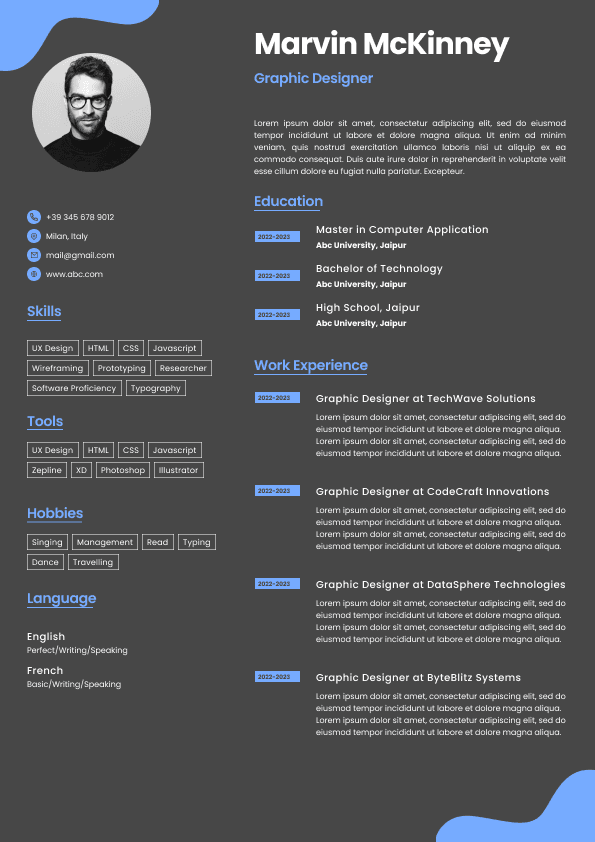
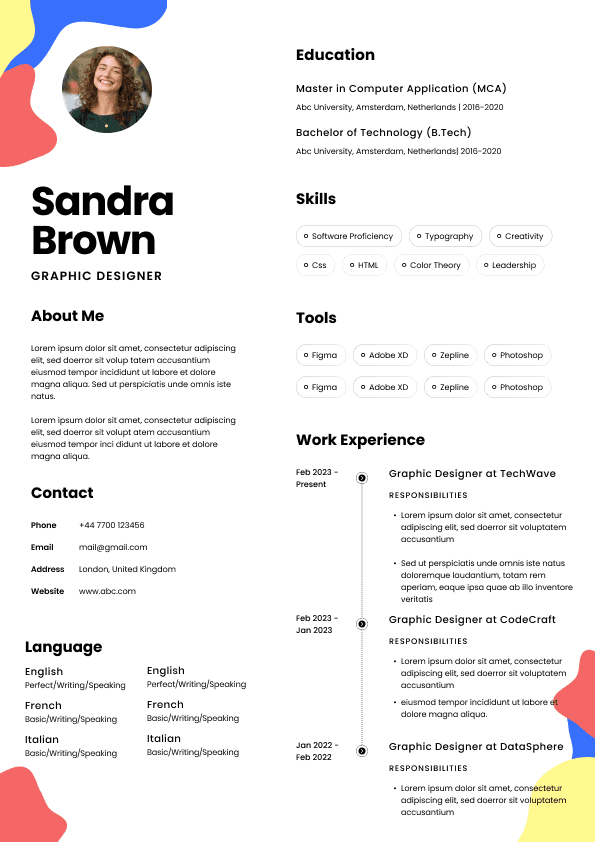

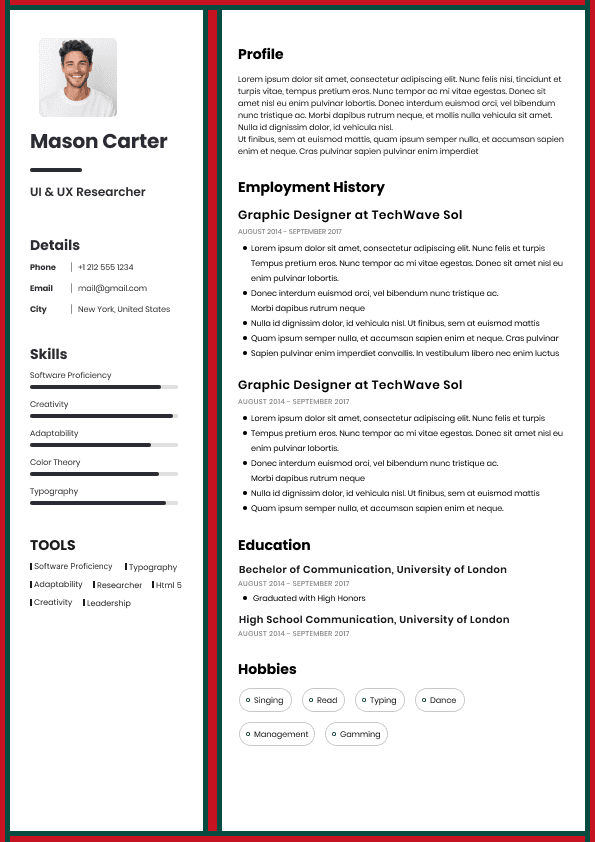
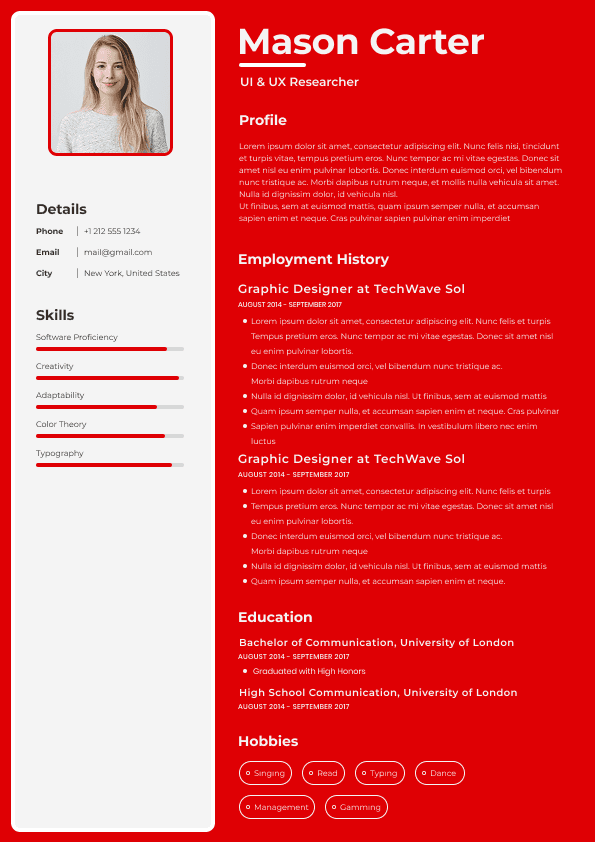
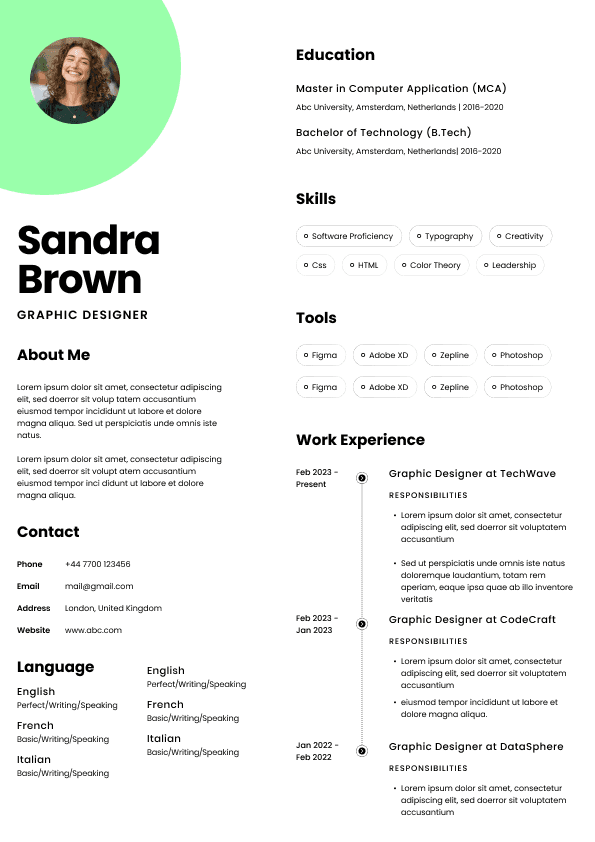
 Upload Resume
 Import from Linkedin